
Reviewed · TREKKING & HOMESTAYS
Sapa 2-Day Trekking Tour – Explore Villages & Scenic Trails
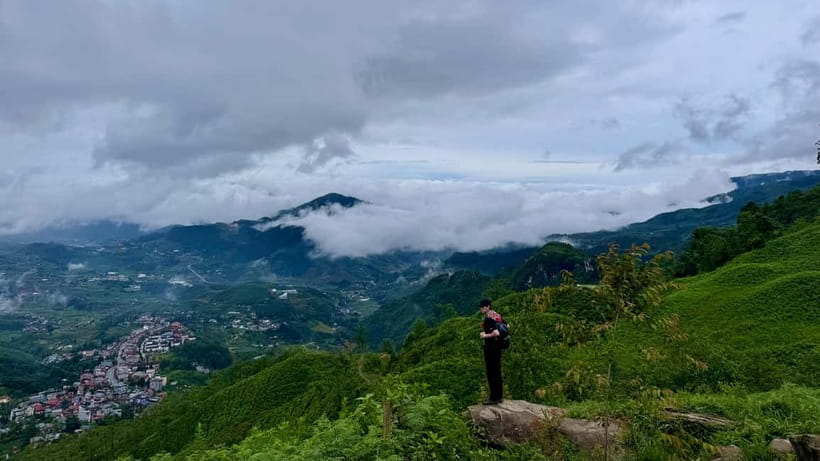
Sapa’s best moments often arrive after the town disappears behind you. This two-day trek leads through rice terraces, bamboo forest, suspension bridges, and ethnic villages, with a night in a family homestay rather than a quick viewpoint stop.
I like the choice between Ta Van and Hau Thao, since it lets you match the walk to your interests and fitness. I also like the small-group setup, where guides such as Mao, Thao, Sung, and Su can adjust the pace and explain local customs instead of simply pointing out scenery.
The main catch is the distance: expect roughly 10 to 14 kilometers per day on muddy, uneven trails. The Hau Thao route is longer and quieter, while Ta Van is gentler but can feel busier on the first day, especially around local sellers.
Key points to know before you book
- Choose Ta Van for a gentler cultural route: Walk through Muong Hoa Valley, meet Black Hmong and Dzay communities, and sleep in a Dzay homestay.
- Choose Hau Thao for fewer people and tougher trails: This route reaches a remote Black Hmong village and adds narrower mountain paths.
- Expect real walking, not a scenic stroll: The tour covers 10 to 14 kilometers daily, with mud, slopes, rice-field paths, and uneven ground.
- The guides make the difference: Mao, Thao, Sung, Su, Suav, Gom, and others are praised for clear English, cultural explanations, safety checks, and flexible pacing.
- The homestay is part of the experience: You get a private room, traditional meals, and time in the countryside, though interaction with hosts can vary.
- Pack for changing weather: Hiking shoes, a rain jacket, long pants, water, insect repellent, and a small daypack matter more than fancy gear.
Why this Sapa trek works better than a quick village visit
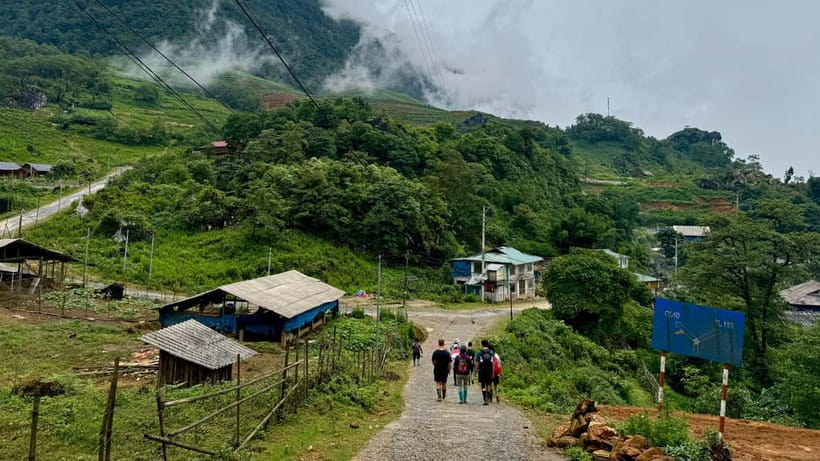
Sapa town is a useful base, but its streets can feel busy and commercial. This trip takes you into the valleys where paths still serve daily village life. You see people working around rice terraces, walk between homes and fields, and hear about Hmong, Dzay, and Red Dao customs from guides who know the area personally.
That local connection is the heart of the trip. Guides do more than lead the way. Mao has been praised for her English and her ability to keep a mixed group together. Thao is good at finding quieter paths around Hau Thao and Hang Da. Sung has taken special care with food allergies and has welcomed visitors into her family setting. Su and Suav are described as calm, warm, and attentive.
The small groups matter. One group had only five people, which allowed a slower pace, more questions, and route changes when someone needed an easier section. You should not expect a private hike automatically, but the format appears far more personal than a large bus-based village tour.
The price is $58 per person. For two days of guiding, a homestay, three included meals on the trek, transport back to Sapa, and access to several village routes, that is a strong value. Check the booking details carefully, though. The general inclusion text contains references to Cat Ba, Lan Ha Bay, cruises, and Hanoi to Cat Ba transport, which do not fit this Sapa trek. Confirm exactly what applies to the Sapa departure before paying.
More Trekking Trips in Hanoi
- Hanoi – Sapa 2 Days 1 Night Overnight At Homestay
★ 5.0 · 899 reviews - From Hanoi: 2-Day Sapa Trekking Trip with Homestay & Meals
★ 4.8 · 704 reviews - Sapa 3 Days 2 Nights Trekking Tour (1 Night In Ta Van Village, 1 Night In Hotel)
★ 5.0 · 699 reviews
Day 1: Sapa to Y Linh Ho and Lao Chai
The trek begins at 9:00 AM from Sapa Town. Arrive 15 to 30 minutes early at Sapa TT Homestay, about one kilometer from the central area. You can leave a large bag at the office and carry only a small daypack.
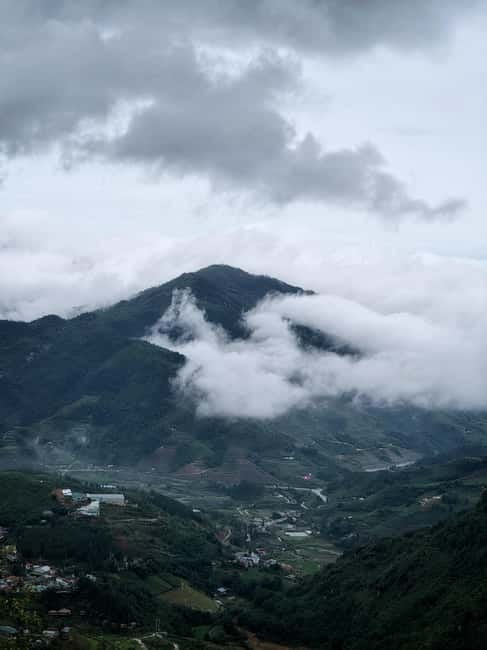
The first part leads down toward Muong Hoa Valley. This is where Sapa’s famous terraced fields begin to make sense. From above, the terraces look carefully drawn into the hillsides. At walking level, you notice the changing footing, irrigation channels, narrow paths, and the work needed to farm steep ground.
Y Linh Ho is one of the first village areas. The route then continues toward Lao Chai, known for Black Hmong culture, colorful clothing, handicrafts, and broad views across the valley. The villages are not museum displays. People live and work here, and your guide can help explain customs and daily life without turning every encounter into a performance.
The walk is often described as moderate, but that word needs a little translation. You do not need technical climbing skills, yet you should be comfortable walking for several hours on uneven ground. The first day may take around three and a half hours for some groups, but the official distance can reach 10 to 14 kilometers depending on the route and conditions.
You stop for lunch with views over the terraces. The meals are Vietnamese, made with local ingredients, and vegetarian and vegan food is available. If you have an allergy or other dietary need, tell the company before departure. Sung’s careful handling of an allergy shows why early notice matters.
Local women may walk alongside part of the route, sometimes offering help or handmade goods. This can feel persistent, especially on the first day. You can be polite and clear if you do not want to buy anything. If someone gives useful help on a slippery section, buying a small craft can be a fair way to support the local economy, but it should not feel compulsory.
Ta Van route: valley culture and a gentler pace
Choose Ta Van if you want the best balance of scenery, village life, and manageable walking. After Y Linh Ho and Lao Chai, the path continues through Muong Hoa Valley toward Ta Van, a Dzay village with a more developed homestay scene.
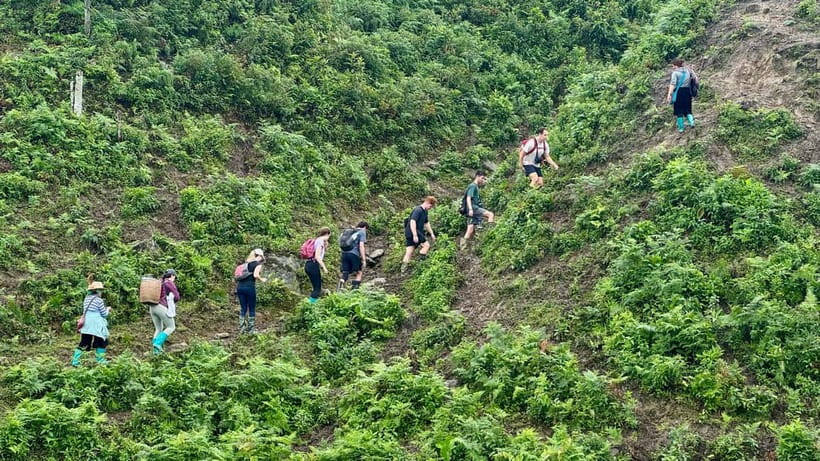
This route is called the easier option, but it is not flat. You still face slippery ground, steps, slopes, and possible mud. The advantage is a generally shorter and more relaxed feel, with more natural pauses and less emphasis on covering remote mountain paths.
At Ta Van, you stay in a Dzay homestay. The private room gives you more comfort than a basic shared floor, while the setting lets you sleep close to village life. Dinner is included and usually features several Vietnamese dishes. Meals have been a major strength of this experience, with fresh local food and good care for vegetarian diets.
Do not expect the homestay to guarantee long conversations with the family. Some people find the hosts warm and welcoming, while others want more direct interaction than they receive. That depends on the household, language, group mood, and timing. Still, staying overnight gives you something a day trip cannot: you wake up in the valley instead of returning to Sapa before sunset.
Day 2 on Ta Van: bamboo forest, waterfall, and Giang Ta Chai
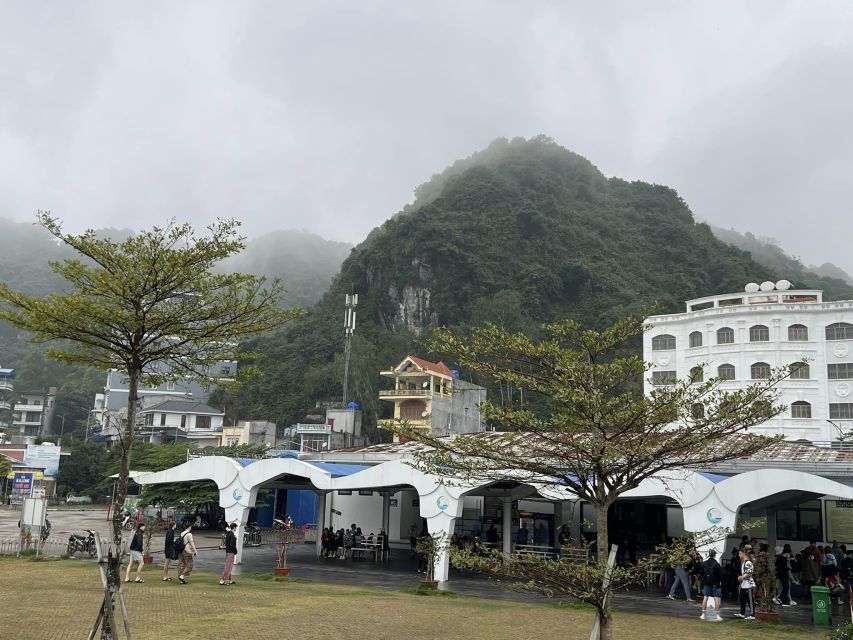
After breakfast, the Ta Van route crosses a suspension bridge and heads toward Giang Ta Chai. The path passes through bamboo forest, giving the second morning a different feel from the open rice terraces of day one.
Giang Ta Chai is associated with the Red Dao people and sits near a waterfall. The waterfall stop adds a welcome change of pace. One person even used the opportunity for a swim, so pack a swimsuit if that appeals to you, though swimming should not be treated as the main purpose of the tour.
The forest paths can be wet and slick after rain. Good hiking shoes are the safest choice. Some people have managed in simpler footwear, but copying local footwear is not wise unless you are already confident on muddy slopes.
After lunch, a car takes you back to Sapa. That return ride is useful because it saves your legs for the final part of the trip and makes the route a true two-day trek rather than a long return walk.
Other treks and homestays from Hanoi:
- 2-Day Sa Pa Ethnic Homestay Tour & Trek with Limousine Bus
★ 4.8 · 440 reviews - Hanoi – Sapa 3 Day 2 Night Trekking With Hotel & Homestay
★ 5.0 · 389 reviews - From Hanoi: 2-Day Sapa Limo Bus Tour & Fansipan Peak Visit
★ 4.6 · 277 reviews - Hanoi – Sapa 2 Days 1 Night Overnight At Local Homestay
★ 5.0 · 233 reviews
Hau Thao route: quieter trails and a harder walk

Hau Thao suits you if your priority is solitude and a more rugged mountain day. The route follows the same general direction through Y Linh Ho and Lao Chai, then turns toward the mountains rather than continuing directly toward Ta Van.
The reward is a quieter feel and wider views from the higher village areas. You spend the night with a Black Hmong family in Hau Thao, where the setting feels more remote and less tied to the standard Sapa circuit.
The trade-off is effort. Hau Thao involves longer distances and narrower mountain paths, including sections with dramatic drop-offs and cliffside scenery. If you have knee trouble, back problems, or limited walking fitness, Ta Van is the safer choice, though even Ta Van may be too demanding for some people.
On day two, the Hau Thao route continues toward Giang Ta Chai before returning to Sapa after lunch. The walk can feel raw and memorable, but rain changes the calculation quickly. A dry trail and a muddy trail are two different tours, so keep your expectations flexible during the May to September rainy period.
What the guides add to the walk
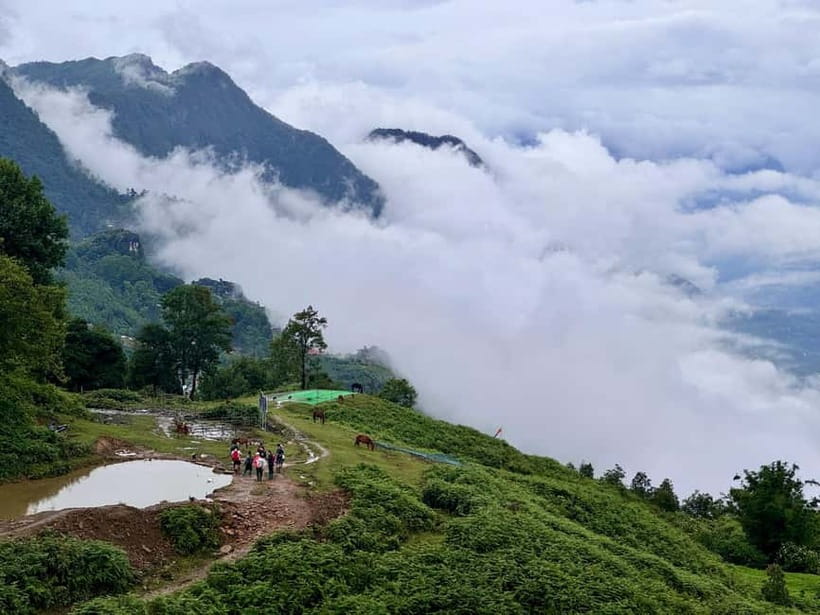
The guide is the person who turns a route into an experience. On this tour, guides have explained Hmong customs, plants, animals, farming, clothing, and family life. That context helps you see more than rice fields and mountain paths.
Mao has been especially good at clear communication and adjusting the route when someone needs an easier section. Thao knows how to avoid busy spots. Sung is attentive with food and has offered personal insight into local life. Su is described as calm and caring, while guides such as Ai, Gom, Chai, and Suav have also received strong praise for humor, safety, and cultural explanations.
The best guide behavior is practical. Your guide checks that the group stays together, helps across rice fields, watches difficult crossings, and notices when the pace is too fast. You should still speak up if you need a break. A small group makes that easier, but no guide can remove the physical demands of the trail.
English and Vietnamese are available. Communication quality can vary by guide, but the strongest accounts describe explanations that are easy to follow and full of useful detail.
Food, lodging, and what to pack
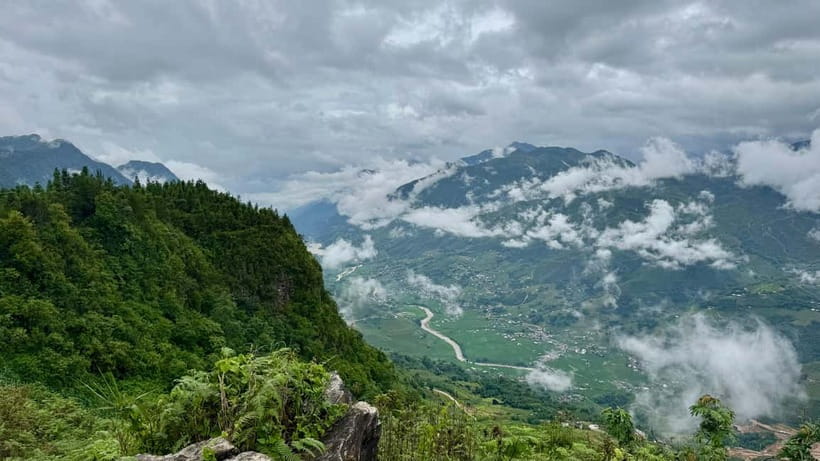
The trek includes two lunches, one dinner, and one breakfast. The food is Vietnamese and uses local ingredients. Vegetarian and vegan meals are available if arranged in advance.
Bring your own water bottle. Carry a rain jacket even when the morning is clear, since Sapa weather can change quickly. Long pants help with mud, insects, and brush. Add sunglasses, a sun hat, insect repellent, spare clothes, and sturdy shoes.
A small daypack is enough. Large luggage can be stored at the office. This is one of the trip’s most useful practical details, especially if you are moving through Vietnam with a full pack.
The tour runs year-round. May through September can bring muddy trails and rain. December can be chilly, and warm layers are sensible because Sapa temperatures can shift during the day. The homestay is comfortable, but it is still a village stay, not a full-service hotel.
Who should book, and who should skip it

I would choose this trek if you want mountain scenery with genuine village contact and do not mind getting muddy. It suits people who can walk several hours at a time and who value a local guide more than polished sightseeing.
Ta Van is the better pick for first-time trekkers, culture seekers, and anyone who wants a gentler route. Hau Thao is better for fit hikers who want fewer people and rougher paths.
The tour is not suitable for pregnant people, wheelchair users, people with mobility, heart, or serious back problems, or people with significant insect allergies. It is also not recommended for people with visual impairments. Pets are allowed only if leashed and registered ahead of time.
Should you book this Sapa trek?
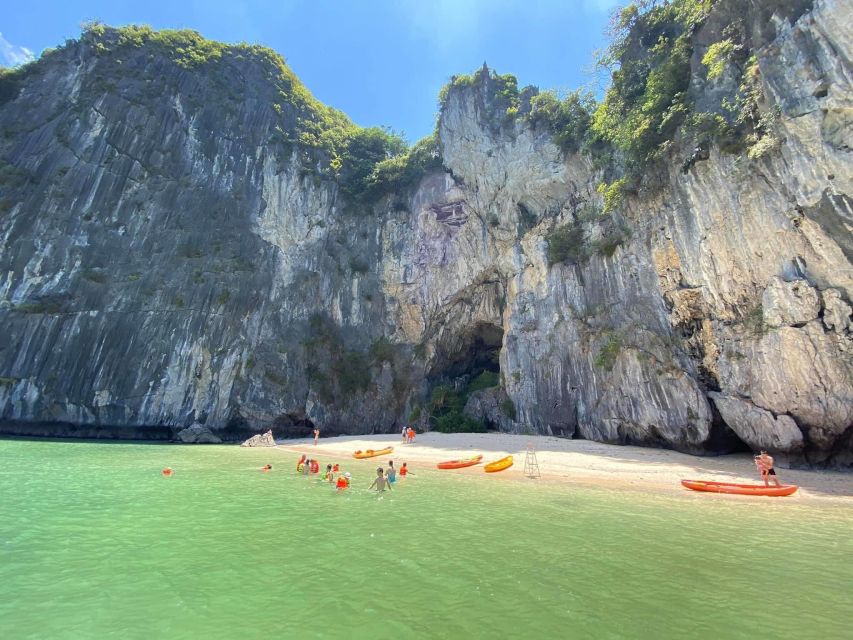
Book it if you want two full days in the valley, not just a photo stop at a rice terrace. The strongest reasons are the small groups, thoughtful local guides, home cooking, and the choice between an easier cultural route and a quieter mountain route.
Choose Ta Van for a balanced first visit. Choose Hau Thao for a more demanding walk with fewer people. Bring proper shoes, accept that the weather may reshape the route, and confirm the Sapa-specific inclusions because the supplied package information includes unrelated Cat Ba and cruise details. At $58, the trek offers very good value when the Sapa accommodation, meals, guiding, and return transport are confirmed.
FAQ
How long is the Sapa trekking tour?
It lasts two days and one night, with trekking distances of about 10 to 14 kilometers per day.
What time does the trek start?
The trek starts at 9:00 AM from Sapa Town. Arrive 15 to 30 minutes early for check-in and the briefing.
Where is the meeting point?
The meeting point is Sapa TT Homestay, about one kilometer from central Sapa. The activity ends back at the same meeting point.
Can I choose between Ta Van and Hau Thao?
Yes. Ta Van is the easier, more culture-focused route. Hau Thao is quieter, longer, and more adventurous.
Where do I sleep?
You stay one night in a homestay in the village selected for your route. A private room is included.
What meals are included?
The tour includes two lunches, one dinner, and one breakfast. Vegetarian and vegan meals are available with advance notice.
Is the trek suitable for beginners?
Ta Van can suit people with basic fitness, but both routes involve uneven trails and several hours of walking. Hau Thao is more demanding.
What should I bring?
Bring comfortable hiking shoes, water, a rain jacket, long pants, spare clothes, sunglasses, a sun hat, and insect repellent. A small daypack is best.
Can I leave my large luggage behind?
Yes. Large bags can be stored at the tour office, so you only need to carry a daypack on the trek.
Are pets allowed on the trek?
Pets are allowed if they are leashed and registered in advance.
More walking country near Hanoi
- Halong Bay Full Day with Kayaking, Hiking viewpoint, Cave – Deluxe To Luxury
★ 5.0 · 884 reviews - 3-Day Trekking Adventure of Sapa from Hanoi – Stay Ta Van Village
★ 5.0 · 611 reviews - From Hanoi: 2-Day Sapa Trek Tour – Luxury Limousine Transfer
★ 4.1 · 249 reviews - Ninh Binh: Hoa Lu, Trang An and Mua Caves Hiking Day Trip
★ 4.5 · 163 reviews
Newly reviewed in Hanoi
- Private Full-Day Tour to Halong Bay from Hanoi★ 5.0 · 44 reviews
- Private Evening Walking Tour – Cyclo & Water Puppet Show in Hanoi Old Quarter★ 5.0 · 19 reviews
- Ba Vi National Park Private Tour: Sightseeings & Jungle Hikking★ 4.5 · 26 reviews
- Full-Day Hanoi City Tour with Hidden Local Life Experience★ 5.0 · 27 reviews
- Hanoi Airport Pick-up (Private Ride From Hanoi Airport to Hotels)★ 4.5 · 253 reviews
- Hanoi Epic tour 6D5N Hanoi – Halong Bay – Ninh Binh – Sapa★ 5.0 · 51 reviews
- Private transfers Hanoi <=> Puluong 1 Way (Free Hotel Pickup)★ 5.0 · 20 reviews
- Noi Bai Airport transfer to Hotel or Vice versa★ 5.0 · 144 reviews
Trekking & Homestays, compared.


Muong Hoa Valley Trek and Local Ethnic Villages
Read our review →
Fansipan Cable, Cat Cat Village & Moana Instagram Tour
Read our review →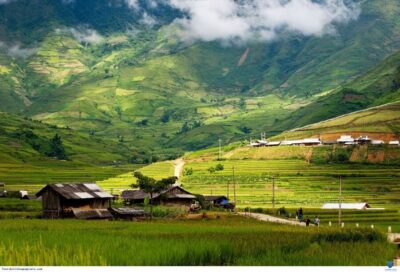

Sapa 3 Days 2 Nights Trekking Tour (1 Night In Ta Van Village, 1 Night In Hotel)
Read our review →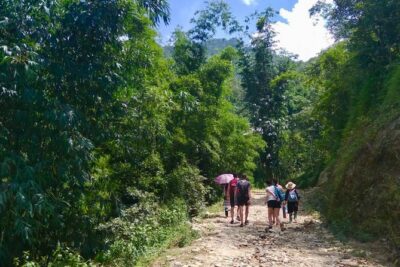
Number one top rated ethical cultural trekking and homestay by ETHOS
Read our review →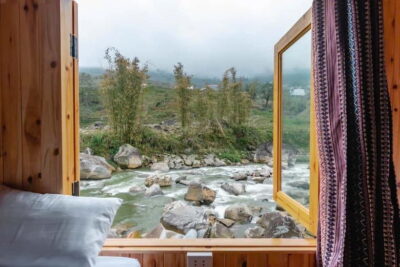
2-Day Sa Pa Ethnic Homestay Tour & Trek with Limousine Bus
Read our review →
Cat Cat Village, Moana, Fansipan Cable Car, Alpine Coaster – Sapa
Read our review →Browse the lists this tour appears in