
Reviewed · HAI VAN PASS & MOTORBIKE TOURS
Hanoi Motorbike Led By Women: Hanoi Countryside Motorbike Tours
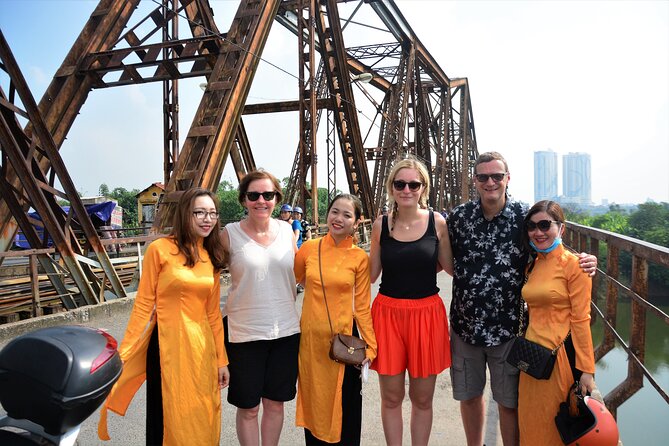
The best part of this Hanoi tour is the change of pace. You leave the city by motorbike, cross Long Bien Bridge, and soon find yourself beside rice paddies, banana farms, and village lanes. You ride behind a local driver, so you can watch the scenery instead of worrying about traffic.
I like two things in particular: the visit to a 200-year-old house with its bonsai garden, and the chance to see Co Loa Citadel without having to arrange a separate trip. You also get a meal and egg coffee at the end. The main consideration is the motorbike itself. Hanoi traffic is intense, and although you are not driving, a four-and-a-half-hour ride may not suit anyone who dislikes motorcycles or rough rural roads.
Key points to know before you book
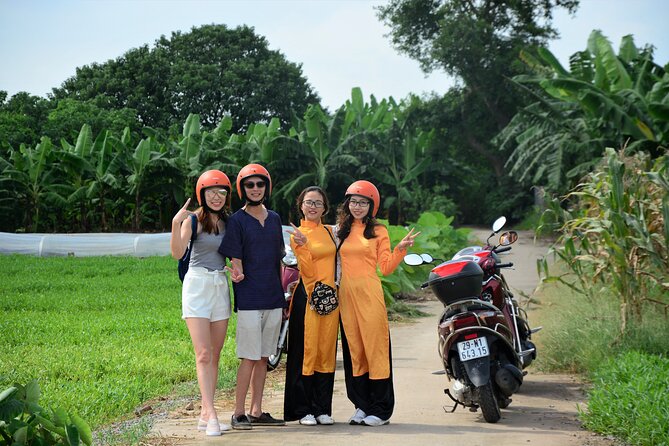
- Female-led riding team: Guides and drivers named in guest feedback include Hoa, Mia, Sumi, Emma, Linh, and Money, with praise for their English, warmth, and safe handling of Hanoi traffic.
- A real countryside break: The route crosses Long Bien Bridge and reaches farms, village roads, and Red River Island.
- Co Loa at the center: This ancient citadel area connects rural scenery with Vietnamese history dating to about 300 BC.
- A personal village visit: Tea, candy, conversation, a traditional house, and privately owned bonsai gardens offer more human contact than a quick photo stop.
- Food is part of the tour: The final stop includes a local restaurant meal and Vietnamese egg coffee.
- Small-group feel: The maximum group size is 15, with morning and afternoon departures available.
Leaving Hanoi by motorbike across Long Bien Bridge
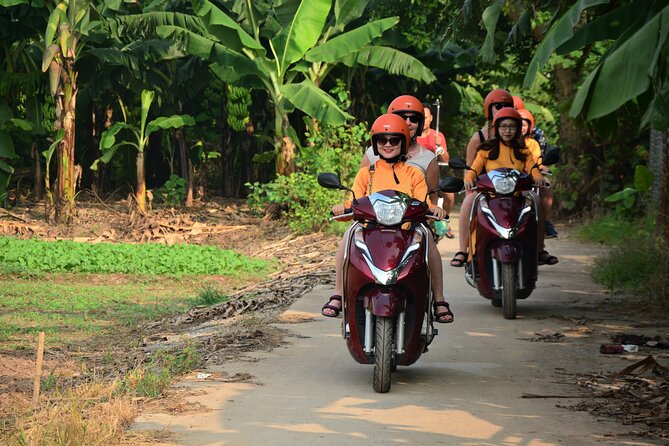
This is not a city sightseeing ride with a quick photo stop outside town. The route uses Hanoi as a starting point, then carries you into the farming country north of the city. You ride pillion, which means you sit behind a driver while your guide explains what you are seeing.
The first major landmark is Long Bien Bridge, the old crossing over the Red River. It gives the tour a useful beginning: you see Hanoi recede while the city’s transport and farming connections come into view. From there, the route heads toward an old village said to be about 800 years old.
I like the fact that the ride itself is part of the visit. You are not sealed inside a bus, looking through glass. You hear the road, feel the change in surface, and get a better sense of how quickly Hanoi gives way to fields and small communities. The trade-off is that motorbike travel is exposed. You should expect traffic near the city and a less polished ride once the route turns onto rural roads.
The tour offers pickup, but the stated meeting point is Hanoi Opera House at 1 Tràng Tiền. Confirm the exact pickup arrangement when you book. The activity is listed as ending back at the meeting point, while the final restaurant stop also includes transport back to your hotel, so the practical return plan is worth checking in advance.
More Motorbike Tours in Hanoi
- Hanoi Motorbike Tour: Food, Culture and Fun by Vintage Motorbike
★ 5.0 · 6,699 reviews - Hanoi Motorbike Tours Led By Women: Hanoi By Night Foodie Motorbike Tours
★ 5.0 · 1,734 reviews - Hanoi Motorbike Tours Led By Women: Hanoi City Insight Motorbike Tours
★ 5.0 · 816 reviews
A 200-year-old home, bonsai, tea, and village conversation
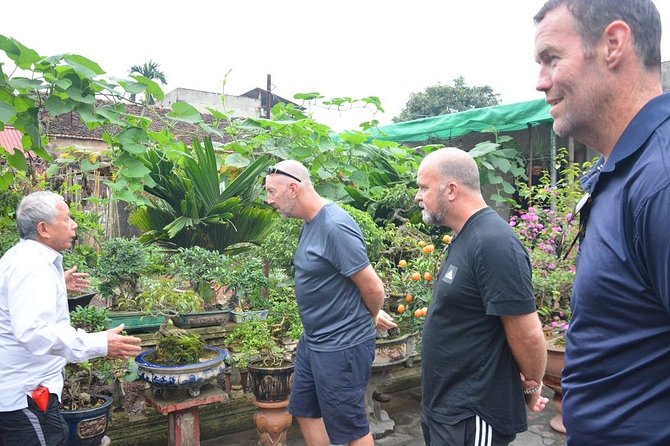
One of the most appealing parts of the route is a visit to a traditional Vietnamese house said to be around 200 years old. The home belongs to a local family, and a guide helps translate as you talk over tea and candy.
This is a better way to understand rural life than simply passing a row of houses. You get time to notice the house, hear about daily routines, and ask questions. The family’s bonsai garden adds another layer. Bonsai is not just a decorative stop here. You see carefully shaped plants and learn how this patient art fits into village life.
The garden is privately owned and belongs to a war veteran. That detail gives the visit a personal quality. You are not entering a state-run museum with a fixed display. You are visiting someone’s home and garden, so manners matter. Follow your guide’s lead, ask before taking close-up photographs, and remember that conversation may move through translation.
Guides associated with this experience include Hoa and Mia, along with Sumi and Emma. Specific staff may change, but the strongest pattern in the feedback is clear: the guides are praised for good English, friendly conversation, cultural explanations, and humor. Linh and Money are also named as drivers who handled the traffic confidently and helped riders feel safe.
Hoi Phu and the craft of making broomsticks
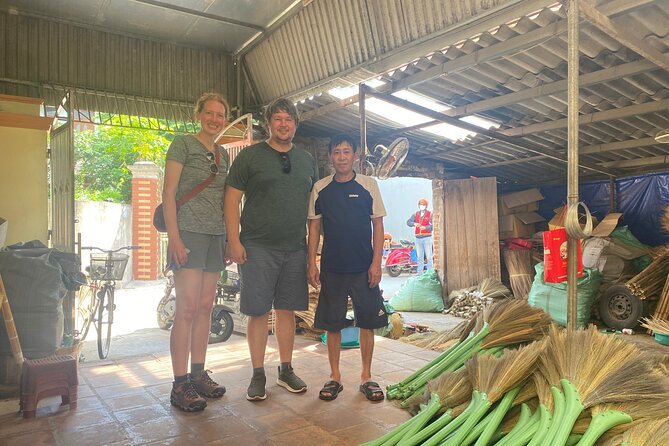
The short stop in Hoi Phu introduces a traditional craft from the Red River Delta: broomstick making. It lasts about 15 minutes, so think of it as a quick window into village work rather than a full workshop.
That brevity is both a strength and a limit. You get a glimpse of a practical trade that supports local households, and it breaks up the ride with a very different subject from temples and farming. You should not expect a long lesson or a chance to make a broom yourself unless the guide confirms that on the day.
I appreciate small stops like this because they show how ordinary objects are produced. A tour focused only on famous monuments can miss the work that keeps villages going. Here, the craft visit gives you a brief look at the skills behind an everyday household item.
Co Loa Citadel and the story of 300 BC
The historical centerpiece is Co Loa Citadel, an archaeological and temple area linked to the early history of Vietnam. The site dates back to about 300 BC and is tied to a legend about establishing and defending the country against foreign invaders.
You reach it through the countryside of Red River Island, passing banana plants, vegetable fields, and green rice paddies. The final approach includes an unpaved road, which adds a little adventure but may feel bumpy. It also explains why a motorbike works well here. The driver can use smaller routes that would be less convenient for a larger vehicle.
At Co Loa, the appeal is a mix of place and story. The scenery is quiet, and the site gives your guide room to explain the legend and the citadel’s role in Vietnamese history. You can stop for photographs, watch people working on nearby farms, and see the contrast between an ancient defensive site and a living rural community.
Do not expect the scale of a major imperial complex. Co Loa is valuable because of its age, setting, and meaning, not because it offers a long sequence of grand buildings. If you want large monuments and formal museum displays, this may feel modest. If you want history tied to the countryside around it, it is one of the strongest reasons to book the tour.
The stop is listed at about two hours, making it the longest part of the outing. That gives you time to walk, listen, take pictures, and ask questions rather than rushing in and out. Wear shoes that can handle dirt paths, and bring sun protection for the open farm areas.
More trips on two wheels from Hanoi:
- Hanoi Countryside Motorbike Tour: Red River Culture & Daily Life
★ 5.0 · 681 reviews - From Hanoi: 3-Day Motorbike Ha Giang Loop with Easy Rider
★ 4.9 · 501 reviews - 3-Day Ha Giang Loop Tour (small group with easy rider)
★ 5.0 · 411 reviews - Hanoi Motorbike Tour: Hanoi HIGHTLIGHTS & HIDDEN GEMS
★ 5.0 · 405 reviews
What the countryside ride actually feels like
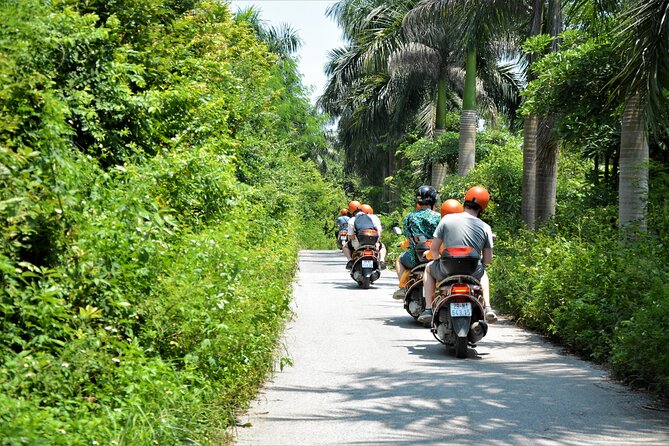
The route is designed to show working countryside rather than postcard scenery alone. You pass rice fields, vegetable plots, banana-growing areas, and people tending farms. At times the road is paved, while the approach to Co Loa includes a dirt section.
I like this mix because it keeps the ride varied. You see agriculture, homes, temples, craft work, and ancient sites in one half-day. The guide can also point out details you would likely miss on your own, especially when you are moving through a place where signs may be limited.
Still, motorbike tours demand a little flexibility. The city portion involves heavy traffic, and rural roads may be uneven. You are protected from the burden of driving, but you are not protected from the movement of the bike. Most people can participate, according to the tour information, yet children must be accompanied by an adult.
The tour is capped at 15 people. That is small enough to keep the group manageable, though the actual feel depends on how many drivers and guides are working that day. The women-led format is central to the experience and is especially appealing if you want to support a local company that puts female guides and drivers at the front of the tour.
Finishing with Vietnamese food and egg coffee

After the countryside portion, you return toward town for a meal at a local restaurant near Hồ Trúc Bạch. The outing finishes with Vietnamese food and local egg coffee, followed by arrangements for your return to the hotel.
This ending matters. A meal gives you time to sit down after several hours on the road, and egg coffee is one of Hanoi’s signature drinks. It is made with a sweet, creamy egg mixture over coffee, so it is closer to a small dessert than a plain cup of black coffee.
The exact menu is not specified, so you should not book this expecting a particular dish. The value is in having food included and in ending with a local specialty rather than simply being dropped back at the meeting point. If you have dietary restrictions, tell the operator before the tour so they can explain what can be arranged.
The restaurant stop is listed at about 45 minutes. That is enough for a meal, but not a leisurely evening. This is a half-day excursion, not a food tour.
Is the $59 price good value?
At $59 per person, this is a fair price for a four-hour-thirty-minute experience that includes drivers, guiding, countryside transport, several stops, a meal, and egg coffee. The value becomes stronger if you want to see Co Loa and the Red River farming area without arranging a taxi, private car, or separate guide.
You are also paying for access to a style of travel that is difficult to reproduce on your own. A rental motorbike would require confidence in Hanoi traffic, route planning, and finding the village homes, bonsai garden, craft stop, and citadel. Here, you sit behind an experienced driver and let the local team handle navigation.
I would compare this with the cost of a private car trip to Co Loa. A car may be calmer and more comfortable, but it will not give you the same open-air ride or the same ability to use narrow rural roads. A group bus may cost less, yet it is less personal and less suited to the small village visits described here.
The price does not make the tour a luxury outing. The ride is practical, the schedule is fairly tight, and the meal is at a local restaurant rather than a special dining venue. For an active half-day that combines transport, history, food, and local contact, I consider it good value.
Morning or afternoon: choosing the better departure
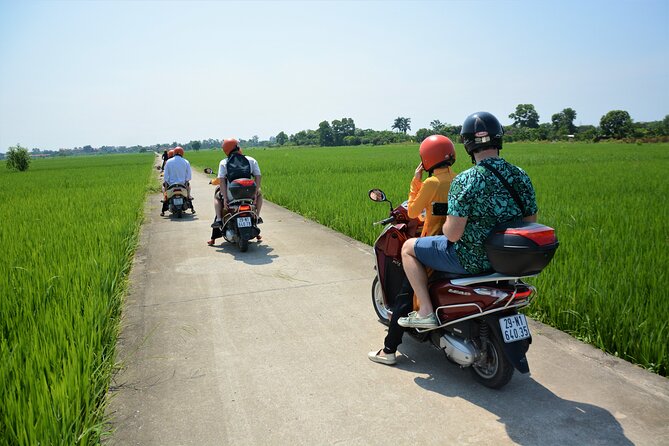
You can choose a morning or afternoon departure. The best option depends on the rest of your Hanoi plans, since the tour lasts around four and a half hours.
A morning departure leaves the rest of your day open for Hanoi sights, shopping, or an evening meal. It may also feel better if you prefer to ride before the day becomes too hot. An afternoon departure can work well if you want a slower start or have morning plans near the Old Quarter.
I would avoid placing a demanding evening commitment immediately after the tour. Timing can shift with city traffic, countryside stops, and the pace of the group. The stated stop times add up to roughly four hours and 15 minutes, while the full experience is listed at about four hours and 30 minutes, so leave a little breathing room.
The meeting point is Hanoi Opera House, though pickup is offered. Confirm the pickup time and return details, especially if your hotel is not near the central meeting point.
Who should book this Hanoi countryside tour?
I would choose this tour if you want to get outside Hanoi without giving up the ease of a guided outing. It suits first-time visitors who want a broad introduction to rural life, Vietnamese history, and local food in one morning or afternoon.
It is also a good fit if you are curious about village homes and personal stories, not just monuments. The bonsai garden, tea visit, broom-making stop, and farm roads give the day more texture than a simple ride to one archaeological site.
You should think twice if you dislike motorcycles, have difficulty sitting pillion for several hours, or want a quiet, fully climate-controlled vehicle. The city traffic can be hectic, and the dirt road near Co Loa may be rough. The tour is active but not described as physically strenuous, and most people can participate.
Families can join, but children must be with an adult. The maximum group size is 15, and the company offers free cancellation up to 24 hours before the start time. Cancellations made less than 24 hours ahead are not refunded.
Should you book it?
I would book this tour if your ideal Hanoi day includes rice fields, village conversations, and history in the same outing. The women-led team, personal home visit, Co Loa Citadel, and included meal give it more substance than a standard city ride.
I would skip it only if motorcycle travel is a firm no, or if your schedule cannot absorb a flexible half-day. For everyone else, the $59 price buys a useful escape from central Hanoi and a chance to see how closely farming, family life, craft, and ancient history still sit together around the capital.
FAQ
Where does the tour start?
The stated meeting point is Hanoi Opera House at 1 Tràng Tiền, Phan Chu Trinh, Hoàn Kiếm, Hanoi, Vietnam. Pickup is offered, so confirm the exact arrangement when booking.
How long does the experience last?
The full tour lasts approximately four hours and 30 minutes. The listed stops total about four hours and 15 minutes, so you should allow extra time for riding between locations and traffic.
Do I drive the motorbike?
No. You ride pillion behind a local driver. This lets you see the countryside without taking on the risk of driving in Hanoi traffic.
Is Co Loa Citadel included?
Yes. The tour includes a visit to the Co Loa Citadel archaeological area, associated with Vietnamese history dating to about 300 BC.
Is food included?
Yes. The tour finishes at a local restaurant with Vietnamese cuisine and local egg coffee. The exact menu is not specified.
Can children join the tour?
Children can participate if accompanied by an adult. The tour can accept most participants and has a maximum group size of 15.
Newly reviewed in Hanoi
- Private Full-Day Tour to Halong Bay from Hanoi★ 5.0 · 44 reviews
- Private Evening Walking Tour – Cyclo & Water Puppet Show in Hanoi Old Quarter★ 5.0 · 19 reviews
- Ba Vi National Park Private Tour: Sightseeings & Jungle Hikking★ 4.5 · 26 reviews
- Full-Day Hanoi City Tour with Hidden Local Life Experience★ 5.0 · 27 reviews
- Hanoi Epic tour 6D5N Hanoi – Halong Bay – Ninh Binh – Sapa★ 5.0 · 51 reviews
- Private transfers Hanoi <=> Puluong 1 Way (Free Hotel Pickup)★ 5.0 · 20 reviews
- Hanoi Airport Pick-up (Private Ride From Hanoi Airport to Hotels)★ 4.5 · 253 reviews
- Noi Bai Airport transfer to Hotel or Vice versa★ 5.0 · 144 reviews
Hai Van Pass & Motorbike Tours, compared.

Ho Chi Minh City Street Food Tour & Sightseeing By Motorbike
Read our review →
Hanoi Motorbike Tour: Food, Culture and Fun by Vintage Motorbike
Read our review →
Saigon By Night and Street Food By Motorbike | Opt: Ao Dai Riders
Read our review →
Private Street Food Tour by Motorbike/Car with Local Students
Read our review →
Top Notch Street Food Motorbike Tour In Ho Chi Minh City
Read our review →
Hanoi Motorbike Tours Led By Women: Hanoi By Night Foodie Motorbike Tours
Read our review →
Ho Chi Minh City Motorbike Tour with Student | Saigon Adventure
Read our review →
Easy Rider private tour via Hai Van pass from Hue – Da Nang – Hoi An (1Way|Loop)
Read our review →Browse the lists this tour appears in