
Reviewed · TREKKING & HOMESTAYS
From Hanoi: 2-Day Sapa Cultural Exchange Tour with Homestay
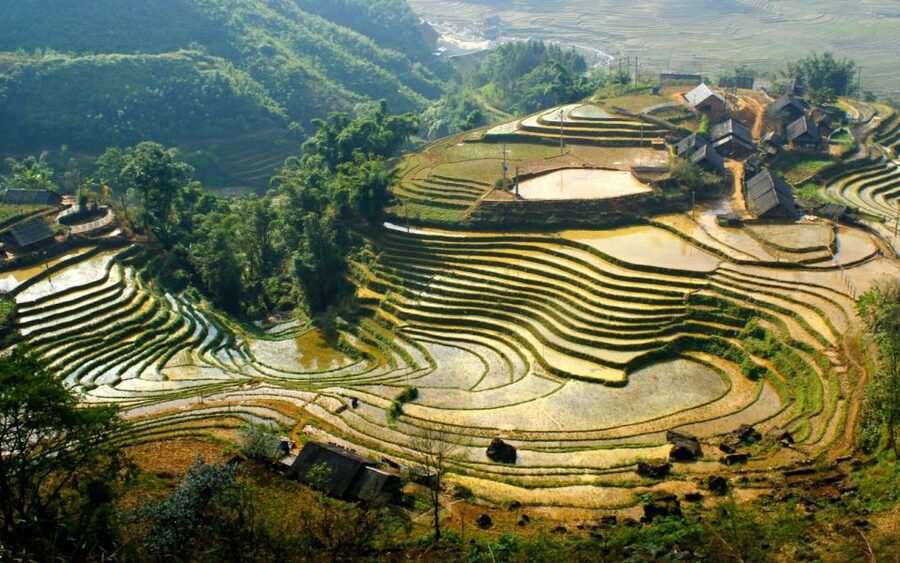
Sapa’s best moments come on foot, and this trip puts you right into the Muong Hoa Valley, where rice terraces, village paths, and small hamlets unfold below the mountains. The night with a Dzay family in Ta Van gives the trip a human center rather than making it just a scenic bus ride.
I like the small group of up to 15 and the fact that transport from Hanoi, meals, a guide, and the homestay are bundled into one price. I also like the guide-led contact with local life. Guides named Sung, Za, Chun, Lily, Lala, and Cheng have helped make past departures especially warm and personal.
The catch is simple: this is a real walking trip, not a gentle sightseeing tour. Rain can make the paths slippery, the first day is long, and the homestay has basic facilities with a public hot-water bathroom.
Key points to know before booking
- Two days on foot: The first hike runs from Y Linh Lo through Muong Hoa Valley and Lao Chai to Ta Van. Day two adds a four-kilometer, two-hour walk.
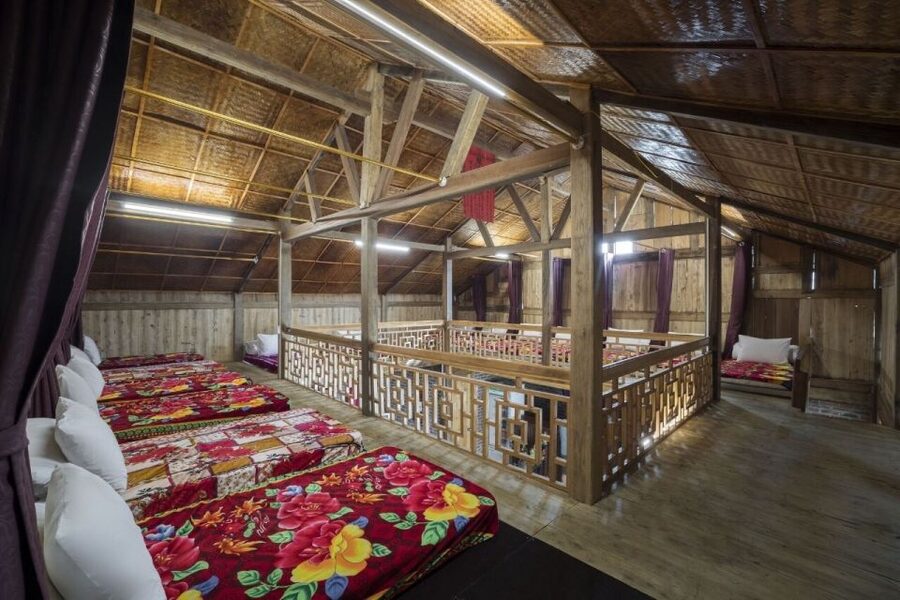
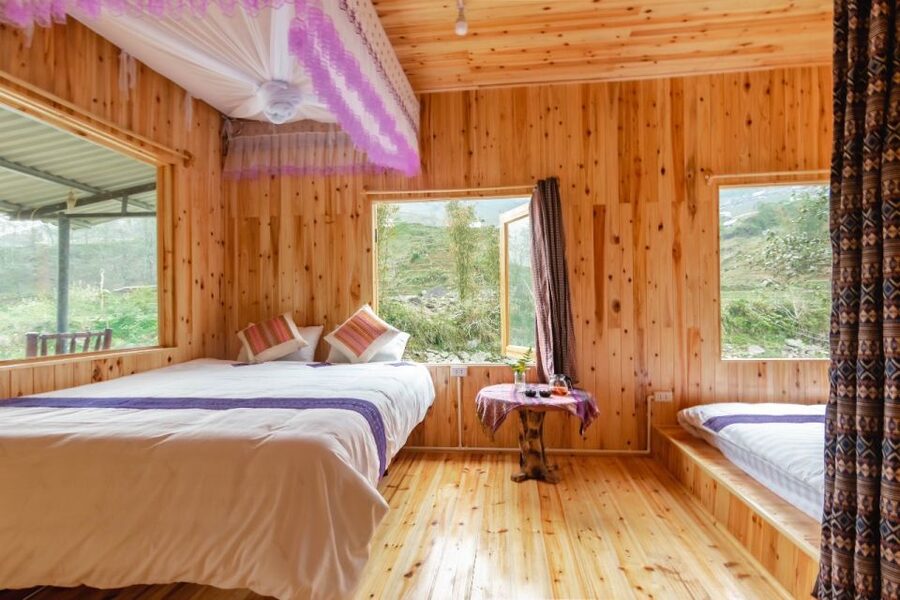
- Dzay family stay: Your overnight stop is in Ta Van village, with a single basic bed, mosquito net, and shared bathroom.
- Scenery changes with weather: Rice terraces and mountain views can be striking in clear conditions, but fog from December to March may hide much of the valley.
- Guides make a real difference: Sung, Za, Chun, Lily, Lala, and Cheng are among the guides praised for care, explanations, and help on tricky paths.
- Easy Hanoi logistics: Hotel pickup is available in Hanoi’s Hoan Kiem district, and the return bus drops you at 204 Tran Quang Khai Street.
- Good value at $100: Transport, four meals, guiding, and lodging are included, though drinks, insurance, and personal spending are extra.
Why Muong Hoa Valley works best as a two-day trip

A day trip to Sapa can show you the outline of the region, but it often leaves little time for village paths. This two-day plan gives you a full afternoon of walking, a night in Ta Van, and another morning on the trail before the bus returns to Hanoi.
The setting is the main attraction. Muong Hoa Valley is known for steep rice terraces and villages connected by footpaths rather than broad roads. You will see the valley from several angles, moving downhill through cultivated slopes and then along routes near village homes.
The overnight stay matters, too. A hotel in Sapa keeps you in town, while a Dzay homestay places you closer to the villages and lets you share an evening meal with a local family. The experience is simple rather than polished. That is part of its value, but you should not expect hotel comforts.
The activity has an average rating of 4.5 from 158 ratings, with especially strong praise for the guides, scenery, family meals, and the homestay. The most useful pattern is that the walking is usually considered manageable, but wet ground can change the experience quickly.
More Trekking Trips in Hanoi
- Hanoi – Sapa 2 Days 1 Night Overnight At Homestay
★ 5.0 · 899 reviews - From Hanoi: 2-Day Sapa Trekking Trip with Homestay & Meals
★ 4.8 · 704 reviews - Sapa 3 Days 2 Nights Trekking Tour (1 Night In Ta Van Village, 1 Night In Hotel)
★ 5.0 · 699 reviews
Getting from Hanoi to Sapa by sleeping bus
The day starts with pickup from your hotel in Hanoi’s Old Quarter, provided it is in Hoan Kiem district. If you stay elsewhere, you need to reach the meeting point at 204 Tran Quang Khai Street, near Hong Ha Hotel.
You travel in an air-conditioned sleeping bus, with comfort stops along the way. Some departures use a VIP bus, which several people found comfortable, but the transfer can still feel confusing if you are not used to Vietnamese bus arrangements. Keep your phone available and follow the tour staff’s instructions at the meeting point.
The bus reaches Sapa around lunchtime. This is useful because you do not lose the afternoon to arrival formalities. After lunch, you begin walking rather than spending the rest of the day in town.
Pack a small day bag for the trek. Larger luggage does not need to go over the full walking route, and the trip has a plan for handling bags. Still, carry water, cash, warm layers, and anything you need for the night.
Day one: Y Linh Lo and the long walk to Ta Van

After lunch, the route heads toward Y Linh Lo and into Muong Hoa Valley. The path goes downhill, which sounds easy until you realize that downhill walking can be hard on knees and slippery shoes, especially after rain.
The first section passes rice paddies and small hamlets. You have time to look at the terraces, but the real value is the chance to see how village life fits into the valley. Your guide can explain the local groups, farming areas, and customs as you walk.
The route continues toward Lao Chai. This is a place where you may exchange a few words with local villagers and see daily life at close range. The contact is not staged as a formal museum visit. It happens along the route, which makes the experience feel more direct, though your guide’s willingness to explain what you are seeing is important.
From Lao Chai, you continue through more terraces and villages toward Ta Van. Ta Van is associated with the Dzay people and is often treated as one of the most scenic villages in the Sapa area. The first day is the demanding part of the trip, so allow for a tired arrival.
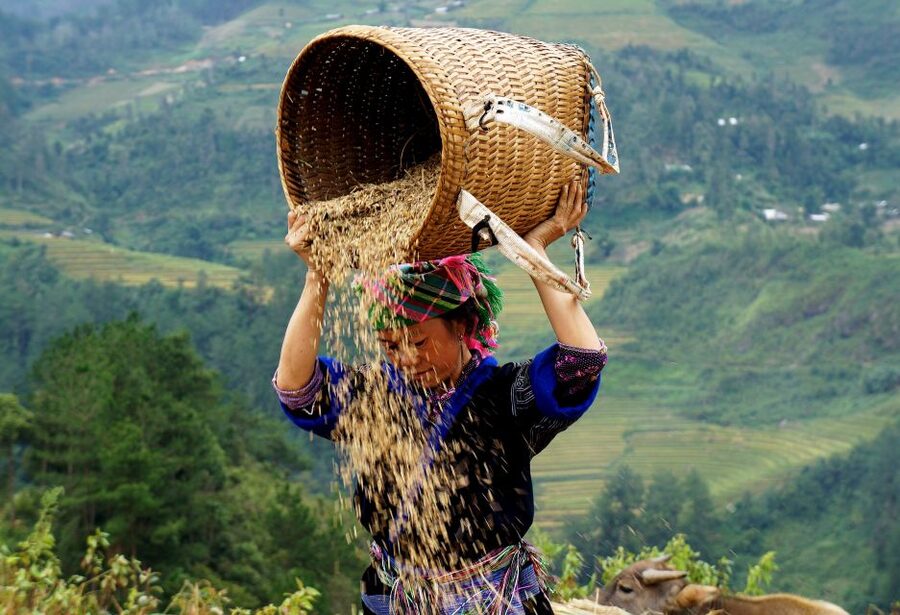
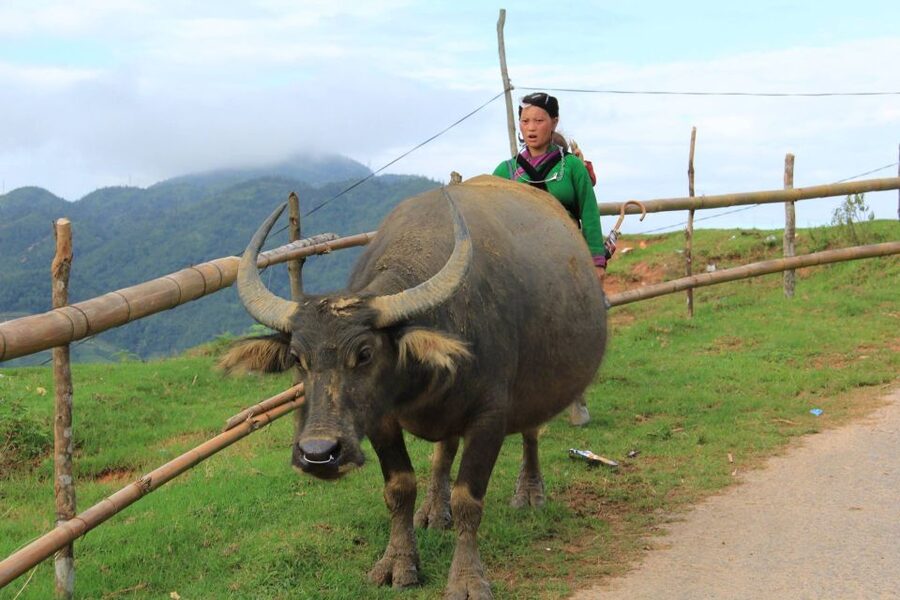
One point deserves clear warning: local women may walk alongside the group for stretches of the route and try to sell handicrafts. Some people see this as part of the local interaction, while others find it distracting. If you do not want to buy anything, a polite, firm answer is best.
The Ta Van homestay and what basic really means
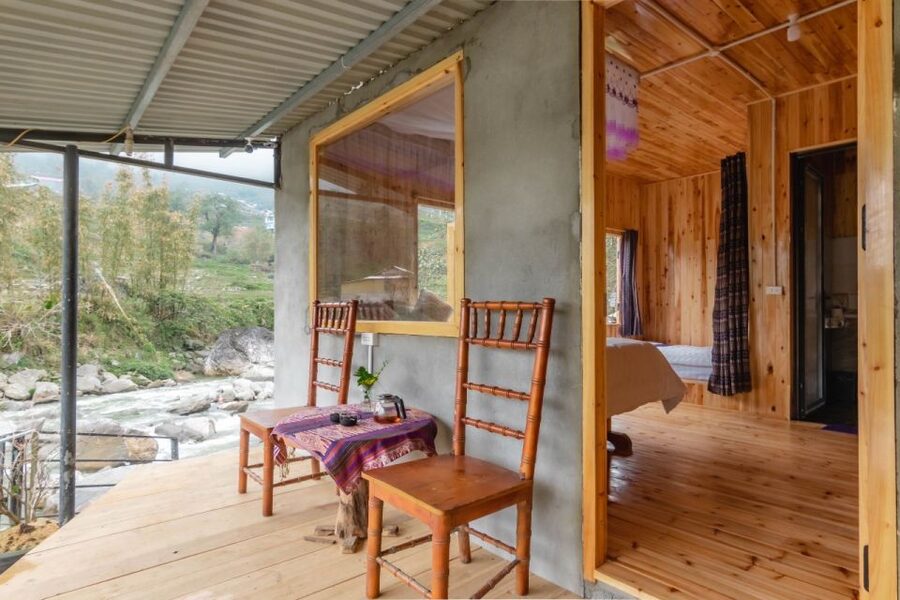
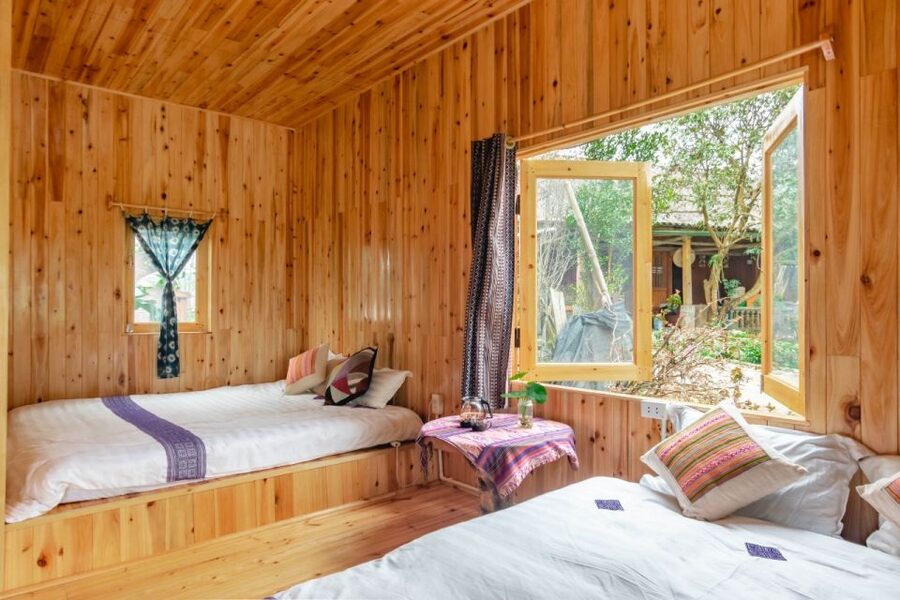
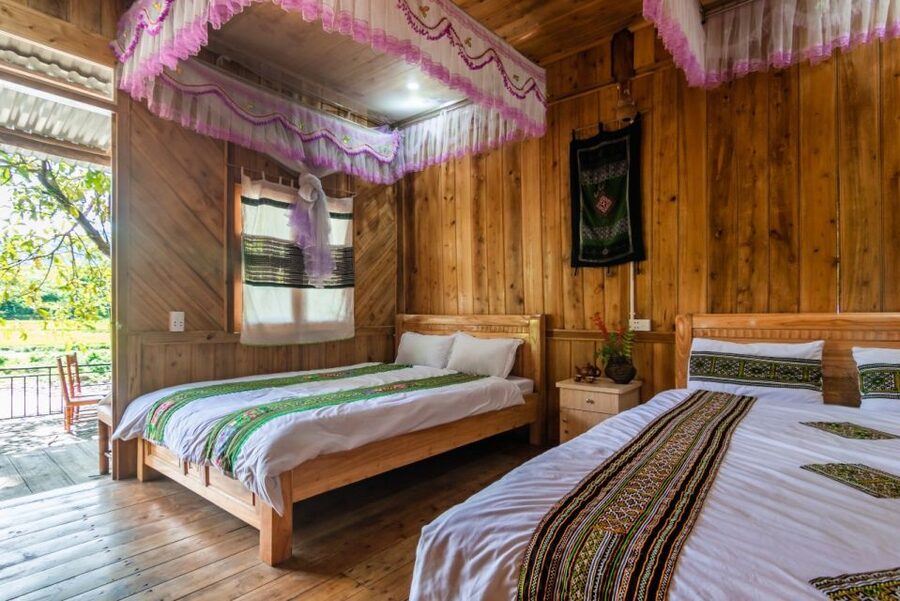
In Ta Van, you spend the night with a local Dzay family. The package includes a single basic bed with a mosquito net and a public bathroom with hot water.
This is not a private guest room. The homestay can feel more like a simple hostel than a family house, depending on the property and group setup. That does not erase its value, but it helps to set your expectations before you arrive.
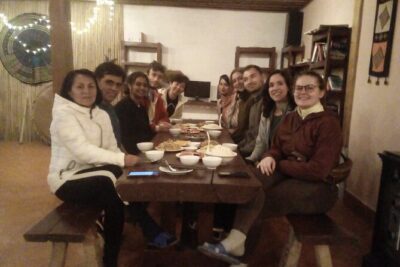
Dinner is included, and the food has been a favorite part of the stay. The meal gives the group time to sit together, rest, and talk with the guide and family. One especially warm feature is that guides may remain with the group in the evening rather than disappearing after the walk.
The night is best understood as a cultural exchange with simple lodging, not as a luxury stay. Bring warm clothing because Sapa can be cold, especially from September through March. A jacket, scarf, and hat are specifically useful, and a dry change of clothes can make the evening more comfortable after a wet walk.
Other treks and homestays from Hanoi:
- 2-Day Sa Pa Ethnic Homestay Tour & Trek with Limousine Bus
★ 4.8 · 440 reviews - Hanoi – Sapa 3 Day 2 Night Trekking With Hotel & Homestay
★ 5.0 · 389 reviews - From Hanoi: 2-Day Sapa Limo Bus Tour & Fansipan Peak Visit
★ 4.6 · 277 reviews - Hanoi – Sapa 2 Days 1 Night Overnight At Local Homestay
★ 5.0 · 233 reviews
Day two: rice paddies, bamboo forest, and Giang Ta Chai
Breakfast comes from the family before the second walk begins. This section covers about four kilometers and takes around two hours, so it is shorter than the first day but still requires steady footing.
You head toward rice paddies for wide views and photographs. Clear weather gives you the best chance to see the valley’s terraces and surrounding mountains. Fog can soften the views or hide them altogether, particularly from December through March.
The route then passes through a bamboo forest before reaching a panoramic viewpoint toward Giang Ta Chai. This village is home to the Red Dzao people, adding another cultural layer to the walk. The point of the route is not just to collect viewpoints. You are moving through different village areas and seeing how nearby communities have their own identities.
The trail continues to the Giang Ta Chai Bridge and then reaches the main road. A bus picks you up there and returns you to Sapa town. This short transfer saves you from walking the same route back.
Back in Sapa, you can shower at the hotel, check out, eat, or rest while the group gathers. The pause is practical after two days outside, though the exact amount of free time depends on the departure schedule and operating conditions.
How difficult is the trekking?
The walking is manageable for people who are used to several hours on uneven paths, but it is not suitable for people with limited mobility. Children under six and pregnant women should not take this activity.
The first day is longer and includes downhill sections. The second day is shorter but can still be difficult after rain. One person described the wet second hike as dangerous, although careful guiding helped. That is a useful reminder to treat weather as a serious factor, not a minor inconvenience.
Wear proper hiking shoes with good grip. Comfortable trainers may work in dry conditions, but muddy and slippery paths call for more support. Bring warm clothes even if Hanoi feels hot. Sapa’s weather can change quickly, and fog or cold may appear without much warning.
You should also carry water and cash in Vietnamese dong. The banking system in Sapa may not work reliably. US dollars, euros, and Australian dollars are accepted in Sapa, but dong is the safer choice for small purchases.
Guides, group size, and the human side of the trip
The group is limited to 15 people, which is a useful size for a walking route. It is small enough for the guide to help with footing and answer questions, but large enough that the outing still feels social.
The guide is central to the experience. Sung has been praised for careful attention and personal care, while Za has made a particularly strong impression on people who wanted a warm connection with the region. Chun has been appreciated for answering questions and taking photographs. Lily has even helped with a traditional treatment when someone became ill. Lala and Cheng have also been noted for being friendly and helpful.
Guide quality can vary by departure, and you should not assume you will receive a particular person. More importantly, ask questions as you walk. Some guides explain the villages and valley in detail, while others may focus more on getting the group safely along the path.
The guide also helps with cultural boundaries. Local contact can be rewarding, but the route is not free from sales pressure. A good guide can explain what you are seeing and help keep the group moving when the trail becomes crowded.
What the $100 price includes
At $100 per person, this is a solid package if you value convenience and want to experience Sapa without arranging each piece separately. The price covers Hanoi pickup and return transport, the air-conditioned bus, one breakfast, two lunches, one dinner, a tour leader, and the basic homestay.
The transport is a major part of the value. Organizing a return Hanoi to Sapa trip, local transfers, a village trek, meals, and a night in Ta Van on your own can take time. Here, the main connections are handled for you.
The price does not cover drinks, travel insurance, or personal expenses. Budget for bottled water, snacks, and any purchases in the villages. Cash is especially useful because card payments and banking services may not work reliably in Sapa.
The package is less attractive if you want private lodging, a relaxed pace, or full control over the walking route. It is more attractive if you want a compact introduction to Sapa with transport and meals already arranged.
Weather can make or break the views
Sapa is not a place where you can count on postcard conditions. The weather is often cold from September to March, and fog is common from December to March. Rain can make the trails slippery and reduce the views across Muong Hoa Valley.
Clear skies bring the biggest payoff: rice terraces, mountain views, and strong photo opportunities from the valley paths and the Giang Ta Chai viewpoint. Cloudy weather does not cancel the cultural side of the trip, but it can make the scenery much less dramatic.
Check the forecast before booking if the terraces are your main reason for going. The operator may change the route because of weather or other operating conditions. Bring layers and accept that the route may be adjusted.
Who should choose this Sapa trip?
This tour suits you if you want a short introduction to northern Vietnam’s village life and do not mind simple accommodation. It is especially useful if you are already in Hanoi and want transport, guiding, meals, and a homestay arranged in one booking.
You should choose it if you enjoy walking, want contact with local communities, and prefer a small group to a large coach outing. It also works well for people who want a social trip, since the shared bus, meals, trek, and homestay naturally bring the group together.
You should think twice if you need smooth paths, private bathrooms, a quiet hotel room, or a guaranteed clear view. Wet weather, long walking, and a basic bed are all part of the deal.
Cancellation is free up to 24 hours before departure, and you can reserve now and pay later. Pickup is optional from hotels in Hanoi’s Hoan Kiem district, while the activity ends at the Tran Quang Khai meeting point.
Should you book it?
Book this trip if you want the practical version of Sapa: bus from Hanoi, mountain walking, rice terraces, a Dzay family meal, and a simple night in Ta Van. The strong points are the route, the human contact, the small group, and the care provided by several of the named guides.
Skip it if you want a soft adventure. The trails can be slippery, the first day is long, and the homestay is basic. For the right person, though, $100 buys more than transport and a bed. It gives you two days to see Sapa at walking pace, with enough structure to make the region accessible and enough local contact to keep it from feeling like a quick photo stop.
FAQ
Where does the tour start in Hanoi?
Pickup is available from hotels in Hanoi’s Old Quarter, within Hoan Kiem district. If your hotel is outside that area, meet at 204 Tran Quang Khai Street near Hong Ha Hotel.
Where does the tour end?
The return bus from Sapa drops you at the meeting point on Tran Quang Khai Street in Hanoi.
How long is the activity?
The tour lasts two days. Starting times depend on availability when you book.
What transport is used?
You travel between Hanoi and Sapa by air-conditioned bus. There are comfort stops along the route, and a local bus takes you from the second trek back to Sapa town.
Where do you stay overnight?
You stay with a local Dzay family in Ta Van village. The accommodation includes a basic single bed with a mosquito net and a public bathroom with hot water.
What meals are included?
The package includes one breakfast, two lunches, and one dinner. Drinks are not included.
How long is the second day’s trek?
The second walk covers about four kilometers and takes around two hours.
What should you bring?
Bring your passport or ID card, comfortable clothes, sturdy shoes, warm clothing, cash, and a jacket, scarf, and hat for colder conditions.
Is the tour suitable for children?
The activity is not suitable for children under six. It is also not suitable for pregnant women or people with mobility impairments.
Can the tour be canceled for a refund?
You can cancel up to 24 hours in advance for a full refund. You can also reserve your place and pay later.
Newly reviewed in Hanoi
- Private Full-Day Tour to Halong Bay from Hanoi★ 5.0 · 44 reviews
- Private Evening Walking Tour – Cyclo & Water Puppet Show in Hanoi Old Quarter★ 5.0 · 19 reviews
- Ba Vi National Park Private Tour: Sightseeings & Jungle Hikking★ 4.5 · 26 reviews
- Full-Day Hanoi City Tour with Hidden Local Life Experience★ 5.0 · 27 reviews
- Hanoi Airport Pick-up (Private Ride From Hanoi Airport to Hotels)★ 4.5 · 253 reviews
- Hanoi Epic tour 6D5N Hanoi – Halong Bay – Ninh Binh – Sapa★ 5.0 · 51 reviews
- Private transfers Hanoi <=> Puluong 1 Way (Free Hotel Pickup)★ 5.0 · 20 reviews
- Noi Bai Airport transfer to Hotel or Vice versa★ 5.0 · 144 reviews
Trekking & Homestays, compared.

Muong Hoa Valley Trek and Local Ethnic Villages
Read our review →
Fansipan Cable, Cat Cat Village & Moana Instagram Tour
Read our review →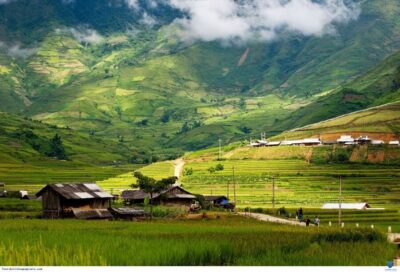

Sapa 3 Days 2 Nights Trekking Tour (1 Night In Ta Van Village, 1 Night In Hotel)
Read our review →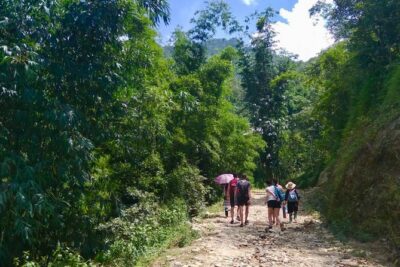
Number one top rated ethical cultural trekking and homestay by ETHOS
Read our review →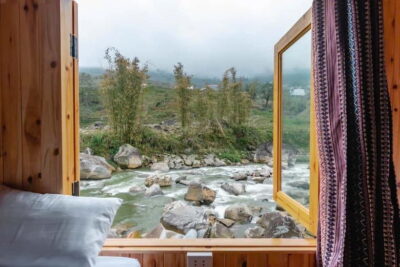
2-Day Sa Pa Ethnic Homestay Tour & Trek with Limousine Bus
Read our review →
Cat Cat Village, Moana, Fansipan Cable Car, Alpine Coaster – Sapa
Read our review →Browse the lists this tour appears in