
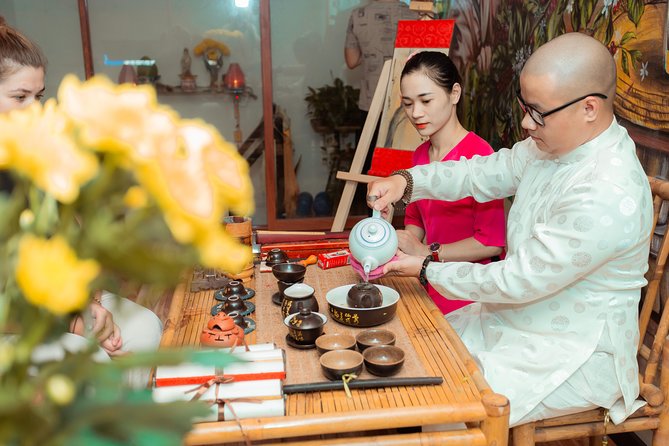
Reviewed · TOURS IN HOI AN
Vietnamese Culture and Coffee Making Class
Vietnamese coffee culture comes alive here one small cup at a time. In about two hours, you make five distinct drinks, from strong black coffee brewed through a traditional phin to sweet egg coffee and cool coconut coffee. The class also explains how French colonial rule helped shape the coffee Vietnam drinks today.
I especially like the hands-on format and the useful take-home gear. You do not just watch someone prepare a drink, you make each one yourself, receive the recipes, and take home a Vietnamese filter. The main caution is the caffeine: five coffees in one sitting can leave even devoted coffee drinkers feeling rather lively.
Key points to know before booking
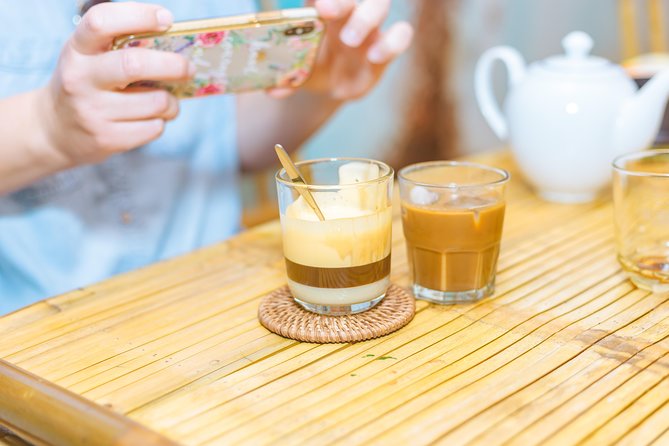
- Five coffees in one class: Make black phin coffee, Vietnamese white coffee, Hue salt coffee, Hoi An coconut coffee, and Hanoi egg coffee.
- A family-run setting: Linh and the other hosts keep the class friendly, funny, and easy to follow.
- A useful souvenir: Your fee includes a Vietnamese phin filter, with recipes provided so you can repeat the drinks at home.
- Strong value at $15.39: You get the class, ingredients, coffee-making tools, five tastings, instruction, and a take-home filter.
- Small maximum group: The class accepts up to 10 people, with occasional one-on-one sessions when bookings are light.
- Plan your caffeine intake: You can taste everything without finishing every cup.
Five Vietnamese coffees, one Hoi An afternoon
This is not a passive demonstration where you sit back while an instructor does all the work. The class is built around making coffee, tasting it, and learning why each version has its own place in Vietnamese food culture.
You meet at 10C Bà Triệu in Hoi An, and the experience finishes at the same point. Hotel transport is not included, so you need to make your own way there. The location is near public transportation, and the compact format makes it easy to fit between sightseeing, lunch, or an evening walk through the Old Town.
The maximum group size is 10 people. That is small enough for direct help without making the class feel too formal. If only a few people book your time, you might receive much more individual attention. One solo participant described having a one-on-one lesson, which is a useful possibility if you are visiting Hoi An alone.
The instructor prepares the tools and ingredients ahead of time, so you spend your time learning and making coffee rather than waiting for equipment to be set up. The instructions are clear and patient, with English-language guidance throughout.
A few more ways to spend a day in Hoi An
- Hoi An: Vietnamese Coffee Culture and Coffee Making Class
★ 4.9 · 4,006 reviews - Early Morning My Son Sanctuary Trip w. Champa Food & Coffee
★ 5.0 · 629 reviews - Hanoi Coffee Experience: 6 Brews, 9 Recipes & 3 Liquor Tastings
★ 5.0 · 2,945 reviews
Starting with the Vietnamese phin filter
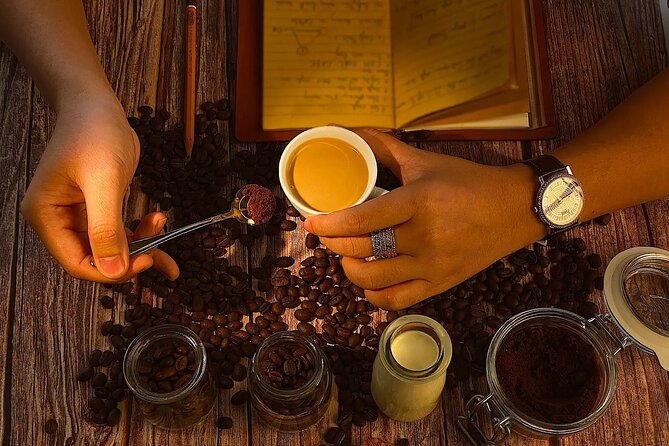
The first cup introduces the basic Vietnamese method: coffee brewed slowly through a phin, the small metal filter that sits over your glass or cup. It is simple, compact, and remarkably practical. You add the coffee, place the filter on top, and let hot water pass through the grounds at its own pace.
This slow drip is part of what makes Vietnamese coffee different from the quick filter coffee familiar in many countries. The resulting drink is concentrated and usually served with plenty of ice or sweetened condensed milk, depending on the style.
The traditional black coffee gives you the clearest sense of the beans themselves. It is strong, dark, and not designed for timid sipping. The instructors also explain how their own coffee blend works, and you may have the chance to buy some beans to use at home.
The phin is one of the best parts of the class from a practical point of view. It is inexpensive, easy to pack, and included as a gift. You leave with a tool that lets you repeat the lesson instead of allowing the experience to disappear when your holiday ends.
Vietnamese white coffee and the art of sweetness
The next preparation shows how Vietnamese coffee often balances forceful coffee with condensed milk. Vietnamese white coffee is sweet, creamy, and much softer than the black version, though the coffee still has plenty of strength underneath.
This is a useful lesson in local taste. Condensed milk is not simply added to hide poor coffee. It is part of the drink’s identity, and its thick sweetness works with the powerful roast and slow phin brew.
You make the drink yourself, so you can see how the amount of milk changes the final result. If you usually take coffee without sugar, this may be the point where you decide Vietnamese coffee is best treated as its own category rather than compared with your usual morning cup.
The class keeps the pace moving by shifting from one style to another. You get enough explanation to understand the drink, then move on to preparation and tasting. That balance helps explain why the two-hour length works for many people, though one person found the session longer than necessary and felt it could have been completed in an hour.
Hue salt coffee, a surprising change of direction

Hue Imperial Salt coffee provides the class with its most unexpected flavor. The salt is not there to make the drink taste salty in the ordinary sense. Used carefully, it changes the balance between bitterness, sweetness, and creaminess.
This cup is a good reminder that Vietnamese coffee is not one fixed recipe. Regional styles bring different ingredients and habits to the same basic drink. The reference to Hue gives the class a wider national frame, moving beyond Hoi An and showing how coffee traditions vary from place to place.
You should pay attention to the instructor’s proportions here. Salt is easy to overdo at home, so this is one recipe where following the method matters. The class gives you the chance to taste the proper balance before trying to recreate it in your own kitchen.
More things you make yourself in Hoi An:
- Hoi An: Vietnamese Foldable Lantern Making Class
★ 4.9 · 3,742 reviews - Cooking Class Hoi An:Local Market, Basket Boat, Fishing & Cooking
★ 5.0 · 3,660 reviews - Hoi An Cooking Class(Market,BasketBoat Crabfishing&Cooking Class)
★ 5.0 · 3,386 reviews - From Hoi An: Market Tour, Basket Boat Ride and Cooking Class
★ 4.8 · 2,208 reviews
Hoi An coconut coffee, the popular favorite
Coconut coffee is the drink many people are likely to remember most. It combines strong coffee with fresh coconut flavor, creating a cold, sweet, dessert-like cup that suits Hoi An’s warm weather.
The version made in class is described as fresh coconut coffee, and it offers a clear contrast to the hot, intense black coffee from the opening. If you prefer milder flavors or enjoy blended coffee drinks, this may be your favorite.
It also shows how local coffee culture keeps changing. The phin remains traditional, but the ingredients can be playful and modern. You get both sides of Vietnamese coffee in the same session: a slow metal filter with a deep roast, followed by a cool coconut drink that feels made for a sunny day.
Take your time with this one. Since you prepare five coffees, it is tempting to rush through the tasting. The coconut flavor can be easy to miss if you drink it quickly after the stronger cups.
Hanoi egg coffee, the class finale
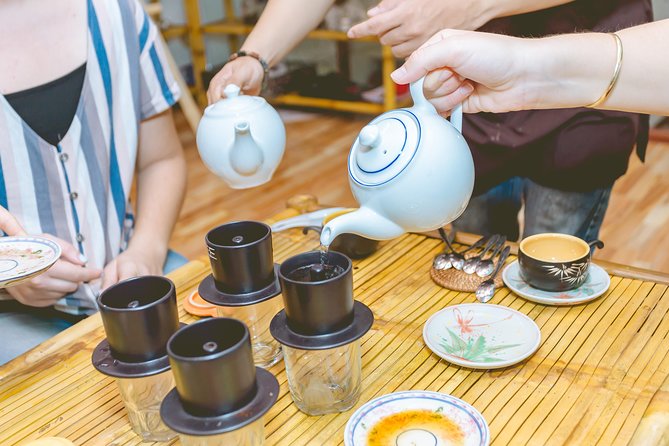
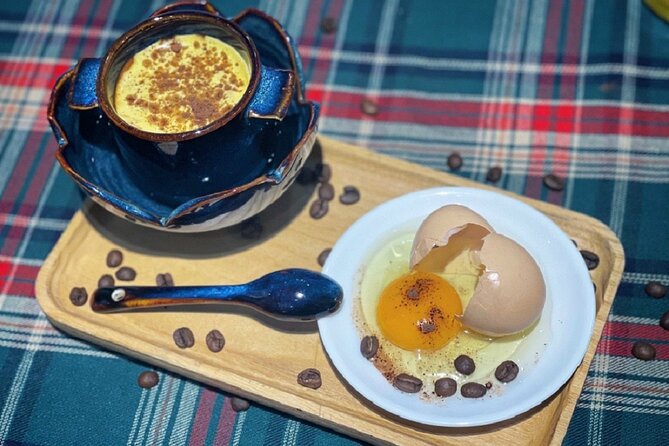
Egg coffee is the most talked-about preparation in the class, and it makes a fitting finale. The drink uses a creamy egg mixture to create a thick topping over strong Vietnamese coffee. It is closer to a small dessert than a standard black coffee, but the coffee remains central.
The preparation is part of the fun. You learn how the topping is made and how it changes the texture of the drink. The result is smooth, sweet, and filling, with a distinctive richness that makes it unlike the other four cups.
Egg coffee also connects Hoi An with Hanoi. The recipe is associated with Vietnam’s capital, so the class gives you a taste of a northern specialty while you are staying in central Vietnam.
If you plan to make it at home, pay attention to the consistency of the egg mixture. The appeal comes from the contrast between the thick topping and the concentrated coffee beneath it. The provided recipes make this easier to repeat after you return home.
The cultural background adds real value

The class is about more than recipes. You learn why coffee matters in Vietnam, how people drink it, and how French colonization helped set the country on its current coffee path.
That context matters because coffee is woven into daily social life in Vietnam. A phin on a table is not just a brewing device. It signals a slower way of drinking, often with time for conversation while the coffee drips.
The instructors also explain the differences between traditional coffee styles rather than presenting one generic recipe. You see regional names, local ingredients, and different ways of balancing bitterness and sweetness.
The tone appears informal and playful. Linh is described as friendly and funny, and the class includes plenty of banter. Another host is referred to by the nickname Taylor Swift, suggesting that the family uses humor and personality to keep the session lively. That style will suit you if you enjoy a social class with jokes. If you prefer a quiet, technical workshop, some of the humor may feel too much, and one participant found parts of it disrespectful.
What you receive for $15.39
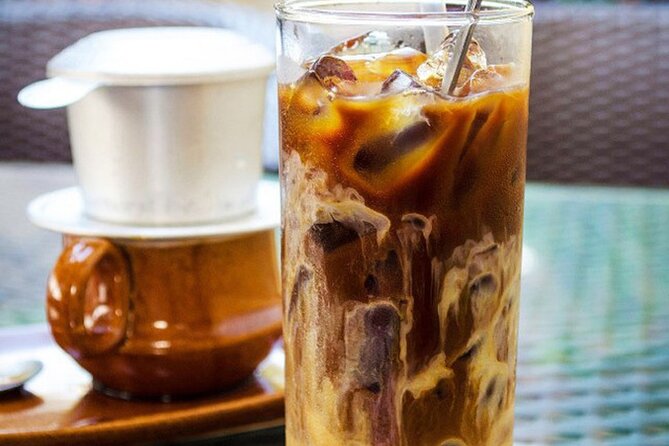
At $15.39 per person, this is a strong-value activity. The price covers about two hours of instruction, coffee-making tools, an English-speaking instructor and guide, the ingredients for five drinks, and a Vietnamese phin filter to take home.
You are also getting a practical souvenir rather than a decorative object that may sit in your luggage. The filter is small, useful, and tied directly to what you learned. Recipes are provided as well, so you can recreate the drinks for friends and family.
Some sessions make four coffees rather than five according to individual descriptions, while the scheduled program lists five styles. You should expect the advertised five, but keep in mind that the exact flow may vary slightly by group or session.
The class becomes even better value if you plan to buy local coffee beans. The family has its own blend available for purchase, giving you the option to continue the experience at home. Any purchase is separate from the class fee.
The caffeine warning is worth taking seriously
Five Vietnamese coffees can be a lot. The drinks are not weak, and several use concentrated phin coffee as their base. Some people enjoyed the full tasting but reported palpitations or a serious caffeine buzz afterward.
You do not need to finish every cup. Taste each one, compare the textures and flavors, and leave the rest if your body says enough. This is especially important if you are sensitive to caffeine or have already had coffee earlier in the day.
The class is more enjoyable when treated as a tasting rather than a drinking challenge. Small sips let you notice the differences between salt, coconut, condensed milk, and egg without turning the last half hour into a test of endurance.
Who will enjoy this Hoi An class most
I would recommend it first to coffee drinkers who want a cultural activity with a clear practical result. You learn several recipes, meet a local family, and leave with the basic tool needed to brew Vietnamese coffee at home.
It also suits solo visitors. The group limit is 10, and a quiet session may turn into a personal lesson. The social format gives you a chance to meet people from other countries without requiring a full-day tour.
Couples and small groups should find the format easy to share. Making the drinks together gives you a simple activity when you want a break from temples, markets, and walking tours.
Families need to use their judgment. Most people can take part, but the five coffee tastings make this more suitable for adults and older children who can handle caffeinated drinks. The activity is not presented as a children’s cooking class.
This is less suitable if you dislike sweet drinks, avoid caffeine, or want a very short demonstration. Two hours is a reasonable length for five preparations, but it may feel slow if you only want to learn the basic phin method.
Timing, weather, and cancellation details
The activity lasts approximately two hours and returns to the meeting point at 10C Bà Triệu. You arrange your own transport because hotel pickup and drop-off are not included.
Confirmation is sent within 48 hours of booking, subject to availability. The experience requires good weather, and a cancellation caused by poor weather gives you the choice of another date or a full refund.
You can cancel for a full refund up to 24 hours before the start time. Changes or cancellations inside that 24-hour window are not accepted for a refund, with cut-off times based on local time.
Service animals are allowed, and most people can participate. The small maximum group of 10 helps keep the practical instruction manageable.
FAQ
Where does the Vietnamese coffee class begin?
The class begins at 10C Bà Triệu, Phường Cẩm Phổ, Hội An, Quảng Nam 560000, Vietnam. The activity ends at the same meeting point.
How long does the coffee-making experience last?
The class lasts approximately two hours.
Which coffees will I make?
The program includes traditional black coffee made with a Vietnamese phin filter, Vietnamese white coffee, Hue Imperial Salt coffee, Hoi An fresh coconut coffee, and Hanoi Capital egg coffee.
Is a Vietnamese coffee filter included?
Yes. A Vietnamese phin filter is included for you to take home, along with the coffee-making tools used during the class.
Is hotel pickup included?
No. Hotel pickup and drop-off are not included, so you must make your own way to the meeting point.
What happens if I need to cancel?
You can cancel at least 24 hours before the start time for a full refund. Cancellations or changes made less than 24 hours before the experience are not accepted for a refund. If poor weather causes the activity to be canceled, you are offered another date or a full refund.
Should you book it?
Book this class if you want a hands-on cultural activity rather than another sightseeing stop. The combination of five regional and classic drinks, local instruction, recipes, and a phin filter gives you plenty for the $15.39 price.
Go slowly with the tasting, especially if you are sensitive to caffeine. If you prefer quiet instruction, be aware that the family-run style includes jokes and lively banter. For coffee fans, curious solo visitors, and anyone who wants to bring a piece of Vietnamese café culture home, this is an easy activity to fit into a Hoi An stay.
Newly reviewed in Hoi An
- Hoi An To Hue Private Car With English Speaking Driver★ 5.0 · 179 reviews
- Hoi An To Phong Nha By Private Car★ 5.0 · 62 reviews
- Hoi An – Danang – Hue: Private Car via Hai Van Pass and More★ 5.0 · 89 reviews
- Hoi An to Hue Tour by Private Car service★ 5.0 · 165 reviews
- Top Gear Hai Van Pass between Hoi An or Da Nang to Hue★ 5.0 · 201 reviews
- Hoi An Vespa Food Tour: Authentic & Exotic Food Culture★ 5.0 · 151 reviews
- From Hoi An: My Son Sanctuary & Marble Mountains Guided Tour★ 4.7 · 290 reviews
- Hoi An: Morning Countryside Tour by Bike★ 4.8 · 303 reviews
Tours in Hoi An, compared.

Vietnamese Coffee Culture and Coffee Making Class
Read our review →
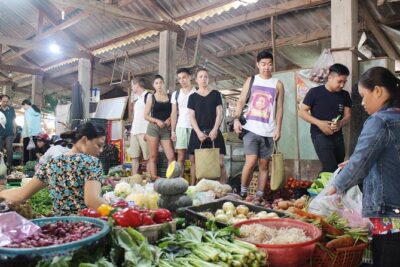
Cooking Class Hoi An:Local Market, Basket Boat, Fishing & Cooking
Read our review →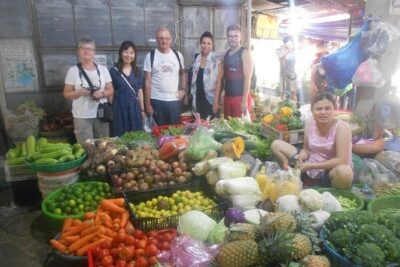
Hoi An Cooking Class(Market,BasketBoat Crabfishing&Cooking Class)
Read our review →
My Son Sanctuary Early Morning w. Champa Food Brunch
Read our review →
Ba Na Hills – Golden Bridge Deluxe Small group
Read our review →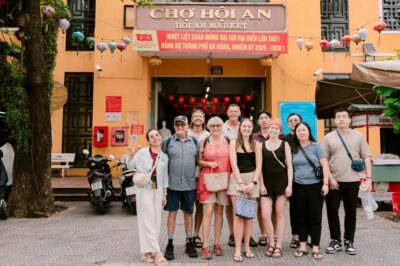
Market Tour, Basket Boat Ride and Cooking Class
Read our review →Browse the lists this tour appears in