
Reviewed · HISTORICAL TOURS
Hanoi: Make 6 Iconic Coffees in a Heritage Home with Locals
Making coffee in a 100-year-old French colonial home is the real draw here. You do not just order a cup and move on. You make six Vietnamese styles by hand, hear how they fit into Hanoi life, and taste the results as you go.
I like the small group limit of 10 and the open-bar setup, which lets you work at an easy pace. I also like that the recipes are designed for your kitchen back home, not just for a one-time holiday activity. The main consideration is that the session can run from one to two hours, and some past descriptions mention making four or five coffees rather than six, so confirm the exact format when you book.
Key points at a glance
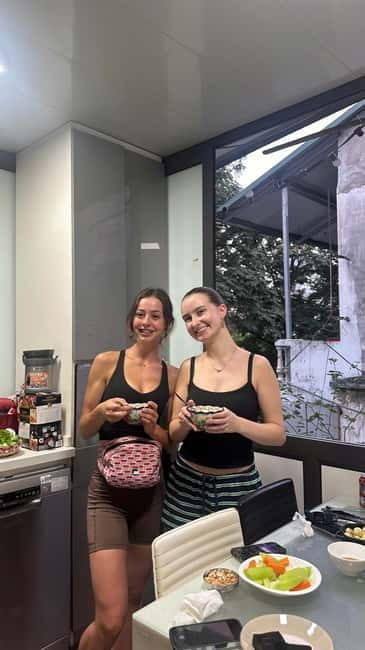
- Make six Vietnamese coffee styles: Egg, coconut, salty coffee, and other local preparations are included.
- Work inside a family home: The century-old Old Quarter house is filled with traditional art and everyday objects collected across generations.
- Learn from local hosts: Jade, Jennifer, Jenny, and Mint are named as instructors in past sessions, with clear English guidance available.
- Taste as well as brew: You learn to use sight, smell, texture, sweetness, bitterness, and temperature to understand each cup.
- Keep the group small: The limit of 10 allows for close help without turning the class into a busy production line.
- Take home useful skills: Detailed recipes and practical methods let you recreate the drinks after Vietnam.
Why this Hanoi coffee workshop feels different
Hanoi coffee is not just a morning drink. It is part of the city’s daily rhythm, served slowly in narrow cafés, family homes, and small street-side spaces. This workshop gives you a hands-on way to understand that culture without needing to sit through a long lecture.
The setting helps. You enter a peaceful Old Quarter house that has been in use for about a century. Its French colonial character is paired with Vietnamese objects, traditional art, and family collections. The result is less polished café showroom and more lived-in home, which suits the subject.
You are not simply shown a recipe and sent to a table. You make the drinks yourself, adjust them to your taste, and learn why the ingredients need to stay in balance. That matters with Vietnamese coffee, where strong brewed coffee is often paired with sweet, creamy, salty, or chilled elements.
The hosts also explain the stories behind the drinks. You may hear about how particular coffee styles developed and how they are understood in Vietnam. The focus stays practical, so the cultural background supports the making rather than taking over the session.
More history within reach of Hanoi:
- Hanoi Heritage Premium Daily Tour
★ 5.0 · 914 reviews - Heritage Binh Chuan 2 Days 1 Night discovery in Lan Ha Bay
★ 5.0 · 470 reviews - Old Quarter Hanoi Street Foods and Heritage Road Tour by Walking
★ 5.0 · 117 reviews
Arriving at the quiet Old Quarter home
The meeting point is a century-old house tucked into Hanoi’s Old Quarter. The exact address is provided when you book, but the useful point is the character of the setting: you leave the busy street behind and enter a calmer private space.
The home has several details worth noticing before the coffee work begins. Family members have collected and preserved art, objects, and household pieces over many years. You are encouraged to look around, and there is a balcony where you can pause during the activity.
This is a good setting for a slower morning or afternoon in Hanoi. The workshop takes place indoors, with air conditioning, clean restrooms, and sterilized utensils. A dishwasher is also available, which will reassure anyone who prefers a tidy food-preparation space.
The atmosphere is intimate rather than formal. Warm-hearted older family members may welcome you, and the home has a pet-friendly garden space. Childcare is available, too, which makes this more workable for families than many café-based activities.
Still, remember that this is a home experience, not a large cooking school. If you prefer a slick commercial studio with fixed stations and a strict timetable, the informal setting may feel less predictable. If you like seeing how people live and work, it is a strong match.
Meeting the instructors and setting your pace
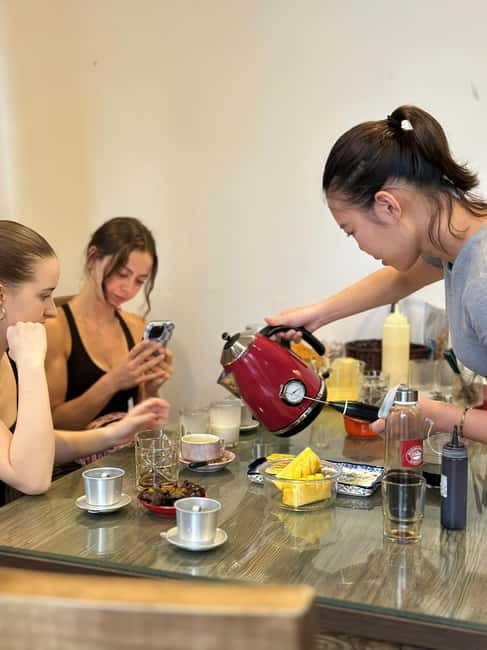
The workshop is led in Vietnamese and English. Several instructors appear in the experience’s past sessions, including Jade, Jennifer, Jenny, and Mint. Their teaching styles vary slightly, but the consistent pattern is clear: step-by-step instruction, friendly conversation, and plenty of time to ask questions.
Jade is described as especially welcoming and good at making egg coffee fun to prepare. Jennifer and Jenny are praised for clear explanations, strong English, and advice about coffee, Vietnamese culture, and Hanoi. Mint is described as organized, friendly, and careful not to rush the process.
You may not have the same instructor on every date, so do not book based on one person alone. The useful thing is that the teaching approach appears to be personal rather than scripted. The small group size, capped at 10, gives the instructor room to watch your technique and help you adjust a cup.
No brewing experience is needed. All ingredients and equipment are supplied, so you do not need to bring coffee tools or prepare anything in advance.
The open-bar format is a nice touch. You can observe the work area, ask questions, and create without feeling pushed from one station to the next. It also supports a relaxed social mood, especially if you are joining with family or friends.
Preparing six iconic Vietnamese coffees
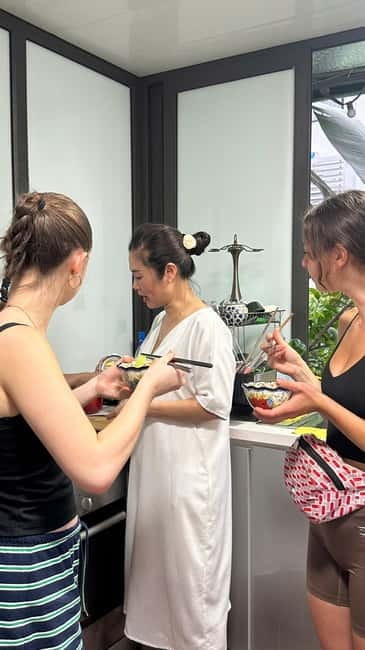
The central activity is making six Vietnamese coffee drinks by hand. The named styles include egg coffee, coconut coffee, and salty coffee, along with other Vietnamese preparations. The exact order is not given, but the teaching is described as clear and step by step.
You can expect each coffee to introduce a different balance of strength, sweetness, creaminess, salt, temperature, or texture. That variety is what makes the workshop useful. You are not repeating the same brewing method six times with a new topping.
Same base, a completely different day:
- Hanoi Jeep Tour: Food, Culture and Fun by Vietnam Army Jeep
★ 5.0 · 15,222 reviews - Full-Day Ninh Binh Highlights Tour from Hanoi
★ 5.0 · 7,761 reviews - Hanoi: Ha Long Bay Day Cruise – Swimming, Meal, Kayaking
★ 4.7 · 7,415 reviews - Hanoi: Water Puppet Show Tickets
★ 4.6 · 7,029 reviews
Egg coffee
Egg coffee is likely to be the most memorable preparation for many people. It combines strong coffee with a creamy egg mixture, and the fun comes from learning how to prepare the topping so it feels smooth and balanced rather than heavy.
The point is not just to make a sweet dessert drink. You learn how the coffee needs to hold its own against the rich topping. The host can help you adjust the sweetness and texture while keeping the drink recognizable as Vietnamese egg coffee.
If you have already tried egg coffee in Hanoi, making it yourself adds another layer. You can see how much work goes into the texture and understand why a good cup is more than coffee with a quick spoonful of foam.
Coconut coffee
Coconut coffee brings a cooler, sweeter profile and a different texture from egg coffee. It offers a useful contrast, particularly if you are tasting several cups in one sitting.
The workshop lets you personalize the drink while keeping its traditional balance. That means you can adjust elements to suit your taste, but the host still shows you the proportions and method that make the style work.
Salty coffee
Salty coffee may sound unusual if you are used to sugar and milk. In practice, salt can sharpen sweetness and soften bitterness when used carefully. This is a good example of why the class teaches tasting rather than simply handing you finished drinks.
You get to see how a small ingredient changes the whole cup. The host’s guidance matters here because too much salt would overpower the coffee. The aim is balance, not novelty for its own sake.
The other Vietnamese styles
The remaining preparations round out the session and show that Vietnamese coffee has more range than the familiar condensed-milk iced coffee found on many menus. The supplied information does not name every style, so I would not promise a particular sixth drink beyond the listed egg, coconut, salty, and other Vietnamese coffees.
This is one point worth checking before arrival. The headline experience promises six coffees, while individual past descriptions mention sessions involving four or five types. That may reflect different wording, shorter versions, or the way participants counted the drinks. If the exact number matters to you, ask the host when confirming your booking.
Learning to taste coffee like a local
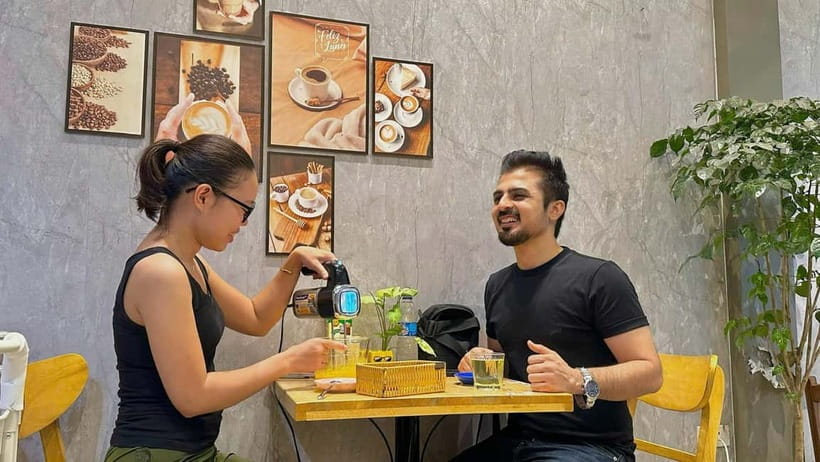
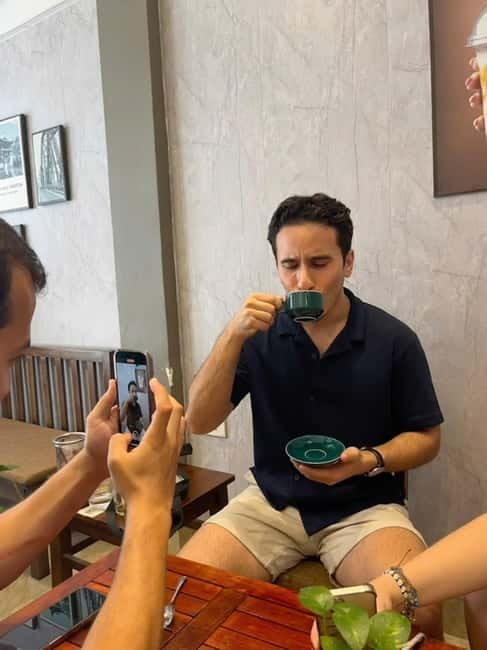
The best part of the workshop may be the tasting lesson rather than the recipes. You use all five senses as you compare the coffees: how they look, smell, feel, taste, and even sound as you prepare and stir them.
You learn to notice more than bitterness. A cup can be strong but balanced, sweet but flat, creamy but too heavy, or salty in a way that sharpens the other flavors. This gives you a better vocabulary for ordering coffee during the rest of your time in Vietnam.
The beans are also part of the discussion. The hosts share Vietnamese speciality beans they have collected and refined their understanding of over time. You taste them along the way and share your impressions.
The wording here matters. This is not presented as a formal professional coffee certification class. It is a practical introduction shaped by local experience and family recipes. You leave with enough understanding to make and compare the drinks, not with a technical qualification.
The home setting and its cultural value
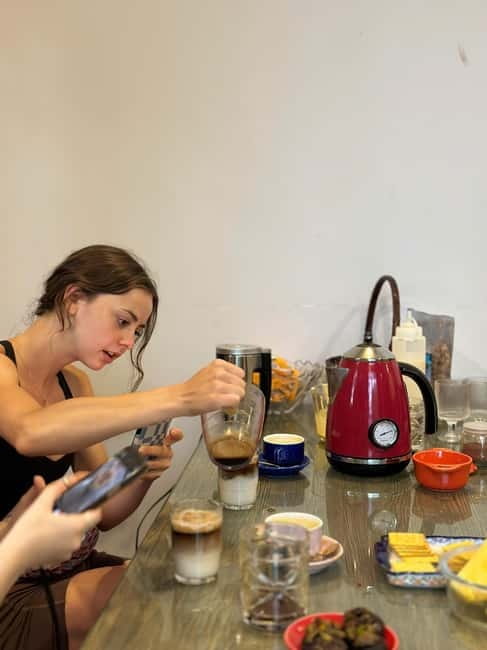
A coffee workshop in a café would be easier to organize, but the home gives this experience its character. You see art and household objects that have been collected by the family across generations. These details connect the drinks to daily life rather than treating them as isolated tourist products.
You may also have time to wander through the rooms and sit on the balcony. That extra breathing space helps the activity feel less like a class and more like an invitation into someone’s home.
The tradeoff is that the experience depends on the household setting. It may not have the same polished, standardized feel from one session to the next. That is not necessarily a problem, but you should choose it because you value personal contact and atmosphere.
The family welcome is praised repeatedly in the available feedback. Participants describe feeling comfortable in the home, and that warmth seems to be a major part of the activity. It is especially useful if you want a low-key indoor experience after several hours in Hanoi’s traffic and noise.
What you take home for $22
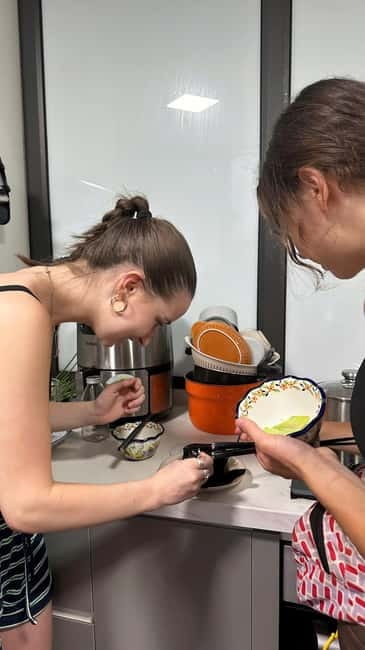
At $22 per person, this is good value if you care about participation rather than just consumption. You make several drinks, taste different coffee styles, receive detailed recipes, and spend time with a local instructor in a distinctive home.
A café crawl could cost less if you only want to sample coffee. It would not usually give you the same chance to practice each preparation or take the methods home. A formal cooking class could cost more and might cover a full meal, but this workshop is more focused and easier to fit into a short Hanoi stay.
The strongest value comes after the session. You receive practical recipes for all six coffees, so the experience can continue in your own kitchen. You also learn how to adjust a drink without losing its traditional balance, which is more useful than a recipe with no explanation.
The price includes coffee and tea, ingredients, equipment, instruction, and photography by the instructor. There are also practical comforts such as air conditioning, clean restrooms, and sterilized utensils.
I would not choose this activity solely because it is cheap. I would choose it if you want a souvenir you can use. A recipe for egg coffee or coconut coffee gives you a way to bring part of Hanoi home, provided you are willing to make the drinks again.
Who should book this experience
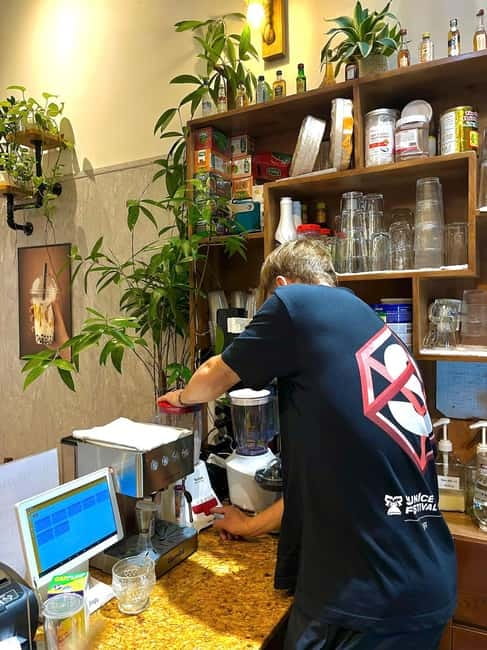
This workshop suits coffee lovers, curious eaters, and anyone who wants a quiet cultural activity in the Old Quarter. It is also a good choice for couples, families, and small groups who prefer talking with a local host over joining a large tour.
You do not need prior brewing skills. That makes it accessible to beginners, while the range of coffee styles gives experienced coffee drinkers something new to compare.
Families should note the available childcare service and pet-friendly garden space. Children may also enjoy the visual work of mixing and preparing the drinks, though the supplied information does not specify a minimum age.
The indoor format helps in hot, rainy, or unpleasant Hanoi weather. It also makes the activity a practical break from walking. Wheelchair access is listed, but you may still want to confirm the exact meeting-point arrangements when booking because the activity takes place in an older private home.
This is less suited to anyone who dislikes sweet drinks, creamy textures, or coffee tasting in several rounds. It may also feel slow if you want a quick demonstration and one cup. The whole point is to make, taste, compare, and talk.
Timing, group size, and booking details
The stated duration is one to two hours. Plan for the longer end if you want to ask questions, explore the house, and work carefully through the recipes.
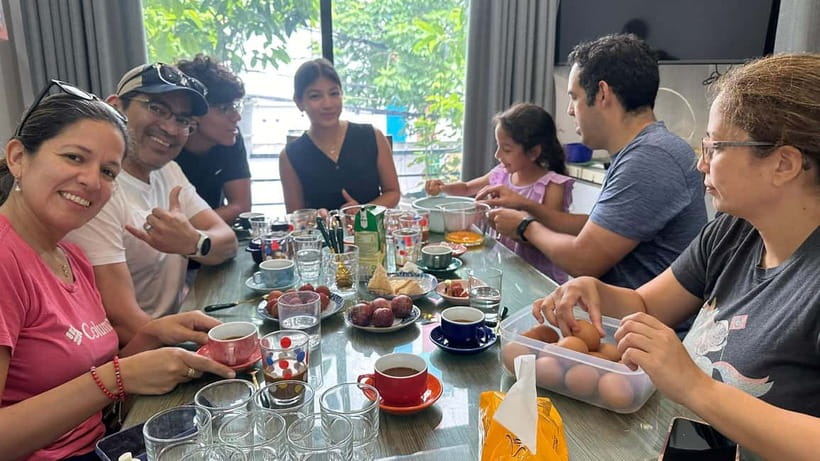
The group is limited to 10 people. That is small enough for individual help, though the experience will feel more personal with fewer participants. The open-bar layout lets you watch the process and take part without a rigid seat-by-seat setup.
You can cancel up to 24 hours ahead for a full refund. The reserve-now, pay-later option also helps if your Hanoi plans are still changing. These policies are useful for a trip where weather, transport, or a long day of sightseeing can shift your schedule.
Because the activity is indoors, you do not need to plan around rain. You should arrive ready to taste several coffees and with enough time afterward to avoid rushing to your next appointment.
Should you book the Hanoi coffee workshop?
Book it if you want to understand Vietnamese coffee by making it yourself. The family home, small group, and detailed recipes give this activity more substance than a standard tasting stop.
The main question is not the price. It is whether you want a hands-on lesson or simply a good cup of coffee. At $22, the workshop offers solid value for the drinks, instruction, cultural setting, and recipes you keep.
Before paying, confirm the exact number of coffees included in your session, since some past descriptions refer to four or five while the experience promises six. If that detail is settled, this is an easy recommendation for coffee fans, families, and anyone looking for a calm, personal side of Hanoi.
FAQ
How many coffees will I make?
The experience is advertised as six Vietnamese coffees, including egg, coconut, salty coffee, and other styles. Some past session descriptions refer to four or five coffees, so confirm the exact format with the host when booking.
Do I need coffee-making experience?
No. No prior brewing experience is required, and the instructor explains each step clearly.
Which coffee styles are included?
Egg coffee, coconut coffee, and salty coffee are specifically named. Other Vietnamese coffee styles are also included, but the exact full list is not provided.
How long does the workshop last?
The activity lasts between one and two hours, depending on the available session and pace.
Where does the workshop take place?
It takes place in a century-old home in Hanoi’s Old Quarter. The house has French colonial features, family-collected art and objects, an open bar, and a balcony.
What languages are available?
Instruction is available in Vietnamese and English.
Is the activity suitable for children?
Childcare service is available, and the home has a pet-friendly garden space. The provided information does not specify a minimum age.
What is included in the price?
Coffee and tea, ingredients, equipment, instruction, detailed recipes, photography by the instructor, air conditioning, clean restrooms, a dishwasher, and sterilized utensils are included.
Newly reviewed in Hanoi
- Private Full-Day Tour to Halong Bay from Hanoi★ 5.0 · 44 reviews
- Private Evening Walking Tour – Cyclo & Water Puppet Show in Hanoi Old Quarter★ 5.0 · 19 reviews
- Ba Vi National Park Private Tour: Sightseeings & Jungle Hikking★ 4.5 · 26 reviews
- Full-Day Hanoi City Tour with Hidden Local Life Experience★ 5.0 · 27 reviews
- Hanoi Epic tour 6D5N Hanoi – Halong Bay – Ninh Binh – Sapa★ 5.0 · 51 reviews
- Private transfers Hanoi <=> Puluong 1 Way (Free Hotel Pickup)★ 5.0 · 20 reviews
- Hanoi Airport Pick-up (Private Ride From Hanoi Airport to Hotels)★ 4.5 · 253 reviews
- Noi Bai Airport transfer to Hotel or Vice versa★ 5.0 · 144 reviews
Historical Tours, compared.
Cu Chi Tunnels Half-Day History Tour with Guide
Read our review →
Heritage Binh Chuan 2 Days 1 Night discovery in Lan Ha Bay
Read our review →
Saigon Afternoon City Historical Scooter Tour |Opt: Ao Dai Riders
Read our review →
Saigon Unseen, History, & Hidden Gems Sightseeing Motorbike Tour
Read our review →
Saigon Morning City Historical Scooter Tour w Ao Dai Rider option
Read our review →
6 Hours Historical Tour in Cu Chi Tunnel with Free Snack
Read our review →
Vung Tau Essential: Beach, Christ Statue & Colonial Heritage
Read our review →Browse the lists this tour appears in