Reviewed · TOURS IN HANOI
Hoa Lo Prison and Little Paris in Hanoi
Hanoi’s French Quarter is where broad streets, grand colonial buildings, and Vietnam’s fight for independence meet. This 3.5-hour walking tour connects the Government Guest House, Opera House, St. Joseph’s Cathedral, and Hoa Lo Prison, so you see both the polished French-era face of the city and the painful story beneath it.
I like the small group of no more than 10 people, which gives the guide room to answer questions and adjust the pace. I also like the local focus: guides such as Van, Lisa, and Julia add stories about Hanoi, food, daily life, and wartime memory that you would not get from simply walking past the buildings.
The main drawback is the heat and the amount of walking. You need comfortable shoes, sunscreen, and a hat, and Hoa Lo Prison can be emotionally heavy. Hotel pickup is limited to Hanoi’s Old Quarter, and there is no hotel drop-off afterward.
Key points at a glance
- Hoa Lo Prison puts the French Quarter in context: The tour links elegant colonial streets with Vietnam’s struggle against French rule and the later Vietnam War.
- Local guides shape the experience: Van, Lisa, Julia, Nam, and the rest of the team bring personal knowledge of Hanoi, food, culture, and modern life.
- You see major landmarks and quieter corners: The route includes the State Bank, Tonkin Palace, Opera House, cathedral, and a secret stop.
- The walking route suits first-time visitors: Starting near the Old Quarter or Ly Thai To Monument makes this a useful early-trip orientation.
- Coffee and water are included: A bottle of water and Vietnamese coffee help, especially on a warm morning.
- The price is reasonable for a small group: At $40 per person, the fee includes a live English-speaking guide, Hoa Lo entry, drinks, and Old Quarter pickup.
Why the French Quarter deserves a morning
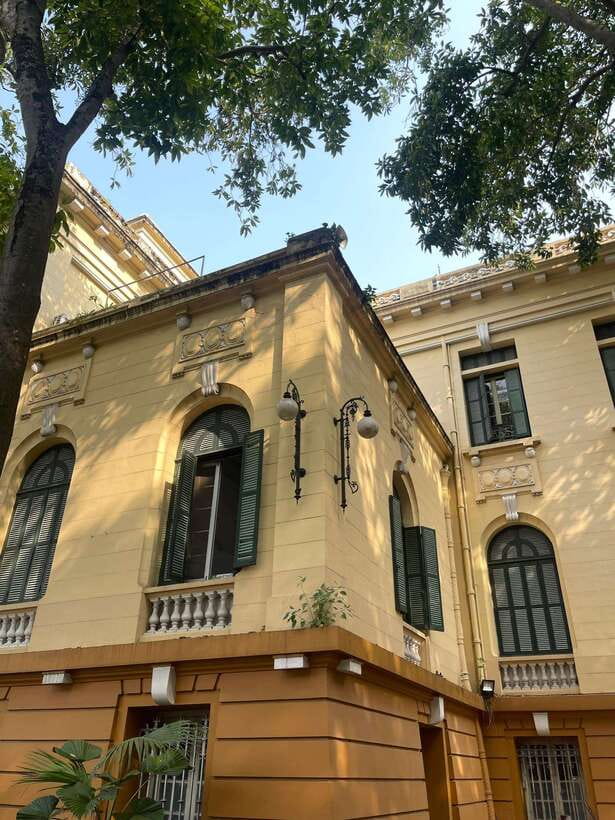
Hanoi’s French Quarter feels different from the tightly packed lanes of the Old Quarter. The streets are wider, the buildings are more formal, and the architecture reflects the city’s time under French colonial rule. This tour gives you a clear way to read that setting instead of treating it as a collection of pretty facades.
The French influence shows up in several forms. St. Joseph’s Cathedral recalls European church design, the Hanoi Opera House reflects Parisian theater architecture, and the Metropole Hotel adds another famous colonial-era reference. At the same time, Vietnamese and Indochinese styles reshape those imported ideas into something specific to Hanoi.
I find this mix more interesting than a simple architecture walk. Every grand building raises a harder question: who had power when it was built, and who lived with the consequences? The route answers some of that through government buildings and Hoa Lo Prison.
The tour lasts about 3.5 hours, long enough to connect the sights without taking over your entire day. Plan for a morning or afternoon on foot, with time for photographs, explanations, and short pauses along the way.
More days out you can book in Hanoi:
- Hanoi Jeep Tour: Food, Culture and Fun by Vietnam Army Jeep
★ 5.0 · 15,222 reviews - Full-Day Ninh Binh Highlights Tour from Hanoi
★ 5.0 · 7,761 reviews - Hanoi: Ha Long Bay Day Cruise – Swimming, Meal, Kayaking
★ 4.7 · 7,415 reviews
Starting near Ly Thai To Monument
You can begin at one of two pickup options in the Old Quarter, including the Ly Thai To Monument near Hoan Kiem Lake. If you stay in the Old Quarter, hotel pickup is included. You should be ready in the lobby, where the guide checks your name at reception.
This arrangement is practical, but it is worth checking the exact meeting point and start time when you book. The activity offers several possible starting times, and pickup applies only to hotels and stays in the Old Quarter. If you are staying elsewhere, you need to reach the meeting point yourself.
The Ly Thai To area is a useful place to begin because it sits close to the French Quarter and major civic buildings. You are not spending the first part of the tour in a vehicle. Instead, the city begins around you at once, with traffic, pedestrians, old facades, and Hanoi’s familiar street energy.
State Bank and Tonkin Palace
The first major stops include the State Bank of Vietnam and the Government Guest House, also known as Tonkin Palace. These buildings help explain how the French colonial administration organized the city and how government power later shifted into Vietnamese hands.
The State Bank is not included as an interior museum visit. You see it from the outside while the guide explains its place in the city. That distinction matters. This is a walking and interpretation tour, not a series of long indoor visits.
Tonkin Palace is another exterior sightseeing stop. Its formal design gives you a strong example of colonial administrative architecture. The guide can connect its appearance with the wider story of French control in northern Vietnam and the Vietnamese independence movement.
A useful part of this section is the contrast between visual beauty and political history. You may admire the buildings, but the tour does not present French rule as a harmless design period. It places the architecture beside the struggle of the Vietnamese people for independence.
The secret stop and Hanoi’s less obvious corners
The route includes a secret stop, described only as a sightseeing and walking visit. The exact location is not specified in advance, which is part of the appeal. You may find this is where the guide’s local knowledge matters most, since it adds something beyond the standard postcard route.
Do not expect every minute to be carefully scripted around famous monuments. The appeal of a local guide is the chance to notice details you might pass without understanding. Lisa, Van, Julia, and the other guides are described as friendly and willing to talk about local food, everyday life, and places to eat.
One useful tip is to treat this as a conversation as well as a tour. If you want restaurant suggestions, ask. If you are curious about the war, religion, architecture, or daily life in Hanoi, ask that too. The strongest part of this experience is likely to come from the exchange between you and the guide.
Same base, a completely different day:
- Hanoi: Water Puppet Show Tickets
★ 4.6 · 7,029 reviews - Hanoi Motorbike Tour: Food, Culture and Fun by Vintage Motorbike
★ 5.0 · 6,699 reviews - Hanoi: Guided Food Tour with Train Street Visit
★ 4.9 · 6,239 reviews - Hanoi Cooking Class: Culture, Local Market & Meaning CSR Impact
★ 5.0 · 5,147 reviews
Hanoi Opera House and the idea of Little Paris
The Hanoi Opera House is one of the route’s main architectural stops. Its European look helps explain why the French Quarter is sometimes compared with a small Paris in the center of Hanoi. You receive a guided explanation and time to view the building from outside.
The important point is not that Hanoi copies Paris perfectly. It does not. The French influence is filtered through local materials, climate, history, and Vietnamese urban life. That mixture is visible across the French Quarter, where formal European ideas sit beside distinctly Vietnamese surroundings.
The Opera House also gives the guide a chance to explain how architecture can serve power and status. A grand theater was not built simply for local convenience. Its presence reflected the priorities of the colonial administration and its social hierarchy.
This is a good photo stop, but try not to make it only a photo stop. Look at the scale of the building and then compare it with the streets around it. The guide’s explanation helps turn a quick picture into a better understanding of the district.
St. Joseph’s Cathedral and the French religious footprint
St. Joseph’s Cathedral is another major stop, with time for a visit, guided explanation, and photographs. Its appearance is immediately recognizable, and it provides a clear example of French religious influence in Hanoi.
The cathedral is useful for understanding how colonial institutions reached beyond government offices. Religion, education, trade, architecture, and administration all formed part of the French presence. The tour gives you a chance to place the cathedral within that larger setting.
You should bring a camera, but remember that flash photography is not allowed during the activity. Dress for walking and be prepared for the surrounding streets to be active. The tour does not promise a long interior visit, so the emphasis remains on the building, its setting, and its place in Hanoi’s past.
Hoa Lo Prison: the most serious stop
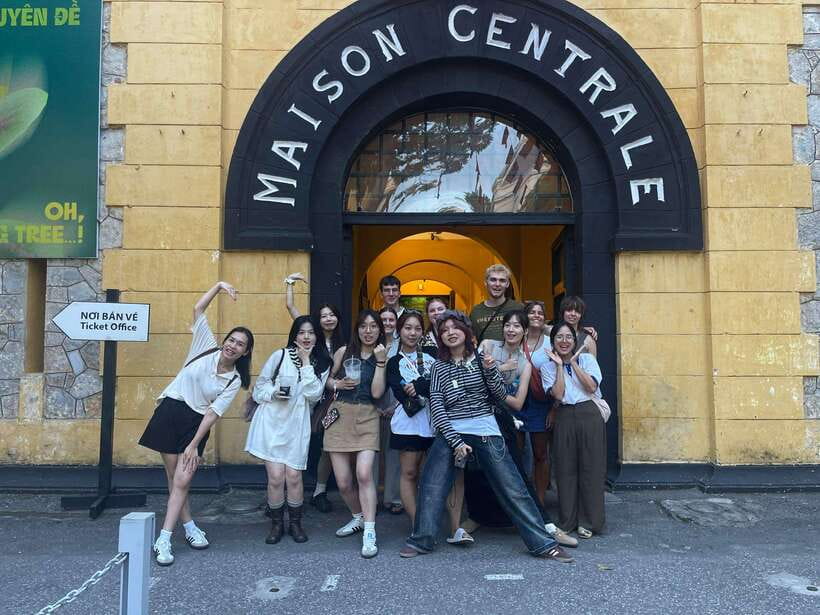
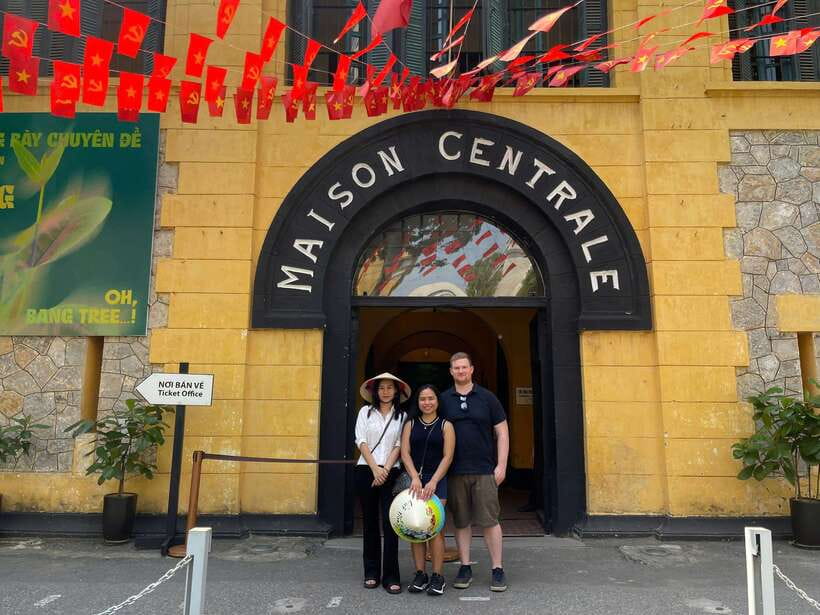
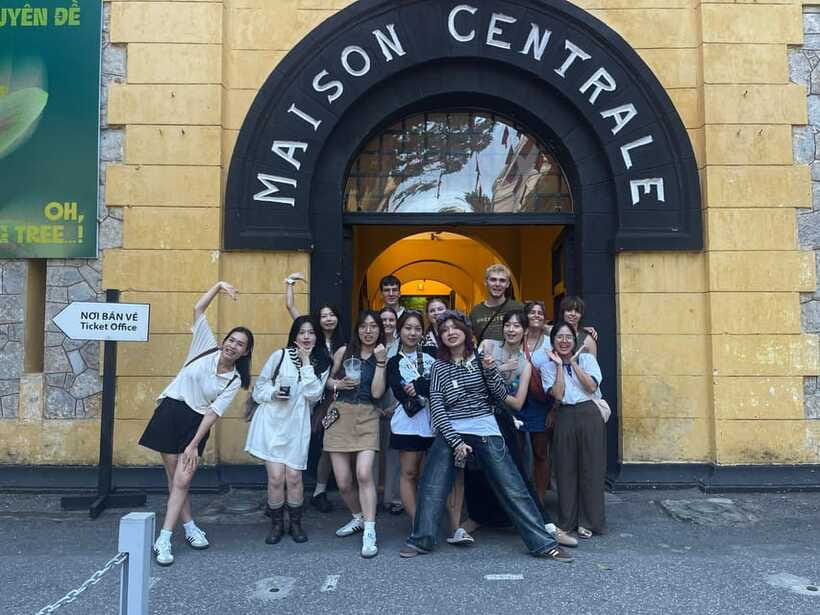
Hoa Lo Prison is the emotional center of the tour. Your entry ticket is included, and the guide takes you inside rather than leaving you to explore the complex alone. That is a major benefit because the prison’s displays require context.
Hoa Lo tells part of the story of French colonial imprisonment and the Vietnamese resistance against French rule. It also connects with the later period of the Vietnam War, when the site became known in the United States by another name. The tour presents the prison as part of Vietnam’s long struggle for independence.
This section can be difficult. The subject is not softened into a pleasant sightseeing stop, and you should allow yourself time to take in what you see. The guide’s role is especially important here, since the political and historical framing can be complex.
The prison also changes the way you see the earlier buildings. After walking past banks, government offices, and grand public architecture, you reach a place tied directly to confinement and resistance. The contrast is deliberate and gives the French Quarter more meaning than architecture alone could provide.
Guides who add more than dates
The tour is led in English by one of a small team that includes Nam, Van, Lisa, and Julia. Their approach is friendly and informal rather than stiff. That matters on a walking tour because you spend several hours together, often in heat and city traffic.
Julia is described as warm, engaging, curious, and able to discuss both historical facts and ordinary life in Hanoi. Van is especially strong on Hanoi, Vietnamese history, the French Quarter, and Hoa Lo Prison. Lisa brings local stories, food recommendations, and a lively personality.
These details are useful when choosing the experience. You are not booking a private tour with one guaranteed guide, so the exact style may vary. Still, the repeated strengths of this guide team are clear: friendly conversation, solid historical explanation, and a willingness to share local suggestions.
The small-group limit helps. With up to 10 people, you can usually hear the guide more easily than on a large city tour, and questions are less likely to disappear into the crowd. The tour may also become a private experience if other people do not book, though that is not guaranteed.
Coffee, water, and the practical side of walking
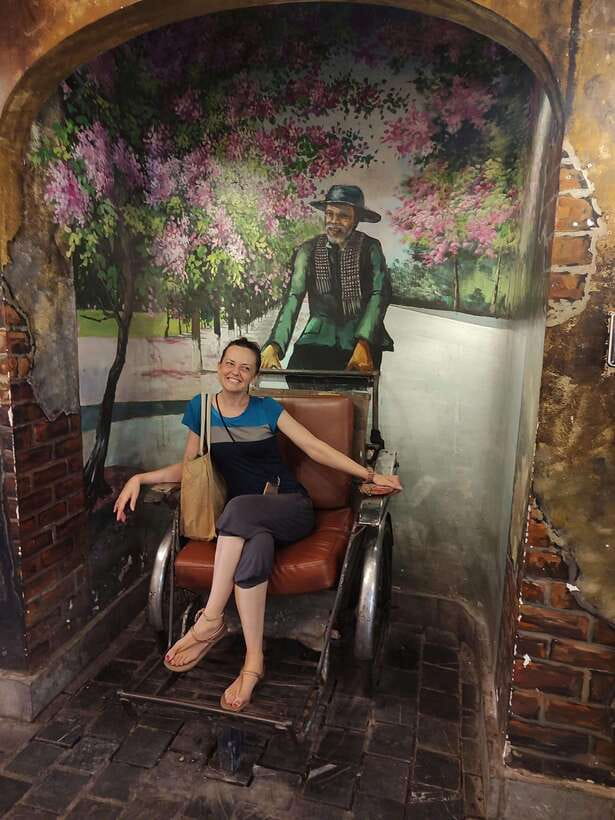
A bottle of water and Vietnamese coffee are included. This is a modest detail, but a useful one in Hanoi, where walking in warm weather can wear you down. The coffee stop also gives you a natural pause and a taste of local café culture.
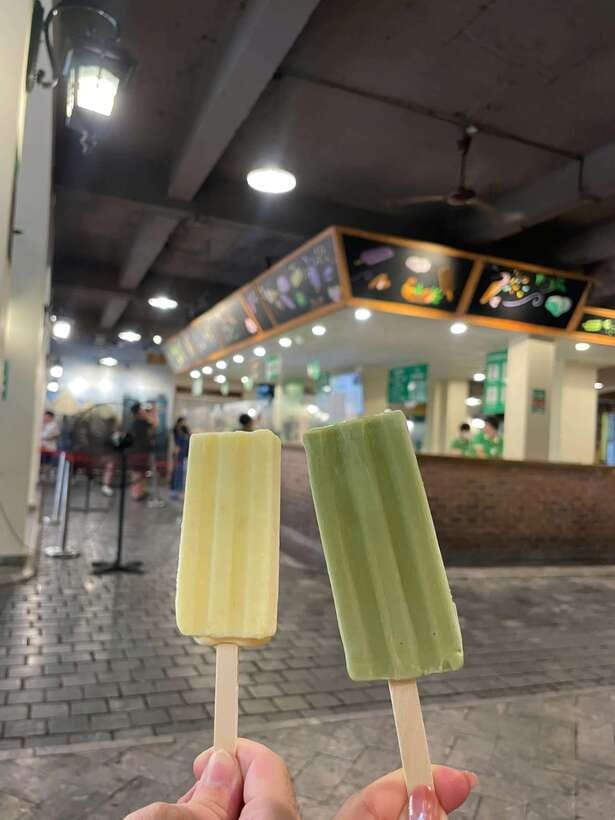
One guide may take you to a local coffee place, and food-minded visitors should ask for suggestions about where to eat afterward. Ice cream has also served as a welcome break on a hot day, though it is not listed as a guaranteed inclusion.
Wear shoes that can handle several hours on city streets. Bring a hat, sunscreen, and a camera. Smoking and flash photography are not allowed during the activity.
Wheelchair access is listed, but the tour still involves walking between several city stops. If mobility is a concern, confirm the details before booking so the route and pace match your needs.
Is $40 a fair price?
The price is $40 per person. For a basic self-guided walk, that would be expensive. For this experience, the value comes from the live English-speaking guide, small group size, Hoa Lo Prison entry, Vietnamese coffee, water, and Old Quarter pickup.
You are paying for interpretation as much as transportation or admission. The State Bank, Opera House, cathedral, and government buildings are visible from public streets, but the guide gives them a connected story. The prison ticket also removes one extra cost and makes the final stop easy to include.
The value is strongest if you care about history, architecture, or local context. If you only want quick photographs of the Opera House and cathedral, you can see some of these places on your own for less. If you want to understand how French colonial rule, Vietnamese independence, and the Vietnam War connect, the fee is easier to justify.
There are no other beverages or personal expenses included, and you arrange your own return after the tour. Those costs are small, but factor them into your day.
Who should book this walk?
I would choose this tour early in a Hanoi visit. The route gives you a useful mental map of the Old Quarter and French Quarter, and the guides can point you toward food and other places to visit afterward.
It suits:
- History lovers who want more than architecture photographs
- First-time visitors seeking a city introduction on foot
- People interested in French colonial and Indochinese design
- Visitors who want Hoa Lo Prison explained in context
- Small groups and solo visitors who prefer conversation
- Anyone who enjoys local food suggestions and informal cultural exchange
It may be less suitable if you dislike walking, hot weather, serious historical subjects, or fixed group schedules. People with heart problems are specifically advised not to take the activity.
Cancellation is free up to 24 hours before the start, and you can reserve now while paying later. Those policies help if your Hanoi plans are still shifting.
Should you book Hoa Lo Prison and Little Paris?
Book it if you want Hanoi’s French Quarter explained by a local rather than simply photographed. The best parts are the small group, the guide-led storytelling, the link between grand colonial buildings and independence, and the serious visit to Hoa Lo Prison.
Choose it early in your stay, wear light comfortable clothing, and leave room afterward for your own food or café plans. At $40, it is a fair choice for a structured half-day with admission and local guidance, but less useful if you prefer to wander alone or want a tour focused only on architecture.
FAQ
How long does the tour last?
The tour lasts approximately 3.5 hours.
What language is the tour conducted in?
The live tour guide speaks English.
Where does the tour start?
Pickup is available from hotels and stays in Hanoi’s Old Quarter. You can also meet at the Ly Thai To Monument Statue.
Is hotel pickup included?
Yes, hotel pickup is included for accommodations in Hanoi’s Old Quarter. Hotel drop-off is not included.
Is entry to Hoa Lo Prison included?
Yes, the Hoa Lo Prison entry ticket is included in the tour price.
What landmarks does the walking tour visit?
The route includes the State Bank of Vietnam, Government Guest House or Tonkin Palace, a secret stop, Hanoi Opera House, St. Joseph’s Cathedral, and Hoa Lo Prison.
Are drinks included?
One bottle of water and Vietnamese coffee are included. Other beverages are not included.
How large is the group?
The activity is limited to 10 participants.
Is the tour wheelchair accessible?
Yes, the activity is listed as wheelchair accessible.
What should I bring?
Bring comfortable shoes, a hat, sunscreen, and a camera. Smoking and flash photography are not allowed.
Newly reviewed in Hanoi
- Private transfer between Hanoi and Halong★ 5.0 · 51 reviews
- Private Transfers Hanoi <=> Halong One Way (Free Hotel Pickup)★ 5.0 · 31 reviews
- Private LUXURY Hanoi City Full day guided tour★ 4.5 · 21 reviews
- Private kid-friendly Hanoi food tour with a taste of great dishes★ 5.0 · 18 reviews
- Private transfers HALONG <=> SAPA One Way (Free Hotel Pickup)★ 5.0 · 19 reviews
- Hanoi Airport See-off (Private Ride from Hotels to Hanoi Airport)★ 4.5 · 70 reviews
- Private transfer Ninh Binh <=> Halong One Way (Free Hotel Pickup)★ 5.0 · 21 reviews
- Private transfer between Hanoi and Sapa★ 5.0 · 27 reviews
Tours in Hanoi, compared.
Hanoi Jeep Tour: Food, Culture and Fun by Vietnam Army Jeep
Read our review →
Full-Day Ninh Binh Highlights Tour from Hanoi
Read our review →
Ha Long Bay Day Cruise – Swimming, Meal, Kayaking
Read our review →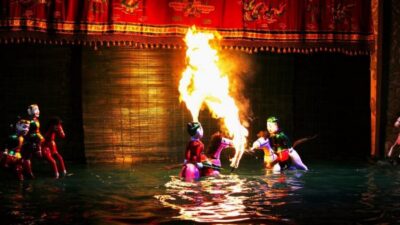
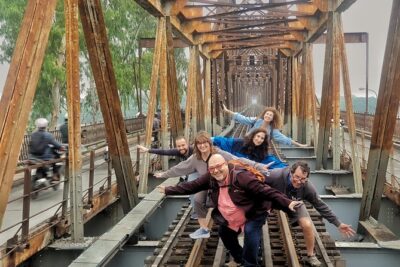
Hanoi Motorbike Tour: Food, Culture and Fun by Vintage Motorbike
Read our review →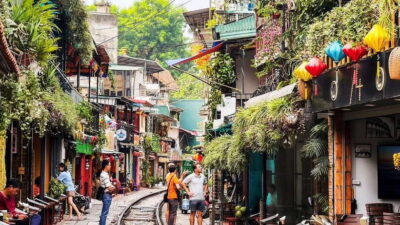
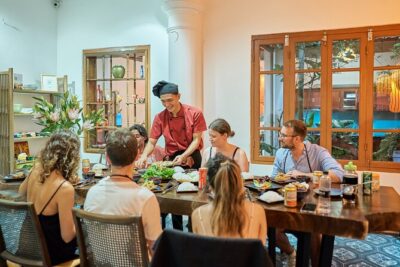
Hanoi Cooking Class: Culture, Local Market & Meaning CSR Impact
Read our review →