
Reviewed · TOURS IN HOI AN
Hoi An Ghosts, Death, Mystery Unveiled
Hoi An’s first ghost tour is really a walk through the way Vietnamese people understand death, memory, spirits, and home protection. You’ll enter dark alleys, pause beside old houses and wells, and stand near a grave in the middle of town while your guide explains customs most visitors never notice. The supernatural stories open the door to local culture, rather than serving as cheap scares.
I like the small groups of no more than 10, which make it easier to ask about sensitive subjects. I also like the guides’ personal style. Nhat has a calm manner and answers questions at length, while Kun brings warmth, humor, and local stories to the walk. The main consideration is simple: if you want jump scares and theatrical ghosts, this may feel more like a thoughtful culture tour with spooky material.
Key points at a glance
- A grave in the middle of Hoi An: Learn how incense, remembrance, and the living connect with the dead.
- A different view of the Old Town: Walk quiet alleys, ancient wells, old houses, and places many daytime visitors pass without noticing.
- Stories of murder and royal apology: Hear about the killing of 108 traders and the King’s response.
- Vietnamese taboos and household protection: Find out what people avoid doing during the full moon and new moon.
- Small-group storytelling: Groups are limited to 10, giving you room to ask questions and talk with your guide.
- A gentle but eerie tone: Expect folklore, spiritual beliefs, and history, with some frightening moments but no promise of staged scares.
What this ghost tour is really about
The name may suggest a classic ghost walk, with sudden noises and actors hiding in corners. That is not the best way to picture this experience. The focus is Vietnamese attitudes toward death, including rituals, taboos, spirits, graves, and the ways a community remembers people who are gone.
You still get mystery and a few unsettling tales. You will hear about murders, abandoned homes, dark alleys, and a monster said to live in Hoi An. But the stories have a purpose. They show how beliefs about the unseen world affect daily behavior, family customs, and the way people treat old buildings.
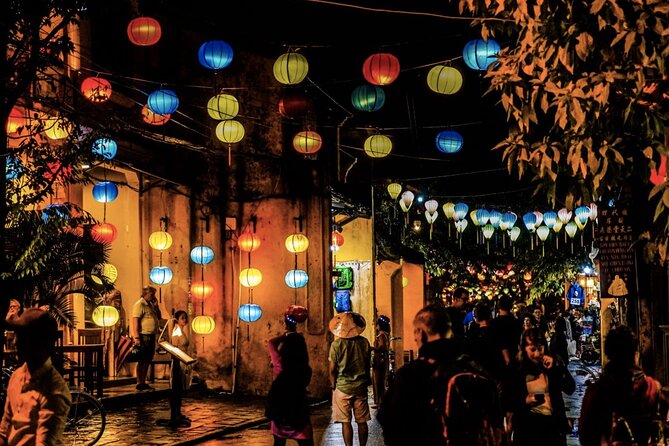
I find that approach far more useful than a simple scare show. Hoi An is often presented as a pretty town of lanterns, yellow walls, and riverside cafes. This walk gives you a less polished view. It asks you to think about what happens in a town when people die, leave, return, or remain tied to a place through ritual.
More days out you can book in Hoi An:
- Hoi An: Basket Boat Ride in the Coconut Forest
★ 4.9 · 4,956 reviews - Hoi An: Vietnamese Coffee Culture and Coffee Making Class
★ 4.9 · 4,006 reviews - Hoi An: Vietnamese Foldable Lantern Making Class
★ 4.9 · 3,742 reviews
Meeting beside the 400-year-old tree
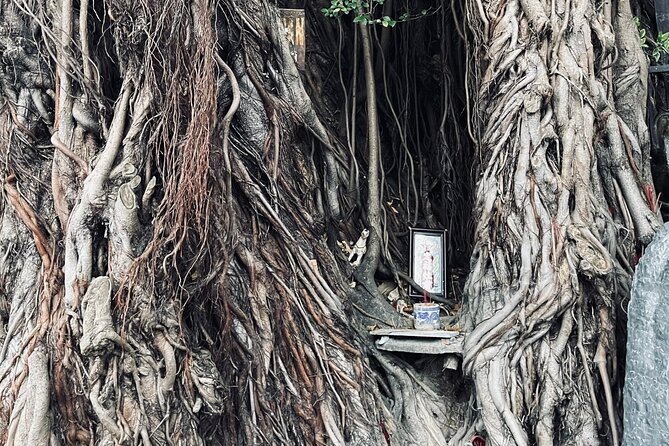
The meeting point is beside a 400-year-old tree near Starbucks Hoi An. Your host waits there, and the location is easy to identify if you are already near the Old Town.
The ancient tree is a fitting starting point. It immediately shifts your attention away from the newer commercial parts of Hoi An and toward the age of the town. You begin with a living object that has witnessed generations of change, then move into stories about people, houses, and spirits.
There is no hotel pickup or drop-off, so plan to reach the meeting point yourself. The walk lasts about two hours, with roughly 1.5 kilometres on foot. That is a manageable distance, but the tour takes place outdoors and continues in rain or shine. Bring footwear that works on old streets and narrow lanes, and carry something suitable for wet weather if rain is possible.
A grave in the heart of town
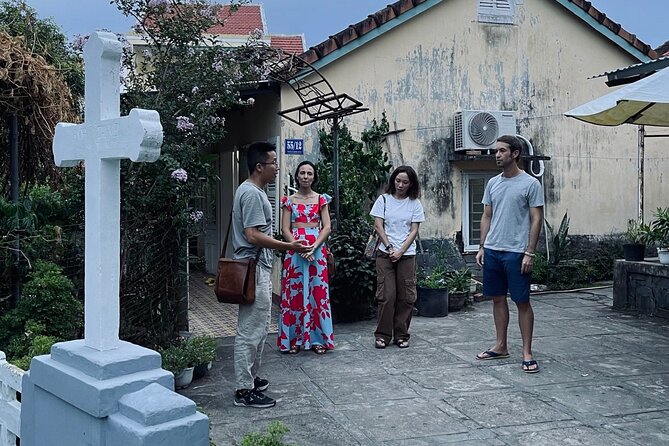
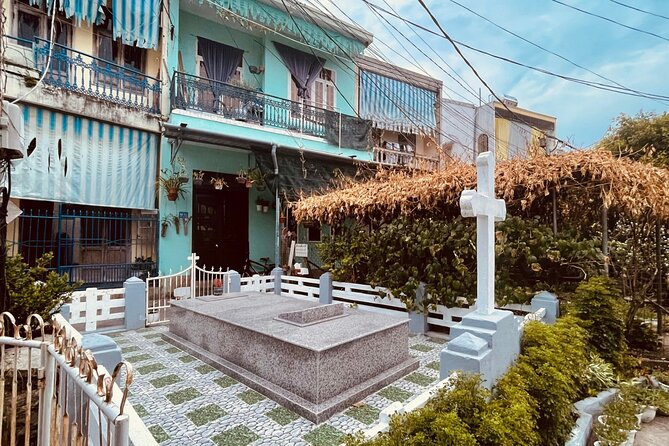
One of the most unusual stops is a grave located in the middle of Hoi An. Rather than treating it as a curiosity, your guide explains the customs surrounding death and the connection between living people and the dead.
This part gives the tour its cultural weight. Incense is not simply decoration or a dramatic prop. It can represent remembrance, respect, and communication between generations. The guide helps you understand why a grave can remain part of an inhabited place, and why death is not always separated from ordinary community life in the way many Western visitors expect.
You should approach this stop with respect. The tour visits cultural places that include graves, ancient homes, and old wells. It is not designed as a place for careless jokes or intrusive photographs. The more open you are to listening, the more rewarding the explanation becomes.
Dark alleys and stories of dreadful discoveries
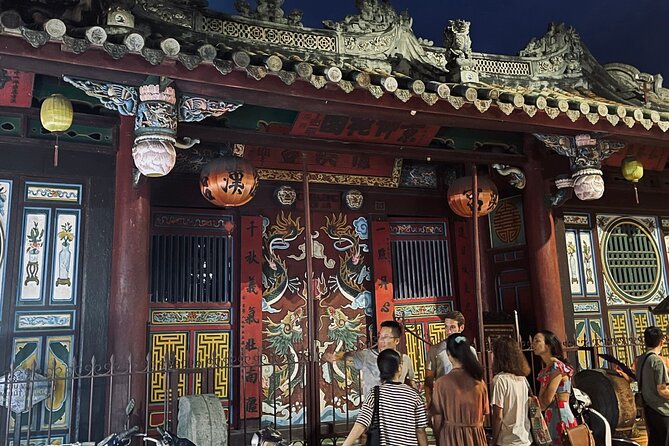
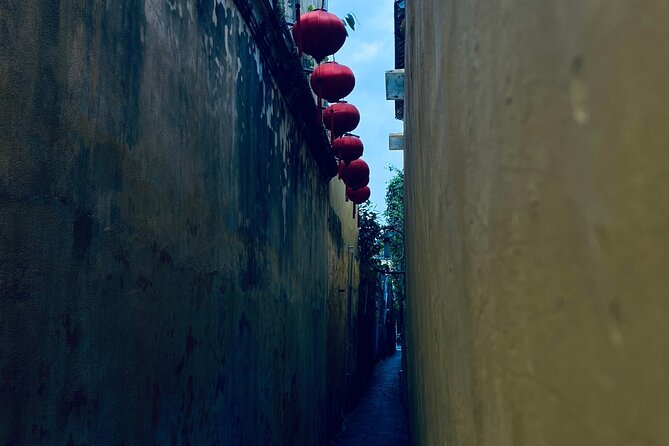
The route leads through quieter alleys where the atmosphere changes after dark. Hoi An’s Old Town can be busy and brightly lit, but a few turns can bring you into shadowed lanes that feel far removed from the postcard view.
Your guide points out places connected with dreadful discoveries and local lore. The exact mood depends on the guide and the group, but the walk is built around storytelling rather than a fixed theatrical performance. Sanh, for example, has been praised for his ability to tell a story, while Tom is described as an entertaining storyteller. Those skills matter here because the setting does much of the work.
The narrow streets also help you read Hoi An differently. In daylight, you might notice architecture and shopfronts. At night, you become more aware of thresholds, closed doors, wells, corners, and the feeling of moving through a place where people once lived very different lives.
Same base, a completely different day:
- Cooking Class Hoi An:Local Market, Basket Boat, Fishing & Cooking
★ 5.0 · 3,660 reviews - Hoi An Cooking Class(Market,BasketBoat Crabfishing&Cooking Class)
★ 5.0 · 3,386 reviews - Hoi An: My Son Sanctuary Early Morning w. Champa Food Brunch
★ 4.9 · 2,750 reviews - Hoi An/ Da Nang – Ba Na Hills – Golden Bridge Deluxe Small group
★ 5.0 · 2,613 reviews
The story of 108 traders and a King’s apology
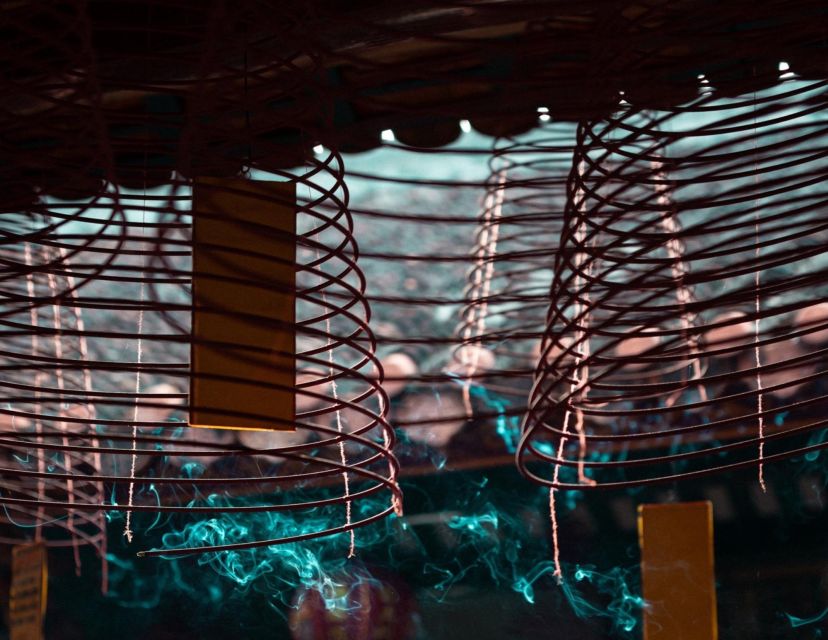
One of the tour’s strongest historical episodes concerns the murder of 108 traders and the apology of the King. This is the kind of tale that gives the walk more substance than a collection of floating spirits.
The story connects Hoi An to trade, power, violence, and the risks faced by people who came from elsewhere. It also shows how a dramatic event can remain part of a town’s memory long after the original people are gone. Your guide explains the tale within the wider setting of the city, helping you understand why the story still belongs to Hoi An’s identity.
This section may be especially appealing if you want local history without spending another hour inside a museum. You are walking through the setting as you hear about the people and events tied to it. That direct link between place and story is one of the tour’s best features.
Old houses and the war that emptied them
Another stop takes place in the shadow of the Old Town’s oldest house. Here, the focus shifts from spirits to war and migration. You learn about a conflict that caused immigrants to abandon their homes, leaving traces of disruption in the town’s buildings and memory.
The detail matters because Hoi An’s old houses can look beautifully preserved from the street. Their quiet facades do not always reveal the instability that shaped the people who lived inside them. This story adds a human layer to the architecture.
I like that the walk does not treat old buildings as scenery alone. It asks who lived there, why they left, and what happens when political events force people away. The ghostly tone makes the buildings feel atmospheric, but the historical context keeps the experience grounded.
Full moon, new moon, and household protection
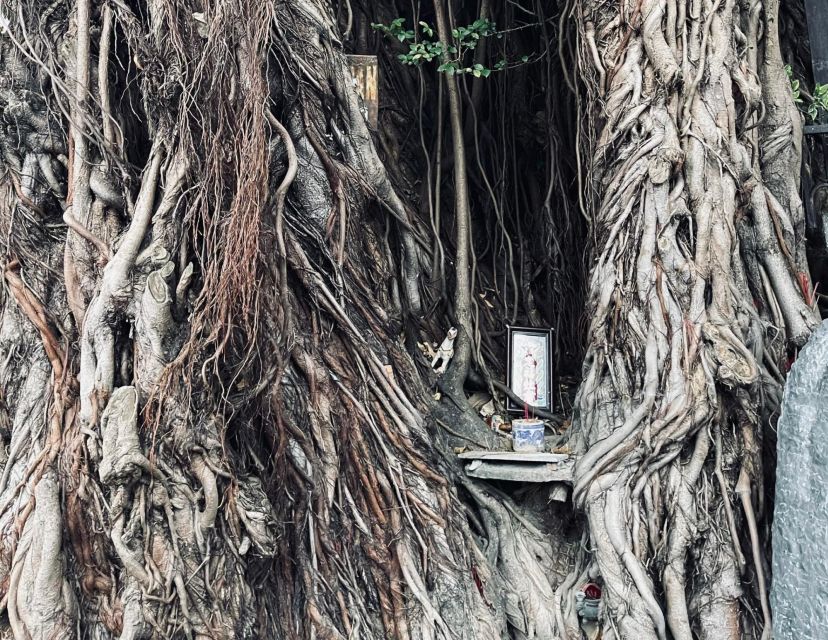
The tour also covers local taboos and the ways people protect their homes from dark spirits. You hear about actions people avoid during the full moon and new moon, along with practices connected to safety, respect, and unseen forces.
This is where the experience moves from the past into daily life. A ghost story is easy to enjoy for five minutes. Learning how beliefs shape behavior is more useful. You may begin to notice household details and ritual practices elsewhere in Vietnam with a better sense of what they mean.
Your guide can also answer questions about these customs. The small group is important here. With no more than 10 people, you have a reasonable chance to ask about a tradition that seems strange or unclear without turning the walk into a lecture.
Keep your questions respectful. Death and spiritual belief can be personal subjects, and the point is not to judge a practice by your own customs. A curious, polite attitude will make the conversation better for everyone.
The mystery monster of Hoi An
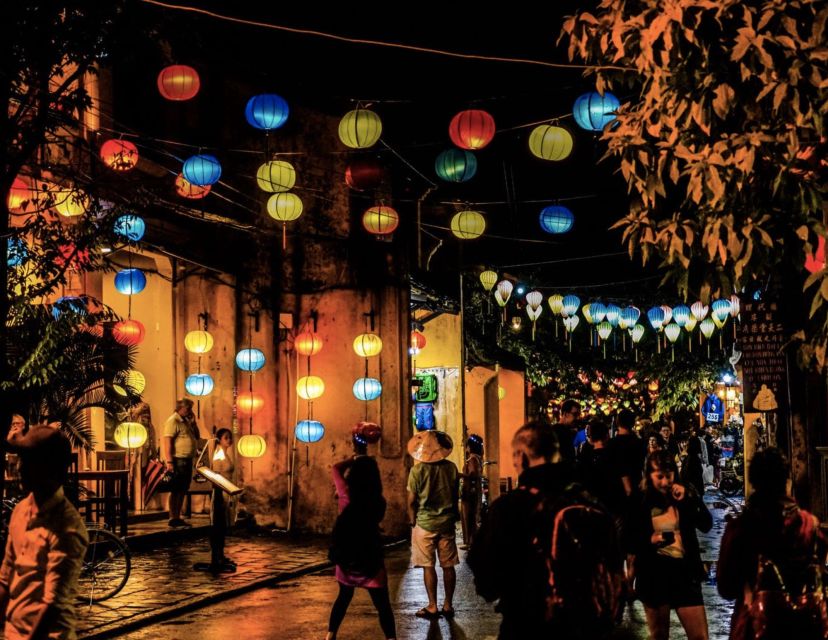
Every good ghost walk needs at least one creature. This tour includes a local mystery monster said to live in Hoi An. The story adds a lighter, more playful note to the heavier subjects of graves, murder, war, and death rituals.
Do not expect a fully documented zoological account, of course. The value is in the telling and in what the story says about local imagination. Folklore gives people a way to explain fear, danger, and places they do not understand. It also gives a walking tour some fun.
The balance is one reason this experience works. The evening is not relentlessly grim. Guides such as Kun have brought humor and personal anecdotes into the storytelling, while Karla has been praised for mixing funny moments with serious reflection. That range helps the tour remain approachable.
The guides make a real difference
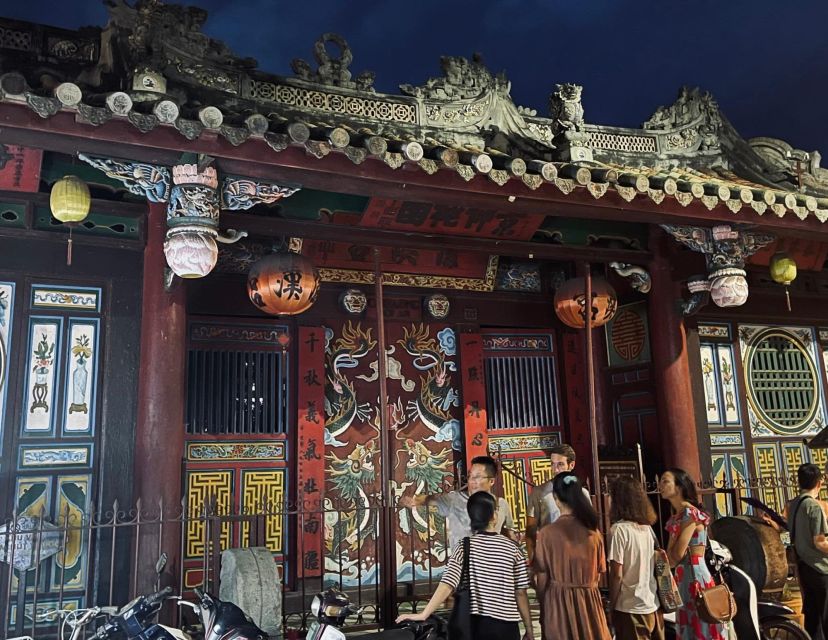
The guide is central to this experience. The walk depends on tone, timing, and the ability to explain sensitive beliefs in clear English.
Several guides have received especially warm praise for their style. Nhat is described as calm, gentle, and willing to answer questions in depth. Sanh is known for his storytelling talent. Kun has a lively, friendly manner and adds personal anecdotes, humor, and practical help. Sinh has been praised for speaking clear English and keeping the group engaged for nearly two hours. Vinh brings enthusiasm for Hoi An’s past and local beliefs, while Karla combines passion, humor, and a serious approach to the subject.
You cannot select a guide from the information provided, so expect some variation in personality. That is not necessarily a problem. The common thread is an emphasis on conversation and explanation, rather than a memorized scare routine.
Some guides may also offer small local tips after the tour. Kun, for example, has helped a group find a restaurant and a wood shop after the walk. Treat that as a pleasant possibility, not a guaranteed part of the schedule.
How much value do you get for $20?
At $20 per person, the price is fair for a two-hour small-group walking tour with an English-speaking guide. You are paying for access to stories and cultural explanations that would be difficult to assemble on your own, not for transport, food, or a staged attraction.
The value improves if you enjoy history, local customs, folklore, or unusual walking tours. You cover about 1.5 kilometres, so the cost is not buying a long sightseeing route. It is buying interpretation. A guide connects ordinary-looking alleys, graves, houses, and wells with the beliefs and events that give them meaning.
The value is weaker if you expect a theatrical haunted attraction. There is no suggestion of actors, special effects, or guaranteed scares. Think of it as a cultural walking tour with a dark edge. You get atmosphere and stories, but also serious discussion of death and community traditions.
Who should book this walk?
I would recommend it to you if you have already seen Hoi An’s lantern-lit center and want another way to understand the town. It suits people who enjoy history, folklore, architecture, cultural customs, and stories tied to real places.
It is also a good choice if you prefer small groups. Ten people is enough for conversation but still intimate compared with a large evening tour. Parents should decide based on their children’s comfort with graves, murder stories, spirits, and frightening folklore. The tour is not described as a children’s attraction.
You should probably skip it if you want a fast-paced route packed with famous landmarks. The walk takes time to explain beliefs, and some stops may feel quiet rather than dramatic. It is also less suitable if rain would spoil your evening, since the tour runs in all weather.
The route is wheelchair accessible, but the tour still involves about 1.5 kilometres on foot through old parts of town. If you need specific assistance with the walking surfaces or access at individual cultural sites, ask before booking.
Practical details before you go
The tour lasts about two hours, although the walking portion is described as roughly 1.5 hours. The difference likely allows time for introductions, explanations, questions, and pauses at the sites.
Meet beside the 400-year-old tree near Starbucks Hoi An. Hotel pickup and drop-off are not included, and gratuities are not included. The tour is conducted in English with a live guide.
You can cancel up to 24 hours before the start for a full refund, and you can reserve now while paying later. Those terms are useful if your Hoi An plans are still shifting, though you should always check the available start time when booking.
Wear comfortable shoes and bring water. Since the route includes alleys, old houses, graves, and wells, stay close to the group and listen to site instructions. A small flashlight may be useful for personal comfort, but the supplied details do not say that one is required.
Should you book Hoi An Ghosts, Death, Mystery Unveiled?
Book it if you want the darker side of Hoi An explained through local beliefs, old stories, and real places. The best parts are the grave in the town center, the account of the 108 traders, the war story tied to abandoned homes, and the discussion of full moon and new moon taboos.
I would not book it expecting a standard ghost attraction. The experience is more thoughtful than frightening, with the supernatural used to explain Vietnamese culture. At $20, the small group and two hours of guide-led storytelling offer good value for anyone who wants to see Hoi An beyond its lanterns and souvenir shops.
FAQ
Where does the Hoi An ghost tour meet?
The meeting point is beside a 400-year-old tree near Starbucks Hoi An. The host waits there before the tour begins.
How long does the experience last?
The activity lasts two hours. The walking route covers about 1.5 kilometres, or roughly one mile.
Is this a traditional scary ghost tour?
It includes ghost stories, dark alleys, a mystery monster, murder stories, and frightening moments. Its main focus is Vietnamese spirituality, death rituals, local taboos, and history rather than theatrical scares.
What language is the tour conducted in?
The tour has a live English-speaking guide.
How large is the group?
The tour is limited to 10 participants, making it a small-group experience.
Is the tour wheelchair accessible?
Yes, the activity is listed as wheelchair accessible. It still includes about 1.5 kilometres of walking through old parts of Hoi An.
Does the tour run if it rains?
Yes. The tour takes place rain or shine.
What does the $20 price include?
The price includes the English-speaking guide. Hotel pickup and drop-off, as well as gratuities, are not included.
Newly reviewed in Hoi An
- Romantic Sunset Dinner Cruise in Hoi An★ 4.7 · 108 reviews
- Snorkeling Cham Island: Snorkeling Tour by Speed Boat★ 3.6 · 26 reviews
- Hoi An: Rural Cycling Tour to Village with Basket Boat Ride★ 5.0 · 174 reviews
- Private Car Hoi An to Hue Via Hai Van Pass, Lagoon & More★ 5.0 · 22 reviews
- From Hoi An: Day Tour of My Son Temples and Marble Mountain★ 4.8 · 44 reviews
- Market Tour – Cooking Class – Coconut Boat Riding★ 4.4 · 43 reviews
- Lantern Making Class With Lynn★ 4.8 · 44 reviews
- Mad Monkey Hoi An Pub Craw★ 4.2 · 25 reviews
Tours in Hoi An, compared.


Vietnamese Coffee Culture and Coffee Making Class
Read our review →

Cooking Class Hoi An:Local Market, Basket Boat, Fishing & Cooking
Read our review →
Hoi An Cooking Class(Market,BasketBoat Crabfishing&Cooking Class)
Read our review →
My Son Sanctuary Early Morning w. Champa Food Brunch
Read our review →
Ba Na Hills – Golden Bridge Deluxe Small group
Read our review →
Market Tour, Basket Boat Ride and Cooking Class
Read our review →Browse the lists this tour appears in