
Reviewed · FOOD & DRINK
Hoi An hiden food adventure
Hoi An’s best food often hides behind an unmarked doorway or arrives from a family kitchen rather than a polished restaurant. This three-hour evening walk takes you through backstreets, local homes, small eateries, and food stalls for 6 to 7 tastings, with dishes such as Cao Lau, Hoi An dumplings, wontons, Banh My, and black sesame soup.
I like the way the tour joins food with local stories, especially the visit to a century-old dumpling workshop and the explanation of why Cao Lau is tied to Hoi An. I also like the practical start-of-your-trip timing: guides such as Tham, Vu, and Uyen can help you understand the town and suggest what to do next.
The main consideration is that this is a walking and eating tour, not a formal restaurant dinner. You need to arrive hungry, expect simple local settings, and remember that the Hoi An Old Town entrance ticket, extra drinks, and guide tip are not included.
Key points to know before booking
- Seven or more tastes in three hours: Portions are spread across several stops, so you can sample a broad range of Hoi An food without ordering full meals.
- Family kitchens are part of the experience: Some tastings take place in local homes, where recipes have been passed down through generations.
- Cao Lau comes with a story: You may learn about the old well water and traditional methods linked to Hoi An’s famous noodle dish.
- The route goes beyond the postcard streets: Back lanes, small eateries, market corners, and old buildings show a more ordinary side of town.
- Vegetarian food is available: Tell the guide about dietary needs at the start. Past arrangements have included meat and vegetarian versions at different stops.
- Best on your first evening: The food introduces local specialties, while the guide can help you plan the rest of your time in Hoi An.
Why this food walk works so well in Hoi An
Hoi An is easy to admire and surprisingly easy to eat badly in. The central streets are packed with places offering familiar Vietnamese dishes, but a short turn into a side lane can lead to a tiny family-run kitchen specializing in one recipe.
That is the useful idea behind this tour. You are not simply given a list of dishes. You walk between places, hear how certain foods are made, meet people connected with those recipes, and see parts of town you might skip while sightseeing on your own.
The pace also helps. Three hours is long enough for a proper introduction to Hoi An food, but short enough to leave you time for the lantern-lit old town afterward. The tour finishes at Chua Cau, the Japanese Covered Bridge, so you end near one of Hoi An’s best-known sights.
I would book it for the first night rather than the last. You get an early sense of which dishes you like, how locals eat, and where the quieter lanes are. That makes later meals easier to choose, and your guide may also offer useful suggestions for day trips and other activities around Hoi An and Da Nang.
More eating and drinking in Hoi An:
- Hoi An: My Son Sanctuary Early Morning w. Champa Food Brunch
★ 4.9 · 2,750 reviews - Evening Walking Food Tour, folk game and lantern boat
★ 5.0 · 665 reviews - Early Morning My Son Sanctuary Trip w. Champa Food & Coffee
★ 5.0 · 629 reviews
Meeting your guide near Hoi An Church
The usual meeting point is by Hoi An Church at 106 Nguyen Truong To Street. Depending on the option booked, the starting point may instead be Starbucks on Tran Hung Dao Street, also listed at 106 Nguyen Truong To.
Check the exact meeting point on your booking confirmation. This matters because the two listed options can sound similar, and you do not want to begin the evening by searching the wrong corner of town.
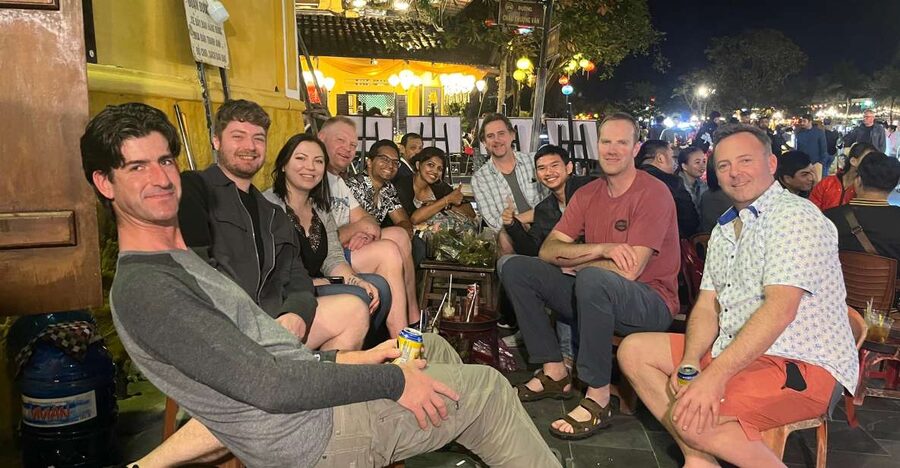
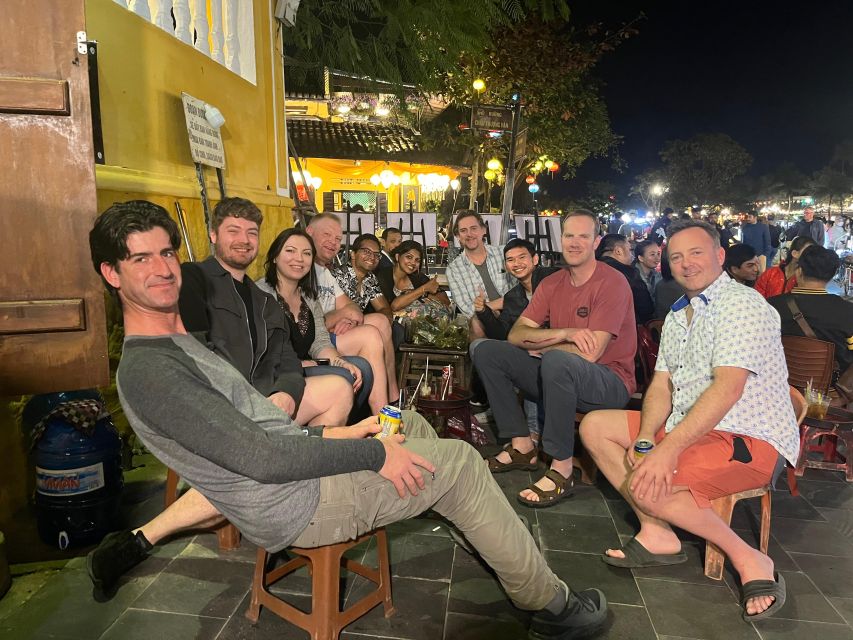
The group walks from the starting point into Hoi An. A private group option is available, which may suit families or couples who want a more relaxed pace and more direct conversation with the guide. The standard activity lasts about three hours and is led in English.
Guide names connected with this experience include Tham, Vu, Uyen, Nhuoc, Phi, and Danny. The strongest feedback focuses on guides who explain both the food and the town, answer questions patiently, and know the owners at each stop. English ability can vary by guide, so if detailed historical discussion is important to you, a private group may be worth considering.
First tastes: small portions with a local purpose
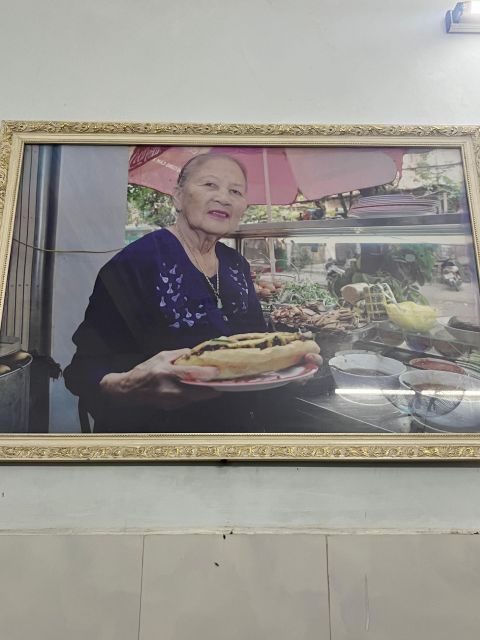
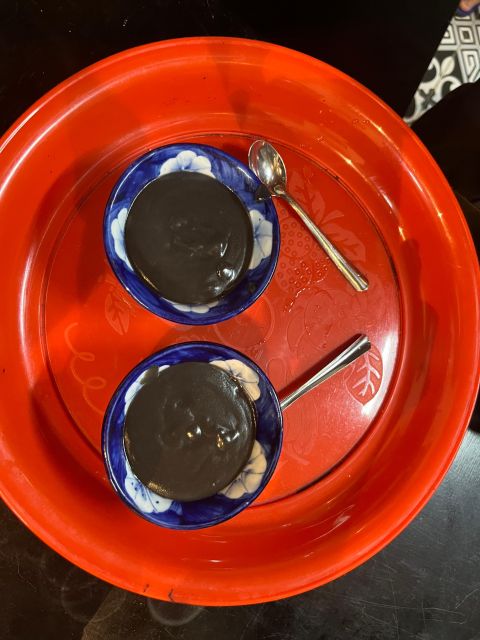
The food list usually includes 6 to 7 different items and drinks, though the exact selection can change. You might taste Banh Beo, Hoi An dumplings, Hoi An wontons, Banh My, Hoi An satay, Cao Lau noodles, and black sesame soup.
This is not a tour where you sit down once and receive a large set menu. Instead, each stop tends to focus on a particular specialty. That format lets you compare textures and cooking styles, and it gives the guide a reason to explain why a certain dish matters in Hoi An.
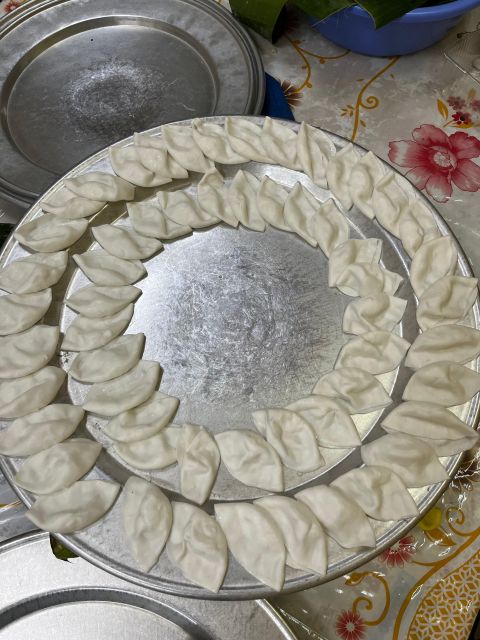
Banh Beo, or water-fern cake, is a small steamed rice cake usually served with toppings and sauce. It is a good early taste because it is light and delicate. Hoi An dumplings and wontons bring a different texture, with wrappers and fillings that show the care involved in handmade food.
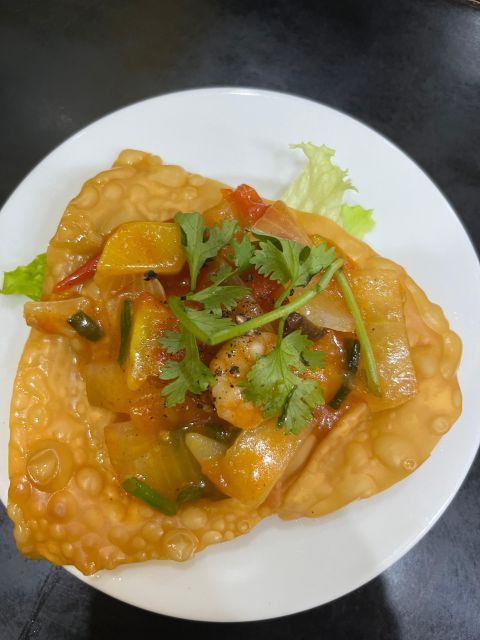
Banh My gives you something familiar, but the local version can still be quite different from the sandwiches you find elsewhere in Vietnam. Hoi An satay adds a stronger savory note. Black sesame soup usually works well near the end because it is sweet, warming, and distinct from the main dishes.
Several food stops mean you should not eat a large meal beforehand. The portions may be small at individual locations, but they add up. One visitor counted 11 different dishes and snacks across seven stops, while another finished the evening very full after about eight restaurants.
Family homes and recipes that stay close to the source
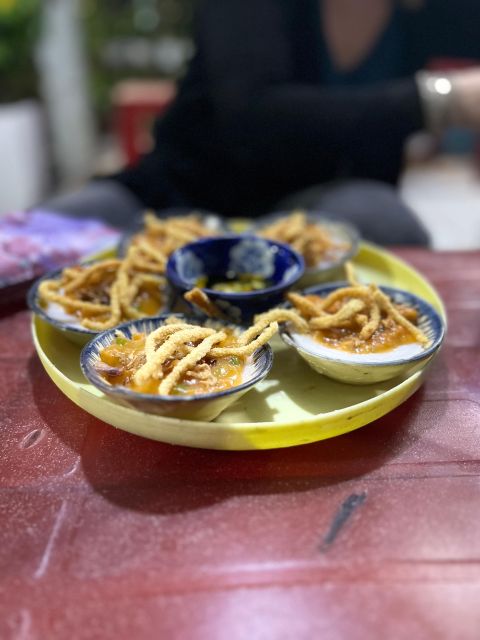
One of the more unusual parts of the route is the chance to eat in local homes. These are not staged cooking demonstrations with a large audience. You may sit in a family living room or a simple home setting and taste food prepared by people who have made the dish for years.
That setting changes the mood. You are not only learning what a dish contains. You are seeing where it fits into daily life and how a recipe can become part of a family’s identity.
The tour also includes a visit to a local factory or workshop that has produced Hoi An dumplings for around 100 years. The family recipe is described as closely guarded, which gives the stop a sense of place that a generic cooking class cannot easily copy.
You should keep your expectations sensible. This is a working local setting, not a museum exhibit. The rooms may be plain, and the experience depends partly on which families and food makers are available that day. That simplicity is part of the appeal, but people wanting polished interiors or formal service may prefer a restaurant-based food tour.
A few more ways to spend a day in Hoi An
- Hoi An Countryside Jeep Tour: Food, Culture & Daily Life
★ 5.0 · 414 reviews - Hoi An Countryside Vespa Tour: Food, Culture & Daily Life
★ 5.0 · 406 reviews - Hoi An at Sunset: Authentic Local Street Food Tour
★ 4.5 · 329 reviews - Hoi An Street Food Walking Tour with Tastings
★ 5.0 · 317 reviews
Cao Lau, old wells, and Hoi An’s signature noodle dish
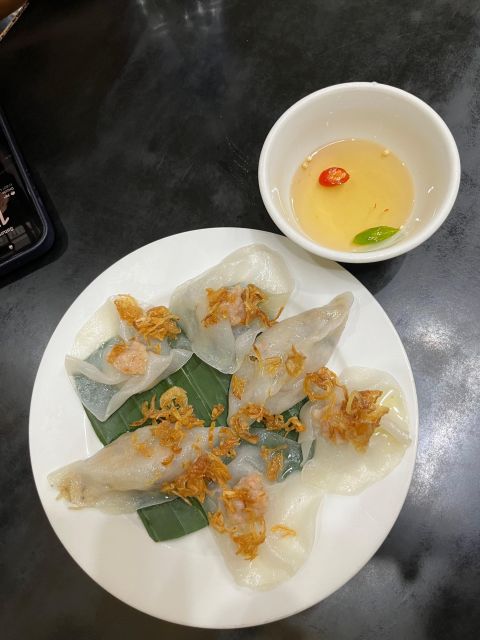
Cao Lau is the dish most likely to anchor the cultural side of the tour. It is closely associated with Hoi An, and the guide explains the traditional recipe and the reasons the dish developed here.
A particularly useful detail is the connection with Ba Le Well. The water is traditionally linked with making Cao Lau noodles, and the route may include an old well still associated with local preparation. This gives you something concrete to look for when you see Cao Lau on menus later in your trip.
The dish is more than noodles in a bowl. Its texture, toppings, and preparation are part of what makes it specific to Hoi An. Your guide can explain the local methods and the way the recipe has been passed down over roughly 300 years.
Food tours often name famous dishes without explaining what makes them local. This one has a better chance of making the connection clear. You learn not only that Cao Lau is a specialty, but why it belongs to this town.
Back lanes, market corners, and the everyday town
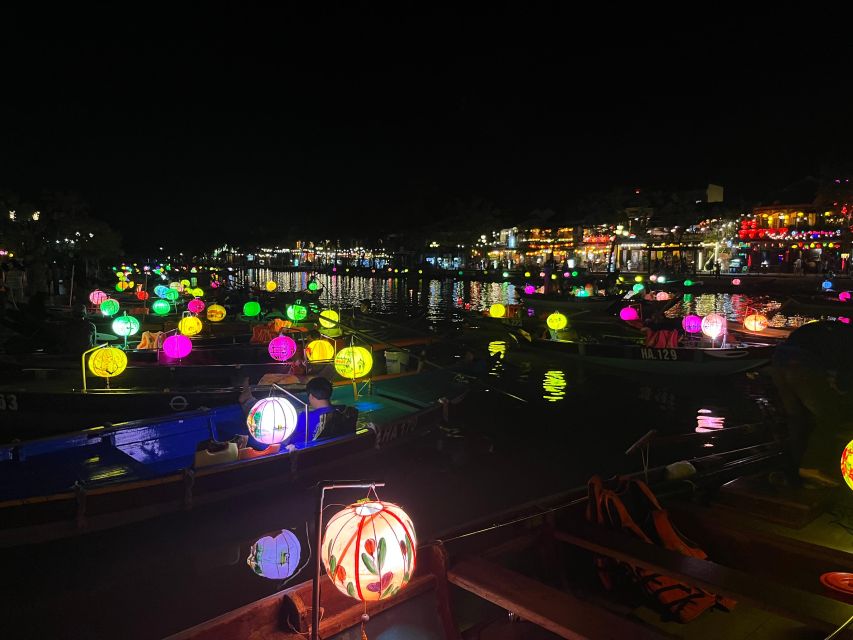
Between tastings, you walk through less obvious parts of Hoi An. The route can include local market areas, narrow lanes, old buildings, and streets where families go about their daily routines.
This is where the tour earns its hidden food adventure name. You are not restricted to the most photographed section of the old town. The guide can point out small details, old wells, family businesses, and places that are easy to miss without local help.
The walking is part of the meal. It gives you time to digest and keeps the evening from feeling like a series of restaurant appointments. You also see how food fits into the town’s daily rhythm, from ingredients at the market to dishes prepared in homes.
Do not expect a major sightseeing tour with long stops at every historic building. The old structures and local stories support the food route rather than replace it. The priority is tasting and conversation, with a final walk toward the Hoai River and Chua Cau.
What the evening feels like at the finish
The tour ends at Chua Cau, commonly known as the Japanese Covered Bridge. From there, you can continue through the old town and see the Hoai River, or make your own way back to your hotel.
The ending is well chosen. After three hours of food and side streets, you reach the most atmospheric part of Hoi An at a time when the river and old buildings are especially attractive. The tour does not include an arranged final dinner, but by this point you should have eaten enough for the evening.
Water and one drink at the end are included. Additional beverages and alcohol cost extra. You should also allow for a tip for the guide, which is not included in the $23 price.
Is $23 good value?
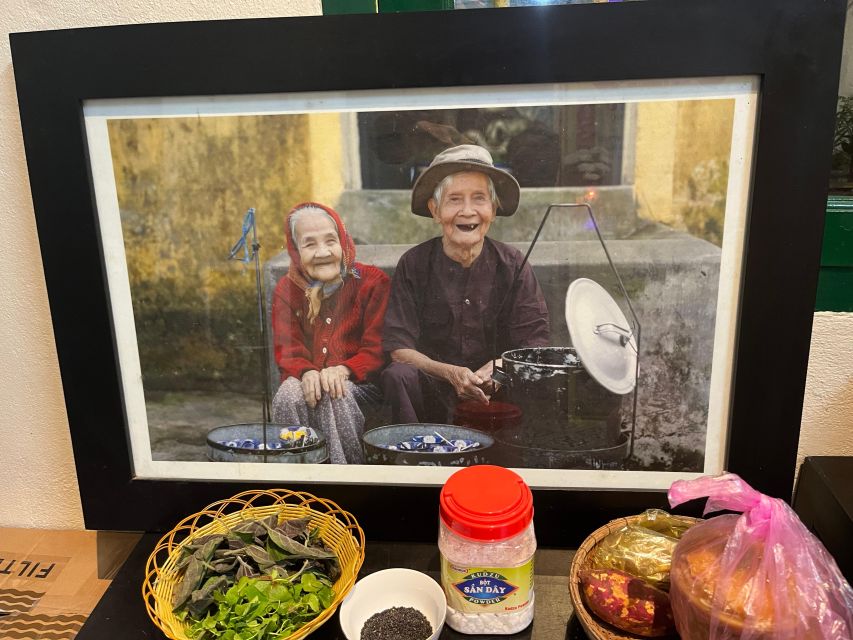
At $23 per person, this is strong value if you want to taste several specialties rather than pay for one sit-down meal. The price covers the English-speaking guide and the food listed in the route, with multiple stops included.
You are also paying for local access. Finding a few of these family homes, specialist food makers, and small eateries by yourself would take time, and you might not know what to order once you arrived. A good guide turns those uncertain choices into a planned meal.
The value is especially clear for first-time visitors. You receive dinner-sized quantities, a short walking tour, food explanations, and local suggestions for the rest of your stay. The cost is less attractive if you eat very little, dislike shared or informal settings, or want to spend the entire evening seated in one restaurant.
Vietnamese public holidays bring an important extra charge. The details supplied state a $37 surcharge, depending on the option booked, so check the total price before paying. The Old Town entrance ticket is also separate.
Dietary needs and practical expectations
Vegetarian choices are available, and the guide should be told about your needs at the beginning. The tour can adjust dishes at different stops, and past arrangements have included a meat dish and a vegetarian dish at each location.
If you have a serious allergy, state it clearly when booking and repeat it to the guide at the meeting point. One guide was able to help a couple avoid peanut and shrimp because the issue was discussed early. Still, food allergies require care at every stop, so do not rely on a vague request.
Wear comfortable shoes and arrive hungry. The walk is part of the experience, and the number of tastings can be substantial. You may also want a light rain layer depending on the weather, though the supplied information does not promise a particular route or schedule for wet conditions.
Free cancellation is available up to 24 hours before the activity for a full refund. You can also reserve and pay later, which helps if your Hoi An plans are still shifting.
Who should book this Hoi An food adventure?
I would recommend it most strongly to first-time visitors, curious eaters, couples, families, and anyone who wants food tied to local life rather than a standard restaurant menu.
It is also a good choice if you want a gentle introduction to Hoi An after arriving from Da Nang. The three-hour length gives you plenty to eat and see without taking over the whole day.
You may want a different experience if you dislike walking, need a fully formal dining setting, or want to spend the evening focused on cocktails and nightlife. The route is built around local food, family spaces, and conversation.
Should you book it?
Yes, if you want to understand Hoi An through its food and would rather follow a local guide than guess your way through menus. The strongest reasons are the family-run stops, the Cao Lau story, the variety of dishes, and the chance to walk through lanes you might otherwise miss.
Book it for your first night, tell the guide about allergies or dietary needs at the start, and do not eat beforehand. At $23, the combination of food, walking, and local context makes this one of the more useful introductions to Hoi An, provided you are comfortable with simple settings and a flexible route.
FAQ
How long does the Hoi An hidden food adventure last?
The activity lasts three hours, including walking, guided sightseeing, and food tasting around Hoi An.
Where does the tour start?
The listed starting options are Starbucks on Tran Hung Dao Street and Hoi An Church at 106 Nguyen Truong To Street. The exact meeting point can vary by booking option, so check your confirmation.
Where does the tour finish?
The tour finishes at Chua Cau, also known as the Japanese Covered Bridge.
What food is included?
The food can include 6 to 7 local specialties and drinks, such as Banh Beo, Hoi An dumplings, Hoi An wontons, Banh My, Hoi An satay, Cao Lau noodles, and black sesame soup. The exact selection may vary.
Are vegetarian options available?
Yes. Vegetarian options are available. Tell the English-speaking guide about your dietary needs at the beginning of the tour.
Is the Hoi An Old Town entrance ticket included?
No. The Old Town entrance ticket is not included. Extra beverages, alcohol, and a tip for the guide are also separate.
Newly reviewed in Hoi An
- Romantic Sunset Dinner Cruise in Hoi An★ 4.7 · 108 reviews
- Snorkeling Cham Island: Snorkeling Tour by Speed Boat★ 3.6 · 26 reviews
- Hoi An: Rural Cycling Tour to Village with Basket Boat Ride★ 5.0 · 174 reviews
- Private Car Hoi An to Hue Via Hai Van Pass, Lagoon & More★ 5.0 · 22 reviews
- From Hoi An: Day Tour of My Son Temples and Marble Mountain★ 4.8 · 44 reviews
- Market Tour – Cooking Class – Coconut Boat Riding★ 4.4 · 43 reviews
- Lantern Making Class With Lynn★ 4.8 · 44 reviews
- Mad Monkey Hoi An Pub Craw★ 4.2 · 25 reviews
Food & Drink, compared.
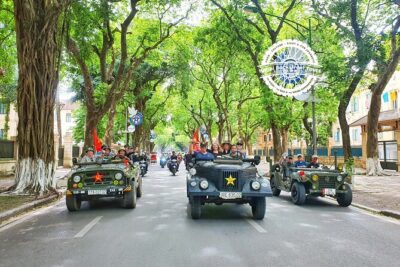
Hanoi Jeep Tour: Food, Culture and Fun by Vietnam Army Jeep
Read our review →
Ho Chi Minh City Street Food Tour & Sightseeing By Motorbike
Read our review →
Hanoi Motorbike Tour: Food, Culture and Fun by Vintage Motorbike
Read our review →
Small Group Hanoi Street Food Tour with a Real Foodie
Read our review →
Saigon By Night and Street Food By Motorbike | Opt: Ao Dai Riders
Read our review →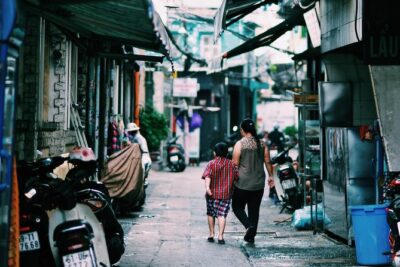
Private Street Food Tour by Motorbike/Car with Local Students
Read our review →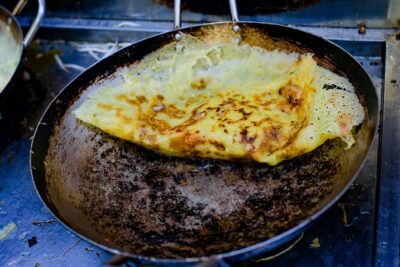
Private Street Food Evening Walking Tour in Ho Chi Minh City
Read our review →Browse the lists this tour appears in