
Reviewed · TOURS IN HUE
Hue: Brew Egg, Salt & Coconut Coffee
Vietnamese coffee is much more than a caffeine stop. In this Hue workshop, you make four local favorites yourself, using the slow-dripping phin filter and bold Robusta beans. The class turns a familiar drink into a hands-on look at everyday Vietnamese culture.
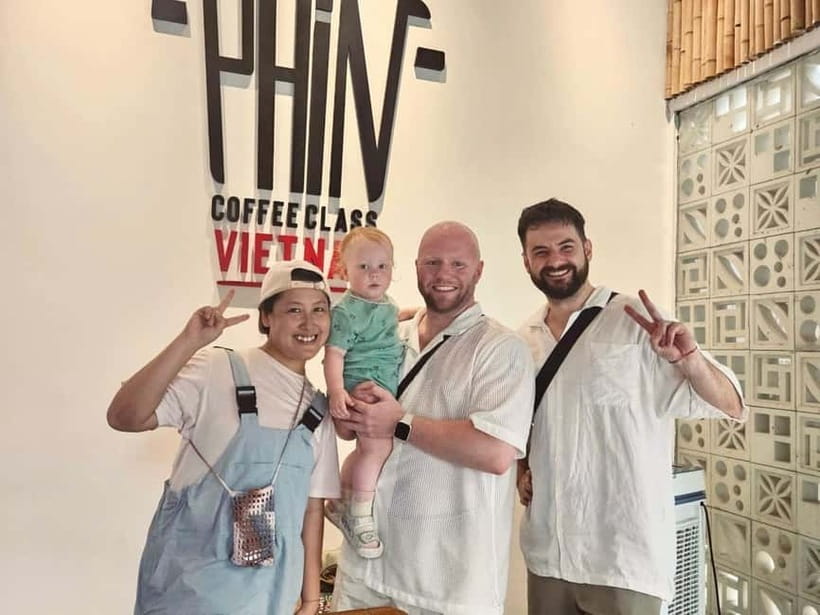
I like two things right away: you taste four distinct recipes rather than just watching a demonstration, and the small group, limited to eight people, leaves room for questions and conversation. Hosts such as Duck, also known as Uyen, are praised for making the class funny, relaxed, and easy to follow.
The only real caution is the amount of coffee. You prepare and taste four drinks in 90 minutes, and one solo participant found it hard to finish everything. If caffeine affects you, pace yourself.
Key points at a glance
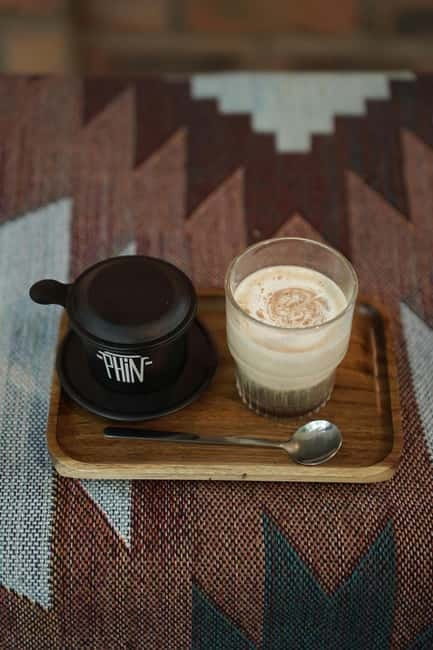
- Four Vietnamese styles: Brew classic phin, egg, salt, and coconut coffee in one session.
- A real phin lesson: Learn how Vietnam’s traditional metal filter controls the slow brewing process.
- Hosts who make the class personal: Duck, Uyen, Daisy, and Annie are among the hosts named by past participants.
- Small group size: With no more than eight people, you can ask questions and get hands-on help.
- Useful take-home value: Ingredients, tools, tasting, drinking water, and a recipe handout are included.
- Good rainy-day plan: The 90-minute indoor activity works well when Hue’s weather turns wet.
Starting in a Hue alley near Hoàng Quốc Việt Street
The meeting point is easy to miss if you rush. Enter alley number 1 on Hoàng Quốc Việt Street, walk about 50 meters, and look for the Huế Experience signboard. That sign marks the class location.
I would allow a few extra minutes to find the alley, especially if you are arriving by taxi or navigating Hue on foot. The activity is not presented as a city tour, so arrange your own way to the meeting point and arrive ready to begin.
The setting is a cozy workshop rather than a grand coffee house. That matters because the focus stays on the preparation, the conversation, and the cups in front of you. You are not simply ordering a specialty coffee and taking a photo. You are learning how the drink is made.
The class is wheelchair accessible, and instruction is available in English and Vietnamese. The maximum group size is eight, though some sessions may be much smaller. One booking had only two people, while another became a one-person class, giving the participant plenty of time for questions and conversation.
A few more ways to spend a day in Hue Vietnam
- Hoi An: My Son Early Morning Tour with Banhmi and Coffee
★ 5.0 · 29 reviews - Hoi An: Vietnamese Coffee Culture and Coffee Making Class
★ 4.9 · 4,006 reviews - Hanoi Coffee Experience: 6 Brews, 9 Recipes & 3 Liquor Tastings
★ 5.0 · 2,945 reviews
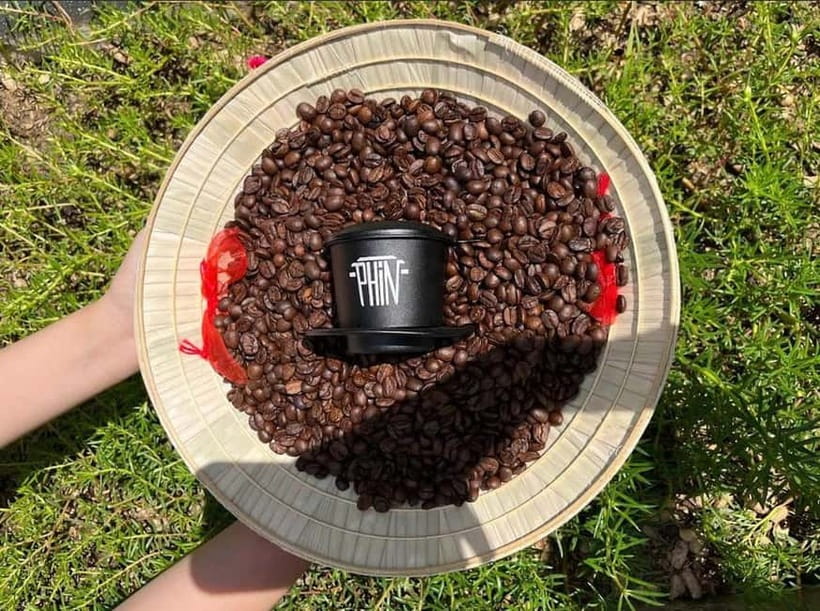
The phin filter and Vietnam’s Robusta coffee
The session begins with an introduction to Vietnamese coffee and Robusta beans. The workshop presents Robusta as the foundation of local coffee culture, and you get to understand why the beans are so important before trying the recipes.
The class uses the traditional phin filter. This small metal brewer sits over your cup and allows the coffee to drip through slowly. Watching it work gives you a better feel for the patience built into Vietnamese coffee preparation. It is a simple tool, but it creates a clear ritual: set it up, wait, and enjoy the result.
I like this part because it gives the rest of the class a common starting point. Egg, salt, and coconut coffee can sound like novelty drinks if you only see them on a menu. Once you understand the strong coffee base, the variations make more sense.
The host also explains the history and cultural background of the drinks. That discussion is not an academic lecture. The class is designed as a practical workshop, so you learn through making, tasting, and talking.
Brewing the classic phin coffee
The classic phin coffee is the anchor of the session. You work with the metal filter and the Robusta beans, following the host’s instructions as the coffee brews slowly.
This is the least elaborate of the four recipes, but it may be the most useful one to remember. Once you learn the basic phin method, you have the foundation for making Vietnamese-style coffee at home. The recipe handout gives you something to refer to after your trip, and some participants also chose to buy a filter for home use.
The class is hands-on, not just a demonstration. You prepare your own drinks, which means you get a better sense of the process than you would from watching the host make each cup. The instructor is there to explain each step and help when needed.
The classic cup also helps you judge the other three. You can compare the strong coffee base with the smoother, sweeter, or creamier variations introduced later. For someone who does not normally drink coffee, this first sample may be the clearest way to understand what Vietnamese coffee is trying to do.
Egg coffee, salt coffee, and coconut coffee
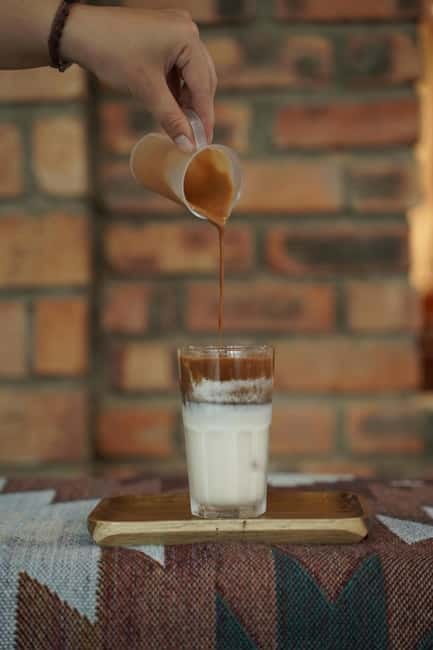
The three specialty drinks are the main reason to book this workshop. Each recipe gives the same coffee base a different character, and you make and taste all three during the class.
Egg coffee is one of the most famous Vietnamese coffee variations. The workshop explains how it is prepared and lets you try the finished drink rather than treating it as a menu curiosity. The egg recipe can appeal to people who find straight black coffee too forceful, though the exact balance will depend on how much of each prepared drink you taste.
Salt coffee is especially relevant in Hue, where it has become one of the city’s signature coffee styles. The salt does not turn the drink into a savory soup. It changes the balance of the coffee and creates a different flavor from the other recipes. Making it yourself is useful because you see that the ingredient is part of a careful recipe, not just a gimmick.
Coconut coffee gives you another contrast. It is one of the cold drink options mentioned by participants, while other drinks may be served hot. That mix makes the class feel varied, especially in Hue’s warm weather.
You should not expect four full café-sized drinks to consume quickly. You prepare a lot of coffee in a short time, and the tasting is a central part of the workshop. If you are sensitive to caffeine, share samples when appropriate, drink the complimentary water, and avoid arriving already over-caffeinated.
Same base, a completely different day:
- Hue Customizable Tour with Imperial Citadel & Forbidden City
★ 4.9 · 937 reviews - Hue :Exploring Royal City with Multi Options and Dragon Boat
★ 5.0 · 675 reviews - Hue City Tour Full Day – Group Tour
★ 4.7 · 518 reviews - From Hue: DMZ Tour with Vinh Moc Tunnels and Khe Sanh Base
★ 4.9 · 503 reviews
A friendly class led by local hosts
The host has a large effect on this experience, and the strongest praise goes to the people leading the class. Duck is repeatedly singled out for being funny, warm, and clear in her explanations. Uyen, whose nickname is also Duck, is described as a strong teacher who explains the coffee, the beans, and the cultural background without making the session feel stiff.
Other named hosts include Daisy and Annie. The host may vary by session, but the activity is designed around an English-speaking local instructor, with Vietnamese also available. You can expect the teaching style to include conversation, demonstrations, practical help, and time to ask questions.
This is a good fit if you enjoy meeting a local person more than sitting through a formal cooking-school presentation. The small size makes it easier to talk about coffee, Hue, and daily life in Vietnam. The class also works for couples, families, solo visitors, and people who are not serious coffee drinkers.
One family of five enjoyed the session, and solo participants have also had a good experience. That range is useful: you do not need to arrive as a coffee expert, and you do not need a large group to make the class worthwhile.
What the 90 minutes feel like
The activity is compact and well focused. You begin with the background to Vietnamese coffee and Robusta beans, then move into the tools and recipes. The brewing and tasting take up the main part of the session.
Because you make four styles, the time passes quickly. There is enough room for conversation and questions, but this is not a slow afternoon café visit. You will be moving from one preparation to the next and sampling several drinks.
The class can also fill a gap in a Hue sightseeing plan. It is a useful option on a rainy day, when walking around the city is less appealing. It is also a good midday or afternoon activity for anyone who wants a break from monuments and museums.
I would not choose it if you want a long, quiet coffee break with only one drink. The workshop is active and instructional. You will handle the preparation, listen to explanations, taste several recipes, and take notes mentally or on the supplied recipe sheet.
Is $18 a fair price?
At $18 per person, the value is good if you want an activity rather than a single cup of coffee. The price includes the guided workshop, all ingredients and tools, four coffee preparations, tasting, drinking water, and the recipe handout.
You are also paying for access to a local host and for the chance to ask questions in a small group. A café visit would cost less if all you wanted was one drink, but it would not teach you how to prepare four Vietnamese coffee styles or send you home with recipes.
The class offers extra value to anyone who plans to recreate the drinks later. The phin filter is a practical takeaway, and the recipes give you a way to continue the experience after Vietnam. One participant bought a filter to use at home, which tells you this is more than a one-time tasting for people who enjoy coffee equipment and home preparation.
The price is less compelling if you dislike coffee, avoid caffeine, or have no interest in making the drinks again. Even then, the egg, salt, and coconut recipes make the session more varied than a standard tasting, and several non-coffee enthusiasts still enjoyed the class.
Who should book this Hue coffee workshop?
I would recommend it most strongly to coffee lovers, curious eaters, couples, solo visitors, and anyone who likes learning a local skill. It is also a good family activity for older children who can take part in the preparation, though the provided information does not specify a minimum age.
You do not need to know anything about Vietnamese coffee. The host starts with the basics and guides you through the recipes. You only need enough interest to taste several preparations and take part in the process.
It suits visitors who want a personal cultural experience without committing half a day. Ninety minutes is long enough to learn the method and try the drinks, but short enough to fit beside Hue’s other plans.
I would be more cautious if you are highly sensitive to caffeine. The class produces a lot of coffee, and one participant could not finish it all. You can drink water and pace yourself, but the tasting remains the heart of the activity.
Booking details worth knowing
The activity costs $18 per person and lasts 90 minutes. Starting times vary, so check availability for the date you want.
You can cancel up to 24 hours before the start for a full refund. The reserve-now, pay-later option also gives you flexibility when your Hue schedule is not fixed.
The class is limited to eight participants and is wheelchair accessible. English and Vietnamese are offered, and the workshop provider is Phin Coffee Class Viet Nam.
Should you book it?
Book this class if you want to understand why Vietnamese coffee is such a strong part of local daily life, not just sample another drink. The mix of phin brewing, Robusta coffee, egg, salt, and coconut recipes gives you plenty to compare, while the recipe handout lets you keep using what you learned.
I would skip it only if you do not drink coffee or dislike hands-on activities. For everyone else, $18 buys a friendly 90-minute lesson, four tastings, and a practical souvenir in the form of coffee-making know-how. In Hue, that is a useful and enjoyable change of pace from sightseeing.
FAQ
How long does the Hue coffee workshop last?
The workshop lasts 90 minutes.
How much does the experience cost?
The price is $18 per person.
Which coffee drinks will I make?
You will make and taste classic phin coffee, egg coffee, salt coffee, and coconut coffee.
What type of coffee beans are used?
The workshop uses bold Vietnamese Robusta beans.
Is the class taught in English?
Yes. The instructor can teach in English and Vietnamese.
How many people can join the workshop?
The class is limited to eight participants.
Where is the meeting point?
Enter alley number 1 on Hoàng Quốc Việt Street and walk about 50 meters. The meeting point is marked by the Huế Experience signboard.
Can I cancel or pay later?
You can cancel up to 24 hours in advance for a full refund. You can also reserve the experience and pay later.
Newly reviewed in Hue Vietnam
- Phong Nha National Park: Paradise Cave Half-Day Tour★ 5.0 · 23 reviews
- Official Hue: Dragon Boat, Imperial Citadel, & Market tour★ 4.7 · 32 reviews
- Hue to Hoi An/Da Nang: Private Scenic Motorbike Tour★ 4.9 · 63 reviews
- Hue: Royal Tombs Private Tour with 3 Best Tombs & Pagoda★ 4.9 · 213 reviews
- Hue to Hoi An by bus: Hai Van Pass, Lang Co, Marble mountain★ 4.6 · 27 reviews
- Hue: Private Transfer to/from Hoi An via Sightseeing Stops★ 4.9 · 111 reviews
- Hue: Royal Tombs & Pagoda Private Tour By Dragon Boat & Car★ 4.9 · 257 reviews
- Hue Private Tour with Local Guide – Customize Your Itinerary★ 4.8 · 28 reviews
Tours in Hue, compared.
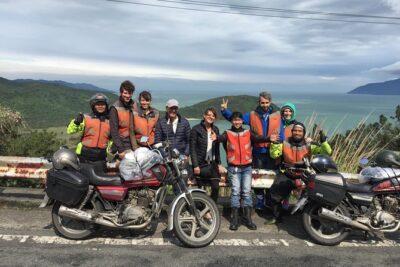
Hue to Hoi An ( Hoi An to Hue) Top Gear with Lefamily Riders Tours ( 1 way)
Read our review →
Easy Rider private tour via Hai Van pass from Hue – Da Nang – Hoi An (1Way|Loop)
Read our review →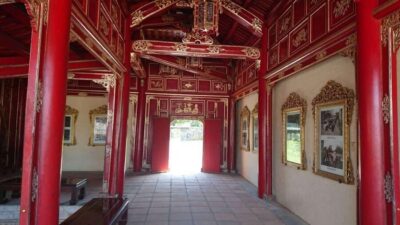
Hue Customizable Tour with Imperial Citadel & Forbidden City
Read our review →
Easy Rider From Hue Da Nang Hoi An Via Hai Van Pass With Mister T
Read our review →
Hue to Dn/Hoi An: Hai Van Pass, beaches & Mt Monkey or vice versa
Read our review →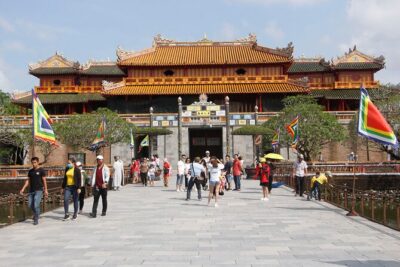
Imperial City Walk, Motorbike Tour & Private Car Options
Read our review →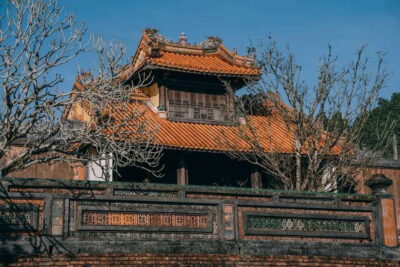
Exploring Royal City with Multi Options and Dragon Boat
Read our review →
Hue city Deluxe Group Tour (Daily Tour-12 pax max)
Read our review →Browse the lists this tour appears in