
Reviewed · CU CHI TUNNELS TOURS
Cu Chi Luxury Group Tour – Tapioca and Cake Half Day
The Cu Chi Tunnels are not just a series of cramped passageways. They are an underground system of hospitals, kitchens, command posts, weapons workshops, storage rooms, and living quarters built by Communist guerrilla fighters. Crawling into a tunnel gives you a physical sense of the war that a museum display cannot provide.
I like the chance to see how the tunnels worked, not just walk past them. I also like the simple wartime food, tapioca, served with Vietnamese hot tea. Guides such as Hien, Long, Bao, Thuy, and Tim have been praised for making the difficult history clear and personal. The main drawback is that the experience can feel rushed or crowded, and a few people have received little English commentary or missed the promised snacks.
Key points to know before you book
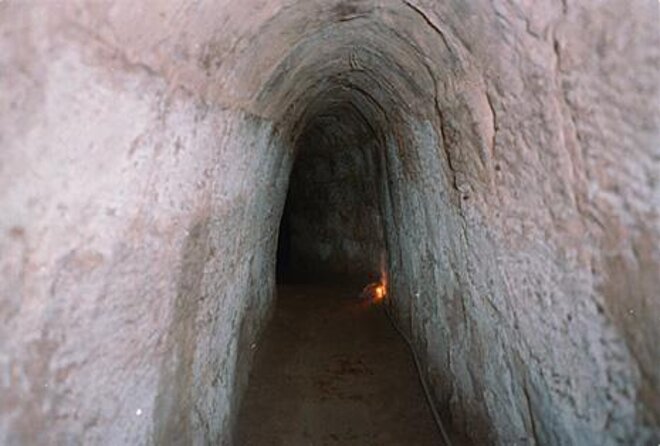
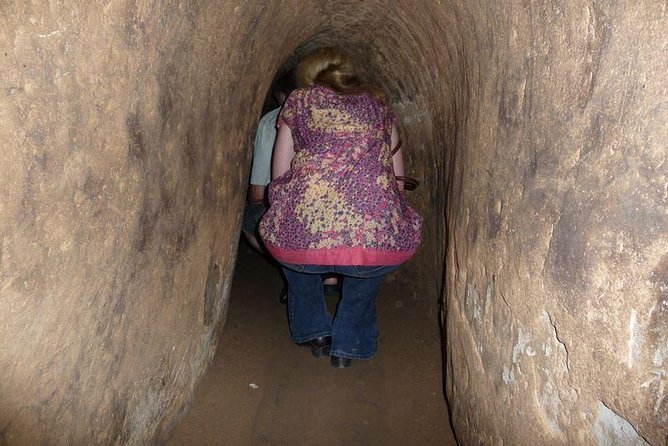
- You enter a real tunnel section: The visitor passages have been widened, but they remain tight enough to show how hard underground life must have been.
- The tour covers more than tunnels: Expect trapdoors, blast craters, kitchens, field hospitals, command posts, forest paths, and wartime food.
- Guide quality matters: Hien, Long, Bao, Thuy, Tim, and other named guides have received strong praise, but English ability is not always consistent.
- The advertised price is low: At $21.99, transport, admission, guiding, bottled water, and snacks make this good value if the full package is delivered.
- Expect a long half-day: The visit is described as about six to seven hours, with hot outdoor stretches and possible traffic.
- Extra stops may appear: A lacquer workshop and shooting range have been included on some departures, but shooting costs extra and the craft stop may add time.
Why the Cu Chi Tunnels matter
The Cu Chi network was built in stages during the conflict with France and later expanded during the American War. The tunnels had three levels and supported far more than hiding. Fighters used them to move, store supplies, treat the wounded, prepare weapons, issue orders, and survive bombardment.
That underground system also raises uncomfortable questions. It is easy to admire the construction skill, but the site includes traps and weapons tied to a brutal war. I find the experience most worthwhile when you treat it as a place of military history and human endurance, not as a theme park.
Your guide should help explain how ordinary people lived in the tunnels between 1961 and 1972. The best guides put the machinery and tactics into human terms. Strong guides such as Bao, Long, and Hien have been praised for answering questions and explaining the tunnels from more than one point of view.
More history underground near Ho Chi Minh City:
- Cu Chi Tunnels Tour from HCM City – Morning or Afternoon
★ 5.0 · 15,833 reviews - HCM: Cu Chi Tunnels-Tapioca Small Group Tour Morning or Afternoon
★ 5.0 · 7,485 reviews - Cu Chi Tunnels and Mekong Delta Signature Tour
★ 5.0 · 7,328 reviews
Getting from Ho Chi Minh City to the site
Pickup is offered from hotels in Districts 1, 3, and 4. If your hotel is outside those areas, you should plan to reach the meeting point at KIM TRAVEL, 17 Thu Khoa Huan Street in District 1. The tour ends back at the meeting point, with drop-off in District 1.
Transport is by air-conditioned minivan. That matters in southern Vietnam, since the outdoor portions can be hot and the road trip takes time. The group limit is 25 people, though some departures operate with smaller groups. A smaller group is worth considering if you want to hear every explanation and ask questions without waiting.
The advertised duration is approximately seven hours, while the tunnel visit itself is listed as six hours with admission included. In practice, allow most of a day. Traffic, pickup arrangements, crowds, and an optional craft stop can stretch the schedule. If you have a flight, train, or fixed appointment afterward, leave a generous buffer.
The film and first look at the forest
At the Cu Chi site, the tour begins with a 3D film about the largest American ground operation connected with the Vietnam War. You then watch a documentary or presentation about the tunnel system and its military purpose.
These films give you useful orientation before you start walking. They are not the strongest part of the visit, but they help explain why the tunnels were placed where they were and how the forest concealed movement. Pay attention to the map and the discussion of the different levels. The rest of the tour makes more sense once you understand that this was a connected underground settlement rather than a single tunnel.
The surrounding forest is part of the story. You can see how leaves, soil, and vegetation helped conceal entrances and movement. Nearby rice fields also show how village life and the tunnel network occupied the same area. The tour may point out villagers working fields over or near the underground system.
Finding the hidden entrances
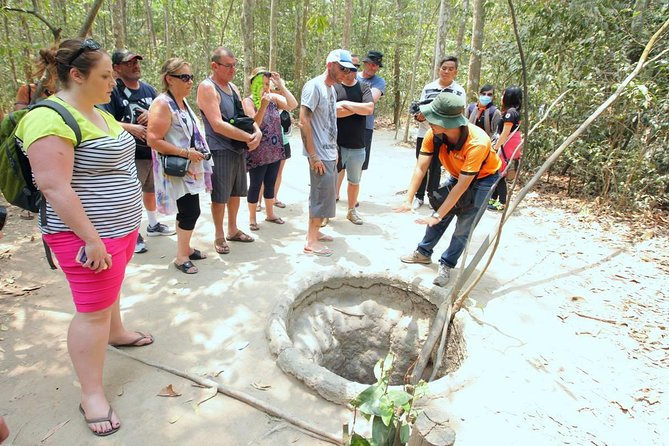
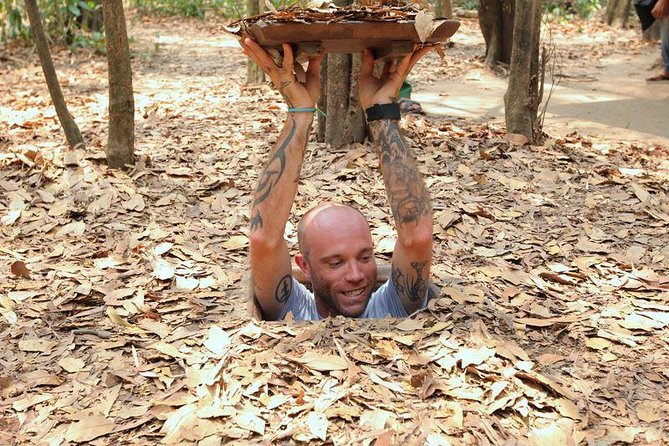
One of the most effective parts of the visit is trying a small hiding entrance. A trapdoor covered with leaves can be hard to spot, even when you know where it is. You may be invited to step into the opening and see how a person could disappear from view.
This is a hands-on moment, but it is also a reminder of how carefully the tunnels were protected. The entrances were small and concealed, and some were designed to confuse anyone searching the forest. Your guide should explain how local fighters moved in and out without giving away the network.
The site can become crowded around popular entrances. One guide, Kim, was praised for taking the group to an opening that other groups were not using, avoiding a wait. That kind of route management can make a real difference, especially during the high season.
A few more ways to spend a day in Ho Chi Minh City
- Mekong Delta 4 Islands, TukTuk, Boat, Try Khot Cake Local Cooking
★ 5.0 · 1,148 reviews - HCM: Authentic Mekong Delta – Boat, TukTuk, Khot Cake Making
★ 4.7 · 380 reviews
Walking past rooms built below ground
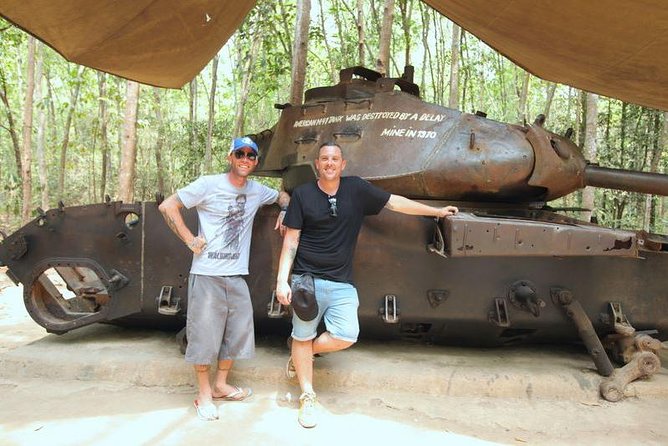
The surface displays and underground sections show the practical side of tunnel life. You can see examples of storage rooms, weapons facilities, kitchens, medical areas, command posts, and ventilation arrangements.
The word kitchen sounds ordinary, but underground cooking had to be controlled. Smoke could reveal a position, so ventilation and timing mattered. The same goes for hospitals and command posts. These were not comfortable facilities, yet they allowed people to work and survive under attack.
The exhibits also include trapdoors and devices linked to defense. Take time to listen rather than rushing from one display to the next. The value is in understanding how each part supported the others.
Some accounts describe the site as a reminder of human ingenuity. That is fair, but the displays also show how war forces people to turn homes, forests, and farmland into military spaces. The best guides do not turn this into a simple good-versus-bad story. They explain the actions of the Viet Cong while also making clear that the war caused suffering on all sides.
Crawling through the tunnel
The tunnel crawl is the moment most people remember. The passage open to you has been widened for visitors, yet it can still feel narrow, low, and uncomfortable. You move slowly, often crouched or bent, and the enclosed space is not a good fit for anyone uneasy in tight quarters.
You do not need to treat the crawl as a test of courage. If you feel uncomfortable, come back out. The purpose is to gain a small physical sense of underground movement, not to endure unnecessary distress. The tour information calls for strong physical fitness, and that warning is sensible because the walk includes uneven ground, heat, standing, and bending.
The tunnel gives you only a brief taste of life below ground. The actual wartime passages were smaller and far less forgiving. That distinction matters. You are seeing a visitor-adapted section, but even this version helps explain why daily work, medical care, cooking, and military planning underground demanded enormous effort.
Tapioca, tea, and the promised cake
Tapioca, or cassava, was an important food at Cu Chi during the war. The tour includes tapioca and Vietnamese hot tea, along with a wheat cake and bottled water. The food is simple, and that is the point. It connects the historical explanation to the basic meals people relied on in difficult conditions.
Do not expect a full lunch. This is a snack break, not a restaurant meal. It can be welcome after walking outside and moving through the tunnels, but the timing may vary.
There is one practical caution. Some people have reported not receiving the tapioca, cake, or tea. If the snack is important to you, confirm it with your guide before leaving the site. Bottled water and wet tissues are also included, which is useful after the tunnel crawl and dusty outdoor sections.
Bomb craters, weapons, and optional shooting
The forest contains overgrown blast craters linked to aerial bombing campaigns. They are easy to overlook if you focus only on the tunnels, but they help show why underground protection became so important. A crater is less theatrical than a tunnel entrance, yet it gives the site a clear physical link to the scale of the bombardment.
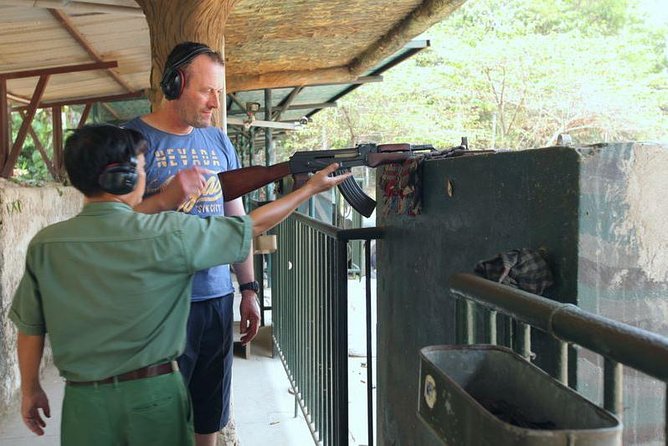
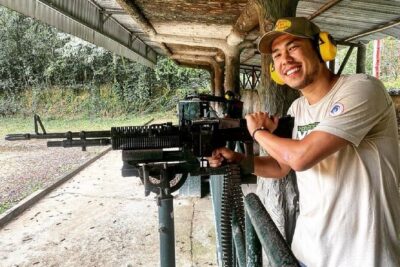
A shooting range may be offered during the visit. M16 shooting has been mentioned by people who took the tour, and it costs extra. The gunfire can be loud and may feel out of place beside a site devoted to the human cost of war.
You should decide in advance how you feel about this part. Some people find it adds context to the weapons displays. Others prefer to skip it and spend more time with the historical interpretation. It is not included in the $21.99 price.
The possible lacquer workshop stop
Some departures stop at a lacquer-art workshop where people affected by Agent Orange make paintings and handicrafts. This stop is not clearly included in the formal tour details, so treat it as a possible addition rather than a guaranteed part of the schedule.
The workshop can be interesting, and there is no stated pressure to buy. Still, it adds time to an already long, hot outing. If you want a direct visit to the tunnels with fewer interruptions, ask the guide at the start if the craft stop is planned.
This is also where the difference between a cheap group tour and a private tour becomes clear. A private option can give your group more control over stops and waiting time, but it costs more than this basic shared departure.
Guides make the biggest difference
The strongest part of this tour is usually the guide. Hien has been praised for detailed answers and thoughtful historical context. Long has been noted for presenting the tunnels from several points of view. Bao has been described as passionate and clear, while Thuy has been praised for explaining the site with care and detail.
Tim, also called Than, has been praised for strong English, humor, and personal family insight. Other guides, including Kim, Simon, Lam, Kelvin, Lee, Xam, Jackie, Phee, and Niem, have also been singled out for helpful or engaging tours.
That list should not lead you to expect a particular guide. Assignments can change. It does show how much the guide shapes the day. A strong guide turns a series of displays into a clear account of how people lived, fought, hid, and worked. A weak guide can leave you with a rushed walk and little context. A few people have reported limited English and missing information, so keep your expectations realistic for a low-cost shared tour.
What the $21.99 price really buys
At $21.99 per person, this is an inexpensive way to reach the Cu Chi Tunnels. The price includes air-conditioned minivan transport, an English-speaking guide, entrance admission, travel insurance, bottled water, tapioca, hot tea, wheat cake, and wet tissues.
The value is strongest if you are staying in District 1, 3, or 4 and can use the pickup service. Paying separately for transport and admission could reduce the savings, while the included guide gives you context you would miss by arriving alone.
The tradeoff is control. You share the vehicle and schedule with a group of up to 25 people. Crowds can mean standing in the hot sun, waiting at entrances, or struggling to hear. A smaller group costs more but can be a better buy if you care about questions, quiet explanations, and less waiting.
The 4.9 rating from 3,375 ratings and 99 percent recommendation figure suggest that the tour usually works well, but those numbers do not erase the specific cautions: snacks may be missed, guide quality can vary, and the day may run longer than expected.
Who should book this tour
I would recommend it to first-time visitors who want a practical introduction to the Cu Chi Tunnels without paying for a private vehicle. It suits people who enjoy physical history, can handle a cramped passage, and do not mind spending much of the day on a shared schedule.
It is also a good match for anyone interested in how military systems affect civilian life. The rice fields, concealed entrances, kitchens, medical rooms, and blast craters add more meaning than a quick photo stop.
I would think twice if you dislike tight spaces, have difficulty with bending or uneven ground, or need a precisely timed return. Families should consider the physical demands and the seriousness of the subject. People seeking a quiet, carefully paced historical visit may prefer a smaller group or private tour.
Should you book it?
Book this tour if you want a low-cost, guided visit with transport and a chance to enter the tunnels. The strongest version of the day comes with a guide like Hien, Long, Bao, Thuy, or Tim, but no guide assignment is guaranteed.
Before setting off, confirm the pickup, ask if the craft workshop is planned, and check that the tapioca and tea are available. Wear practical clothes, bring patience for heat and crowds, and leave extra time after the tour. With those expectations, the Cu Chi Luxury Group Tour offers a memorable and sobering look at underground life during the Vietnam War.
FAQ
How long does the Cu Chi Luxury Group Tour take?
The experience lasts approximately seven hours. The tunnel visit is listed as six hours, including admission, but traffic, pickup arrangements, crowds, and extra stops can affect the total time.
Where does the tour start?
The listed meeting point is KIM TRAVEL, 17 Thu Khoa Huan Street, District 1, Ho Chi Minh City. Pickup is also offered from hotels in Districts 1, 3, and 4.
Where does the tour end?
The activity ends back at the meeting point, with drop-off in District 1.
Is the entrance fee included?
Yes. The entrance fee, air-conditioned minivan, English-speaking guide, travel insurance, bottled water, and listed snacks are included.
Do I have to enter the tunnels?
The tour includes the chance to try a small entrance and crawl through a tunnel section. Strong physical fitness is advised, so you should tell the guide if you cannot manage tight or uneven spaces.
Does the tour include shooting at the range?
A shooting range may be available, but it costs extra and is not included in the tour price.
Newly reviewed in Ho Chi Minh City
- Saigon Evening: Water Puppet Show & Dinner Cruise Experience★ 5.0 · 38 reviews
- Dinner Cruise on Saigon River with Private Table★ 4.5 · 31 reviews
- Ho Chi Minh: Private City Tour and Dinner Cruise with Buffet★ 4.6 · 97 reviews
- Saigon Jeep Tour with Food, Culture and Fun By Vietnam Army Jeep★ 5.0 · 150 reviews
- Cu Chi Tunnels Ben Duoc VIP Tour by Limousine with Lunch★ 5.0 · 170 reviews
- Mekong Delta VIP Tour – Transportation by Limousine★ 5.0 · 110 reviews
- Decadent Vietnamese “Egg Coffee” Workshop in Hồ Chí Minh City★ 5.0 · 150 reviews
- Saigon After Dark Vespa Street Food Tour + Live Music 4 hours★ 5.0 · 147 reviews
Cu Chi Tunnels Tours, compared.
Cu Chi Tunnels Tour from HCM City – Morning or Afternoon
Read our review →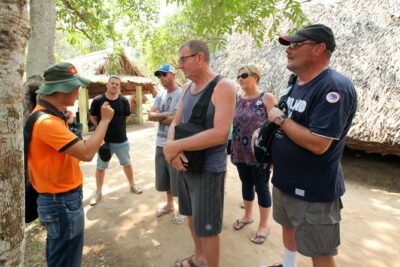
Cu Chi Tunnels-Tapioca Small Group Tour Morning or Afternoon
Read our review →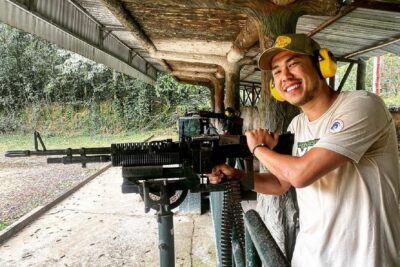
Cu Chi Tunnels and Mekong Delta Signature Tour
Read our review →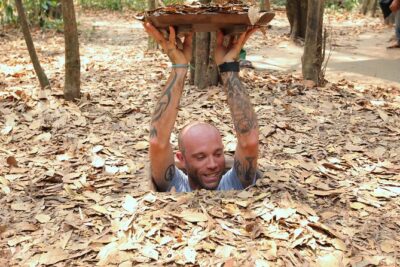
Cu Chi Tunnels and Mekong Delta Full Day Tour – Max 12
Read our review →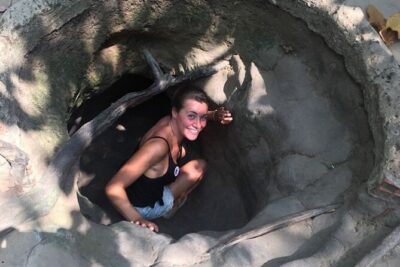
Adventure Cu Chi Tunnels and Mekong Delta Tour From HCM
Read our review →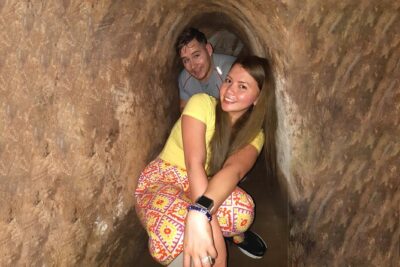
Cu Chi Tunnels and Mekong Delta – Small Group Tour
Read our review →
Adventure Cu Chi Tunnels: Vietnam War Underground Network AM/PM
Read our review →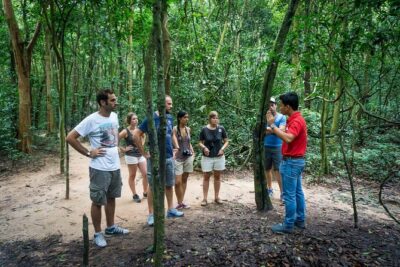
Cu Chi Tunnels Half-Day Tour: Vietnam War Underground Network
Read our review →Browse the lists this tour appears in