
Reviewed · TOURS IN HANOI
From Hanoi: Sapa Hill Tribes 2-Day Tour by Overnight Train
Sapa’s best moments come on foot, where buffalo paths lead past rice terraces, village homes, and mountain views far beyond the town center. I like the overnight train because it saves a hotel night, and I like the local guides, who can explain daily life in H’Mong and Dzay communities in a way a viewpoint never could.
I also like the two different walks: Cat Cat gives you an easy introduction, while Lao Chai, Ta Van, and Giang Ta Chai provide the more rewarding day in the hills. The catch is comfort. The train may be noisy, the second trek can be strenuous, and Cat Cat is quite commercial.
The package is a good value if you want transport, lodging, meals, entry fees, and guiding arranged together. It is less suitable if you need a quiet train ride, dislike steep walking, or prefer to choose your own hotel.
Key points to know before booking
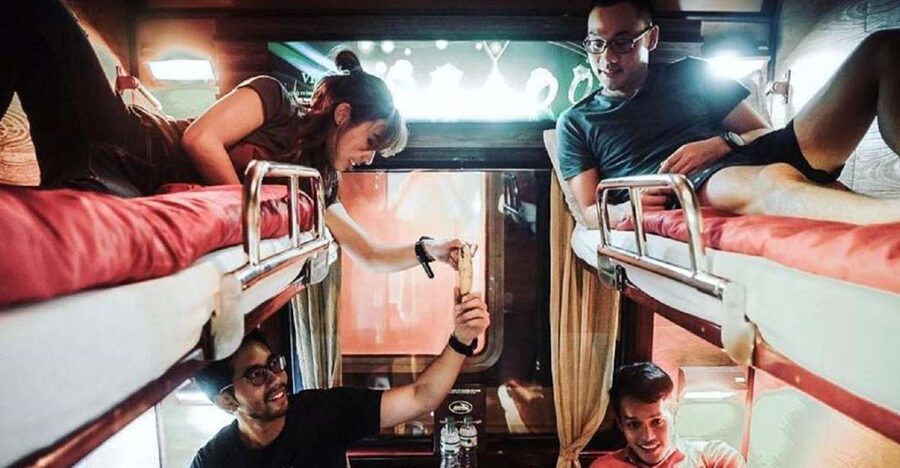
- Two overnight train rides: Leave Hanoi around 22:00 and reach Lao Cai at about 6:00 the next morning.
- A demanding main trek: Lao Chai, Ta Van, and Giang Ta Chai involve uphill and downhill walking on old buffalo tracks.
- Different village experiences: Cat Cat is close and easy to reach, while the longer valley walk feels more rural and less crowded.
- Local guides matter: Guides such as Chi, Suu, Trang, Chan, and Ca have led walks with strong English and good knowledge of local life.
- Flexible cabin choices: You can book a shared four-bed cabin or a private cabin for one to four people.
- Good package value: The $199 price includes trains, transport, accommodation, meals, entry fees, and guiding, depending on the option selected.
What the $199 package really buys you
At $199 per person, this is not a bare-bones train ticket with a village walk added on. The price covers round-trip night trains, air-conditioned road transfers, Sapa accommodation or a Ta Van homestay depending on your selection, meals, entry fees, and a shared tour.
That matters in Vietnam’s northwest, where arranging each piece separately can create awkward gaps. You need to connect the Hanoi train departure with the Lao Cai pickup, then coordinate the mountain transfer, hotel check-in, village walks, and return train. Here, those links are handled for you.
The value is strongest if you want a short visit and do not want to spend time comparing hotels, train cabins, and local guides. Several meals are included, and portions can be generous. One hotel-based itinerary included enough food that diners could not finish everything.
Still, $199 is not the cheapest way to see Sapa. You may find a lower local-agency price after arriving in Hanoi, but that comes with less certainty about the train cabin, guide, and hotel. You are paying for a ready-made package and a smoother chain of arrangements.
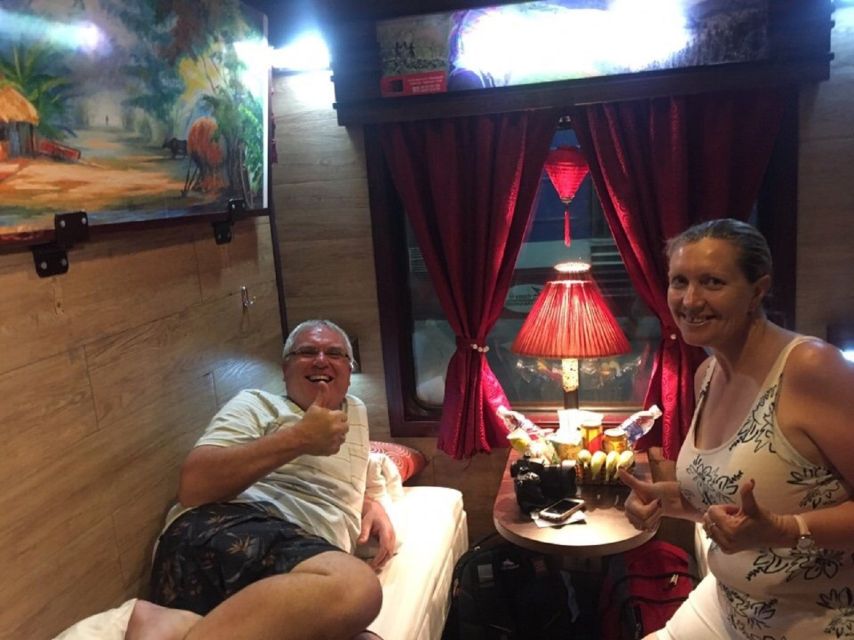
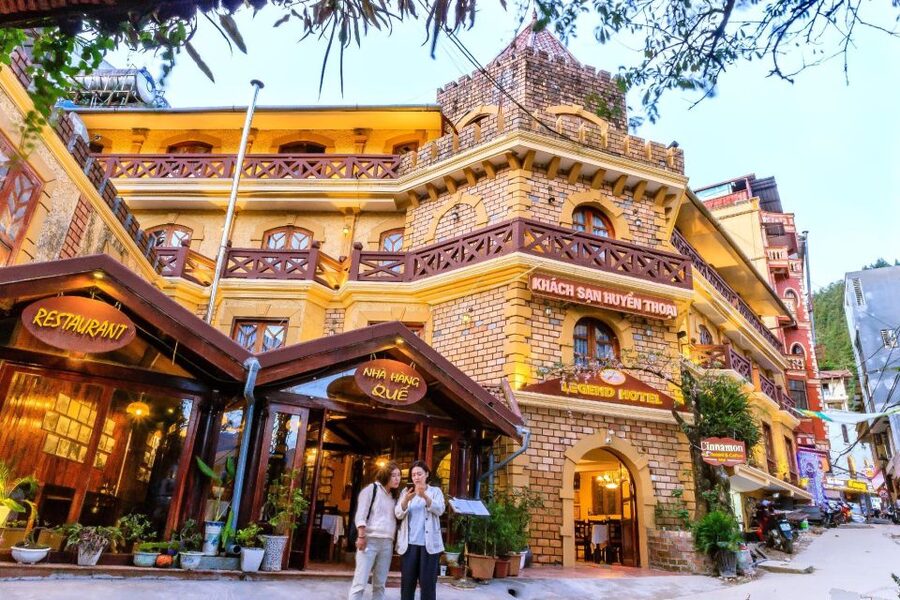
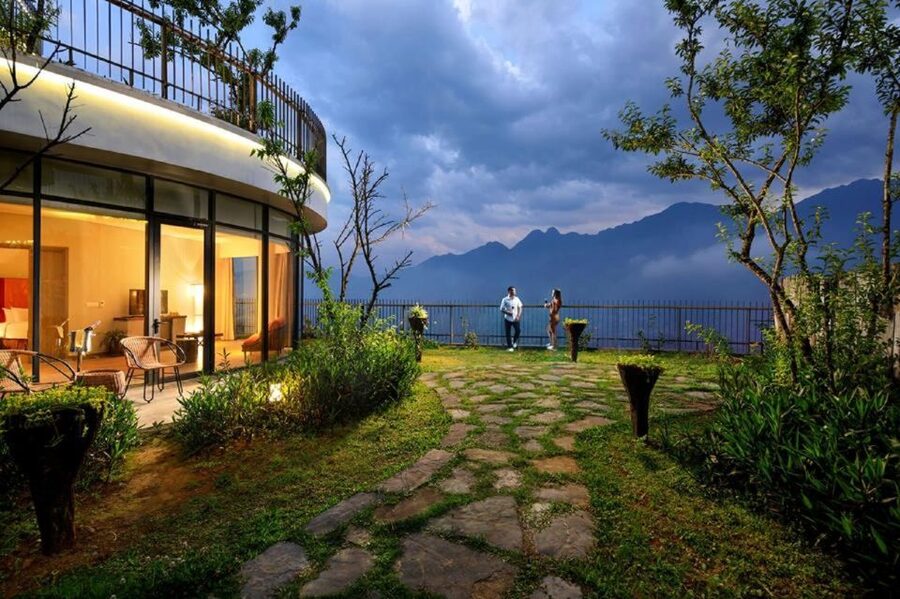
Ask which accommodation option you are booking. The standard choice may be a Sapa hotel such as Sapa Legend Home or Sapa Charm Hotel, or a similar property. Other packages use a Ta Van homestay, which gives you closer contact with village life but less predictable comfort.
A few more ways to spend a day in Hanoi
- Amanda Cruise – Ha Long, Lan Ha Bay – All Inclusive 2D1N & 3D2N
★ 5.0 · 4,358 reviews - Hanoi: 2-Day Halong & Lan Ha Bay 5-Star Cruise with Balcony
★ 4.8 · 3,300 reviews - Sapa 2 Days 1 Night From Hanoi – Overnight in Ta Van Village
★ 5.0 · 2,669 reviews
The 22:00 sleeper train from Hanoi to Lao Cai
Your starting point is Hanoi Railway Station at 120 Le Duan. A representative is scheduled to collect you from your hotel at least one hour before departure, but you should be at the station by 21:00 to exchange tickets. The train leaves at about 22:00, and the air conditioning is expected to start around 21:30.
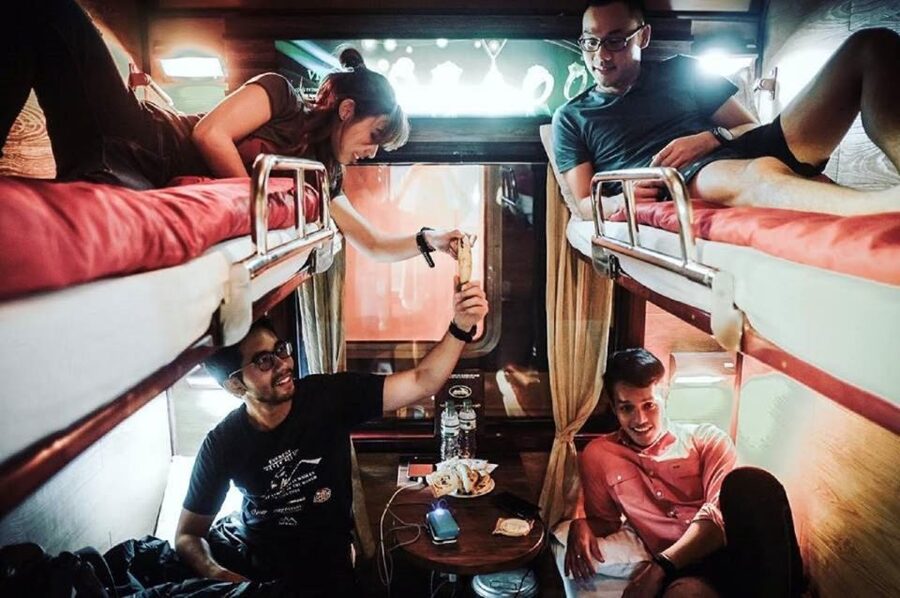
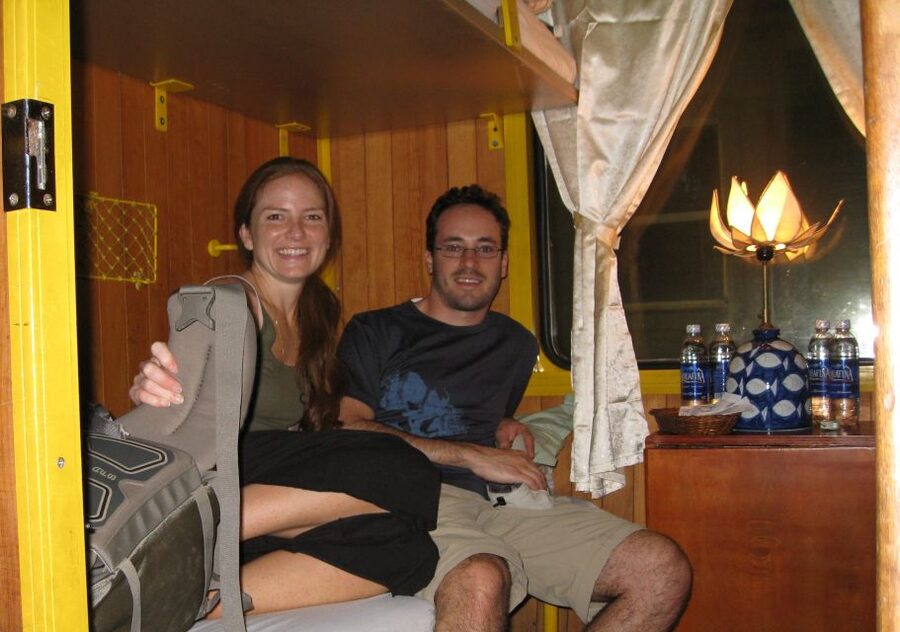
Cabins have four beds. You can save money by sharing with other people, or choose a private cabin for your group of up to four. Solo passengers can also select the private option, but the price will be less attractive.
The train is air-conditioned and generally comfortable enough to sleep, though you should not expect hotel-level silence. The carriage can rock and rattle, and some people sleep lightly. Bring warm clothing, especially from November through March. The restroom door opens after departure, so do not count on using it inside the carriage before the train gets moving.
I would pack light. The instructions specifically advise against large luggage, and a compact bag is easier to manage at the station, on the train, and during the road transfer to Sapa. Keep your passport or ID card handy.
You arrive at Lao Cai at roughly 6:00. That early arrival is useful because you reach Sapa with most of the day ahead, but it also means you should be ready for a long first morning.
Morning transfer into Sapa
A pickup from Lao Cai Station takes you along mountain roads toward Sapa. The ride offers dramatic views of the Hoang Lien Son range, though the roads can be winding. Once in town, you check in or leave your bags, freshen up, and have breakfast.
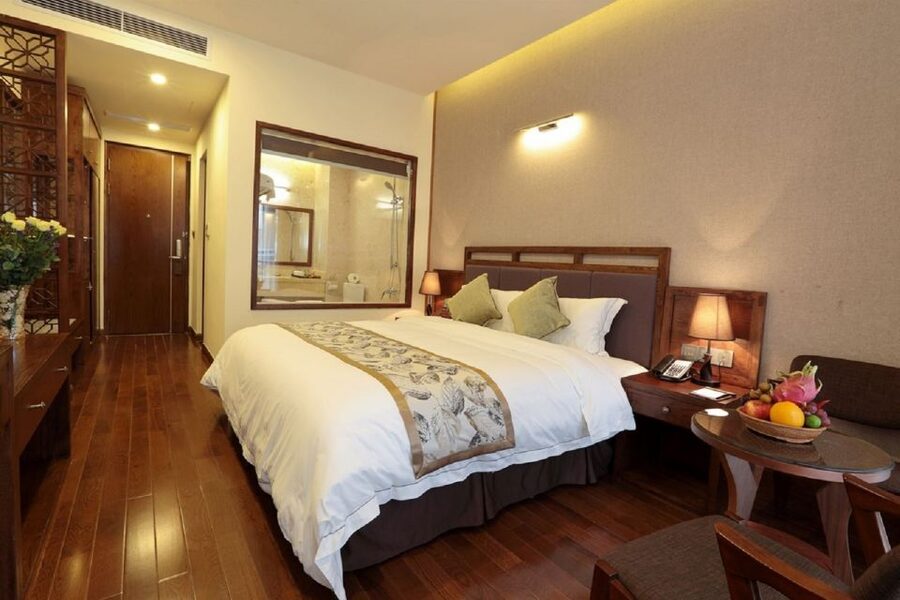
Do not assume an early hotel room will be ready. The standard check-in time is 13:00, while checkout is by 12:00. The hotel may help with luggage and basic arrangements, but the room itself may not be available when you first arrive.
Sapa town is a practical base rather than the main event. The real attraction begins when you leave the streets and follow paths through the hills. If you have only a short time, resist spending the morning wandering around town. Save your energy for the walks.
Cat Cat village: an easy first look at H’Mong culture
The first walking tour heads to Cat Cat, a village associated with the H’Mong people. You’ll see homes, valley views, and local families going about daily tasks while your guide explains customs and traditional ways of life.
This is the gentler walk of the two days, making it a useful introduction after the overnight train. It gives you a chance to test your shoes and find out how your body handles the hills before the longer route.
Cat Cat is also the part of the tour most likely to feel arranged for visitors. Paths and village areas can be commercialized, and the experience may resemble a cultural park in places. That does not erase the scenery or the chance to learn, but you should not expect a completely untouched village.
The practical way to handle Cat Cat is to treat it as an introductory stop, not the tour’s deepest village experience. Listen to your guide, ask about local homes and work, and save your strongest expectations for the next day.
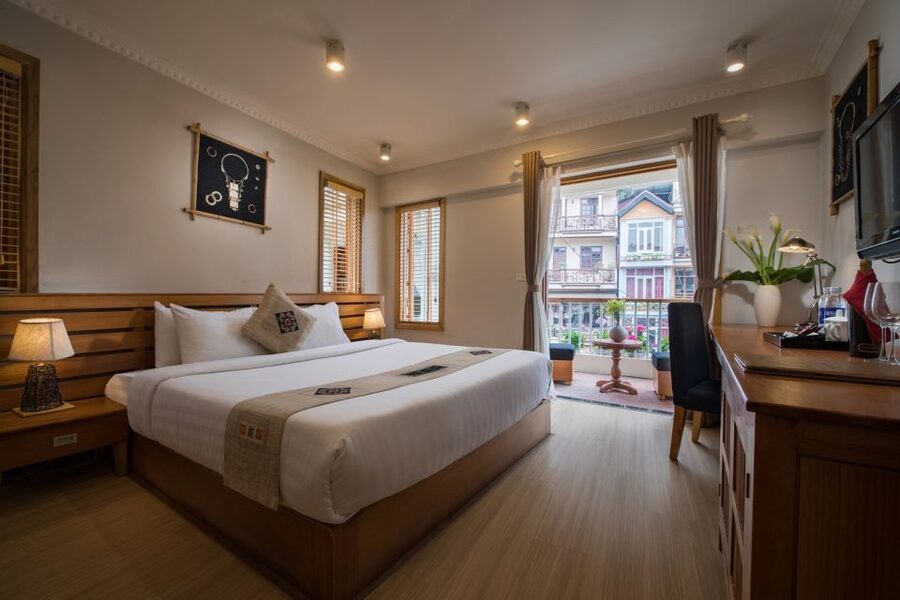
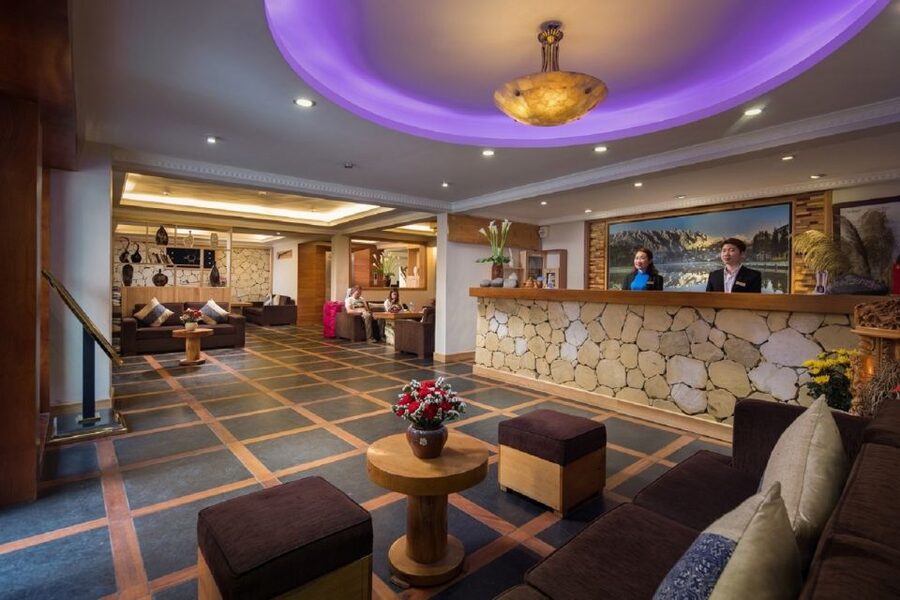
After the walk, you return to Sapa for the night. Hotel standards vary by option. Some people have found the accommodation comfortable and well located, while others have considered a supplied hotel fairly basic for the price. If room quality matters greatly to you, ask for the exact hotel before booking.
Same base, a completely different day:
- Hanoi Jeep Tour: Food, Culture and Fun by Vietnam Army Jeep
★ 5.0 · 15,222 reviews - Full-Day Ninh Binh Highlights Tour from Hanoi
★ 5.0 · 7,761 reviews - Hanoi: Ha Long Bay Day Cruise – Swimming, Meal, Kayaking
★ 4.7 · 7,415 reviews - Hanoi: Water Puppet Show Tickets
★ 4.6 · 7,029 reviews
Lao Chai, Ta Van, and Giang Ta Chai on foot
The second day is the heart of the trip. After breakfast, you follow old buffalo trails through the hills and pass several villages, including Lao Chai and Ta Van. Lao Chai is linked with the Black H’Mong, while Ta Van is associated with the Dzay. The route also reaches Giang Ta Chai.
This walk gives you the broad valley views people come to Sapa for: layered rice terraces, forested slopes, scattered houses, irrigation channels, and paths dropping toward the valley floor. The scenery changes with the weather. Clear skies bring wide views, while mist and rain can make the hills feel quieter and more enclosed.
The route is not a casual stroll. You may face steep uphill sections, slippery ground, heat, and humidity. One private walk took about three hours including lunch, but your timing can vary with the route, weather, group pace, and stops. Good hiking shoes are essential. Rain gear is not optional insurance here, even if the morning looks dry.
You may be joined for part of the walk by local women who offer to guide or assist along the path and later sell bags or handicrafts. Some people find this helpful and friendly; others feel it makes the encounter less spontaneous. Bring a polite but firm answer if you do not want to buy anything.
The route is most rewarding when your guide keeps the pace comfortable and explains what you are seeing. Guides named Chi, Suu, Trang, Chan, and Ca have led similar walks, with English strong enough for long conversations about village life, family, work, and local customs. Your assigned guide will vary, but a good local guide can change the whole experience.
Meeting H’Mong, Black H’Mong, Dzay, Red Dzao, and Tay communities
The tour’s cultural value comes from conversations and explanation, not simply from photographing traditional clothing. You may learn how village families work the terraces, what daily life is like, and how modern pressures affect rural communities.
Some guides have invited small groups to eat at a family home or meet relatives. One guide, Suu, included lunch at her home and shared time with her family. Another guide, Chan, introduced visitors to her family and daughter during a private trek. These encounters can be warm and memorable, but the exact visit depends on the selected route and guide.
The program refers to H’Mong, Black H’Mong, Red Dzao, Tay, and Dzay communities. You should think of these as distinct cultures, not one general hill-tribe category. Clothing, language, customs, and village life differ, and your guide is the best person to explain those differences without turning the walk into a list of labels.
You may also hear about hard realities, such as limited services and basic living conditions. A guide has described village life candidly, including the lack of hot showers. That direct conversation is more useful than a polished cultural display because it lets you see both the appeal and the difficulty of life in the mountains.
Be respectful with cameras. Ask before photographing people, especially inside homes or during meals. The best encounters happen when you show interest in the person, not just the costume or scenery.
Food, hotels, and the homestay choice
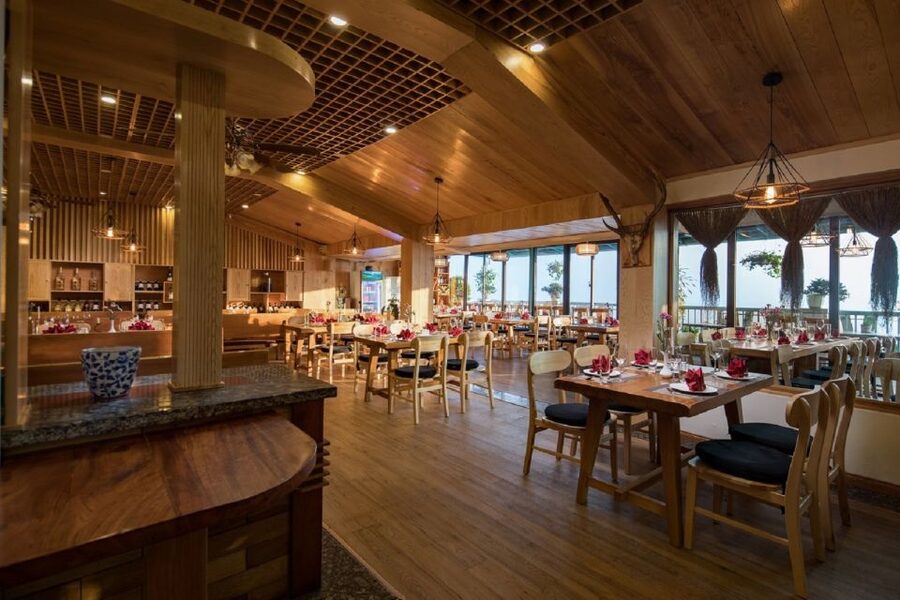
Meals are included according to the selected package, with breakfast, lunch, and dinner built into the schedule. Food at the hotel has been described as plentiful and enjoyable, while the lunch during the longer trek may be simpler.
If you choose a Ta Van homestay, you gain a closer connection to village life. You should also expect more basic facilities than at a town hotel. The choice is simple: select the hotel if convenience and a private room matter most, or choose the homestay if meeting a local family is more important than polished comfort.
Drinks are not included, so carry water and budget for beverages. Dinner is served before the return transfer, and the schedule includes free time in central Sapa before you head back to Lao Cai Railway Station.
The return to Hanoi
After dinner, you have a little time to walk around Sapa town before transferring to Lao Cai. Then you board the overnight train back to Hanoi.
The train ride is part of the experience, but it is also the least predictable part for sleep. Some people rest well enough; others find the noise and movement tiring. If you have an important early appointment after arrival, leave some margin. The tour ends at Hanoi Railway Station, where you can take a taxi to the Old Quarter.
The package is described as three days and three nights, but the active Sapa portion is two days, with one night on the outbound train, one hotel or homestay night, and one night on the return train. That distinction helps you plan your Hanoi accommodation and onward travel.
Who will enjoy this Sapa tour most
I would choose this tour if you want:
- A first look at Sapa without arranging every transfer yourself
- A mix of easy village walking and a longer mountain trek
- Direct contact with local guides and families
- A private train cabin option for your own group
- Meals and entry fees bundled into the price
- A short schedule that fits into a wider Vietnam trip
I would think twice if you have back problems, dislike uneven paths, or want a slow holiday with plenty of sleep. You also need comfortable clothes, hiking shoes, a raincoat, and warm layers in the cooler months. Pets are not allowed.
The small-group option is worth considering. Smaller groups make it easier to adjust walking speed, ask questions, and avoid feeling like you are being moved from stop to stop. A private version gives you still more control, especially if you want to spend longer with a guide or family.
Should you book it?
Book this Sapa tour if you value a well-connected package and want the mountain villages to be the focus of a short trip. The strongest parts are the long valley trek, the rice terraces, and the chance to talk with local guides such as Chi, Suu, Trang, or Chan.
Know what you are accepting: a noisy sleeper train, basic accommodation in some options, commercial touches at Cat Cat, and a strenuous second-day walk. For $199, the package offers solid convenience and a lot of included services. Choose the private cabin and homestay carefully, pack light, and bring proper shoes. That is how you get the most from it.
FAQ
How long does the Sapa tour last?
The activity lasts three days and includes three nights: two nights on the sleeper train and one night in Sapa accommodation or a Ta Van homestay.
Where do I meet the tour?
You meet the guide at Hanoi Railway Station, 120 Le Duan. You should be at the station by 21:00 for ticket exchange before the train leaves at about 22:00.
What type of train cabin is available?
The standard cabin has four beds. You can choose a shared cabin or a private cabin for your group, with a maximum of four people.
Which villages are included?
The route includes Cat Cat, Lao Chai, Ta Van, and Giang Ta Chai. The walks introduce you to H’Mong, Black H’Mong, Dzay, Red Dzao, and Tay communities.
Is the trekking difficult?
The Cat Cat walk is easier, while the Lao Chai, Ta Van, and Giang Ta Chai route includes uphill and downhill sections on buffalo trails. It is not suitable for people with back problems.
What should I bring?
Bring your passport or ID card, comfortable clothing, hiking or trekking shoes, a head covering if needed, warm clothes from November through March, and rain gear.
Are meals included?
Meals listed for the schedule are included, along with entry fees and transport. Drinks are not included.
Newly reviewed in Hanoi
- Private Full-Day Tour to Halong Bay from Hanoi★ 5.0 · 44 reviews
- Private Evening Walking Tour – Cyclo & Water Puppet Show in Hanoi Old Quarter★ 5.0 · 19 reviews
- Ba Vi National Park Private Tour: Sightseeings & Jungle Hikking★ 4.5 · 26 reviews
- Full-Day Hanoi City Tour with Hidden Local Life Experience★ 5.0 · 27 reviews
- Hanoi Epic tour 6D5N Hanoi – Halong Bay – Ninh Binh – Sapa★ 5.0 · 51 reviews
- Private transfers Hanoi <=> Puluong 1 Way (Free Hotel Pickup)★ 5.0 · 20 reviews
- Hanoi Airport Pick-up (Private Ride From Hanoi Airport to Hotels)★ 4.5 · 253 reviews
- Noi Bai Airport transfer to Hotel or Vice versa★ 5.0 · 144 reviews
Tours in Hanoi, compared.

Hanoi Jeep Tour: Food, Culture and Fun by Vietnam Army Jeep
Read our review →
Full-Day Ninh Binh Highlights Tour from Hanoi
Read our review →
Ha Long Bay Day Cruise – Swimming, Meal, Kayaking
Read our review →
Hanoi Motorbike Tour: Food, Culture and Fun by Vintage Motorbike
Read our review →
Hanoi Cooking Class: Culture, Local Market & Meaning CSR Impact
Read our review →
5 Traditional Dishes Hanoi Cooking Class with Market Trip
Read our review →Browse the lists this tour appears in