
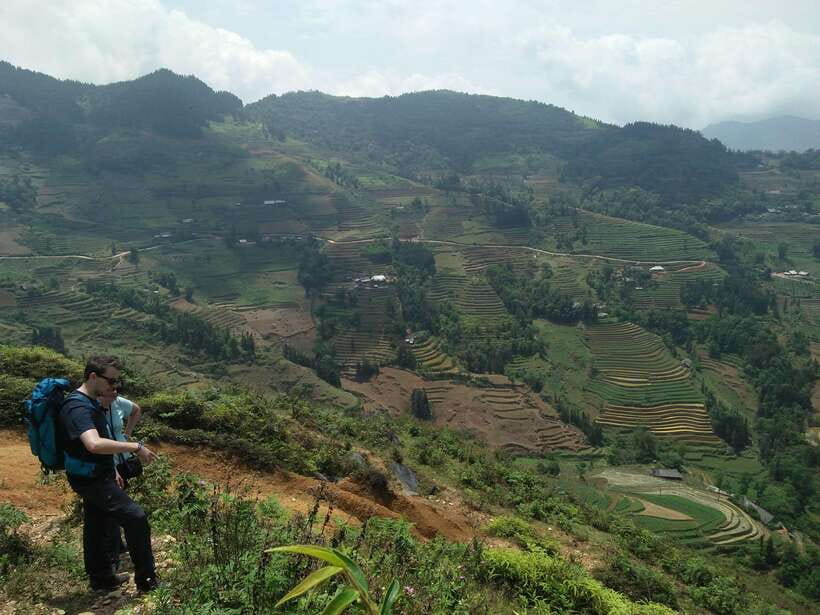
Reviewed · TREKKING & HOMESTAYS
Hanoi- SaPa: 3-Day Homestay Trek to Explore Ethnic cultures
Sapa’s best moments come on foot, far from the hotel strips and souvenir stalls. This three-day route takes you from Hmong villages and rice terraces to Giay and Red Dzao communities, with two nights in local homestays rather than one quick photo stop.
I like the small group, capped at 14 people, and the chance to spend time with host families. Guides such as Su and Sang have been especially attentive, explaining local customs and adjusting the pace when needed. The main drawback is the overnight bus: the 20:45 departure from Hanoi gets you to Sapa around 4:00 AM, and the bus can be dirty or uncomfortable.
Key points to know before booking
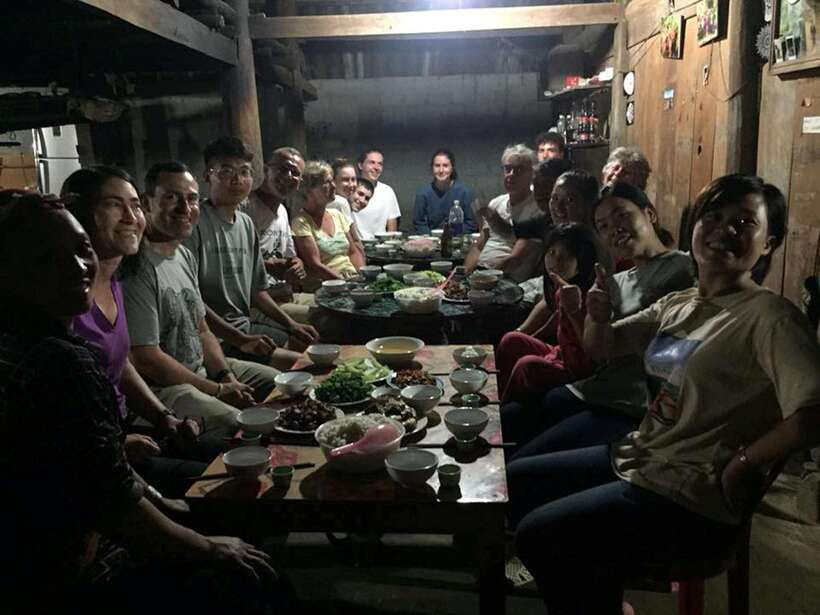
- Two homestay nights: Sleep in Ta Van and Ban Ho, with dinner and breakfast served locally.
- Three ethnic communities: Meet Hmong, Giay, and Red Dzao people across the walking route.
- A real walking tour: Expect bamboo forests, village paths, rice terraces, and uneven trails rather than a gentle sightseeing stroll.
- Long transport at both ends: The overnight bus saves a hotel night but can make the first morning tiring.
- Strong guide support: Guides such as Su and Sang help with cultural explanations, route changes, and pacing.
- Good package value: The $139 price includes round-trip bus travel, a guide, two nights, seven meals, and mineral water.
Why this Sapa trek is different from a quick day trip
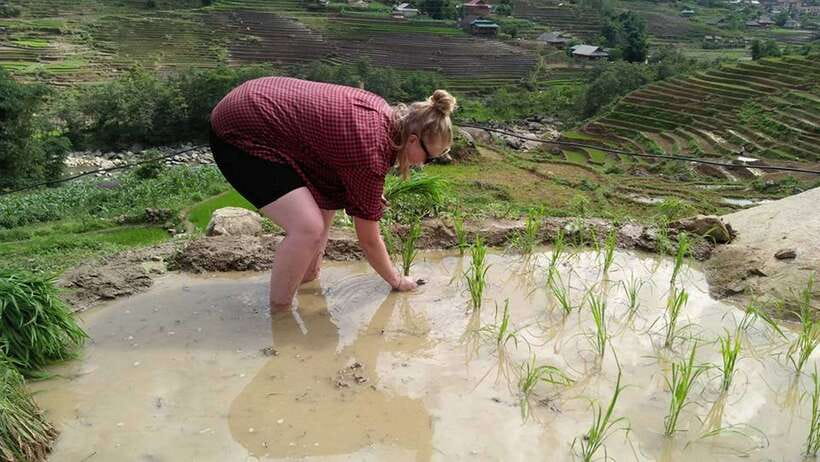
Sapa is famous for its mountain views, but the town itself can feel busy and built-up. This trip quickly moves beyond the center and follows village paths through the Muong Hoa area toward Ta Van and Ban Ho.
That matters because the experience is not built around one viewpoint or a short walk to a rice terrace. You spend three days moving between villages and sleeping in them. You see daily life at a slower pace, although the route is still part of a well-used tourism circuit.
The cultural side is the strongest reason to choose this trip. The route includes Hmong residents in Lao Chai, Giay people in Ta Van, and Red Dzao communities in Giang Ta Chai and Nam Tong. Your guide provides the bridge between the scenery and the people who live there, explaining customs, traditions, and village life.
I would choose this trip if you want more than photographs. You should also accept that the experience is not fully polished. Homestays are generally clean and welcoming, but they are not boutique hotels, and communication with host families may be limited.
More Trekking Trips in Hanoi
- Hanoi – Sapa 2 Days 1 Night Overnight At Homestay
★ 5.0 · 899 reviews - From Hanoi: 2-Day Sapa Trekking Trip with Homestay & Meals
★ 4.8 · 704 reviews - Sapa 3 Days 2 Nights Trekking Tour (1 Night In Ta Van Village, 1 Night In Hotel)
★ 5.0 · 699 reviews
The overnight bus from Hanoi to Sapa
You have free time in Hanoi on the first evening, then meet at 30 Hang Muoi in the Old Quarter for pickup at about 20:45. The bus travels overnight and reaches Sapa around 4:00 the next morning.
You can sleep on the bus until around 6:00 AM, when the group is taken to a boutique hotel for breakfast. The early arrival is awkward, but the breakfast stop gives you a place to regroup before the trek. Some arrangements may allow you to shower or change, but do not count on a private room. One reported setup involved a shared bathroom near reception rather than a proper room for resting.
The bus is the weakest part of the package. It saves you the cost of a separate hotel and gets the group to Sapa in time for the walking program, but comfort and cleanliness may vary. Bring a small travel pillow, warm layer, earplugs, and easy-to-reach toiletries. You will be glad to have them at 4:00 AM.
This is also why the date you book matters. The tour date refers to the initial Hanoi departure, not the morning when you begin trekking in Sapa.
Day 1: Lao Chai and Ta Van by way of Y Linh Ho
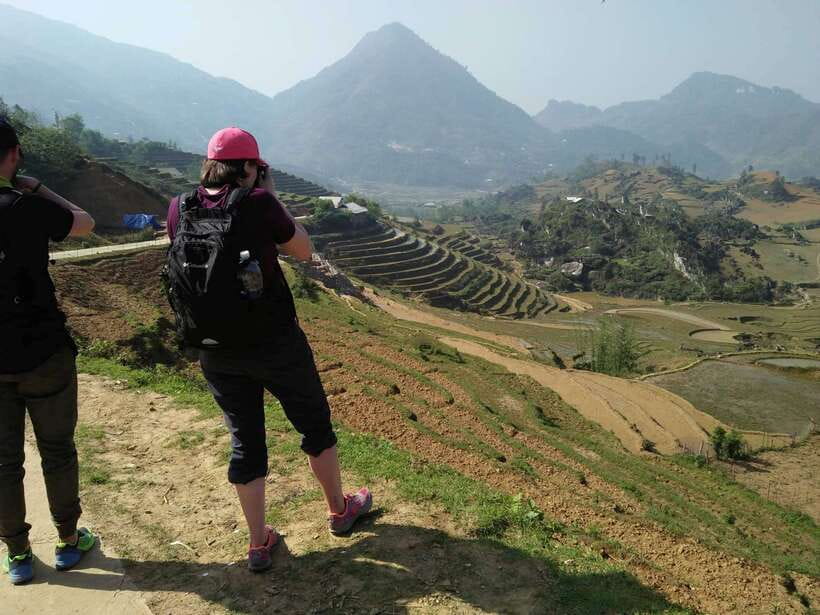
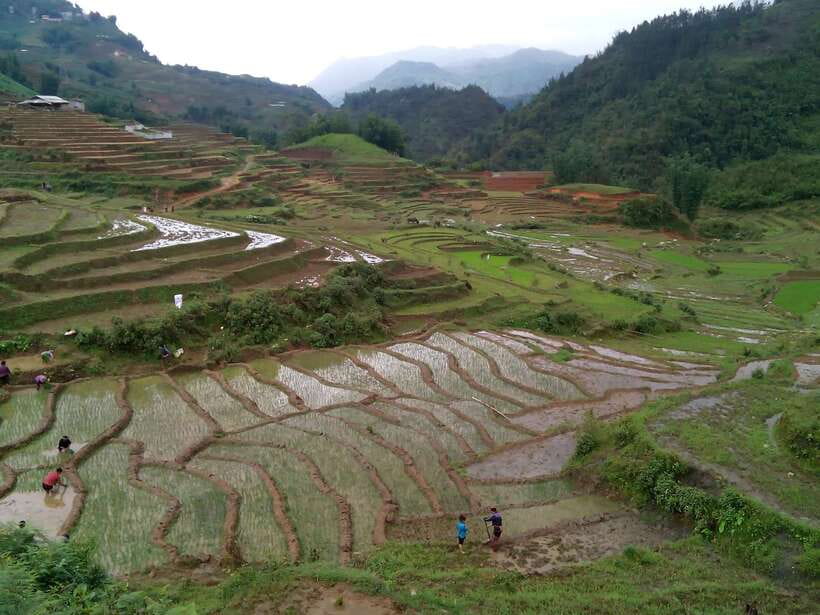
After breakfast and time to meet the group, the guide picks you up at about 9:00 AM. The first walk heads toward Y Linh Ho and Lao Chai, a Hmong area known for rice terraces and broad valley views.
The route is scenic, but it is not a flat country walk. Mud, stones, slopes, and changing weather can make the first day demanding. In cold or rainy conditions, mist may hide the views completely. One difficult day can bring heavy rain and visibility of less than 100 meters, so pack for the walk rather than for a postcard.
Lunch is served at a local family home in Lao Chai. This is a useful part of the day because it gives you time to sit down, eat, and ask questions instead of simply passing through. Meals are included, and portions are generally generous. Drinks beyond the included water cost extra.
From Lao Chai, you continue to Ta Van, home to the Giay people. The route brings you through cultivated hills and village paths, with plenty of chances for photographs when the weather is clear. Ta Van is not just the end point for the afternoon. It is your first overnight stay and your first chance to see how a local household receives visitors.
Dinner is included at the homestay. Expect a social meal rather than a private restaurant experience. The hosts may not speak much English, but your guide can explain local customs and help with conversation. Respect matters here: ask before photographing people, dress sensibly, and follow your host’s lead.
Day 2: Bamboo trails, Giang Ta Chai, and Ban Ho
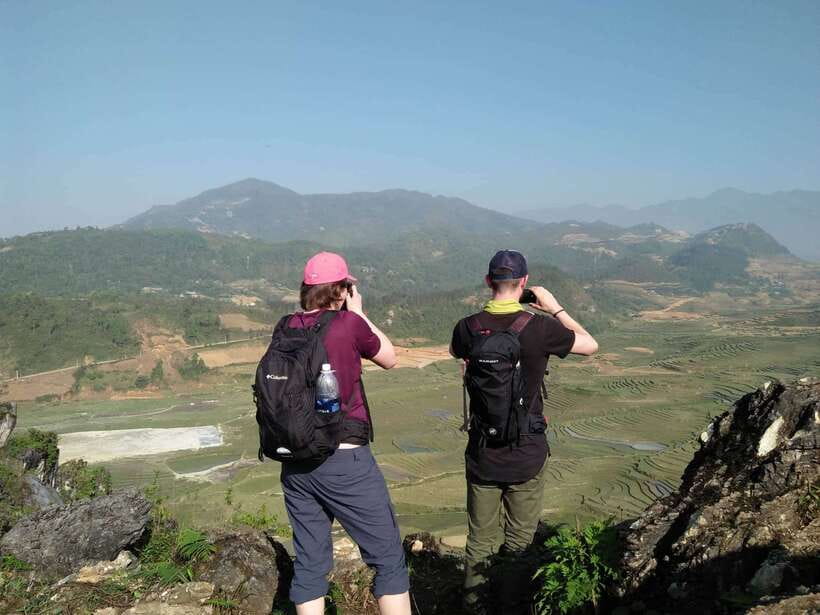
Day two begins with a local breakfast before you leave Ta Van. The route passes through bamboo forest toward Giang Ta Chai, where Red Dzao families live.
This is often the most varied walking day. You move from village paths into woodland and countryside, then visit a rattan bridge and a Dzao family home. The bridge is a memorable stop, though it also shows why sturdy shoes matter. You should expect uneven footing and some slippery sections, especially after rain.
Lunch comes along the trail. This keeps the day moving, but it also means you are eating in a simple setting rather than stopping at a formal restaurant. Bring snacks if you need food between meals, though do not expect to carry every meal yourself.
The walk continues to Ban Ho, where you have time to rest and stroll through the village before dinner. This pause is welcome after the longer sections of the route. Ban Ho feels like a place to slow down, not another stop where you rush out, take a picture, and get back into a vehicle.
You spend the second night at another homestay. The food is a major plus here, with family-style meals and generous servings. Hosts may offer rice wine, sometimes generously, but you are free to decline. You will also need to buy extra drinks if the included mineral water is not enough. One practical improvement would be more free water during the walking days, so carry a refillable bottle and some cash.
The homestay can be the most personal part of the trip. One family invited visitors into the kitchen to help prepare the evening meal. That sort of contact is valuable, but it is not a staged performance. You are entering someone’s home, so patience and good manners count more than trying to force a conversation.
Other treks and homestays from Hanoi:
- 2-Day Sa Pa Ethnic Homestay Tour & Trek with Limousine Bus
★ 4.8 · 440 reviews - Hanoi – Sapa 3 Day 2 Night Trekking With Hotel & Homestay
★ 5.0 · 389 reviews - From Hanoi: 2-Day Sapa Limo Bus Tour & Fansipan Peak Visit
★ 4.6 · 277 reviews - Hanoi – Sapa 2 Days 1 Night Overnight At Local Homestay
★ 5.0 · 233 reviews
Day 3: Sunrise in Ban Ho and the walk to Nam Tong
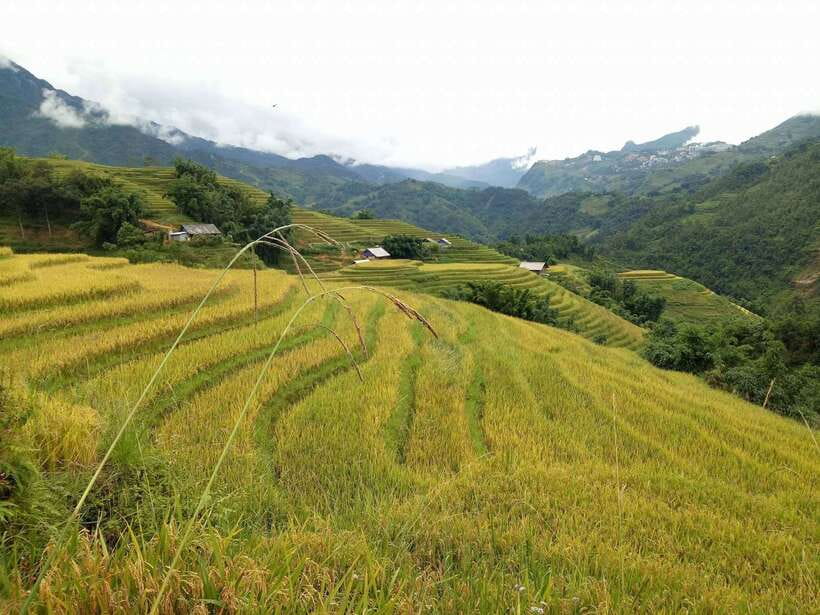
The final morning starts with breakfast and, if the weather cooperates, sunrise over Ban Ho valley. Morning light can make the terraces and hills look completely different from the previous afternoon.
You then take a shorter trek to Nam Tong, a Red Dzao village. The guide explains local culture and traditions before you return to Ban Ho. This final walk is shorter than the earlier sections, which is sensible after two full days on foot.
A van collects you in Ban Ho and returns you to Sapa. You have time to relax at the hotel before the bus leaves for Hanoi at about 16:00. The bus is due back around 22:00, ending at the Hanoi meeting point.
The return transfer can be confusing. Confirm the departure details with the operator before leaving Sapa, especially around public holidays. Clear instructions are not always available at the bus handoff, and English may be limited at that point.
What the homestays are really like
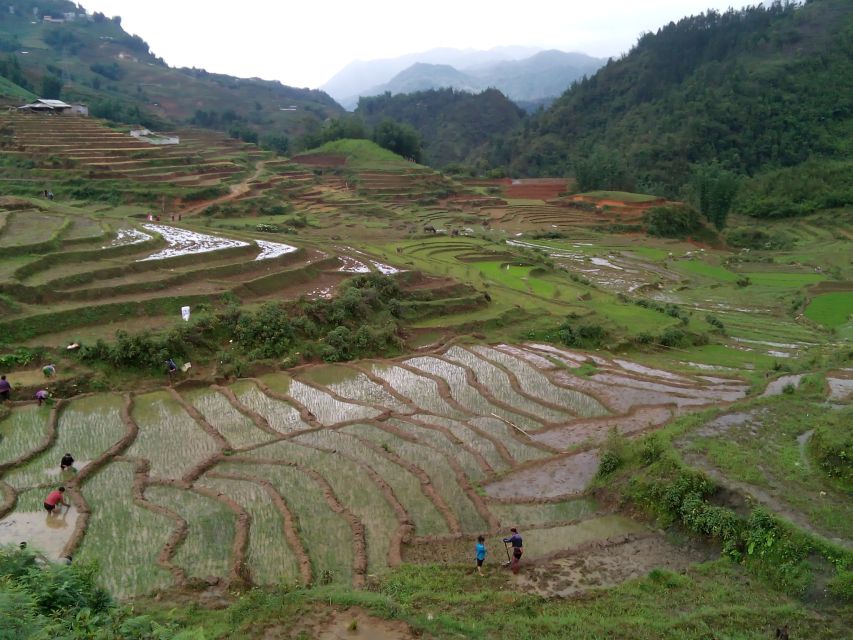
The word homestay can mean different things in Vietnam. Here, you should expect simple accommodation in a local home, often described as clean and suitable, but not luxurious.
You may find shared sleeping arrangements and basic facilities. The supplied information does not specify private rooms, bathrooms, or bedding details, so ask before booking if those points matter to you. The value is the setting and contact with the family, not hotel-style privacy.
The food is one of the reliable pleasures of the program. You receive three breakfasts, three lunches, and two dinners. Meals are included at the homestays and along the route, while beverages are extra. The menu is not specified, so tell the guide about dietary needs before the trek rather than waiting until dinner.
I like the two-night arrangement. One night can feel like a novelty. Two nights give you time to settle into the rhythm of village life and make the experience less rushed.
The guides can make or break the experience
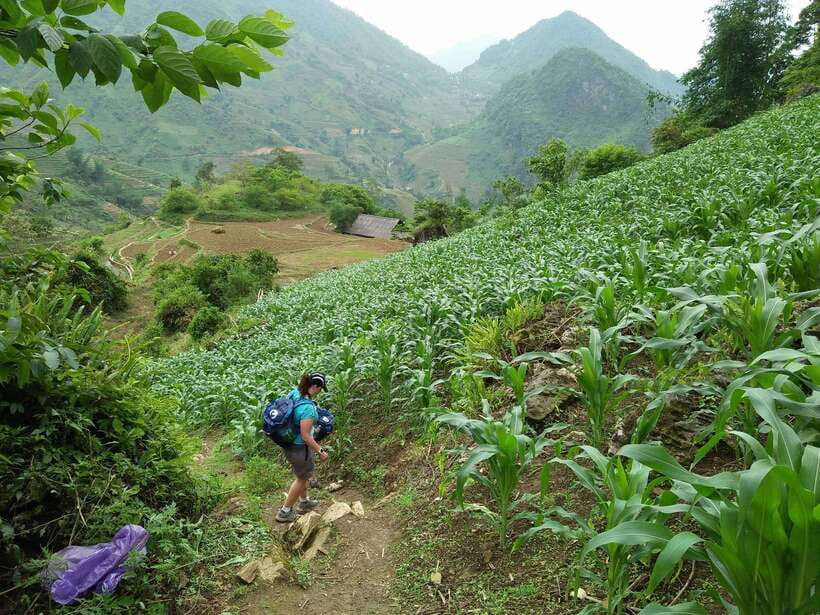
The guide is central to this trip. The route crosses several communities, and a good guide does more than point out terraces. The strongest guide experiences here involve local stories, cultural explanations, safety checks, and flexibility when someone is tired or unwell.
Su has been especially attentive, answering questions, explaining local culture, and adjusting the plan when needed. Sang has also been praised for caring support and knowledge of the village routes. You may not be assigned either guide, but those examples show what to look for: someone who can translate not just words, but social details.
This is a small group of no more than 14 participants. That is large enough to share the cost of transport while remaining manageable on narrow paths. It also means the pace is not entirely yours. Tell the guide early if you need a slower rhythm or a short break.
The route can be changed when weather or health makes that sensible. That flexibility is useful, but it does not turn the trek into an easy walk. You still need reasonable fitness and confidence on uneven ground.
Is $139 a fair price?
At $139 per person, the package includes a lot: the Hanoi to Sapa bus in both directions, an English-speaking guide, two homestay nights, seven included meals, and mineral water.
The price is good if you value convenience. Arranging the overnight bus, village transport, accommodation, meals, and a guide separately would take time and could cost more. The guide also gives the walking route context that you would miss by hiring a taxi to a viewpoint.
The tradeoff is comfort. You are paying for a practical trekking package, not a premium Sapa escape. The overnight bus may be unpleasant, the homestays are basic, and extra drinks, insurance, VAT, and personal spending are not covered. A $75 Lunar New Year surcharge applies from January 26 to February 2, 2025.
For the included transport and food, I consider the price reasonable. Just do not confuse low cost with low effort. The walking and the bus both ask something of you.
What to pack for three days on the trail
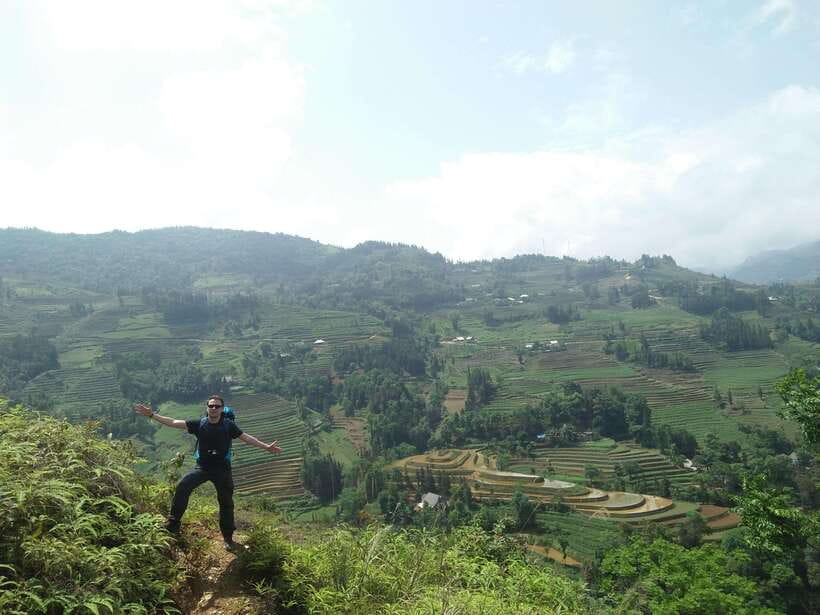
Good footwear matters more than stylish clothing. Bring trekking shoes with dependable grip, not thin sneakers. Trails can be wet, muddy, and uneven.
Pack:
- Comfortable trekking shoes
- Sunglasses and a sun hat
- Sunscreen
- Insect repellent
- Warm clothing from October through March
- A light waterproof layer
- Small personal toiletries for the overnight bus
- Extra drinking water and money for beverages
The clothing advice changes with the season. Sapa can be cold between October and March, and wet weather can make the first day feel much colder than expected. Keep one warm layer in your day bag rather than buried in luggage.
You should also treat the communities you visit with care. Ask before taking close-up photographs, follow the guide’s advice, and avoid treating homes or ceremonies as photo props. The cultural value of the trip depends on that basic respect.
Who should book this trek?
I would recommend it to an active visitor who wants village contact, mountain scenery, and a structured route without arranging every detail independently. It suits people who enjoy simple accommodation and do not mind sharing meals with a group.
It is less suitable if you want a soft bed, private facilities, reliable bus comfort, or a leisurely schedule. The trip is not suitable for children under six, pregnant women, wheelchair users, or people with limited mobility.
The weather is another factor. Clear days bring beautiful views, but mist and rain are part of Sapa. Book this for the walking, the villages, and the chance to meet local families, not only for perfect photographs.
Should you book the Hanoi to Sapa homestay trek?
Book it if you want a good-value, culture-focused trek with meals, transport, and a guide included. The two homestays give the trip more substance than a quick village visit, and the route covers three ethnic communities rather than staying around central Sapa.
Skip it if the overnight bus sounds unbearable or if you need predictable hotel comfort. For everyone else, bring proper shoes, warm layers, patience, and a sense of humor about early buses. Free cancellation is available up to 24 hours before departure, and you can reserve now and pay later, which helps if your Vietnam plans are still shifting.
FAQ
Where does the tour start in Hanoi?
Pickup starts at 30 Hang Muoi, Ly Thai To, Hoan Kiem, Hanoi. Hotel pickup is available only in Hanoi’s Old Quarter. If you stay elsewhere, you must go to the bus station.
What time does the trip leave Hanoi?
Pickup is around 20:45. The overnight bus reaches Sapa at about 4:00 AM the next day, and you can sleep on the bus until around 6:00 AM.
Which ethnic communities are included?
The route visits areas associated with the Hmong, Giay, and Red Dzao communities. Stops include Lao Chai, Ta Van, Giang Ta Chai, Ban Ho, and Nam Tong.
How many nights are spent in homestays?
You spend two nights in homestays, the first in Ta Van and the second in Ban Ho.
What is included in the $139 price?
The price includes round-trip bus travel between Hanoi and Sapa, an English-speaking guide, two nights in homestays, three breakfasts, three lunches, two dinners, and mineral water.
Is the trek suitable for people with limited mobility?
No. The tour is not suitable for people with limited mobility, wheelchair users, pregnant women, or children under six. Comfortable trekking shoes are required.
More walking country near Hanoi
- Halong Bay Full Day with Kayaking, Hiking viewpoint, Cave – Deluxe To Luxury
★ 5.0 · 884 reviews - 3-Day Trekking Adventure of Sapa from Hanoi – Stay Ta Van Village
★ 5.0 · 611 reviews - From Hanoi: 2-Day Sapa Trek Tour – Luxury Limousine Transfer
★ 4.1 · 249 reviews - Ninh Binh: Hoa Lu, Trang An and Mua Caves Hiking Day Trip
★ 4.5 · 163 reviews
Newly reviewed in Hanoi
- Private Full-Day Tour to Halong Bay from Hanoi★ 5.0 · 44 reviews
- Private Evening Walking Tour – Cyclo & Water Puppet Show in Hanoi Old Quarter★ 5.0 · 19 reviews
- Ba Vi National Park Private Tour: Sightseeings & Jungle Hikking★ 4.5 · 26 reviews
- Full-Day Hanoi City Tour with Hidden Local Life Experience★ 5.0 · 27 reviews
- Private transfers Hanoi <=> Puluong 1 Way (Free Hotel Pickup)★ 5.0 · 20 reviews
- Hanoi Airport Pick-up (Private Ride From Hanoi Airport to Hotels)★ 4.5 · 253 reviews
- Hanoi Epic tour 6D5N Hanoi – Halong Bay – Ninh Binh – Sapa★ 5.0 · 51 reviews
- Noi Bai Airport transfer to Hotel or Vice versa★ 5.0 · 144 reviews
Trekking & Homestays, compared.
Muong Hoa Valley Trek and Local Ethnic Villages
Read our review →
Fansipan Cable, Cat Cat Village & Moana Instagram Tour
Read our review →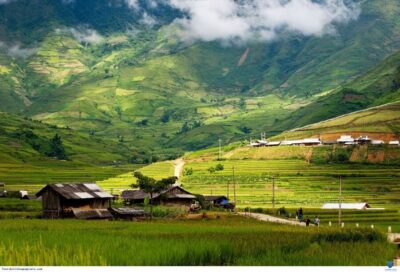

Sapa 3 Days 2 Nights Trekking Tour (1 Night In Ta Van Village, 1 Night In Hotel)
Read our review →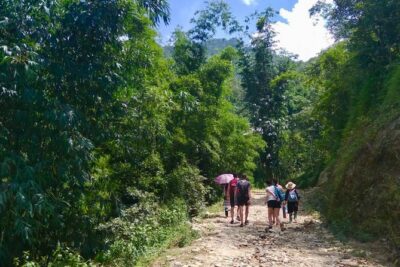
Number one top rated ethical cultural trekking and homestay by ETHOS
Read our review →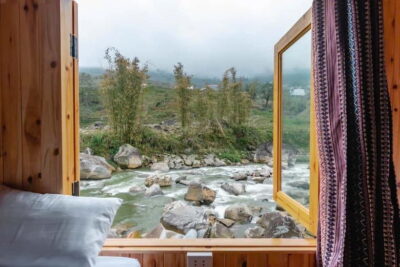
2-Day Sa Pa Ethnic Homestay Tour & Trek with Limousine Bus
Read our review →
Cat Cat Village, Moana, Fansipan Cable Car, Alpine Coaster – Sapa
Read our review →Browse the lists this tour appears in