
Reviewed · HOI AN ANCIENT TOWN TOURS
Hoi An Ancient Town Walking Tour with a Local
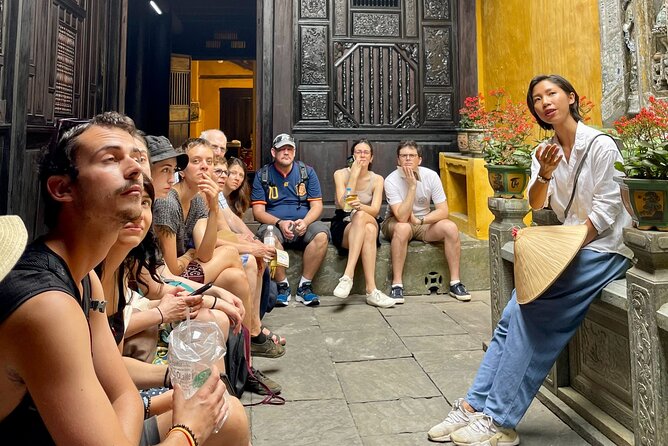
Hoi An reveals itself best on foot, one old doorway and painted facade at a time. This tour links the town’s Japanese, Cantonese, Vietnamese, and merchant traditions, then finishes among market stalls where you can look at local food and crafts. Guides such as Kun, Trang, Anh, and Minh are praised for clear stories, good English, warm personalities, and useful advice for the rest of your stay.
I like the small group limit of 10, which should make questions and street-level conversation easier. I also like the route’s mix of famous sights and less obvious details, including an old house kitchen, flood survival stories, and the cultural influences that shaped Hoi An. The main catch is that the 120,000 VND UNESCO entrance ticket is extra, and most stops involve standing or walking in the heat.
Key points to know before you book

- Six stops in about three hours: The route covers major landmarks, historic interiors, a performance venue, and the central market.
- A local guide makes the difference: Kun, Trang, Anh, Minh, June, Nguyen, Karla, and Sanh are among the guides associated with especially warm, informative tours.
- Small groups keep it personal: The maximum is 10 people, and a last-minute booking may sometimes operate as a private tour if only one person joins.
- Historic buildings are the heart of the walk: The Cantonese Assembly Hall and Quan Thang Ancient House offer more than exterior photographs.
- Market time adds practical local flavor: You can sample small tastes, look at everyday ingredients, and ask for restaurant or shopping tips.
- Budget price, with one important extra: The tour costs $9.89 per person, but the 120,000 VND Hoi An UNESCO entrance ticket is not included.
Why this Hoi An walk works well as a first introduction
Hoi An’s old town is compact, but its story is not simple. Vietnamese life, Japanese design, Cantonese trade, merchant wealth, religious practice, colonial-era change, floods, and modern preservation all meet within a short walk.
That is why I like this experience as an opening activity. You are not simply ticking off the Japanese Covered Bridge and taking pictures. A guide helps connect the buildings to the people who used them, the traders who passed through town, and the families who kept old homes in service across generations.
The tour lasts about three hours. That is long enough to build a useful picture of Hoi An without taking your entire day. You will walk between the sites, pause indoors, and spend time at the market. The pace is described as leisurely by one guide, while another was praised for keeping the group moving well. That balance matters in a town where heat, crowds, and uneven pavement can slow you down.
The group cap of 10 is another practical strength. A large crowd can make a narrow old house feel cramped and make questions difficult. With fewer people, you have a better chance of hearing the explanation and getting specific advice about food, shops, lantern rides, or other plans.
Other old-town walks in Hoi An:
- Hoi An: Vietnamese Foldable Lantern Making Class
★ 4.9 · 3,742 reviews - Hoi An Full Lantern Making Class- A special Foldable lantern
★ 5.0 · 2,007 reviews - Hoi An : Hoai River Boat Trip by Night and Floating Lantern
★ 4.6 · 1,988 reviews
Starting at the Japanese Culture Gallery
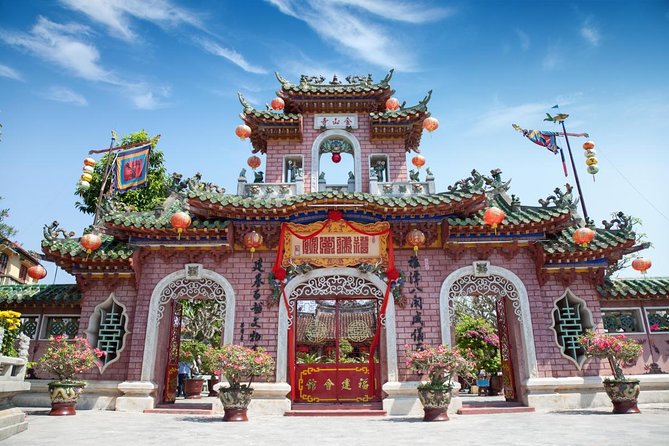
The tour begins at 125 Phan Chu Trinh, near the old town, with the Japanese Culture Gallery. The first 25 minutes set the scene with a quick timeline of Hoi An, including how the town began and why Japanese visitors and traders were here.
This is a smart first stop because the Japanese connection is easy to reduce to one famous bridge. The gallery gives you a wider frame. You can expect an introduction to Japanese artistic traditions and their place in Hoi An’s past, rather than a long museum session.
Admission to the stop is not included, so keep the separate UNESCO entrance charge in mind. The supplied details do not give an individual gallery price, and entry arrangements can depend on the local ticket system.
I would pay close attention here to the guide’s explanation of cultural exchange. It gives the later stops more meaning, especially when you begin comparing Japanese design with Cantonese decoration and Vietnamese merchant homes.
The Japanese Covered Bridge and its famous setting
The next stop is the Japanese Covered Bridge, one of Hoi An’s best-known landmarks. The scheduled visit lasts about 20 minutes, enough for a close look and an explanation of why the bridge became such a strong symbol of the town.
The bridge is often photographed without context. A guide can help you see it as part of Hoi An’s wider trading past and Japanese influence. You will also be in one of the most recognizable parts of the old town, so this is a good moment to orient yourself before the route moves into interior spaces.
The stop is short, which is sensible. You should not expect a long architectural lecture or a quiet private visit. The old town can be active, and the bridge is a popular place to pause. Still, the guide’s interpretation is what turns a quick photograph into a useful piece of local history.
Cantonese detail inside the Assembly Hall
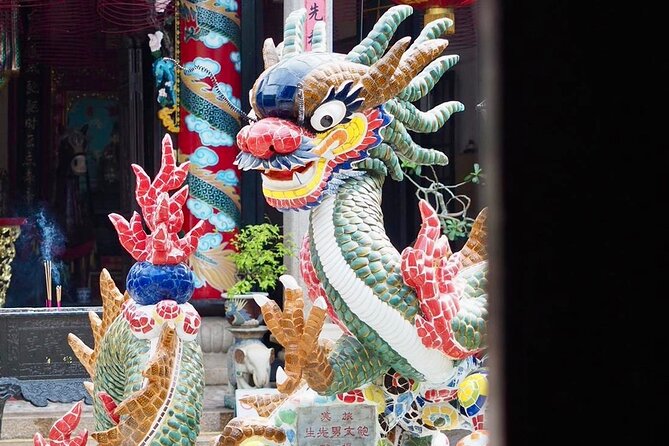
The Cantonese Assembly Hall receives about 25 minutes. Its decorated facade, strong colors, and detailed design show how Cantonese communities shaped Hoi An’s built environment.
This stop adds an important layer to the Japanese story. Hoi An was not shaped by one outside culture. Trade brought different communities into contact, and their meeting places remain visible in the old quarter.
I would expect the guide to point out architectural details that are easy to miss on your own. The supplied information highlights the building’s decoration and historical meaning, but it does not promise a particular ceremony or special event. Treat it as a focused heritage visit, not a performance.
As with the other heritage stops, the Hoi An UNESCO entrance ticket is extra. Wear shoes that are easy to remove if a building requires it, though the tour details do not state a specific dress code.
Other walks around Hoi An:
- Evening Walking Food Tour, folk game and lantern boat
★ 5.0 · 665 reviews - Hoi An Ancient Town – Walking Tour with Local Guide
★ 4.9 · 385 reviews - Hoi An Street Food Walking Tour with Tastings
★ 5.0 · 317 reviews - Private Street Food Evening Walking Tour in Ho Chi Minh City
★ 5.0 · 3,175 reviews
Quan Thang Ancient House and the human side of Hoi An
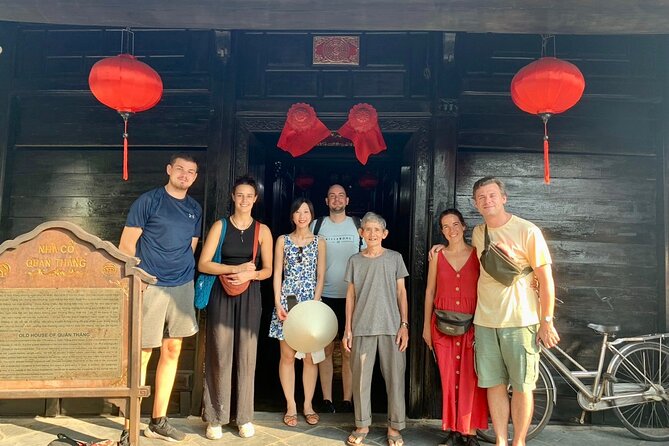
The 25-minute visit to Quan Thang Ancient House is one of the most useful parts of the route. This preserved home shows how a prosperous merchant family lived, and it brings the story down from public halls and bridges to domestic life.
An old house can look simple from the street. Inside, its layout, woodwork, working areas, and long family connection give you a better sense of how a home could also serve as a place of business and continuity.
One especially memorable detail from the guide commentary is a visit through the back door of one of Hoi An’s oldest houses, where the working kitchen could be seen. The house had survived many floods across eight generations. That kind of detail is valuable because it shows preservation as something lived, not just a matter of polished facades.
The tour also covers preservation stories connected with the Vietnam War. Those stories help explain why Hoi An’s old town looks as it does today and why conservation has mattered so much. The exact amount of time devoted to that subject depends on the guide and the group’s questions.
Traditional arts in a 35-minute cultural stop
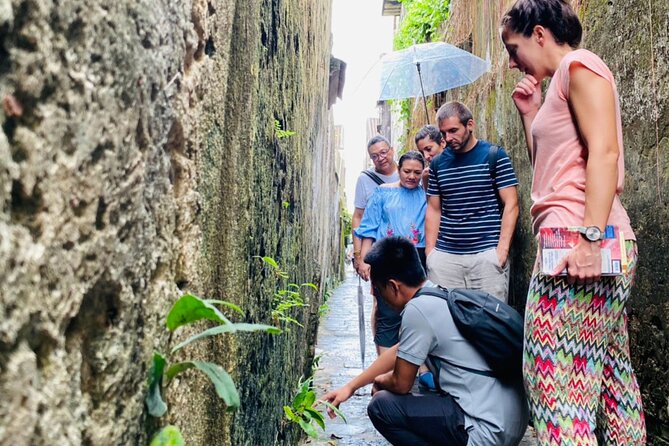
The Hoi An Traditional Art Performance Theatre is scheduled for about 35 minutes, making it the longest stop before the market. Here, local artists present traditional music, dance, and theatre with traditional instruments.
This adds sound and movement to a walk that otherwise centers on architecture and history. It is a good change of pace after several indoor heritage sites, especially if you want more than explanations and photographs.
The information does not specify the exact performance program, seating arrangement, or whether a show runs at every departure. You should therefore see this as a planned cultural stop, while understanding that the details may vary.
The longer time allocation suggests a real pause rather than a quick glance at the venue. If you prefer a tour built only around food and street life, this may feel less essential. If you want to understand local artistic traditions, it gives the afternoon more range.
Tasting and browsing at Hoi An Market
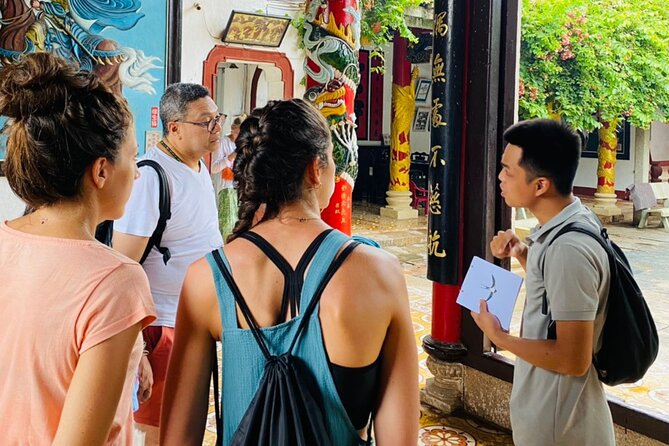
The route ends at Hoi An Central Market, at 19 Tran Phu. The final 35 minutes take you from stall to stall, with local delicacies, handicrafts, souvenirs, and everyday market goods on display.
This is where the tour becomes especially practical. You can ask what to taste, how local ingredients are used, and which foods are associated with Hoi An. The guide also explains a local idea about the longevity of Hoi An residents, though the available information does not identify one single food or habit as the answer.
Small tastings may be offered, and the tour includes a special herbal tea. Coffee or tea is listed as included, but the details do not promise a full meal. You should plan another meal if you expect substantial food.
The market is also a good place to ask questions you may not think of at a monument. Guides have offered restaurant and shop suggestions, along with tips for arranging a lantern boat ride. One guide even gave a list of recommendations at the end, which is useful if Hoi An is the first stop on your visit.
The walk finishes here rather than returning to the starting point. That is convenient if you want to continue exploring the market or old town, but less convenient if you need to collect belongings near Phan Chu Trinh.
The guides are a major part of the value
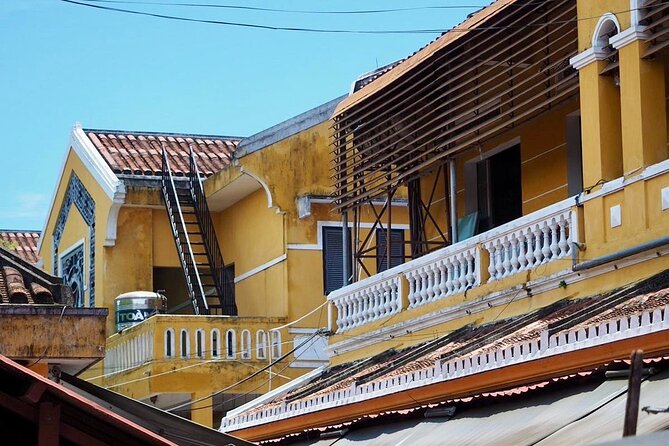
At $9.89, the buildings alone would make this a low-cost way to see Hoi An. The real value is the guide who links them together.
Kun is described as warm, encouraging, skilled, and fun, with a good pace. Trang is praised for clear English and for giving practical suggestions after the walk. Anh is associated with detailed explanations of architecture, Vietnamese culture, and daily life across the years.
Other guides named in the available material include Nguyen, Karla, Minh, June, Sanh, and Anh. Karla is described as especially friendly and generous with advice. Minh is associated with strong explanations of local history and daily life. June led a relaxed walk focused on architecture, history, and culture. Sanh provided a pleasant private experience when a last-minute booking had only one participant.
You cannot choose a particular guide from the information provided, so do not book solely to meet one named person. Still, the repeated praise for warmth, clear communication, energy, and useful local advice suggests that the guiding is central to the experience rather than an afterthought.
Price, group size, and what you really pay
The advertised cost is $9.89 per person. That is excellent value for a three-hour walking route covering six stops, especially if you are new to Hoi An and want a clear introduction before exploring alone.
The important extra is the 120,000 VND Hoi An UNESCO entrance ticket per person. Entry tickets for the listed stops are not included, so your final cost will be higher than the headline price. Ask at booking or at the meeting point how the ticket is handled, since the supplied information does not explain whether you buy it directly or receive assistance with it.
Group discounts are available, and the maximum group size is 10. The route is also mobile-ticket friendly, and confirmation is sent at booking. It begins at 125 Phan Chu Trinh and ends at Hoi An Market, so plan around a one-way walk rather than a return transfer.
Most people can participate, and service animals are allowed. The experience requires good weather, and a minimum number of people may be needed. If weather or numbers force cancellation, you are offered another date or a full refund. You can cancel for a full refund up to 24 hours before the start time, but changes or cancellations inside that window are not refunded.
Who will enjoy this tour most
I would choose this walk if you are visiting Hoi An for the first time, want cultural context, and prefer a guide who can answer questions as you go. It also suits solo visitors, couples, and small groups who want more structure than wandering alone provides.
It is a good fit for anyone interested in architecture, trade, family homes, Japanese and Cantonese influence, traditional performance, and local food. The final market stop makes it useful for people who want help deciding what to eat or buy later.
You may want another plan if you dislike walking, need a fully private pace, or want a food tour with several substantial dishes. The tour is also not ideal for anyone hoping to spend a long time at one monument. Six stops in three hours means each place receives a focused visit.
Bring water, sun protection, and comfortable shoes. The walk is not described as difficult, but Hoi An’s heat and the amount of time on your feet are worth considering. A small bag is easier in narrow streets and crowded market areas.
Should you book the Hoi An Ancient Town Walking Tour?
Yes, if you want an inexpensive, well-structured first look at Hoi An with a local guide. The route is varied, the group is capped at 10, the guides are consistently praised for friendliness and useful explanations, and the market finish gives you practical help for the rest of your stay.
Book it early in your visit if possible. That lets you use the restaurant, shopping, and lantern-ride suggestions later. Just budget for the 120,000 VND UNESCO ticket, expect a fair amount of walking, and remember that the exact guide and performance details may vary.
FAQ
How long does the Hoi An Ancient Town Walking Tour last?
The tour lasts approximately three hours.
Where does the tour start?
It starts at 125 Đ. Phan Chu Trinh, Phường Minh An, Hội An, Quảng Nam 510000, Vietnam.
Where does the tour end?
The walk ends at Hoi An Market, 19 Trần Phú, Cẩm Châu, Hội An, Vietnam.
Is the Hoi An UNESCO entrance ticket included?
No. The Hoi An UNESCO entrance ticket costs 120,000 VND per person and is not included.
What is included in the tour?
A special herbal tea, listed under coffee and tea, is included.
How many people can join the tour?
The maximum group size is 10 people. A minimum number of participants is required for the experience to operate.
Newly reviewed in Hoi An
- Hoi An To Phong Nha By Private Car★ 5.0 · 62 reviews
- Hoi An – Danang – Hue: Private Car via Hai Van Pass and More★ 5.0 · 89 reviews
- Hoi An to Hue Tour by Private Car service★ 5.0 · 165 reviews
- Top Gear Hai Van Pass between Hoi An or Da Nang to Hue★ 5.0 · 201 reviews
- Hoi An Vespa Food Tour: Authentic & Exotic Food Culture★ 5.0 · 151 reviews
- Hoi An To Hue Private Car With English Speaking Driver★ 5.0 · 179 reviews
- From Hoi An: My Son Sanctuary & Marble Mountains Guided Tour★ 4.7 · 290 reviews
- Hoi An: Morning Countryside Tour by Bike★ 4.8 · 303 reviews
Hoi An Ancient Town Tours, compared.

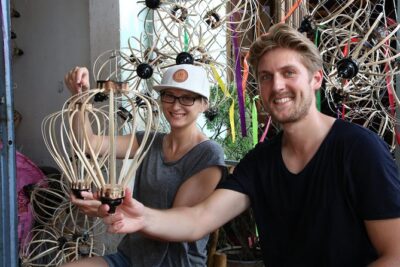
Hoi An Full Lantern Making Class- A special Foldable lantern
Read our review →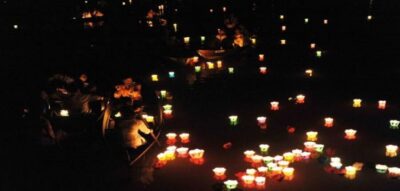
Hoai River Boat Trip by Night and Floating Lantern
Read our review →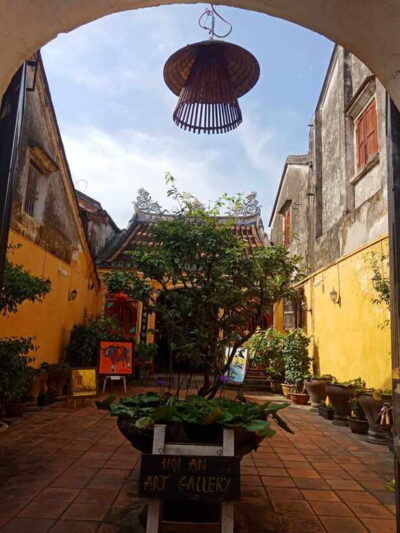
River Lantern Boat Experience with Free 5G eSIM
Read our review →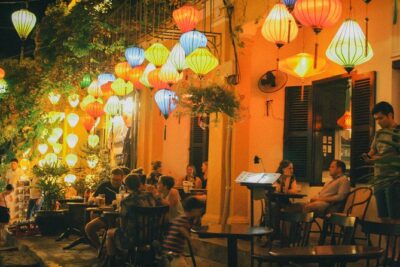
Marble Mountains – Hoi An Ancient Town Sunset Daily Ingroup Tour
Read our review →
Evening Walking Food Tour, folk game and lantern boat
Read our review →
The Lantern Lady: Traditional Lantern Class in Old Town
Read our review →
Browse the lists this tour appears in