
Reviewed · TOURS IN HOI AN
Hoi An: Hands-on Vietnamese Coffee Making Class with Long
Vietnamese coffee is not just strong coffee with condensed milk. At this one-hour class in a local roastery, you can learn how Vietnam’s coffee culture works while making two drinks of your own. Long explains the path from coffee crop to cup, then helps you prepare choices such as phin-filter, egg, salt, and coconut coffee.
I like the small-batch roasting focus and the practical recipes you can take home. I also like the easygoing setup: you make the drinks, sit back with music, and enjoy them instead of being rushed out the door. The main consideration is that the class is short, and the shop has had occasional booking confusion for reservations made online, so confirm your exact start time and choices when you arrive.
Key points at a glance

- Make two Vietnamese coffee recipes: Choose from phin-filter, egg, salt, and coconut coffee, depending on the class arrangement.
- Meet at Tri Long Coffee: The roastery is at 88 Phan Chau Trinh Street in central Hoi An.
- Learn from Long: The English-speaking coffee specialist explains Vietnamese café culture, roasting, and preparation.
- Take the recipes home: Recipe cards help you recreate the drinks after your trip.
- A good value at $15: Ingredients, equipment, tasting, and instruction are included in the one-hour session.
- Plan for a simple café class: There is no hotel pickup, meal, or extra drink service included, and the venue is not suitable for wheelchair users or people with mobility impairments.
Why Vietnamese coffee deserves a class of its own
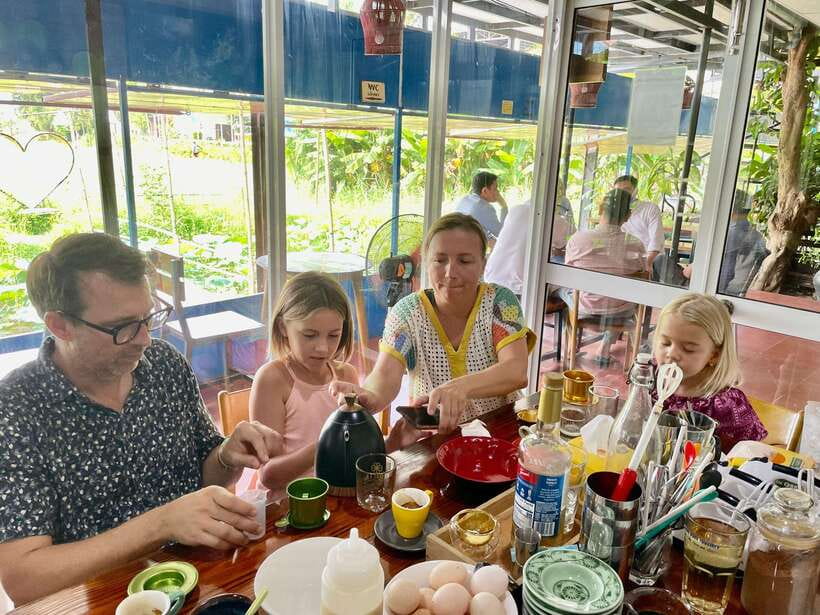
Vietnamese coffee has its own rhythm and character. The familiar phin filter is slow and deliberate, while newer café drinks such as salt coffee, coconut coffee, and egg coffee show how local shops have adapted coffee to different tastes.
That makes this more useful than simply ordering a cà phê sữa đá from a café menu. You get to see how the drink is put together, learn why certain ingredients are used, and taste the result while the process is still fresh in your mind.
The class also gives you a small window into Vietnamese café life. The instructor talks about popular cafés and their links to Vietnamese history and culture. You will not get a full history course in an hour, but you will leave with a better sense of why coffee is such a familiar part of daily life in Vietnam.
The coffee beans come from Vietnamese growing regions and are roasted in small batches. That matters because the focus is not only on the finished sweet drink. You also get an introduction to the beans, their aroma, and the work involved in moving coffee from crop to cup.
A few more ways to spend a day in Hoi An
- Hoi An: Vietnamese Coffee Culture and Coffee Making Class
★ 4.9 · 4,006 reviews - Early Morning My Son Sanctuary Trip w. Champa Food & Coffee
★ 5.0 · 629 reviews - Vietnamese Culture and Coffee Making Class
★ 5.0 · 497 reviews
Meeting Long at Tri Long Coffee
The class begins at Tri Long Coffee, at 88 Phan Chau Trinh Street in Hoi An. You make your own way there, since hotel pickup and drop-off are not included.
The location works well for anyone already exploring central Hoi An. Give yourself enough time to find the shop and arrive ready to start, since the full activity lasts only about an hour. If you are booking online, it is sensible to confirm the reservation and start time with the staff at the shop. One participant reported some confusion about the booking details, although the class itself was described as enjoyable.
Long leads the class in English. The tone is practical rather than formal. You get explanations, demonstrations, and help as you work, which is useful if you have never used a phin filter or prepared an egg coffee before.
The space is described as small and cozy, with music playing while you make and drink the coffee. That setting suits the activity. It feels more like spending time in a local café than attending a large cooking demonstration.
From Vietnamese coffee crop to roasted bean
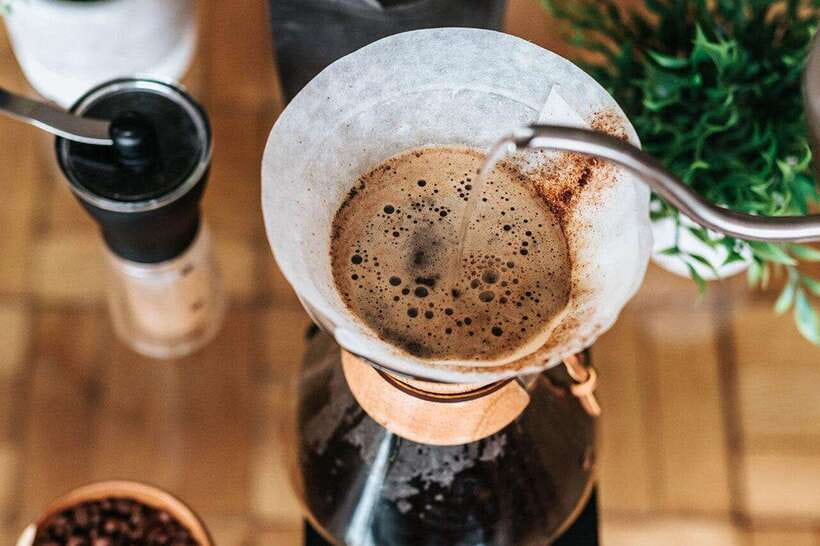
Before you start mixing ingredients, you hear about the coffee itself. The class covers the movement from crop to cup and introduces the beans used by the roastery.
You can expect an explanation of the coffee-growing regions in Vietnam and the role of roasting in the final flavor. The details are especially useful if your idea of Vietnamese coffee begins and ends with condensed milk. The roasting stage helps explain why these drinks can taste bold enough to work with sweet, creamy, salty, or coconut-based ingredients.
The roastery describes its approach as quality-focused and sustainable. The experience does not promise a detailed farm visit or a technical roasting workshop, so keep your expectations in the right place. This is an introductory coffee session, not professional barista training.
Still, the bean discussion adds value. You are not simply handed a finished drink. You get some context before preparing it, and that makes the tasting more interesting. Pay attention to the aroma and body of the coffee before the other ingredients are added.
Choosing your two coffee styles
The exact selection is one of the best parts of the class. The choices include Vietnamese phin-filter coffee, egg coffee, salt coffee, and coconut coffee.
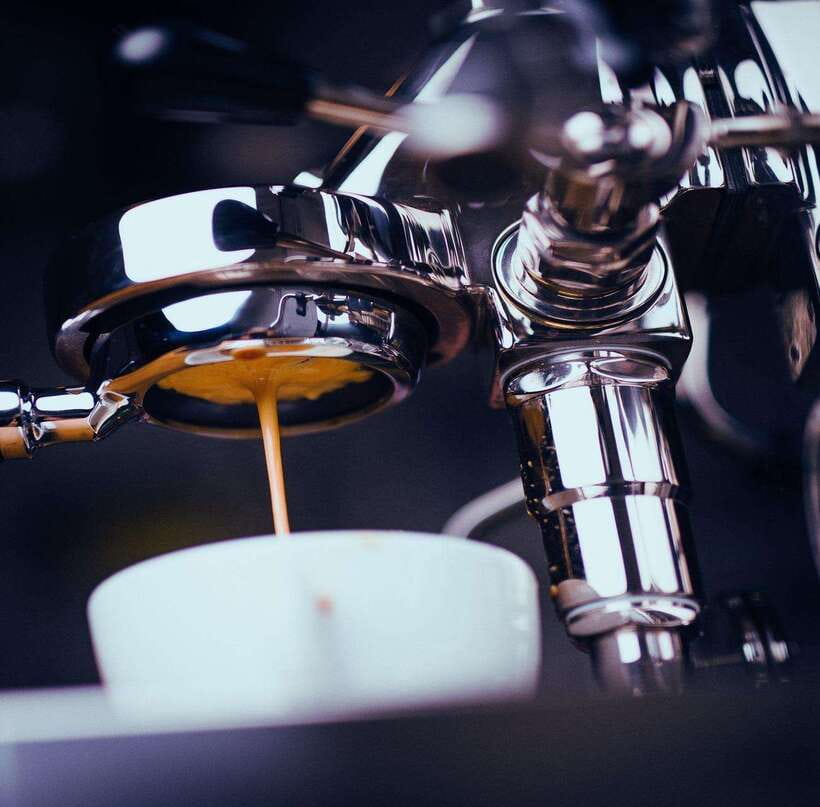
The phin-filter option is the most direct introduction to classic Vietnamese coffee. A small metal filter sits over the cup, and the coffee drips through slowly. It is a calm process, but you need to pay attention to the amount of coffee and water, as small changes affect the strength and speed of the drip.
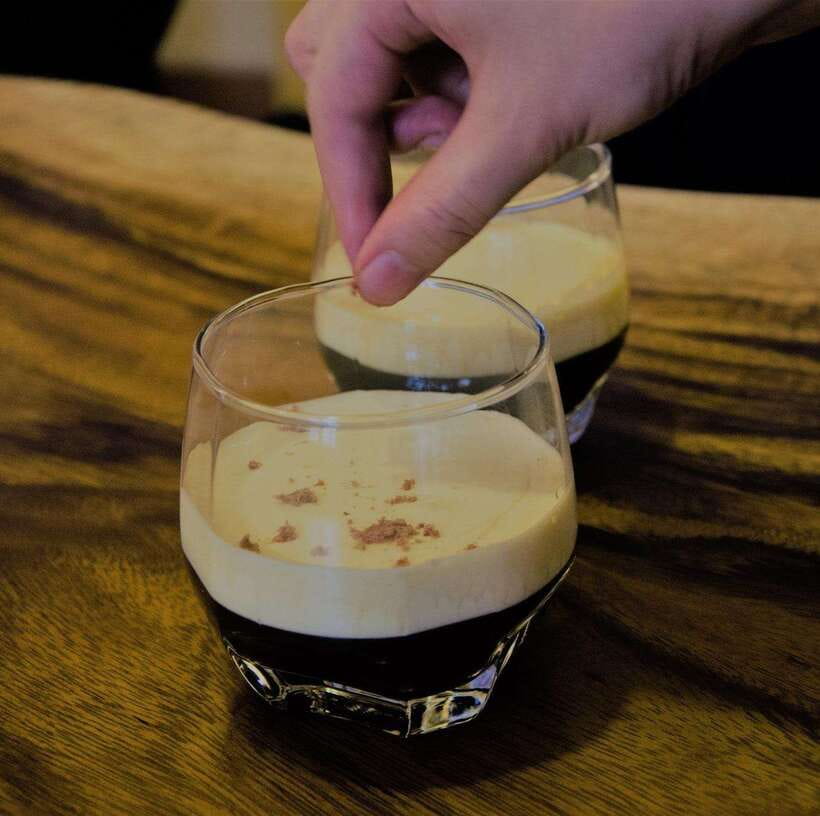
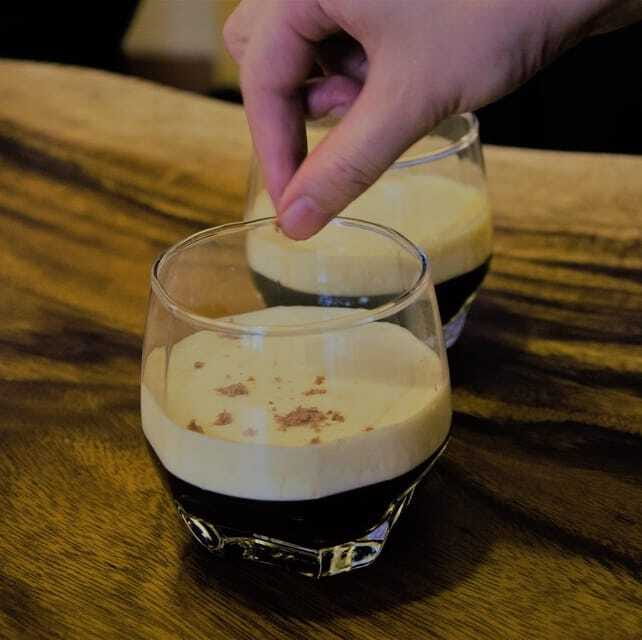
Egg coffee is the most distinctive choice for many visitors. It combines coffee with a sweet, creamy egg topping. The attraction is the contrast between the strong coffee underneath and the soft topping above. You will need to follow the instructor carefully, since texture is an important part of getting the drink right.
Salt coffee is a good pick if you want something less predictable. A small amount of salt can balance bitterness and sweetness, giving the coffee a fuller taste. It is also one of the easier recipes to remember and repeat at home. One participant specifically learned salt coffee and planned to use the recipe later.
Coconut coffee brings a cooler, sweeter style to the class. It is a natural choice if you like coconut desserts or blended café drinks. It also gives you a useful comparison with the darker, more traditional phin style.
The class commonly involves making two recipes. When you book, check which combinations are available and confirm your choices at the shop. That prevents disappointment if one drink requires ingredients or equipment that are not being prepared in your particular session.
More things you make yourself in Hoi An:
- Hoi An: Vietnamese Foldable Lantern Making Class
★ 4.9 · 3,742 reviews - Cooking Class Hoi An:Local Market, Basket Boat, Fishing & Cooking
★ 5.0 · 3,660 reviews - Hoi An Cooking Class(Market,BasketBoat Crabfishing&Cooking Class)
★ 5.0 · 3,386 reviews - From Hoi An: Market Tour, Basket Boat Ride and Cooking Class
★ 4.8 · 2,208 reviews
The hands-on preparation

This is not a demonstration where you sit and watch Long do everything. The ingredients and equipment are provided, and you prepare the coffee yourself with guidance from the instructor.
You might wear a hat and apron during the preparation, adding a lighthearted touch to the session. The important part is that you get to handle the process. You measure, mix, filter, or assemble the drinks, then taste the results.
Long’s role is especially useful for beginners. The instructor explains each step and helps if your coffee is too strong, too thin, or not quite the right texture. You do not need previous coffee-making experience.
Because the class lasts one hour, the pace is fairly focused. There is enough time to make two drinks and listen to the explanations, but not enough time for a long technical discussion about extraction, roasting temperatures, or coffee chemistry.
That is a fair trade for the price and length. You are paying for a friendly introduction and two finished drinks, not a full-day coffee course.
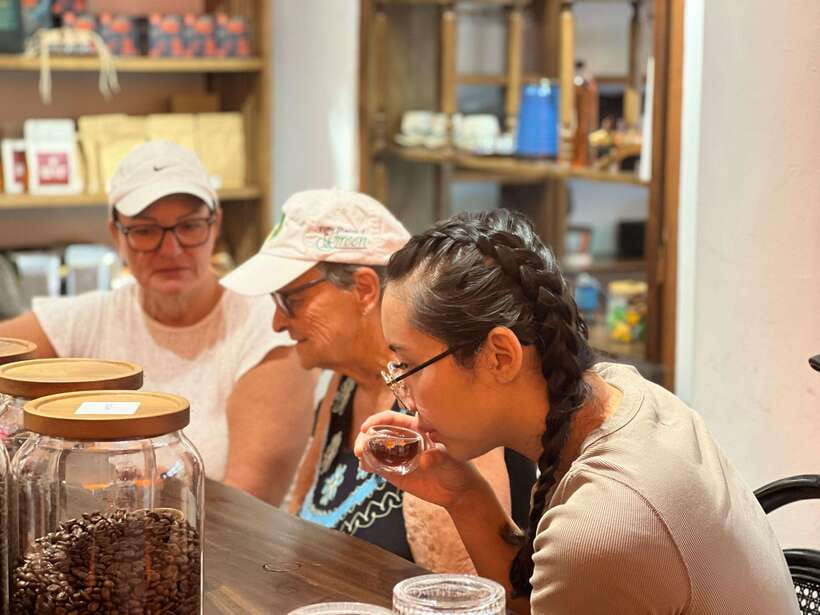
Tasting the coffee you made

The tasting comes at the end, when you can sit with the drinks you prepared. This is where the class pays off. You can compare the different styles and decide which one suits your taste.
I like that the final drink is your own work, even if Long has guided you along the way. A café can serve you a beautiful egg or coconut coffee, but making it yourself helps you remember the ingredients and method.
The class also leaves time to relax with the coffee and music. That closing pause is useful in Hoi An, where a short indoor break can be welcome during a busy day of sightseeing. You are not simply drinking while standing at a counter and moving on.
The coffee itself may be sweet, creamy, salty, or strong, depending on your selections. If you usually take coffee without sugar or dairy, the egg, coconut, and salt versions may taste quite different from your normal order. That is part of the point. You are trying local café styles rather than repeating your usual drink.
Recipes you can use after Hoi An
The recipe cards are one of the most practical extras. Several class participants appreciated being able to take home the recipes for the drinks they made, and some also received instructions for all the available styles.
That turns the activity into more than a one-hour tasting. If you can find the ingredients and equipment at home, you have a chance to recreate the experience. The phin-filter method is particularly useful because the filter is small, simple, and closely linked to Vietnamese coffee culture.
Recipe cards also help with details that are easy to forget, such as proportions and preparation order. Take a photo of the cards before leaving, just in case your luggage becomes a jumble of coffee packets, clothes, and souvenirs.
The class will not teach you every possible variation of Vietnamese coffee. It does give you a workable starting point and a better idea of what to order in cafés during the rest of your Vietnam trip.
What the $15 price includes
At $15 per person, this is a strong-value activity for a short Hoi An experience. Your fee covers the coffee ingredients, equipment, access to the roastery, instruction from a coffee specialist, and tasting of the drinks you prepare.
You are also getting something that is difficult to measure in a menu price: the chance to ask questions while making the coffee. That personal help is more useful than a recipe alone.
The price does not include transportation, meals, other drinks, personal expenses, or anything not specifically listed. Since the class is only one hour, it works best as an add-on between other Hoi An plans rather than as the main activity of your day.
The size of the class can affect the feel of the experience. Some sessions may be very small, even one-on-one or with only two people. That can mean more direct help and a relaxed pace. A larger group could feel less personal, although the format remains simple enough to follow.
Who should book this class
This is a good choice for coffee drinkers who want to understand Vietnamese café culture instead of simply ordering a drink and moving on. It also suits couples, friends, and solo visitors looking for a short indoor activity in Hoi An.
You do not need to be a coffee expert. In fact, beginners are likely to get the most from the clear explanations and hands-on steps. The class also works well for anyone who enjoys taking food and drink ideas home from a trip.
Families with older children might enjoy the preparation, though the supplied information does not specify a minimum age. Ask the provider if age suitability matters for your group.
The experience is less suitable if you want a long workshop, a farm visit, or a broad meal. It is also not suitable for wheelchair users or people with mobility impairments. Since no hotel transfer is provided, you need to arrange your own route to the café.
A few practical tips before you go
Arrive at 88 Phan Chau Trinh Street with your booking information ready. If you made the reservation online, confirm the booking details and the coffee choices directly with the staff.
Wear something comfortable and suitable for a short preparation session. The supplied information mentions hats and aprons, but you are still working with coffee and other ingredients, so avoid bringing anything you would worry about staining.
Think about which two drinks you want to try before class. Phin coffee gives you the clearest look at a traditional preparation, while egg, salt, and coconut coffee offer more unusual flavors. If you are unsure, ask Long to explain the difference between the styles.
Leave a little breathing room in your schedule afterward. The class is timed for one hour, but the experience is designed to end with you sitting down and enjoying what you made. Rushing straight to another appointment would undercut one of the nicest parts.
Free cancellation is available up to 24 hours before the activity for a full refund, and you can reserve now and pay later. Check the available start times when booking, since the class runs at set times rather than whenever you happen to walk in.
Should you book it?
Book this class if you want a short, affordable, hands-on taste of Vietnamese coffee culture. The strongest reasons are the small-batch roastery setting, Long’s friendly instruction, the chance to make two different coffee styles, and the recipe cards for home use.
Skip it if you are looking for a full coffee farm tour, a professional barista course, or an activity with hotel transportation. It is a compact café workshop, not a major half-day excursion.
For $15, the value is clear. You get instruction, ingredients, equipment, two drinks, cultural context, and a useful souvenir that costs nothing extra: the ability to make the coffee again. If salt coffee, egg coffee, coconut coffee, or the slow drip of a phin filter catches your interest, this is an easy activity to fit into a Hoi An day.
FAQ
Where does the coffee class take place?
The class meets at Tri Long Coffee shop, located at 88 Phan Chau Trinh Street in Hoi An.
How long does the experience last?
The coffee-making class lasts one hour.
How much does the class cost?
The listed price is $15 per person.
Which Vietnamese coffees can I make?
You can choose from Vietnamese phin-filter coffee, egg coffee, salt coffee, and coconut coffee. The class commonly includes two coffee recipes.
Is the class taught in English?
Yes. The activity includes an English-speaking live guide and coffee specialist.
Is transportation included?
No. Hotel pickup and drop-off are not included. You need to make your own way to Tri Long Coffee.
Newly reviewed in Hoi An
- Romantic Sunset Dinner Cruise in Hoi An★ 4.7 · 108 reviews
- Snorkeling Cham Island: Snorkeling Tour by Speed Boat★ 3.6 · 26 reviews
- Hoi An: Rural Cycling Tour to Village with Basket Boat Ride★ 5.0 · 174 reviews
- Private Car Hoi An to Hue Via Hai Van Pass, Lagoon & More★ 5.0 · 22 reviews
- From Hoi An: Day Tour of My Son Temples and Marble Mountain★ 4.8 · 44 reviews
- Market Tour – Cooking Class – Coconut Boat Riding★ 4.4 · 43 reviews
- Lantern Making Class With Lynn★ 4.8 · 44 reviews
- Mad Monkey Hoi An Pub Craw★ 4.2 · 25 reviews
Tours in Hoi An, compared.

Vietnamese Coffee Culture and Coffee Making Class
Read our review →
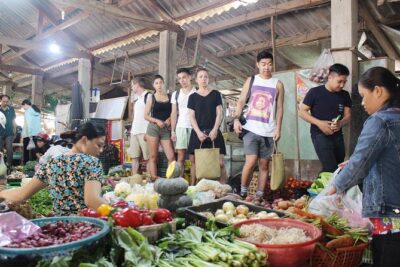
Cooking Class Hoi An:Local Market, Basket Boat, Fishing & Cooking
Read our review →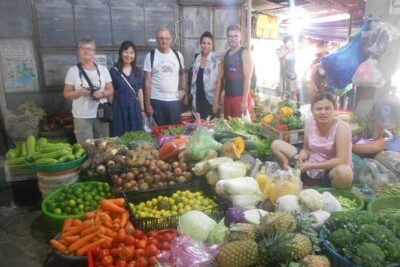
Hoi An Cooking Class(Market,BasketBoat Crabfishing&Cooking Class)
Read our review →
My Son Sanctuary Early Morning w. Champa Food Brunch
Read our review →
Ba Na Hills – Golden Bridge Deluxe Small group
Read our review →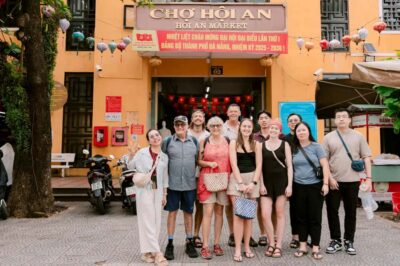
Market Tour, Basket Boat Ride and Cooking Class
Read our review →Browse the lists this tour appears in