
Reviewed · TOURS IN HOI AN
Hoi An: Vietnamese Coffee Making Course
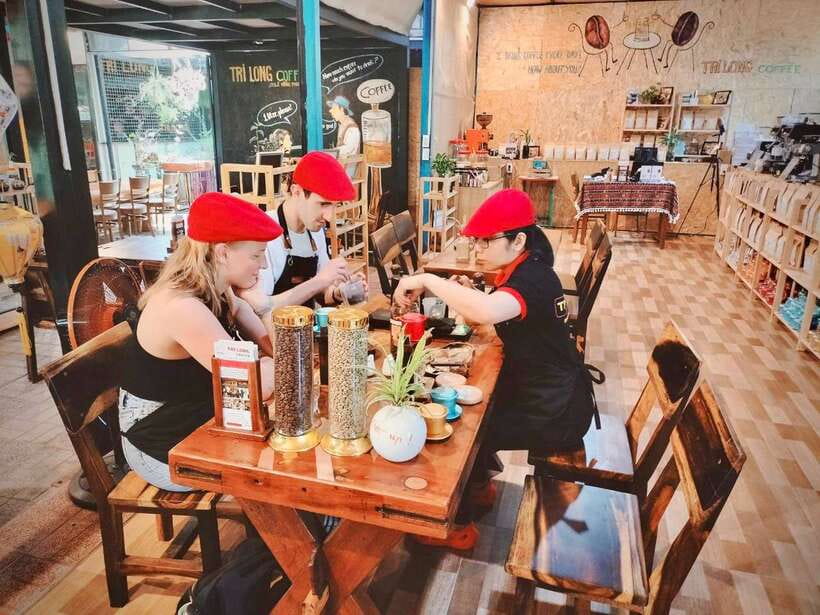
Vietnamese coffee is more than a strong drink poured over ice. In this 90-minute Hoi An class, you learn how roasting, slow dripping, condensed milk, egg, coconut, and even salt shape the final cup. The hands-on format means you do not just watch a barista work. You make the coffee yourself.
I like the choice of distinctive local recipes, especially coconut, egg, and salt coffee. I also like the practical format: an English-speaking instructor, ingredients, tools, water, and coffee are included for $22 per person. The main consideration is that this is a city-center class rather than a visit to a coffee farm, so anyone seeking a full bean-to-farm experience will find the focus fairly narrow.
Key points at a glance
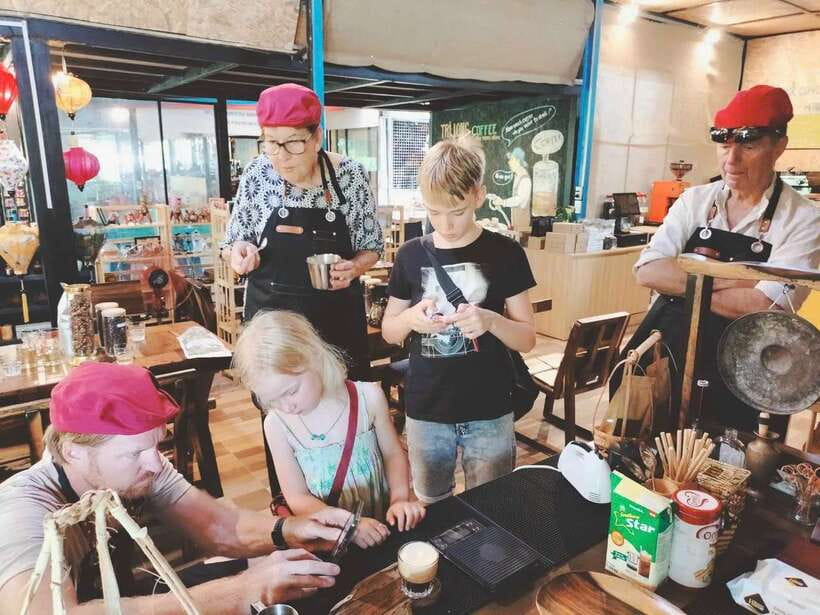
- Make your own Vietnamese coffee: Choose from Phin filter coffee, egg coffee, coconut coffee, or salt coffee.
- See how beans are roasted: Learn how raw beans become fragrant and how roast levels affect flavor.
- Use the traditional Phin: The slow-dripping metal filter explains the bold style found across Vietnam.
- Choose two, three, or four sessions: The available format lets you shape the class around the flavors that interest you most.
- Recipes may go home with you: The class can give you a useful way to repeat the drinks after your trip.
- Meet at Tri Long Coffee: The central Hoi An location is easy to build into a morning or afternoon in town.
Why Vietnamese coffee makes a good Hoi An activity
Coffee is part of daily life in Vietnam, and this class gives you a practical way to understand it. The country is known for forceful coffee, often prepared with a small metal Phin filter and balanced with sweetened condensed milk. That familiar base then takes several local turns.
Egg coffee is creamy and sweet, with egg yolks, condensed milk, sugar, and coffee combined into a soft topping. Coconut coffee brings a nutty, tropical note. Salt coffee sounds odd until you understand the purpose: a small amount of salt can soften bitterness and bring out other flavors.
I like this kind of activity because it gives you something to do with what you are tasting. Instead of simply ordering a coconut coffee in a cafe, you see how the drink comes together. You also learn why the ingredients are there, which makes the cup more memorable.
The course is held at Tri Long Coffee in downtown Hoi An. That matters if you want to fit it between walking the Old Town, shopping, or an evening meal. There is no hotel pickup or drop-off, so you arrange your own way to the meeting point.
A few more ways to spend a day in Hoi An
- Hoi An: Vietnamese Coffee Culture and Coffee Making Class
★ 4.9 · 4,006 reviews - Early Morning My Son Sanctuary Trip w. Champa Food & Coffee
★ 5.0 · 629 reviews - Vietnamese Culture and Coffee Making Class
★ 5.0 · 497 reviews
Starting with roasted beans and roast levels
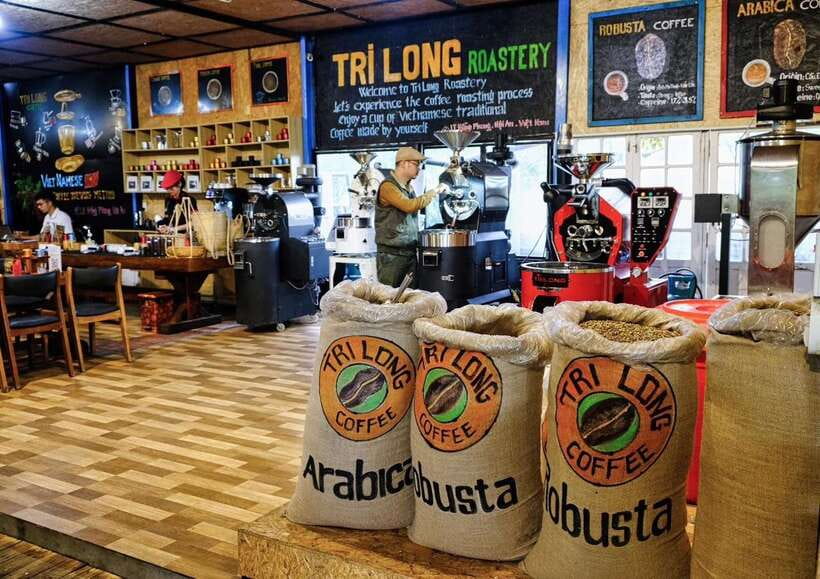
The first part looks at coffee before it becomes a drink. You see the change from raw beans to roasted beans and learn how the roasting process affects aroma, color, and taste.
This is useful even if you normally take coffee with milk or sugar. A darker roast can produce a stronger, more forceful flavor, while other roast levels can leave more room for aromatic notes. The course connects those changes to what you later taste in the cup.
The demonstration is not presented as a full coffee-farm tour. You are not heading into the countryside to see cultivation or harvest work. Instead, the focus is the roasting stage and how it affects the drink in front of you. For a 90-minute city class, that is a sensible use of time.
I would pay attention here rather than treating the opening as a quick introduction. If you plan to buy beans in Hoi An, this section gives you a better basis for asking about roast style and flavor. One attendee also appreciated the chance to buy beans after learning how the coffee was prepared.
The Phin filter and the slow Vietnamese cup
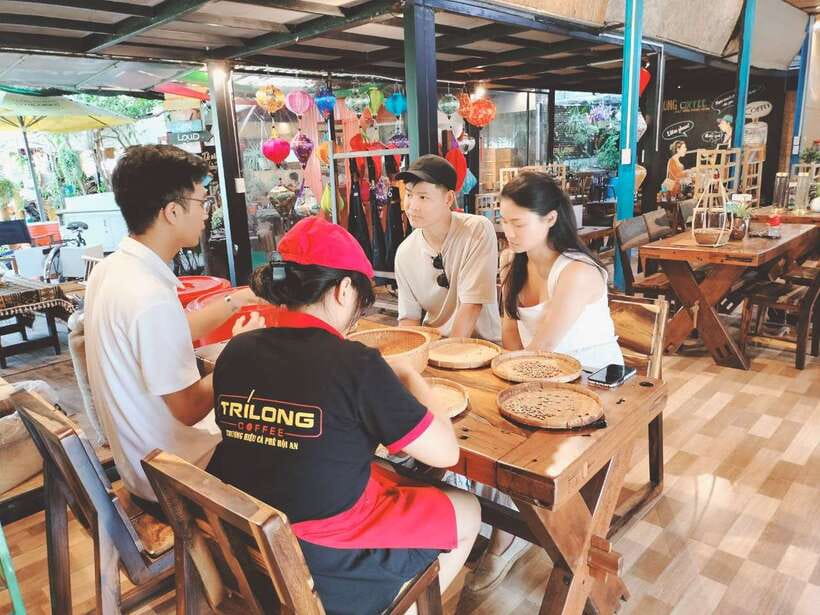
The Phin filter is a small metal brewer that sits directly over your cup. Hot water passes slowly through the coffee grounds, creating a concentrated brew with a bold taste.
You take part in a demonstration of this method and learn how the slow drip works. The pace is part of the experience. This is not a rushed espresso shot or a large pot prepared for a group. The Phin produces a measured cup, and the waiting time becomes part of the ritual.
The resulting flavor is often balanced with condensed milk, though the course also uses the brewed coffee as the base for other recipes. I like this part because it connects the modern coffee drinks to a traditional preparation method. Once you understand the Phin, ordering Vietnamese coffee elsewhere becomes less mysterious.
The possible drawback is simple: anyone expecting a long technical barista course should keep the 90-minute length in mind. You learn the method and use the equipment, but this is an approachable introduction rather than professional cafe training.
Making egg coffee, the most unusual option
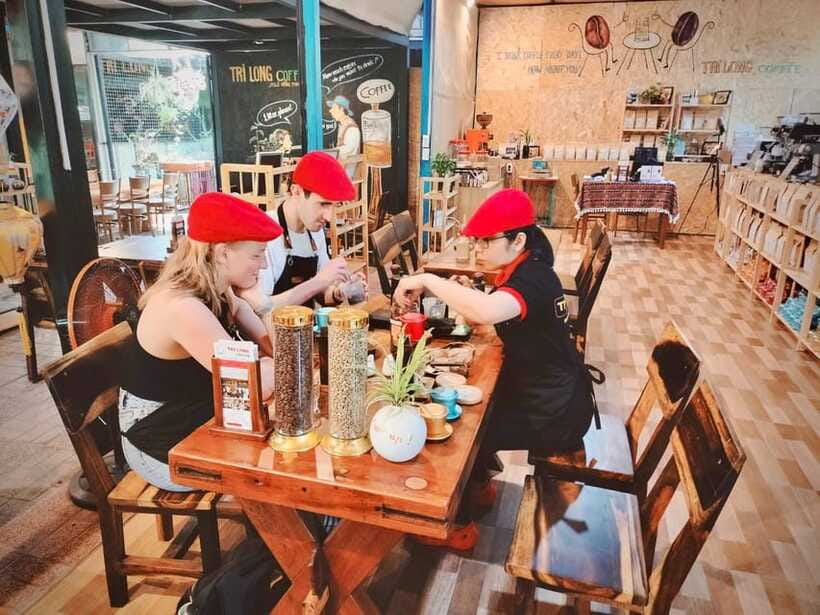
Egg coffee is the most distinctive recipe in the class. You see how coffee is combined with egg yolks, condensed milk, and sugar to create a thick, creamy topping.
The appeal is the contrast. The coffee has a firm, bitter base, while the whipped mixture adds sweetness and a custard-like texture. It is closer to a dessert-style drink than a plain black coffee, so it suits anyone who likes rich, sweet flavors.
This is also a good choice if you want to learn a recipe that is difficult to guess from a cafe menu. The ingredients are familiar, but the final result depends on how they are blended and whipped. The instructor shows the process rather than handing you a finished cup.
If you prefer clean, unsweetened coffee, egg coffee may be less appealing. You can choose another option, so there is no need to make it simply because it is famous. The value of the class is the choice, not a single required recipe.
Same base, a completely different day:
- Hoi An: Basket Boat Ride in the Coconut Forest
★ 4.9 · 4,956 reviews - Hoi An: Vietnamese Foldable Lantern Making Class
★ 4.9 · 3,742 reviews - Cooking Class Hoi An:Local Market, Basket Boat, Fishing & Cooking
★ 5.0 · 3,660 reviews - Hoi An Cooking Class(Market,BasketBoat Crabfishing&Cooking Class)
★ 5.0 · 3,386 reviews
Coconut coffee for a cooler, sweeter style
Coconut coffee brings a nutty sweetness to the stronger Vietnamese brew. It is described as a refreshing choice for a sunny day, and it offers a clear change from the darker taste of a plain Phin coffee.
You learn how to combine the coffee with coconut ingredients to create the drink. The course lets you taste how the coconut changes the body and aroma rather than treating it as a decorative extra.
I would choose this session if you prefer sweet, smooth drinks or want something that feels closely tied to Vietnam’s tropical setting. It is also a sensible pick for someone who finds straight Vietnamese coffee too intense.
The limitation is that the exact preparation details are not set out in the activity information. You should expect instruction and a hands-on recipe, but do not book this as a detailed pastry or coconut-cooking workshop. Coffee remains the center of the class.
Salt coffee and the science of less bitterness
Salt coffee is the surprise option. A small amount of salt is used to reduce bitterness and bring the coffee’s other flavors forward. The point is not to make a salty drink. It is to change the balance of the coffee.
This is a useful lesson in how minor ingredients can affect taste. You may already know that sugar softens bitterness, but salt works differently. Used carefully, it can make the cup seem smoother and more rounded.
I like this option for curious eaters who want a distinctly Vietnamese drink to recreate at home. It is also the recipe most likely to start a conversation after the class. The instructor explains the idea behind the combination, so you get more than a novelty tasting.
You should not expect the salt flavor to disappear entirely if the drink is prepared too strongly. The method depends on restraint. That is one reason the guided format helps: you can see how the ingredient is used rather than guessing later.
Choosing two, three, or four coffee sessions
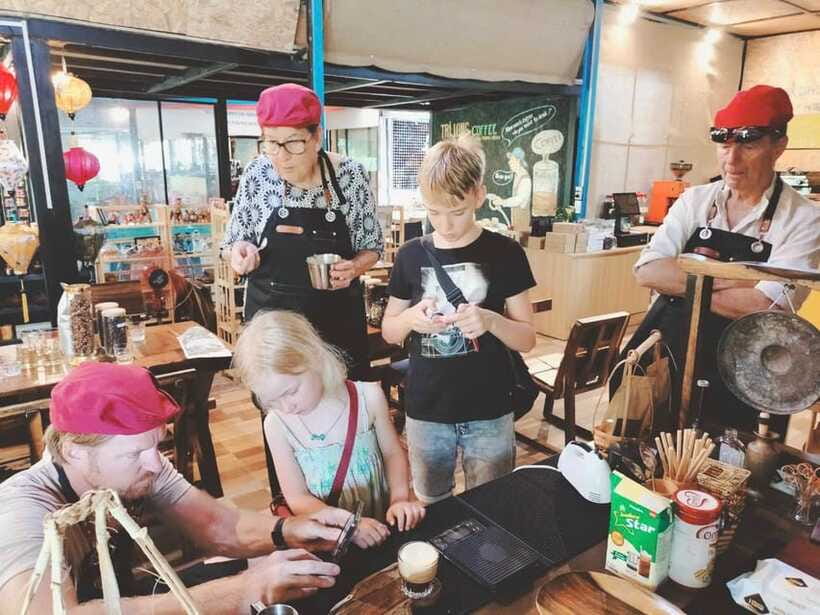
The class can be arranged around two, three, or four different sessions. The available choices include roasted coffee, Phin filter coffee, egg coffee, coconut coffee, and salt coffee.
Because the total duration is 90 minutes, you will want to choose with some care. Two recipes allow more time with each preparation. Three or four options give you a wider tasting, but each section may receive less attention. If your main aim is to understand Vietnamese brewing, include the Phin. If unusual flavors interest you most, choose egg, coconut, and salt coffee.
The activity information says you can select the type of coffee you want to make. Confirm your preferred combination when booking or at the start of the class, especially if you are visiting with a group that has different tastes.
A strong plan for a first visit would be Phin coffee plus either egg or coconut coffee. That gives you the traditional base and one of the flavored versions. Salt coffee is a good swap if you want the most unexpected taste.
What you actually get for $22
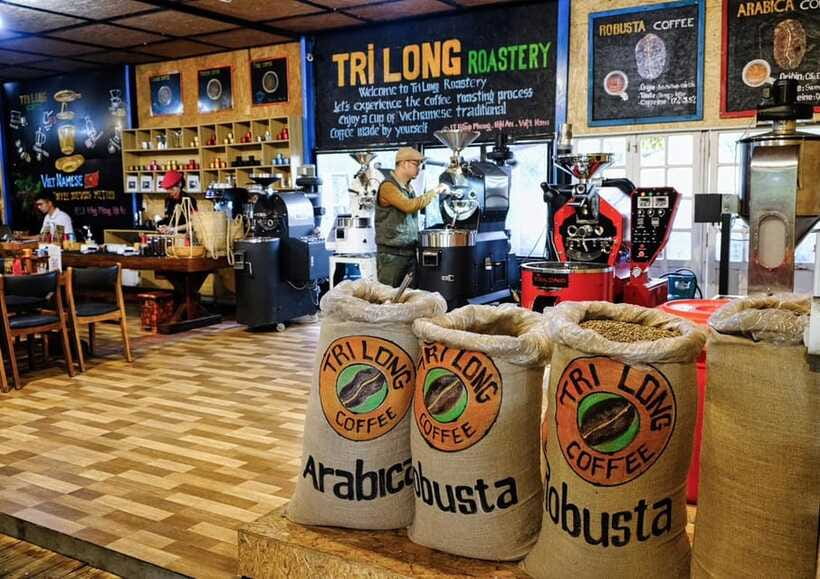
At $22 per person, the price covers the coffee-making course, an English-speaking instructor, ingredients, tools, water, and a cup of coffee made by you. The value comes from the participation, not from the amount of coffee alone.
A cafe tasting would cost less if you simply wanted to drink one cup. This class makes more sense if you want instruction, several techniques, and a recipe you can repeat. The hands-on element also gives the activity a clearer purpose than a standard cafe stop.
The course appears especially useful for solo visitors and small groups. You do not need to bring coffee equipment or buy special ingredients before arriving. The class supplies the working materials, and the private-group option may suit families or friends who want a more personal pace.
Keep your expectations realistic. The price does not include transport, hotel pickup, or drop-off. You meet at Tri Long Coffee in central Hoi An, so include the time and cost of reaching the cafe in your plans.
The teaching style and pace
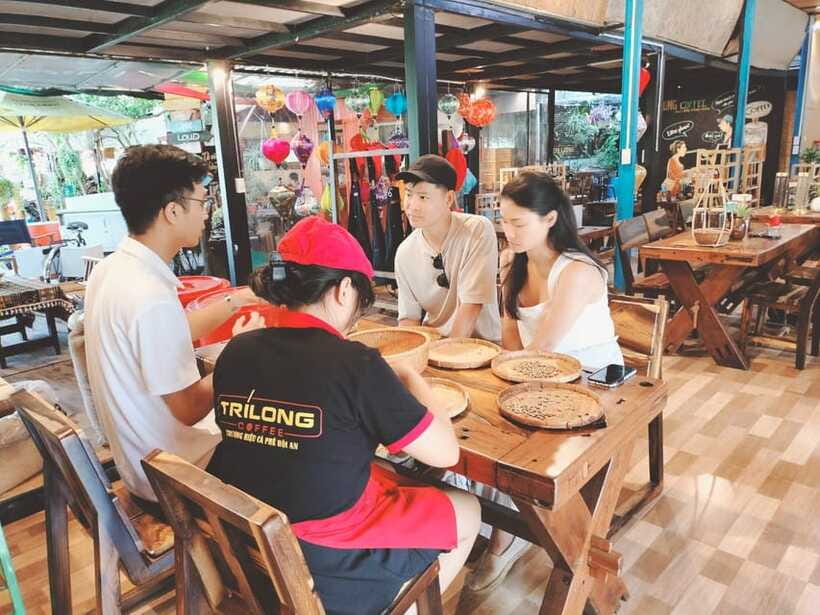
The instructor teaches in English, which makes the technical parts easier to follow for English-speaking participants. You can expect explanations of the roasting process, the Phin filter, and the ingredients used in the specialty coffees.
The strongest feature of the format is its hands-on nature. You prepare two coffees in the version described by one participant, while other information allows for two, three, or four sessions. The exact number depends on the option you choose, so check the booking details before paying.
The course has also been praised for giving enough time to prepare and drink the coffee. That is important. A class that rushes through several recipes can leave you with a list of ingredients but little sense of how the drinks should taste.
Recipes may be provided at the end. That is a practical touch, especially for salt or egg coffee, where remembering the method and proportions can be difficult. If you enjoy the beans used in class, you may also have the chance to buy some for home.
Who will enjoy this class most
I would recommend it to coffee drinkers who want more context than a cafe order provides. It suits beginners because you do not need previous brewing skills, yet it still gives experienced coffee fans several flavors to compare.
It is a good fit for:
- Solo visitors who want a short, social activity in central Hoi An
- Couples and friends who enjoy food and drink experiences
- Coffee fans interested in roasting and brewing methods
- Anyone curious about egg, coconut, or salt coffee
- Visitors looking for a rainy-day or midday activity
- People who want recipes and techniques they can use at home
It may be less suitable if you dislike sweet drinks, avoid coffee, or want a countryside excursion. The class is about preparation and tasting in town. It is not a plantation visit, a full meal, or a long professional barista course.
Timing, meeting point, and booking advice
The activity lasts 90 minutes, but the available start times vary, so check the schedule for your chosen date. The meeting point is Tri Long Coffee in Hoi An city, where the instructor welcomes you.
Arrive with enough time to find the cafe. Since pickup is not included, do not assume your hotel is part of the arrangement. A central meeting point makes it easy to pair the course with other Hoi An plans, but you are responsible for getting there.
The booking terms are flexible. You can reserve now and pay later, and cancellation is free up to 24 hours before the activity for a full refund. That is useful if your Hoi An schedule depends on weather or changing day plans.
The course has a 4.9 rating from 25 published ratings, with especially strong praise for the informative teaching, kind staff, delicious coffee, and hands-on format. One particularly useful detail is that recipes can be given at the end, so the experience can continue in your own kitchen.
Should you book the Hoi An coffee class?
Book it if you want a compact, practical introduction to Vietnamese coffee and like the idea of making your own drink. The best value comes from choosing at least one traditional method, such as the Phin, and one specialty recipe, such as egg, coconut, or salt coffee.
At $22, this is not the cheapest way to drink coffee in Hoi An. It is a fair price for instruction, ingredients, equipment, tasting, and the chance to take the method home. The 90-minute length also makes it easy to fit into a busy sightseeing day.
Skip it if you are looking for coffee farming, a rural excursion, or advanced barista certification. For everyone else, especially curious beginners and food-minded visitors, this is a tasty way to understand one of Vietnam’s everyday traditions.
FAQ
How long does the Vietnamese coffee class last?
The class lasts 90 minutes.
How much does the experience cost?
The listed price is $22 per person.
Where does the class meet?
You meet at Tri Long Coffee in Hoi An city, where the instructor welcomes you.
What types of coffee can I make?
You can choose Vietnamese Phin filter coffee, egg coffee, coconut coffee, or salt coffee.
Is the instructor English-speaking?
Yes. The instructor teaches in English.
What is included in the price?
The price includes the coffee-making course, ingredients, tools, water, an English-speaking instructor, and a cup of coffee made by you.
Is hotel pickup included?
No. Hotel pickup and drop-off are not included.
Can I cancel the booking?
Yes. You can cancel up to 24 hours in advance for a full refund. You can also reserve now and pay later.
Newly reviewed in Hoi An
- Romantic Sunset Dinner Cruise in Hoi An★ 4.7 · 108 reviews
- Snorkeling Cham Island: Snorkeling Tour by Speed Boat★ 3.6 · 26 reviews
- Hoi An: Rural Cycling Tour to Village with Basket Boat Ride★ 5.0 · 174 reviews
- Private Car Hoi An to Hue Via Hai Van Pass, Lagoon & More★ 5.0 · 22 reviews
- From Hoi An: Day Tour of My Son Temples and Marble Mountain★ 4.8 · 44 reviews
- Market Tour – Cooking Class – Coconut Boat Riding★ 4.4 · 43 reviews
- Lantern Making Class With Lynn★ 4.8 · 44 reviews
- Mad Monkey Hoi An Pub Craw★ 4.2 · 25 reviews
Tours in Hoi An, compared.

Vietnamese Coffee Culture and Coffee Making Class
Read our review →
Cooking Class Hoi An:Local Market, Basket Boat, Fishing & Cooking
Read our review →
Hoi An Cooking Class(Market,BasketBoat Crabfishing&Cooking Class)
Read our review →
My Son Sanctuary Early Morning w. Champa Food Brunch
Read our review →
Ba Na Hills – Golden Bridge Deluxe Small group
Read our review →
Market Tour, Basket Boat Ride and Cooking Class
Read our review →Browse the lists this tour appears in