
Reviewed · COOKING CLASSES
Home Cooking Class: Market, Garden and cooking 4 dishes
Da Nang’s best food lesson starts before the stove. You’ll shop for ingredients at Han Market, work briefly in a vegetable garden, then cook four Vietnamese dishes in a local home. The small group, capped at 9 in the main description and 10 in the booking details, keeps the class personal.
I like the mix of market shopping and hands-on cooking, since you learn what Vietnamese ingredients look like before chopping them. I also like the practical extras: coffee, tea, dessert, water, English recipes, and a meal you prepare yourself.
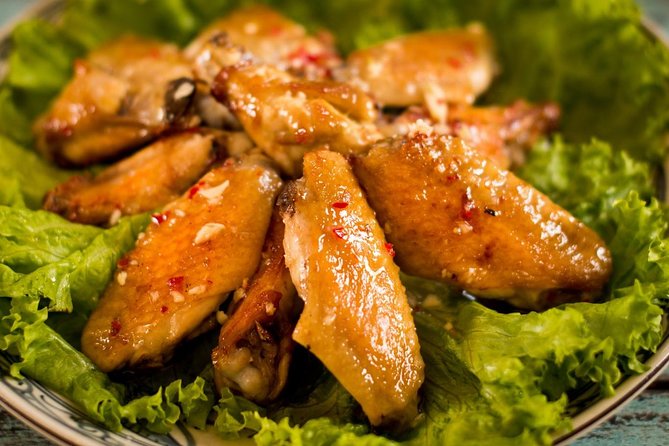
The main thing to check is the day’s menu. Beef noodle soup, banh xeo, and fresh spring rolls are offered on some days, while Quang noodles, fried spring rolls, and chicken wings appear on others. Pickup rules also differ between the full tour and cooking-only option.
Key points to know before booking
- Four dishes, not a demonstration: You prepare the food yourself, then eat the finished meal.
- The menu changes by weekday: Tuesday, Thursday, and Saturday feature beef noodle soup, banh xeo, green mango salad, and fresh spring rolls.
- The other menu is also substantial: Monday, Wednesday, Friday, and Sunday offer Quang noodles, fish sauce chicken wings, green papaya salad, and fried spring rolls.
- Market and garden time add local context: You select ingredients at Han Market and take part in basic vegetable-growing work.
- Pickup is part of the full tour option: The cooking-only choice does not include pickup or drop-off.
- Plan for half a day: Morning sessions run roughly from 8 a.m. to noon, and afternoon sessions from 2 p.m. to 6 p.m.
Why this Da Nang cooking class works so well
For $26 per person, this is more than a meal with a recipe card. You get a market visit, farming activity, coffee or tea, four cooking lessons, a meal, dessert, ingredients, water, and an English-language recipe copy. That makes the price strong, especially if you value an activity that gives you something useful to take home.
The best part is the order of the experience. First, you see the raw ingredients in their everyday setting. Then you handle them in the garden and market. Finally, you turn them into lunch or dinner. That sequence gives the cooking more meaning than a class held in a hotel kitchen with ingredients already measured out.
The group size matters, too. A maximum of 9 or 10 people is small enough for an instructor to watch your knife work, answer questions, and help when a spring roll refuses to roll properly. It is not a private lesson, but it should feel more personal than a large food workshop.
The class is also a good way to meet a local family without turning the visit into a formal cultural show. The cooking takes place at a local house, and the food is prepared and eaten there. You get a window into home-style cooking rather than only restaurant dishes.
More Cooking Classes in Da Nang
- 5 Dishes Cooking Class with Market Trip in Da Nang
★ 5.0 · 466 reviews - Da Nang Authentic Home Cooking Class
★ 5.0 · 354 reviews - 5 traditional dishes Da Nang cooking class with market trip
★ 5.0 · 331 reviews
Starting at Han Market
The day begins with pickup in central Da Nang for the full tour option. Morning pickup runs between 8 and 8:30 a.m., while afternoon pickup runs between 2 and 2:30 p.m. The exact timing depends on the session and pickup arrangements, so allow some flexibility.
Han Market is the practical heart of the food portion. Instead of hearing a long lecture about Vietnamese cuisine, you look at the ingredients needed for your own meal. Your guide helps you select fresh produce and explains the role of local ingredients, with an emphasis on quality and authenticity.
That is useful for more than the class itself. You may recognize herbs, noodles, vegetables, sauces, and fruit later when ordering food around Da Nang. Green papaya and green mango, for example, look similar enough to confuse a newcomer, yet they produce different textures and flavors in salads.
A market can be a sensory stop, but it is also a working place. Expect a real local market rather than a polished food museum. The experience is strongest if you are happy to look closely, ask questions, and accept that shopping may be less tidy than the cooking school part of the day.
The listed stops also include Da Nang Cathedral. The supplied schedule gives no detailed activity for the cathedral, so I would treat it as a named sightseeing or route stop rather than expect a full cathedral tour. The market and cooking segments are clearly the main focus.
A short turn as a Vietnamese farmer
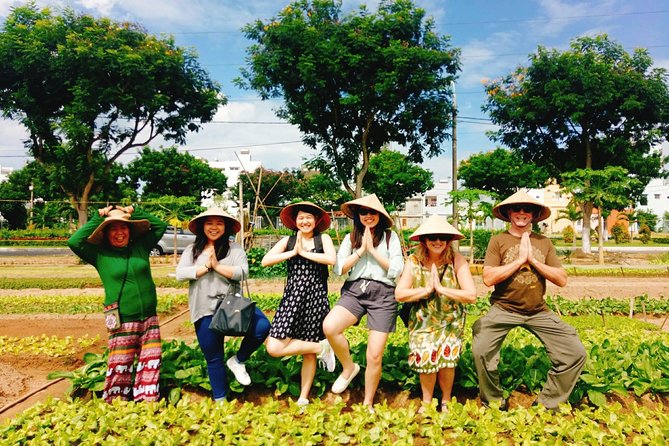
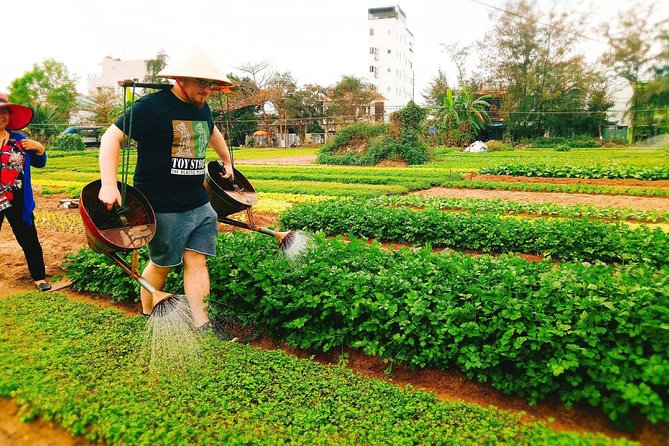
After the market, you join local farmers in basic garden work. The activity includes helping prepare the land and growing vegetables. This is not presented as a long agricultural tour, and that is probably a good thing for a four-hour class. You get a hands-on taste of the work without losing most of the day to it.
The garden stop adds an important piece of context. Vietnamese cooking depends heavily on fresh herbs, leafy greens, and vegetables, and it is easy to think of those ingredients only as items in a bowl. Working with the soil gives you a better sense of the labor behind a simple plate of noodles or salad.
One particularly praised part of the experience is meeting the people in the garden. The farming segment may be the most appealing part for anyone who wants something beyond cooking. It also suits families and younger visitors, though the class data does not specify age requirements.
Do not book this expecting a serious farming course. The information points to a short activity where you help with planting and land preparation. Think of it as a practical introduction, not a full day on a farm.
Coffee, tea, and the move to the family kitchen
The experience includes authentic Vietnamese coffee, and the detailed schedule also mentions tea tasting. These small pauses help break up the activity and give you a chance to talk with your guide and hosts before the cooking begins.
Vietnamese coffee is often strong and sweet, so the tasting is a useful introduction if you have not tried it before. The available information does not specify the brewing method or how the coffee is served, so do not assume a particular style. The same goes for the tea tasting.
At about 9:15 a.m. or 3:15 p.m., the group goes to a local house for the cooking class. The timing leaves room for the market and garden visits first, which keeps the class from feeling like an isolated kitchen lesson.
Several instructors are named in the experiences associated with this activity. Jane is described as patient while teaching papaya salad, fresh spring rolls, crispy savory pancakes, and beef pho. Nhi is praised for making the session feel warm and welcoming. Lyn is noted for friendly explanations and strong English, with help from her mother and Sophia. Anna led one market visit for a family group.
Those names are useful when you are comparing options, but they do not guarantee who will teach your session. The provider is Da Nang Home Cooking Class, and the assigned guide can vary.
Other classes where you cook in Da Nang:
- Da Nang Cooking Class with Coffee Tasting and Market Visit
★ 5.0 · 310 reviews - Hoi An: Lantern Making, Basket Boat, and Cooking Class
★ 4.9 · 233 reviews - RICE PAPER Noodle Making Experience & Hoi An Cooking Class Class
★ 5.0 · 164 reviews - DaNang Farm-to-Table Cooking Class with Market and Coffee Tasting
★ 5.0 · 131 reviews
Choosing the right menu day
Your weekday choice changes the meal, so check it before paying.
Monday, Wednesday, Friday, and Sunday
This menu includes:
- Quang noodles
- Fish sauce chicken wings
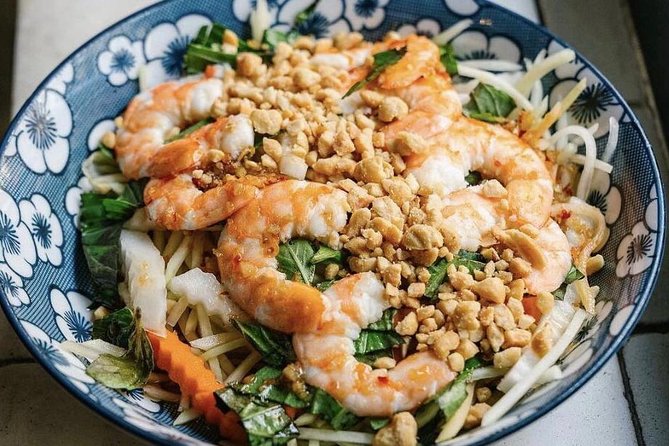
- Green papaya salad with shrimp
- Deep-fried spring rolls
Quang noodles are a central Vietnamese specialty with noodles, herbs, and a smaller amount of broth than many noodle soups. The cooking class gives you a chance to learn a dish connected to the region rather than only the better-known pho.
Fish sauce chicken wings bring a savory, sticky flavor to the menu. Green papaya salad adds a crisp, fresh contrast, while fried spring rolls provide the crunchy item. This is a generous meal with several different textures.
Tuesday, Thursday, and Saturday
This menu includes:
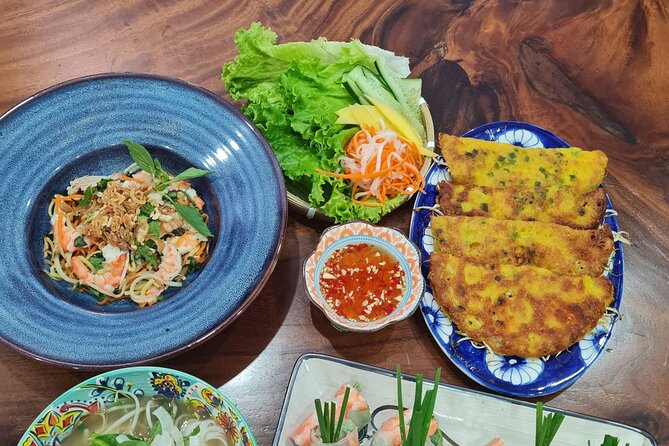
- Beef noodle soup
- Crispy Vietnamese pancakes, or banh xeo
- Green mango salad with shrimp
- Fresh spring rolls
This is the better choice if you want to learn beef noodle soup and banh xeo. Banh xeo is cooked as a crisp savory pancake, and making fresh spring rolls gives you a different technique from the fried version on the alternate menu.
The green mango salad also differs from the green papaya salad offered on other days. If you are especially interested in pho-style soup, choose Tuesday, Thursday, or Saturday. If you would rather learn a central Vietnamese noodle dish, choose the other menu.
The dish list suggests a lot of food. One participant found the portions so filling that not everything could be finished. Plan on a hearty meal, not a light snack before your next appointment.
What the hands-on cooking is really like
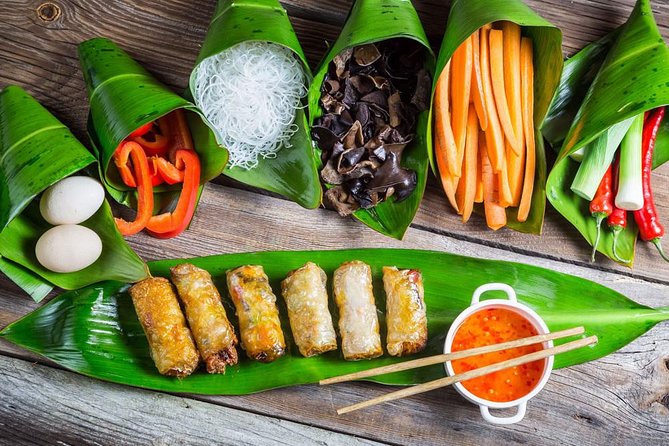
The important phrase here is hands-on. You do not simply watch a chef prepare four dishes while taking notes. You work through the food yourself with guidance from the instructor.
That makes the class useful after you leave Vietnam. The recipes are supplied in English, so you have a chance to recreate at least some of the dishes at home. The recipes may not answer every question about ingredient substitutions, but they give you a practical starting point.
Four dishes in one class also means the lesson moves at a fair pace. You will not spend an hour perfecting one complicated sauce. Instead, you learn a range of techniques across salads, noodles, soup, pancakes, and spring rolls, depending on the day.
I would pay attention to the sauces and seasoning. Vietnamese food can look simple on the plate, but fish sauce, herbs, fresh vegetables, and sweet, sour, salty, and spicy notes need to balance each other. The class is a chance to learn that balance by tasting as you go.
The cooking setting is a local house, not a large commercial facility. That helps create a more personal meal, though it may also mean a simpler setup than you would find in a professional cooking studio. If you need a polished, tightly staged demonstration, this may feel informal. If you want a family-style activity, the informal setting is part of the appeal.
Eating what you cook
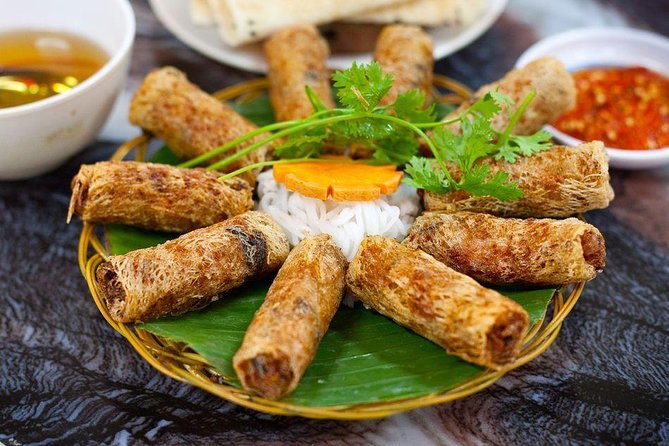
Lunch or dinner is the reward at the end. You sit down and eat the dishes you prepared, with dessert included. This gives the class a clear payoff and lets you compare the finished results with what you imagined while cooking.
The meal also makes the four-hour format feel worthwhile. You are not paying only for instruction. You receive a substantial spread, plus the market and garden activities that come before it.
The food may be more than you can finish. That is not a flaw, but it is worth knowing if you have another large meal planned. The menus include four dishes, dessert, and drinks, so schedule this as a main meal.
The shared meal can also be the most relaxed time to speak with your guide and the family. English instruction is included, and the guides named in the experiences are described as friendly and helpful. Still, the amount of conversation will depend on the group and the guide assigned that day.
Timing, pickup, and small practical catches
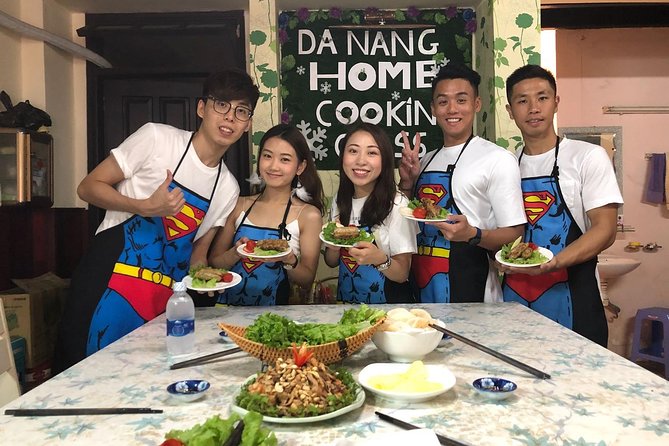
The experience lasts about four hours. Morning departures generally finish around noon, and afternoon departures end around 6 p.m. The afternoon option is useful if you want a slower morning or have another activity scheduled before lunch.
Pickup is offered from hotels in central Da Nang for the full tour option. Drop-off is not included. The cooking-class-only option does not include pickup or drop-off, so check exactly which version you are booking before assuming transport is covered.
The price is listed at $26 per person. Considering the ingredients, meal, coffee or tea, dessert, recipes, guide, market visit, garden activity, and possible pickup, I consider that good value. The strongest value comes if you want an activity lasting half a day. If you only want to learn one or two dishes, a shorter class might suit you better, but this experience offers a broader sample of Vietnamese cooking.
The activity requires good weather. If poor weather cancels it, you can choose another date or receive a full refund. It also requires a minimum number of participants, so a cancellation for that reason leads to another option or a refund.
You can cancel for a full refund up to 24 hours before the start time. Changes or cancellations inside that window are not accepted for a refund.
Who should book this class
I would choose this for anyone who wants food, local contact, and a useful half-day activity in one booking. It is a particularly good fit for families, couples, first-time visitors to Da Nang, and anyone who likes to learn by doing.
It also suits people who want to understand ingredients before ordering Vietnamese food. The market and garden make the class more than a recipe lesson, while the recipe sheets give you a way to keep using what you learned.
You should think twice if you dislike group cooking, cannot eat the listed ingredients, or want a quiet private lesson. The group is small, but it is still a group. Four dishes in four hours also means a busy schedule rather than a slow, single-dish workshop.
Should you book it?
Book this Da Nang cooking class if you want a good-value half day built around real food rather than sightseeing from a bus. The market, garden, local home, and meal work well together, and the small group should give you enough personal help.
Choose your date carefully because the menu changes. Pick Tuesday, Thursday, or Saturday for beef noodle soup, banh xeo, green mango salad, and fresh spring rolls. Choose Monday, Wednesday, Friday, or Sunday for Quang noodles, chicken wings, green papaya salad, and fried spring rolls.
The main cautions are simple: confirm the pickup option, expect a generous meal, and remember that the named guides may change. For $26, this is an appealing choice for a practical taste of Da Nang life that continues after you return home.
FAQ
How long does the cooking class last?
The experience lasts approximately four hours. Morning sessions run from about 8 a.m. to noon, and afternoon sessions run from about 2 p.m. to 6 p.m.
How many dishes will I cook?
You will prepare four traditional Vietnamese dishes by hand, then eat the meal you have made.
Does the menu change by day?
Yes. Monday, Wednesday, Friday, and Sunday offer Quang noodles, fish sauce chicken wings, green papaya salad with shrimp, and deep-fried spring rolls. Tuesday, Thursday, and Saturday offer beef noodle soup, banh xeo, green mango salad with shrimp, and fresh spring rolls.
Is hotel pickup included?
Pickup from hotels in central Da Nang is included with the full tour option. The cooking-class-only option does not include pickup or drop-off, and drop-off is not included in the full tour details.
Are ingredients and recipes included?
Yes. All cooking ingredients are included, along with English copies of the recipes. Water, dessert, an English-speaking instructor, the market tour, and farming activity are also included.
Can I cancel for a refund?
You can cancel at least 24 hours before the start time for a full refund. Cancellations or changes made less than 24 hours before the start time are not accepted for a refund.
More hands-on workshops in Da Nang
- Surf Lessons
★ 5.0 · 42 reviews - Basket Boat Tour from Da Nang/HoiAn by Lunch & Cafe Class Private
★ 5.0 · 36 reviews - Da Nang Coffee Making Workshop
★ 5.0 · 26 reviews - My Son Hindu Temples & Terracotta Workshop PRIVATE TOUR
★ 5.0 · 25 reviews
More shopping trips in Da Nang
- Guided Tour to Marble Mountains & Hoi An Walking Tour , Night Market, Boat Ride
★ 5.0 · 218 reviews - Hoi An Night Market with Hoi an walking Tour , Colourful Lanterns, Boat Ride
★ 5.0 · 142 reviews - Market Tour, Basket Boat Ride & Cooking Class by Hangcoconut
★ 4.8 · 95 reviews - Marble Mountain – Hoi An Colour Lanterns & Night Market from DN
★ 5.0 · 67 reviews
Newly reviewed in Da Nang
- Private car from Danang to Hoi An★ 5.0 · 20 reviews
- Four-Hands Harmony (Perfect · Synchronized · Flow)★ 5.0 · 78 reviews
- Your Incredible Scooter Adventure On Hai Van Pass★ 5.0 · 67 reviews
- Surf Lessons★ 5.0 · 42 reviews
- Dry Deep Bodywork (Dry | Thai–Shiatsu based)★ 5.0 · 45 reviews
- Private Customize car rental 4 hours – 8 hours- 12 hours Da Nang★ 5.0 · 22 reviews
- Da Nang Airport Arrival Private transfer to Hoi An★ 5.0 · 46 reviews
- Da Nang to Hoi An ancient town by private transfer★ 5.0 · 36 reviews
Cooking Classes, compared.
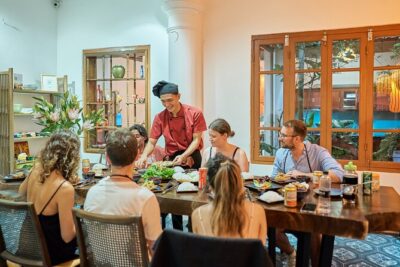
Hanoi Cooking Class: Culture, Local Market & Meaning CSR Impact
Read our review →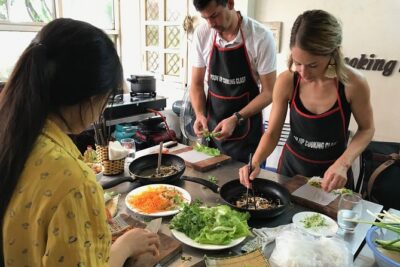
5 Traditional Dishes Hanoi Cooking Class with Market Trip
Read our review →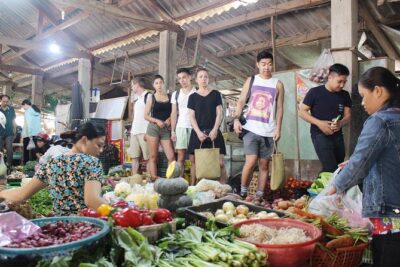
Cooking Class Hoi An:Local Market, Basket Boat, Fishing & Cooking
Read our review →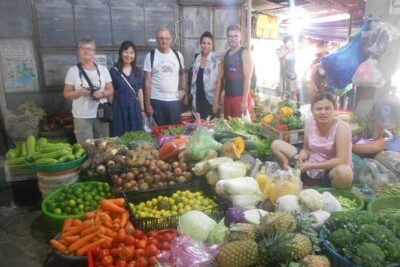
Hoi An Cooking Class(Market,BasketBoat Crabfishing&Cooking Class)
Read our review →
Mekong Delta Boat,Khotcake cooking Coconut Village,SmallGroup
Read our review →
Market Tour, Basket Boat Ride and Cooking Class
Read our review →
Cai Be Mekong Delta Tour: Cooking Class, Cycling & Craft Villages
Read our review →
Mekong Delta 4 Islands, TukTuk, Boat, Try Khot Cake Local Cooking
Read our review →Browse the lists this tour appears in