
Reviewed · HAI VAN PASS & MOTORBIKE TOURS
Sa Pa: Private Guided Tour on a Motorbike with Lunch
The best part of this Sa Pa tour is the freedom of moving between mountain villages by motorbike. You get fresh air, broad views of rice terraces, and access to places that would take far longer on foot. The village visits feel personal, especially when a guide such as Dung or Nhu explains local customs and daily life.
I like the chance to choose between riding your own bike and sitting behind the guide. I also like the lunch stop, where traditional dishes are served at a local house rather than at a large city restaurant. The main caution is the road: some sections are narrow, steep, muddy, or poorly surfaced. If you are not fully confident on a motorbike, pay extra to ride pillion with a local driver.
Key points at a glance
- Hmong and Red Dao villages: See two local communities and learn how their customs and houses differ.
- A nearly 200-meter waterfall: This is not just a photo stop. Its water supports farming in the Muong Hoa valley.
- Ride your own bike or sit behind the guide: Local drivers know the rougher roads, so riding pillion is the easier choice.
- Lunch in a local setting: Traditional food is served at a local house, with time to walk and talk afterward.
- Small groups of up to six: The limited size makes it easier to stop for photos and ask questions.
- Five hours from central Sa Pa: Hotel pickup, transport, food, entrance fees, and water are included for $55.
Why a motorbike makes sense around Sa Pa
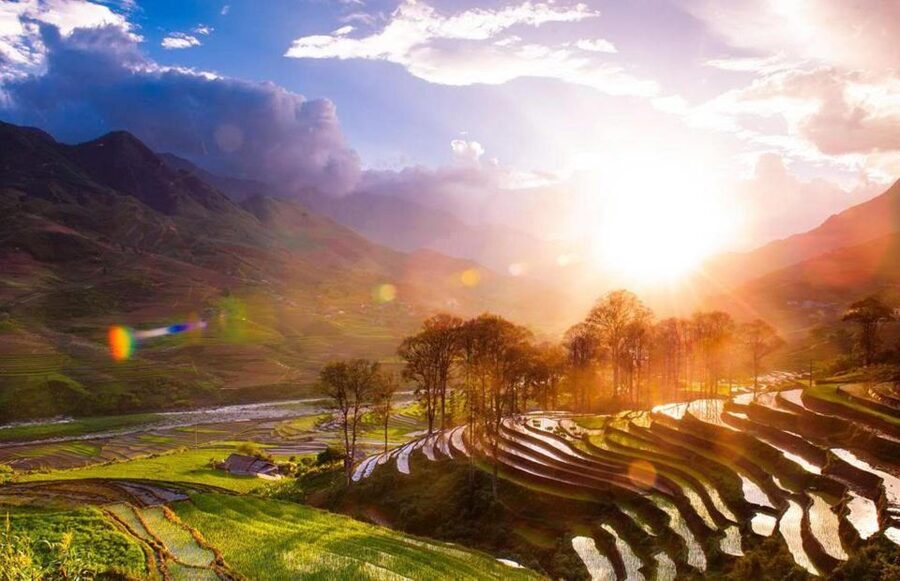
Sa Pa is famous for mountain scenery, but the most rewarding places sit outside the town center. Walking tours can take you into the villages, yet they demand time and energy. A motorbike covers more ground in a half-day and gives you a better chance to see both Hmong and Red Dao communities.
You start at 9:00 am from Nomadtrails Boutique Hotel on 013 Tue Tinh Street, about a three-minute walk from the Church. The tour returns to the same meeting point in the afternoon. That simple start and finish work well if you are staying in central Sa Pa and want to avoid arranging a taxi.
The group is limited to six people. That matters here. Mountain roads often call for quick stops, careful turns, and changes in pace. A small group can pause for pictures without creating a traffic jam of motorbikes.
The price is $55 per person. For that, you receive the motorbike and gasoline, helmet, drinking water, lunch, entrance fee, and an English-speaking guide. I consider that fair value for a five-hour outing, especially since transport and food are already covered. French guidance costs an additional $15 per person, and a Lunar New Year surcharge of $19 per person applies from January 26 through February 2, 2025.
More trips on two wheels from Vietnam:
- Ho Chi Minh City Street Food Tour & Sightseeing By Motorbike
★ 5.0 · 9,413 reviews - Hanoi Motorbike Tour: Food, Culture and Fun by Vintage Motorbike
★ 5.0 · 6,699 reviews - Saigon By Night and Street Food By Motorbike | Opt: Ao Dai Riders
★ 5.0 · 4,066 reviews
Choosing your seat on the motorbike
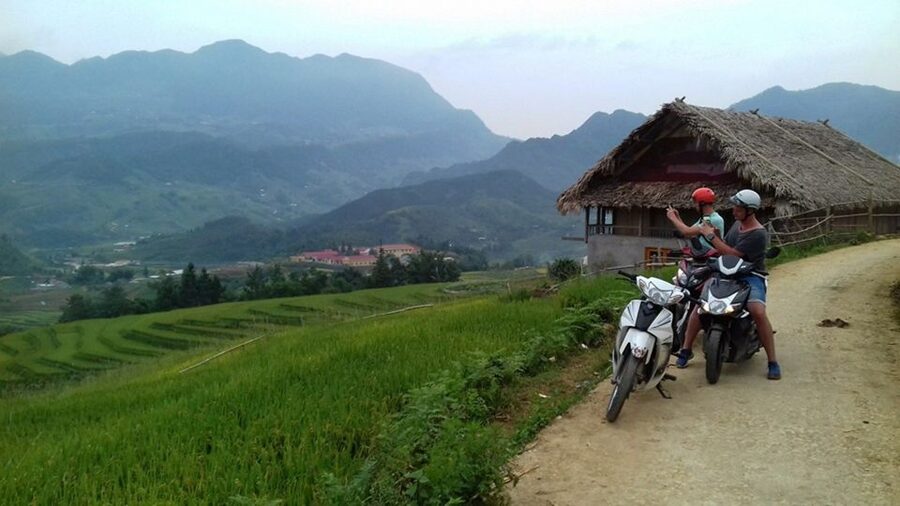
The most important decision is whether you drive or ride behind the guide. You need a driver’s license if you plan to ride. The tour provides the bike and helmet, but it does not include travel insurance, personal expenses, or VAT.
Driving yourself gives you control and can make the trip feel more adventurous. It also means handling narrow roads, steep sections, slippery surfaces, mud, and changing weather. One rider described the roads as mostly fine, while another pointed out poor sections. That is a fair picture: this is a mountain outing, not a smooth city ride.
Riding pillion is the sensible option if you have limited motorbike experience or want to focus on scenery and photography. Local guides have grown up using these roads and know how to handle the rougher stretches. A $20 driver option is available according to the tour information provided at the meeting point, so confirm that cost before departure.
Sitting behind the guide also lets you watch the scenery instead of concentrating on every bend. Several guides are named in the tour feedback, including Dung, Cha Cha, Nhu, Su, and May. The exact guide depends on the day, but the repeated pattern is clear: guides are expected to explain local life, drive carefully, and stop for photographs.
Pregnant women should not book this activity. You should also dress for the weather. Sa Pa can be cool, foggy, wet, or sunny in the same morning, so a light waterproof layer is a smart choice.
The Hmong village and its traditional homes
The first village visit focuses on the Hmong people. This is where the tour moves beyond scenery and gives you a look at how local families live.
The village retains traditional houses, rice terraces, and customs that differ from those in Sa Pa town. You can walk through the village and enter some local homes to learn about everyday life. The guide’s role matters here. Without explanation, a house may look like an old building; with context, it becomes part of a living community.
The tour gives you time to ask about local customs and how life has changed. One guide explained changes over the last 20 years, a useful reminder that these villages are not frozen displays for visitors. Families still live and work here, while roads, tourism, and modern services continue to affect daily routines.
Be respectful during the village walk. Ask before taking photographs of people or entering a home, and listen when the guide explains what is appropriate. The value of the stop comes from conversation, not from rushing through to collect pictures.
The terraces are especially attractive when viewed from the road and village paths. Their appearance depends on the season and weather, so do not expect the same view every day. Fog can hide the mountains in the morning, then clear later. Rain can make the roads harder but also gives the countryside a different mood.
The waterfall that feeds the valley
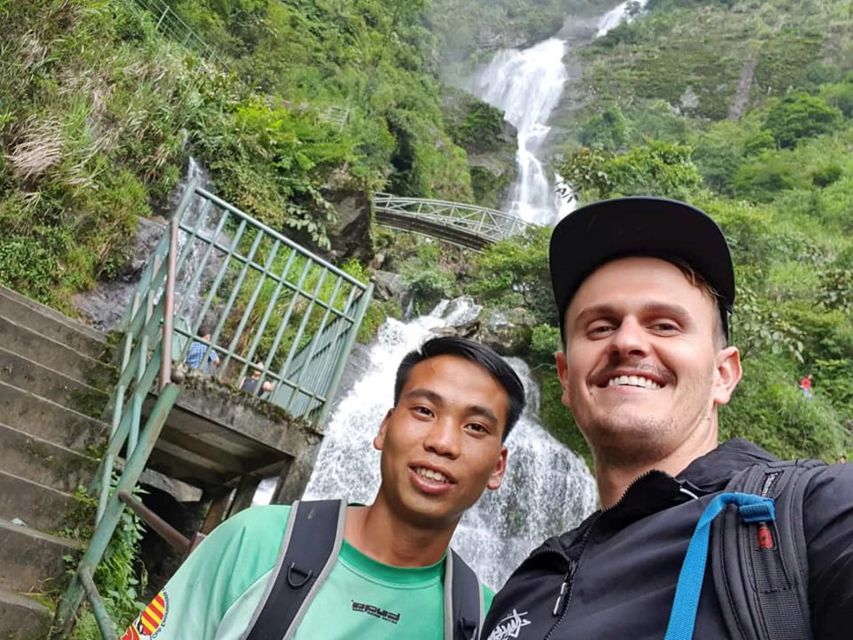
After the Hmong village, the ride continues to a large waterfall nearly 200 meters high. The stop combines scenery with a practical local detail: the waterfall provides water for agriculture in the Muong Hoa valley.
That agricultural connection makes the stop more meaningful than a simple viewpoint. Water shapes the life of the valley, supporting the terraces and the communities that farm them. Your guide can help connect the waterfall to the villages and fields you have already seen.
Bring your camera, but also allow time to simply stand and listen. The appeal here is the combination of falling water, mountain air, and open views. The paths and surfaces may be wet, so shoes with a firm grip are useful.
The waterfall is one of the tour’s strongest photo stops, but weather controls what you see. Clear conditions offer wider views. Fog and rain may limit the distance, though the air can feel especially fresh. Do not judge the stop only by the view from one angle. Your guide may know where to pause for a better look.
A few more ways to spend a day in Vietnam
- Halong Bay Day Tour With Titop Island, Cave, Kayak & Lunch
★ 5.0 · 2,551 reviews - Full Day Canyoning Activity in Da Lat with Lunch
★ 5.0 · 1,577 reviews - Hanoi: Islands & Caves Ha Long Cruise with Lunch & Kayaking
★ 4.4 · 1,317 reviews - Ha Long Bay Cruise Day Tour – Cave, Kayaking, Swimming & Lunch
★ 5.0 · 1,244 reviews
Comparing Hmong and Red Dao culture
The ride then continues to a Red Dao village. This second community gives the tour a useful point of comparison.
You are not simply seeing another village. You are learning how the Red Dao differ from the Hmong in customs and local life. The guide is expected to explain these differences, which helps you understand that Sa Pa is home to several distinct ethnic groups rather than one single mountain culture.
This part is strongest when you ask questions. You might ask about traditional homes, clothing, family life, farming, or how tourism affects the village. The available information does not promise a formal performance or craft demonstration, so think of this as a guided community visit rather than a staged cultural show.
The village walk also gives you a chance to slow down after the ride. You can speak with local people, take photographs where appropriate, and notice how the setting differs from the first stop. The experience works best when you remain curious without treating the village as a museum.
Lunch at a local house
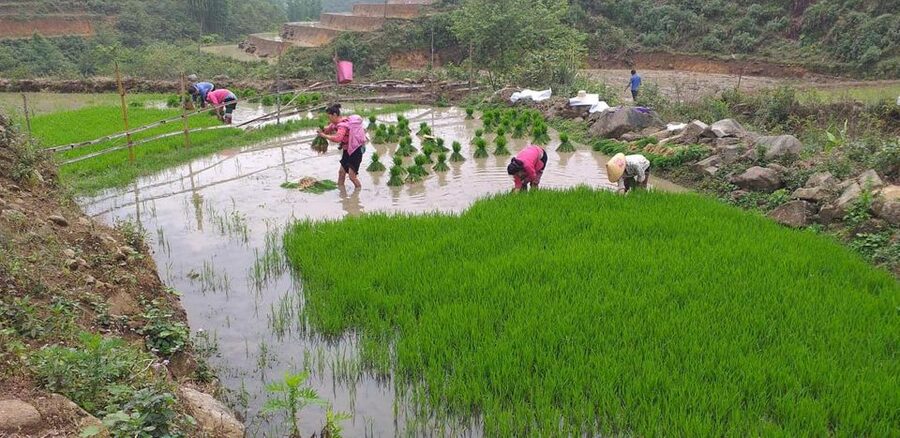
Lunch is served at a local house and includes traditional dishes. This is one of the tour’s most useful inclusions because food turns the cultural visit into a longer, more relaxed experience.
The meal is described as generous in the tour feedback, though the exact dishes can vary. You should expect local food rather than a fixed international menu. Water is included, and one booking included a two-liter bottle, which is welcome after a morning on the road.
Lunch also creates space for conversation. After eating, you can walk around the village, relax, and speak with local people. That slower period may become the most memorable part of the day because it is less about checking off sights and more about spending time in the community.
Do not expect a polished restaurant setting. The local house is part of the point. If you need a specific diet, confirm it before booking because no dietary details are provided.
What the guides add to the day
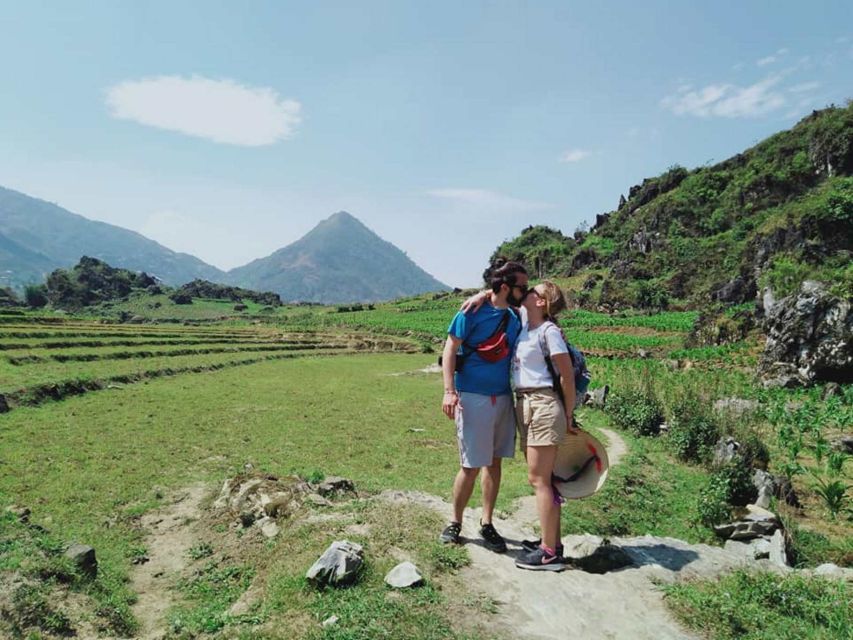
A good guide makes this tour much more than a motorbike transfer. The guide explains local customs, points out village details, chooses safe places to stop, and helps you understand what you are seeing.
Dung is described as kind and well informed about Sa Pa. Cha Cha is praised for local knowledge and careful driving, while Nhu is remembered for sharing her culture in a warm, personal way. May is noted for allowing plenty of photo stops. Su is mentioned as a careful driver during wet weather.
Those names do not guarantee who will lead your tour, but they show the kind of service to expect. You should receive an English-speaking guide, and the group may be as small as one booking if demand is low. That can turn the half-day into a private outing, with more flexibility for stops and questions.
The tour does not promise a fixed guide, so ask at the meeting point if you have a particular request. The French-language option costs extra.
Is $55 good value?
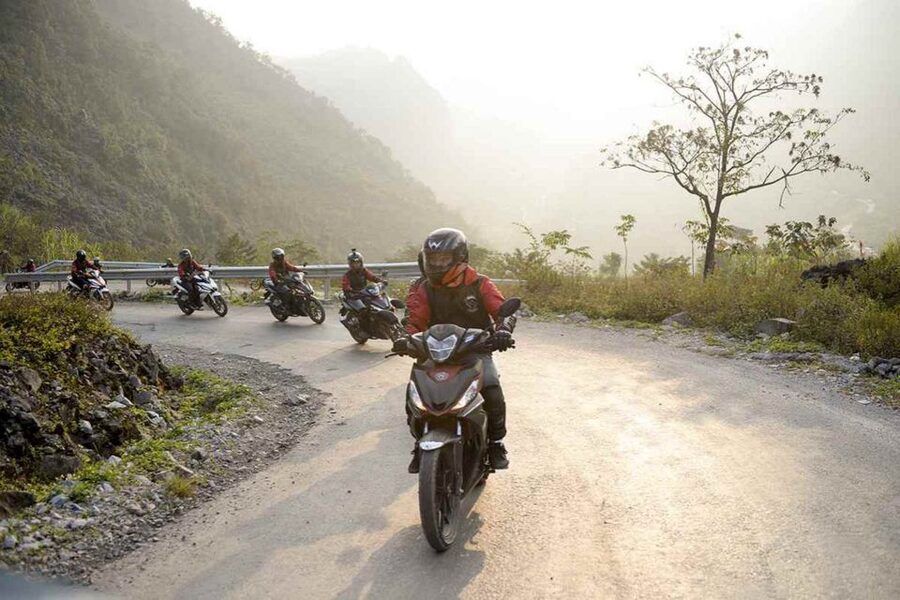
For a five-hour tour, $55 is a reasonable price. You are paying for a guide, bike, gasoline, helmet, water, entrance fee, and lunch. More importantly, you are paying for local transport across a wide area that would be difficult to cover on foot in the same time.
The value is strongest if you have only one day in Sa Pa or do not want a long trek. A motorbike allows you to see villages, a waterfall, and farmland without committing to a four or five-hour walk. It also suits anyone who wants scenery but has limited fitness for steep trails.
The price is less attractive if you already have your own motorbike and are comfortable exploring independently. In that case, the guide and cultural access remain the main reasons to book. If you need a driver, check the extra $20 charge before setting off.
You should also budget for personal expenses and travel insurance. Those are not included. The Lunar New Year and French guide surcharges are separate, too.
Who should book this Sa Pa tour?
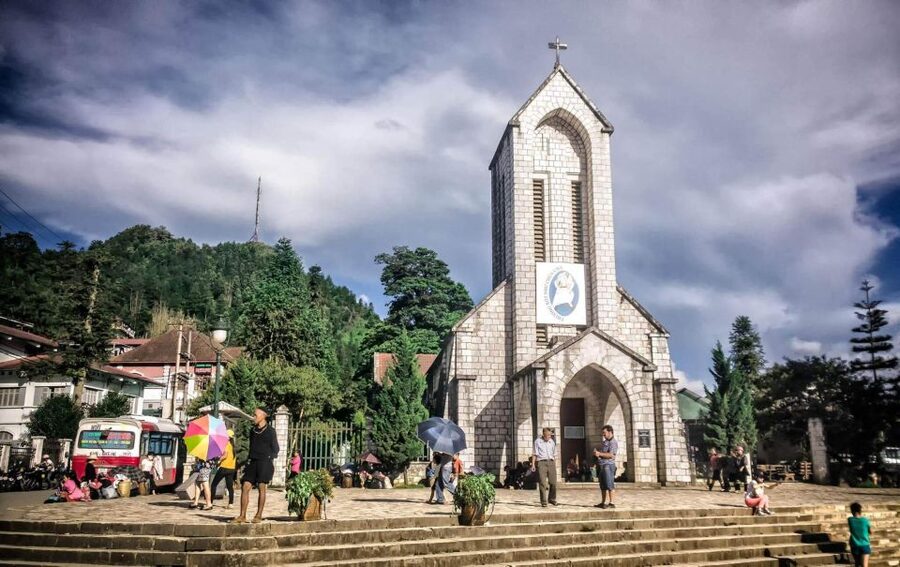
I would choose this tour if you want to see more than Sa Pa town but do not want a full-day trek. It suits first-time visitors, solo bookers, couples, and small groups who value local explanation along with mountain scenery.
It is especially good for people who are comfortable riding a motorbike or who are happy to sit behind a local driver. The pillion option removes much of the stress and lets you take in the views.
I would think twice if you dislike rough roads, have no interest in villages, or expect a carefully staged cultural show. The tour is active, weather-dependent, and rooted in real communities. It is not a luxury sightseeing ride.
The free cancellation policy lets you cancel up to 24 hours before departure for a full refund. You can also reserve now and pay later, which helps if your Sa Pa plans depend on weather.
Should you book it?
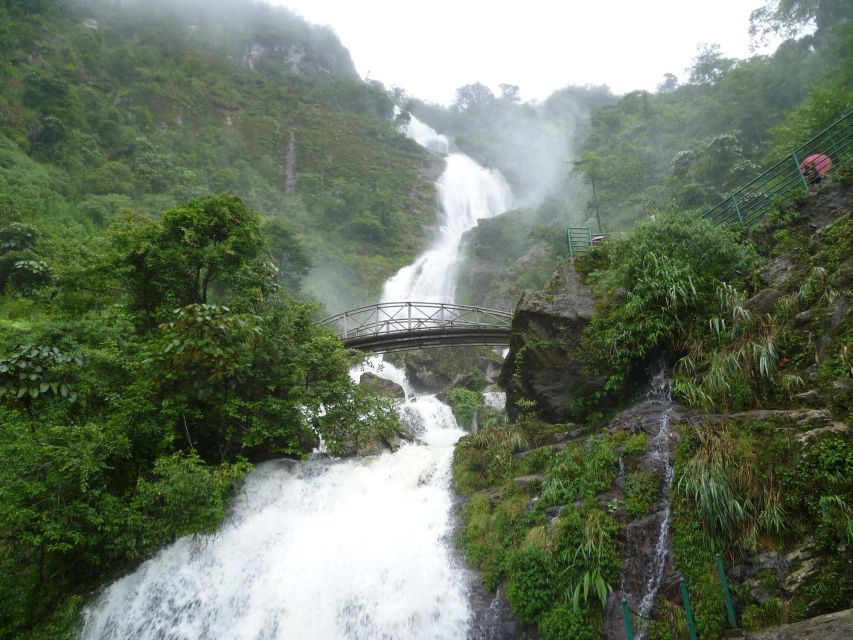
Book this tour if your priority is seeing a wide slice of Sa Pa in a short time. The combination of Hmong and Red Dao villages, a nearly 200-meter waterfall, and lunch at a local home gives the morning a good rhythm. You get scenery, movement, and conversation rather than a string of viewpoints.
Choose the pillion option if you are nervous about steep or muddy roads. Choose your own bike only if you have the license and experience to ride comfortably in unfamiliar mountain conditions.
At $55, with lunch, fuel, entrance fees, water, and a small group included, this is a strong choice for a first Sa Pa visit. Just bring weather-ready clothes, ask about the driver supplement if needed, and let the local guide handle the difficult roads.
FAQ
Where does the tour start?
The tour starts at Nomadtrails Boutique Hotel at 013 Tue Tinh Street in Sa Pa, Lao Cai. It is about a three-minute walk from the Church.
Where does the tour finish?
The activity ends back at the same meeting point, Nomadtrails Boutique Hotel.
How long does the tour last?
The stated duration is five hours. The listed pickup time is 9:00 am, with the return to Sa Pa in the afternoon.
Is lunch included?
Yes. Lunch at a local house, along with water, is included in the price.
Can I ride the motorbike myself?
Yes, you may ride your own motorbike if you have a driver’s license. You can also ride behind the guide.
Can I hire a driver?
Yes. The provided tour information states that a driver can be hired for $20. Confirm the charge at the meeting point.
Is the tour suitable for pregnant women?
No. The activity is not suitable for pregnant women.
What happens if I need to cancel?
You can cancel up to 24 hours in advance for a full refund. You can also reserve the activity and pay later.
Newly reviewed in Vietnam
- Private Full-Day Tour to Halong Bay from Hanoi★ 5.0 · 44 reviews
- Private Evening Walking Tour – Cyclo & Water Puppet Show in Hanoi Old Quarter★ 5.0 · 19 reviews
- Ba Vi National Park Private Tour: Sightseeings & Jungle Hikking★ 4.5 · 26 reviews
- Full-Day Hanoi City Tour with Hidden Local Life Experience★ 5.0 · 27 reviews
- Hanoi Epic tour 6D5N Hanoi – Halong Bay – Ninh Binh – Sapa★ 5.0 · 51 reviews
- Private transfers Hanoi <=> Puluong 1 Way (Free Hotel Pickup)★ 5.0 · 20 reviews
- Hanoi Airport Pick-up (Private Ride From Hanoi Airport to Hotels)★ 4.5 · 253 reviews
- Noi Bai Airport transfer to Hotel or Vice versa★ 5.0 · 144 reviews
Hai Van Pass & Motorbike Tours, compared.
Ho Chi Minh City Street Food Tour & Sightseeing By Motorbike
Read our review →
Hanoi Motorbike Tour: Food, Culture and Fun by Vintage Motorbike
Read our review →
Saigon By Night and Street Food By Motorbike | Opt: Ao Dai Riders
Read our review →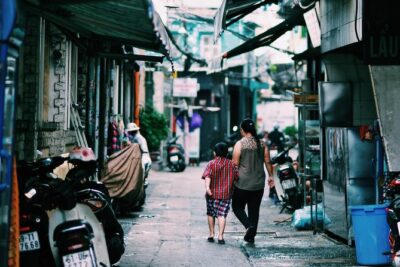
Private Street Food Tour by Motorbike/Car with Local Students
Read our review →
Top Notch Street Food Motorbike Tour In Ho Chi Minh City
Read our review →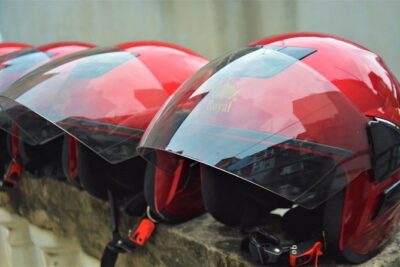
Hanoi Motorbike Tours Led By Women: Hanoi By Night Foodie Motorbike Tours
Read our review →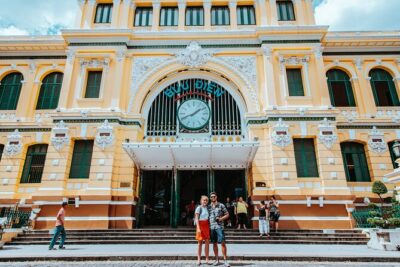
Ho Chi Minh City Motorbike Tour with Student | Saigon Adventure
Read our review →
Easy Rider private tour via Hai Van pass from Hue – Da Nang – Hoi An (1Way|Loop)
Read our review →Browse the lists this tour appears in