
Reviewed · TOURS IN HANOI
Hanoi Coffee Experience: 6 Brews, 9 Recipes & 3 Liquor Tastings
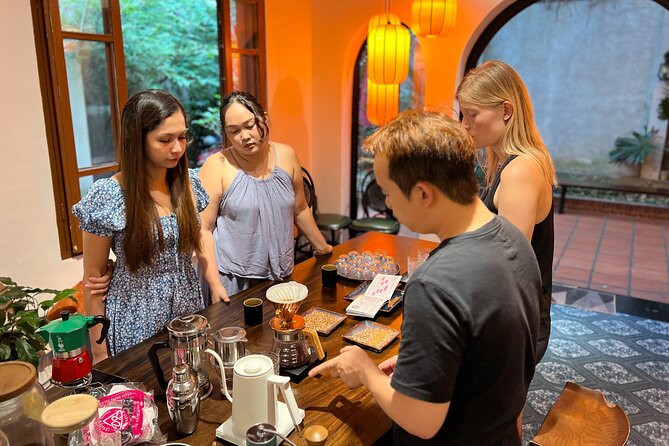
Vietnamese coffee is more than a strong drink with condensed milk. This three-hour workshop takes you from bean and roast to six finished brews, with local stories, pastries, and a few homemade fruit liquors along the way. You work with the tools yourself, rather than simply watching a demonstration.
I like the hands-on format and the way the class connects coffee to family farms, roasting, and daily life in Vietnam. I also like the guides, especially Pa, Piey, Maxie, and Trung, who are praised for clear English, humor, patience, and practical advice about coffee spots in Hanoi. The main caution is simple: you will consume a lot of coffee, so eat something light first and do not plan this class on an empty stomach.
Key points to know before booking
- Six Vietnamese coffee styles: Make phin coffee, egg coffee, iced coffee with condensed milk, coconut coffee, pour-over, and a signature coffee cocktail.
- Nine recipes to take home: The workshop title includes nine recipes, while the main hands-on sequence centers on six featured brews.
- Three local liquor tastings: Sample several homemade Vietnamese fruit liquors as part of the coffee and culture session.
- Small-group feel: The usual maximum is 15 people, though the villa can host larger groups with advance notice.
- Quiet villa setting: The class takes place in an air-conditioned Indochine-style villa reached from the Old Quarter area.
- Good value at $17: You receive instruction, tastings, snacks, equipment, water, and a three-hour cultural activity for a modest price.
A coffee class with more than one strong cup
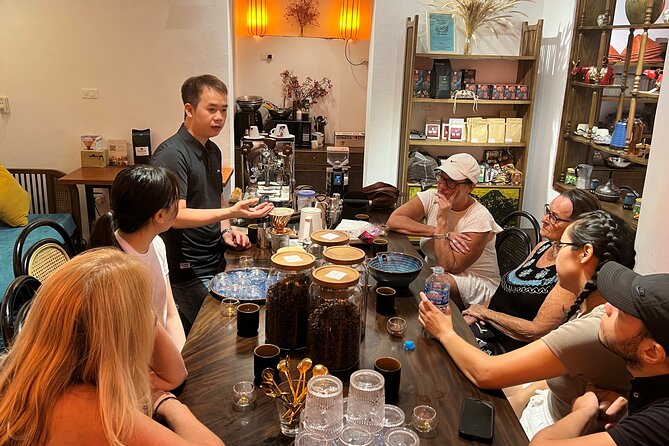
At $17 per person, this Hanoi coffee experience offers a lot for the money. You are not paying for a single drink and a quick explanation. You get a structured workshop, several tastings, hands-on preparation, recipes, small snacks, and an introduction to Vietnamese spirits.
The setting helps. Instead of sitting in a busy street cafe, you enter a quiet villa in an alley, with Indochine-style details and a garden area for enjoying the drinks. The space is air-conditioned, which matters in Hanoi’s warm, humid weather and keeps the class comfortable while you handle coffee, ice, eggs, coconut, and brewing equipment.
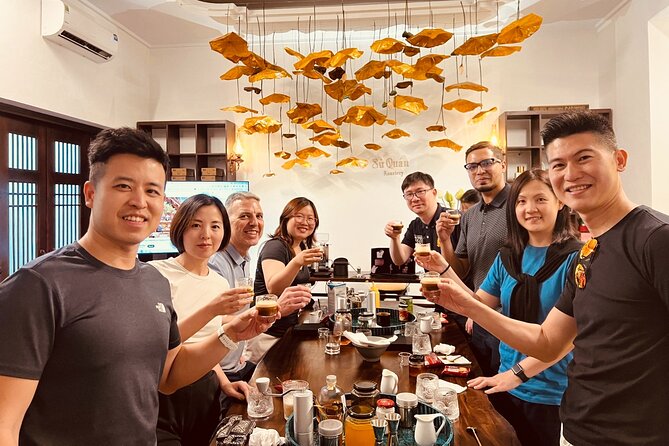
The workshop is run by Sử Quán Roastery, whose work includes preserving stories connected to Vietnamese coffee. The team includes a certified trainer who has coached head baristas at five-star hotels and restaurants, along with coffee specialists who explain the subject in plain English.
The tone is not meant to be a formal barista certification course. It is a cultural workshop with real technique. You learn enough to understand what you are drinking, make the recipes yourself, and repeat several of them at home.
A few more ways to spend a day in Hanoi
- Hanoi Coffee Workshop: Taste Salt, Coconut and Egg Coffee
★ 5.0 · 1,286 reviews - Hanoi: Salt Coffee Workshop Awake Your Senses With 6 Brews
★ 5.0 · 792 reviews - Hanoi: Vietnamese Street Food Tour with Egg Coffee
★ 4.9 · 315 reviews
Starting with Vietnam’s coffee story
The class begins with the background of coffee in Vietnam. You learn how coffee arrived in the country, how it grows, and why Vietnam became such an important coffee-producing nation along the World Coffee Belt.
This opening matters because Vietnamese coffee is often reduced to one image: dark coffee dripping through a small metal phin over condensed milk. The workshop shows that there is more to it. Bean types, roasting choices, brewing tools, sweetness, texture, and local habits all shape the final cup.
You also discuss how to recognize properly made coffee and how to tell the difference between authentic, well-crafted beans and less convincing products. This is useful after the class, when you are choosing coffee to take home or deciding which cafe deserves your time.
The farm connection adds a human side. Part of the workshop supports children’s education at a Da Lat coffee farm, where families have worked their land for generations. The activity does not turn this into a charity presentation, but it gives you a clearer link between the drink in your glass and the people who grow it.
Seeing beans, roasts, and brewing tools up close
The next section looks at the raw materials and equipment. You are introduced to different coffee beans, roasting methods, and brewing tools before making the drinks.
This is where the class becomes useful for a first-time visitor. If you have wondered why one Vietnamese coffee tastes smoky and forceful while another is light, sweet, or creamy, the roast and brewing discussion gives you a framework. You do not need technical coffee vocabulary to follow it.
The guides also explain the role of the phin, Vietnam’s small metal filter. It is slower than an espresso machine and more direct than many home drip methods. Watching the coffee pass through the filter helps you understand why Vietnamese coffee often arrives with such a concentrated flavor.
The equipment is supplied, and a dedicated butler is available to help during the session. That makes the class approachable even if you have never used a phin or prepared whipped egg coffee before. The teaching is designed around participation, so raise your hand when the instructor asks for help. Some drinks are made individually, while others are group activities.
Making the six featured coffees
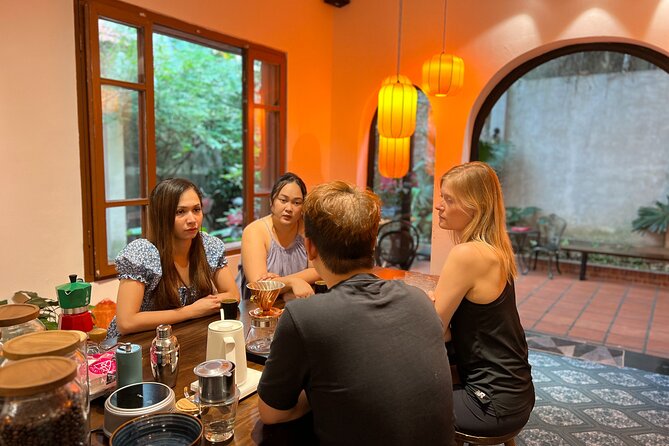
The heart of the workshop is the brewing session. The exact order can vary, but the featured styles include six familiar and less familiar preparations.
Same base, a completely different day:
- Hanoi Jeep Tour: Food, Culture and Fun by Vietnam Army Jeep
★ 5.0 · 15,222 reviews - Full-Day Ninh Binh Highlights Tour from Hanoi
★ 5.0 · 7,761 reviews - Hanoi: Ha Long Bay Day Cruise – Swimming, Meal, Kayaking
★ 4.7 · 7,415 reviews - Hanoi: Water Puppet Show Tickets
★ 4.6 · 7,029 reviews
Phin coffee
This is the foundation. You use the traditional Vietnamese metal filter to brew coffee slowly into a cup. The method looks simple, but the amount of coffee, water, pressure, and waiting time all affect the result.
Making it yourself gives you a better feel for the ritual than ordering a finished cup. You can see the drip rate and adjust your expectations about Vietnamese coffee, which is often meant to be strong and concentrated.
Iced coffee with condensed milk
Known widely as ca phe sua da, this is one of Vietnam’s best-known coffee drinks. The condensed milk provides sweetness and body, while ice turns the intense brew into something refreshing.
The workshop lets you prepare the balance yourself rather than receiving a fixed recipe. That is useful because visitors often find Vietnamese coffee much stronger or sweeter than expected. You can remember the proportions that suit you and make a version at home.
Egg coffee
Egg coffee is a Hanoi specialty built around coffee and a sweet, creamy egg mixture. The texture is central to the drink, and the preparation shows how a small set of ingredients can produce something that feels closer to a dessert.
This is one of the most interesting parts for anyone who has only seen the drink in photographs. You are not just tasting it in a cafe. You learn how the topping is made and why the drink has become such a local signature.
Coconut coffee
Coconut coffee brings a cooler, softer contrast to the darker phin preparation. The coconut element changes both the texture and the sweetness, making this a popular choice for people who find straight Vietnamese coffee too intense.
It is also a good reminder that Vietnamese coffee culture is not limited to one traditional recipe. The class places classic and modern styles side by side, so you can compare how the same coffee base changes with different ingredients.
Pour-over coffee
The pour-over section introduces a method familiar to many specialty coffee drinkers. You can compare its cleaner style with the heavier character of phin coffee.
This part is valuable if you want to understand brewing rather than simply collect drinks. It lets you see how the tool and pouring method alter the cup, even when the coffee itself comes from the same broad local tradition.
Signature coffee cocktail
The final featured drink combines coffee with jam and local wine. It is a playful step away from the usual cafe menu and links the coffee session to the liquor tastings.
The drink has been described as a Vietnamese twist on an espresso martini, though the recipe uses its own local elements. Alcohol is part of this section, so tell the staff if you do not drink. The workshop remains enjoyable for people who prefer coffee without alcohol, and one important practical point is that the alcohol tastings are not the entire focus of the class.
Three liquor tastings and a garden break
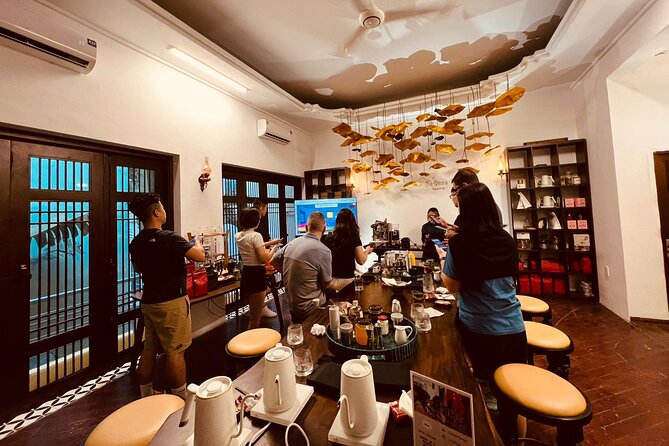
Alongside the coffee, you taste several Vietnamese homemade fruit liquors. These are included as part of the experience, not treated as a separate bar visit.
The tastings help show another side of local food culture. Fruit-based homemade spirits are quite different from the sweetened coffee drinks, and the comparison makes the signature cocktail easier to understand.
The pace is intentionally spread across the three-hour session. That gives you time to make and taste each drink instead of being handed six cups in quick succession. It also helps limit caffeine overload, though you should still eat before arriving.
Coffee and local snacks are served during the workshop, and pastries accompany the finished drinks in the garden. The food is a pleasant match for the bitter coffee and sweet condensed milk, but it is not a full meal. Have breakfast or lunch first.
Why the instructors make a difference
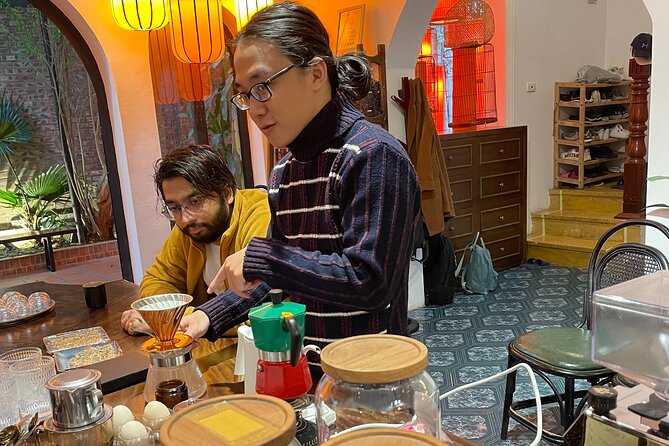
The strongest part of this experience is the teaching. Pa, also known as Piey in some bookings, is repeatedly singled out for energy, humor, patience, and clear explanations. Maxie is praised for keeping the group involved while explaining both coffee and spirits. Trung is known for useful facts and an easygoing style.
You should not assume a particular guide will lead your session, since several instructors teach the workshop. Still, the pattern is clear: the class depends heavily on the person at the front, and the available guides have strong experience presenting the material in English.
The best sessions are interactive. Ask questions, volunteer for the individual preparation steps, and ask for Hanoi cafe suggestions before you leave. The instructors are happy to discuss where to try the drinks again around town, which adds value beyond the three hours in the villa.
Families can take part, and older children may enjoy the making and tasting. It is still a coffee-focused activity, so it is less suitable for very young children or anyone who should avoid caffeine. People who do not drink coffee can still take part in the teaching and preparation, but most of the tasting centers on coffee.
Group size, pickup, and location
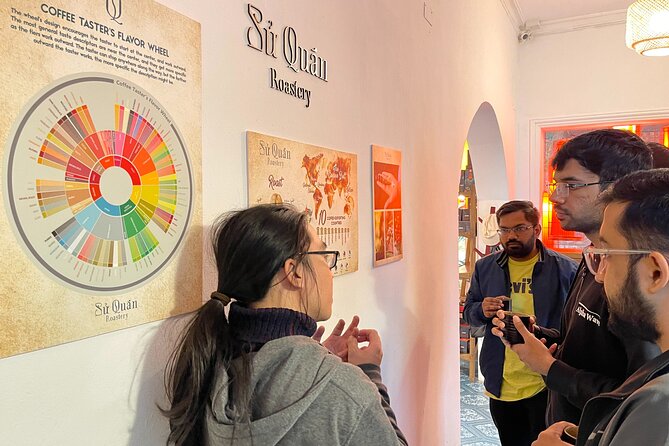
The standard maximum is 15 people. That is large enough for a social class but small enough for the instructor to help with the brewing steps. The villa can host groups of up to 100 if arranged in advance, and groups larger than 15 should contact the provider before booking.
The meeting point is in Hanoi’s Old Quarter area, and pickup is offered. The venue itself is a little outside the most central Old Quarter streets, so pickup can be useful if you do not want to work out the final approach through Hanoi’s lanes.
Communication about pickup is part of the practical appeal. If you choose that option, confirm the meeting details in advance and allow enough time for Hanoi traffic. The activity returns to the meeting point at the end.
There is free luggage storage for up to three days, which may help if you are between hotels or carrying bags after checkout. Personal expenses and tips are not included. Coffee and accessories may be available to buy at the end, with cash and card accepted, though card payments carry a 3 percent fee.
Is $17 a fair price?
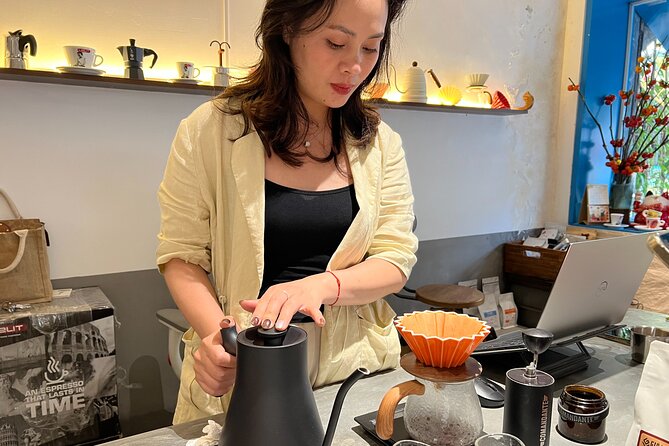
Yes, provided you actually want a coffee workshop rather than a quick tasting. For $17, you receive about three hours of instruction, six prepared coffee styles, local liquor samples, snacks, pastries, water, equipment, and cultural context.
The value is especially strong for anyone planning to buy Vietnamese coffee after leaving Hanoi. You learn how the phin works, how condensed milk changes the drink, and how egg and coconut preparations are built. The recipes can help you recreate several drinks at home instead of leaving with only a few photographs.
The price does not include hotel transportation in every case, personal purchases, or tips. Those are small considerations, but they are worth knowing before you compare this workshop with a short cafe visit.
Practical advice for enjoying the class
Eat a light meal before you arrive. This is the most important tip, since the session includes many coffee samples and the snack is not intended to replace lunch.
Bring a curious attitude and volunteer for the brewing steps. If you stand back, you may still learn a lot, but the real value comes from handling the phin, mixing ingredients, and seeing how each recipe comes together.
If you are sensitive to caffeine, pace yourself and tell the instructor. The drinks are served over time, not all at once, but the session still contains a serious amount of coffee.
Book with cancellation room if your Hanoi schedule may change. You can cancel for a full refund up to 24 hours before the start time. Cancellations or changes inside 24 hours are not refunded, and the workshop requires a minimum number of participants. If that minimum is not reached, you are offered another date or a full refund.
Who should book this Hanoi coffee experience?
I would choose this for coffee drinkers, food-focused visitors, couples, friends, and families with older children. It is also a good rainy-day plan because the main workshop is indoors and air-conditioned.
You do not need advanced coffee skills. The class suits complete beginners, but it also gives experienced coffee drinkers enough comparison between beans, roasts, filters, and recipes to keep the session worthwhile.
I would skip it if you dislike coffee, avoid caffeine, or want a quiet cafe morning with no group activity. The workshop is social and guided, and the drinks come one after another. It is not a private tasting or a professional barista qualification.
Should you book it?
Book it if you want to understand why Hanoi coffee tastes the way it does, not just photograph an egg coffee. The combination of six brews, nine recipes, three liquor tastings, practical instruction, and a modest $17 price makes this one of the stronger food activities for a short Hanoi visit.
Go prepared: eat first, expect strong coffee, and take part rather than watching from the side. If you do that, you leave with more than a caffeine buzz. You leave knowing how to make several Vietnamese drinks and where they fit into the country’s daily life.
FAQ
Where does the Hanoi coffee experience start?
It starts in Hanoi’s Old Quarter area in Hoàn Kiếm District, Vietnam.
Where does the activity finish?
The experience ends back at the meeting point.
How long does the workshop last?
The workshop lasts approximately three hours.
How much does the experience cost?
The stated price is $17 per person.
How many people can join the normal session?
The maximum is 15 participants.
Can larger groups book the villa?
Yes. The villa can host groups of up to 100 people, but groups larger than 15 should notify the provider in advance.
Which Vietnamese coffees do you make?
The featured drinks are phin coffee, egg coffee, iced coffee with condensed milk, coconut coffee, pour-over coffee, and a signature coffee cocktail with jam and local wine.
Are alcoholic drinks included?
Yes. Several types of traditional Vietnamese homemade fruit liquors are included in the session.
Should I eat before the workshop?
Yes. A light meal beforehand is recommended because you will taste a lot of coffee. Local snacks and pastries are included, but they are not a full meal.
Can I cancel for a refund?
You can cancel up to 24 hours before the start time for a full refund. Cancellations or changes made less than 24 hours before the experience are not refunded.
Newly reviewed in Hanoi
- Ha Noi Egg Coffee Class★ 5.0 · 227 reviews
- Vegan Street Food & Stories of Hanoi★ 5.0 · 282 reviews
- Halong Bay 2D1N BEST CRUISES All-Inclusive: Transfer, Meals, Kayak, Cave, Island★ 5.0 · 288 reviews
- Hanoi City Half Day Private Tour: Hidden Corners & Train Street★ 4.5 · 291 reviews
- Hanoi Maya Kitchen: Traditional Cooking Class & Market Tour★ 5.0 · 287 reviews
- Private Street Food Tour – Walking Hanoi Old Quarter★ 5.0 · 294 reviews
- Hanoi: Cat Ba Island & Lan Ha Bay Day Trip Cruise with Lunch★ 4.8 · 308 reviews
- Vespa City Tour &Train Street Female With Ao Dai Riders 4,5 Hours★ 5.0 · 314 reviews
Tours in Hanoi, compared.
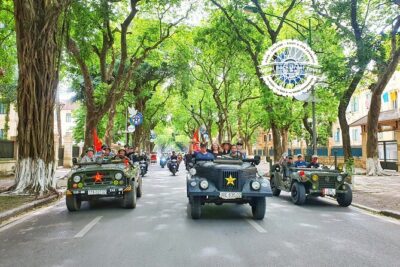
Hanoi Jeep Tour: Food, Culture and Fun by Vietnam Army Jeep
Read our review →
Full-Day Ninh Binh Highlights Tour from Hanoi
Read our review →
Ha Long Bay Day Cruise – Swimming, Meal, Kayaking
Read our review →
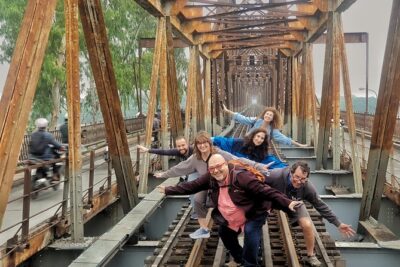
Hanoi Motorbike Tour: Food, Culture and Fun by Vintage Motorbike
Read our review →
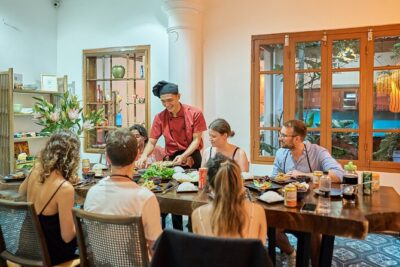
Hanoi Cooking Class: Culture, Local Market & Meaning CSR Impact
Read our review →
5 Traditional Dishes Hanoi Cooking Class with Market Trip
Read our review →Browse the lists this tour appears in