
Reviewed · COFFEE & EGG COFFEE TOURS
Hanoi Coffee Workshop: Taste Salt, Coconut and Egg Coffee
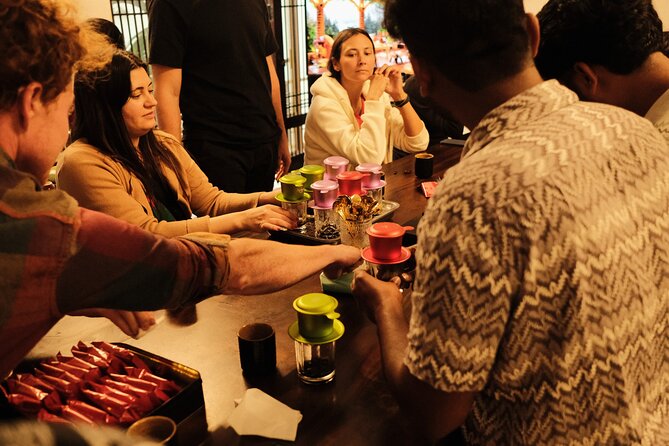
Vietnamese coffee is much more than strong coffee poured over condensed milk. At Local Beans Roastery, you make six distinctive drinks, including salt, egg, and coconut coffee, then taste them while learning how Vietnam’s coffee culture grew from farm to café table. The workshop is led by local baristas such as Val, Lin, Luka, and Giang.
I like the practical format: you do not just watch a demonstration, you handle the filters, grinders, and other equipment yourself. I also like the range of flavors, from the familiar Phin-brewed cup to a coffee cocktail made with local jam and wine. The main consideration is that this is a three-and-a-half-hour class, so it suits curious coffee drinkers more than anyone seeking a quick tasting.
Key Points Before You Book
- Six Vietnamese coffee styles: Brew and taste Phin coffee, brown coffee, salt coffee, egg coffee, coconut coffee, and a creative coffee cocktail.
- Local barista instruction: Val, Lin, Luka, Giang, and other seasoned instructors explain coffee growing, roast levels, recipes, and daily café culture.
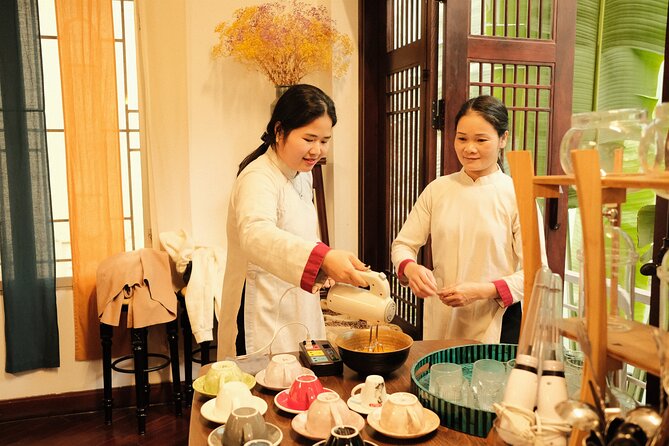
- Hands-on equipment: Filters, grinders, and other coffee tools are provided, so you learn by making the drinks yourself.
- Good value at $16: The price includes snacks, tea, coffee tastings, instruction, recipes, digital coffee books, and a certificate if requested.
- Old Quarter pickup: Hotel pickup and return are available within Hanoi’s Old Quarter, while the workshop itself begins at Local Beans Roastery.
- Useful for non-coffee drinkers too: The different recipes give you a chance to find a style you enjoy, even if plain coffee is not your usual drink.
Six Cups That Explain Hanoi Coffee
The heart of this experience is its six-drink tasting. Rather than treating Vietnamese coffee as one fixed recipe, the class shows you how a few local ingredients change the drink completely.
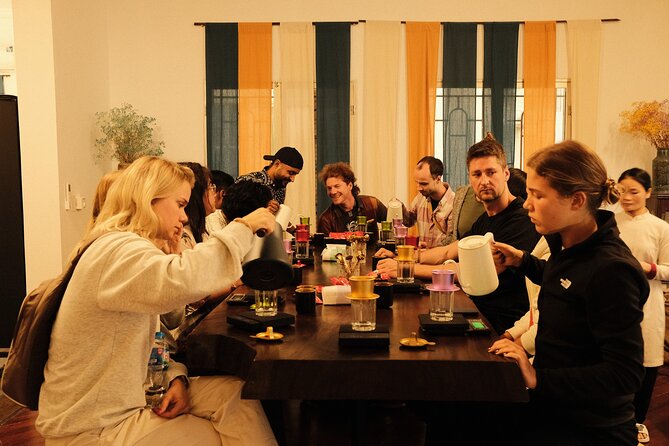
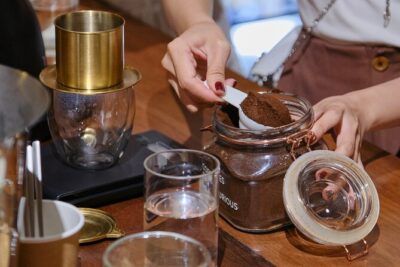
You begin with classic Phin-brewed coffee. A Phin is Vietnam’s small metal filter, placed over a cup while hot water slowly passes through the coffee. This method takes patience, and that is part of the lesson. You see how grind size, water, roast level, and timing affect the final cup.
The classic style gives you a useful reference point. Vietnamese coffee is often associated with a bold taste, and the class explains how robusta fits into that picture. One point worth keeping in mind is that robusta is important to Vietnam’s coffee industry and café culture, but it is not automatically a sign of higher quality. The workshop presents it as part of the country’s coffee identity, while the actual taste may not suit everyone.
Next comes brown coffee, generally the sweetened style that many people first encounter in Vietnam. This is a familiar bridge between strong brewed coffee and the creamy, sweet café drinks that appear across Hanoi.
Salt coffee is one of the more memorable recipes. A small amount of salt can change the balance of bitterness and sweetness, making the drink taste softer and more rounded. If you normally take coffee black, this is a useful lesson in how a tiny ingredient can shift the whole cup.
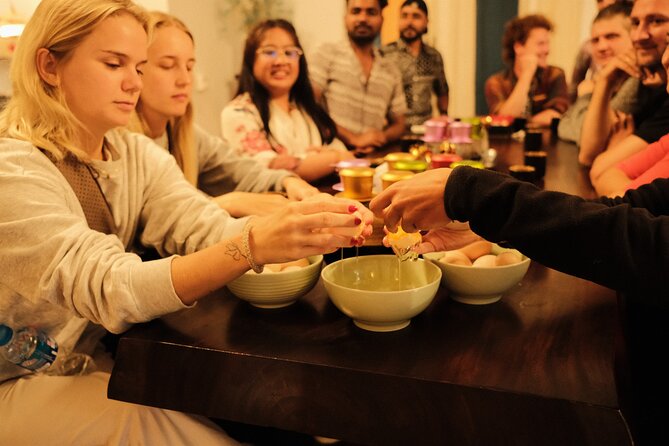
Egg coffee is the famous Hanoi specialty, and the class gives you more context than simply ordering one in a café. You learn how the creamy egg mixture works with the coffee beneath it, and you get to prepare the drink yourself. It is part coffee, part dessert, and a good example of Hanoi’s talent for turning everyday ingredients into something distinctive.
Coconut coffee brings a cooler, creamier profile to the tasting. The recipe adds another contrast to the lineup, so you can compare a sweet coconut drink with the sharper taste of Phin coffee or the unusual balance of salt coffee.
The final coffee is a cocktail made with local jam and wine. It is a playful finish rather than a traditional cup, and it gives the class a connection to other local flavors. If you prefer not to drink alcohol, ask about the recipe before taking part, since wine is part of this particular drink.
More coffee stops in Hanoi:
- Hanoi: Vietnamese Street Food Tour with Egg Coffee
★ 4.9 · 315 reviews - Ha Noi Egg Coffee Class
★ 5.0 · 227 reviews - Decadent Vietnamese “Egg Coffee” Workshop in Hồ Chí Minh City
★ 5.0 · 150 reviews
How the Workshop Unfolds at Local Beans Roastery
The class begins at Local Beans Roastery, at No. 75/173 Hoang Hoa Tham Street in Hanoi’s Ba Dinh area. The activity ends at the same meeting point unless you use the available Old Quarter pickup and drop-off service.
You start with a welcome herbal ginger root and peach tea, along with snacks. This is a small detail, but it helps set the pace. Three and a half hours is a long time for a tasting class, and the tea and snacks make the session feel like a hosted food experience rather than a rapid sequence of coffee samples.
The introduction covers coffee’s place in Vietnam and the way it became part of everyday life. The instructors connect the drinks to local habits, rather than treating the recipes as isolated café novelties. That context matters because egg coffee and salt coffee make more sense when you understand how Vietnamese cafés use strong brewed coffee as a base for creative additions.
You then learn how roast levels affect aroma and taste. This is one of the more useful parts for anyone who wants to make coffee at home. A roast changes the smell, bitterness, body, and overall balance, so the same brewing method can produce a very different cup depending on the beans.
The class moves into preparation. Filters and grinders are supplied, and the instructors guide you through each recipe. Lin is described as an engaging teacher who involves each person in the process and welcomes questions. Val is known for adding humor to the explanations while covering coffee growing and the background of the drinks. Luka has a professional, organized teaching style, while Giang and Valerie have helped participants through the practical steps.
The exact instructor can vary, so do not book around a promise that one named barista will lead your session. Still, the teaching approach appears consistent: the staff explain the method, involve the group, and leave room for questions.
What Makes the Teaching Useful
This is not a formal coffee certification course, and you should not expect advanced café training. It is a friendly introduction to Vietnamese brewing that gives you enough technique to repeat the drinks at home.
The best part is the direct comparison. You make several coffees in one sitting, so you can notice how the base brew changes when you add condensed milk, salt, egg, coconut, jam, or wine. That is more useful than tasting one egg coffee in a café and trying to guess how it was made.
The class also teaches you how to judge a cup. You hear about aroma, flavor, roast levels, and the difference between a well-prepared drink and an ordinary one. For a casual coffee drinker, this gives you a better way to order in Hanoi. For a serious coffee fan, it provides a simple look at the local style and the role of robusta.
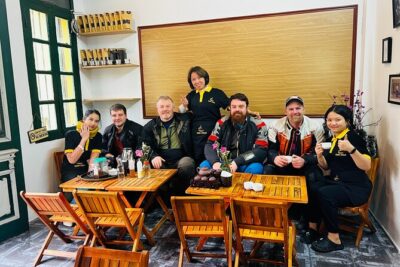
The workshop is also welcoming to solo participants. One participant described the group as open and easy to join alone, with the instructor involving everyone in the preparation. That makes the class a sensible choice if you are traveling by yourself and want an activity with a clear shared focus.
Price, Timing, and What You Receive
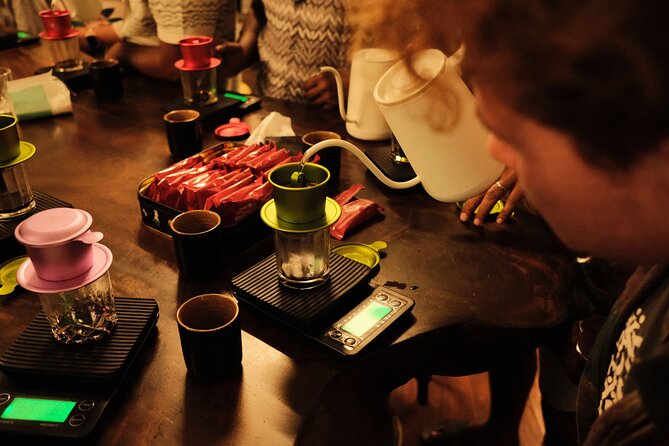
At $16 per person, the workshop offers good value if you plan to take part in the full session. You receive six coffee preparations, instruction, snacks, welcome tea, use of the equipment, a recipe book, and digital coffee books related to the workshop.
You can also request a professional certificate. This is a nice extra for someone building a food or coffee travel record, though it should not be the reason to book. The real value is the ability to repeat the recipes after you leave Hanoi.
The price is less compelling if you only want to taste egg coffee once. A local café will offer a cheaper and faster introduction to that single drink. You are paying here for the guided process, the comparison between six styles, the equipment, and the background information.
The session lasts about three hours and 30 minutes. Plan it as a half-day activity. An 8 a.m. start is available according to the scheduling described by participants, and a morning class can leave the rest of your day open. A rainy day is also a good time to schedule it, since the experience takes place indoors and gives you a practical plan when outdoor sightseeing loses its appeal.
The maximum group size is listed as 100 people. That is a large possible capacity, so you should not assume a tiny private class. The teaching format is designed for group participation, and the instructors encourage questions and hands-on work. If group size is especially important to you, confirm the expected number before booking.
A few more ways to spend a day in Hanoi
- Hanoi Coffee Experience: 6 Brews, 9 Recipes & 3 Liquor Tastings
★ 5.0 · 2,945 reviews - Hanoi: Salt Coffee Workshop Awake Your Senses With 6 Brews
★ 5.0 · 792 reviews - Hoi An: Vietnamese Coffee Culture and Coffee Making Class
★ 4.9 · 4,006 reviews - Early Morning My Son Sanctuary Trip w. Champa Food & Coffee
★ 5.0 · 629 reviews
Pickup From the Old Quarter
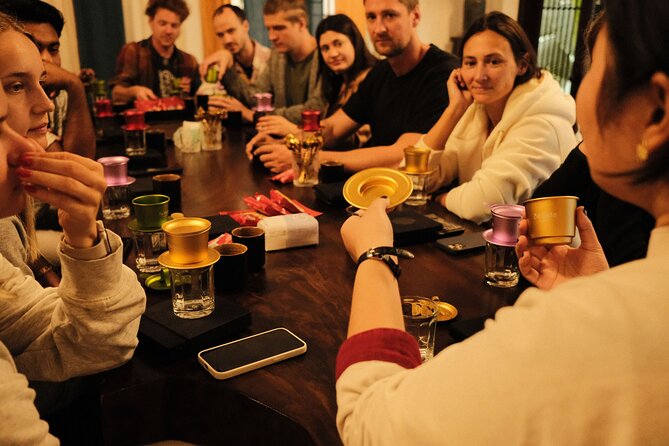
Hotel pickup and return are available within the Old Quarter area. This can save you the trouble of arranging transport to the roastery, especially if you are still finding your way around Hanoi.
The workshop does not begin in the Old Quarter itself. The stated meeting point is Local Beans Roastery on Hoang Hoa Tham Street in Ba Dinh, and the activity ends there. If you are staying outside the Old Quarter, pickup is not listed as included for your location, so plan your own way to the meeting point.
The location is near public transportation, and mobile tickets are accepted. Confirmation is provided at booking. Service animals are allowed.
Dietary Needs, Alcohol, and Accessibility Notes
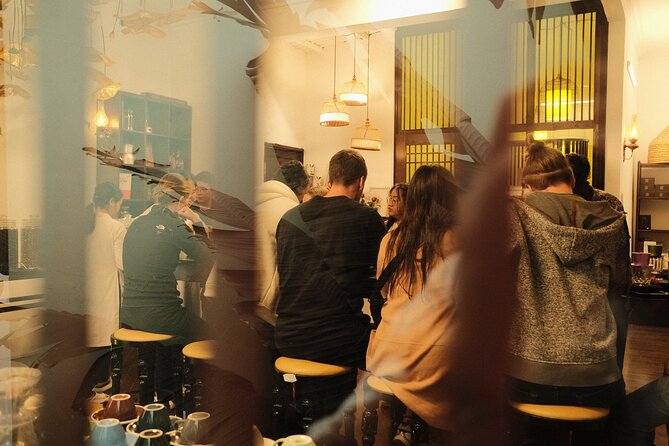
Vegan participants and people with dietary restrictions can be accommodated. You should share those needs when booking or before the class begins, rather than waiting until the first recipe is served.
Some drinks are naturally built around dairy, egg, or sweet ingredients, so the staff need advance notice to adjust the recipes. The information provided does not spell out every substitute, so ask what can be changed for your particular diet.
The coffee cocktail includes local jam and wine, and homemade rice wine is offered as a bonus tasting. If you do not drink alcohol, say so clearly and ask which parts can be skipped or replaced.
The class is near public transportation, and service animals are allowed. No detailed information is provided about step-free access, seating, or restroom facilities, so you should contact Local Beans Roastery if you have specific mobility requirements.
The Extra Tastes: Rice Wine, Tea, and Snacks
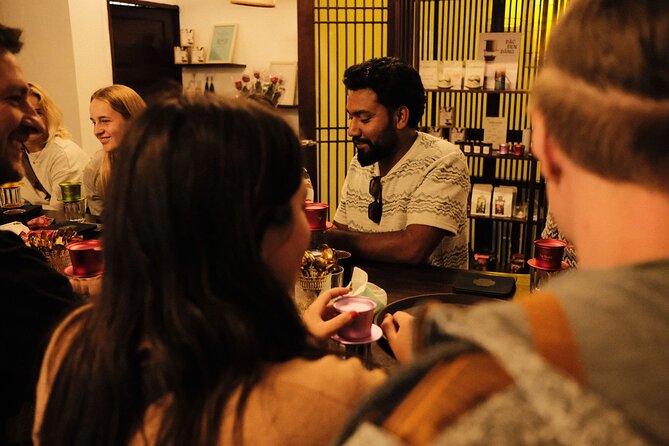
Coffee is the main subject, but the added tastes help place the workshop in a wider food setting. Ginger root and peach tea welcome you at the start, and snacks are included during the session.
A homemade rice wine tasting comes near the end. This gives you another local flavor to try and makes the class feel less like a technical demonstration. It also connects with the cocktail recipe, which uses wine and local jam.
These extras are modest, but they matter when you are spending several hours at the roastery. They keep the session from becoming six heavy sweet drinks in a row, although anyone sensitive to caffeine should remember that the tasting includes multiple coffee samples.
What You Take Home
The most useful souvenir is not a bag of beans. It is the recipe material.
You receive a recipe book for the drinks you learn, plus free digital copies of coffee books related to the workshop. That gives you a practical way to recreate the drinks after your trip. You may also find coffee products available for purchase if you want ingredients or equipment for home use, though the supplied details do not specify the full product range or prices.
The workshop is especially good for someone who wants a food memory that lasts beyond a photograph. Salt coffee, egg coffee, and coconut coffee are recipes you can experiment with in your own kitchen. The digital material is also handy if you do not want to carry another paper item in your luggage.
Who Will Enjoy This Most
I would choose this for coffee fans, home brewers, food-focused visitors, and anyone who wants more contact with local daily life than a standard sightseeing tour provides.
It also works well for people who are unsure about coffee. One class participant who did not normally drink coffee still enjoyed the range of recipes and ended up favoring salt coffee. The variety gives you room to find a style that suits you.
Solo visitors should find the format easy to join, since the activities give everyone a role. Couples and friends can compare their results, and small groups may qualify for a group discount.
You may want to skip it if you dislike sweet drinks, caffeine, egg-based recipes, or alcohol-related tastings. It is also not the best choice if your Hanoi schedule is packed and you cannot spare half a day. A quick café stop will be more efficient, but it will not teach you how to make the drinks.
Final Call: Book It for the Process, Not Just the Coffee
Book this workshop if you want to understand why Vietnamese coffee tastes and looks different from the coffee you drink at home. The strongest reasons are the hands-on brewing, the six contrasting recipes, the local stories, and the take-home instructions.
At $16, it is a fair deal for a three-and-a-half-hour session with drinks, snacks, tea, equipment, recipes, digital books, and optional pickup within the Old Quarter. The main drawbacks are the long duration, the possible group size, and the fact that several recipes are sweet, creamy, or unusual.
For a rainy morning, a solo day, or a food-focused Hanoi itinerary, this is an easy choice. Just tell the staff about dietary restrictions, alcohol preferences, or mobility needs in advance, and treat the class as a full half-day experience rather than a quick coffee tasting.
FAQ
Where does the coffee workshop begin?
It begins at Local Beans Roastery, No. 75/173 Hoang Hoa Tham Street, Ngoc Ha Ward, Ba Dinh, Hanoi, Vietnam.
Where does the activity end?
The workshop ends back at the meeting point at Local Beans Roastery.
How long does the workshop last?
The activity lasts approximately three hours and 30 minutes.
How much does the experience cost?
The listed price is $16 per person.
Which coffees will I make?
You will make six signature Vietnamese coffees: classic Phin-brewed coffee, brown coffee, salt coffee, egg coffee, coconut coffee, and a coffee cocktail made with local jam and wine.
Is hotel pickup available?
Yes. Hotel pickup and drop-off are available within Hanoi’s Old Quarter area.
Are coffee-making tools provided?
Yes. Filters, grinders, and other special coffee-making equipment are provided during the workshop.
Can vegan participants or people with dietary restrictions join?
Yes. Vegan travelers and people with dietary restrictions can be accommodated. Share your requirements in advance so the recipes can be adjusted where possible.
What is the cancellation policy?
You can cancel at least 24 hours before the experience for a full refund. Cancellations or changes made within 24 hours are not accepted for a refund.
More hands-on workshops in Hanoi
- Hanoi Cooking Class: Culture, Local Market & Meaning CSR Impact
★ 5.0 · 5,147 reviews - 5 Traditional Dishes Hanoi Cooking Class with Market Trip
★ 5.0 · 4,890 reviews - Vietnamese Food Cooking Class in Hanoi with Market Experience
★ 5.0 · 778 reviews - Hanoi: Handcrafted Wood Carving Workshop with Local Artisan
★ 5.0 · 733 reviews
Newly reviewed in Hanoi
- Ha Noi Egg Coffee Class★ 5.0 · 227 reviews
- Private Street Food Tour – Walking Hanoi Old Quarter★ 5.0 · 294 reviews
- Vegan Street Food & Stories of Hanoi★ 5.0 · 282 reviews
- Halong Bay 2D1N BEST CRUISES All-Inclusive: Transfer, Meals, Kayak, Cave, Island★ 5.0 · 288 reviews
- Hanoi City Half Day Private Tour: Hidden Corners & Train Street★ 4.5 · 291 reviews
- Hanoi Maya Kitchen: Traditional Cooking Class & Market Tour★ 5.0 · 287 reviews
- Sea Lion Luxury 5-Star Halong Day Cruise,Buffet Lunch,Shuttle Bus★ 5.0 · 302 reviews
- From Hanoi: Hoa Lu, Tam Coc, and Mua Cave Scenic Day Trip★ 5.0 · 302 reviews
Coffee & Egg Coffee Tours, compared.
Decadent Vietnamese “Egg Coffee” Workshop in Hồ Chí Minh City
Read our review →
MOTORBIKE TOUR TO PONGOUR FALLS- SILK- COFFEE FARM
Read our review →Browse the lists this tour appears in