

Reviewed · TOURS IN HANOI
Hanoi Coffee Class learning 5 famous coffee in Hanoi
Hanoi’s coffee culture makes more sense when you get your hands on the tools. In this two-hour class, you examine beans in different forms, learn how coffee reached and grew in Vietnam, then make five drinks yourself. Egg coffee and coconut coffee are the stars, but the class may also cover condensed-milk filter coffee, pour-over, white coffee, matcha coffee, or salted coffee.
I like the hands-on format and the small maximum of 15 people. You are not just sipping a finished drink while someone talks. You grind, brew, mix, and taste. I also like the cultural side, with guides such as Vy, Bella, and Ruby explaining Hanoi coffee and offering useful ideas for nearby places to visit. The possible drawback is caffeine: five drinks in two hours can be a lot, especially if you are sensitive to coffee.
Key points to know
- Five coffee drinks in about two hours: You make and taste several Vietnamese styles instead of stopping for a single cup.
- Egg and coconut coffee are highlights: These distinctive Hanoi drinks provide the most memorable part of the class.
- Practical instruction: You handle coffee filters, grinders, roasters, and other brewing tools.
- Guides with clear English: Vy, Bella, Ruby, and other instructors are noted for friendly, patient teaching.
- Old Quarter location: The class begins and ends at 8 P. Gia Ngư, Hàng Bạc, near public transportation.
- Good value at $18: Tea, snacks, coffee, equipment, instruction, and a cultural lesson are included.
Five cups that explain Hanoi coffee
Vietnamese coffee is not one fixed drink. It can be dark and strong through a metal filter, soft and creamy with condensed milk, airy with whipped egg, or chilled with coconut. This class gives you a useful introduction to that range in one sitting.
You begin with Vietnamese tea and a small snack. That opening matters. It gives you a gentle start before the stronger coffee arrives, and it sets a social tone rather than making the session feel like a technical workshop.
The lesson then turns to the beans. You get to see, touch, and smell coffee in different forms. This sensory step helps you notice what changes between whole beans, ground coffee, and brewed coffee. It also gives the history lesson something practical to connect with.
Depending on the option you book, you may roast a batch yourself. You then learn to grind and brew with the supplied tools. The exact set of five drinks can vary, since the class description lists several possible recipes. Common choices include condensed-milk filter coffee, pour-over, white coffee, egg coffee, coconut coffee, matcha coffee, and salted coffee.
That flexibility is useful if you already know what you want to try. If you are booking mainly for egg coffee, coconut coffee, or a certain modern variation, check the selected option before paying.
A few more ways to spend a day in Hanoi
- Hanoi Coffee Experience: 6 Brews, 9 Recipes & 3 Liquor Tastings
★ 5.0 · 2,945 reviews - Hanoi Coffee Workshop: Taste Salt, Coconut and Egg Coffee
★ 5.0 · 1,286 reviews - Hanoi: Salt Coffee Workshop Awake Your Senses With 6 Brews
★ 5.0 · 792 reviews
The coffee tools are part of the lesson
A good coffee class should explain how a drink is made, not only hand you a cup. Here, you work with coffee filters, a coffee roaster, and other brewing tools. The short theory section gives you the basics, then the class moves quickly into preparation.
The filter coffee is a particularly useful skill to take home. Vietnamese coffee often uses a small metal filter placed over the cup. You add the coffee, pour water, and allow it to drip slowly. Condensed milk can turn the strong brew into a sweet, creamy drink.
The process takes patience. You cannot treat it like an instant coffee sachet. That slower pace is part of the appeal, and the class lets you see how a few simple tools create such a forceful cup.
Pour-over coffee gives you a useful comparison. It is a cleaner brewing style, and making it alongside a Vietnamese filter coffee helps you notice how equipment and technique affect the final taste. You are not required to become a coffee expert. You simply leave with a better sense of why two cups made from similar beans can taste so different.
If roasting is included in your chosen option, it adds another layer. You get to see coffee before it reaches the familiar dark, fragrant form. This is worth checking when booking because roasting is described as dependent on the option selected, not as a guarantee for every class.
Egg coffee and coconut coffee bring the fun
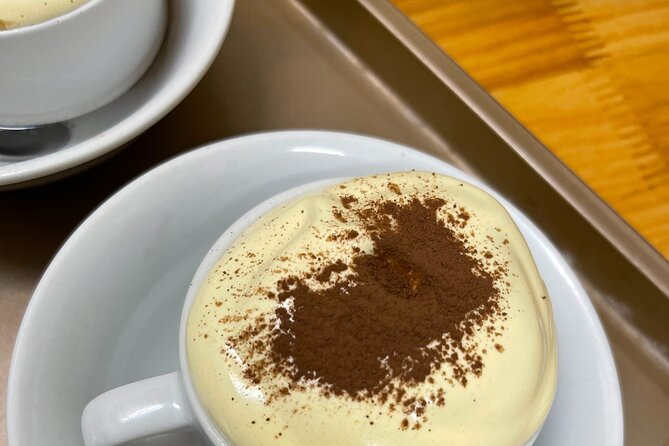
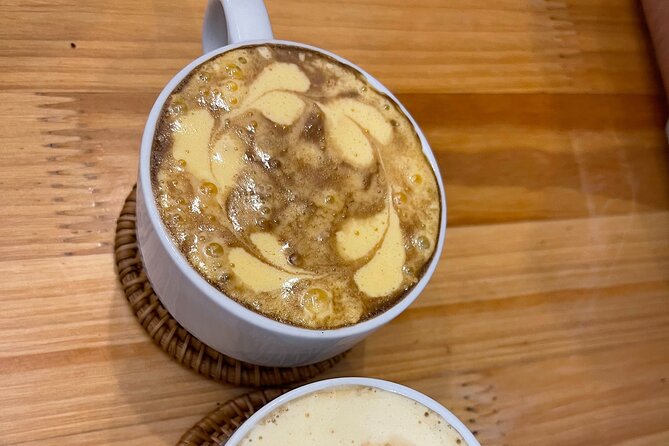
Egg coffee is likely to be the class’s most surprising recipe. It uses a sweet, creamy egg mixture with strong coffee below or alongside it. The contrast gives the drink its character. It is closer to a dessert than a plain morning cup, yet the coffee still matters.
Bella has taught the story of how egg coffee came to Hanoi, making this recipe a good entry point into local culture. The drink was developed as a creative response to limited dairy availability, according to the class teaching described by participants, but the supplied tour details do not set out a full historical account. You can expect the guide to explain its Hanoi connection during the session.
Coconut coffee offers a different texture and flavor. It combines coffee with coconut, often producing a cold, sweet drink that is easy to like even if you normally prefer mild coffee. Making it yourself is more rewarding than ordering it without knowing what goes into the glass.
The recipes are not just demonstrations. You prepare the drinks and taste them one by one. That sequence lets you compare them while their differences are still fresh. You may prefer the intense condensed-milk coffee, the dessert-like egg version, or the softer coconut drink.
Matcha and salted coffee may also appear among the five recipes. These newer styles show how Hanoi’s coffee scene keeps adapting. The exact menu depends on your chosen class option, so treat the listed drinks as a range rather than a promise that every class serves all of them.
Guides keep the class personal
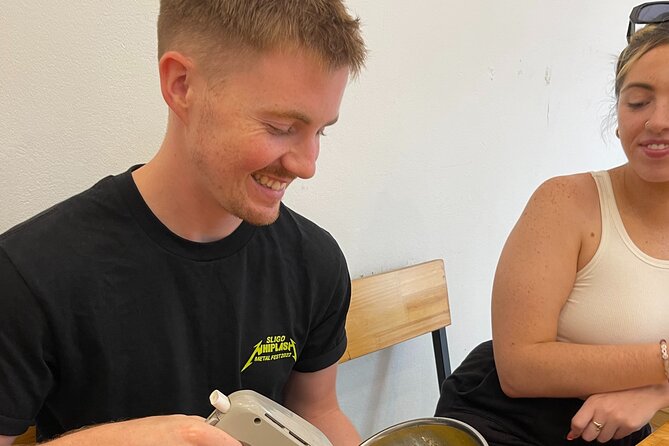
The teaching is a major part of the value. Vy is described as accommodating when people have different coffee preferences, a useful quality if one person in your group likes strong drinks while another prefers sweeter or lighter flavors. She also shares information about coffee types, Vietnamese culture, and places around Hanoi.
Bella is associated with the egg and coconut coffee instruction. Her teaching style is described as patient and fun, with attention to both coffee production and history. Ruby is noted for clear English and good guidance during the preparation of different drinks.
These details matter because a coffee class can easily become either too basic or too technical. The strongest format is a short explanation followed by action, and that is how this session is set up. You receive enough background to understand what you are doing, then you get to make the drink instead of sitting through a long lecture.
The class can also feel personal when numbers are low. The maximum is 15 people, and some sessions have been one-to-one. A private-feeling class is not guaranteed, but a group of this size gives the instructor a fair chance to answer questions and adjust to different tastes.
The guides may also give tips about nearby parts of Hanoi. That is a useful extra, especially if you schedule the class early in your stay and want help planning your time around the Old Quarter.
More things you make yourself in Hanoi:
- Hanoi Cooking Class: Culture, Local Market & Meaning CSR Impact
★ 5.0 · 5,147 reviews - 5 Traditional Dishes Hanoi Cooking Class with Market Trip
★ 5.0 · 4,890 reviews - Vietnamese Food Cooking Class in Hanoi with Market Experience
★ 5.0 · 778 reviews - Hanoi: Handcrafted Wood Carving Workshop with Local Artisan
★ 5.0 · 733 reviews
What you actually do during the two hours
The session follows a sensible progression:
- You arrive at the coffee shop at 8 P. Gia Ngư in Hàng Bạc and receive Vietnamese tea and a snack.
- You learn about Vietnamese and Hanoi coffee, including coffee beans in several forms.
- You see, touch, and smell the beans before brewing.
- Depending on the selected option, you roast coffee and learn how to grind it.
- The guide shows you how to use filters and other coffee tools.
- You prepare five drinks, with the possible menu including egg, coconut, condensed-milk, pour-over, white, matcha, and salted coffee.
- You taste the drinks one at a time with more small snacks.
- You finish back at the same meeting point.
The order works well because you first learn what the ingredients and tools are, then use them. It also avoids the common problem of drinking a large number of coffees without understanding the differences.
Two hours is long enough for a real introduction but short enough to fit around sightseeing. You could schedule it before exploring the Old Quarter or use it as a break from walking. Since the class begins and ends at the same place, you do not need to arrange a separate return ride.
Why the $18 price is fair
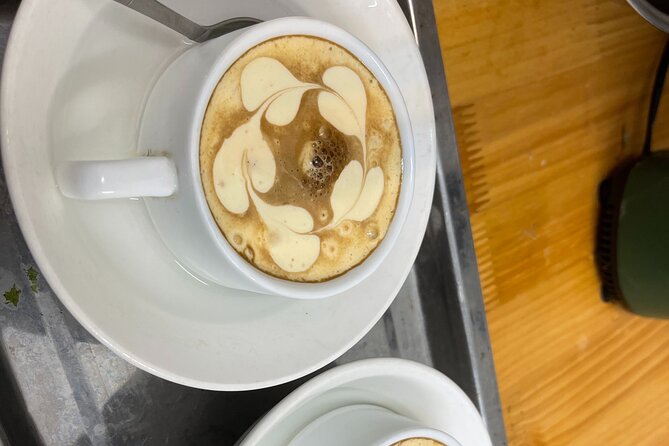
At $18, this is more than a tasting but less than a full cooking-style workshop with a large meal. You receive coffee and tea, snacks, instruction, and the use of the brewing equipment. The price also covers the time spent explaining Vietnam’s coffee culture.
The value improves if you want to recreate the drinks at home. You learn the basic process rather than simply collecting a few photos and flavors. Several people have found the methods simple enough to try again later, especially the filter coffee and the egg coffee.
The value is weaker if you do not drink coffee or if you want a quiet tasting with only one or two cups. Five drinks can be intense. Ask about the selected menu and pace if you have a low caffeine tolerance or strong preferences.
There is also a practical point about portions. The details do not state how large each serving is, so do not assume you will receive five full cafe-size drinks. The class is designed for making and tasting several recipes, with snacks along the way.
The Old Quarter setting helps
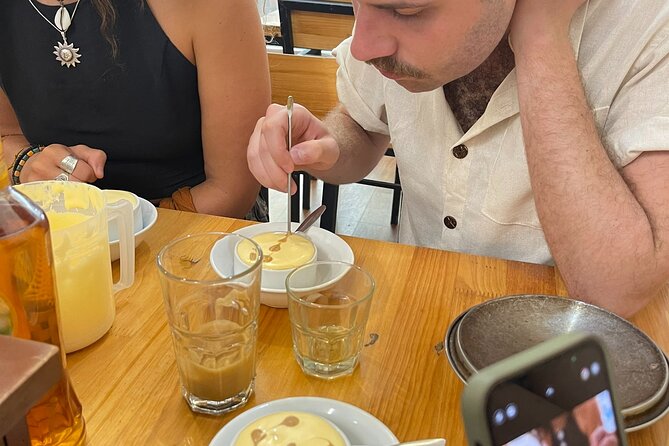
The meeting point at 8 P. Gia Ngư, Hàng Bạc, places the class in Hanoi’s central Old Quarter area. The activity is near public transportation, which makes it easier to reach without arranging a private transfer.
The location is useful beyond transport. Coffee is closely tied to daily life in Hanoi, and taking the class in a long-running coffee shop gives the subject a more grounded setting than a hotel meeting room would. You begin and end in the same place, so you can continue walking through the surrounding streets afterward.
No detailed directions from a landmark are provided, so you should rely on the booking information and allow time to find the exact address. Mobile tickets are supported, and confirmation arrives at booking.
Who should book this coffee class
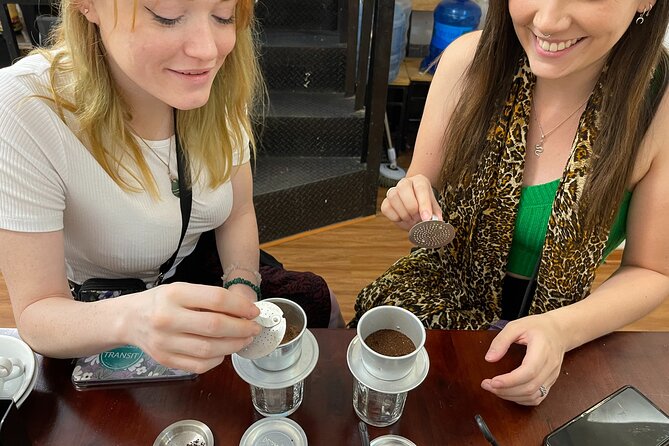
I would recommend it to first-time visitors who want a short cultural activity with a practical result. You get a lesson about Vietnamese coffee, several tastings, and a skill you can repeat at home.
It also suits couples and families. The hands-on format gives everyone a job, and the instructor can adjust to different preferences. A family group of five has completed the class together, with the guide helping people choose drinks suited to their tastes.
Coffee fans will get the most from it, especially if you want to compare brewing styles. You do not need advanced coffee knowledge. The class begins with the basics and explains the difference between beans, tools, and recipes in plain terms.
I would think twice if you dislike sweet drinks. Egg, coconut, and condensed-milk coffees can lean toward dessert territory. You may still enjoy the bean and brewing lesson, but the tasting menu is built around Vietnamese-style drinks, not plain black coffee alone.
I would also be cautious about booking it late in a packed sightseeing day. Two hours is not excessive, but five tastings, snacks, and conversation deserve enough time to enjoy the process rather than rush out halfway through.
Practical details before you book
The activity is listed at about two hours, with a maximum of 15 people. It starts and ends at 8 P. Gia Ngư, Hàng Bạc, Hoàn Kiếm, Hanoi.
Service animals are allowed, and the meeting point is near public transportation. Confirmation is received at the time of booking, and the ticket can be used on a mobile device.
You can cancel for a full refund up to 24 hours before the local start time. Cancellations or changes made within 24 hours are not refunded or accepted. The class requires a minimum number of participants, so if the provider cancels for that reason, you are offered another date or experience, or a full refund.
Should you book Hanoi Coffee Class?
Book it if you want to understand Hanoi through one of its everyday pleasures, and if you like learning by doing. The strongest reasons are the five-drink format, the chance to make egg and coconut coffee yourself, the useful filter-brewing lesson, and the friendly instruction associated with Vy, Bella, Ruby, and the other guides.
Skip it if you rarely drink coffee, dislike sweet recipes, or want a simple cafe stop rather than a structured class. For most visitors, though, $18 is a reasonable price for two hours of tasting, making, and cultural context in the Old Quarter. Just check the chosen option for its exact five drinks, and plan for a serious caffeine session.
FAQ
Where does the Hanoi Coffee Class begin?
It begins at 8 P. Gia Ngư, Hàng Bạc, Hoàn Kiếm, Hà Nội, Vietnam.
Where does the activity end?
The activity ends back at the meeting point.
How long does the coffee class last?
The class lasts about two hours.
How much does the experience cost?
The listed price is $18.
How many people can join the class?
The activity has a maximum of 15 travelers.
What coffee drinks might I make?
Possible drinks include condensed-milk filter coffee, pour-over, white coffee, egg coffee, coconut coffee, matcha coffee, and salted coffee. The exact five depend on the option selected.
Is roasting included in every option?
No. The information says you can roast a batch of coffee depending on the option chosen.
Are food and drinks included?
Yes. Vietnamese tea, coffee, and small snacks are included.
Is the meeting point near public transportation?
Yes. The meeting point is near public transportation.
Can I cancel for a full refund?
Yes, if you cancel at least 24 hours before the experience start time. Cancellations within 24 hours are not refunded.
Newly reviewed in Hanoi
- Private Full-Day Tour to Halong Bay from Hanoi★ 5.0 · 44 reviews
- Private Evening Walking Tour – Cyclo & Water Puppet Show in Hanoi Old Quarter★ 5.0 · 19 reviews
- Ba Vi National Park Private Tour: Sightseeings & Jungle Hikking★ 4.5 · 26 reviews
- Full-Day Hanoi City Tour with Hidden Local Life Experience★ 5.0 · 27 reviews
- Hanoi Epic tour 6D5N Hanoi – Halong Bay – Ninh Binh – Sapa★ 5.0 · 51 reviews
- Private transfers Hanoi <=> Puluong 1 Way (Free Hotel Pickup)★ 5.0 · 20 reviews
- Hanoi Airport Pick-up (Private Ride From Hanoi Airport to Hotels)★ 4.5 · 253 reviews
- Noi Bai Airport transfer to Hotel or Vice versa★ 5.0 · 144 reviews
Tours in Hanoi, compared.

Hanoi Jeep Tour: Food, Culture and Fun by Vietnam Army Jeep
Read our review →
Full-Day Ninh Binh Highlights Tour from Hanoi
Read our review →
Ha Long Bay Day Cruise – Swimming, Meal, Kayaking
Read our review →

Hanoi Motorbike Tour: Food, Culture and Fun by Vintage Motorbike
Read our review →
Hanoi Cooking Class: Culture, Local Market & Meaning CSR Impact
Read our review →
5 Traditional Dishes Hanoi Cooking Class with Market Trip
Read our review →Browse the lists this tour appears in