
Reviewed · TOURS IN HANOI
Vietnamese Bread & Brew: Banh Mi Baking Class & Specialty Coffee
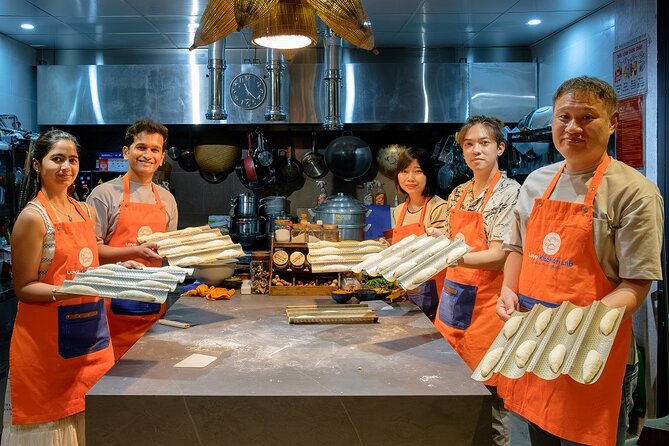
Hanoi’s best street-food lesson may be the one that starts with a lump of dough. At Love Kitchen Lab, you make the baguette, pickle the vegetables, prepare meat or tofu fillings, mix the sauces, and brew Vietnamese coffee in a local home kitchen. I like the full hands-on format and the way the class links French colonial bread with Vietnamese cooking. I also like the small-group limit of 15, which gives you a fair chance to ask questions and take part.
The main consideration is time. Four hours is a long class if you only want a quick cooking demonstration, and the address in Nhật Tân, in Hanoi’s Tây Hồ district, may be less convenient than a central Old Quarter meeting point. Coffee options can also vary between egg, salt, and coconut coffee, so ask what will be prepared on your date.
Key points at a glance
- You make the bread from scratch: Knead baguette dough rather than simply filling a pre-baked roll.
- The coffee is part of the lesson: Learn traditional methods for Vietnamese egg, salt, or coconut coffee.
- The setting is a local home kitchen: The class is built around personal instruction, food stories, and a shared meal.
- The menu works for different eaters: Fillings include meat or tofu, with pickled vegetables and sauces to balance the sandwich.
- The price includes useful extras: Ingredients, equipment, a digital recipe booklet, a cooking certificate on request, luggage storage for up to two days, and homemade wine tasting are included.
- The class returns to the starting point: You meet and finish at Love Kitchen Lab, 519 Đ. Âu Cơ, Nhật Tân, Tây Hồ.
Why this class is about more than a sandwich
Banh mi is often treated as a quick snack, but this class gives you the full chain of work behind it. You start with the bread, then build the sharp, savory, sweet, and creamy parts that make the finished sandwich work.
That matters because a good banh mi is not just a baguette stuffed with meat. The crisp roll, pickled vegetables, filling, herbs or other fresh elements, and sauces must all meet in the same bite. Making each piece yourself helps you understand the balance instead of simply copying a finished dish.
The class also explains how a French-style baguette became part of Vietnamese food. You get a useful bit of cultural context without leaving the kitchen or turning the session into a lecture. For me, that is the right mix: enough history to explain the food, followed by practical work with your hands.
A few more ways to spend a day in Hanoi
- Hanoi Coffee Experience: 6 Brews, 9 Recipes & 3 Liquor Tastings
★ 5.0 · 2,945 reviews - Hanoi Coffee Workshop: Taste Salt, Coconut and Egg Coffee
★ 5.0 · 1,286 reviews - Hanoi: Salt Coffee Workshop Awake Your Senses With 6 Brews
★ 5.0 · 792 reviews
Starting at Love Kitchen Lab in Tây Hồ
The meeting point is Love Kitchen Lab, at 519 Đ. Âu Cơ, Nhật Tân, Tây Hồ, Hanoi. The activity begins and ends there, and the venue is near public transportation.
Give yourself time to find the address. Tây Hồ is not the same as Hanoi’s most concentrated Old Quarter visitor zone, so the location may take more planning if you are staying farther south. The benefit is that the class takes place in a home kitchen rather than a large, formal cooking school.
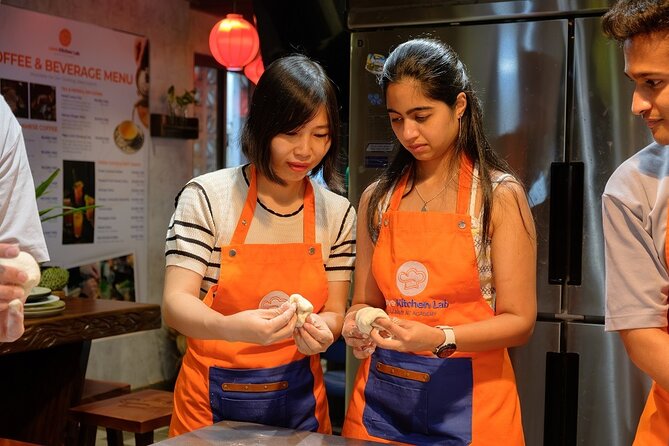
That home setting is central to the character of the activity. You are not only watching a chef work at a demonstration counter. You are assigned a role, handle ingredients, and prepare food with the host and the rest of the group.
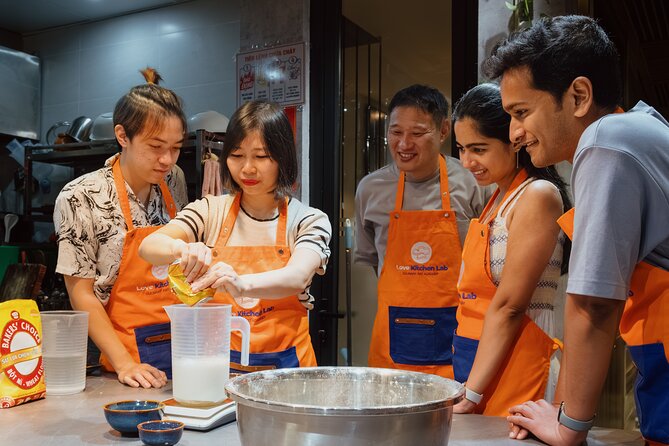
The maximum group size is 15 people. That is not a private lesson, but it is small enough to keep the class personal if everyone takes part. One especially useful feature is that each person has an individual role and purpose during the preparation. You are less likely to spend the whole session standing at the back with nothing to do.
Kneading the baguette from scratch
The first major task is the bread. You knead the baguette dough yourself and follow the process step by step with guidance from an English-speaking home chef.
This is one of the strongest reasons to book the class. Many food activities let you assemble a finished dish, but bread requires a different kind of attention. You learn that the banh mi roll is not an afterthought. Its light, crisp structure is part of what makes the sandwich work.
The class is suited to beginners because the process is described as methodical and easy to follow. You should still expect flour, sticky dough, and a little mess. That is part of the point. If you want a polished meal with no effort, order a banh mi from a street stall. If you want to know how the roll begins, this lesson gives you something you can repeat at home.
The exact baking setup and timing are not specified, so do not assume you will learn every technical detail of commercial bread production. The value here is practical home cooking: work the dough, understand the stages, and leave with a recipe you can try again.
Pickling vegetables for the right contrast
While the bread develops, you prepare the pickled vegetables. This step deserves more attention than it usually gets.
The vegetables bring acidity and crunch to the sandwich. They cut through rich fillings and sauces, keeping the banh mi from becoming heavy. Learning to pickle them yourself also gives you a useful skill that can be applied to other meals at home.
The recipe process is hands-on, and the chef guides you through it. You should expect to learn how the vegetables fit into the sandwich rather than simply receive a spoonful at the end. That balance between soft bread, savory filling, crisp vegetables, and sauce is the lesson’s real cooking logic.
The ingredients are supplied, and the class says it uses fresh, top-grade produce and never-used oil. That is reassuring for a shared kitchen session. Still, food preferences and allergies are not described, so contact the provider before booking if you need a special arrangement.
More things you make yourself in Hanoi:
- Hanoi Cooking Class: Culture, Local Market & Meaning CSR Impact
★ 5.0 · 5,147 reviews - 5 Traditional Dishes Hanoi Cooking Class with Market Trip
★ 5.0 · 4,890 reviews - Vietnamese Food Cooking Class in Hanoi with Market Experience
★ 5.0 · 778 reviews - Hanoi: Handcrafted Wood Carving Workshop with Local Artisan
★ 5.0 · 733 reviews
Choosing meat or tofu and mixing the sauces
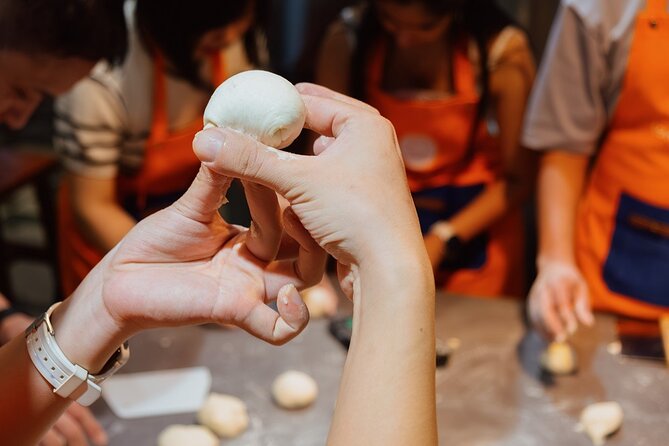
The filling can be meat or tofu. That gives the menu some flexibility without pretending the class is a separate vegetarian course.
You will prepare the savory filling and mix the sauces that bring the sandwich together. The sauces matter because they spread flavor across the bread and help connect the filling with the pickles. This is also where you can begin to see how a few basic components become a complete meal.
The menu is not presented as a long list of filling choices, so you should not expect a broad restaurant-style selection. Instead, the class focuses on the structure of banh mi and the techniques needed to make it at home.
I like this approach. A short menu keeps the lesson focused, and the meat or tofu choice makes the class more accessible to different eaters. If you are traveling with a mixed group, ask ahead about the available filling on your date rather than assuming both options will always be prepared.
Making Hanoi-style coffee alongside the food
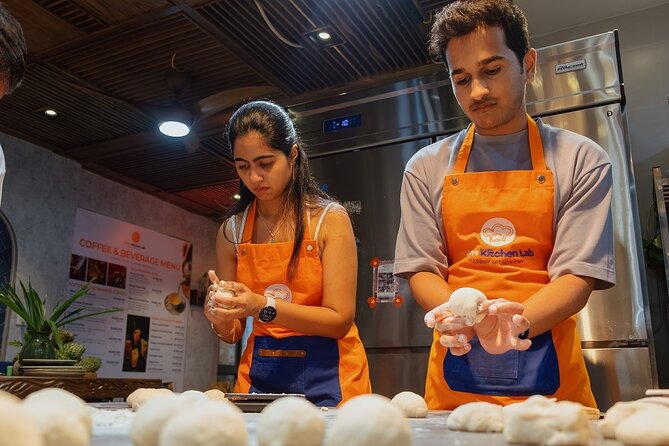
The coffee lesson gives the class a second identity. You do not simply eat a sandwich and leave. You also learn about Vietnamese coffee culture and prepare a specialty drink using traditional methods.
The choices may include egg coffee, salt coffee, or coconut coffee. Egg coffee is especially associated with Hanoi, with a creamy topping that turns a strong coffee into something closer to a small dessert. Salt coffee adds a salty contrast, while coconut coffee brings a cool, sweet element when prepared that way.
The exact option is not fixed in the information provided, so confirm the selection when you arrive. That small uncertainty is worth noting, especially if one particular drink is the reason you want to book.
The methodical teaching is a strength here. You learn the process rather than receive a decorative cup made by somebody else. The coffee also gives the host a natural way to explain local habits and flavors.
If you do not drink coffee, the activity still includes the food lesson, but a coffee-focused class may be less appealing. Soda and other pop beverages are not included, so plan to pay separately for anything beyond the stated menu.
Sitting down to eat what you made
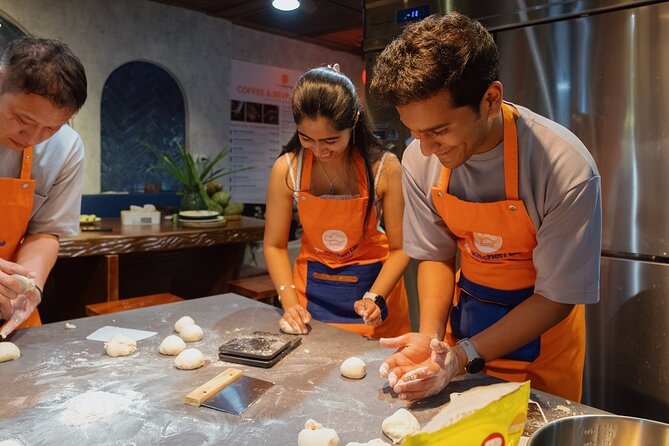
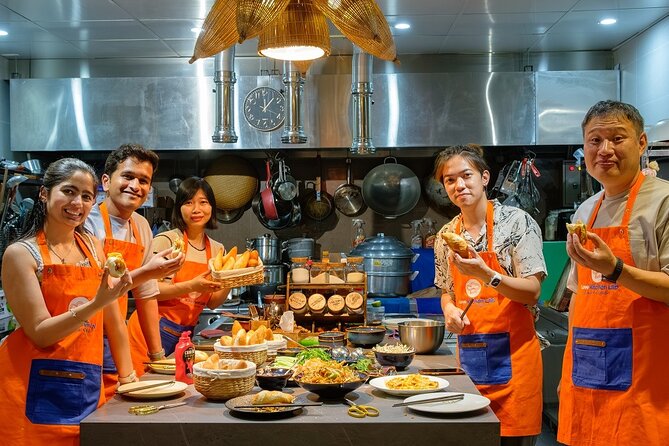
At the end, you eat the banh mi you prepared with the hosts and the rest of the group. This shared meal is more than a reward for finishing the work. It lets you test the results while the process is still fresh in your mind.
You can notice whether the bread has the texture you want, whether the vegetables provide enough sharpness, and how the filling and sauce work together. That makes the meal a practical tasting session, not just a final plate.
The class also includes free homemade wine tasting. This is a small extra rather than the central reason to book, and personal expenses or additional drinks are not included. If you do not drink alcohol, the core cooking lesson remains the main event.
The group format should appeal to people who enjoy a social meal. It may be less attractive if you want a quiet, private cooking appointment. The host’s sense of humor and accommodating manner are part of the appeal, but the amount of individual attention can depend on the size and energy of your group.
What the $34 price really covers
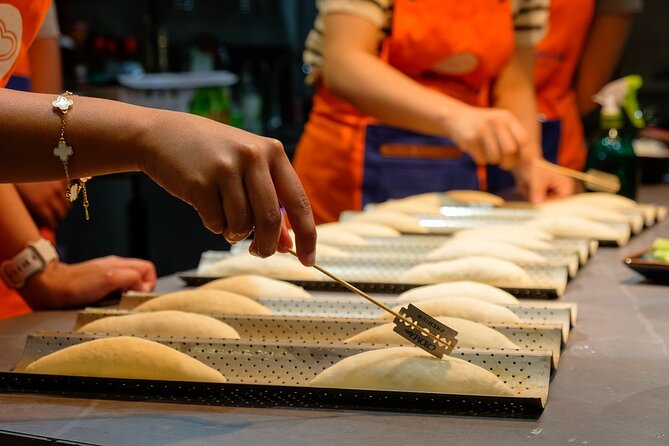
At $34 per person, the class offers more than a meal. You receive about four hours of instruction, all ingredients, cooking equipment, the banh mi and coffee lesson, the food you make, and the chance to eat it at the end.
The practical extras add value. You can request a digital recipe booklet and a cooking certificate, and the provider offers luggage storage for up to two days. That storage could help if you are changing hotels, arriving before check-in, or leaving Hanoi after the class.
A group discount may also be available, which makes the activity worth checking for couples, families, or friends booking together. Tips, personal expenses, and soda or pop beverages are not included, so the advertised price is not the complete cost if you plan to buy extras.
I would judge the price by the amount of participation, not by the number of dishes. You are spending four hours learning bread, pickles, fillings, sauces, and coffee, with a meal at the end. That is a fair value for someone who wants a useful food skill and a local social setting. It is less good value for someone who wants a fast tasting session.
Who will get the most from the four-hour format
This class suits you if you like to cook, want a food activity with cultural context, or enjoy bringing recipes home from a trip. It is also a good fit for first-time visitors who want an introduction to two Hanoi favorites in one session.
Families and small groups may appreciate the shared roles. The class is not built around one person doing all the work, so everyone can take part. A tofu option may also help groups with different eating preferences, though you should confirm the available filling before the session.
It is less suited to you if you dislike group activities, have only a short stop in Hanoi, or want a class focused on many different Vietnamese dishes. This is a narrow lesson by design. The reward is depth on banh mi and coffee, not a survey of the entire country’s cooking.
You should also think about the location. If you are based near the Old Quarter, travel to Nhật Tân may take extra time. The nearby public transportation helps, but the precise route and travel time are not provided, so check your route before booking.
Helpful details before you book
Confirmation arrives when you book, and the activity accepts mobile tickets. Free cancellation is available if you cancel at least 24 hours before the local start time. Cancellations or changes inside that window are not refunded or accepted.
The experience ends back at Love Kitchen Lab, so do not plan a separate pickup at another Hanoi address. The maximum group size is 15, and the activity lasts approximately four hours.
The listed inclusions are generous, but the wording does not promise a private class, a fixed coffee choice, or a specific meat filling. If any of those details matter to you, ask Love Kitchen Lab before paying.
The provider also states that it uses fresh ingredients and never-used oil for hygiene and safe consumption. That is useful information for anyone cautious about shared cooking conditions, though normal food allergies and dietary questions still deserve a direct message in advance.
Should you book the Banh Mi Baking Class?
Book it if you want to understand banh mi from the bread outward, enjoy hands-on cooking, and have four hours to spend in Hanoi’s Tây Hồ district. The strongest features are the clear step-by-step teaching, shared roles for the group, local home-kitchen setting, and the added coffee lesson.
Skip it if you only want to taste street food, need a central Old Quarter activity, or prefer a private class with a fixed menu. The class is focused, social, and fairly long.
For most food-minded visitors, $34 is a sensible price for the amount of instruction and food included. You leave with a meal, coffee-making practice, recipes, and a better understanding of why banh mi works. That is a useful souvenir, and one you can recreate long after Hanoi is behind you.
FAQ
Where does the banh mi cooking class meet?
It meets at Love Kitchen Lab, Đào Tạo Nghề Quốc Tế, 519 Đ. Âu Cơ, Nhật Tân, Tây Hồ, Hà Nội 10000, Vietnam.
Where does the activity end?
The activity ends back at the meeting point, Love Kitchen Lab.
How long does the class last?
The class lasts approximately four hours.
What coffee will I learn to make?
The coffee lesson may cover Vietnamese egg coffee, salt coffee, or coconut coffee. The specific option can vary, so confirm it with the provider.
Is the class suitable for someone who does not eat meat?
The class includes meat or tofu fillings. Contact Love Kitchen Lab in advance to confirm the available option for your booking.
What is included in the $34 price?
The price includes an English-speaking home chef, ingredients, cooking equipment, hands-on banh mi and egg coffee instruction, a meal, homemade wine tasting, luggage storage for up to two days, and a digital recipe booklet and cooking certificate upon request.
Can I cancel for a full refund?
Yes. You can cancel at least 24 hours before the experience start time for a full refund. Cancellations or changes made less than 24 hours before the start time are not refunded or accepted.
Newly reviewed in Hanoi
- Private Full-Day Tour to Halong Bay from Hanoi★ 5.0 · 44 reviews
- Private Evening Walking Tour – Cyclo & Water Puppet Show in Hanoi Old Quarter★ 5.0 · 19 reviews
- Ba Vi National Park Private Tour: Sightseeings & Jungle Hikking★ 4.5 · 26 reviews
- Full-Day Hanoi City Tour with Hidden Local Life Experience★ 5.0 · 27 reviews
- Hanoi Epic tour 6D5N Hanoi – Halong Bay – Ninh Binh – Sapa★ 5.0 · 51 reviews
- Private transfers Hanoi <=> Puluong 1 Way (Free Hotel Pickup)★ 5.0 · 20 reviews
- Hanoi Airport Pick-up (Private Ride From Hanoi Airport to Hotels)★ 4.5 · 253 reviews
- Noi Bai Airport transfer to Hotel or Vice versa★ 5.0 · 144 reviews
Tours in Hanoi, compared.

Hanoi Jeep Tour: Food, Culture and Fun by Vietnam Army Jeep
Read our review →
Full-Day Ninh Binh Highlights Tour from Hanoi
Read our review →
Ha Long Bay Day Cruise – Swimming, Meal, Kayaking
Read our review →

Hanoi Motorbike Tour: Food, Culture and Fun by Vintage Motorbike
Read our review →
Hanoi Cooking Class: Culture, Local Market & Meaning CSR Impact
Read our review →
5 Traditional Dishes Hanoi Cooking Class with Market Trip
Read our review →Browse the lists this tour appears in