
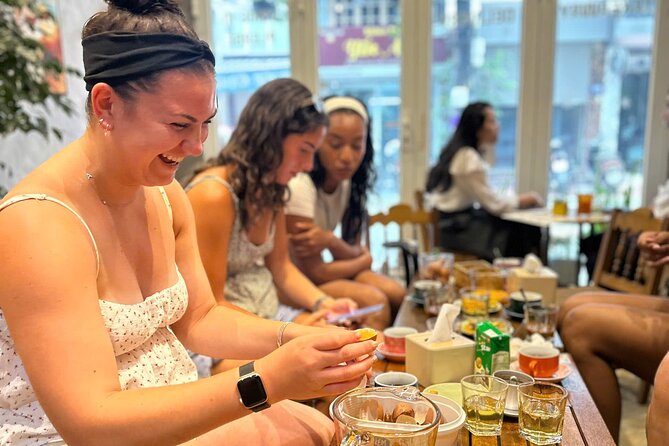
Reviewed · TOURS IN HANOI
Hanoi Coffee Workshop: Master 6 Signature Vietnamese Coffee
Vietnamese coffee is not just strong coffee with condensed milk. This Hanoi workshop shows you how egg foam, coconut, salt, fresh milk, and brewing technique change the drink in your cup. You make four to six local styles, including black, brown, egg, white, coconut, and salted coffee, with time to taste and adjust each one.
I like the small group, capped at eight, and the fact that the instructor actually works beside you rather than giving a distant demonstration. I also like the practical focus: you learn how to balance bitterness and sweetness at home without fancy equipment. The main drawback is that the meeting point can be affected by bad weather or last-minute changes, so check directions before setting out.
Key points
- Six coffees in one sitting: Make black, brown, egg, white, coconut, and salted versions, with the exact number depending on the session.
- Small Hanoi class: Groups are limited to eight, allowing direct help from local instructors such as Jade and Jennifer.
- Fresh ingredients: Eggs, milk, coconut, and coffee are prepared or selected with care rather than relying on artificial mixes.
- Useful home skills: Learn how to control bitterness, sweetness, strength, and texture using ordinary kitchen tools.
- Coffee culture included: Stories connect each drink to Hanoi cafés, local habits, and everyday life.
- Good value at $18.20: The price includes the class, ingredients, tools, recipes, and tasting, but not tips.
Six Vietnamese coffees, not one basic demonstration
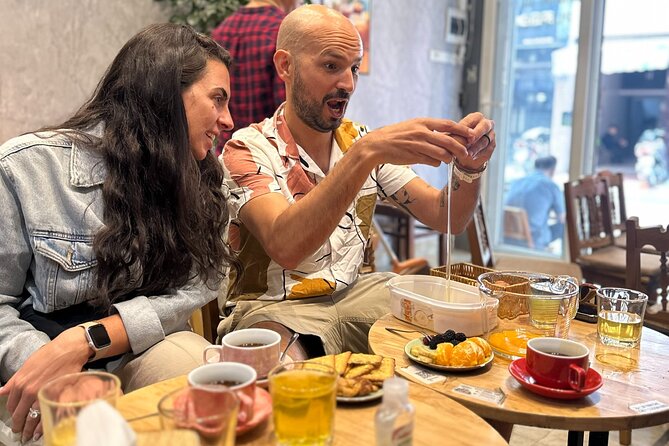
The strength of this workshop is its range. Instead of showing you one famous drink and sending you on your way, the class builds a small map of Vietnamese coffee.
You may begin with black coffee, the clearest way to notice the beans and the brewing method. From there, brown coffee adds condensed milk and shows how sweetness softens the coffee’s bitter edge. White coffee brings a different balance, while egg coffee changes the drink into something creamy and dessert-like.
Coconut coffee adds a cool, fragrant element, and salted coffee uses a small amount of salt to reshape the flavor. The point is not simply to collect six recipes. You learn how the same basic coffee can taste bold, creamy, sweet, smooth, or almost dessert-like depending on what you add and how you handle it.
The class covers four to six drinks rather than promising that every session will always include all six. That wording is worth noting if you have your heart set on one particular style. The experience does give you a broad tasting, though, and the listed choices include the most interesting local variations.
A few more ways to spend a day in Hanoi
- Hanoi Coffee Experience: 6 Brews, 9 Recipes & 3 Liquor Tastings
★ 5.0 · 2,945 reviews - Hanoi Coffee Workshop: Taste Salt, Coconut and Egg Coffee
★ 5.0 · 1,286 reviews - Hanoi: Salt Coffee Workshop Awake Your Senses With 6 Brews
★ 5.0 · 792 reviews
A small bar near Hanoi’s Old Quarter
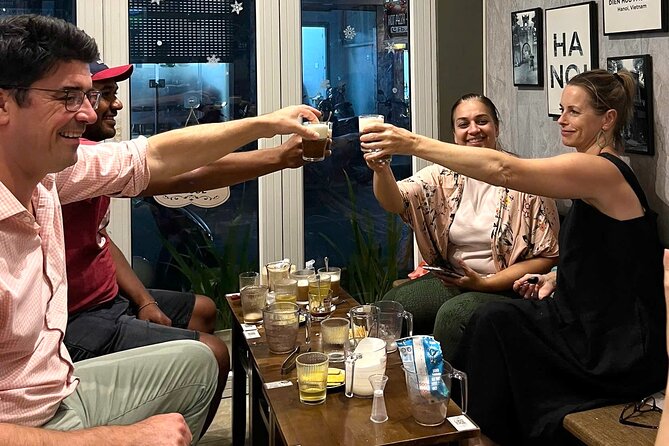
The meeting point is at 34 P. Cầu Đất, Chương Dương Độ, Hoàn Kiếm, Hanoi. The activity begins and ends there, so you do not need to manage a one-way transfer after the class.
The setting is a lived-in local space rather than a large cooking school. Ceramic tools, a working bar, fresh ingredients, air conditioning, and a pet-friendly garden area shape the atmosphere. That matters in Hanoi, where a cool indoor room can make a morning class far more comfortable.
The class is limited to a maximum of eight people. I consider that one of the strongest practical features. Coffee preparation involves small details such as whisking, pouring, timing, and tasting. In a large group, you would spend too much time watching someone else. Here, the instructor can see what you are doing and help you adjust it.
There is also room to explore the tools at the bar. You are not restricted to a rigid demonstration, and the instructors encourage curiosity. That makes the experience better for people who want to understand the method rather than simply copy a recipe once.
What the two-hour session feels like
Expect about two hours of hands-on preparation and tasting. The pace is designed to feel unhurried, with enough time to work through several coffees rather than rush through a long list.
Your instructor explains the ingredients and shows how each drink is built. Then you take over. You brew, whisk, mix, taste, and make changes. The recipes can be adjusted to suit you, so a sweeter or stronger cup is not treated as a mistake.
That personal adjustment is important. Vietnamese coffee can be intense, especially if you are used to lighter coffee. You learn how to balance the drink instead of simply accepting it as too bitter or too sweet. The instructor explains practical ways to change the result while keeping the character of the original drink.
The session is also social. Stories about old Hanoi cafés and coffee’s place in local life come naturally during the work. The emphasis is on why the drinks taste the way they do and what they say about daily life in Vietnam, not only on measurements and equipment.
The format suits people who like to keep their hands busy. If you prefer a quiet tasting with no participation, this may feel more active than expected. If you enjoy learning by doing, the structure is a good fit.
Why the coffee ingredients matter
The workshop uses Vietnamese specialty coffee from the Central Highlands. The beans change with the seasons, and the selection follows what is considered good at the time.
You can taste the value of that approach in the plain black coffee. Without milk, egg, coconut, or salt to cover the flavor, the coffee gives you a starting point for the rest of the session. Once you know its bitterness and strength, you can see how each additional ingredient changes the cup.
Fresh eggs, milk, and coconut are prepared daily. Nothing is presented as a pre-made artificial mixture. That is especially useful with egg coffee, where texture matters as much as flavor. You are not simply pouring a syrup into a cup. You are learning how an everyday ingredient becomes part of a distinctive Hanoi drink.
The workshop also explains substitutes that work at home. You may not have every Vietnamese ingredient or the same coffee tools after returning home. The instructors focus on realistic options, so the recipes do not become souvenirs that sit unused in your kitchen.
More things you make yourself in Hanoi:
- Hanoi Cooking Class: Culture, Local Market & Meaning CSR Impact
★ 5.0 · 5,147 reviews - 5 Traditional Dishes Hanoi Cooking Class with Market Trip
★ 5.0 · 4,890 reviews - Vietnamese Food Cooking Class in Hanoi with Market Experience
★ 5.0 · 778 reviews - Hanoi: Handcrafted Wood Carving Workshop with Local Artisan
★ 5.0 · 733 reviews
Learning from Jade, Jennifer, and other local instructors
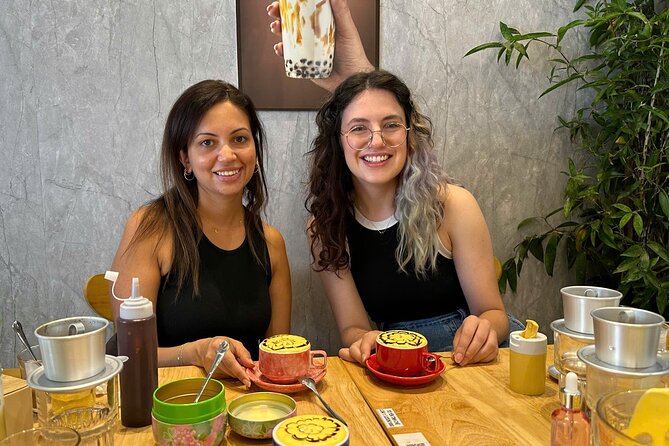
The experience is led by people raised around Vietnamese coffee culture. Jade and Jennifer are among the instructors named in the feedback, and both are associated with the class’s friendly, hands-on approach.
Jade is especially useful if you want a teacher who combines technique with personal attention. One session was affected by a storm and a changed meeting location, creating a rough start for one participant. Jade’s patience and enthusiasm helped turn the class around. That detail gives you a fair picture of the experience: the teaching can be strong, but outside conditions in Hanoi may occasionally complicate the arrival.
Jennifer has also led sessions that focus on both preparation and coffee’s role in Vietnamese culture. You can expect the instructor to explain the background of the drinks while you make them, rather than saving all the cultural information for a long talk at the beginning.
The inclusion of local elders adds another human touch. They are described as welcoming people who are ready to share their curiosity about the drinks and the city. The experience is not just a polished food activity designed for quick photographs. It aims to connect coffee with family habits, café culture, and local stories.
The best part: making changes until the cup suits you
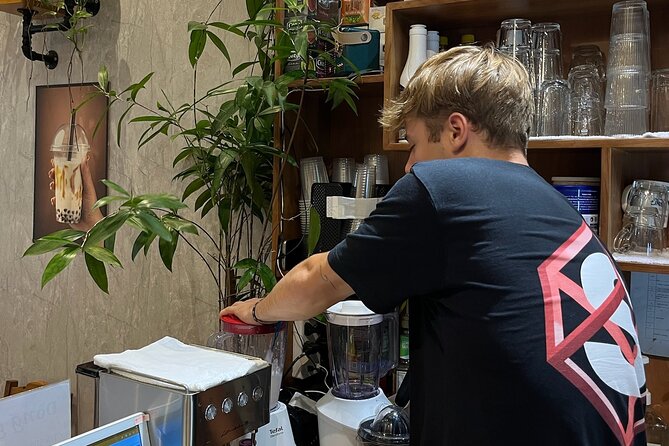
Many food classes ask you to follow instructions exactly. This one gives you more control.
You might prefer your coffee sweeter, less bitter, or stronger. The instructor helps you make those changes while explaining what they do to the final taste. You learn how to adjust flavor without expensive equipment, which is one of the most useful things you can take home.
The class also helps you understand texture. Egg coffee depends on the foam, while coconut coffee has a different body and sweetness. Salted coffee is not meant to taste like seawater. A small amount changes how you perceive bitterness and brings out other flavors.
These lessons turn the class into more than a tasting flight. You are learning a way to think about coffee. Taste first, notice what is missing, then adjust. That method works long after you have forgotten the exact measurements.
You also receive full recipes afterward. This is a strong value point because the drinks are easy to remember in broad terms but harder to recreate accurately. Having the recipes means you can try again at home while the techniques are still fresh.
Value at $18.20 per person
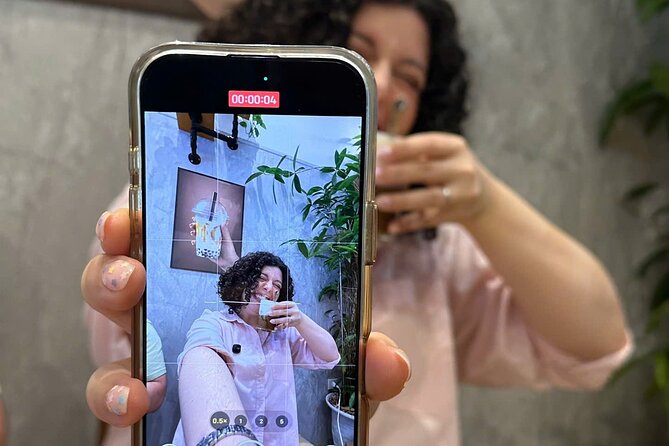
At $18.20, this is a modestly priced Hanoi activity, especially considering that the fee includes ingredients, instruction, tasting, use of the bar, and recipes.
You are also paying for a small group rather than a large public class. With no more than eight people, the instructor can help you with the details that make a difference, such as whisking egg foam or balancing the condensed milk.
The value is strongest if you enjoy coffee and expect to use the recipes later. Someone who only wants a quick cup may find a café cheaper and simpler. Someone who wants six styles, cultural context, and practical skills gets much more from the two-hour visit.
The fee does not include tips. Tipping is optional, but you should account for it if you want to thank the instructor for extra help or photography. Your instructor also acts as the photographer, so you can expect help capturing the activity without hiring a separate photographer.
What could go wrong, and how to plan around it
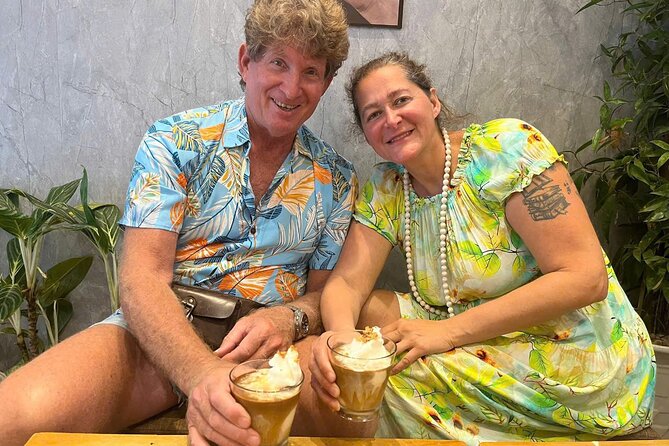
The biggest practical concern is the meeting point. One session involved a storm and a changed location, and the person attending had trouble finding the new spot. That does not appear to reflect the normal class itself, but bad weather can affect Hanoi logistics.
Confirm the current meeting details before leaving. Keep the address, 34 P. Cầu Đất, Chương Dương Độ, Hoàn Kiếm, saved on your phone, and allow extra time for the short journey to the location. The site is near public transportation, but no specific route or pickup service is provided.
The class ends where it begins. That makes planning easy, though you should not expect a drop-off elsewhere in Hanoi.
You can cancel free of charge up to 24 hours before the start time. Changes or cancellations made within 24 hours are not accepted for a refund. Service animals are allowed, and the space is pet-friendly, though the data does not specify whether other pets may attend.
Who will enjoy this workshop most

I would recommend this experience to coffee drinkers who want more than a café visit. It is especially suitable if you have already tried egg coffee or condensed milk coffee in Vietnam and want to learn how those drinks are made.
It also works well for couples, friends, and solo visitors who enjoy meeting people in a small group. The class has enough conversation to feel social, but the eight-person limit keeps it from becoming noisy or impersonal.
Food-focused visitors will appreciate the fresh ingredients and the chance to taste changes as they happen. People who like practical souvenirs will value the recipes more than another small object in their luggage.
Families may want to check the age suitability before booking, since no minimum age is provided. The same applies to anyone with dietary restrictions. The class uses eggs, milk, and coconut, and no alternate menu is specified.
You may want to skip it if you dislike strong coffee, do not want to participate, or prefer a formal lecture. This is a working session. You are expected to brew, whisk, taste, and adjust.
Should you book the Hanoi coffee workshop?
Book it if you want a compact, personal introduction to Vietnamese coffee that combines tasting with real technique. The small group, fresh ingredients, local instructors, and home-friendly recipes make the $18.20 price fair.
I would be most likely to choose it early in a Hanoi visit. You can then return to cafés with a better idea of what you are ordering and how each drink fits into local coffee culture.
Check the meeting point before you go, especially during stormy weather, and remember that the class covers four to six coffees rather than guaranteeing every listed style in every session. If those points suit your plans, this is a useful and flavorful way to spend two hours in Hanoi.
FAQ
Where does the coffee workshop begin?
It begins at 34 P. Cầu Đất, Chương Dương Độ, Hoàn Kiếm, Hanoi, Vietnam.
Where does the activity end?
The activity ends back at the meeting point.
How long does the workshop last?
The workshop lasts approximately two hours.
How many people can join?
The maximum group size is eight people.
Which Vietnamese coffees might I make?
The workshop can include black, brown, egg, white, coconut, and salted coffee. The description says you will make four to six styles.
Are the ingredients fresh?
Eggs, milk, and coconut are prepared daily. The workshop also uses Vietnamese specialty coffee sourced from the Central Highlands.
Will I receive the recipes?
Yes. Full recipes and additional information are included.
Are tools provided?
Yes. The workshop provides the tools at the bar, and you may explore them during the session.
Is the activity suitable for service animals?
Yes. Service animals are allowed.
Can I cancel for a full refund?
Yes, if you cancel at least 24 hours before the experience start time. Cancellations or changes made within 24 hours are not refunded or accepted.
Newly reviewed in Hanoi
- Private Full-Day Tour to Halong Bay from Hanoi★ 5.0 · 44 reviews
- Private Evening Walking Tour – Cyclo & Water Puppet Show in Hanoi Old Quarter★ 5.0 · 19 reviews
- Ba Vi National Park Private Tour: Sightseeings & Jungle Hikking★ 4.5 · 26 reviews
- Full-Day Hanoi City Tour with Hidden Local Life Experience★ 5.0 · 27 reviews
- Hanoi Epic tour 6D5N Hanoi – Halong Bay – Ninh Binh – Sapa★ 5.0 · 51 reviews
- Private transfers Hanoi <=> Puluong 1 Way (Free Hotel Pickup)★ 5.0 · 20 reviews
- Hanoi Airport Pick-up (Private Ride From Hanoi Airport to Hotels)★ 4.5 · 253 reviews
- Noi Bai Airport transfer to Hotel or Vice versa★ 5.0 · 144 reviews
Tours in Hanoi, compared.

Hanoi Jeep Tour: Food, Culture and Fun by Vietnam Army Jeep
Read our review →
Full-Day Ninh Binh Highlights Tour from Hanoi
Read our review →
Ha Long Bay Day Cruise – Swimming, Meal, Kayaking
Read our review →

Hanoi Motorbike Tour: Food, Culture and Fun by Vintage Motorbike
Read our review →
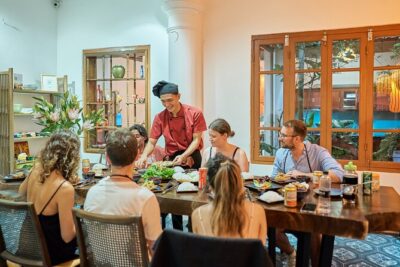
Hanoi Cooking Class: Culture, Local Market & Meaning CSR Impact
Read our review →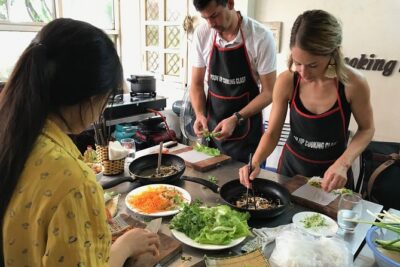
5 Traditional Dishes Hanoi Cooking Class with Market Trip
Read our review →Browse the lists this tour appears in