
Reviewed · CU CHI TUNNELS TOURS
Cu Chi Tunnels – Half Day Luxury Tours
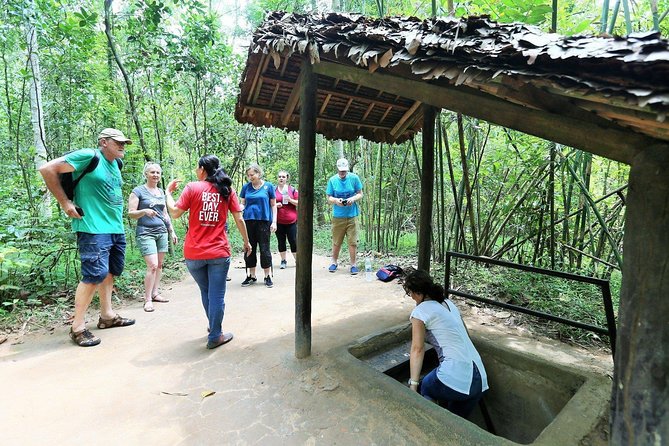
The most striking part of this half-day tour is the chance to see how an underground wartime community functioned. You’ll pass through cramped tunnel sections, view kitchens, bedrooms, field hospitals, storage rooms, command areas, weapons workshops, and hidden traps. I like the included transport and entrance fee, since the tunnels sit about 43 miles from Ho Chi Minh City. I also like the tea and cassava served after the visit, a small detail that connects the site to daily life during the war.
The main drawback is the long road journey for a six-hour outing. You may spend a good part of the day in traffic, and the tunnel visit can feel physically tight. The shooting range is also not for everyone, so you can treat that as an optional extra rather than the main reason to book.
Key points to know before booking
- The tunnels are about 43 miles from central Ho Chi Minh City, so included transport saves you the trouble of arranging a separate trip.
- The visit begins with an introductory film and explanation, giving you context before you enter the preserved tunnel area.
- You’ll see more than underground passageways, including kitchens, bedrooms, hospitals, storage spaces, command centers, and weapons facilities.
- Tea and cassava are served after the tour, offering a simple taste of wartime food and routine.
- A nearby shooting range adds a military-themed activity, though it may not suit every visitor.
- The group can include up to 30 people, and the tour has a 91 percent recommendation rate with a 4.6 rating from 368 ratings.
Why the Cu Chi Tunnels matter
The Cu Chi Tunnels are not simply a set of narrow holes in the ground. They show how people tried to build a working community under extreme wartime conditions.
The preserved area includes living quarters and working spaces. You can see how kitchens, sleeping areas, medical rooms, storage spaces, command posts, and weapons workshops were arranged side by side. That layout helps you understand the tunnels as a system, not just as a hiding place.
I find that distinction important. A quick look at a tunnel entrance can feel like a curious photo stop. The wider site gives you a harder question to consider: how do people organize food, medical care, communication, and defense when the surface is unsafe?
You’ll also learn about hidden trap doors and other defensive traps built into the maze. These features explain why the tunnel system was difficult to detect and dangerous to approach. The tour presents the construction and use of the tunnels through an introductory video and a guide’s explanation before you explore the area.
The subject is serious. You’ll be looking at a place shaped by war, hardship, and survival. The experience is most useful when you give it time and attention rather than treating it as a simple adventure attraction.
More history underground near Ho Chi Minh City:
- Cu Chi Tunnels Tour from HCM City – Morning or Afternoon
★ 5.0 · 15,833 reviews - HCM: Cu Chi Tunnels-Tapioca Small Group Tour Morning or Afternoon
★ 5.0 · 7,485 reviews - Cu Chi Tunnels and Mekong Delta Signature Tour
★ 5.0 · 7,328 reviews
The journey from Ho Chi Minh City
The tour lasts about six hours, with the tunnel stop taking roughly four hours. The road distance is about 43 miles, so the drive forms a major part of the day.
That travel time is the price of seeing the site from Ho Chi Minh City. I like having transport arranged because the tunnels are outside the city, and the ticket includes transportation and entrance costs. You do not need to work out separate admission or find your own way to the site.
The listed meeting point is 112 Đ. Trần Hưng Đạo in Phường Phạm Ngũ Lão, District 1. Pickup is offered, and the tour information also describes collection from inner-city hotels. Confirm the exact pickup arrangement when you book, especially if you are staying outside the central area. The activity returns to the meeting point at the end.
The group limit is 30 people. That is not an intimate private tour, but it gives the guide a manageable crowd for a popular historic site. You’ll want to stay close to the group during explanations, since the tunnels and surrounding displays can divide attention quickly.
The tour is booked, on average, about five days ahead. That is useful planning information if your Ho Chi Minh City schedule is short. You can show your mobile ticket rather than carrying printed paperwork.
Starting with the film and site introduction
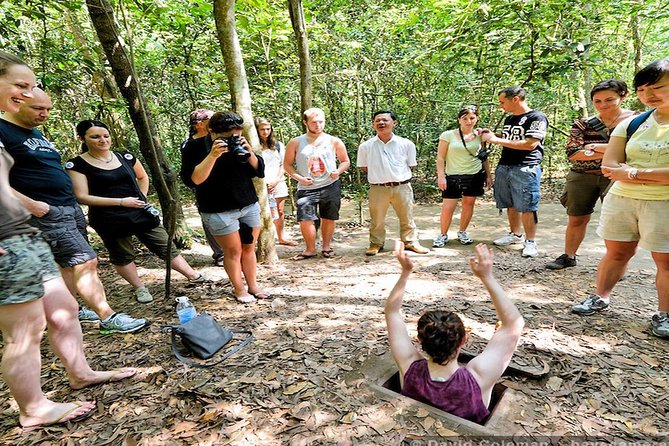
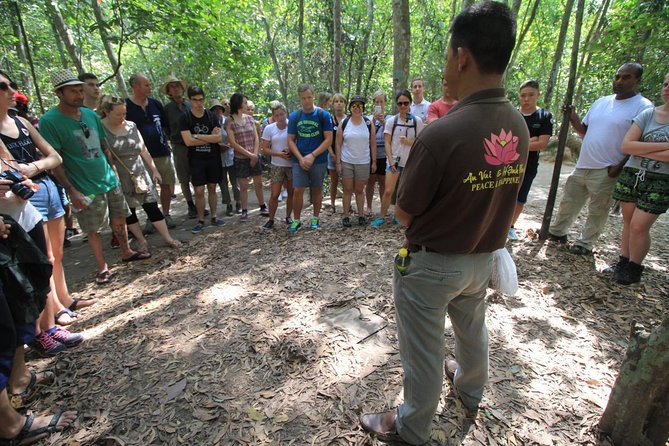
Before entering the tunnel area, you’ll receive a short introduction and watch a video explaining how the tunnels were built and how people lived in them during wartime.
I like this opening because the underground sections make more sense after you know what to look for. Without context, you might focus only on the size of the passageways. With the introduction, you can connect the narrow spaces to cooking, sleeping, medical care, storage, communication, and defense.
The film also prepares you for the harsh conditions. The tunnel network was not designed for comfort. It was a response to danger, and the tour’s opening explanation helps frame the site around survival rather than novelty.
The guide is an important part of this section. Guides named in the tour information include Son and Jimmy #10. Son is described as offering a great deal of information about Vietnam, while Jimmy #10 is noted for bringing humor and history into the presentation. Guide quality can vary from one departure to another, but these details suggest that the experience is not limited to a self-guided walk.
Seeing the underground living areas
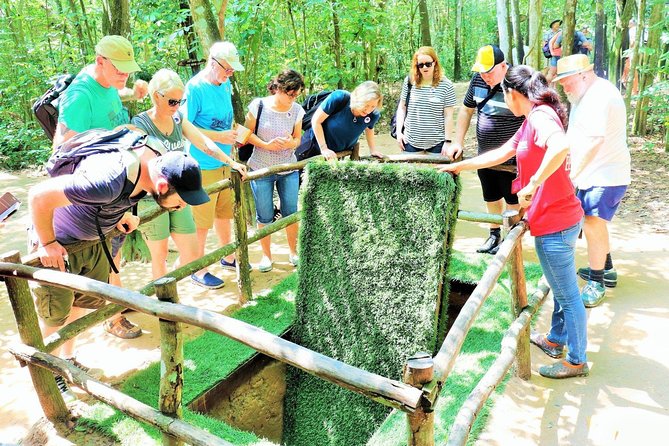
The main visit takes you through the remaining tunnel systems and above-ground displays connected with them. You can expect to see specially constructed living areas, including kitchens and bedrooms, along with functional spaces such as storage rooms, weapons factories, field hospitals, and command centers.
This is where the visit becomes more revealing than a simple tunnel crawl. A bedroom beside a kitchen tells you that people were trying to maintain routines in a place built for concealment. A hospital area points to the constant risk of injury and illness. Storage and command spaces show the planning needed to keep the system operating.
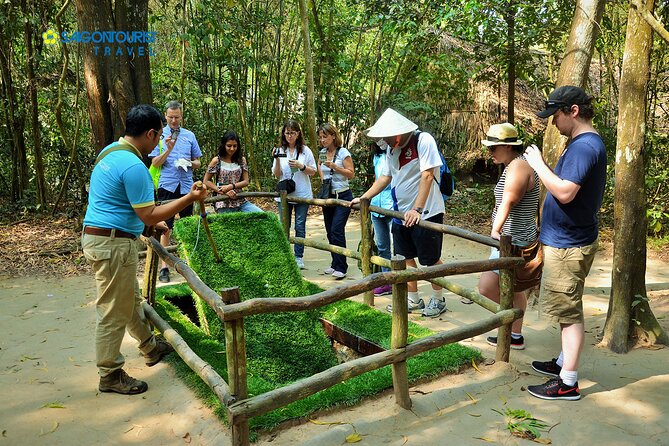
You’ll also see hidden trap doors and dangerous traps designed for security. These details can be difficult to view, but they explain the defensive purpose of the site. The tunnels were part of a military network, and the surrounding structures were meant to support people living and fighting underground.
The preserved areas cannot recreate every part of wartime life. Still, they give you physical evidence that is difficult to get from a museum display alone. You can see the scale of the spaces and think about how difficult ordinary tasks must have been.
A few more ways to spend a day in Ho Chi Minh City
- Cu Chi Tunnels & Mekong Delta Tour with VIP Limousine Transfer
★ 5.0 · 7,052 reviews - Cu Chi Luxury Group Tour – Tapioca and Cake Half Day
★ 5.0 · 3,375 reviews - VIP Tour Cuchi Tunnels & Mekong Delta Cruise Full Day Group 12pax
★ 5.0 · 1,650 reviews - Cu Chi Tunnels and Mekong Delta – VIP Tour
★ 5.0 · 910 reviews
Entering the tunnel sections
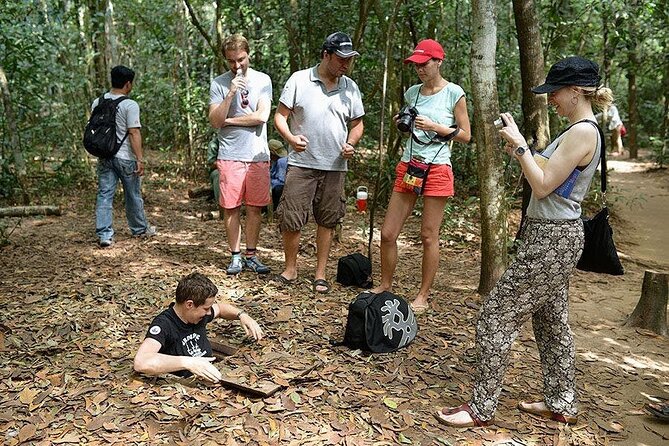
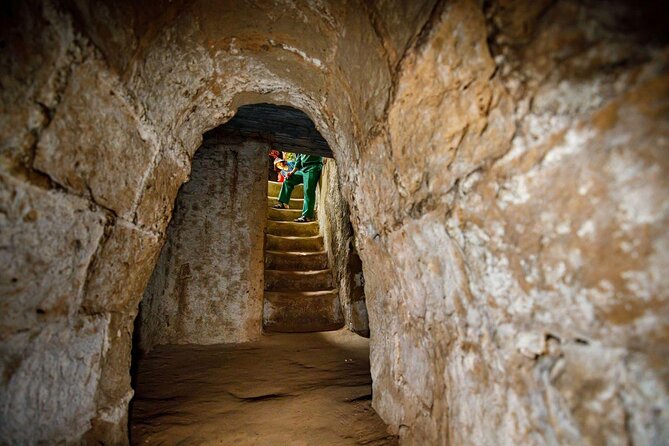
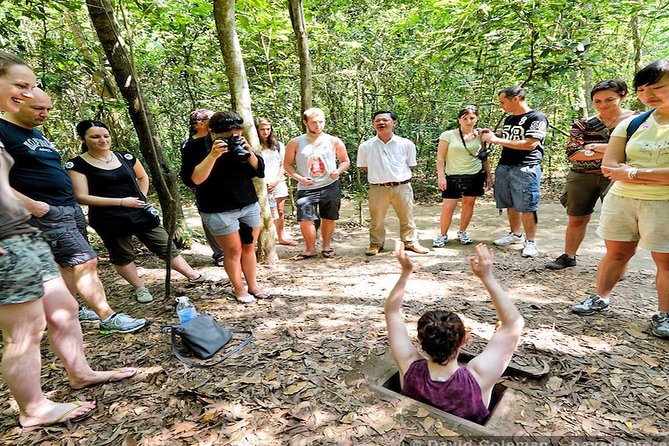
The most personal part of the visit is going underground. The tour lets you experience sections of the tunnel system first hand, though the supplied information does not specify the length or exact route of the underground portion.
Expect tight conditions. If you dislike confined spaces, you may prefer to view the entrances and above-ground displays without going through every section. The experience is not presented as a relaxed walk through a wide historic building. The narrow passages are part of the point.
For many visitors, the tunnel section makes the earlier explanation more real. You move from hearing about the underground network to sensing its limited space. That physical experience can help you understand the strain of living below ground, but it should not be mistaken for a full recreation of wartime conditions.
Take the guide’s instructions seriously, stay with the group, and avoid rushing. The site includes hidden doors and traps, so awareness matters. Most people can participate, according to the available tour information, but the confined sections may still require personal judgment.
Tea, cassava, and a taste of wartime routine
After exploring the site, you’ll receive tea and cassava. These refreshments are described as period-appropriate, so they serve a purpose beyond filling a gap before lunch.
Cassava was a practical food in the difficult conditions associated with the tunnel communities. Tasting it gives you a modest connection to the everyday side of the story. The portion is not the reason to book the tour, but it helps balance the military displays with a reminder that people still needed food and drink while living underground.
I like this sort of small detail when it supports the subject rather than distracting from it. You are not just looking at traps and weapons. You are also considering how people ate, rested, and carried on with daily life.
The shooting range and the military theme
The tour includes the chance to try shooting at a nearby range. This gives the outing an action-oriented element, and some visitors will find it memorable.
I would treat this as optional in your own mind, even if it forms part of the advertised program. The Cu Chi Tunnels are valuable because they explain a difficult chapter of Vietnam’s recent past. The shooting activity is a separate recreational element and may not appeal to anyone who wants a quiet historical visit.
If you enjoy military-themed attractions, the range may add interest. If you are uncomfortable with firearms or feel the activity conflicts with the serious setting, you can focus on the tunnel visit, the film, the guide’s explanation, and the preserved structures.
The presence of the range also explains why this tour may appeal to a wider audience than a strictly academic site visit. It combines history, physical exploration, and an activity. That combination is useful for mixed groups, though it is worth knowing in advance so there are no surprises.
Is $35 a fair price?
At $35 per person, the tour offers solid value if you want a guided visit from Ho Chi Minh City. The price covers transport and entrance fees, which are the two costs most likely to complicate a self-arranged trip.
You are also paying for the guide, the introductory material, and a full half-day away from the city. Tea and cassava are included, and the mobile ticket keeps the booking simple. For a first visit to the tunnels, having the route and timing organized can be worth more than trying to piece together transport yourself.
The value is less clear if you want a private, slow-paced visit. The group may reach 30 people, and the road trip takes time. You will not have the flexibility of setting your own pace or staying longer at one display.
Still, the all-in price is easy to understand. There are no stated surprise transport or admission charges. For a central Ho Chi Minh City departure, I see this as a practical mid-priced way to reach a site that is not close to the city center.
Who should book this half-day tour?
I would recommend it to you if you want a strong introduction to the Cu Chi Tunnels without arranging transport yourself. It suits first-time visitors who want a guide to explain the tunnel system and connect the physical site to the Vietnam War.
It also works well for people who enjoy a mix of history and activity. The film and preserved structures provide the historical base, the tunnel section adds a physical sense of scale, and the shooting range offers an optional military-themed stop.
You may want to choose another format if you dislike long road journeys, large groups, or confined spaces. This is also not the best match if you want a private guide or a quiet museum-style visit.
The tour is described as suitable for most people, and it is close to public transportation at the meeting point. Even so, you should think honestly about your comfort with underground spaces before booking.
Booking details worth noting
Confirmation is received at the time of booking, and mobile tickets are accepted. The activity begins at 112 Đ. Trần Hưng Đạo in District 1 and ends back at the meeting point.
The experience is non-refundable and cannot be changed after booking. If your plans are uncertain, this strict condition matters more than the low price. The typical advance booking period is about five days, so I would decide your date carefully before paying.
The tour has a 4.6 rating from 368 ratings and is recommended by 91 percent of customers. Those figures suggest a generally dependable experience, while the remaining margin is a reminder that traffic, group size, guide style, and personal comfort with tunnels can affect your day.
Should you book the Cu Chi Tunnels tour?
Book it if you want a straightforward, guided half-day visit with transport, admission, an introductory film, tunnel access, refreshments, and the option of a shooting range. The strongest parts are the physical layout of the underground community and the chance to understand how kitchens, hospitals, bedrooms, storage rooms, and command spaces worked together.
Think twice if you want to avoid a long drive or cramped passages. Also consider how you feel about combining a serious wartime site with a shooting activity.
For most first-time visitors based in Ho Chi Minh City, I think the $35 price is reasonable because it removes the hardest logistics. Just approach the tunnels as a place of wartime survival first, and an adventure stop second.
FAQ
How long does the Cu Chi Tunnels tour last?
The full experience lasts approximately six hours. The Cu Chi Tunnels visit itself is listed as about four hours.
How far are the Cu Chi Tunnels from Ho Chi Minh City?
The tunnels are approximately 43 miles from Ho Chi Minh City.
Is transportation included?
Yes. Transport costs are included in the ticket price, and pickup is offered.
Where does the tour start?
The listed meeting point is 112 Đ. Trần Hưng Đạo, Phường Phạm Ngũ Lão, District 1, Ho Chi Minh City.
Where does the tour end?
The activity ends back at the meeting point.
Is the entrance fee included?
Yes. The entrance fee is included in the ticket price.
Is a paper ticket required?
No. Mobile tickets are accepted, so you can use the ticket on your phone.
Is the shooting range included?
The tour offers the chance to try shooting at a nearby range. The supplied information does not specify any separate range charge or the exact shooting package.
How large can the tour group be?
The maximum group size is 30 people.
Can I cancel or change the booking?
No. The experience is non-refundable and cannot be changed for any reason after booking.
Newly reviewed in Ho Chi Minh City
- Saigon Evening: Water Puppet Show & Dinner Cruise Experience★ 5.0 · 38 reviews
- Dinner Cruise on Saigon River with Private Table★ 4.5 · 31 reviews
- Ho Chi Minh: Private City Tour and Dinner Cruise with Buffet★ 4.6 · 97 reviews
- Saigon Jeep Tour with Food, Culture and Fun By Vietnam Army Jeep★ 5.0 · 150 reviews
- Cu Chi Tunnels Ben Duoc VIP Tour by Limousine with Lunch★ 5.0 · 170 reviews
- Mekong Delta VIP Tour – Transportation by Limousine★ 5.0 · 110 reviews
- Decadent Vietnamese “Egg Coffee” Workshop in Hồ Chí Minh City★ 5.0 · 150 reviews
- Saigon After Dark Vespa Street Food Tour + Live Music 4 hours★ 5.0 · 147 reviews
Cu Chi Tunnels Tours, compared.

Cu Chi Tunnels Tour from HCM City – Morning or Afternoon
Read our review →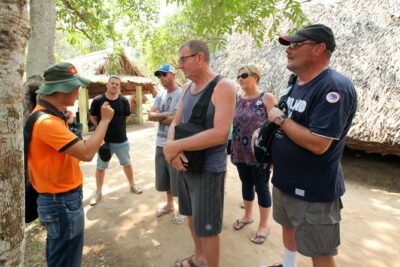
Cu Chi Tunnels-Tapioca Small Group Tour Morning or Afternoon
Read our review →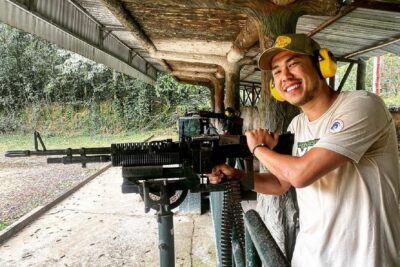
Cu Chi Tunnels and Mekong Delta Signature Tour
Read our review →
Cu Chi Tunnels and Mekong Delta Full Day Tour – Max 12
Read our review →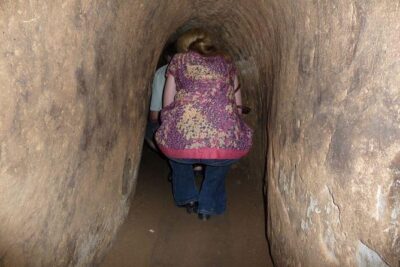
Cu Chi Luxury Group Tour – Tapioca and Cake Half Day
Read our review →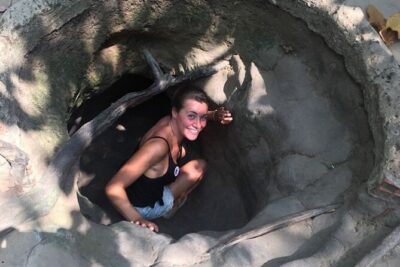
Adventure Cu Chi Tunnels and Mekong Delta Tour From HCM
Read our review →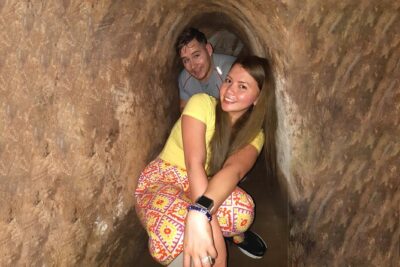
Cu Chi Tunnels and Mekong Delta – Small Group Tour
Read our review →
Adventure Cu Chi Tunnels: Vietnam War Underground Network AM/PM
Read our review →Browse the lists this tour appears in