
Reviewed · TREKKING & HOMESTAYS
2-Day Sa Pa Ethnic Homestay Tour & Trek with Limousine Bus
Sa Pa’s best moments happen outside town, where narrow trails cut through rice terraces and mountain villages. This two-day trip gets you there quickly, with a local Hmong guide such as Soso, Sua, or Tung leading the way and explaining daily life along the trail.
I like the direct contact with village life and the overnight stay in Ta Van. I also like the practical transport from Hanoi, especially the comfortable sleeper bus option. The catch is that this is a real mountain walk, with steep, muddy sections, and two days including the long bus ride can feel rushed.
Key points to know before booking
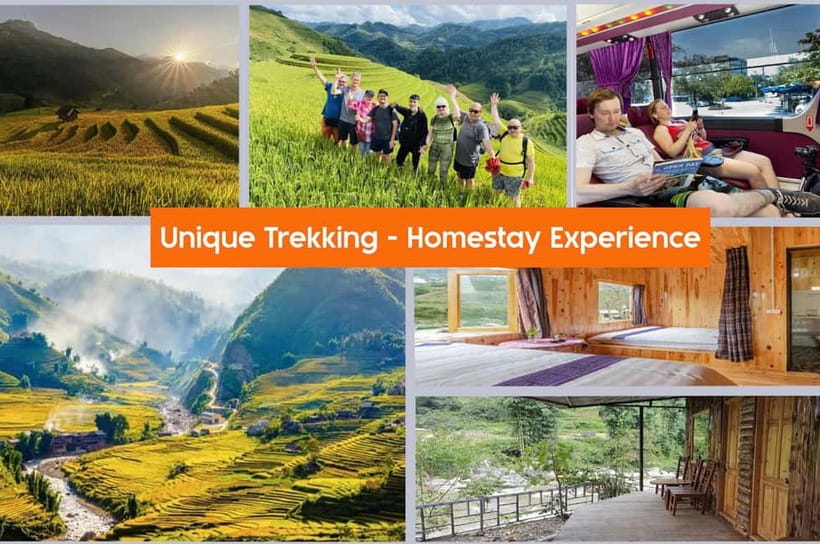
- The first trek runs from Lao Chai to Ta Van: Expect rice terraces, the Muong Hoa Stream, mountain views, and village paths.
- Your guide is usually a local Hmong woman: Soso, Sua, Soa, Sha, Wan, and Tung are among the guides named by guests, though the assigned guide can change.
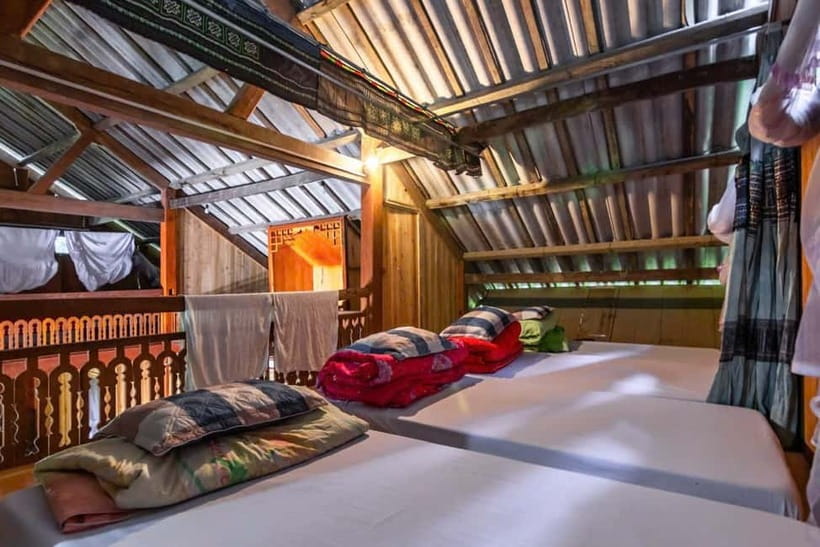
- The homestay is basic but comfortable: You get a single mattress, clean water, fresh food, and possibly a private room if you pay for an upgrade.
- Day two includes bamboo forest and Giang Ta Chai: The walk is shorter than day one but can still be slippery and uneven.
- Cash matters: Bring Vietnamese dong for drinks and local crafts. Some sellers are persistent along the route.
- The bus option saves planning time: It includes Hanoi to Sa Pa transport, but the return ends at the meeting point, so you make your own way back to your hotel.
Why this two-day Sa Pa trip works
Sa Pa is often sold as a mountain viewpoint town, but the more lasting experience is found below the town center. The trails pass through Black Hmong villages, rice paddies, bamboo groves, and homes spread along the Muong Hoa valley.
This tour suits you if you want a taste of northern Vietnam without arranging several separate buses, meals, guides, and accommodation. The operator handles the main connections, provides a local guide, and brings you back to Sa Pa after the second walk.
The itinerary is tightly packed. Day one starts with the journey from Hanoi, followed by lunch and a substantial trek. Day two includes another walk, lunch, a shower, and the return ride. You see a lot, but you do not get much spare time in Sa Pa town.
I would choose this trip for the village experience rather than for sightseeing in Sa Pa itself. If you want a slow mountain holiday, add another night. One guest specifically felt that two nights and three days would be better, and that is sensible if your schedule allows it.
More Private Transfers in Hanoi
- Private transfer between Hanoi Airport (HAN) and Hanoi Old Quarter
★ 5.0 · 850 reviews - Halong bay 5star Cruise Day Trip: Buffet lunch & Limousine bus
★ 5.0 · 388 reviews - Halong Bay Day Tour 6Hour Deluxe Cruise Limousine Bus Small Group
★ 5.0 · 317 reviews
The limousine bus from Hanoi to Sa Pa
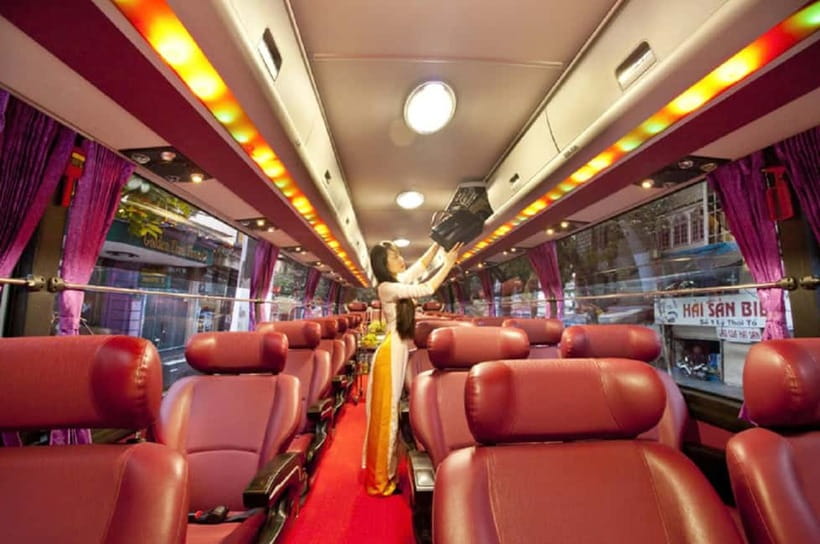
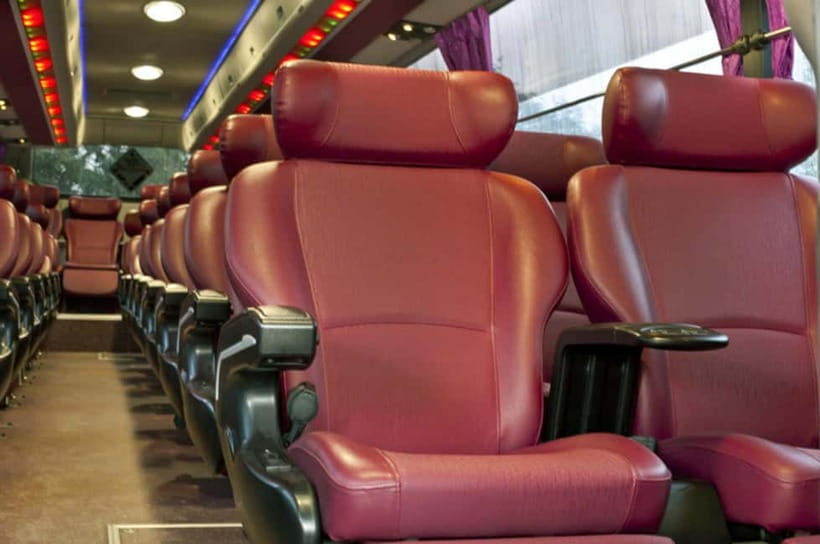
The optional round-trip limousine bus is a major part of the value. It takes you from Hanoi toward Lao Cai and then up to Sa Pa on the new highway route. The journey is long, but the upgraded sleeper bus can make the early start easier.
The sleeper version has individual cabins, a blanket, bottled water, and Wi-Fi for much of the route. It can feel unusual at first, especially if you are used to a normal coach, but the reclined sleeping space is more comfortable than narrow upright seats.
You need to check the exact pickup point for your booking. The start location can vary, and the return bus finishes at the meeting point rather than delivering you to your hotel. Plan for that last short transfer yourself.
Luggage can stay in the bus trunk during the journey. After lunch in Sa Pa, larger bags can be stored at the Sa Pa hotel while you trek. Take the items you need for the night, since you will not have your main luggage at the village.
Pack light for the walk:
- Hiking shoes with good grip
- A change of clothes
- Sunscreen and sunglasses
- Insect repellent
- Cash in Vietnamese dong
- A rain layer or waterproof protection if conditions look wet
Lunch in Sa Pa before the trail
After arriving in Sa Pa, a local representative meets you at the bus stop and takes you to a hotel or restaurant. You have lunch with local dishes before starting the walk.
This pause matters. You have been sitting on a bus for hours, and eating before the trail gives you time to stretch, reorganize your bag, and use the facilities. On the second day, you return to the same area for lunch and a shower before the bus to Hanoi.
The included food covers two lunches, one dinner, and one breakfast. Drinks are not included, so keep cash handy. The food is generally described as plentiful and tasty, with the homestay meals receiving especially warm praise.
Day one: Lao Chai, rice terraces, and Ta Van
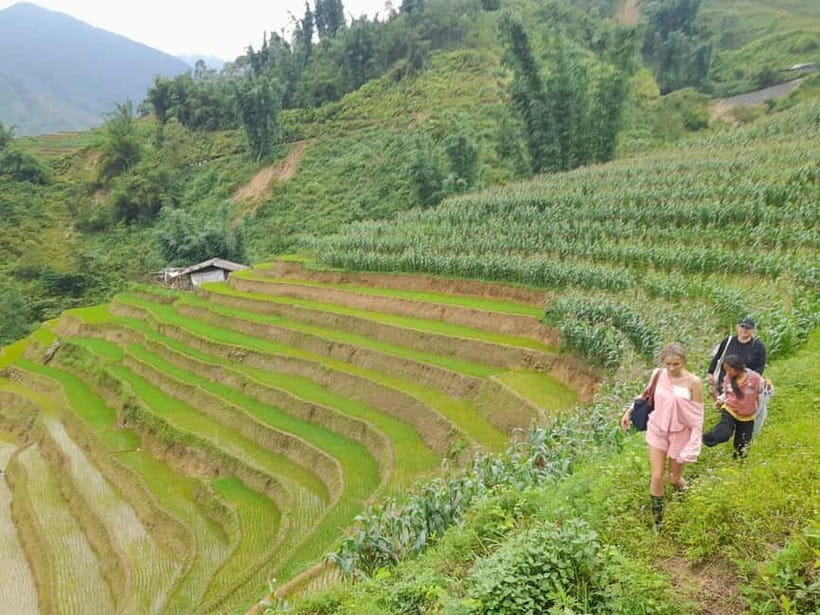
The first walk takes you from the Sa Pa area toward Lao Chai, a Black Hmong village surrounded by the Hoang Lien Son mountains. The route follows rice terraces and the Muong Hoa Stream, with changing views as the path leaves the roads behind.
The exact distance varies by route and pace, but one guide described the first walk as about eight kilometers, mostly downhill. That sounds manageable until you add heat, mud, stone paths, and uneven ground. Downhill walking can be hard on knees, and wet soil makes every step less certain.
This is where the local guide adds real value. Guides such as Soso and Sua explain the people, plants, farming, homes, and customs around you. They also adjust their pace and help you through awkward sections. Some local women may walk alongside the group and offer a hand on slippery paths.
The mountain views depend heavily on the weather. Fog and low cloud can hide the valley and viewpoints, while clear conditions reveal broad views over the terraces. Do not book this expecting perfect photographs every hour. Rain and mist are common possibilities, and the walk still has value when the views disappear because the village paths and forest remain part of the experience.
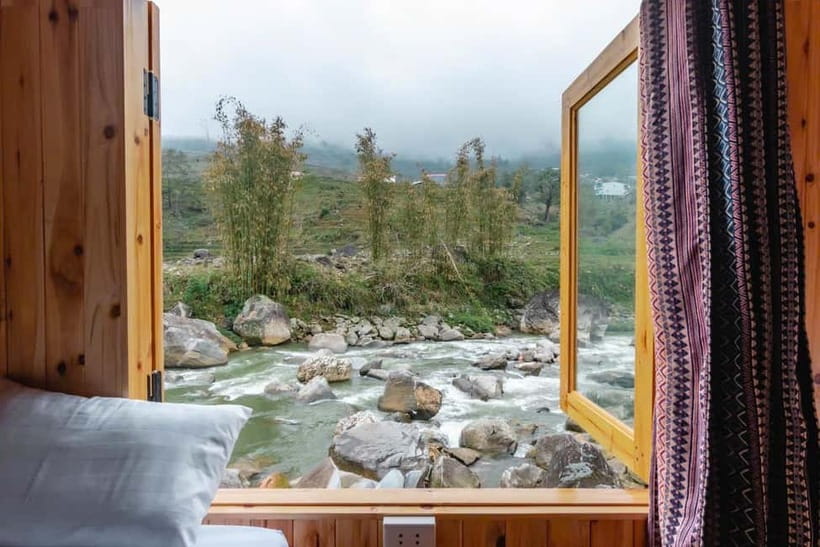
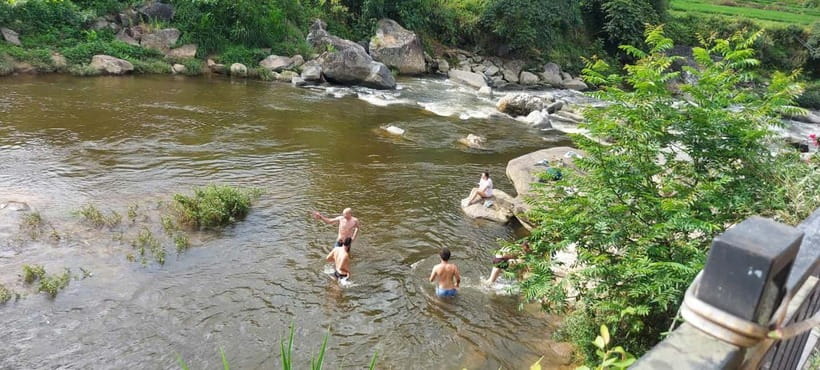
The route continues to Ta Van, an ethnic village set along the valley. You check into the homestay, meet the family or staff, and have time to settle in. The setting near the river is one of the most attractive parts of the overnight stay.
More Trekking Trips in Hanoi
- Hanoi – Sapa 2 Days 1 Night Overnight At Homestay
★ 5.0 · 899 reviews - From Hanoi: 2-Day Sapa Trekking Trip with Homestay & Meals
★ 4.8 · 704 reviews - Sapa 3 Days 2 Nights Trekking Tour (1 Night In Ta Van Village, 1 Night In Hotel)
★ 5.0 · 699 reviews - Hanoi – Sapa 3 Day 2 Night Trekking With Hotel & Homestay
★ 5.0 · 389 reviews
What the Ta Van homestay is really like
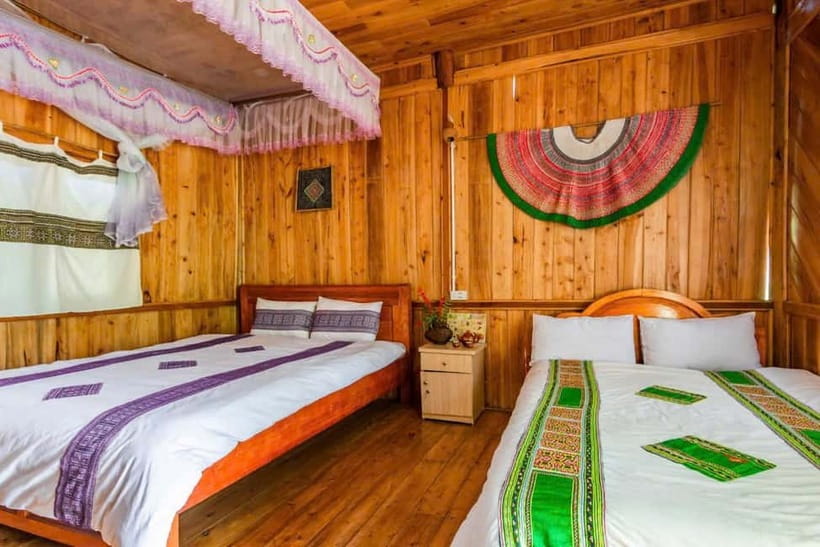
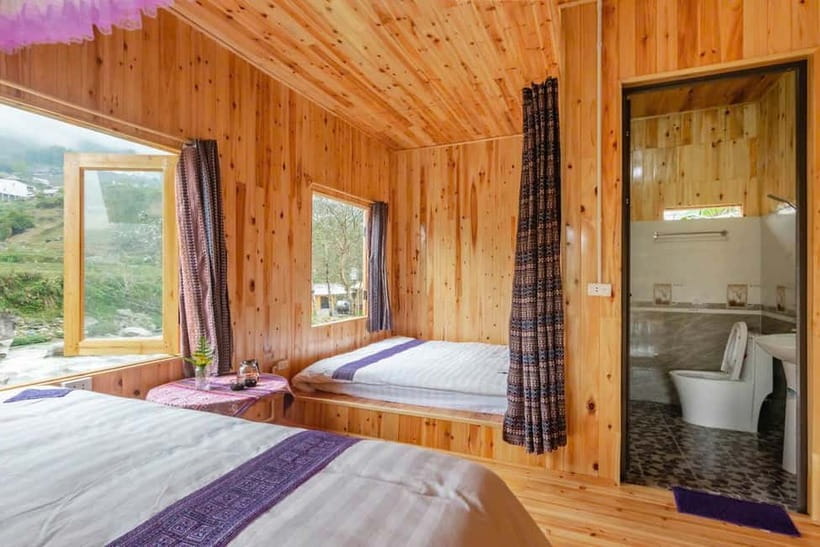
Set your expectations correctly. This is not a polished hotel, and it may not be a private family home in the traditional sense. Some accommodation feels more like a simple guesthouse serving homestay meals, while other arrangements provide a more personal family setting.
You sleep on a single mattress. The facilities are basic, but the accommodation is described as clean and comfortable, with clean water, a hot shower in some rooms, and fresh food. A private room may be available as an upgrade, which is worth considering if you value quiet or privacy.
The best part of the stay is the evening meal and the chance to eat with people connected to the village. You get a closer look at mountain life than you would from a hotel in central Sa Pa. The food is home-style, generous, and a welcome reward after the first walk.
The homestay is not silent. Village life starts early, and some properties can be noisy at night or in the morning. Bring earplugs if you sleep lightly. Also remember that the setting is rural, so basic facilities are part of the bargain.
Day two: bamboo forest and Giang Ta Chai
Breakfast comes from the homestay, followed by a morning walk through rice paddies and bamboo forest. The route offers a panoramic view toward Giang Ta Chai village before crossing the Giang Ta Chai Bridge.
The second walk is shorter, around four kilometers according to one guide, but it is not effortless. It includes undulating ground, slippery trails, and sections that become difficult after rain. Good hiking shoes are not optional here. Several people found normal sneakers inadequate, especially on muddy slopes.
The bamboo forest gives the second day a different feel from the open terraces. You move through narrower, greener paths before returning toward the road. A vehicle collects you near Giang Ta Chai and takes you back to Sa Pa for lunch, a shower, and the ride to Hanoi.
This arrangement is practical. You get a second walk without having to carry your luggage all the way back to town, and the vehicle removes a tiring road section from the itinerary. Still, allow enough energy for the return trip. After two days of hiking and a long bus ride, you may arrive back in Hanoi tired.
The guides make the difference
The guide is central to this experience. The tour uses local Hmong English-speaking guides, and names assigned on different departures include Soso, Sua, Soa, Sha, Wan, and Tung.
The strongest guides do more than point toward a viewpoint. They explain how people live in the villages, answer questions about traditions, talk about their own experience, and keep the group moving safely. Soso is repeatedly singled out for her warmth and clear English, while Sua is praised for humor, care, and local insight.
Guide quality can vary by person and by language level, but the local format is a real strength. You are not simply following a guide through scenery. You have a chance to ask about homes, farming, clothing, family life, and village customs as you walk.
The pace may feel brisk for some people. If you are older, slower, or unsure on steep ground, tell the guide early. The walks can be adjusted to some extent, but this is not a flat stroll.
Traditional clothing and village encounters
The colorful clothing of Hmong, Dzao, and Tay communities is one of the visible features of the Sa Pa region. Your guide can give context to what you see rather than leaving the clothing as a photo backdrop.
You should also be prepared for local women to sell handmade bracelets, scarves, jewelry, and other goods during the trek. Some walk with the group for part of the route, help on difficult sections, and then begin offering crafts.
Buying something can be a meaningful way to support local makers, but you should not feel pressured. If you do not want to buy, be polite but firm and avoid prolonged conversation about the items. Bring cash only if you are comfortable spending it, and set a limit before leaving town. One million Vietnamese dong gives you room for purchases, but you are not required to spend that much.
This commercial side is the main cultural drawback. It can make a quiet walk feel less relaxed, especially when several sellers approach at once. The tour remains worthwhile, but you should know about it in advance.
Fitness, weather, and the right time to go
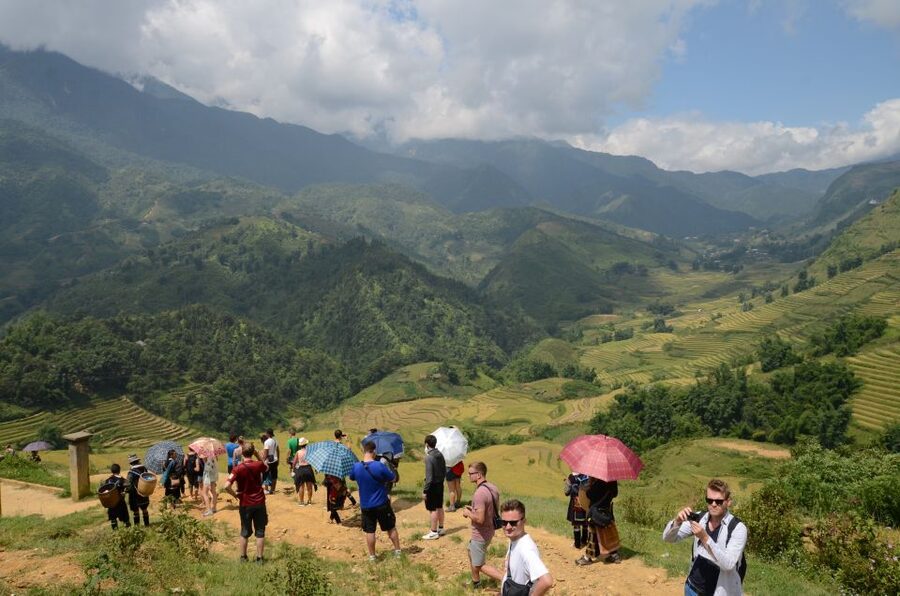
The trek is best described as moderate, not easy. You will walk on village tracks, steep slopes, muddy paths, and uneven ground. The exact challenge depends on rain, heat, fitness, and the condition of the rice-field trails.
Bring shoes with proper tread. Sunglasses, sunscreen, and insect repellent are also sensible. Pack spare clothes because mud is a realistic possibility, not a rare mishap.
Rice fields look different through the year. Before the rice season, you may see broad mountain views without the bright green terraces shown in many photographs. After harvest, the fields can appear more subdued, but the valley remains impressive.
Fog can block viewpoints on day one and clear on day two, or the reverse. Go for the walking, villages, and guide rather than a guaranteed postcard view.
The tour is not suitable for children under six, wheelchair users, or people with mobility impairments. Pets are not allowed. If you have a physical problem that may affect walking, tell the provider before departure.
Cost and overall value
No tour price is provided here, so I cannot judge the exact fare. The value depends on what your booking includes, especially the round-trip bus, guide, four included meals, entrance ticket, homestay, and vehicle from Giang Ta Chai.
Compared with arranging these parts separately, the package is convenient. You avoid working out a bus connection, finding a village guide, choosing a homestay, and organizing the second-day pickup. That convenience matters when your time in Vietnam is short.
Check whether the limousine bus is included or optional, and ask about any room upgrade before booking. Holiday departures carry an extra 700,000 Vietnamese dong per person on April 30, May 1, September 1 to 3, December 24 and 31, January 1, and Lunar New Year.
Drinks, tips, and government tax are extra. Bring Vietnamese dong because banking services in Sa Pa can be unreliable, although US dollars, euros, and Australian dollars are accepted.
Who should book this Sa Pa experience?
I would choose this tour if you want a focused introduction to Sa Pa with a strong outdoor element. It suits couples, solo visitors, and small groups who are happy with basic accommodation and want village contact instead of a city hotel.
It is also a good fit if you have only one free night in Sa Pa. The bus and guide arrangement removes much of the planning, and the overnight stay gives you more than a short viewpoint visit.
I would not choose it if you need a relaxed pace, fully private facilities, or guaranteed clear views. I would also avoid it if muddy trails and steep paths sound unpleasant. In that case, spend time in Sa Pa town or choose a shorter walking route.
Should you book it?
Book this tour if your priority is mountain walking, local guidance, and a village overnight stay rather than luxury. The combination of Lao Chai, Ta Van, rice terraces, bamboo forest, and a local Hmong guide gives you a useful glimpse of northern Vietnam in only two days.
For the best experience, upgrade the sleeper bus if available, request a private room if you want more privacy, wear serious hiking shoes, and carry cash. If you can spare an extra night, do so. If not, this is one of the more efficient ways to reach the Sa Pa countryside from Hanoi.
FAQ
Is transport from Hanoi included?
Round-trip Hanoi to Sa Pa limousine bus transport is available, depending on the option booked. Check your selected option because the bus may be optional.
Where does the tour start and finish?
The meeting point can vary by booking option. The activity ends back at the meeting point, and you arrange your own way from there to your hotel.
What communities and villages will I visit?
The route includes Lao Chai, a Black Hmong village, Ta Van village, and Giang Ta Chai. You can also see Hmong, Dzao, and Tay traditional clothing in the Sa Pa area.
How difficult is the trekking?
The trekking is moderate. Expect rice-field paths, bamboo forest, steep sections, uneven ground, and mud after rain. Good hiking shoes are strongly advised.
How far do I walk each day?
One reported route covered about eight kilometers on day one and about four kilometers on day two. Distances can vary with the route and conditions.
What accommodation is provided?
You stay at a basic homestay in Ta Van village on a single mattress. Clean water and fresh food are provided, and a private-room upgrade may be available.
Are meals included?
The tour includes two lunches, one dinner, and one breakfast. Drinks are not included.
Can I leave my main luggage in Sa Pa?
You can store luggage in the bus trunk during the journey and later at the Sa Pa hotel where you have lunch. Take the essentials you need for the homestay.
Should I bring Vietnamese money?
Yes. Bring cash in Vietnamese dong because banking services in Sa Pa can be unreliable. US dollars, euros, and Australian dollars are also accepted.
Is the tour suitable for young children or wheelchair users?
No. The tour is not suitable for children under six, people with mobility impairments, or wheelchair users. Pets are also not allowed.
More private transfers for Hanoi
- Cu Chi Tunnels & Mekong Delta Tour with VIP Limousine Transfer
★ 5.0 · 7,052 reviews - Hue: Imperial City Walk, Motorbike Tour & Private Car Options
★ 5.0 · 732 reviews - Da Nang International Airport PRIVATE Transfer To Da Nang/Hoi An
★ 5.0 · 392 reviews - Hue: Private Car to Hoi An via Fabulous Stops
★ 5.0 · 371 reviews
More trekking and homestays from Hanoi
- Sa Pa: Muong Hoa Valley Trek and Local Ethnic Villages
★ 4.6 · 864 reviews - Sapa: Fansipan Cable, Cat Cat Village & Moana Instagram Tour
★ 5.0 · 777 reviews - Number one top rated ethical cultural trekking and homestay by ETHOS
★ 5.0 · 456 reviews - Cat Cat Village, Moana, Fansipan Cable Car, Alpine Coaster – Sapa
★ 5.0 · 420 reviews
Newly reviewed in Hanoi
- Ha Noi Egg Coffee Class★ 5.0 · 227 reviews
- Vegan Street Food & Stories of Hanoi★ 5.0 · 282 reviews
- Halong Bay 2D1N BEST CRUISES All-Inclusive: Transfer, Meals, Kayak, Cave, Island★ 5.0 · 288 reviews
- Hanoi City Half Day Private Tour: Hidden Corners & Train Street★ 4.5 · 291 reviews
- Hanoi Maya Kitchen: Traditional Cooking Class & Market Tour★ 5.0 · 287 reviews
- Private Street Food Tour – Walking Hanoi Old Quarter★ 5.0 · 294 reviews
- INCENSE Villages & Ha Noi City Full Day guided Tour with Lunch★ 5.0 · 304 reviews
- Instagram Incense Quang Phu Cau Village Tour with Train Street★ 5.0 · 323 reviews
Trekking & Homestays, compared.
Muong Hoa Valley Trek and Local Ethnic Villages
Read our review →
Fansipan Cable, Cat Cat Village & Moana Instagram Tour
Read our review →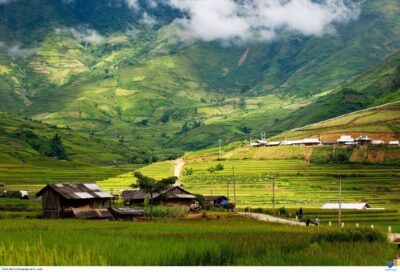

Sapa 3 Days 2 Nights Trekking Tour (1 Night In Ta Van Village, 1 Night In Hotel)
Read our review →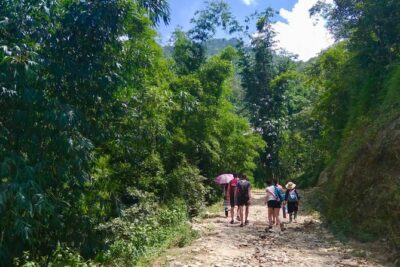
Number one top rated ethical cultural trekking and homestay by ETHOS
Read our review →
Cat Cat Village, Moana, Fansipan Cable Car, Alpine Coaster – Sapa
Read our review →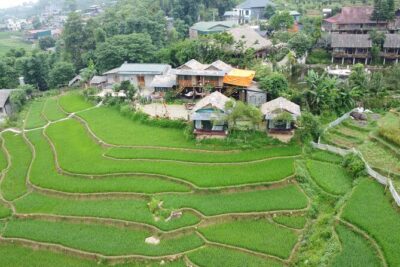
Browse the lists this tour appears in