
Reviewed · TREKKING & HOMESTAYS
Sa Pa Full Day Trekking Tour
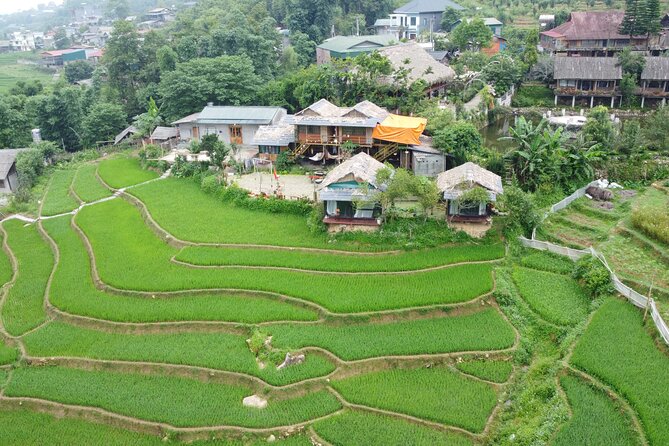
Sapa’s best scenery is not viewed from a bus window. This full-day trek carries you from town into the Muong Hoa Valley, across rice terraces and through Y Linh Ho, Lao Chai, and Ta Van. The reward is a local meal in Ta Van, followed by a bus back to Sapa.
I like the $25 price, which covers lunch, entrance fees, a local guide, and the return bus. I also like the chance to learn about Black H’mong and Red Dao life from a guide who may come from one of the nearby communities. The catch is simple: this is a real hike, often 8 to 10 kilometers, with steep, muddy, and slippery stretches.
Key points to know before you book
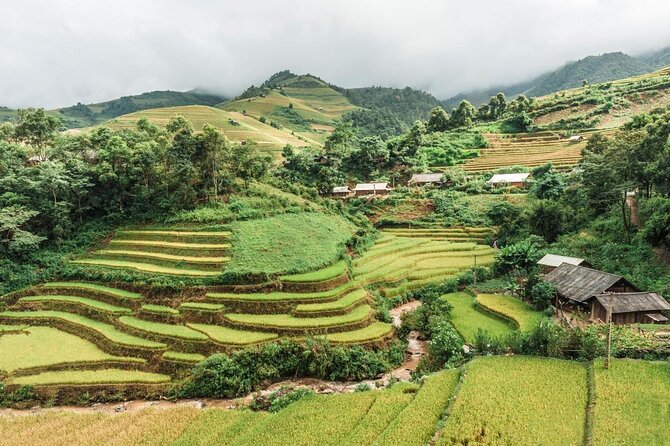
- Three villages in one day: Walk through Y Linh Ho, Lao Chai, and Ta Van rather than stopping only at a scenic lookout.
- Four hours or more on foot: The route includes steep descents, uneven paths, and muddy sections after rain.
- Local lunch in Ta Van: Your meal is included and is served during a longer stop in the village.
- A small-group format: The maximum group size is 15, though larger groups may sometimes split along the route.
- Return transport included: After lunch, a bus takes you from Ta Van back to Cau May Street in Sapa.
- Bring your own water: Water is not listed as included, and coffee and tea cost extra.
What the Sapa day trek is really like
This is a village-to-village walk, not a gentle stroll beside a paved road. You begin near central Sapa at 8:00 am, then head toward Y Linh Ho and continue through the Muong Hoa Valley. The day combines mountain views, working rice terraces, local homes, and a meal in Ta Van.
The pace and trail conditions matter more than the six-to-seven-hour duration shown in the schedule. The walking itself can take around four hours or more, and the route is not a straight line. One estimate puts the distance at 8 to 10 kilometers, with plenty of uphill and downhill movement.
I would rate the physical demand as moderate, just as the tour information does. Still, that label can feel mild if you are unused to steep paths. You need decent balance, sturdy footwear, and enough energy to keep going after the first scenic stop.
The guide makes a real difference. Guides named Zem, Sue, and Mama So have led groups on this route, explaining rice farming, local customs, bamboo forests, and the lives of nearby ethnic communities. The guide assignment can vary, so you should not book on the assumption that one particular person will lead your group.
More Trekking Trips in Sapa
- Sa Pa: Muong Hoa Valley Trek and Local Ethnic Villages
★ 4.6 · 864 reviews - Sapa: Fansipan Cable, Cat Cat Village & Moana Instagram Tour
★ 5.0 · 777 reviews - Number one top rated ethical cultural trekking and homestay by ETHOS
★ 5.0 · 456 reviews
8:00 am: Leaving Sapa for Y Linh Ho
Pickup is offered from the Sapa Retreat Condotel at 03 Hoang Lien, and the tour information also names Sapa Tower as a pickup point. Confirm your exact pickup details when booking, since the meeting information centers on these locations rather than every hotel in town.
The first section takes you toward Y Linh Ho. This village is a good introduction to the day because the route quickly shifts from town streets to open mountain views and rice terraces. You begin seeing how the valley is shaped by farming, footpaths, streams, and steep hillsides.
The scenery changes with the season. In the warmer growing months, the terraces can show strong green tones. In February, the fields may not be green, but the stepped fields and surrounding mountains still make the walk worthwhile. Cloud, rain, and mist are part of the Sapa experience, not unusual interruptions.
The Y Linh Ho section is listed as about one hour, but do not read that as a one-hour total hiking day. It is the opening portion of a much longer route. Use it to settle into your shoes, check your footing, and decide how much water you need to drink before the more demanding sections.
Lao Chai and the Muong Hoa Valley
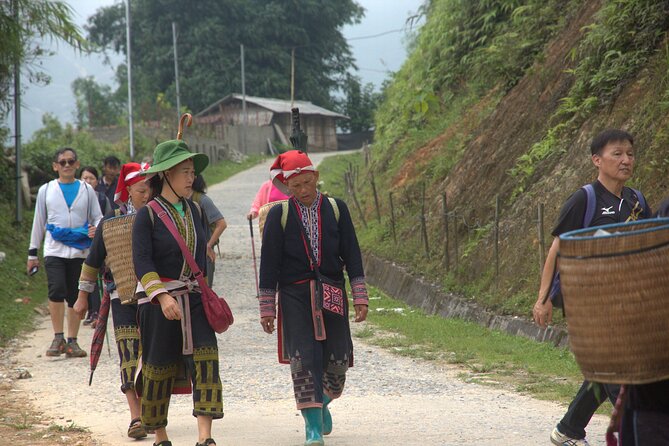
The route continues toward Lao Chai, where Black H’mong and Red Dao communities live. The village is one of the better-known stops in the Sapa area, but the value here is not simply taking photos. Walking through the valley gives you a closer look at how villages connect with farmland and mountain paths.
This part of the trip is scheduled for roughly two hours. Expect more time on uneven ground, with views opening across the terraces and hills. The exact trail can feel very different in dry and wet weather. On a rainy day, sections may be muddy, slippery, or partly flooded.
That weather issue deserves clear attention. One person described narrow and steep paths with little to hold on to, while other accounts found the route manageable by moving slowly. Both impressions can be true. The difficulty depends on rain, your footwear, the group pace, and your comfort on downhill paths.
Local women may walk alongside the group and offer handmade goods for sale. They can also help on slippery stretches. You are not required to buy anything, but you should expect conversation and sales approaches as part of the route. If you prefer a quiet walk, be polite and clear from the start.
Some groups move quickly at the beginning, which can leave less time to pause and look around. Tell your guide if you need a slower pace. Guides have been praised for helping people over difficult sections, but a group tour still has to balance different walking speeds.
Ta Van Village and the included lunch
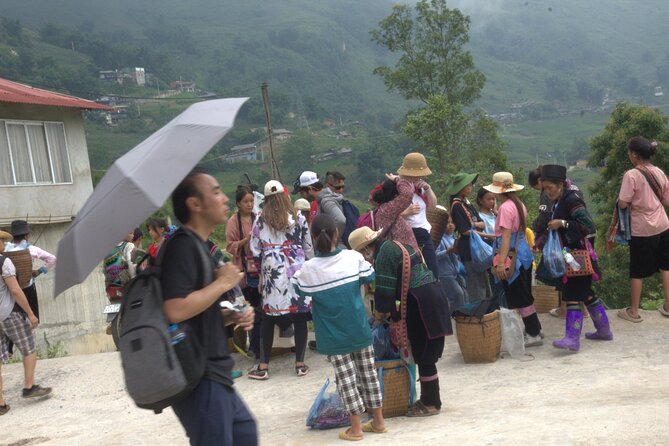
By about 1:00 pm, the walk reaches Ta Van Village. This is the longest stop, listed at about three hours, and it gives you time to eat and rest after the main trek.
Lunch is included and is served in Ta Van, with the setting described as a homestay. Expect local Vietnamese dishes rather than a restaurant meal designed for international tastes. Several people singled out the meal as one of the day’s highlights, though one Spanish-speaking visitor was less enthusiastic about the food. That is a useful reminder that local cooking can be satisfying without matching every palate.
After eating, you can walk to a natural stream about two minutes from the resting point. This short side visit gives you a chance to stretch your legs without taking on another major hike. It also breaks up the afternoon before the return ride.
Ta Van is where the cultural side of the tour feels strongest. You are not just looking at terraces from a viewpoint. You are walking through a village connected to the valley’s farming and ethnic communities. A good guide can explain the differences between local groups and how people make a living here.
The quality of that explanation may vary by guide and group size. Some guides have offered detailed talks about traditions and daily life. Others have kept the commentary shorter and focused on the main sights. If cultural context is important to you, ask questions rather than waiting for a long lecture.
Other treks and homestays from Sapa:
- Cat Cat Village, Moana, Fansipan Cable Car, Alpine Coaster – Sapa
★ 5.0 · 420 reviews - Sapa: Fansipan Cable, Cat Cat Village, Moana Instagram Tour
★ 4.8 · 294 reviews - Hanoi – Sapa 2 Days 1 Night Overnight At Homestay
★ 5.0 · 899 reviews - From Hanoi: 2-Day Sapa Trekking Trip with Homestay & Meals
★ 4.8 · 704 reviews
2:30 pm: The bus back to Sapa
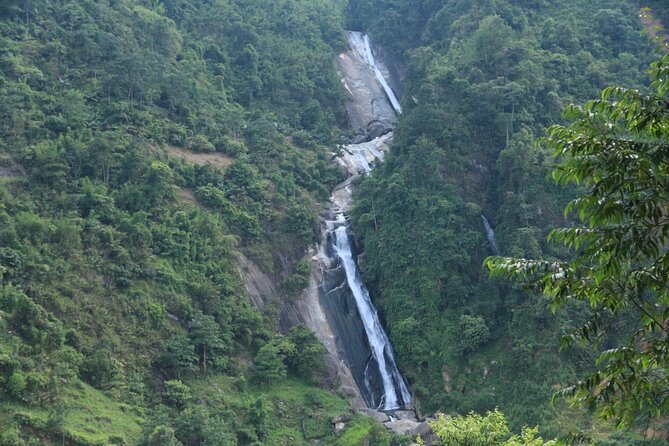
After lunch and the Ta Van stop, a bus takes you back toward Sapa. The stated drop-off is on Cau May Street, and the activity ends back at the meeting point area rather than continuing with more walking.
This return ride is an important part of the value. You do not have to retrace the entire route on foot after several hours of hiking. It also means the itinerary is not a loop completed entirely by walking. The tour description can sound like every village is visited on foot, but the practical plan is to walk through the villages and then use a van or bus after lunch.
The bus ride also puts a firm end on the day. If you are hoping to stay longer in Ta Van, this group schedule will not suit you. If you want an efficient way to see the valley and return to Sapa without arranging transport yourself, it works well.
How hard is the trail?
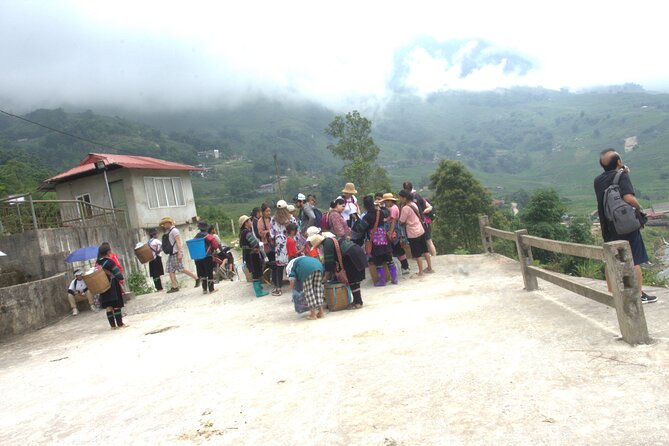
The most important decision is your fitness and footwear. The tour asks for a moderate level of physical fitness, but I would prepare for more than a casual walk.
You may face:
- Steep downhill sections
- Mud after rain
- Narrow, uneven paths
- Slippery ground and occasional flooded areas
- Around 8 to 10 kilometers of total walking
- At least four hours on your feet, depending on the pace
Do not wear sandals, smooth-soled shoes, or clothes you want to keep spotless. Bring shoes with strong grip and trousers that can handle mud. A light rain jacket is sensible, especially since wet weather can change the route from scenic to demanding.
The tour does not list bottled water as included. Bring your own water and carry enough for a long walk. Coffee and tea are also not included, so budget separately if you want either drink.
The route is not suitable for anyone who needs a flat, predictable path. A confident walker can handle it by taking care on steep stretches, but you should not book it if you have difficulty with balance, downhill walking, or prolonged physical effort.
Guide quality, group size, and pace
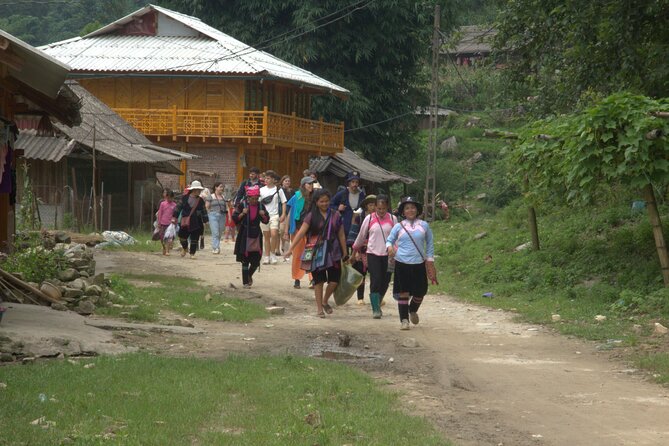
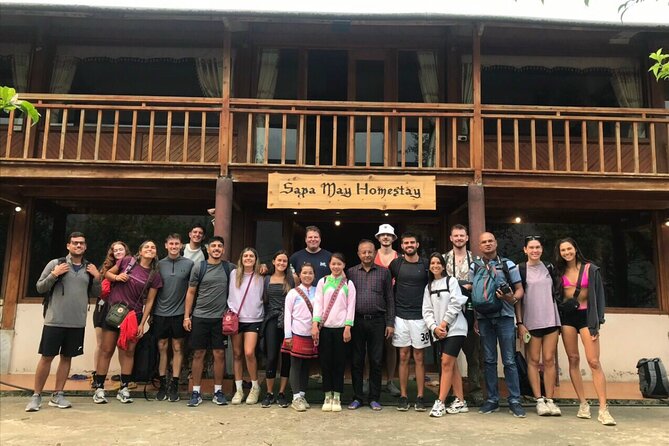
The maximum group size is 15. That is small enough for a personal guide in the best case, though the experience can still feel busy when everyone starts together. One larger group appeared to split into two, which helped on the trail.
Guide quality is one of the strongest parts of this experience. Zem has been praised for clear English and for explaining bamboo forests, rice terraces, and local traditions. Sue has been described as friendly and helpful, while Mama So has explained the rice fields particularly well.
These names do not guarantee who will lead your group, but they show the sort of local knowledge the company can provide. A guide from a nearby minority community can add context that you would not get from walking alone. You can learn about everyday work, village life, and the practical challenges of living in the hills.
The main weakness is pace. Some groups rush at the start, while others move more carefully when the ground becomes difficult. If the guide is trying to keep everyone together, you may get less time for photos or quiet observation. Speak up early if you need a break or want the group to slow down.
Is $25 good value?
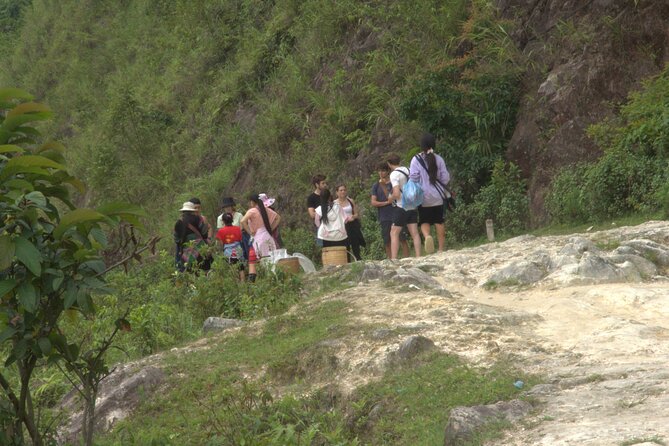
At $25 per person, this is a strong-value way to see the Sapa valley. The fee includes a local guide, lunch, entrance tickets, and one-way return transport from Ta Van to Sapa. You are paying for a full day of organized walking without needing to arrange separate village access or a ride back.
The price does not include drinks, and you should bring your own water. It also does not turn the trek into a private experience. A private trek and private transportation are available as an upgrade, which may make sense if your group wants a slower pace or more direct attention.
For a budget-conscious visitor with only one day in Sapa, the tour covers a lot. You see three villages, rice terraces, mountain scenery, and local food in one outing. The tradeoff is a fixed schedule and a shared group pace.
The tour has a 4.8 rating from 414 reviews and a 97 percent recommendation rate. Those figures point to a consistently positive experience, but they should not hide the rough trail. The people who enjoy this most are usually comfortable accepting mud, steep paths, and a little unpredictability in exchange for better valley access.
Who should book this trek?
I would choose this tour if you have one free day in Sapa and want more than a viewpoint or short walk. It suits active visitors who want to see how the valley’s villages connect with rice farming and who appreciate having lunch and transport arranged.
It is also a good fit if you want a local guide but do not need a luxury setup. The guide can add cultural detail, and the included meal keeps the day simple. The return bus saves your legs after the walk.
I would consider the private upgrade if you dislike group pacing, are traveling with family or friends, or want more time for questions and photos. I would skip the tour entirely if you need a level trail, dislike mud, or do not want local sellers approaching you along the route.
Free cancellation is available if you cancel at least 24 hours before the 8:00 am start time. Changes or cancellations inside that window are not accepted for a refund.
Should you book the Sapa Full Day Trekking Tour?
Book it if you want a physically active day with excellent valley scenery, three villages, a local lunch, and a low price. The strongest reasons are the route through Y Linh Ho, Lao Chai, and Ta Van, plus the chance to learn from a local guide rather than simply following a marked path.
Go in prepared. Wear grippy shoes, expect mud, carry water, and allow for at least four hours of walking. If you can accept those conditions, this is one of the most efficient ways to see Sapa’s countryside in a single day.
FAQ
Where does the Sapa trek start?
The stated meeting point is Sapa Retreat Condotel, 03 Hoang Lien, Sa Pa. Pickup information also names Sapa Tower.
What time does the tour begin?
The tour starts at 8:00 am.
How long does the experience last?
The stated duration is approximately six to seven hours. The schedule runs from 8:00 am until the return to Sapa at about 2:30 pm.
Which villages does the trek visit?
The route visits Y Linh Ho, Lao Chai, and Ta Van Village.
Is lunch included?
Yes. Lunch in Ta Van Village is included in the tour price.
Is transport back to Sapa included?
Yes. A one-way return bus takes you from Ta Van Village back to Sapa Town, with the stated drop-off on Cau May Street.
How physically difficult is the trek?
You should have a moderate level of physical fitness. The route can involve 8 to 10 kilometers of walking, steep paths, mud, slippery ground, and at least four hours on foot.
How many people can join the group?
The maximum group size is 15 people. A private trekking option with private transportation is also available as an upgrade.
More walking country near Sapa
- Sapa: Eco Adventure Terrace Fields and Local Villages Trek
★ 4.9 · 636 reviews - From Sapa: 1-Day Guided Trek to Lao Chai & Ta Van with Lunch
★ 4.9 · 416 reviews - Sapa 1 Day Long Trek: Trek to Hau Thao and Sa Seng Villages
★ 4.6 · 344 reviews - 1-Day Sapa Long Trek – Rice Field Terrace, Ethnic Culture
★ 4.9 · 62 reviews
Newly reviewed in Sapa
- 1-Day Sapa Long Trek – Rice Field Terrace, Ethnic Culture★ 4.9 · 62 reviews
- Sapa: Motorbike Tour 1 Day Visit Waterfalls & Local Villages★ 5.0 · 112 reviews
- Sapa Motorbike Tour With Local Guide 1 Day – Waterfalls, Villages★ 5.0 · 254 reviews
- Sapa Motorbike Experience: Local Life, Rice Fields & Waterfalls★ 5.0 · 70 reviews
- Motorbike 1 Day Off The Beaten Track, Hidden Villages, rice field★ 5.0 · 203 reviews
- Sapa: Fansipan Cable, Cat Cat Village, Moana Instagram Tour★ 4.8 · 294 reviews
- From Sapa: 3-Day Ha Giang Loop with Safe Rider (max 8 pax)★ 4.9 · 285 reviews
- Sapa 1 Day Long Trek: Trek to Hau Thao and Sa Seng Villages★ 4.6 · 344 reviews
Trekking & Homestays, compared.

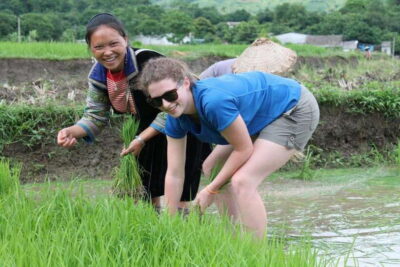
Muong Hoa Valley Trek and Local Ethnic Villages
Read our review →
Fansipan Cable, Cat Cat Village & Moana Instagram Tour
Read our review →

Sapa 3 Days 2 Nights Trekking Tour (1 Night In Ta Van Village, 1 Night In Hotel)
Read our review →
Number one top rated ethical cultural trekking and homestay by ETHOS
Read our review →
2-Day Sa Pa Ethnic Homestay Tour & Trek with Limousine Bus
Read our review →
Cat Cat Village, Moana, Fansipan Cable Car, Alpine Coaster – Sapa
Read our review →Browse the lists this tour appears in