
Reviewed · CU CHI TUNNELS TOURS
Daily Small Group Tour to Saigon City and Cu Chi Tunnels
The most useful feature of this tour is its clear wartime thread. You begin at Independence Palace, see how the conflict is presented at the War Remnants Museum, then travel out to the Cu Chi Tunnels, where the underground network shows how people lived and fought. Guides such as John and Slim have been praised for strong English, humor, and good explanations.
I like the small maximum of 12 people, which gives the day a more personal feel than a large coach trip. I also like that lunch, entry fees, bottled water, and central District 1 transfers are bundled into the price. The main drawback is the long day: city sightseeing plus the drive to Cu Chi can feel tiring, and the tour is not suitable for people with mobility limits or heart problems.
Key points to know before booking
- A full wartime timeline: Independence Palace, the War Remnants Museum, and Cu Chi fit together as one story.
- Small-group format: The van or bus carries only 2 to 12 people, with an English-speaking guide.
- A serious museum visit: Allow an hour for powerful photographs and exhibits about the Indochina wars.
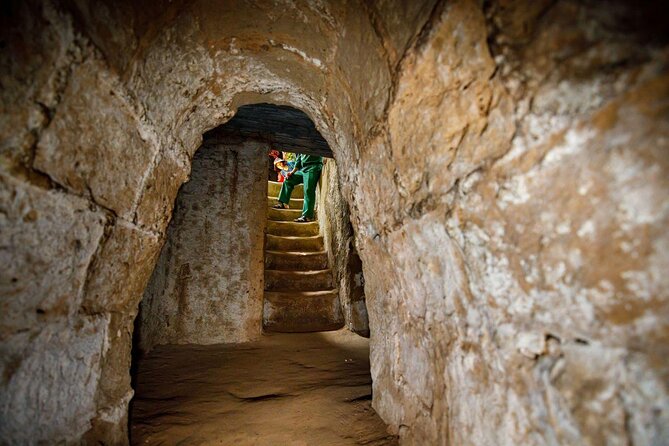
- Hands-on tunnel site: You see living areas, kitchens, storage rooms, field hospitals, command centers, and hidden traps.
- Good value at $50.15: Lunch, admissions, water, transport, and guiding are included.
- A long, traffic-sensitive day: Start at 7:45 a.m., and expect the return time to depend on road conditions.
Why this tour works for understanding Ho Chi Minh City
Ho Chi Minh City can look like a city of French buildings, busy streets, cafés, and modern commerce. That view is incomplete. The city was formerly Saigon, a major center during the Vietnam War, and many of its best-known sites are tied to the country’s political and military past.
This tour gives you a useful sequence rather than a collection of unrelated stops. At Independence Palace, you see the former seat of South Vietnam’s government. At the War Remnants Museum, you encounter photographs and displays about the Indochina wars. At Cu Chi, you see the underground system used by the Viet Cong to hide, move, store supplies, and fight.
I value that order. It gives you a basic chronology before you reach the tunnels, where the subject becomes physical and immediate. A guide matters here because Vietnam’s wartime story is complicated, and the same event can be remembered very differently in Vietnam and abroad.
The tour lasts about 10 hours. That is enough time to cover the main stops, but it is not a relaxed city walk. You will spend part of the day in the vehicle, including about one and a half hours of bus travel to Cu Chi. If you want an easy morning with plenty of café time, choose a shorter city tour instead.
More history underground near Ho Chi Minh City:
- Cu Chi Tunnels Tour from HCM City – Morning or Afternoon
★ 5.0 · 15,833 reviews - HCM: Cu Chi Tunnels-Tapioca Small Group Tour Morning or Afternoon
★ 5.0 · 7,485 reviews - Cu Chi Tunnels and Mekong Delta Signature Tour
★ 5.0 · 7,328 reviews
Independence Palace sets the political scene
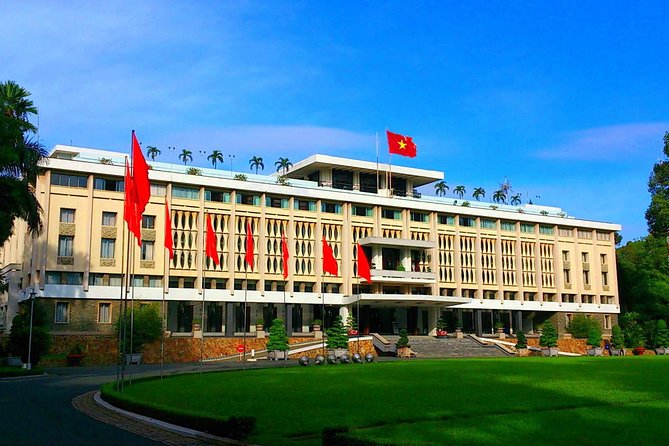
The first major stop is Independence Palace, also called Reunification Palace. It was built on the site of the former Norodom Palace and designed by Vietnamese architect Ngo Viet Thu. The building is one of Ho Chi Minh City’s key landmarks and gives you a strong starting point for the day.
You have about 90 minutes here, with admission included. That is enough time to look through the palace and hear how it functioned as a center of government during the years before reunification.
The value of this stop is not just the building itself. It helps explain the political division that shaped the period from 1955 to 1975. Afterward, the War Remnants Museum and Cu Chi Tunnels have more meaning because you have already seen one of the main places connected to South Vietnam’s government.
I would pay close attention to the guide here. The palace can otherwise feel like a formal state building that you simply walk through. The explanations connect its rooms and role to the larger story.
French colonial sights, with a limited cathedral visit
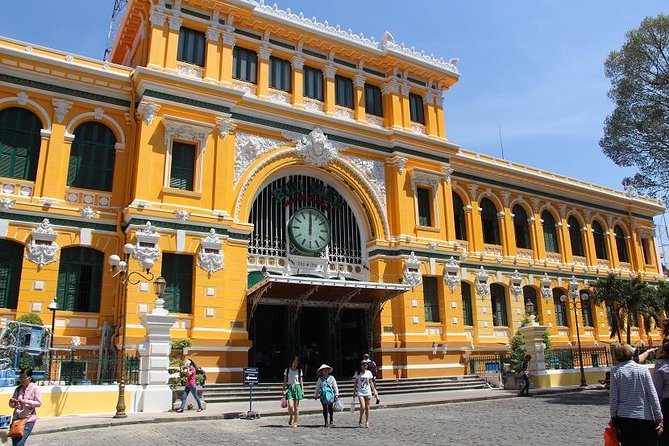
The next section focuses on two central colonial-era landmarks: Notre Dame Cathedral and the Central Post Office. You have about 30 minutes, and the post office is free to enter.
The Central Post Office is the more practical stop. You can see its grand interior and French colonial design while still using the building for its original purpose. It is a pleasant contrast to the serious wartime sites that follow.
The cathedral visit is exterior only in the itinerary notes because restoration work was underway until 2020. Conditions can change, so treat this as a chance to view the outside rather than a guaranteed interior visit. The short stop also means you should not expect a long architectural tour.
I like having these landmarks included because they show another layer of the city. The tour does not present Ho Chi Minh City only through war. It also gives you a quick look at the colonial period that shaped the central district.
The War Remnants Museum requires time and care
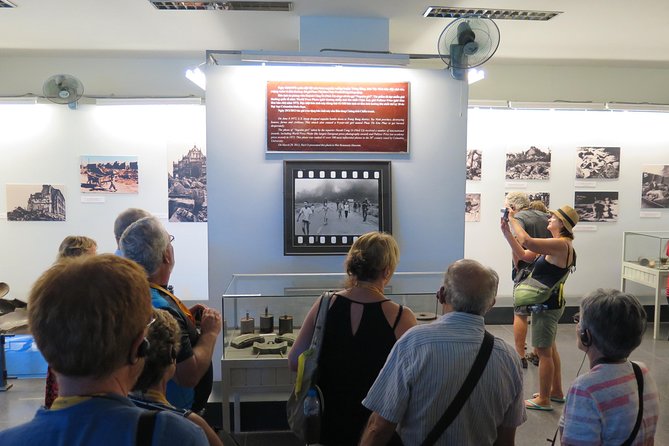
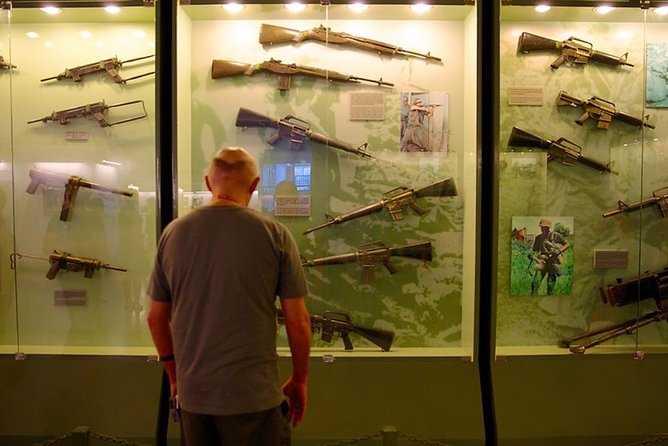
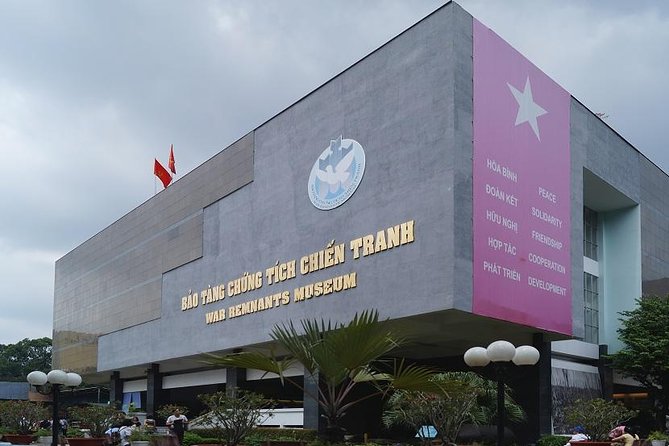
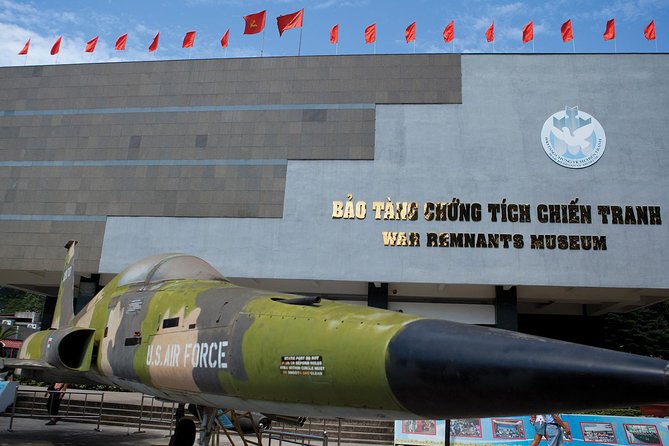
The War Remnants Museum receives about one hour of the day, with admission included. Its displays cover the Indochina wars, including photographs and exhibits related to the Vietnam War.
This is the most emotionally difficult stop. The museum presents the war from a strongly Vietnamese point of view, and some photographs are disturbing. You should expect a serious visit, not a light historical attraction.
The guide’s role is especially useful here. A good explanation can help you place the photographs within the period’s chronology and politics. John, one guide named in the supplied information, was praised for clear English, strong historical explanations, and a good sense of humor. You cannot assume John will lead your departure, but the experience depends heavily on having a guide who can explain the material with care.
One hour is enough for an introduction, but not enough to inspect every display. I suggest staying with the group at first, then using any remaining time for the sections that matter most to you. If you are sensitive to graphic wartime images, prepare yourself before entering.
This museum also helps balance the rest of the day. Independence Palace shows the government side of the conflict. Cu Chi shows guerrilla warfare and underground survival. The museum presents the human cost and aftermath.
Same base, a completely different day:
- From HCM City: Mekong Delta Tour with Sampan Journey
★ 4.5 · 13,132 reviews - Ho Chi Minh City Street Food Tour & Sightseeing By Motorbike
★ 5.0 · 9,413 reviews - Mekong Delta Guided Tour from Ho Chi Minh City
★ 4.5 · 7,192 reviews - Cu Chi Tunnels & Mekong Delta Tour with VIP Limousine Transfer
★ 5.0 · 7,052 reviews
Lunch keeps the long day moving
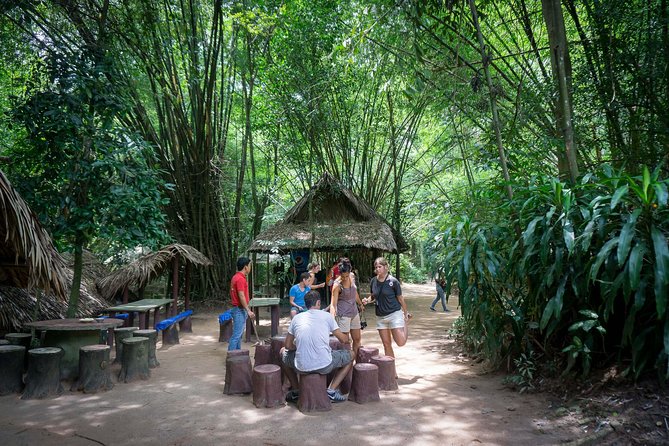
Before the Cu Chi visit, you stop at a local restaurant for Vietnamese food. Lunch is included, but drinks are not, so bring extra money if you want a beverage beyond the supplied bottled water.
This is a simple but useful part of the package. You do not need to spend time finding a restaurant during a tightly planned day, and the meal breaks up the museum and road travel. Specific dishes are not listed, and you should advise the operator of dietary requirements when booking.
The meal is best viewed as practical rather than a stand-alone food tour. If Vietnamese cuisine is a major reason for your trip, you may want to arrange more focused meals elsewhere in the city.
Cu Chi reveals the scale of underground life
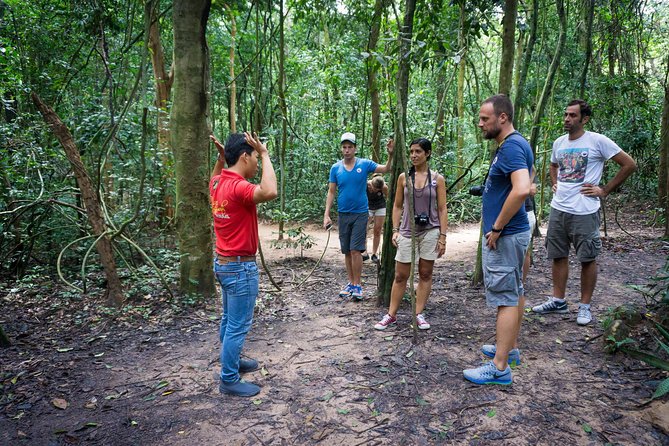
The trip to Cu Chi takes about one and a half hours by bus. That road time is the main price of visiting the tunnel site from central Ho Chi Minh City, but the destination adds something you cannot get from a city museum.
On arrival, you receive a short introduction and watch a video about how the tunnels were built and how people survived during wartime. You then explore the remaining tunnel area and related facilities for about two hours.
The site includes underground living spaces, kitchens, bedrooms, storage areas, weapons factories, field hospitals, and command centers. You also see concealed trap doors and dangerous traps. These details show that Cu Chi was not simply a hiding place. It was a working system designed to support daily life and military activity under harsh conditions.
I find the kitchens, medical areas, and bedrooms particularly important because they shift the focus from military tactics to ordinary survival. The tunnels were used by people who needed to eat, sleep, treat injuries, store supplies, and communicate.
The site can be physically demanding. The tour information says it is not available for people with handicaps or heart problems, and that warning deserves attention. Even if you are generally fit, wear practical shoes and be ready for uneven conditions. The exact tunnel experience is not described in detail, so you should not assume every section will be comfortable for all body types.
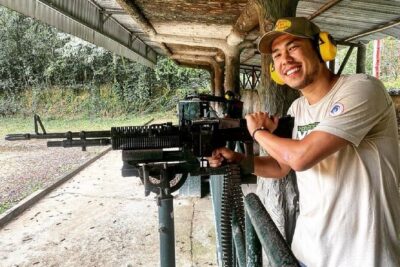
There is also an optional shooting-gun activity, listed as a personal expense. It is not part of the included price, so decide in advance if that interests you. The main tunnel visit does not depend on taking part.
A guide adds real value here. Without explanation, the traps and narrow structures can become a series of startling objects. With context, you can understand why the network was built, how it supported the Viet Cong, and how its design responded to wartime pressure.
Small groups make the schedule easier
The group limit is 12 people, with departures possible for groups as small as two. That is a useful middle ground. You get shared transport and a set route, but you avoid the scale of a large sightseeing coach.
A small group also makes it easier to hear the guide at the museum and tunnel site. If you have a question about the timeline or a particular exhibit, there is a better chance of getting an answer than on a crowded departure.
The tradeoff is that you follow a fixed schedule. You cannot spend an extra hour at Independence Palace or skip the museum because you are tired. The city stops are short compared with an independent visit, and traffic can affect the return time.
The guides are a major part of the experience. The available feedback highlights John for excellent English, clear historical explanations, and humor. Another guide, Slim, was described as Ok my bro in a casual account of the day. That wording suggests a friendly style, but guide assignments can change, so book this tour for the structure and included services rather than for one named individual.
What the $50.15 price really covers
At $50.15 per person, the cost is reasonable for a 10-hour guided day that includes several paid components. You receive central District 1 pickup and drop-off or support at the designated meeting point, air-conditioned transport, an English-speaking guide, entrance tickets, bottled water, and lunch.
The price is strongest if you want to see both the city landmarks and Cu Chi in one day. Arranging those visits independently would require transport planning, admissions, a restaurant stop, and careful timing. The tour takes care of that work.
It is less attractive if you already have city transport arranged or want to spend long, unhurried periods at each site. You are paying for convenience and interpretation, not complete freedom.
The listed pickup point is Rap Hung Dao, 112 Tran Hung Dao, in District 1, with a 7:45 a.m. start. Pickup is offered for centrally located District 1 hotels, though traffic rules prevent collection at some streets, including Nguyen Trai and Nguyen Thi Nghia. Hotels outside District 1 may require a surcharge.
You should also budget for drinks, tips, personal costs, and optional shooting. Travel insurance is not included.
Who should book this full-day route
I would choose this tour if you have limited time in Ho Chi Minh City and want a guided introduction to the Vietnam War. It suits first-time visitors who want the main city sights and Cu Chi without arranging separate transfers.
It also works well for people who prefer historical context over simple sightseeing. The guide links political power, museum evidence, and guerrilla infrastructure in a way that is hard to reproduce from guidebook notes alone.
Families can join if children are accompanied by an adult, though the subject matter at the museum may be difficult for younger children. The child rate applies only when sharing with two paying adults, and a surcharge may apply to bookings with two or more children.
I would hesitate if you have heart problems, mobility limitations, or little tolerance for long road journeys. The day is also a poor match for anyone seeking a leisurely pace. Traffic may delay your return, and the operator does not control that timing.
Free cancellation is available if you cancel at least 24 hours before the start time. Changes made within that window are not accepted, and bad weather may lead to a different date or a full refund.
Should you book it?
Book this tour if you want the most important wartime sites in and around Ho Chi Minh City in one organized day. The strongest reasons are the small group, included admissions and lunch, and the guide-led connection between Independence Palace, the War Remnants Museum, and Cu Chi.
Skip it if you want to explore at your own pace or if a long day in a vehicle will wear you down. For most first-time visitors with an interest in Vietnam’s modern past, the $50.15 price offers a practical way to see a lot, provided you arrive ready for serious museum material, tunnel-site walking, and traffic delays.
FAQ
How long does the tour last?
The tour lasts approximately 10 hours and begins at 7:45 a.m.
Where does the tour start?
The listed meeting point is Rap Hung Dao, 112 Tran Hung Dao, Co Giang, District 1, Ho Chi Minh City. Hotel pickup is offered for centrally located hotels in District 1.
Is lunch included?
Yes. Lunch at a local restaurant with Vietnamese cuisine is included. Beverages are not included, and you should provide dietary requirements when booking.
How large is the group?
The group can include between 2 and 12 people.
Are entrance fees included?
Yes. Admission to Independence Palace, the War Remnants Museum, and the Cu Chi Tunnels is included.
Can children join the tour?
Yes, children must be accompanied by an adult. The child rate applies when sharing with two paying adults. A surcharge may apply to bookings with two or more children.
Newly reviewed in Ho Chi Minh City
- Saigon Evening: Water Puppet Show & Dinner Cruise Experience★ 5.0 · 38 reviews
- Dinner Cruise on Saigon River with Private Table★ 4.5 · 31 reviews
- Ho Chi Minh: Private City Tour and Dinner Cruise with Buffet★ 4.6 · 97 reviews
- Saigon After Dark Vespa Street Food Tour + Live Music 4 hours★ 5.0 · 147 reviews
- Private Jeep City Tour Saigon by Night and Skybar Drink★ 5.0 · 108 reviews
- Saigon Jeep Tour with Food, Culture and Fun By Vietnam Army Jeep★ 5.0 · 150 reviews
- Cu Chi Tunnels Ben Duoc VIP Tour by Limousine with Lunch★ 5.0 · 170 reviews
- Mekong Delta VIP Tour – Transportation by Limousine★ 5.0 · 110 reviews
Cu Chi Tunnels Tours, compared.
Cu Chi Tunnels Tour from HCM City – Morning or Afternoon
Read our review →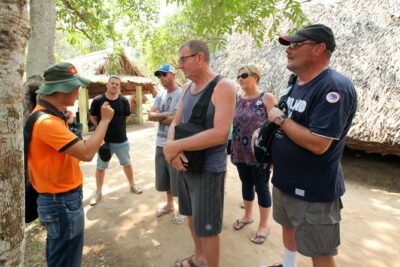
Cu Chi Tunnels-Tapioca Small Group Tour Morning or Afternoon
Read our review →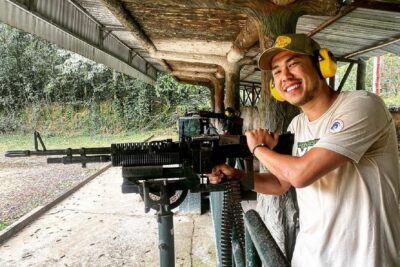
Cu Chi Tunnels and Mekong Delta Signature Tour
Read our review →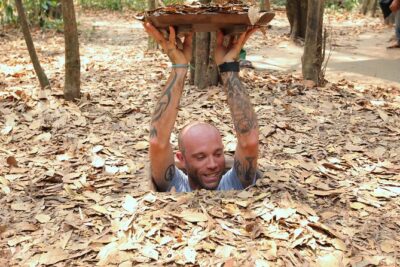
Cu Chi Tunnels and Mekong Delta Full Day Tour – Max 12
Read our review →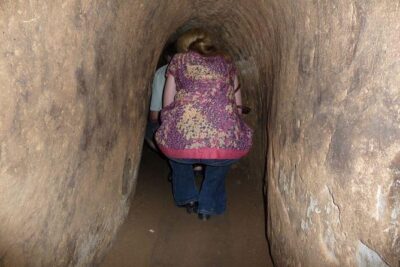
Cu Chi Luxury Group Tour – Tapioca and Cake Half Day
Read our review →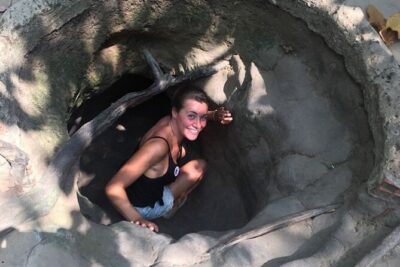
Adventure Cu Chi Tunnels and Mekong Delta Tour From HCM
Read our review →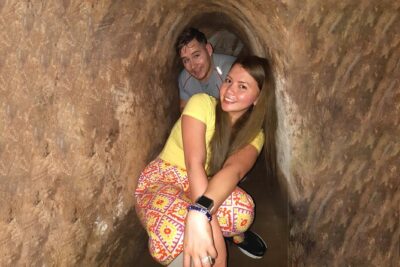
Cu Chi Tunnels and Mekong Delta – Small Group Tour
Read our review →
Adventure Cu Chi Tunnels: Vietnam War Underground Network AM/PM
Read our review →Browse the lists this tour appears in