

Reviewed · HIKING & TREKKING
From Hanoi: 3 Days Sapa Trekking & Ethnic Villages by Dcar
Sapa is at its best when you leave the town streets and walk among the mountain villages, where H’Mong, Red Dao, Tay, Giay, and Xa Pho communities keep distinct clothing, customs, and farming traditions. This three-day trip gives you that local focus without asking you to plan every transfer and meal yourself.
I like the small group limit of 10, which should make village walks and guide support easier, and I like the practical mix of Cat Cat Village, a local village visit, and Ham Rong Mountain. The main drawback is the long road journey: you leave Hanoi at 6:30 am and return around 8:30 pm on the third day.
Key points at a glance
- Dcar limousine transport: Round-trip travel from Hanoi is included, with pickup in the Old Quarter or a meeting point at Hanoi Opera House.
- Two nights in Sapa: A three-star hotel gives you a fixed base instead of changing rooms each night.
- Village-focused walks: You visit a local village on arrival and trek to Cat Cat Village the next morning.
- Mountain views without a technical hike: Ham Rong Mountain offers a final walking outing, but you should have moderate fitness.
- Optional Fansipan visit: You can spend the afternoon on the Fansipan cable car, but the fare is not included.
- Useful all-in-one value: The $140 price includes transport, accommodation, two breakfasts, three lunches, and a local guide.
What the $140 Sapa package really covers
At $140 per person, this is a solid convenience package if you want Sapa arranged from Hanoi. You are paying for round-trip Dcar limousine transport, two hotel nights, a local-speaking guide, two breakfasts, and three lunches. You also avoid the work of arranging the road transfer, hotel, village visits, and return trip as separate pieces.
The value is strongest for a first visit to Sapa or for anyone traveling with family. The transport alone takes care of one of the less pleasant parts of the journey: coordinating the long trip between Hanoi and the mountains. You also have a guide to help with the walking schedule and local visits.
The price does not include the Fansipan cable car. That matters because the itinerary leaves one afternoon open for Fansipan, and the cable car is a separate expense. You can skip it and explore Sapa on your own, but budget extra if reaching the summit is a priority.
The package also lists a holiday surcharge, without giving a fixed amount. Check the total price for your dates before booking, especially if your trip falls during a public holiday.
Other walking country around Hanoi:
- Halong Bay Full Day with Kayaking, Hiking viewpoint, Cave – Deluxe To Luxury
★ 5.0 · 884 reviews - From Hanoi: 2-Day Sapa Trekking Trip with Homestay & Meals
★ 4.8 · 704 reviews - Sapa 3 Days 2 Nights Trekking Tour (1 Night In Ta Van Village, 1 Night In Hotel)
★ 5.0 · 699 reviews
The 6:30 am departure from Hanoi

The tour begins at 6:30 am, with hotel pickup available in Hanoi’s Old Quarter. The stated meeting point is Hanoi Opera House, at 1 Trang Tien, in Hoan Kiem. Confirm your pickup arrangement before the morning of departure, particularly if your hotel sits outside the Old Quarter.
The Dcar limousine is a useful middle ground between a large coach and a private car. The drive still takes most of the morning, but the smaller vehicle suits a group capped at 10 people. You reach Sapa Town at about 1:00 pm, so this first day is primarily a transfer day with an afternoon outing.
That schedule is worth considering carefully. You get more than two full days in Sapa, but not three complete days. If you dislike long road trips, the journey may feel heavy. If you prefer a simple door-to-door arrangement, the included transport is one of the tour’s strongest features.
Day one: Sapa Town and the first local village walk

After arriving in Sapa around 1:00 pm, you have lunch and check in at the three-star hotel. The hotel provides the base for both nights, which makes the trip easier than moving between villages or changing rooms each evening.
The afternoon visit begins at about 2:30 pm. Your guide takes you to a local village, where you learn about daily life in the area. The exact village is not specified in the tour details, so ask your guide what community you will visit and how much walking is planned.
This is a good first introduction because it gives you context before the longer walk to Cat Cat Village on day two. Sapa is not simply a scenic mountain town. Several ethnic communities live in the region, with different clothing, customs, farming methods, and ways of organizing village life. The guide can help you understand those differences without turning the visit into a rushed photo stop.
The description lists roughly 20 minutes for this stop, although the wider afternoon schedule may include walking and transport around the village. I would treat it as an introductory visit rather than a long cultural program. If meeting local people and learning about daily life is your main reason for coming to Sapa, ask ahead about the length of the visit.
Day two: Cat Cat Village and your Fansipan choice
Breakfast runs from 7:00 to 8:30 am, followed by the trek to Cat Cat Village at 9:00 am. You return for lunch around noon, leaving the afternoon free from about 3:30 pm.
Cat Cat is one of the best-known village stops around Sapa. The value here comes from reaching it on foot rather than simply arriving by vehicle, since the route gives you time to see the setting around the village and to set your own walking pace. The tour does not state the exact distance, elevation gain, or trail surface, so you should not assume a gentle stroll.
You need moderate physical fitness for the program. Sapa’s routes can include slopes and uneven ground, and the itinerary uses the word trek for both Cat Cat and Ham Rong. Bring shoes with a firm grip, clothing that can handle changing weather, and a light layer for cooler conditions. Sapa has a temperate, subtropical climate, and the town can feel like spring in the morning, summer in the afternoon, autumn in the late day, and winter at night.
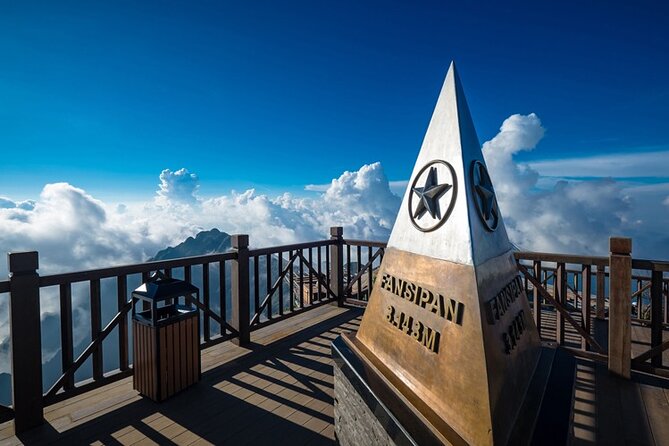
After lunch, you have two choices. You can visit Fansipan by cable car at your own expense, or stay in Sapa and explore independently. Fansipan is the region’s major high mountain attraction, but the cable car cost is not part of the $140 package. This optional structure is useful because you are not forced to pay for an activity you may not want.
If your main goal is village walking, use the afternoon to rest or see more of Sapa. If reaching Fansipan matters to you, ask about the current cable car price and operating arrangements before you leave Hanoi. The tour details do not include those figures.
The second night is again at the Sapa hotel. Several guests specifically appreciated the hotel’s cleanliness, comfort, food, and service. One piece of feedback praised the large room, while another noted that the Sapa hotel felt comfortable and pleasant. Still, a three-star hotel can vary by property, so treat these points as useful expectations rather than a guarantee of a particular room standard.
A few more ways to spend a day in Hanoi
- Amanda Cruise – Ha Long, Lan Ha Bay – All Inclusive 2D1N & 3D2N
★ 5.0 · 4,358 reviews - Hanoi: 3-Day Ninh Binh, Ha Long, & Lan Ha Bay 5-Star Cruise
★ 4.8 · 1,401 reviews - Mon Chéri Cruises 5 star: Amazing 3 days exploring Halong & Cat Ba island
★ 5.0 · 1,280 reviews - Ha Giang Loop 3 days Small group- From Ha Noi
★ 5.0 · 1,114 reviews
Day three: Ham Rong Mountain before the long ride home
Breakfast is at 7:30 am, with the next walk beginning at 9:30 am. Ham Rong, or Dragon’s Jaw, Mountain gives you a final chance to see Sapa from above before the return journey.
The itinerary allows about two and a half hours before lunch. That makes Ham Rong a manageable final outing, but it is still a climb. You should be ready for steps, slopes, and a steady walk. The tour does not provide a detailed route or elevation profile, so ask the guide about the day’s exact conditions if you have concerns about your knees or stamina.
You return to the hotel for lunch at noon. Departure for Hanoi is scheduled between 2:10 and 2:30 pm, with arrival around 8:30 pm. That is a full final day, but the timing is sensible: you get one more mountain walk and a meal before the long drive rather than losing the morning entirely.
The return trip also means this is not a good add-on immediately before a flight from Hanoi. Build in extra time after the scheduled 8:30 pm arrival in case of road delays or a slower return. The activity ends back at the Hanoi meeting point.
What the guide adds to the experience

A local-speaking guide is included, and the strongest practical praise for this tour centers on guide support and communication. Mei is named in the feedback as a helpful guide who made the arrangements easy and offered regular assistance. Mikey is also mentioned for coordinating the trip and handling arrangements carefully.
You should not assume that Mei or Mikey will lead every departure, but their names show the kind of support the operator aims to provide. The guide’s role matters here because the itinerary combines transfers, hotel check-in, village walks, meals, and an optional cable car visit. A good guide can keep those moving parts clear and help you decide how to use free time.
The tour has also been described as flexible before departure, with the possibility of adjusting the plan if requested in advance. Confirm any changes before the trip rather than expecting to alter the schedule at the last minute.
Meals, hotel nights, and the rhythm of the trip

Three lunches and two breakfasts are included. The schedule places lunch after arrival on day one, after the Cat Cat walk on day two, and before departure on day three. That takes care of the main midday meals, though the supplied information does not specify dinner or every menu.
Food received warm praise, with particular approval for its taste at the Sapa hotel and during the arranged meals. Even so, you should plan for dinners separately because they are not listed among the inclusions.
The hotel setup is simple and practical: two nights in one three-star property. That means you can leave larger luggage in place rather than repacking each morning. It also gives you a fixed room during the free time around Sapa and Fansipan.
The tour’s comfort level is aimed at people who want an organized trip rather than a demanding expedition. You walk on three days, but you sleep in a hotel and travel by limousine. This is not a multi-night homestay or a remote village trek, so it offers only a limited taste of rural life.
Sapa’s ethnic communities and what to watch for

The region is home to H’Mong, Red Dao, Tay, Giay, and Xa Pho communities. Their clothing, customs, farming methods, and daily routines differ, and the tour’s village visits give you a chance to see those differences in place rather than only hearing about them in town.
Look at the setting as well as the clothing. Farming on steep mountain slopes requires different methods from farming on flat land, and village life is closely tied to the terrain. Your guide can help explain what you are seeing, but the schedule is fairly compact, so do not expect an extended anthropology lesson.
Approach village visits with care. Listen when your guide explains local customs, ask before taking close-up photographs, and remember that these are working communities, not staged attractions. That small amount of courtesy makes the experience more worthwhile for you and for the people who live there.
Is the small group worth prioritizing?
Yes, particularly if you value smooth coordination. A maximum of 10 people is small enough for the guide to answer questions and keep a walking group together without the feel of a large coach tour.
The small group does not turn the trip into a private tour. You still follow fixed departure times, shared transport, and a set hotel plan. But it should make the village walks and optional arrangements less cumbersome than they would be with a much larger crowd.
The tour’s coordination has earned especially strong praise. Pickup, hotel arrangements, meals, and transfers are all handled together, which is useful if you do not want to negotiate each part of a Sapa visit yourself.
Who should book this Sapa tour?
I would choose this tour if you are making your first trip to Sapa, want hotel comfort, and prefer a guide to handle the practical details. It also suits families who want a straightforward schedule and couples or small groups who value included transport and meals.
It is a good fit for you if:
- You want to travel from Hanoi without arranging a separate Sapa transfer.
- You enjoy village walks but do not want a multi-day wilderness trek.
- You want the option of Fansipan without having to buy it in advance.
- You prefer a three-star hotel to a basic homestay.
- You have moderate fitness and can manage several hours of walking over the trip.
You may want another plan if you need a private itinerary, a detailed homestay experience, a slower pace, or a demanding multi-day trek. The schedule is organized and useful, but it leaves little room for long unscheduled village stays.
Cancellation is free when you cancel at least 24 hours before the local start time. Changes or cancellations inside that window are not accepted for a refund.
Final call: a practical first visit to Sapa
Book this tour if you want Sapa’s main walking highlights, two comfortable hotel nights, and reliable transport from Hanoi in one reasonably priced package. The best parts are the small group, local guide support, Cat Cat Village walk, and the choice between Fansipan and free time.
Think twice if you dislike long drives or want every hour devoted to remote village life. At $140, the trip offers good practical value, but its strength is convenience and variety rather than a deep, slow stay in the mountains.
FAQ
Where does the tour start in Hanoi?
Pickup is offered from hotels in Hanoi’s Old Quarter. The stated meeting point is Hanoi Opera House, 1 Trang Tien, Phan Chu Trinh, Hoan Kiem, Hanoi. The scheduled start time is 6:30 am.
How many people can join the tour?
The activity has a maximum group size of 10 people.
How many nights do I stay in Sapa?
You stay two nights in a three-star hotel in Sapa.
Is the Fansipan cable car included?
No. The Fansipan cable car is an optional activity and must be paid for separately.
What meals are included?
The package includes three lunches and two breakfasts. Dinner is not listed as included.
How fit do I need to be?
You should have a moderate level of physical fitness. The program includes walks to a local village, Cat Cat Village, and Ham Rong Mountain.
Newly reviewed in Hanoi
- From Hanoi: Sapa Real Experience 2-Day 1 Night at Ethnic Homestay★ 5.0 · 158 reviews
- 2-Day Sapa Guided Tour Slipping in Homestay From Hanoi★ 5.0 · 243 reviews
- From Hanoi: 2 Days Sapa Trek & Fansipan Adventure with Dcar★ 5.0 · 35 reviews
- Hanoi – Sapa 2 Days 2 Nights With Fansipan by cable car★ 5.0 · 79 reviews
- Sapa 3 Days 2 Nights Trekking Tour From Hanoi (2 Nights in Hotel)★ 5.0 · 112 reviews
- From Hanoi: 3 Days Luxury Sapa Trek & Fansipan Peak with Dcar★ 5.0 · 43 reviews
- Hanoi Back Streets Vespa Tours: Hanoi Insider Vintage Vespa Tour★ 5.0 · 56 reviews
- 2-Day Trekking Adventure of Sapa from Hanoi with Night Bus★ 5.0 · 134 reviews
Hiking & Trekking, compared.

Halong Bay Full Day with Kayaking, Hiking viewpoint, Cave – Deluxe To Luxury
Read our review →
Muong Hoa Valley Trek and Local Ethnic Villages
Read our review →

Sapa 3 Days 2 Nights Trekking Tour (1 Night In Ta Van Village, 1 Night In Hotel)
Read our review →
Eco Adventure Terrace Fields and Local Villages Trek
Read our review →
3-Day Trekking Adventure of Sapa from Hanoi – Stay Ta Van Village
Read our review →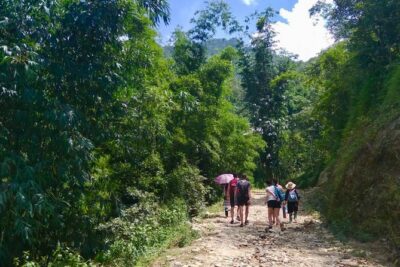
Number one top rated ethical cultural trekking and homestay by ETHOS
Read our review →
2-Day Sa Pa Ethnic Homestay Tour & Trek with Limousine Bus
Read our review →Browse the lists this tour appears in