
Reviewed · HIKING & TREKKING
Sapa: Eco Adventure Terrace Fields and Local Villages Trek
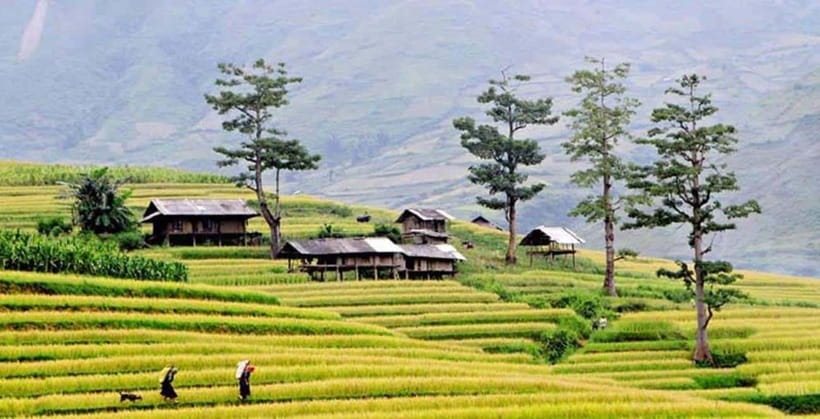
Sapa’s best scenery comes with muddy shoes. This 10 to 12-kilometer trek drops from town into Muong Hoa Valley, crosses streams, passes rice terraces and wooden homes, and links Hmong and Dzay villages. I especially like the small-group size of up to 10 and the chance to spend time with local guides such as Chai and Vu, who explain daily life rather than simply pointing at a mountain.
I also like the included local lunch and the route’s variety: a Fansipan viewpoint, river crossings, working fields, village paths, and a clothing-making lesson. The main catch is simple: this is a proper hike, not a gentle village stroll. Rain can turn the opening section into a slippery mud course, so weak knees, poor footwear, and a tight schedule are not a good mix.
Key points at a glance
- 10 to 12 kilometers on foot: Expect a medium-difficulty day with hills, slippery sections, and uneven ground.
- A local cultural focus: Guides explain Hmong and Dzay customs, clothing, family life, farming, and village history.
- Four scenic village areas: The route takes you through Y Linh Ho, Lao Chai Sang, Lao Chai, and Ta Van.
- Lunch with a local connection: A traditional meal is served around 12:30 PM in Lao Chai Sang.
- Small groups: Groups are limited to 10 people, making it easier to ask questions and keep a steady pace.
- Weather matters: Mist can hide Fansipan and the terraces, while wet weather makes the trail much harder.
Why this Sapa trek is more than a rice-field walk
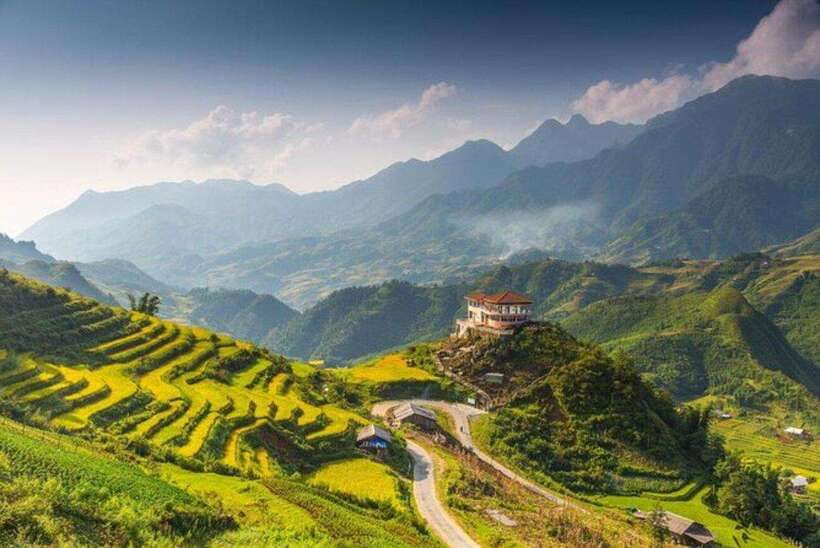
Sapa is often sold through postcard views, but the real pleasure here is seeing how the valley works. Rice terraces are not just pretty steps cut into a mountain. They are fields that local families plant, tend, and harvest by hand, depending on the season.
Your guide helps connect the view to the people living beside it. Guides named Chai, Vu, Wu, and others have been praised for warm conversation, strong English, humor, and clear explanations of village customs. Names can be spelled in different ways, so do not worry if your guide’s name appears as Chai, Chay, or Chi.
The price is $27 per person. For that, you get an English-speaking local guide, entrance tickets, and lunch. There is no hotel pickup, drinks are extra, and personal purchases are not included. At this price, the experience offers good value, especially if you want scenery and local context in one day rather than paying separately for transport, a guide, and a meal.
Other walking country around Sapa:
- Sa Pa: Muong Hoa Valley Trek and Local Ethnic Villages
★ 4.6 · 864 reviews - Number one top rated ethical cultural trekking and homestay by ETHOS
★ 5.0 · 456 reviews - From Sapa: 1-Day Guided Trek to Lao Chai & Ta Van with Lunch
★ 4.9 · 416 reviews
Meeting at Sapa Church at 9:00 AM
The day begins in front of Sapa Church, right in the town center. This is convenient if you are staying near the central streets, but it means you need to arrange your own way to the meeting point. Give the operator a WhatsApp number so the guide can contact you easily.
The group is limited to 10 people. That matters on a trail where the ground can be slick and the pace needs adjusting. A small group also gives you more time to ask about farming, marriage customs, clothing, houses, and village life without turning the guide into a loudspeaker.
Before leaving, check your footwear and clothing. You need hiking shoes, warm layers, and insect repellent. If the ground is wet, local boot rental may be available near the start for a small charge, though you should confirm the current cost. Several people found rubber boots useful when mud reached well above the sole.
The first viewpoint and the long view toward Fansipan
The opening stop is a small hill viewpoint with views toward Fansipan Peak. On a clear morning, this gives you a useful sense of the valley’s scale before the trail drops lower.
Do not count on a clear panorama. Sapa is famous for mist, and fog can cover the mountain and terraces for much of the morning. That is not a reason to cancel the day, but it is a reason to keep expectations sensible. The valley can still feel atmospheric in cloud, and conditions sometimes clear by afternoon.
This is also where you begin to understand the route’s physical shape. You are not walking on a flat path around town. You are heading down toward the valley, then across village trails and roads before returning to Sapa later.
Muong Hoa Valley, where the terraces do the talking
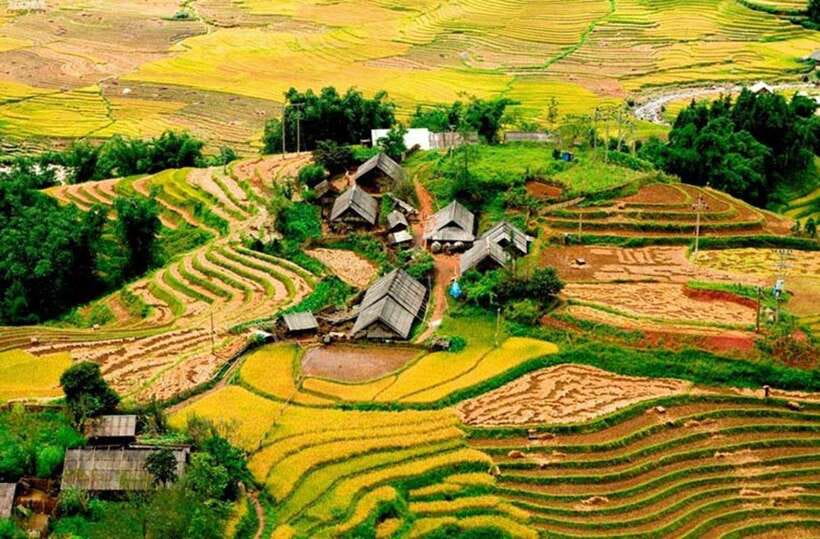
Muong Hoa Valley is the visual heart of the day. You walk past layered rice fields, narrow streams, wooden houses, and farmers working the land. Depending on the season, you may see planting or harvesting, though the exact activity cannot be guaranteed.
The first section can be the hardest. Wet ground creates deep mud, and downhill paths become slick after rain. Even in dry weather, parts of the trail may be slippery. Take small steps, keep your hands free, and let the guide set a safe pace.
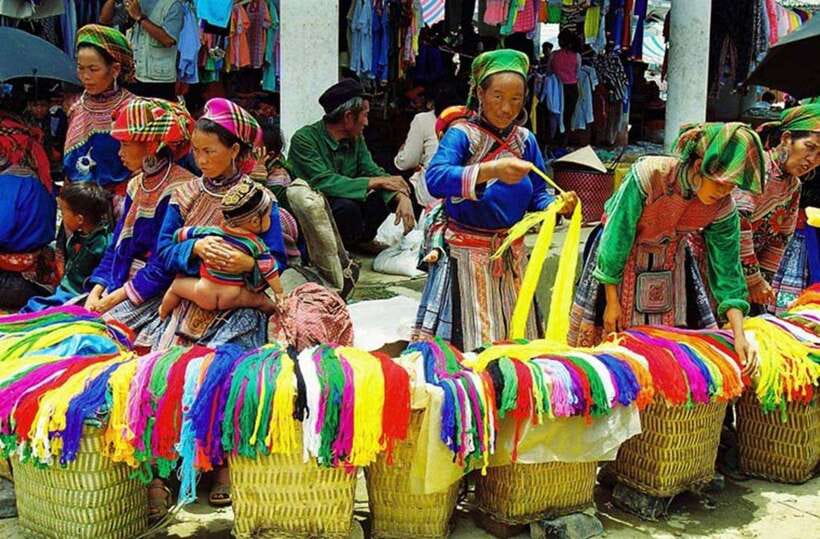
Local women from nearby villages may help you across difficult patches. This support can be useful, especially on muddy slopes, but you should understand the local buying culture. These women may sell handmade clothing, bags, and other goods along the way. You are not required to buy anything, though bringing some cash lets you support them if you see something you like.
After the rough opening, the route becomes easier for many people. Some sections use paved or roadside paths through the villages. That makes the day less wild than a remote mountain hike, but it also lets you see more of ordinary village life.
Same base, a completely different day:
- Sapa: Fansipan Cable, Cat Cat Village & Moana Instagram Tour
★ 5.0 · 777 reviews - Cat Cat Village, Moana, Fansipan Cable Car, Alpine Coaster – Sapa
★ 5.0 · 420 reviews - Sa Pa Full Day Trekking Tour
★ 5.0 · 414 reviews - Sapa 1 Day Long Trek: Trek to Hau Thao and Sa Seng Villages
★ 4.6 · 344 reviews
Y Linh Ho and the river crossing
Around 11:00 AM, you reach Y Linh Ho, a Hmong village. A small bridge crosses a scenic river before the trail continues toward Lao Chai Sang.
This part of the route works well because it slows the day down. You are not racing from one viewpoint to the next. You have time to look at the houses, water, fields, and mountain walls around you. The guide can explain details that are easy to miss, including how the Hmong communities use the surrounding land and how village life changes with the seasons.
The setting is scenic, but do not expect a polished tourist attraction. Paths may be muddy, animals may be around the homes, and the route can feel rough at times. That is part of the appeal if you want a closer look at rural Sapa, but it may disappoint you if you prefer smooth paths and formal exhibits.
Lao Chai Sang and lunch with a local family
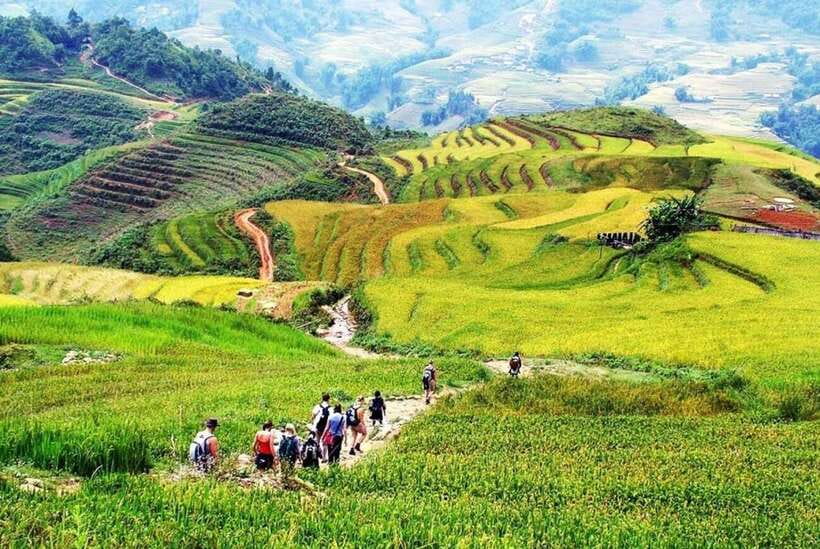
At about 12:30 PM, lunch is served in Lao Chai Sang. The meal is described as home-cooked and traditional, with vegetarian and vegan choices available. In some arrangements, lunch is served in a small local restaurant rather than directly inside a family home, so the exact setting can vary.
Either way, lunch gives your legs a break and gives you another way to connect with the area. Food is often the least formal and most useful cultural lesson on a day like this. You can ask what you are eating, how it is prepared, and which ingredients are common in the region.
The lunch is included, but drinks are not. Carry water and some cash. You should also tell the operator about dietary needs before the walk if possible, even though suitable plant-based choices have been available.
Lao Chai Village and working rice fields
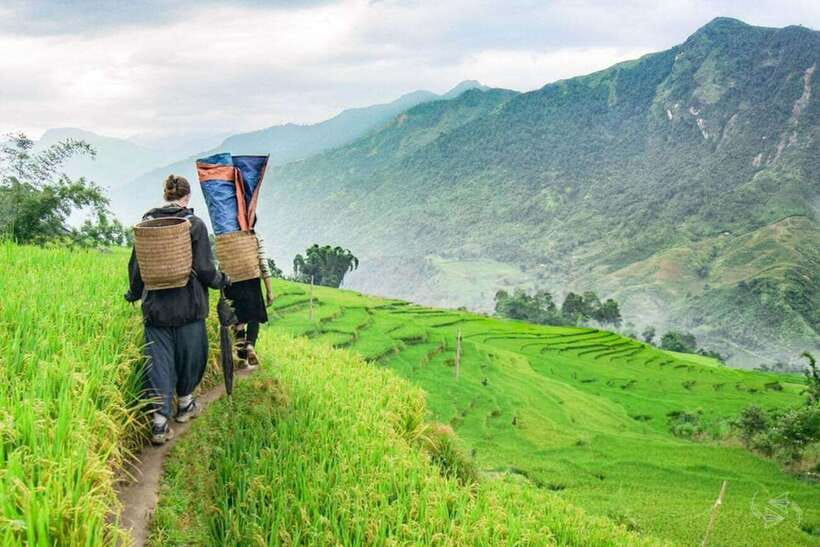
After lunch, you continue to Lao Chai Village. The route may pass farmers planting or harvesting rice, depending on the month. You may also see livestock and domestic animals around the homes, adding to the sense that this is a lived-in valley rather than a staged rural display.
This is a good point to pay attention to the guide’s explanations. Hmong life is not reduced to colorful clothing and pretty fields. Guides such as Chai have explained the difficulties faced by local families, the role of women, education, work, and the pressures that come with living in remote mountain communities.
That franker context makes the walk more meaningful. You are still enjoying a scenic outing, but you are also hearing about real choices and limits in village life. Be respectful around homes and people working in the fields. Ask before taking close-up photographs.
Learning about Hmong clothing and daily life
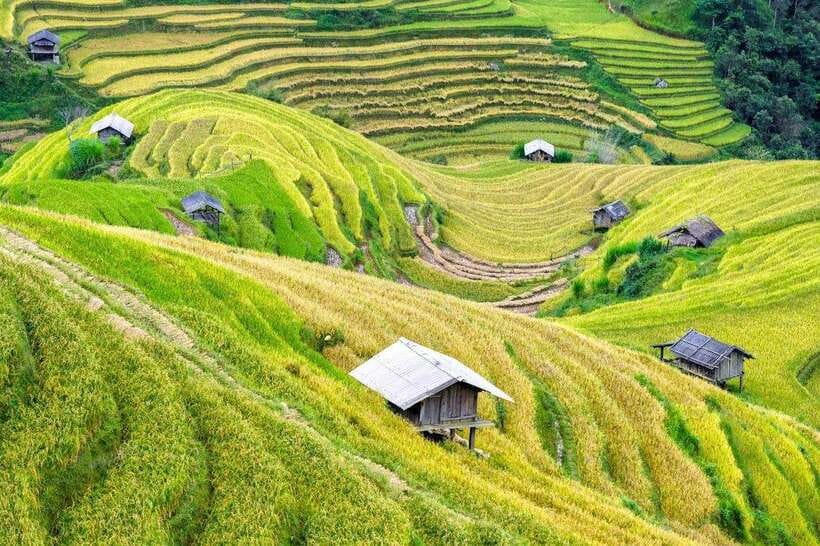
Later in the afternoon, the experience includes a closer look at Hmong daily life and traditional clothing-making. This is one of the better cultural parts of the day because it shows the work behind the garments you may see in the villages.
The guides are often the strongest part of this section. Chai has been praised for clear English, humor, patience, and personal stories. Vu has also been praised for explaining local life in an easy, friendly way. Other guides, including Rou, Wu, Le, Lien, and Si, have received similar praise for looking after the group and answering questions.
Do not expect a museum-style demonstration with a fixed script. The details and length can depend on the guide and the people available that day. Think of it as a chance to learn through conversation and observation.
Ta Van and the Dzay connection
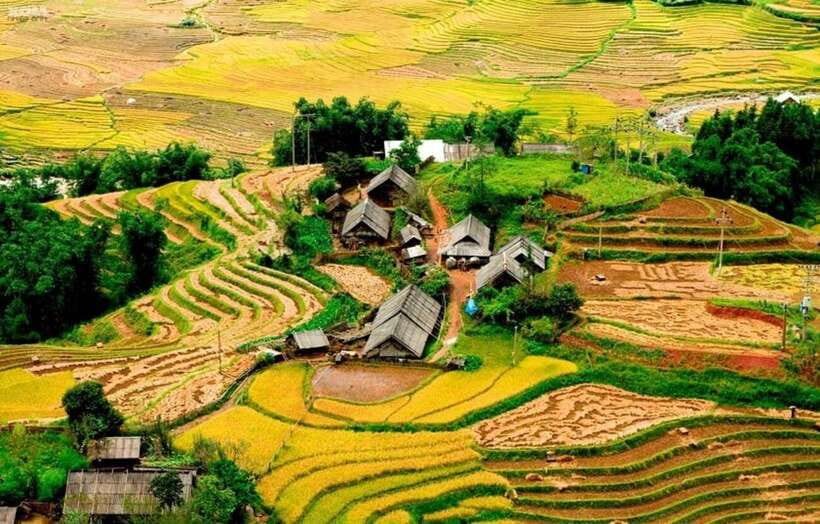
The final village is Ta Van, home to the Dzay minority. By this point, you have seen several types of paths and village settings, from muddy hillside tracks to easier roads and terrace routes.
The chance to learn about both Hmong and Dzay communities gives the day more range than a single-village visit. You can compare how the villages look and ask how language, clothing, homes, and customs differ. The experience does not offer a formal cultural lecture, so your guide’s skill makes a real difference here.
You return to Sapa around 3:30 PM, though some outings finish closer to 4:00 PM. A bus or other transfer brings the group back toward town at the end, but this is not hotel transfer service. Allow a little flexibility if you have a train, bus, or evening reservation.
How hard is the 10 to 12-kilometer route?
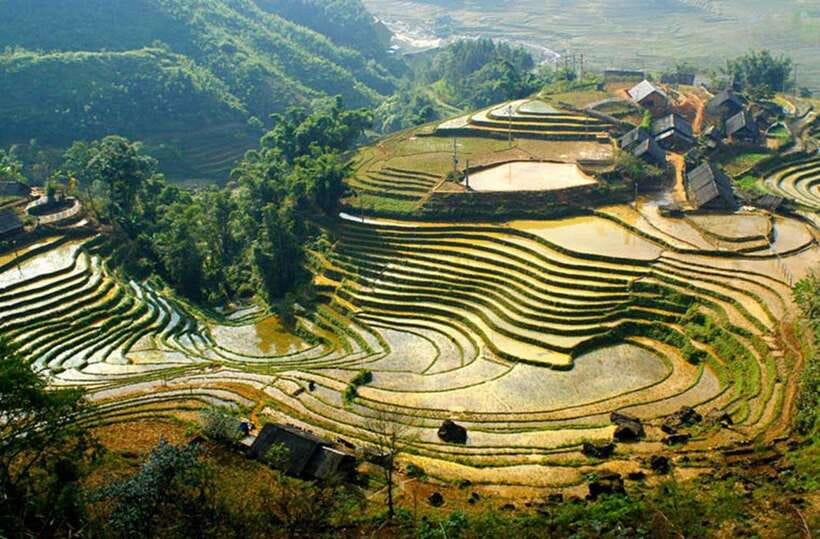
The route is best described as medium difficulty, with a tough start in poor weather. The distance is not extreme for regular walkers, but mud, downhill sections, slippery ground, and uneven trails add work.
You do not need to be an expert hiker. You do need reasonable fitness and confidence on your feet. This activity is not suitable for children under five, pregnant women, wheelchair users, people with mobility impairments, or people over 75.
Wear clothes that can get dirty. Choose shoes with grip, or ask about renting boots. Bring a warm layer because Sapa can feel cool, even when the valley walk becomes warm. Insect repellent, water, and a small amount of cash are sensible additions.
The guide can sometimes offer an easier roadside option. That may help if the mud becomes too much, but it will reduce the rougher trail experience. If you want the most adventurous route, be prepared to get muddy.
Weather, visibility, and the best expectations
Weather is the biggest variable. Mist may hide the early views, and rain can change a manageable trail into a slippery one. On the other hand, fog may lift later, and wet weather can make the valley feel quiet and dramatic.
I would not book this solely for a perfect Fansipan photograph. Book it for the combination of scenery, villages, food, and conversation. Clear weather improves the views, but a good guide can still make a misty day worthwhile by explaining the places you are walking through.
The route can also feel different from one season to another. Rice fields may be green, newly planted, golden, or recently harvested. The activity in the fields changes too, so the same walk will not look identical on every visit.
Who will get the most from this $27 experience?
You should book this trek if you want an active day with a strong local focus. It suits people who enjoy walking, do not mind basic conditions, and want to learn about Hmong and Dzay life from a local English-speaking guide.
It is also a good choice for families with older children and teenagers who can manage a full day on foot. One family with teenagers found the route manageable, but the distance and mud still need to be taken seriously.
You may prefer another Sapa outing if you want a short, easy walk, guaranteed mountain views, hotel pickup, or a highly polished attraction. You should also think twice if you have knee problems or dislike slippery ground.
The rating is 4.9 from 636 reviews, which is unusually strong. The repeated praise centers on the guides, especially Chai, along with the scenery, lunch, and sense of cultural connection. The value is clear, but it depends on accepting the physical effort and the lack of hotel pickup.
Should you book the Sapa terrace and village trek?
I would book it if you have one full day in Sapa and want more than a quick photo stop. The route combines the valley’s best scenery with village visits, a local meal, and direct conversation about Hmong and Dzay life.
Book with sturdy footwear, flexible weather plans, and enough time to finish without rushing. If you arrive after rain, rent boots if available. If you want a smoother outing, ask about easier path options, but know that the more challenging trail offers the stronger sense of adventure.
At $27, the included guide, entrance fees, lunch, and small-group format make this a strong-value day. The main cost is paid in muddy shoes and tired legs. For many people, that is a fair trade for a more personal look at Sapa.
FAQ
Where does the trek begin?
The guide meets you in front of Sapa Church in the town center at 9:00 AM. Hotel transfer service is not included.
How long does the activity last?
The scheduled duration is 390 minutes, or about six and a half hours. The planned return to Sapa is around 3:30 PM, though some outings may finish closer to 4:00 PM.
How far will I walk?
You should expect around 10 to 12 kilometers of walking and hiking.
What villages does the route visit?
The route includes Y Linh Ho, Lao Chai Sang, Lao Chai, and Ta Van. Y Linh Ho and Lao Chai are associated with the Hmong community, while Ta Van is home to the Dzay minority.
Is lunch included?
Yes. A local lunch is included, usually around 12:30 PM in Lao Chai Sang. Vegetarian and vegan choices have been available. Drinks are not included.
What should I bring?
Bring warm clothing, hiking shoes, and insect repellent. Water, clothing that can get muddy, and some cash for optional purchases are also sensible.
Who should not join this trek?
The activity is not suitable for children under five, pregnant women, wheelchair users, people with mobility impairments, or people over 75. It is also a poor fit if you cannot comfortably manage a 10 to 12-kilometer walk.
Newly reviewed in Sapa
- 1-Day Sapa Long Trek – Rice Field Terrace, Ethnic Culture★ 4.9 · 62 reviews
- Sapa: Motorbike Tour 1 Day Visit Waterfalls & Local Villages★ 5.0 · 112 reviews
- Sapa Motorbike Tour With Local Guide 1 Day – Waterfalls, Villages★ 5.0 · 254 reviews
- Sapa Motorbike Experience: Local Life, Rice Fields & Waterfalls★ 5.0 · 70 reviews
- Motorbike 1 Day Off The Beaten Track, Hidden Villages, rice field★ 5.0 · 203 reviews
- From Sapa: 3-Day Ha Giang Loop with Safe Rider (max 8 pax)★ 4.9 · 285 reviews
- Sapa: Fansipan Cable, Cat Cat Village, Moana Instagram Tour★ 4.8 · 294 reviews
- Sapa 1 Day Long Trek: Trek to Hau Thao and Sa Seng Villages★ 4.6 · 344 reviews
Hiking & Trekking, compared.

Halong Bay Full Day with Kayaking, Hiking viewpoint, Cave – Deluxe To Luxury
Read our review →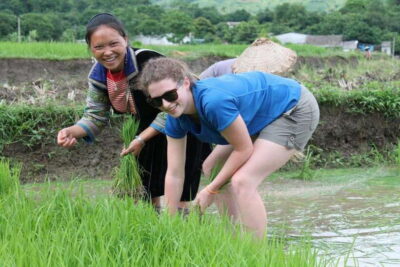
Muong Hoa Valley Trek and Local Ethnic Villages
Read our review →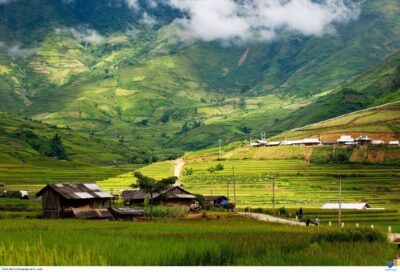
Sapa 3 Days 2 Nights Trekking Tour (1 Night In Ta Van Village, 1 Night In Hotel)
Read our review →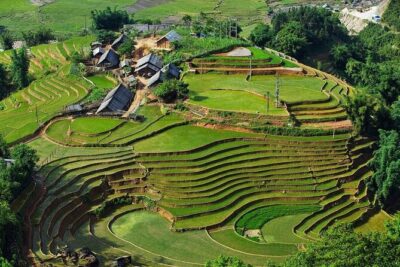
3-Day Trekking Adventure of Sapa from Hanoi – Stay Ta Van Village
Read our review →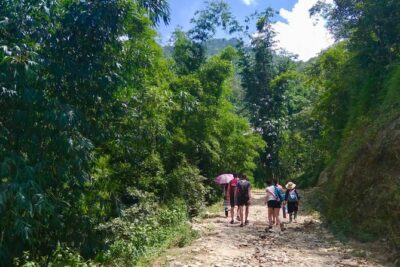
Number one top rated ethical cultural trekking and homestay by ETHOS
Read our review →
2-Day Sa Pa Ethnic Homestay Tour & Trek with Limousine Bus
Read our review →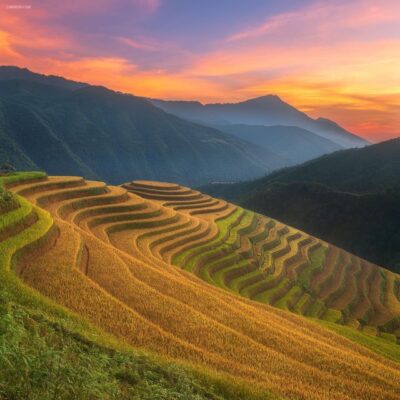
1-Day Guided Trek to Lao Chai & Ta Van with Lunch
Read our review →Browse the lists this tour appears in