
Reviewed · TOURS IN HANOI
Hanoi Coffee Class with Egg, Coconut, Salt, and Dripping Coffee
Vietnamese coffee is not just strong coffee poured into a cup. It is a slow drip, a sweet layer of condensed milk, a whipped egg topping, and, in Hanoi, a clever mix of coconut or salt. This class lets you make five distinct drinks, then taste how small changes alter the whole cup.
I like the small maximum of eight people, which gives the class a friendly, hands-on feel. I also like the recycled furniture and decorations at the cafe, plus the chance to meet hosts such as John or Riley and hear the story behind Hanoi coffee. The main consideration is simple: this is a coffee workshop, not a broad Old Quarter tour, so anyone wanting lots of sightseeing should plan another activity around it.
Key points
- Five Vietnamese coffee styles: Make dripping black coffee, coffee with condensed milk, egg coffee, coconut coffee, and salt coffee.
- A two-hour hands-on class: You do more than watch a demonstration. You prepare the drinks yourself.
- Small groups of up to eight: The format allows more time for questions and practice.
- A recycled cafe setting: The shop uses repurposed furniture and decorations, giving the class a distinct character.
- Coffee culture included: Learn how these drinks fit into Vietnamese and Hanoi traditions.
- Good value at $25: The fee covers instruction and several tasting opportunities in one compact Old Quarter experience.
Why five coffees make this Hanoi class worth your time
The clever part of this class is its range. You do not spend two hours learning one recipe and sipping the same drink. Instead, you work through five familiar Vietnamese styles, each with a different taste, texture, and method.
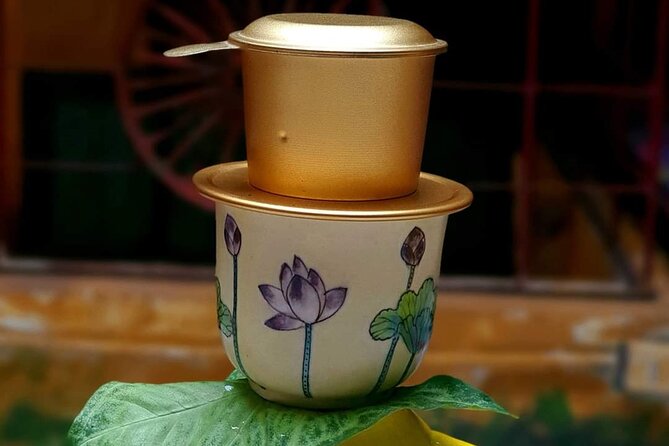
You begin with the basic Vietnamese drip, usually called phin coffee. The metal filter sits over the cup while hot water works slowly through the grounds. That measured pace is part of the experience. Vietnamese coffee is often made for lingering, not for gulping on the way to a train.
From there, the class moves into variations that show how flexible the basic brew can be. Condensed milk adds sweetness and body. Egg coffee brings a soft, creamy topping. Coconut coffee gives the drink a cooler, sweeter character, while salt coffee adds a small savory edge that makes the coffee taste fuller.
I like this progression because it gives you a useful frame for ordering coffee during the rest of your time in Vietnam. Instead of seeing a menu filled with unfamiliar names, you will understand what you are likely to receive and which style suits your taste.
A few more ways to spend a day in Hanoi
- Hanoi Coffee Experience: 6 Brews, 9 Recipes & 3 Liquor Tastings
★ 5.0 · 2,945 reviews - Hanoi Coffee Workshop: Taste Salt, Coconut and Egg Coffee
★ 5.0 · 1,286 reviews - Hanoi: Salt Coffee Workshop Awake Your Senses With 6 Brews
★ 5.0 · 792 reviews
Starting at Hidden Gem Cafe on Hang Mam Street
The meeting point is Hidden Gem Cafe, at 1 Hang Mam in Hanoi’s Old Quarter. The activity begins and ends here, so you do not need to arrange transport between several stops.
The cafe itself is part of the lesson. Recycled furniture and reused decorations give the space a handmade look, while the focus on environmental care adds context to the visit. This is not a polished hotel classroom with rows of tables. It is a working coffee shop with its own personality.
That setting matters. Coffee in Hanoi is a social habit as much as a drink, and learning inside a cafe makes the subject feel connected to daily life. You can also order or explore other Vietnamese food and drinks at the shop, which serves organic Vietnamese cuisine, though the class itself centers on coffee.
The Old Quarter location is useful for a short city break. It is near public transportation and easy to pair with time spent walking around central Hanoi. Allow yourself enough time to find Hang Mam Street, since Old Quarter addresses can be close together and the lanes can feel confusing at first.
The slow art of Vietnamese dripping coffee
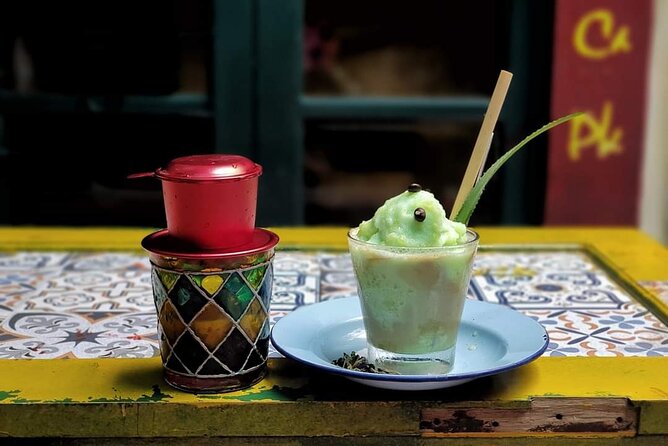
The first useful lesson is the Vietnamese drip method. The filter is placed over the cup, and the coffee passes through slowly. This creates a drink that feels deliberate from the start.
You learn the difference between drinking the coffee black and combining it with condensed milk. The black version gives you the clearest taste of the coffee itself. The condensed milk version is smoother, sweeter, and more dessert-like.
This is the point where the class shifts from demonstration to participation. You prepare the drinks rather than simply watching a host work. That hands-on format makes the method easier to remember, especially if you hope to repeat it at home.
The class also gives you a practical answer to a common question: why does Vietnamese coffee taste so different from a standard cup? The answer is not just the beans. The filter, the pace, the condensed milk, and the serving style all shape the final drink.
Egg coffee, coconut coffee, and salt coffee
Egg coffee is the headline drink for many people booking this class. It is associated especially with Hanoi and is known for its creamy topping. You learn how to prepare it as part of the five-drink sequence, then taste the result for yourself.
The appeal is the contrast between the coffee below and the soft egg mixture above. It is less like an ordinary breakfast coffee and more like a small dessert in a cup. If you have only one day in Hanoi, trying egg coffee is an easy way to connect a local specialty with the city.
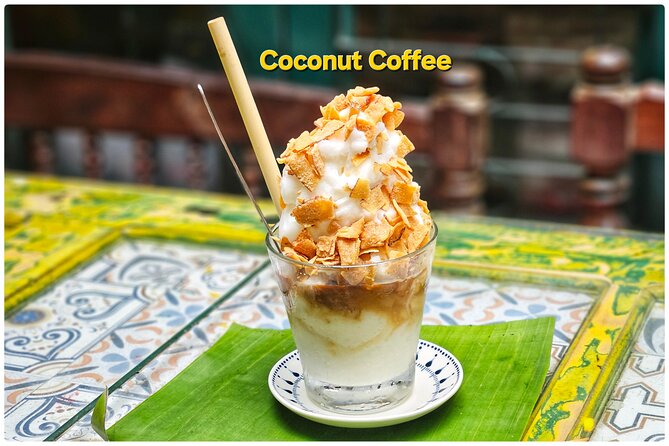
Coconut coffee takes the lesson in another direction. Its coconut element brings sweetness and a different texture, making it a good comparison with egg coffee. The class helps you see that Vietnamese coffee is not one fixed recipe. It can be dark and plain, sweet and milky, creamy, fruity, or slightly savory.
Salt coffee may sound odd before you taste it. The salt is not meant to turn the drink into a salty beverage. Used in a small amount, it can sharpen the coffee’s flavor and balance sweetness. This is exactly the sort of drink that makes a tasting class useful: you can try the idea in the right setting instead of ordering blindly from a menu.
You also prepare the variations yourself, so the class is not only about sampling. You get a feel for how each ingredient changes the drink. That makes the experience more memorable and gives you a better chance of recreating a favorite later.
More things you make yourself in Hanoi:
- Hanoi Cooking Class: Culture, Local Market & Meaning CSR Impact
★ 5.0 · 5,147 reviews - 5 Traditional Dishes Hanoi Cooking Class with Market Trip
★ 5.0 · 4,890 reviews - Vietnamese Food Cooking Class in Hanoi with Market Experience
★ 5.0 · 778 reviews - Hanoi: Handcrafted Wood Carving Workshop with Local Artisan
★ 5.0 · 733 reviews
John, Riley, and the value of a small group
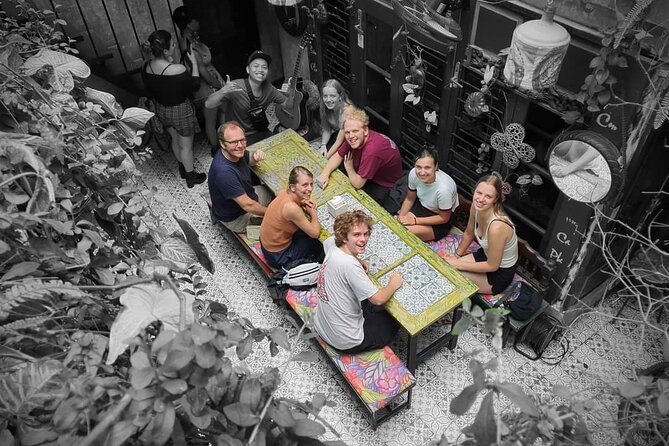
The class has a maximum of eight people. That number is large enough for a social atmosphere but small enough to keep the session from feeling like a stage show.
Hosts named John and Riley have led sessions, and the teaching style is described as engaging and friendly. The strongest part of the format is the mix of instruction, conversation, and practice. You can ask why a certain ingredient is used, compare the drinks as you go, and talk with the cafe staff.
A smaller group also matters when you are making several drinks in one sitting. If the group were much larger, the practical part could become a demonstration with limited participation. With eight or fewer people, you have a better chance to follow each step and get help when needed.
Still, the exact guide may vary. Bookers who especially want John or Riley should confirm that detail before reserving, since the available information does not promise a particular instructor for every session.
Coffee culture in Hanoi, not just coffee recipes
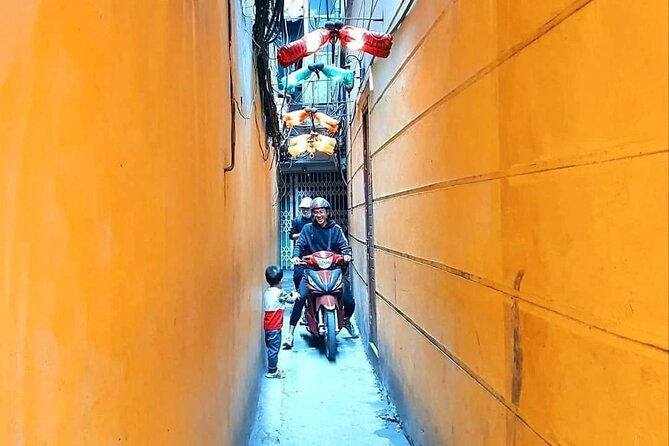
The class adds background on Vietnamese and Hanoi coffee culture. That makes it more useful than a standard cooking demonstration, especially if you are curious about why these drinks matter locally.
Coffee arrived in Vietnam during the colonial period, but the drinks served in Hanoi developed their own identity. Condensed milk became a practical alternative to fresh milk, and local cafes turned coffee into a slow social ritual. Egg coffee, coconut coffee, and salt coffee show how that tradition continues to change.
You do not need to be a coffee expert to enjoy this part. The lesson is aimed at general visitors, and the drinks provide an easy way into the subject. I would think of it as a compact cultural class with a tasty practical exercise attached.
The snack served during the session is another small benefit. It gives you something to eat alongside the drinks and breaks up what could otherwise be a very sweet tasting. Because the class includes several coffees, the snack may be especially welcome if you attend without having eaten first.
What the $25 price really covers
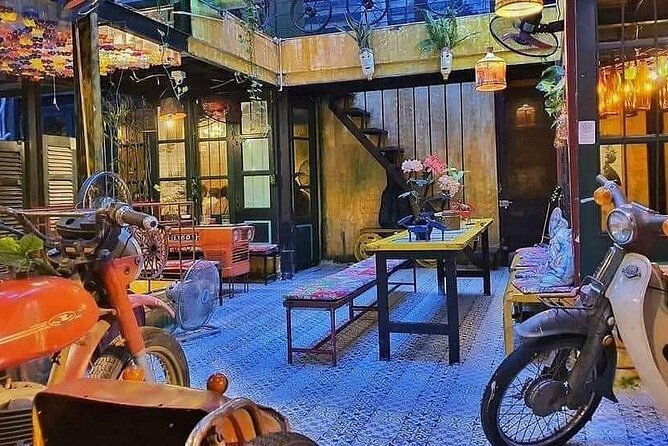
At $25 per person, this is not the cheapest way to drink coffee in Hanoi. A local cafe can serve a cup for far less. The value comes from the instruction, the range of drinks, the cultural background, the snack, and the chance to prepare everything yourself.
You are effectively getting five tastings plus a guided workshop in a central cafe. For someone who would otherwise spend an afternoon ordering coffee without knowing what goes into it, that is a fair trade.
The price makes less sense if you only want a quick egg coffee. You can try that on your own for less money and less time. It also may not suit you if you avoid sweet drinks or do not care about preparation methods.
For curious eaters, coffee fans, and people who like a practical activity, the cost is reasonable. The perfect audience is someone who wants to understand a local drink, not just photograph one.
Timing, transport, and how to plan your morning
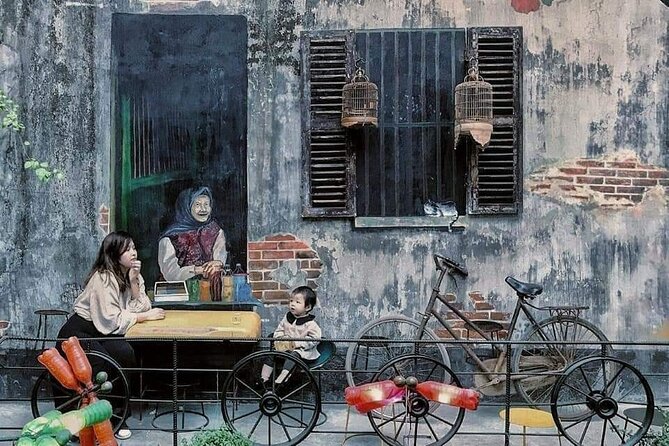
The class lasts about two hours. That is long enough to cover the five drinks without taking over your day. You can place it between Old Quarter sightseeing, a meal, or another Hanoi activity.
Because the class begins and ends at the same cafe, the planning is straightforward. The meeting point is near public transportation, but the Old Quarter is also an area where walking may be practical depending on where you are staying.
The activity is often booked about nine days ahead. That suggests you should reserve early if your Hanoi dates are fixed, especially if you prefer a particular time. Confirmation is provided when you book, and the small group limit can affect availability.
The cancellation terms are flexible if your plans change early. You can receive a full refund when canceling at least 24 hours before the start time. Cancellations or changes inside that window are not refunded or accepted, with cutoffs based on local Hanoi time.
Who should book this coffee workshop?
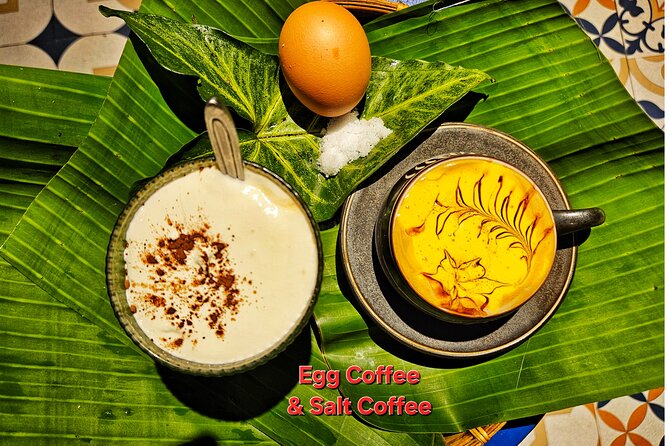
I would recommend it to first-time visitors who want a simple cultural activity in the Old Quarter. It is also a good fit for couples, solo visitors, small friend groups, and families with older children who can take part in food preparation.
Coffee lovers will appreciate the comparisons between black, sweet, creamy, coconut, and salted styles. People who do not usually drink coffee may still enjoy the class, but the number of tastings means you should be comfortable trying several coffee-based drinks.
The class is also useful for anyone who likes bringing a skill home from a trip. The information available does not promise a printed recipe sheet, so bring a phone or small notebook if you want to record the ingredients and method. Ask the instructor if you would like the recipes written down before leaving.
This is not the right choice if you want a full history tour of Hanoi, a market visit, or a long food crawl. Its strength is focus. For two hours, you stay with coffee and learn how it is made.
My verdict on the Hanoi Coffee Class
Book this class if you want more than a quick cup and less than a full-day food tour. The five-drink format, practical instruction, cafe setting, and small group make it a strong value at $25.
The reported rating is 5 out of 5 from 106 ratings, with 99 percent recommending it. The praise centers on the friendly teaching, the attractive recycled cafe, and the chance to make all five coffees from scratch. The only clear improvement to wish for is a take-home recipe sheet.
I would book it early in a Hanoi visit. You will learn which coffee styles you like, gain useful background for later cafe visits, and spend two hours doing something rather than simply looking at another Old Quarter building. Just remember that the coffee is the attraction, and five styles can add up to a very caffeinated morning.
FAQ
Where does the Hanoi Coffee Class meet?
The class meets at Hidden Gem Cafe, 1 Hang Mam, in Hanoi’s Old Quarter, Hoan Kiem, Hanoi, Vietnam.
How long does the coffee class last?
The activity lasts approximately two hours and ends back at the cafe where it begins.
Which Vietnamese coffees will I learn to make?
You will learn to make dripping black coffee, coffee with condensed milk, egg coffee, coconut coffee, and salt coffee.
How many people can join the class?
The maximum group size is eight people.
Is the activity near public transportation?
Yes. The meeting point is near public transportation.
Can I cancel for a full refund?
Yes, if you cancel at least 24 hours before the experience start time. Cancellations or changes made less than 24 hours before the start time are not refunded or accepted.
Newly reviewed in Hanoi
- Private Full-Day Tour to Halong Bay from Hanoi★ 5.0 · 44 reviews
- Private Evening Walking Tour – Cyclo & Water Puppet Show in Hanoi Old Quarter★ 5.0 · 19 reviews
- Ba Vi National Park Private Tour: Sightseeings & Jungle Hikking★ 4.5 · 26 reviews
- Full-Day Hanoi City Tour with Hidden Local Life Experience★ 5.0 · 27 reviews
- Hanoi Airport Pick-up (Private Ride From Hanoi Airport to Hotels)★ 4.5 · 253 reviews
- Hanoi Epic tour 6D5N Hanoi – Halong Bay – Ninh Binh – Sapa★ 5.0 · 51 reviews
- Private transfers Hanoi <=> Puluong 1 Way (Free Hotel Pickup)★ 5.0 · 20 reviews
- Noi Bai Airport transfer to Hotel or Vice versa★ 5.0 · 144 reviews
Tours in Hanoi, compared.

Hanoi Jeep Tour: Food, Culture and Fun by Vietnam Army Jeep
Read our review →
Full-Day Ninh Binh Highlights Tour from Hanoi
Read our review →
Ha Long Bay Day Cruise – Swimming, Meal, Kayaking
Read our review →

Hanoi Motorbike Tour: Food, Culture and Fun by Vintage Motorbike
Read our review →
Hanoi Cooking Class: Culture, Local Market & Meaning CSR Impact
Read our review →
5 Traditional Dishes Hanoi Cooking Class with Market Trip
Read our review →Browse the lists this tour appears in