
Reviewed · TOURS IN HANOI
Hanoi Coffee Workshop Crafting the Perfect Brew
Vietnamese coffee is not just strong coffee poured into a cup. At this Hanoi workshop, the small metal phin filter, condensed milk, egg foam, coconut, and even sea salt show how much variety can come from one local coffee tradition. You make four to six drinks yourself, then finish with a personalized cup.
I like the practical format: you learn by brewing, tasting, and adjusting instead of sitting through a long talk. I also like the cultural background, which instructors such as Dat, Devin, Claire, and Ashley bring into the lesson with stories about coffee in Vietnam. The main drawback is simple: six coffees in two hours can be a lot of caffeine and sweetness, especially if you are not used to robusta coffee.
Key points at a glance
- Six familiar Hanoi coffee styles: You may prepare black, brown, white, egg, coconut, and salt coffee, depending on the class format.
- The phin filter is the star: You learn the slow metal-filter method behind much of Vietnam’s strong, concentrated coffee.
- Hands-on from start to finish: Ingredients and recipes are included, and you make the drinks rather than only taste them.
- English instruction with personality: Dat, Devin, Claire, Ashley, and David have led sessions, with a strong focus on clear teaching and local context.
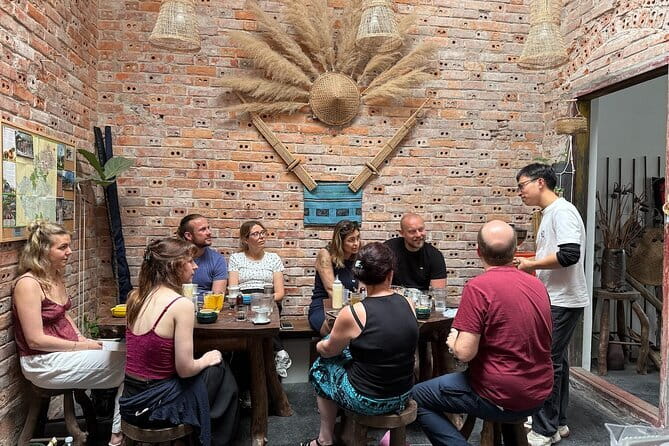
- Small group setting: The class accepts a maximum of 15 people, which gives you a better chance to ask questions and get help.
- Easy Old Quarter location: Meet at GẠO CAFE, 10 P. Chợ Gạo in Hàng Buồm, and return there when the workshop ends.
Starting with the phin at GẠO CAFE
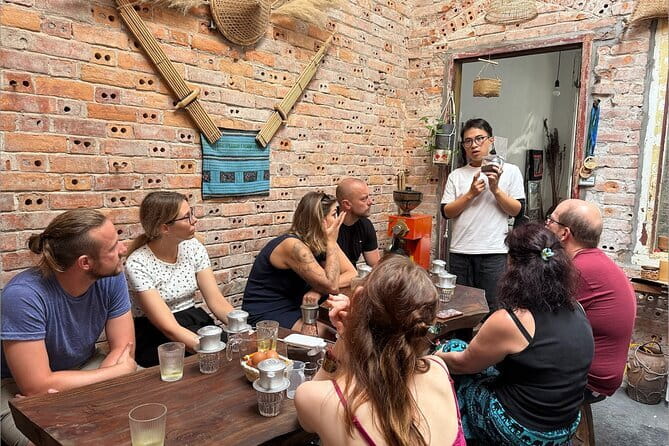
The class begins at GẠO CAFE in Hanoi’s Hàng Buồm area, close to public transportation and within the Old Quarter. The meeting point matters because this is a sit-down workshop, not a walking tour. You arrive at one café, settle in, and keep the same base throughout the two-hour session.
The opening lesson covers Vietnamese coffee beans, including robusta and arabica. Robusta is especially important here because it gives many Vietnamese coffees their bold, bitter edge. That strong base makes sense once you start adding condensed milk, egg foam, coconut, or salt.
You then meet the phin, a compact metal filter that sits directly over your cup. It works slowly, producing concentrated coffee rather than the larger, lighter drink many people associate with a Western drip machine. I find this the most useful skill to take home because the method is simple, memorable, and closely tied to everyday Vietnamese coffee culture.
The instructor explains how to use the filter and helps you adjust the brew. The exact pace can vary, since coffee drips slowly and the group may be making several drinks at once. That is part of the point, though. This is not a quick espresso demonstration. You see how patience, grind, water, and condensed milk shape the final cup.
A few more ways to spend a day in Hanoi
- Hanoi Coffee Experience: 6 Brews, 9 Recipes & 3 Liquor Tastings
★ 5.0 · 2,945 reviews - Hanoi Coffee Workshop: Taste Salt, Coconut and Egg Coffee
★ 5.0 · 1,286 reviews - Hanoi: Salt Coffee Workshop Awake Your Senses With 6 Brews
★ 5.0 · 792 reviews
Black coffee first, then the sweet versions
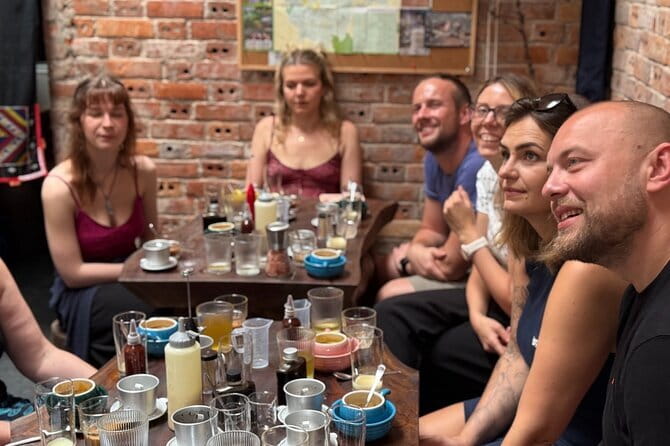
Black coffee gives you the clearest look at the base flavor. It is strong and concentrated, with the firm bitterness associated with robusta. If you usually drink mild coffee, start with a small taste rather than a full gulp. The point is to notice the coffee before the other ingredients change its character.
Brown coffee is the familiar sweetened version, made with condensed milk. In Vietnam, this style is one of the most popular ways to drink coffee. The milk softens the bitterness and gives the drink a thick, dessert-like quality without turning it into a milkshake.
The workshop helps you compare the two rather than treating every drink as a separate recipe. You can taste what the coffee contributes, then see how a little condensed milk changes the balance. This makes the session useful even if you are more interested in drinking coffee than becoming a home barista.
The term white coffee can be confusing. It does not mean the same thing as a pale Western coffee drink. Here, it refers to the balance between bold coffee and sweet condensed milk. The class gives you a chance to understand how small changes in proportions affect sweetness, strength, and texture.
Egg coffee is the class favorite for good reason
Egg coffee is the most distinctive drink on the menu. Whipped egg mixture creates a creamy topping with a custard-like feel, and the bitter coffee underneath keeps the sweetness from becoming flat. It is closer to a liquid dessert than a standard morning coffee.
You learn how to combine the components and taste the contrast between the warm coffee and the soft topping. The drink is often the one that surprises people who arrive expecting only strong black coffee. It also gives the workshop a strong Hanoi identity, since egg coffee is closely linked with the city’s café culture.
The egg coffee is sweet and filling, so plan your appetite accordingly. If you are attending early in the day, it may feel more like a small snack than a simple drink. You can also ask the instructor to help adjust the balance to your taste, a useful option if you prefer less sweetness or more coffee.
Ashley has led sessions that include egg coffee, and participants have praised the relaxed café atmosphere and the way she organizes the class. Claire has also helped people adjust drinks to suit their preferences. The instructors may change, but the format is built around direct help at the table.
Coconut and salt coffee bring the surprises
Coconut coffee is the tropical option. Strong black coffee is combined with creamy coconut milk, giving the drink a smoother, softer profile. The coconut does not erase the coffee. Instead, it rounds out the bitterness and adds a cool, rich taste.
This is a good choice for anyone who finds straight Vietnamese coffee too forceful. It also gives you a clear example of how local coffee shops build new drinks from the same concentrated phin base. You are not simply sampling random flavors. You are learning a pattern: brew strong coffee first, then change its character with a carefully chosen ingredient.
Salt coffee sounds odd until you taste it. The drink uses sea salt, milk foam, and coffee, creating a mix of sweet, salty, and bitter flavors. The salt is not meant to make the drink taste like seawater. Used in a small amount, it can sharpen the coffee and make the sweetness feel less heavy.
Several sessions have featured salt coffee as a favorite. I would save it for later in the tasting sequence, after you understand the plain and milk-based versions. That gives you a better reference point and makes the salty finish easier to appreciate.
The class may include four, five, or six styles. The full six-drink version covers black, brown, white, egg, coconut, and salt coffee. Since the experience description allows for four to six, you should not assume every session will include every recipe, though the supplied class details and repeated experiences point to the six-drink format as a common version.
More things you make yourself in Hanoi:
- Hanoi Cooking Class: Culture, Local Market & Meaning CSR Impact
★ 5.0 · 5,147 reviews - 5 Traditional Dishes Hanoi Cooking Class with Market Trip
★ 5.0 · 4,890 reviews - Vietnamese Food Cooking Class in Hanoi with Market Experience
★ 5.0 · 778 reviews - Hanoi: Handcrafted Wood Carving Workshop with Local Artisan
★ 5.0 · 733 reviews
Coffee art adds a playful final skill
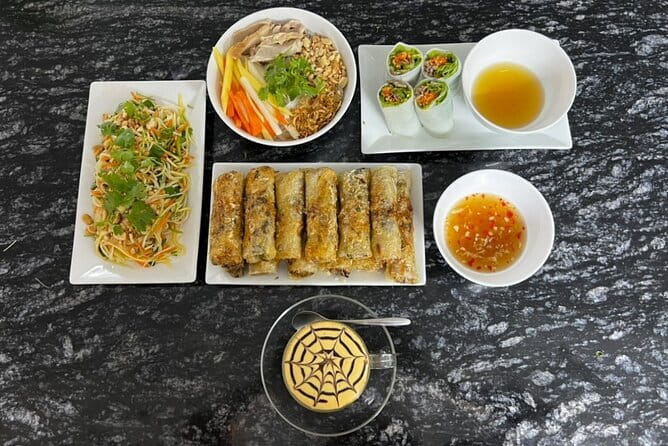
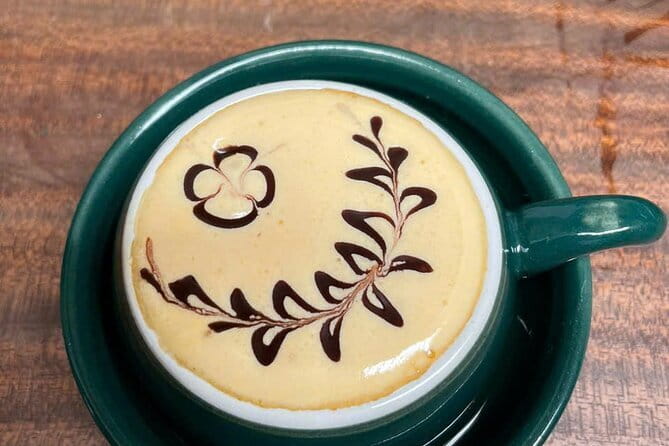
The workshop is not limited to brewing and tasting. You also get a chance to practice simple designs on the coffee. This is not presented as advanced professional latte training, and you should not book it expecting a full barista certification course.
The appeal is more immediate. You learn a small visual trick, take a few photos, and make your final drink feel personal. Claire has been especially helpful with coffee art, and the instructors can guide you through the basic movements.
At the end, you create a personalized coffee drink. That final step gives you some control after several set recipes. You can adjust the ingredients to match your taste and combine what you learned from the earlier cups.
Recipes for each coffee are included. This makes the class more useful after your Hanoi visit, since you have written guidance rather than only a memory of what the instructor did. You will still need the right ingredients and a phin filter at home, but the method is accessible enough to repeat.
Why the instructors matter
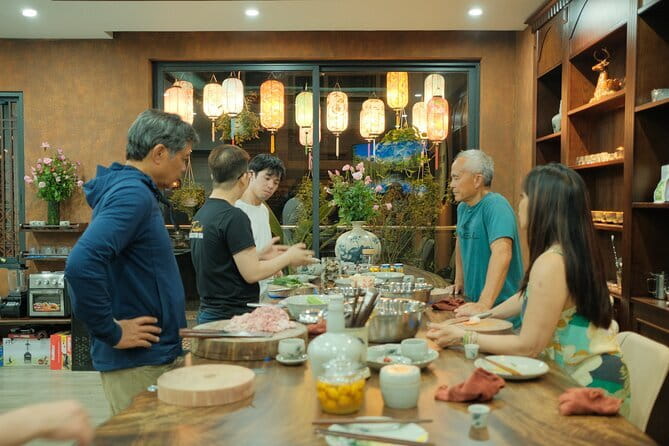
The strongest part of the experience is the teaching. Dat is described as warm, engaging, and especially good at explaining the history behind the different coffees. Devin is noted for clear, patient instruction and for adding context about Vietnam beyond the coffee itself.
Claire brings a friendly, hands-on style, including help with coffee art and adjustments for personal taste. Ashley has led organized sessions in fluent English, while David has been praised for enthusiasm and passion for the subject.
Because the instructor can change, the mood will not be identical every time. Still, the repeated emphasis on patience, clear English, local stories, and practical help gives you a fair idea of the class style. You are not left to copy a recipe without explanation.
The group limit is 15 people. That is not a private class, but it is small enough to keep the activity manageable. If the room is full, you may need to wait briefly while other people use equipment or receive help. The benefit is that a small group usually feels more social, making this a good activity for couples, friends, and families.
Two hours well spent in Hanoi
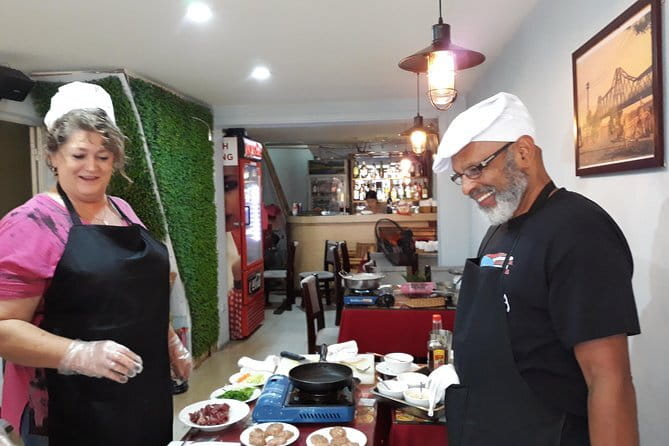
Two hours is about right for this format. You have enough time to hear the background, prepare several coffees, taste them, try basic art, and make a final drink. A shorter session would feel rushed, while a much longer one could become repetitive once the caffeine starts to build.
The timing also works well as a break from sightseeing. You stay at the meeting café and finish at the same point, so there is no complicated transport between stops. That makes it easy to schedule around time in the Old Quarter.
The setting is practical rather than grand. You are not visiting a farm or touring a large roasting facility. You are learning in a café, which keeps the focus on the drinks you can actually order and prepare in Hanoi.
The class is listed as suitable for all ages, and the hands-on format can work well for families. Children may enjoy the mixing and decorating, though adults should keep an eye on caffeine and sweetness. Service animals are allowed, and the activity is near public transportation.
Is $17.73 good value?
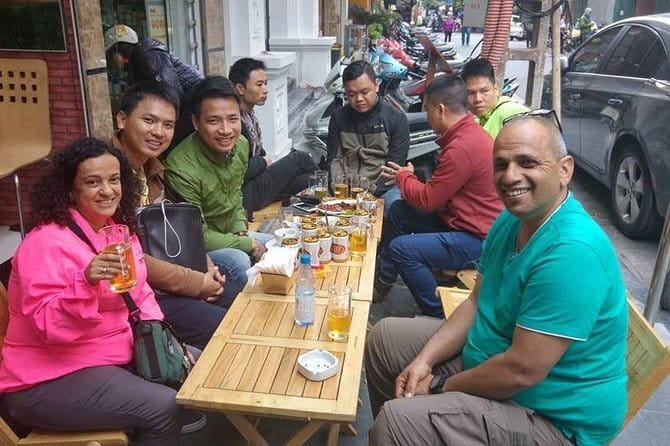
At $17.73 per person, the workshop is priced as an accessible short activity rather than a premium food tour. The value comes from the combination of tastings, hands-on preparation, instruction, and recipes. If you tried six specialty coffees separately in cafés, you could spend a similar amount while learning far less about how they are made.
The class also saves you from guessing at the phin method on your own. You get the ingredients, the equipment for the workshop, and a person who can correct your technique. That practical help is worth more than a simple tasting if you want to recreate Vietnamese coffee later.
The limits are clear. Additional food and drinks are not included, and tips are separate. You are paying for the workshop and its coffee ingredients, not a full meal or a broader Hanoi food experience.
For a coffee lover, the price is strong. For someone who dislikes sweet drinks, caffeine, or condensed milk, the value is less certain. You can still learn from the black coffee and brewing lesson, but much of the class centers on tasting several rich variations.
Who should book this coffee class?
I would choose this for anyone who wants a local food activity with a skill to take home. It suits coffee fans, couples, friends, and families looking for a two-hour break from temples, markets, and street food.
It is also a good first-day activity. You learn the names and styles you will see in Hanoi cafés, then you can order with more confidence for the rest of your visit. The instructors may also share suggestions for places to visit in Vietnam, adding useful context beyond the recipes.
You should think twice if you want a serious coffee science course. The focus is on enjoyable preparation, local traditions, flavor comparison, and simple coffee art. It is educational, but it remains a relaxed café workshop.
Also think about caffeine. Four to six drinks in one sitting can be intense. You can taste rather than finish every cup, and you can ask for help adjusting the sweetness, but the class is built around coffee tasting.
Booking confirmation arrives at the time of booking. The experience requires a minimum number of participants and good weather, so a cancellation caused by weather or low enrollment may lead to another date, another experience, or a full refund. You can cancel for a full refund up to 24 hours before the start time. Inside that window, refunds are not offered and changes are not accepted.
Should you book the Hanoi Coffee Workshop?
Book it if you want more than a café stop. The best parts are the phin lesson, the chance to compare six Vietnamese coffee styles, the egg and salt coffee, and the direct teaching from instructors such as Dat, Devin, Claire, and Ashley.
The class gives you a useful introduction to Vietnamese coffee without taking half a day. Its small-group limit, central meeting point, recipes, and modest price make it an easy addition to a Hanoi itinerary.
Skip it if you want a full meal, a coffee farm visit, or advanced barista training. For everyone else, especially anyone curious about egg coffee or salt coffee, this is a practical and enjoyable way to understand what is in the cup.
FAQ
Where does the Hanoi Coffee Workshop begin and end?
The workshop starts at GẠO CAFE, 10 P. Chợ Gạo, Hàng Buồm, Hoàn Kiếm, Hanoi. It ends back at the same meeting point.
How long does the coffee workshop last?
The experience lasts approximately two hours.
How many types of coffee will I make?
The workshop covers four to six coffee styles. The full selection can include black, brown, white, egg, coconut, and salt coffee.
Is an English-speaking instructor included?
Yes. An English-speaking instructor is included, and instructors who have led sessions include Dat, Devin, Claire, Ashley, and David.
Are the ingredients and recipes included?
Yes. The workshop includes all ingredients needed for the coffee-making activities and recipes for each type of coffee.
What is the cancellation policy?
You can cancel at least 24 hours before the start time for a full refund. Cancellations or changes made less than 24 hours before the start time are not refunded or accepted. If the activity is canceled because of poor weather or insufficient enrollment, you will be offered another date or experience, or a full refund.
Newly reviewed in Hanoi
- Private Full-Day Tour to Halong Bay from Hanoi★ 5.0 · 44 reviews
- Private Evening Walking Tour – Cyclo & Water Puppet Show in Hanoi Old Quarter★ 5.0 · 19 reviews
- Ba Vi National Park Private Tour: Sightseeings & Jungle Hikking★ 4.5 · 26 reviews
- Full-Day Hanoi City Tour with Hidden Local Life Experience★ 5.0 · 27 reviews
- Hanoi Epic tour 6D5N Hanoi – Halong Bay – Ninh Binh – Sapa★ 5.0 · 51 reviews
- Private transfers Hanoi <=> Puluong 1 Way (Free Hotel Pickup)★ 5.0 · 20 reviews
- Hanoi Airport Pick-up (Private Ride From Hanoi Airport to Hotels)★ 4.5 · 253 reviews
- Noi Bai Airport transfer to Hotel or Vice versa★ 5.0 · 144 reviews
Tours in Hanoi, compared.

Hanoi Jeep Tour: Food, Culture and Fun by Vietnam Army Jeep
Read our review →
Full-Day Ninh Binh Highlights Tour from Hanoi
Read our review →
Ha Long Bay Day Cruise – Swimming, Meal, Kayaking
Read our review →

Hanoi Motorbike Tour: Food, Culture and Fun by Vintage Motorbike
Read our review →
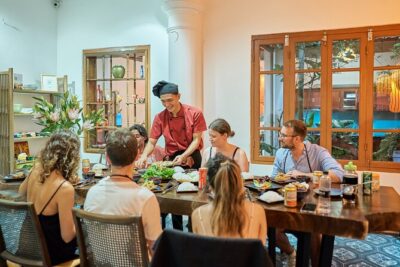
Hanoi Cooking Class: Culture, Local Market & Meaning CSR Impact
Read our review →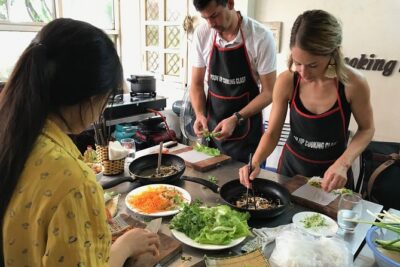
5 Traditional Dishes Hanoi Cooking Class with Market Trip
Read our review →Browse the lists this tour appears in