
Reviewed · HIKING & TREKKING
Sapa: 3-Day, 3-Night Trek and Hotel with Overnight Train
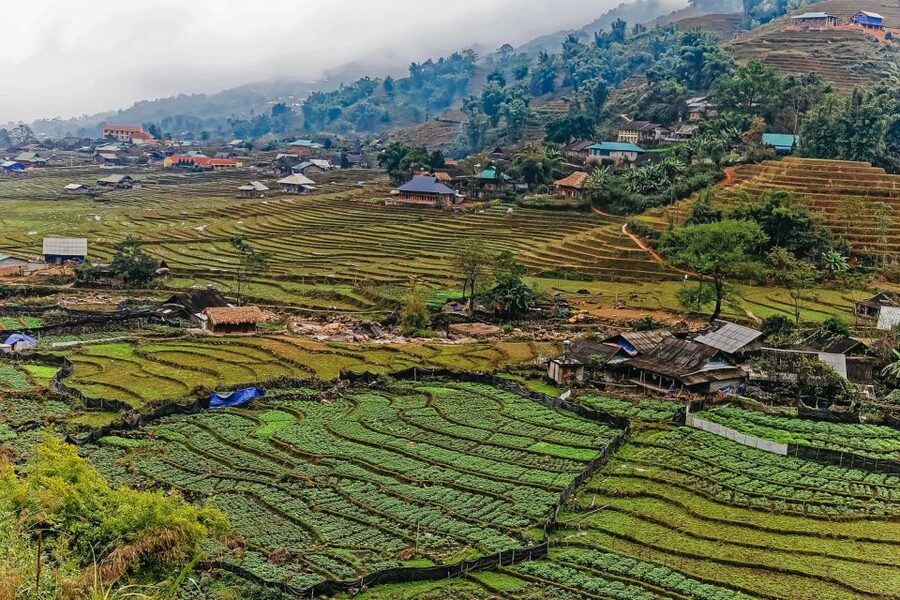
The best part of this trip is the change of pace: you leave Hanoi at night and wake among rice terraces, mountain villages, and footpaths in the Muong Hoa Valley. I like the one-night Ta Van homestay, which gives you a closer look at village life, and the mix of Hmong, Dzay, and Red Dao communities along the route. The guides, including Su Su, Ai, Chu, and Mai, receive especially warm praise for their friendliness and local insight.
I also like that the trip removes much of the planning work. The train, hotel, homestay, meals, station transfer, and return limousine are arranged for you. The tradeoff is a demanding 9-kilometer trek on uneven ground, plus a noisy overnight train and persistent local vendors who may try to sell you goods along the trail.
At a glance: what makes this Sapa trip useful

- Wake up near the Muong Hoa Valley: The overnight train saves you a daytime travel day and gets you into the mountains early.
- Meet three ethnic communities: The route includes Black Hmong, Dzay, and Red Dao villages, each with its own setting and traditions.
- Sleep in two different styles: You get a night in a central 3-star hotel and a night at a homestay in Ta Van.
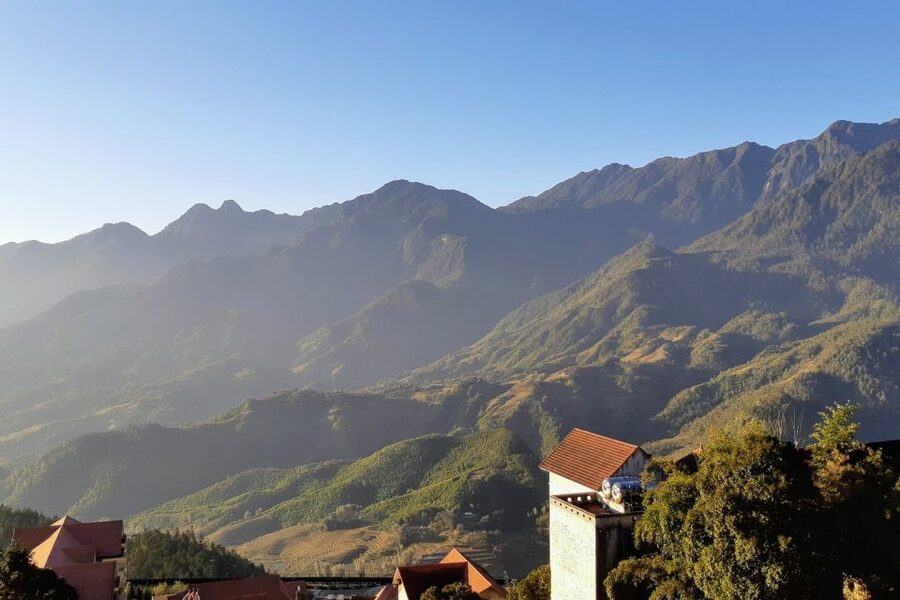
- Walk through working rice country: Terraced fields, bamboo forest, a waterfall, and a rattan bridge give the trek variety.
- Expect practical support: Breakfast, lunch, dinner, transfers, sightseeing fees, and an English-speaking guide are included.
- Know the weak spots: The train can be bumpy, drinks cost extra, and the return transfer to your Hanoi hotel needs careful confirmation.
Why the overnight train changes the whole trip
You begin in Hanoi around 9 PM, either meeting the local staff at the railway station or arranging an optional pickup from your hotel in the Old Quarter. The train leaves at about 10 PM for Lao Cai, the rail gateway to Sapa.
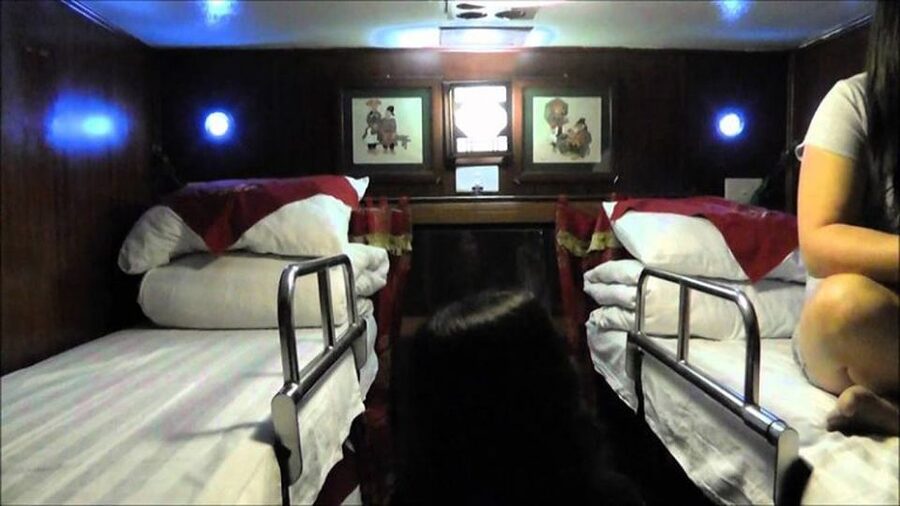
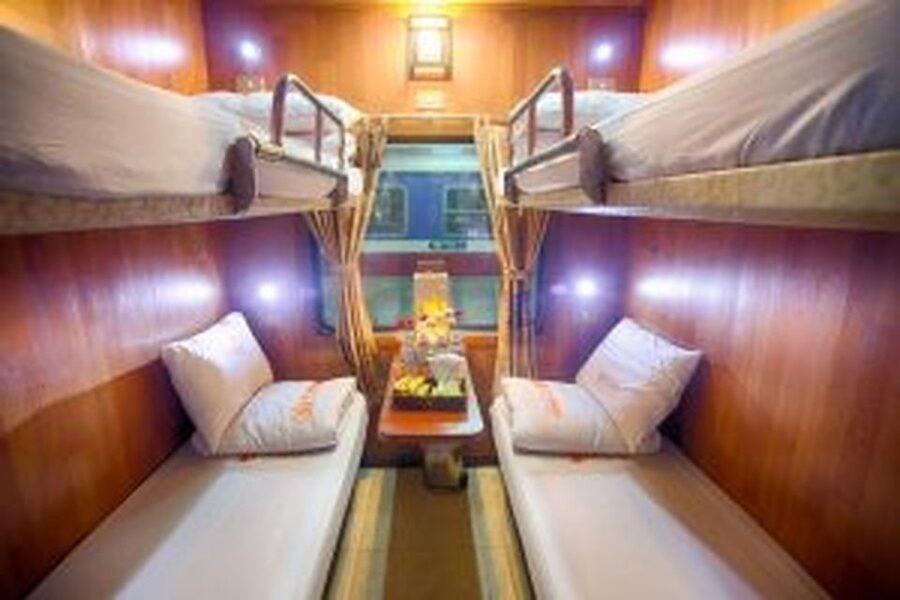
Your berth is in a shared four-bed air-conditioned cabin. That is a useful way to cover the distance while you sleep, but it is still a train. The ride can be noisy and bumpy, and you do not choose the upper or lower bunk. One person on the trip received an upper bunk on both train rides, which made access less convenient.
The cabins have soft berths and air-conditioning, and some people sleep well. The toilet is basic and can be awkward while the train is moving. Bring only what you need for the trek in a small day bag, and keep valuables close. Your larger luggage goes back to the Sapa hotel when you arrive.
You reach Lao Cai early in the morning, then take a shared minibus to Sapa at around 6 AM. This is an efficient start, but not a restful one. If you need a proper night’s sleep, the train may test your patience. If you like using transport time wisely and want to avoid a separate hotel night in Hanoi, it offers fair value.
Other walking country around Hanoi:
- Halong Bay Full Day with Kayaking, Hiking viewpoint, Cave – Deluxe To Luxury
★ 5.0 · 884 reviews - From Hanoi: 2-Day Sapa Trekking Trip with Homestay & Meals
★ 4.8 · 704 reviews - Sapa 3 Days 2 Nights Trekking Tour (1 Night In Ta Van Village, 1 Night In Hotel)
★ 5.0 · 699 reviews
Sin Chai gives you a gentle first look at village life
After arriving in Sapa, you leave luggage at the hotel and have breakfast. Standard check-in is at 2 PM, so you should not count on having a room immediately unless you arrange early check-in as an extra.
The first walk heads southwest from Sapa to Sin Chai, a Black Hmong village about 2 kilometers from the town center. Sin Chai is described as simple and rustic, which makes it a good introduction to the area before the longer valley walk on the following day.
This section gives you time to see how quickly Sapa’s town edge turns into highland village country. You are not spending the entire day on the trail, so it works as a warm-up after the overnight train. You return to the hotel for lunch, rest, and free time in the afternoon.
That break matters. Sapa sits at altitude, and the weather can shift quickly. A quiet afternoon lets you sleep, explore the town, or prepare for the longer walks ahead. At night, you can look around Sapa’s shops and food stalls. Roasted corn and baked eggs beside a charcoal fire are among the local snacks highlighted for the evening.
You sleep in a 3-star hotel in Sapa center. That central base is convenient for meals and evening walks, though the room is not guaranteed before the normal 2 PM check-in time.
The Muong Hoa Valley walk is the heart of the trip

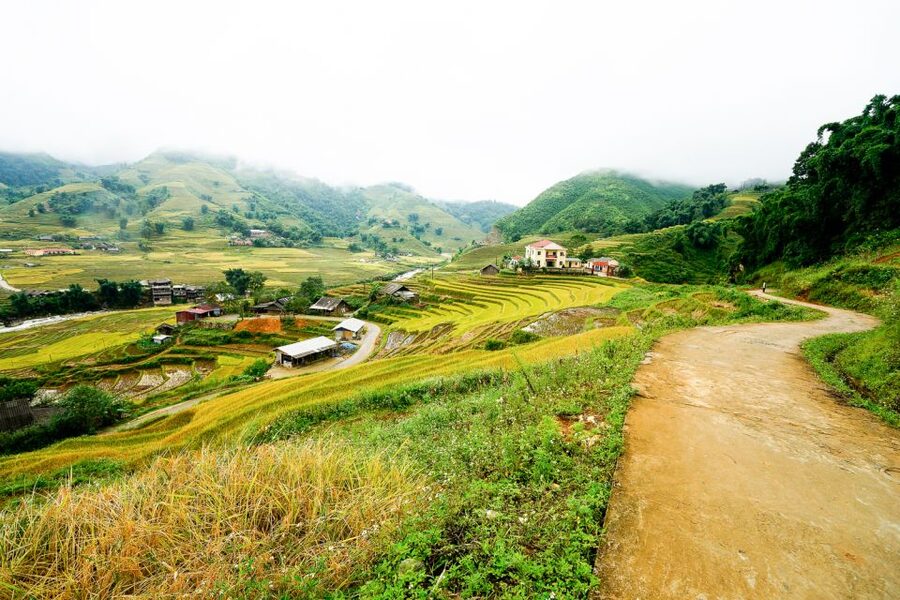
Day 2 is the main trekking day. After breakfast, you follow the side of the Muong Hoa Valley toward Y Linh Ho, a Black Hmong village. The route then continues down to Lao Chai, another Hmong village, before lunch.
This is the day to expect real effort. The trek is about 9 kilometers, and the route includes uneven paths and changes in elevation. Heavy rain can make the walk more demanding. The tour is not suitable for people with mobility impairments or wheelchair users, and it is not recommended for older people or children.
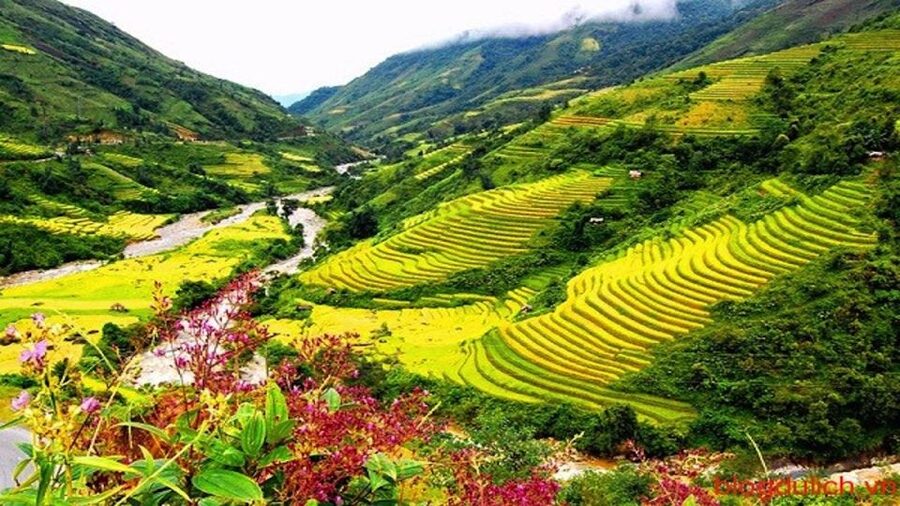
The payoff is the steady change in view. You move between village paths and terraced rice fields rather than spending the whole time on a paved road. In May, you may see people planting rice and can sometimes try the work yourself. At other times of year, daily scenes can include cutting wood, making traditional clothing, and children heading to school.
The trip also includes a visit to a local handicraft center where women gather to exchange skills. This adds useful context to the village stops. You are not only looking at houses and fields, you are seeing how craft work connects with everyday life and local income.
After lunch, you walk through the rice terraces to Ta Van, home to the Dzay minority community. The route is visually appealing, but the word trek should be taken seriously. Good shoes are essential, and you should carry sunglasses, sun cream, insect repellent, and water. Drinks are not included with meals, so keep Vietnamese Dong with you.
Ta Van homestay offers the trip’s most personal night

The overnight stay in Ta Van is the part that makes this more than a quick Sapa sightseeing loop. You sleep at a local homestay with the Dzay community rather than returning to a town hotel.
A homestay does not mean luxury, but the accommodation is described as clean and welcoming. You share a meal and spend the evening in a village setting, giving you a better sense of how life differs from Sapa’s tourist center. The food receives strong praise, though drinks are paid for separately.
The homestay also means you should pack with flexibility. Bring warm clothing, including a scarf, hat, or cap. Sapa can be cold from September through March, and fog is common from December through March. Weather conditions can change quickly even when the morning begins clear.
Local people may approach you to sell handicrafts or other goods. Some women and children may stay near the group for part of the walk or try to sell items at stops and lunch. The tour provider advises you to stay with your guide and ignore persistent sellers, but a calm and polite response is best. The selling is a well-known part of the Sapa experience, and it can affect your sense of quiet on the trail.
A few more ways to spend a day in Hanoi
- Amanda Cruise – Ha Long, Lan Ha Bay – All Inclusive 2D1N & 3D2N
★ 5.0 · 4,358 reviews - Hanoi: 3-Day Ninh Binh, Ha Long, & Lan Ha Bay 5-Star Cruise
★ 4.8 · 1,401 reviews - Mon Chéri Cruises 5 star: Amazing 3 days exploring Halong & Cat Ba island
★ 5.0 · 1,280 reviews - Ha Giang Loop 3 days Small group- From Ha Noi
★ 5.0 · 1,114 reviews
Waterfalls, bamboo, and the ride back to Sapa
After breakfast in Ta Van, Day 3 continues toward Giang Ta Chai and Su Pan. These villages are associated with Red Dao and Hmong communities, giving you another chance to compare village life and local dress.
The route includes a waterfall, a rattan bridge, and views through bamboo forest. These stops break up the walking and give you places to pause for photographs. You will want shoes with firm grip, especially if the weather has been wet.
The group eventually reaches the main road, where a vehicle takes you back to Sapa. The precise balance of walking and driving can depend on trail and road conditions, so think of this as an active day rather than a fixed sightseeing schedule.
Around 2 PM, you collect your belongings and board a limousine back to Hanoi. The ride usually reaches Hanoi around 8 to 9 PM. The limousine receives better marks for comfort than the train, and the driver may drop you at your hotel.
There is an important practical wrinkle here. The activity information says the experience ends back at the meeting point, while the included services describe Hanoi Old Quarter pickup and drop-off. One account specifically found that no hotel transfer was provided on return and had to deal with taxi drivers at an early hour. Confirm the exact final drop-off before booking, especially if your hotel is outside the Old Quarter.
Guides and group arrangements matter
The guides are one of the strongest parts of the experience. Su Su and Ai are praised for being friendly, chatty, and well informed. Chu is described as friendly and helpful, while Mai receives praise for allowing time for photographs and stopping where the group wants.
You may not have the same guide for every section. Solo participants can be placed with different people and different guides from day to day, and meeting points may not always feel obvious. Keep the local operator’s phone number handy, and ask clearly where to meet after each transfer.
Small groups are used for the hiking portions, and private groups are available. A small group usually makes it easier to stop for photos and walk at a manageable pace. If you want more control over timing, a private option may be worth the extra cost.
The tour is conducted in English. Remember that guide quality can vary by assignment, but the named guides associated with the trip are a real strength. Their local connection also helps you understand what you are seeing instead of simply passing through villages with a camera.
What the $212 price really covers
At $212 per person, the cost includes a lot of moving parts:
- The overnight train in a shared four-bed cabin
- One night at a 3-star hotel in Sapa
- One night at a Ta Van homestay
- Breakfast, lunch, and dinner listed in the schedule
- An English-speaking local guide
- Lao Cai to Sapa transport
- The limousine from Sapa to Hanoi
- Sightseeing fees, taxes, and service charges
- Hanoi Old Quarter pickup and drop-off, subject to confirming the final arrangement
That is good value if you want a short Sapa visit without arranging each ticket and transfer yourself. The package combines transport, accommodation, food, and guiding across three to three and a half days.
Still, the price does not cover drinks, personal costs, or unlisted meals. Solo travelers also pay a single supplement for two nights, covering the Sapa hotel and private bungalow or homestay arrangement as applicable at booking. Bring cash in Vietnamese Dong because card services in Sapa may not always work. US dollars, euros, and Australian dollars are also accepted in Sapa, but local currency is the safer choice for small purchases.
How to prepare for the trail and weather
Start with footwear. Comfortable walking shoes are listed, but I would choose proper trekking shoes with good grip. The route includes rice-field paths, bamboo areas, village tracks, and possibly slippery ground after rain.
Pack light for the walk and bring:
- Warm layers
- A scarf and hat or cap
- Sunglasses
- Sun cream
- Insect repellent
- Any medicine you may need
- Cash in Vietnamese Dong
- A phone or camera with enough battery
Sapa is normally cold from September to March, but conditions can vary. Fog is especially common in December, January, February, and March. Fog can soften the views and make navigation feel less clear, so stay near the guide and do not walk ahead alone.
The trek is not suitable for wheelchair users or people with mobility impairments. The 9-kilometer distance also makes it a poor fit for young children and anyone who struggles with steep or uneven paths.
Who should book this Sapa itinerary?
I would choose this trip if you have limited time in northern Vietnam and want several Sapa experiences in one package. You get the overnight train, a central hotel, a village homestay, guided walks, local communities, rice terraces, and a return ride to Hanoi.
It suits you best if you enjoy active days and accept simple transport and accommodation. You should also be comfortable with early starts, shared spaces, changing weather, and sales pressure along popular village routes.
I would think twice if you need a quiet, polished holiday with fixed room access and smooth private transport at every stage. The overnight train is functional rather than restful, the trek can be hard in rain, and the final Hanoi drop-off needs clarification.
Should you book this Sapa trek?
Book it if you want a practical introduction to Sapa and prefer having the major details arranged. The strongest reasons are the Ta Van homestay, the variety of village communities, the capable local guides, and the efficient use of the overnight train.
Before paying, confirm the single supplement if you are alone, ask exactly where you will be dropped in Hanoi, and be ready for a 9-kilometer trek. Pack for cold and wet weather, carry cash, and treat the local sellers firmly but respectfully.
For an active first visit to the Muong Hoa Valley, this offers a solid balance of scenery, village contact, and convenience. It is not the smoothest trip, but it gives you a lot of northern Vietnam in a short window.
FAQ
How long does the experience last?
The trip lasts about three to three and a half days, with the overnight train from Hanoi leaving on the first night and the return to Hanoi taking place around 8 to 9 PM on Day 3.
Where does the trip begin?
You can meet staff at Hanoi Railway Station around 9 PM and receive your train tickets. Pickup from a hotel in Hanoi’s Old Quarter is also available as an option.
How many nights are included?
You spend one night in a shared four-bed air-conditioned train cabin, one night at a homestay in Ta Van Village, and one night in a 3-star hotel in Sapa center.
Is the trek suitable for children or older people?
The 9-kilometer trek is not recommended for older people or children. The activity is also not suitable for people with mobility impairments or wheelchair users.
What meals are included?
Breakfast, lunch, and dinner included in the schedule are provided. Drinks and meals not listed in the schedule cost extra.
What should I bring?
Bring comfortable trekking shoes, warm clothing, a scarf, hat or cap, sunglasses, sun cream, insect repellent, and any medicine you may need. Cash in Vietnamese Dong is also recommended.
Can I cancel the booking?
You can cancel up to 24 hours in advance for a full refund. The activity also offers a reserve-now, pay-later option.
Newly reviewed in Hanoi
- Private Full-Day Tour to Halong Bay from Hanoi★ 5.0 · 44 reviews
- Private Evening Walking Tour – Cyclo & Water Puppet Show in Hanoi Old Quarter★ 5.0 · 19 reviews
- Ba Vi National Park Private Tour: Sightseeings & Jungle Hikking★ 4.5 · 26 reviews
- Full-Day Hanoi City Tour with Hidden Local Life Experience★ 5.0 · 27 reviews
- Hanoi Epic tour 6D5N Hanoi – Halong Bay – Ninh Binh – Sapa★ 5.0 · 51 reviews
- Private transfers Hanoi <=> Puluong 1 Way (Free Hotel Pickup)★ 5.0 · 20 reviews
- Hanoi Airport Pick-up (Private Ride From Hanoi Airport to Hotels)★ 4.5 · 253 reviews
- Noi Bai Airport transfer to Hotel or Vice versa★ 5.0 · 144 reviews
Hiking & Trekking, compared.

Halong Bay Full Day with Kayaking, Hiking viewpoint, Cave – Deluxe To Luxury
Read our review →
Muong Hoa Valley Trek and Local Ethnic Villages
Read our review →

Sapa 3 Days 2 Nights Trekking Tour (1 Night In Ta Van Village, 1 Night In Hotel)
Read our review →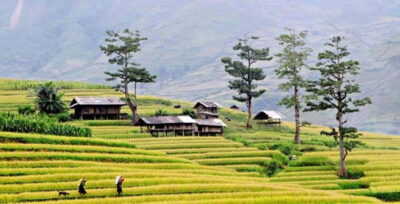
Eco Adventure Terrace Fields and Local Villages Trek
Read our review →
3-Day Trekking Adventure of Sapa from Hanoi – Stay Ta Van Village
Read our review →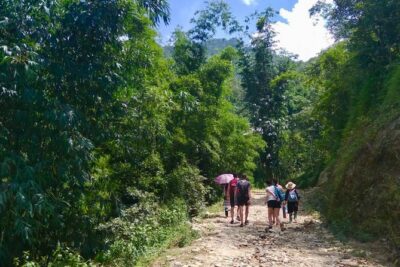
Number one top rated ethical cultural trekking and homestay by ETHOS
Read our review →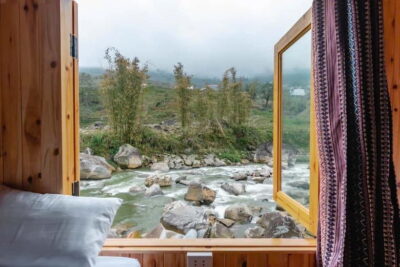
2-Day Sa Pa Ethnic Homestay Tour & Trek with Limousine Bus
Read our review →Browse the lists this tour appears in