
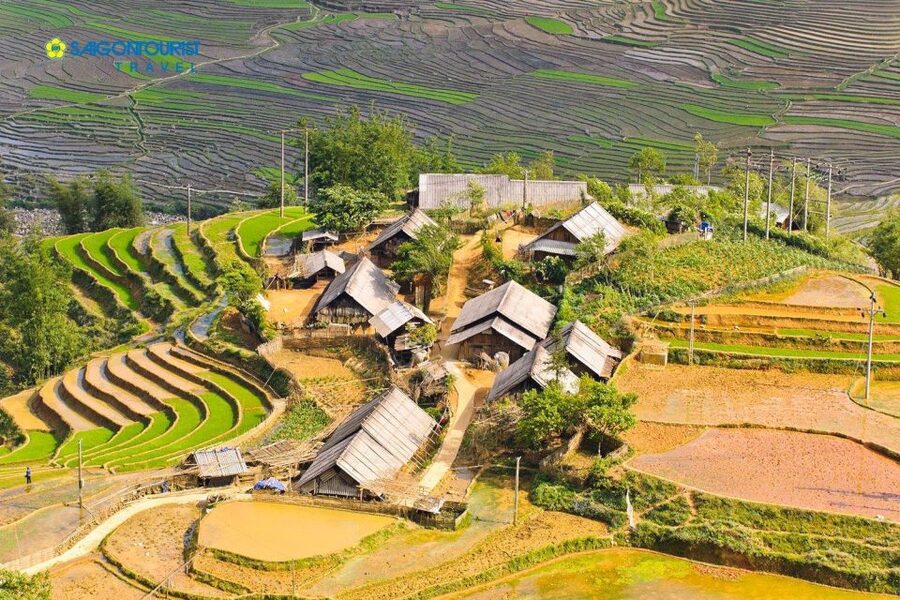
Reviewed · HIKING & TREKKING
From Sapa: Terrace Fields and Local Villages Trek with Lunch
The best part of this Sapa outing is the change in scenery once you leave town. You walk past daily life, then reach broad rice, corn, and potato terraces with hill villages spread along the slopes. I like the local guide and the small-group feel of walking through communities rather than simply stopping at a viewpoint. The local lunch is another strong point: it turns a pretty walk into a fuller look at life in northern Vietnam.
I also like the hotel pickup and shuttle ride back, since you do not have to retrace a long walk after seven hours on your feet. The main caution is the trail. Fog and rain can turn paths into slippery mud, and one outing covered about 11 kilometers through terraces and bamboo forest. Bring proper shoes, not city sneakers.
Key points to know before booking
- The walk begins in Sapa town: Your guide may spend 30 to 45 minutes walking from hotel to hotel before the trek fully gets underway.
- Lai Chai adds local context: You pass through a small hill village and hear about ethnic customs, habits, and family life.
- The route includes a waterfall stop: It gives you a natural break and a good place for photos.
- Weather changes the difficulty: Fog and wet ground can make the trail slippery, muddy, and much harder than the distance suggests.
- A local ethnic minority guide leads the way: Guide Mao has been singled out for attentive help and for showing visitors her home and family.
- The $22 price covers the basics: Lunch, village entry fees, pickup, guiding, and the shuttle back are included, but drinks are not.
Leaving Sapa on foot
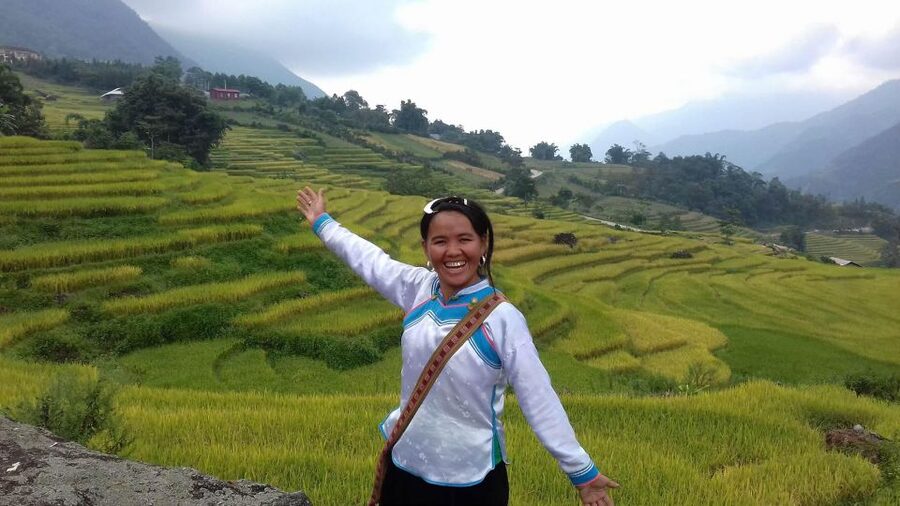
Your morning begins between 8:00 and 8:45 at your hotel lobby in Sapa Town. The guide walks from hotel to hotel to collect the group, so the exact departure time depends on where you are staying. This first 30 to 45 minutes may feel slow if you are eager to reach the terraces, but it gives you a practical look at Sapa’s streets and morning routine.
After the pickups, you start walking through town. That matters because this is not a quick transfer to a rural trailhead. The experience moves from urban Sapa to its farming communities on foot, letting you see the town thin out as the hills take over.
You should wear shoes you can trust from the first step. The route is not described as a paved village stroll, and wet weather can make even a modest slope awkward. Walking poles and rubber boots can be useful after rain, although neither is listed as included.
Other walking country around Sapa:
- Sa Pa: Muong Hoa Valley Trek and Local Ethnic Villages
★ 4.6 · 864 reviews - Sapa: Eco Adventure Terrace Fields and Local Villages Trek
★ 4.9 · 636 reviews - Number one top rated ethical cultural trekking and homestay by ETHOS
★ 5.0 · 456 reviews
Terraces beyond the town edge
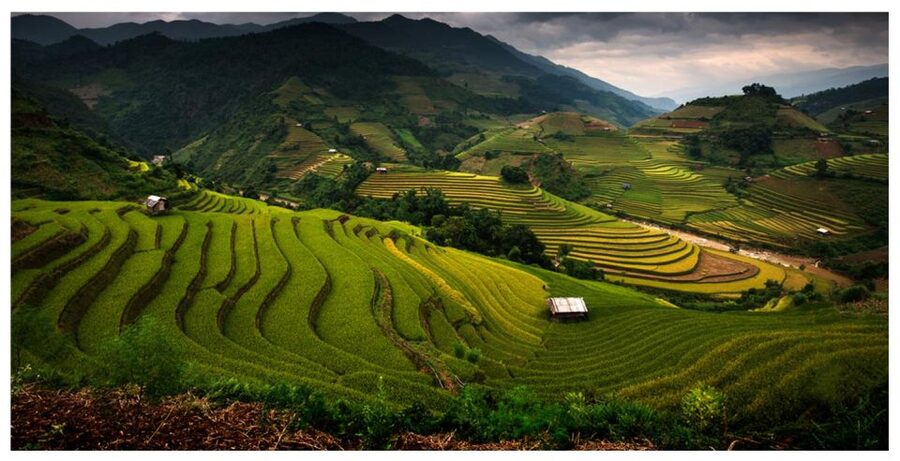
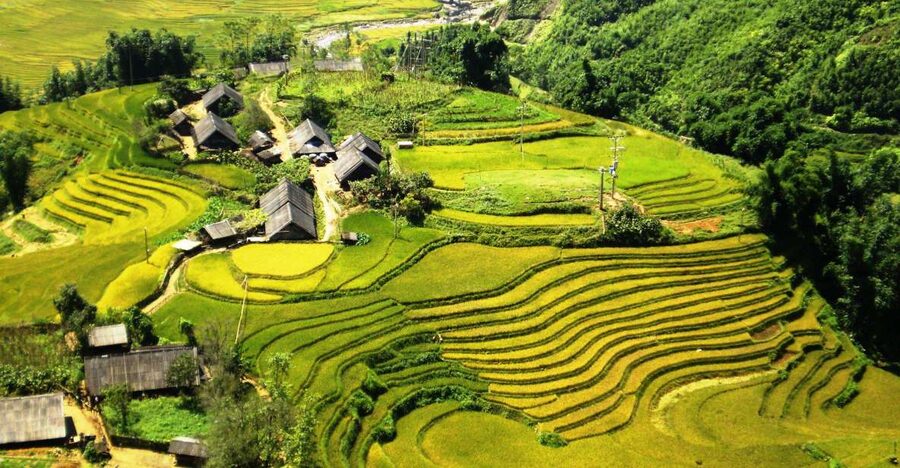
Once you leave Sapa, the focus shifts to fields. Rice terraces are the main visual draw, but the route also passes corn and potato plots. The stepped fields make the hills easier to farm and create the layered views that give this part of Vietnam its character.
The scenery changes with the season and weather. In clear conditions, you can expect open views across the hills and terraces. In fog, the scene becomes more muted, and the wet paths become the bigger story. Fog also reduces visibility, so you should not book this only for perfect wide views. The walk still offers contact with village life, but the conditions can affect how much of the scenery you see.
The guide explains local customs and everyday habits as you walk. That is more useful than a string of place names. You get a sense of why the terraces matter, how village communities are arranged, and how ethnic minority life fits into the hills around Sapa.
The guide is from a local ethnic minority, which gives the walk a personal angle. Guide Mao, when assigned to the outing, has taken time to answer questions and show her home and family. You should see this as a cultural encounter, not a formal museum visit. The value comes from conversation and observation, so ask questions respectfully and do not treat private homes as photo sets.
Lai Chai and the village route
The trek continues toward Lai Chai, described as a small village on the tribal hill. You walk through local settlements rather than viewing them from a bus window. The route is intended to help you understand how people live among the terraces, not just to deliver a scenic walk.
That said, the village sections may feel more tourist-oriented than the fields. One rating described the experience as somewhat too touristy, so you should keep your expectations realistic. This is a paid cultural walk with a guide, not an unplanned meeting with a remote community.
I like the balance here. You get enough structure to understand what you are seeing, but the day is not built around a long list of formal attractions. The small village route, guide conversation, and views do most of the work.
Your guide may point out homes, farming areas, paths, and local habits along the way. The supplied details do not promise a fixed set of household visits, so treat a home visit as possible rather than guaranteed. The same applies to specific crops and stops, since the route can vary with conditions.
The waterfall pause
A waterfall provides a natural pause during the trek. It is a sensible place to rest, take photos, and catch your breath before continuing toward lunch.
Do not picture a full sightseeing stop with facilities unless your guide confirms otherwise. The information only promises a waterfall where you can relax and take pictures. You should carry anything you need during the walk, including water, since drinks are not included in the price.
This stop also breaks up the day. Seven hours is a long outing when much of it is spent walking, and a scenic pause makes the pace easier to manage. Still, the route remains active. Anyone with back or heart problems should skip this experience, and it is not suitable for wheelchair users.
A few more ways to spend a day in Sapa
- From Sapa: 1-Day Guided Trek to Lao Chai & Ta Van with Lunch
★ 4.9 · 416 reviews - From Sapa: Guided Full-Day Trekking with Lunch and Drop-Off
★ 4.2 · 86 reviews - Sapa: Private Highlights Day Tour with Lunch
★ 4.8 · 61 reviews - Sapa: Muong Hoa Mountain Views and Villages Trek with Lunch
★ 4.3 · 28 reviews
Lunch after the hike
After the trek, you eat at a local restaurant. The meal is included, while drinks are extra. This is a useful part of the package because you do not have to find food after a tiring walk or guess which restaurant will be open and convenient.
The meal is described as local cuisine with varied flavors, but no fixed menu is provided. You should not book this expecting a particular dish. Instead, see lunch as a chance to try regional food in a straightforward local setting.
The timing also works well. Eating after the walk means you can focus on the terraces and villages first, then sit down without rushing back to town. If you have strong dietary needs, the available information does not confirm special menus, so ask before booking.
The return by shuttle
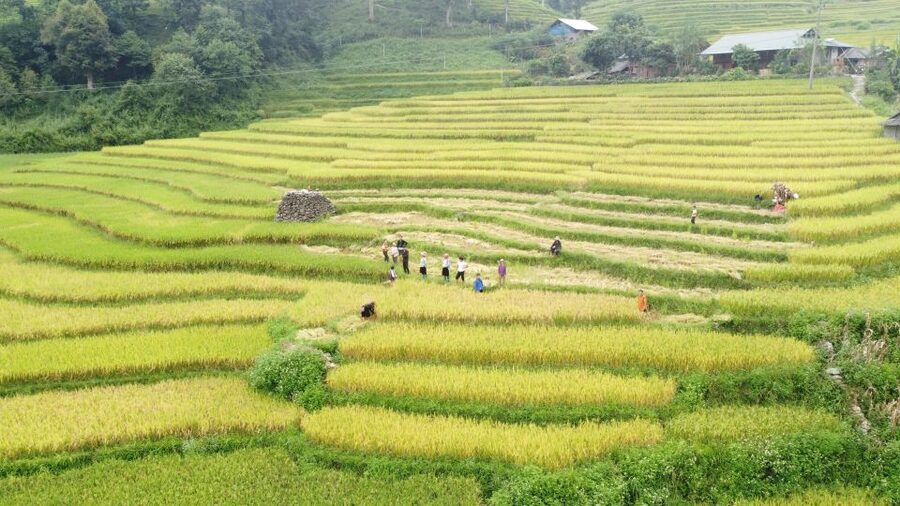
The return to Sapa is by shuttle bus, with drop-off at your hotel. This is one of the more practical features of the outing. After a route that may reach around 11 kilometers, avoiding the same walk in reverse is a real benefit.
The shuttle also makes the tour easier to fit into a short Sapa stay. You start in town, explore the hills, eat lunch, and return without arranging a separate ride. The exact return time is not specified, but the total activity lasts about seven hours.
Pickup and drop-off apply to hotels in Sapa Town. The guide collects you from the lobby, not from an unspecified roadside meeting point. If your accommodation is outside town, the supplied details do not confirm pickup there.
How hard is the seven-hour trek?
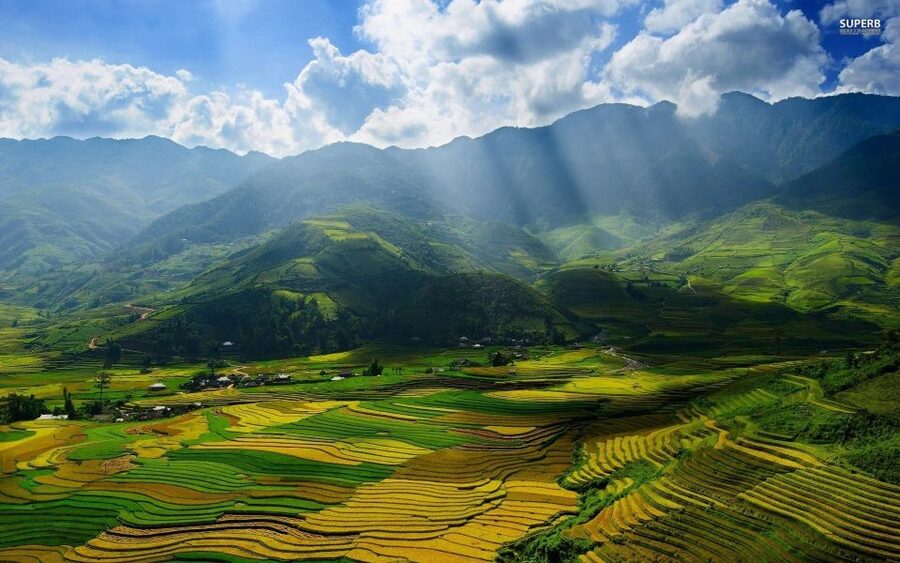
The distance and trail surface matter more than the word trek. One participant walked about 11 kilometers through bamboo forest and rice terraces, while another described muddy paths and a real risk of slipping in wet weather. You should plan for uneven ground, slopes, and dirt rather than a flat urban walk.
Dry conditions may make the route manageable for an active person, but rain can change the experience quickly. Rubber boots were recommended for wet weather, and trekking poles helped some people stay steady. Good grip is more important than stylish footwear.
The activity excludes children under five, people over 70, people with back or heart problems, wheelchair users, and people over 275 pounds or 125 kilograms. These restrictions are a useful guide to the physical demands. If you are unsure about your fitness, ask the provider before paying.
You should also leave room in your plan for a slower pace. The guide walks with the group, and the point is not to race from one stop to another. Still, the duration is fixed at about seven hours, so this is not a casual one-hour photo walk.
What the $22 price really covers
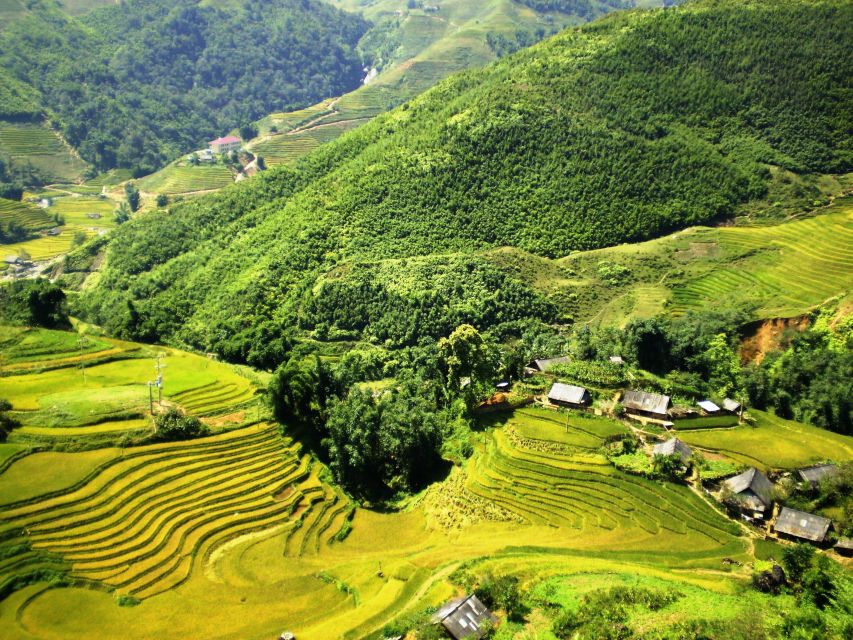
At $22 per person, this is a strong-value day if you want several practical services in one booking. The price includes hotel pickup and drop-off, an English-speaking local ethnic guide, a guided trek, village entry fees, lunch, and the shuttle back to Sapa.
The inclusion of transport is important. A separate ride to the villages, a meal, and a guide could easily make a self-planned day less simple, even if the route itself costs nothing. You are paying for access, local direction, and organization as much as for the walk.
The price does not include drinks. Bring money for water and any other beverage you want with lunch. Also budget for suitable footwear if you did not pack shoes for muddy trails.
The main tradeoff is that a low-cost group outing usually gives you a set structure rather than a fully private experience. The material provided does not state the group size, so do not assume a private guide. If you want complete control over pace, route, and meal choices, a private trek may suit you better.
Who should book this walk?
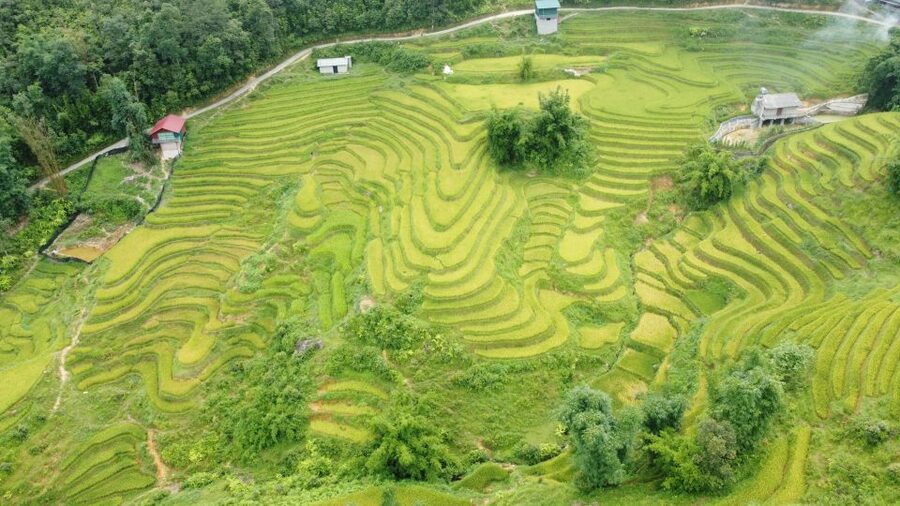
I would point this outing toward an active visitor who wants scenery and cultural contact without arranging every detail alone. It suits people who are happy to walk several hours, eat a local meal, and listen to a guide explain village customs.
It is also a good fit for a first visit to Sapa. You get a broad introduction to the area: town streets, farming terraces, hill villages, local food, and a return ride. The guide helps connect these pieces.
You should think twice if you dislike mud, cannot handle uneven trails, or want guaranteed clear views. Fog can make the route slippery and reduce the big panoramas. The village route can also feel a little tourist-oriented, especially if you hoped for a completely independent rural experience.
Book with weather in mind. A flexible reservation helps because cancellation is free up to 24 hours before departure, and you can reserve now and pay later. That is useful in Sapa, where rain and fog can affect both comfort and views.
Should you book the Sapa terraces trek?

Book it if you want a low-cost, well-organized introduction to Sapa’s fields and villages, and you are prepared for a real walk. The local guide, lunch, village access, and shuttle return give the $22 price clear value.
Skip it if you need an easy path, guaranteed sunshine, or wheelchair access. For most active visitors, though, this offers a good mix of scenery and local contact, with the important warning that wet weather can turn a pretty trail into a slippery one. Pack sturdy shoes, carry money for drinks, and let the guide set a safe pace.
FAQ
How long does the Sapa terraces trek last?
The activity lasts about seven hours, including hotel pickup, the trek, lunch, and the shuttle ride back to Sapa.
What time does hotel pickup take place?
Pickup takes place between 8:00 and 8:45 a.m. The guide walks from hotel to hotel, and the collection process may take 30 to 45 minutes depending on your hotel’s location in Sapa Town.
Where does the tour start?
The tour starts with pickup from the lobby of your hotel in Sapa Town. You then walk through Sapa before reaching the terraces and villages.
What is included in the price?
The $22 price includes hotel pickup and drop-off, a guided trek, village entry fees, an English-speaking local ethnic guide, local lunch, and the shuttle bus back to Sapa.
Are drinks included with lunch?
No. Drinks are not included, so you should bring money to buy beverages.
How do I return to Sapa after the trek?
A shuttle bus takes you back to Sapa after lunch and drops you at your hotel.
Is the guide English-speaking?
Yes. The activity includes a live English-speaking guide.
Is this trek suitable for children or people with mobility concerns?
It is not suitable for children under five, wheelchair users, people with back or heart problems, people over 70, or people over 275 pounds or 125 kilograms.
Can I cancel or pay later?
You can cancel up to 24 hours before departure for a full refund. You can also reserve now and pay later.
Newly reviewed in Sapa
- Sapa: Y Linh Ho – Lao Chai, and Ta Van Trekking Day Tour★ 5.0 · 25 reviews
- Sapa: Ta Phin Village Trek & Red Dao Herbal Bath★ 5.0 · 22 reviews
- Sapa3D2N TrekkingAdventures,Valleys,Bambooforest,Waterfall★ 4.8 · 24 reviews
- From Sapa: Guided Full-Day Trekking with Lunch and Drop-Off★ 4.2 · 86 reviews
- Sapa Trekking Bargains With Local Guide★ 4.9 · 91 reviews
- Sapa: 3-Day Ha Giang Loop Motorbike Tour★ 4.9 · 34 reviews
- Sapa: Muong Hoa Mountain Views and Villages Trek with Lunch★ 4.3 · 28 reviews
- Sapa: Private Highlights Day Tour with Lunch★ 4.8 · 61 reviews
Hiking & Trekking, compared.

Halong Bay Full Day with Kayaking, Hiking viewpoint, Cave – Deluxe To Luxury
Read our review →
Muong Hoa Valley Trek and Local Ethnic Villages
Read our review →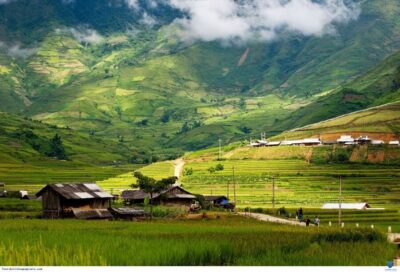

Sapa 3 Days 2 Nights Trekking Tour (1 Night In Ta Van Village, 1 Night In Hotel)
Read our review →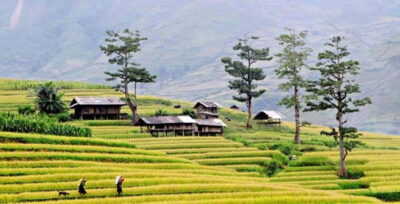
Eco Adventure Terrace Fields and Local Villages Trek
Read our review →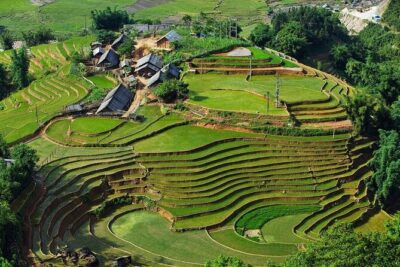
3-Day Trekking Adventure of Sapa from Hanoi – Stay Ta Van Village
Read our review →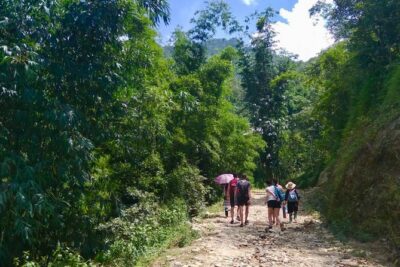
Number one top rated ethical cultural trekking and homestay by ETHOS
Read our review →
2-Day Sa Pa Ethnic Homestay Tour & Trek with Limousine Bus
Read our review →Browse the lists this tour appears in