
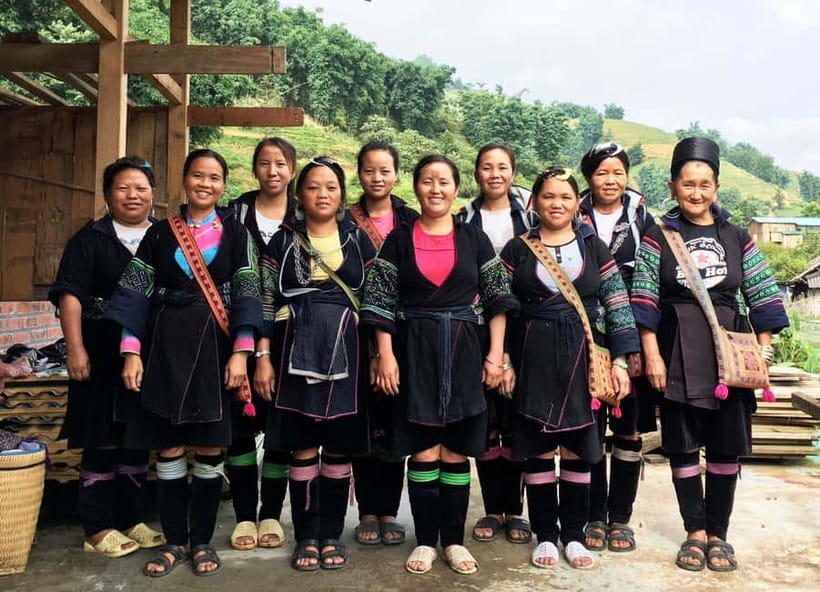
Reviewed · TREKKING & HOMESTAYS
Sapa: Muong Hoa Mountain Views and Villages Trek with Lunch
Sa Seng Mountain gives you the main prize early: a wide view over Sapa, Fansipan, Muong Hoa Valley, and the famous rice terraces. I like that the walk does not stop at a viewpoint. You continue through Hang Da and Hau Thao, where village life, field work, homes, animals, and Hmong customs become part of the day.
I also like the small-group format, limited to 10 people, and the family-run lunch included in the $20 price. Guides such as Châu A Su and Su have drawn particular praise for being friendly and good company on the trail. The drawback is real, though: this is a steep trek, and there have been reported pickup problems, so you should confirm the meeting arrangement before setting out.
Key points at a glance
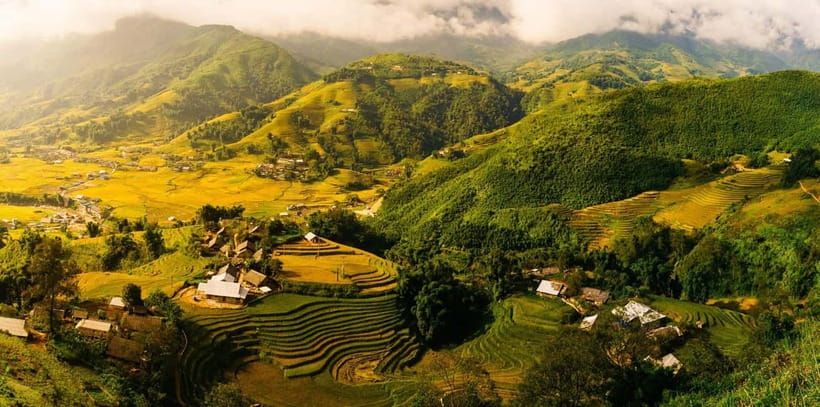
- Sa Seng summit views: After about 1 kilometer of uphill walking and roughly an hour of hard climbing, you look toward Fansipan, Sapa town, Muong Hoa Valley, and extensive rice terraces.
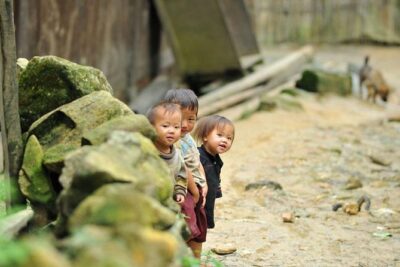
- Two Black Hmong villages: Hang Da and Hau Thao offer a closer look at homes, animals, farm work, and daily routines away from central Sapa.
- Local family lunch: Your midday meal is served at a small restaurant run by a local family, rather than at a large tourist dining room.
- Useful cultural explanation: Your guide discusses Hmong marriage traditions, rice farming, and house-building methods.
- Small group and English guide: With no more than 10 people, it is easier to ask questions and keep a reasonable pace.
- Massage discount afterward: The tour includes a 20 percent discount at Massage Lits, 01 Hoang Van Thu, the meeting point.
Why the Sa Seng climb is the heart of the day
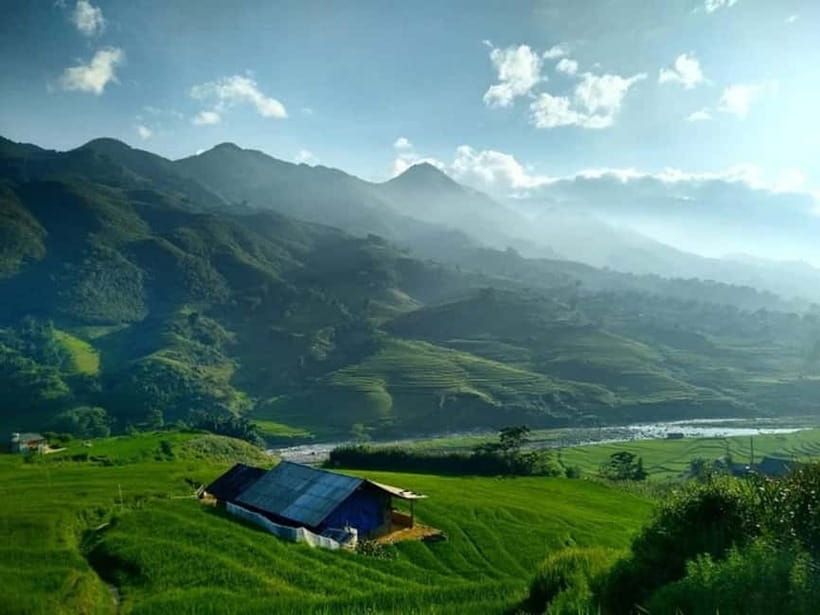
Sapa has no shortage of mountain walks, but this route earns its keep with the first major climb. From the meeting point at Massage Lits on Hoang Van Thu, you take a van with your guide and begin on a small trail. The initial uphill section covers about 1 kilometer, and the hard part lasts around an hour.
That timing matters. This is not a gentle stroll with one or two quick photo stops. You need to be ready for steep inclines, uneven ground, and a sustained climb. Comfortable shoes are essential, and proper trekking gear is far more useful than casual street shoes.
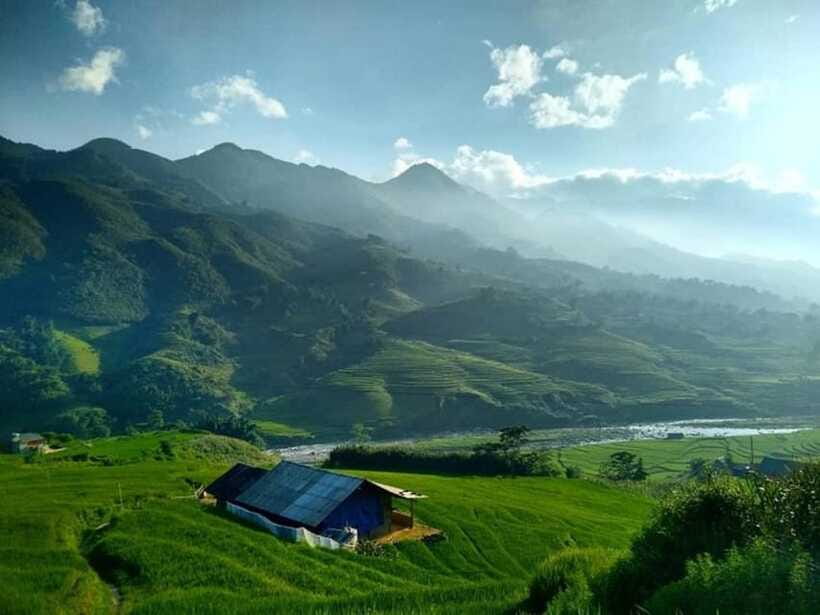
At the top of Sa Seng Mountain, the payoff is broad rather than intimate. You can see Fansipan, at 3,143 meters the highest mountain in Indochina, along with Sapa town and the Muong Hoa Valley below. The large rice terraces are the visual centerpiece, especially when the fields show strong seasonal color or are being worked.
Bring a camera, but do not let photography turn the summit into a rushed stop. The view is the reason for the climb, so give yourself time to look down into the valley and understand the route ahead. You will continue along the mountainside rather than simply returning the way you came.
More Trekking Trips in Sapa
- Sa Pa: Muong Hoa Valley Trek and Local Ethnic Villages
★ 4.6 · 864 reviews - Sapa: Fansipan Cable, Cat Cat Village & Moana Instagram Tour
★ 5.0 · 777 reviews - Number one top rated ethical cultural trekking and homestay by ETHOS
★ 5.0 · 456 reviews
Down through Hang Da and its working countryside
From Sa Seng, the route heads downhill toward Hang Da, a village of the Black Hmong people. The descent gives you a different kind of mountain experience. Instead of staring only at distant peaks, you begin to notice the details close to the path.
You may see buffalo, cattle, and pigs. These animals are not placed there for a staged village display. They are important to local families and to the work of rural life. That makes this part of the walk useful for understanding why the fields, animals, houses, and paths fit together as they do.
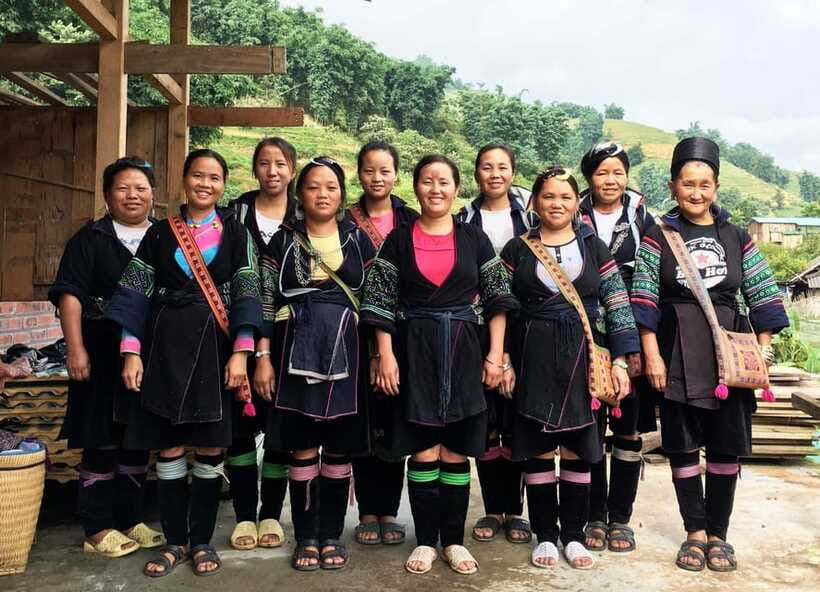
Hang Da is also where the guide can help connect what you see with local culture. The information is not limited to names and dates. You learn about the role of animals, the practical demands of rice farming, and customs within the Black Hmong community.
The route downhill may feel easier on your lungs than the climb, but it can still be hard on your knees. If steep descents bother you, use trekking poles if you have them and take your time. People with back problems, mobility impairments, vertigo, or a strong fear of heights should not book this walk.
A family lunch, not a rushed restaurant stop
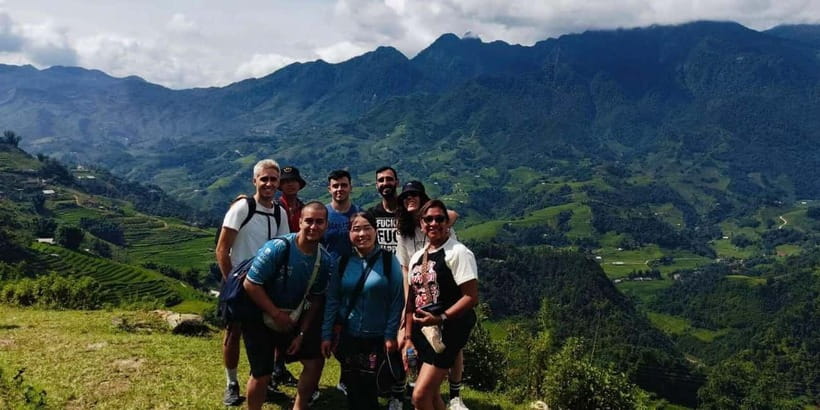
Lunch comes at a small restaurant run by a local family. That is one of the better details in this experience. At $20, the meal adds genuine value, since you do not need to arrange a separate lunch during a full day outdoors.
The setting also fits the route. You have been walking through villages and working areas, then stop at a local family business rather than returning immediately to central Sapa. The supplied details do not specify the exact dishes, so you should not book this expecting a particular menu. Think of it as a practical traditional meal included in the day.
You should still carry water and a snack. The instructions specifically recommend both, and the uphill start can use more energy than you expect. A hat and sunscreen are useful too, since mountain paths do not guarantee shade.
Hau Thao brings the cultural part into focus
After lunch, the walk continues on a small road toward Hau Thao, another Black Hmong village. The change from narrow trail to road does not end the walking. It simply gives you a different surface and a closer look at how people move around their community.
If the timing is right, you may see local people planting or harvesting rice. Farming work changes with the season, so this is not a guaranteed performance or fixed attraction. That uncertainty is part of the value. You see ordinary work only when the calendar and weather happen to line up.
Your guide explains Hmong marriage traditions, rice-field work, and house-building techniques. The marriage customs are a distinctive part of the tour, especially if you want more than mountain photographs. Ask questions as you go, since a small group makes it easier to have a real exchange with the guide.
The cultural explanation is likely to be strongest when tied to something in front of you: a field, a home, an animal, or a building method. This is why the village section matters. You are not simply passing through pretty scenery. You get some context for how people use the valley and slopes.
Other treks and homestays from Sapa:
- Cat Cat Village, Moana, Fansipan Cable Car, Alpine Coaster – Sapa
★ 5.0 · 420 reviews - Sa Pa Full Day Trekking Tour
★ 5.0 · 414 reviews - Sapa: Fansipan Cable, Cat Cat Village, Moana Instagram Tour
★ 4.8 · 294 reviews - Sa Pa: 6-Hours Muong Hoa Valley Trek with Local Ethnic guide
★ 4.5 · 178 reviews
The final walk to Giang Ta Chai
At about 3:30 p.m., you walk to Giang Ta Chai village, where the transport waits on the main road. The van then returns you to Sapa and the original meeting point at Hoang Van Thu.
One point needs checking before you pay: the experience is advertised as lasting 9 hours, but the stated schedule begins at 9:00 a.m. and reaches the transport pickup around 3:30 p.m. That described program is closer to six and a half hours, not nine, before allowing for the return drive. Ask the operator to confirm the actual end time and driving time for your date.
This final transfer is convenient because you do not need to arrange a separate ride back from the countryside. It also means you should keep your afternoon flexible. The route includes several walking sections, lunch, village visits, and a return drive, so this is not a short morning outing.
What the $20 price really covers
At $20 per person, the package offers solid value if you want transportation, a guide, lunch, and a full day of walking without planning the route yourself. The van takes care of the outlying sections, and the local guide adds cultural explanation that would be hard to get from a map alone.
The small group matters here. A maximum of 10 people is not private touring, but it is far more manageable than a large coach group. You can hear the English-speaking guide, ask about Hmong customs, and avoid being separated from the group on narrow paths.
The price does not cover personal expenses. Bring money for anything extra you choose to buy, but the main listed costs of the day are already accounted for. You also receive a 20 percent massage discount at Massage Lits, 01 Hoang Van Thu, after the tour. That is a useful add-on if your legs need help after the climb, though it is a discount rather than a free treatment.
The guide can make a major difference. Châu A Su is specifically praised for being nice, and Su is described as friendly and good at explaining the surroundings, nature, and wildlife. You should not assume one named guide will lead every departure, but these details show the kind of guide experience the tour aims to provide.
The practical concern: meeting-point reliability
Most of the day depends on the pickup working properly. The meeting point is Massage Lits at 01 Hoang Van Thu in Sapa, and the stated pickup time is 9:00 a.m. Arrive early, keep the provider’s contact details available, and confirm the pickup instructions before the morning of the tour.
There have been two serious complaints about no-shows at the meeting point. In one case, a person waited for more than an hour, had trouble reaching the operator, and eventually left to find another tour on the final day in Sapa. Another person reported that the vehicle never arrived.
Those reports do not tell you how often this happens, but they are important enough to take seriously. If you have a train, bus, flight, or other fixed plan later that day, leave a generous buffer. The experience offers free cancellation up to 24 hours before departure, and you can reserve now and pay later, which helps keep plans flexible. Still, no cancellation policy makes up for losing a day in Sapa, so confirm the pickup.
Who should book this Sapa trek
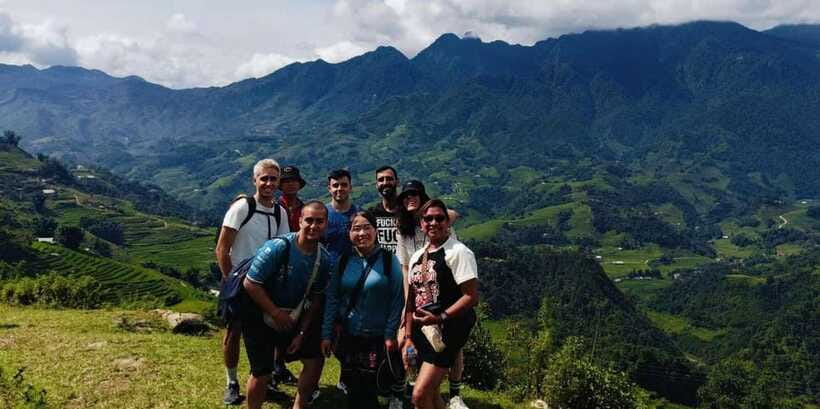
I would choose this outing if you want three things in one day: mountain views, village walking, and some cultural explanation. It suits you best if you are comfortable with a hard uphill start and several hours of walking on mountain paths and roads.
It is also a good choice for solo visitors or couples who prefer a small group. A guide makes the route easier to follow, and the group limit leaves more room for questions than a large organized outing.
You should skip it if you are pregnant, have back or mobility problems, or feel uneasy around heights and steep slopes. Smoking is not allowed. Wear sturdy, comfortable shoes, carry water and snacks, and bring a hat, sunscreen, and rain-ready trekking gear appropriate for the day’s conditions.
Should you book it?
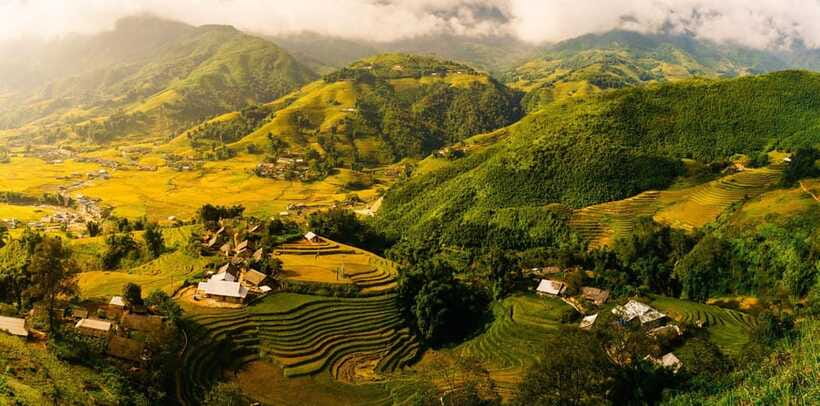
Book this tour if the Sa Seng viewpoint and Black Hmong villages sound more appealing than a simple drive to a photo stop. The best parts are the wide views, the chance to see farm life in Hang Da and Hau Thao, the local family lunch, and guides such as Su or Châu A Su who can add useful human detail.
I would be cautious if your schedule is tight or if you need a guaranteed pickup with no room for delay. Confirm the meeting point, actual duration, and return time before booking. For a fit walker who wants a low-cost day with real walking and local contact, the $20 price is attractive. For anyone seeking an easy scenic excursion, this route will feel like work, not a casual outing.
FAQ
Where does the tour start?
The meeting point is Massage Lits at 01 Hoang Van Thu in Sapa. The tour returns to Hoang Van Thu after the walk.
What time does pickup begin?
Pickup is scheduled for 9:00 a.m. The tour information also gives about 3:30 p.m. as the time you walk to Giang Ta Chai for transport, but you should confirm the exact total duration because the activity is advertised as 9 hours.
How difficult is the trek?
You should expect a challenging walk with steep inclines. The first uphill section is about 1 kilometer and takes roughly an hour of hard trekking.
Which villages do you visit?
The route includes Hang Da and Hau Thao, both Black Hmong villages. The final walk goes to Giang Ta Chai, where transport waits on the main road.
Is lunch included?
Yes. Lunch is provided at a small restaurant run by a local family. Personal expenses are not included.
What language does the guide speak?
The live tour guide speaks English. Guides named Châu A Su and Su are associated with especially positive comments about friendliness and explanations of local surroundings.
Who should not take this tour?
The tour is not suitable for pregnant women, people with back problems, mobility impairments, vertigo, or a fear of heights. You should also be prepared for steep trails and bring suitable trekking shoes.
More walking country near Sapa
- Sapa: Eco Adventure Terrace Fields and Local Villages Trek
★ 4.9 · 636 reviews - From Sapa: 1-Day Guided Trek to Lao Chai & Ta Van with Lunch
★ 4.9 · 416 reviews - Sapa 1 Day Long Trek: Trek to Hau Thao and Sa Seng Villages
★ 4.6 · 344 reviews - EXPLORE SAPA: 2D1N TREKKING & HMONG CULTURE WITH DINH
★ 4.9 · 191 reviews
Newly reviewed in Sapa
- Sapa: Y Linh Ho – Lao Chai, and Ta Van Trekking Day Tour★ 5.0 · 25 reviews
- Sapa: Ta Phin Village Trek & Red Dao Herbal Bath★ 5.0 · 22 reviews
- Sapa3D2N TrekkingAdventures,Valleys,Bambooforest,Waterfall★ 4.8 · 24 reviews
- From Sapa: Guided Full-Day Trekking with Lunch and Drop-Off★ 4.2 · 86 reviews
- Sapa Trekking Bargains With Local Guide★ 4.9 · 91 reviews
- Sapa: Private Highlights Day Tour with Lunch★ 4.8 · 61 reviews
- Sapa: 3-Day Ha Giang Loop Motorbike Tour★ 4.9 · 34 reviews
- Sapa: Love Silver Waterfall, LonelyTree in Heaven-Rice Field★ 4.9 · 28 reviews
Trekking & Homestays, compared.
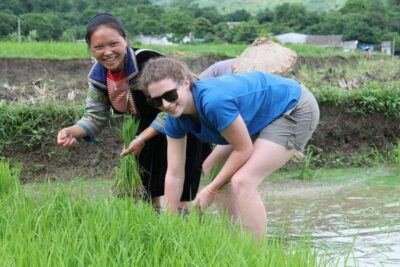
Muong Hoa Valley Trek and Local Ethnic Villages
Read our review →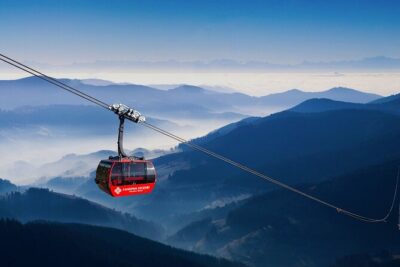
Fansipan Cable, Cat Cat Village & Moana Instagram Tour
Read our review →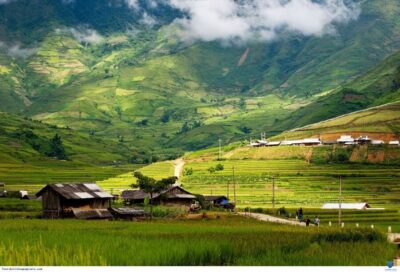
Sapa 3 Days 2 Nights Trekking Tour (1 Night In Ta Van Village, 1 Night In Hotel)
Read our review →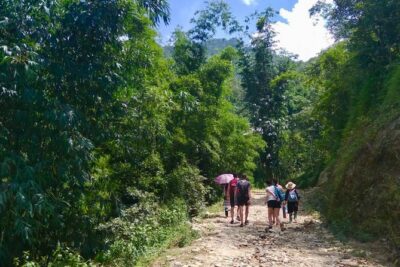
Number one top rated ethical cultural trekking and homestay by ETHOS
Read our review →
2-Day Sa Pa Ethnic Homestay Tour & Trek with Limousine Bus
Read our review →
Cat Cat Village, Moana, Fansipan Cable Car, Alpine Coaster – Sapa
Read our review →Browse the lists this tour appears in