
Reviewed · COFFEE & EGG COFFEE TOURS
Ha Noi Egg Coffee Class
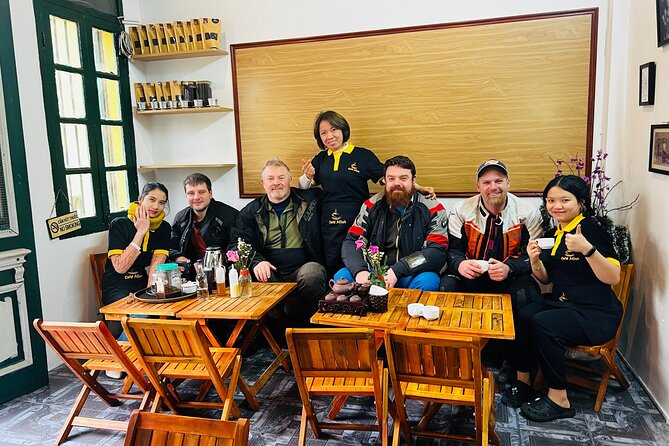
Hanoi’s famous egg coffee is part dessert, part caffeine, and far more enjoyable when you learn how it is made. At Cafe Minh, near Ta Hien Beer Street, you prepare the ingredients yourself while an English-speaking instructor explains Vietnamese coffee culture and the small tricks behind each cup.
I like the hands-on format, and I like the chance to compare Hanoi’s stronger milk coffee with the sweeter Saigon style. Instructors named in class feedback include Iris, Ha, and Jen, and some sessions also cover salt or coconut coffee. The main consideration is that the menu may vary, and the class is short, so this is an introduction rather than a full barista course.
Key points to know before booking

- Three Vietnamese coffee styles in about an hour: Egg coffee, Hanoi-style espresso-strength milk coffee, and sweeter Saigon-style milk coffee are the core recipes.
- A small class of up to eight people: You get room to work and ask questions instead of watching from the back of a large group.
- Cafe Minh in the Old Quarter: The meeting point at 53 Luong Ngoc Quyen Street is only a few meters from Ta Hien Beer Street.
- Hands-on preparation: You are not simply handed a finished drink. You prepare ingredients and follow the process step by step.
- The menu can include extra styles: Depending on the instructor and session, you might also make salt coffee, coconut coffee, or coffee foam art.
- A practical Hanoi souvenir: The class includes a small gift, and you leave with recipes and techniques you can try again at home.
Why egg coffee is worth an hour in Hanoi
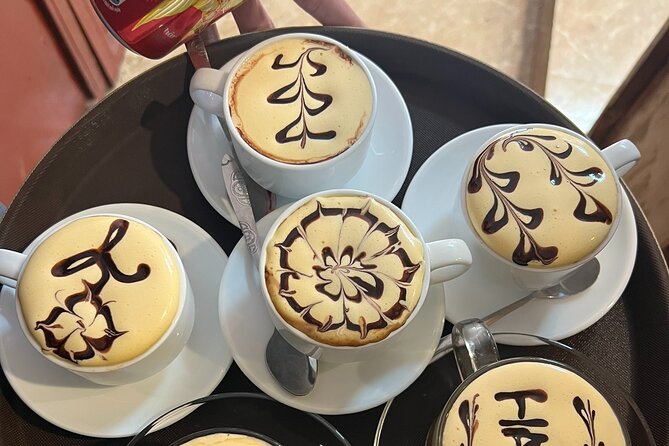
Egg coffee is one of Hanoi’s most distinctive drinks. It combines strong Vietnamese coffee with a creamy egg mixture, creating something closer to a soft coffee dessert than a plain morning cup.
That unusual texture is the reason a class makes sense. You can order egg coffee in many Hanoi cafes, but making it yourself helps explain why the drink takes more care than its short ingredient list suggests. The mixture must be prepared properly, and the balance between coffee and cream matters.
The teacher begins with the background of Vietnamese coffee culture, then moves into the ingredients and equipment. You prepare the components yourself, with instructions given in English. That order is useful because you understand what you are doing before the practical work starts.
This is not a formal culinary school. It is a friendly cultural activity with enough technique to make it rewarding. You should expect a clear introduction, guided preparation, and tasting rather than professional certification or advanced coffee training.
More coffee stops in Hanoi:
- Hanoi Coffee Workshop: Taste Salt, Coconut and Egg Coffee
★ 5.0 · 1,286 reviews - Hanoi: Vietnamese Street Food Tour with Egg Coffee
★ 4.9 · 315 reviews - Decadent Vietnamese “Egg Coffee” Workshop in Hồ Chí Minh City
★ 5.0 · 150 reviews
Finding Cafe Minh near Ta Hien Beer Street
The class takes place at Cafe Minh, at 53 Luong Ngoc Quyen Street in Hanoi’s Old Quarter. The cafe is only a few meters from Ta Hien Beer Street, a useful landmark if you are already exploring the area.
The location makes this easy to pair with other Old Quarter plans. You can attend before an evening walk, fit it between sightseeing stops, or use it as a break from the narrow streets and small shops nearby. Since the class lasts about 50 minutes to one hour, it does not consume a large part of your day.
You need to make your own way to the meeting point. The activity begins and ends there, with no transport included. A mobile ticket is accepted, which keeps the arrival process simple.
Give yourself enough time to locate number 53 on Luong Ngoc Quyen Street. The Old Quarter has closely packed buildings and busy lanes, so arriving a little early is sensible even though the venue is easy to identify once you reach the right stretch of road.
What happens during the coffee class
The session starts with an introduction to Vietnamese coffee, its culture, and the drinks you will prepare. The instructor then lays out the ingredients and equipment and explains how each item is used.
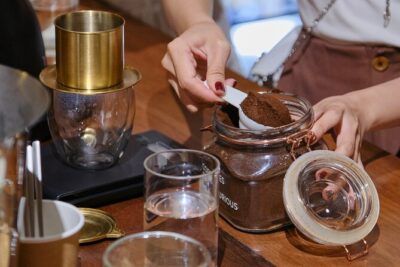
You roll up your sleeves and take part in the preparation. That matters because the class is built around doing, not just listening. You can see the texture change as the ingredients are worked together and ask for help if a step is unclear.
The first central recipe is egg coffee. It is the most labor-intensive drink in the class, but also the one most closely linked with Hanoi. The teacher explains the method carefully, then lets you try it yourself.
Next comes Hanoi-style milk coffee, made with espresso-strength coffee. This drink is less theatrical than egg coffee, but the small details are important. The result is strong, concentrated, and closely tied to Hanoi’s coffee habits.
The third recipe is Saigon-style milk coffee. It is a little sweeter, giving you a useful comparison between two regional approaches. Tasting the drinks side by side helps you understand that Vietnamese coffee is not one single style.
The standard description names these three drinks, but class feedback also refers to salt coffee and coconut coffee. Some sessions have included coffee foam art made with chocolate syrup as well. If one of those drinks is especially important to you, ask what will be covered when you arrive or before booking.
Egg coffee, salt coffee, and coconut coffee
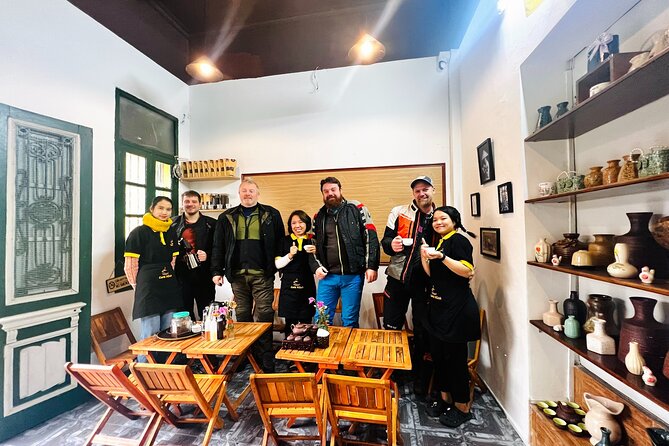
The class can be especially appealing if you want to take home more than one recipe. Egg coffee is the headline drink, but salt and coconut coffee give you different flavors and textures.
Salt coffee adds a savory edge to the coffee, while coconut coffee is sweeter and more dessert-like. The coconut version has been such a hit with some people that they have continued ordering it during their time in Vietnam and wanted to learn the method before leaving.
That variety also helps if you are not sure you will enjoy egg coffee. You can compare the drinks instead of committing to one unusual recipe. It is a good way to learn which style fits your taste.
Still, do not assume every class includes all of these options. The stated core program is egg coffee, Hanoi milk coffee, and Saigon milk coffee. Salt coffee, coconut coffee, and foam decoration have appeared in some sessions, so the exact selection may depend on the instructor or operating conditions.
A few more ways to spend a day in Hanoi
- Hanoi Coffee Experience: 6 Brews, 9 Recipes & 3 Liquor Tastings
★ 5.0 · 2,945 reviews - Hanoi: Salt Coffee Workshop Awake Your Senses With 6 Brews
★ 5.0 · 792 reviews - Hoi An: Vietnamese Coffee Culture and Coffee Making Class
★ 4.9 · 4,006 reviews - Early Morning My Son Sanctuary Trip w. Champa Food & Coffee
★ 5.0 · 629 reviews
The instructors and the small-group feel

The class has a maximum of eight people. That is a useful size for a practical activity. You should be able to see the preparation clearly, handle the equipment, and ask questions without waiting through a long line of participants.
Several instructors have been praised by name in class feedback. Iris is described as showing the preparation of salt, egg, and coconut coffee, along with chocolate-syrup foam art. Ha is noted for explaining Vietnamese coffee culture in an engaging way. Jen is described as a welcoming host who shared practical information openly.
You may not have a particular instructor on your chosen date, so treat those names as examples rather than a guarantee. The important point is that the class is led by an English-speaking teacher who explains both the cultural background and the practical steps.
Some sessions begin with tea and a small snack before the coffee preparation. That detail is not presented as a fixed part of every class, so consider it a possible extra rather than something to book solely for.
What the price includes at $12
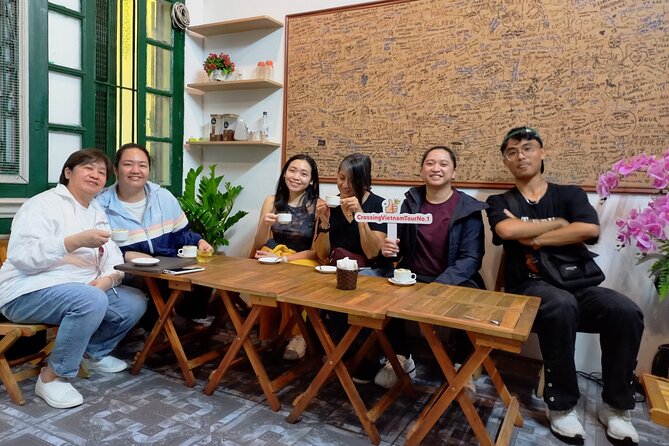
At $12 per person, the class offers good value if you want an activity rather than another cafe stop. Your fee covers the English-speaking teacher, ingredients, equipment, admission, and a small gift at the end.
You do not need to buy coffee supplies for the session or bring special equipment. That keeps the cost straightforward. You are paying for instruction and participation, not just for three drinks served at a table.
The value is strongest for people who plan to recreate the drinks at home. You learn the basic method, see the ingredients being used, and can ask questions while preparing the recipes. The included gift adds a small reminder of the class, though it should not be treated as a major souvenir.
Food and additional drinks are not included. Personal purchases and tips are also separate. If you are looking for a full meal, this is not the right activity. Think of it as a compact coffee workshop that may include a snack or tea in some sessions.
Who will enjoy this Hanoi activity
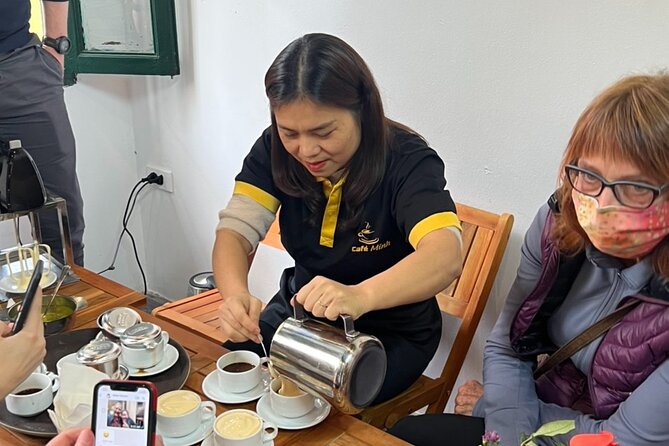
This class suits coffee lovers, curious eaters, couples, families, and solo visitors who like short cultural activities. It is also a good choice if you want something interactive after several hours of sightseeing.
Families can take part because the activity is simple and guided. Children or non-coffee drinkers may be more interested in the preparation, foam, and unusual ingredients than in drinking every finished cup. The available information says most people can participate, but it does not give a specific minimum age.
You should book it if you enjoy learning how local food and drink are made. The class gives you a story to take home, not just another item checked off a sightseeing list.
It may be less suitable if you want a serious lesson in espresso extraction, latte art, or professional cafe work. The focus is Vietnamese coffee culture and accessible recipes. The short duration keeps it easy, but it also limits how far the technique can go.
Timing, group size, and practical planning
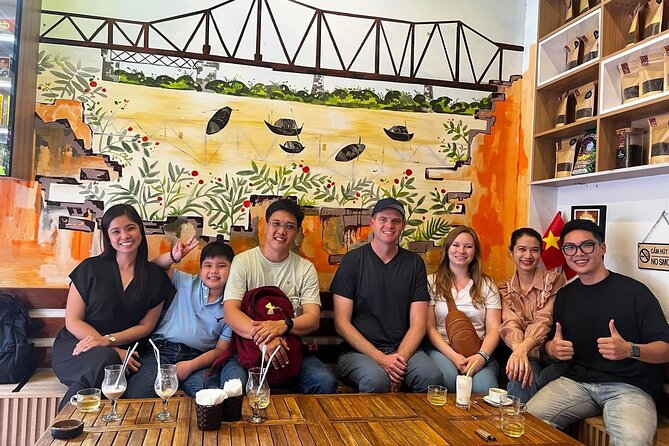
Classes are offered at numerous times during the day. That flexibility is helpful in Hanoi, where plans often shift with traffic, weather, and the energy of the Old Quarter.
Choose a time that leaves room for finding the cafe and settling in. The class itself takes roughly 50 minutes to one hour, but your total commitment will be longer once you allow for walking to the venue.
The group limit is eight people. A small class usually makes a hands-on format work better, especially when everyone needs to prepare ingredients and watch demonstrations.
The program can change because of weather or operating conditions. This is not usually a major concern for an indoor coffee class, but it is worth remembering when building a tightly timed Hanoi schedule.
If your plans change, free cancellation is available until at least 24 hours before the start time. Cancellations or changes made less than 24 hours in advance are not accepted for a refund. The cut-off follows Hanoi local time.
A useful souvenir beyond the included gift
The most useful thing you take away may be the method itself. After the class, you will know more about how egg coffee is assembled and how the regional milk coffees differ.
One family used the class as a starting point for finding coffee equipment in Hanoi, including a handheld frother in a kitchen-goods street. That is a practical idea if you want to recreate the drinks at home. The class does not include a full equipment-shopping trip, but it can help you understand what sort of tool you might need.
You also receive a small gift. The exact gift is not specified, so do not book this expecting a particular item. Its value is mainly as a modest reminder of the activity.
If you want to continue experimenting, ask the instructor to repeat the proportions and preparation steps before you leave. A quick note on your phone can be more useful than relying on memory after tasting several strong coffees.
Is the Hanoi Egg Coffee Class worth booking?
I would book this class if you want a low-cost, hands-on way to understand one of Hanoi’s signature drinks. The combination of egg coffee, two milk-coffee styles, an English-speaking teacher, and a maximum of eight people gives you more than a simple cafe visit for $12.
The strongest reasons to go are the practical instruction, the short duration, and the chance to compare Hanoi and Saigon coffee styles. The possible salt or coconut coffee sessions add even more appeal, especially if you already enjoy Vietnamese coffee.
Skip it if you want an advanced barista course, a long food tour, or a guaranteed menu of every coffee style mentioned in class feedback. For most people with an hour to spare in the Old Quarter, though, this is a pleasant and useful stop. You drink the result, learn the method, and leave with a better sense of why Hanoi takes its coffee seriously.
FAQ
Where does the Hanoi Egg Coffee Class take place?
The class takes place at Cafe Minh, 53 Luong Ngoc Quyen Street, Hang Buom, Hoan Kiem, Hanoi, Vietnam. It is only a few meters from Ta Hien Beer Street.
How long does the class last?
The activity lasts approximately 50 minutes to one hour. The stated itinerary allows about one hour for the class.
What coffee drinks are included?
The core class teaches Hanoi egg coffee, Hanoi-style espresso-strength milk coffee, and Saigon-style milk coffee. Some sessions have also included salt coffee, coconut coffee, and coffee foam art.
Is the class taught in English?
Yes. An English-speaking teacher leads the class and explains the history, culture, ingredients, and preparation methods.
How many people can join?
The maximum group size is eight people.
Are ingredients and equipment provided?
Yes. The class includes the ingredients and equipment needed for the coffee preparation.
Is food included?
Additional food and drinks are not included. Some class sessions have begun with tea and a snack, but this is not specified as a guaranteed inclusion.
Does the class include a gift?
Yes. A small gift is included after the class.
Can I cancel for a refund?
You can cancel for a full refund at least 24 hours before the experience start time. Cancellations or changes made less than 24 hours in advance are not accepted for a refund.
More hands-on workshops in Hanoi
- Hanoi Cooking Class: Culture, Local Market & Meaning CSR Impact
★ 5.0 · 5,147 reviews - 5 Traditional Dishes Hanoi Cooking Class with Market Trip
★ 5.0 · 4,890 reviews - Vietnamese Food Cooking Class in Hanoi with Market Experience
★ 5.0 · 778 reviews - Hanoi: Handcrafted Wood Carving Workshop with Local Artisan
★ 5.0 · 733 reviews
Newly reviewed in Hanoi
- Hanoi City Half Day Private Tour: Hidden Corners & Train Street★ 4.5 · 291 reviews
- Hanoi Maya Kitchen: Traditional Cooking Class & Market Tour★ 5.0 · 287 reviews
- Private Street Food Tour – Walking Hanoi Old Quarter★ 5.0 · 294 reviews
- Vegan Street Food & Stories of Hanoi★ 5.0 · 282 reviews
- Halong Bay 2D1N BEST CRUISES All-Inclusive: Transfer, Meals, Kayak, Cave, Island★ 5.0 · 288 reviews
- Bicycle Tours Hanoi: Half Day Hanoi City Bicycle Tours★ 5.0 · 317 reviews
- Hanoi Bicycle Tours: Half Day Bicycle Tours Hanoi Countryside★ 5.0 · 322 reviews
- Sea Lion Luxury 5-Star Halong Day Cruise,Buffet Lunch,Shuttle Bus★ 5.0 · 302 reviews
Coffee & Egg Coffee Tours, compared.
Hanoi Coffee Workshop: Taste Salt, Coconut and Egg Coffee
Read our review →
Decadent Vietnamese “Egg Coffee” Workshop in Hồ Chí Minh City
Read our review →
MOTORBIKE TOUR TO PONGOUR FALLS- SILK- COFFEE FARM
Read our review →Browse the lists this tour appears in