
Reviewed · HIKING & TREKKING
Sapa 1 Day Long Trek: Trek to Hau Thao and Sa Seng Villages
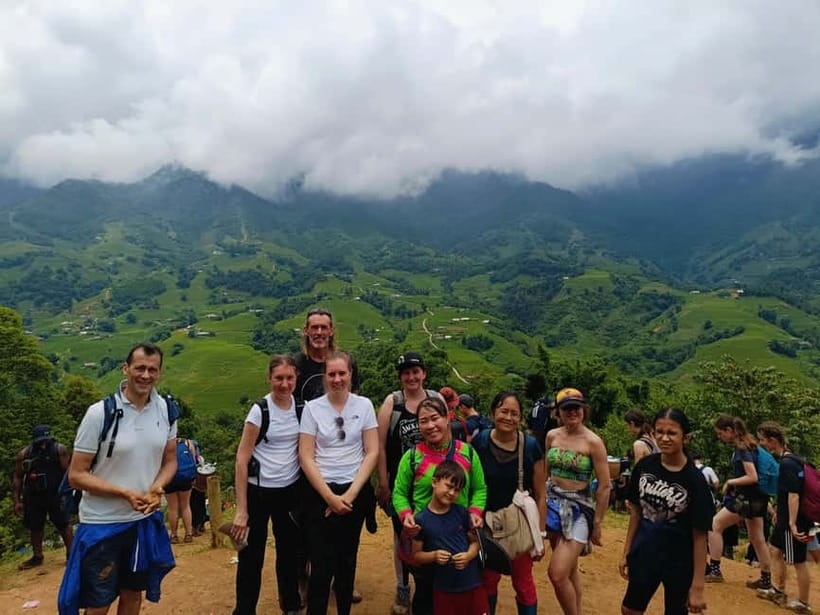
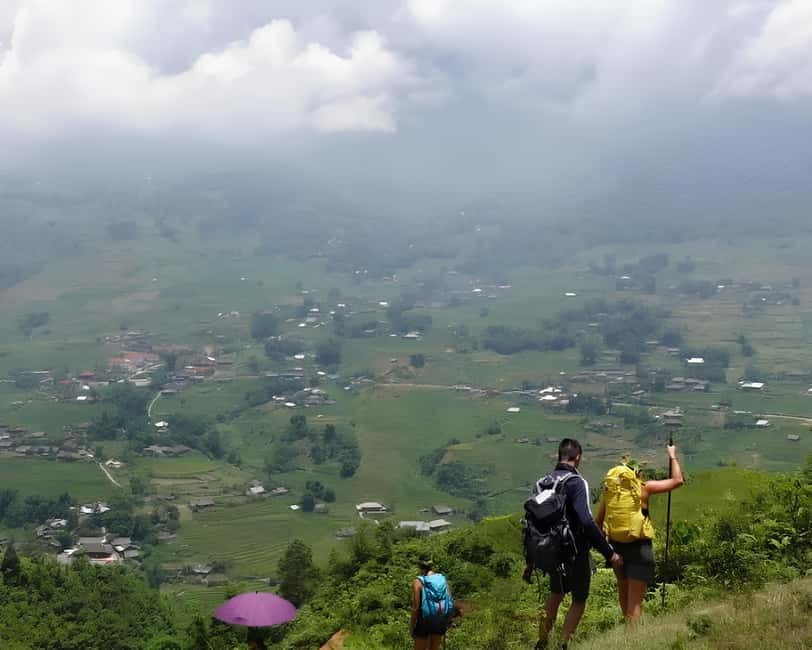
Sa Seng Mountain gives this Sapa trek its best opening act: a hard uphill climb followed by wide views toward Mount Fansipan and the Muong Hoa Valley. From the high trail, you look down on rice terraces, the valley river, and the scattered villages below before walking into daily life in Hang Da and Hau Thao.
I like the mix of big mountain views and small village details, especially the chance to see buffaloes, pigs, horses, rice work, and traditional homes rather than just stopping at a viewpoint. I also like the guides. Mao, Mama Mao, Su, Zozo, Vang, and others are repeatedly praised for their humor, care, and clear explanations of Hmong customs.
The catch is simple: this is not an easy stroll. The first climb is steep, some routes cover about 15 kilometers, and rain can turn bamboo paths and downhill trails into slippery mud. If you want a gentle walk, choose another Sapa outing.
Key points at a glance
- Sa Seng summit views: Climb for distant views of Fansipan and the full sweep of Muong Hoa Valley.
- Three mountain communities: Walk through Hang Da, Hau Thao, and the route toward Giang Ta Chai, all connected by rural trails.
- Local Hmong guides: Guides such as Mao, Su, Zozo, and Vang explain farming, homes, marriage customs, and village life.
- Family-style lunch: Stop around midday for a freshly prepared meal at a local family-run restaurant.
- Real hiking conditions: Expect uneven ground, elevation gain, mud in wet weather, and a long descent.
- Good value at $24: Pickup, guide, transport back, lunch, water, and village entrance fees are included.
Sa Seng Mountain starts the day with a serious climb
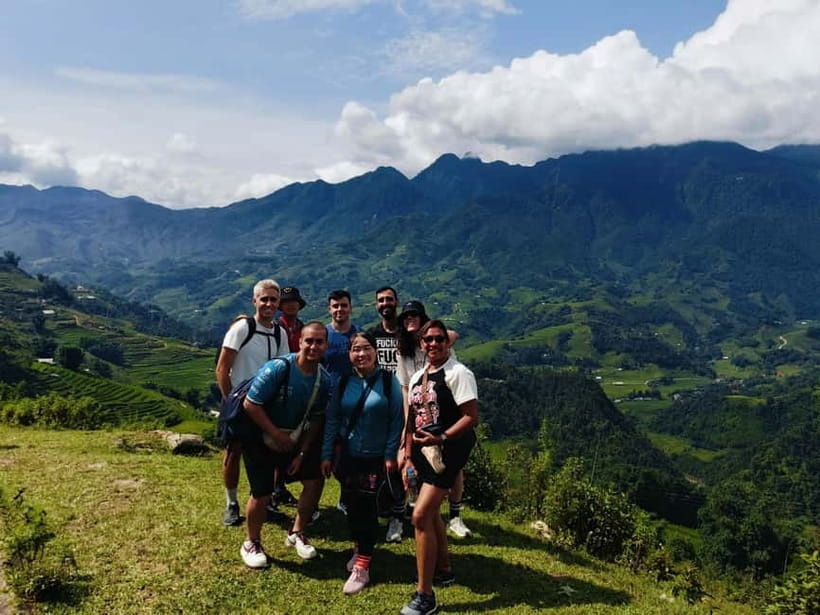
Pickup is around 9:00 AM from accommodation in Sapa Town. After a short briefing, you begin with roughly a 1-kilometer uphill section. That distance sounds modest, but the climb is uneven and can feel sharp in the cool mountain air.
After about an hour of steady walking, you reach the top of Sa Seng Mountain. This is the visual high point of the day. On a clear morning, you can see Mount Fansipan, which rises to 3,143 meters and is the highest peak in Indochina.
The view also opens across Muong Hoa Valley. You can see the broad river, steep slopes, and the famous rice terraces cut into the hillsides. The terraces change character with the season. At some times of year, fields may look freshly planted, while at others they may be full of mature rice or freshly harvested plots.
Fog is a real part of Sapa, not a rare inconvenience. Several outings have begun with almost no visibility, only for the clouds to lift later. On a wet or misty day, you may miss Fansipan and the grand valley view, but the guide can still point out plants, farming areas, and the shape of the surrounding hills.
A useful way to think about this section is that the climb is the price of admission. You work first, then earn the view. Wear shoes with a firm sole and take your time. The guide can adjust the pace, but you should be comfortable walking uphill for an extended stretch.
Other walking country around Sapa:
- Sa Pa: Muong Hoa Valley Trek and Local Ethnic Villages
★ 4.6 · 864 reviews - Sapa: Eco Adventure Terrace Fields and Local Villages Trek
★ 4.9 · 636 reviews - Number one top rated ethical cultural trekking and homestay by ETHOS
★ 5.0 · 456 reviews
Down through Hang Da and into Hmong village life
From Sa Seng, the route heads downhill toward Hang Da Village. The change is noticeable. You leave the open summit behind and enter a more intimate setting of paths, homes, fields, and animals.
You might see buffaloes, pigs, and horses along the way. These are not staged farm displays. They are part of the local economy and daily work, used for transport, farming, or household needs. That small detail helps you understand why the valley looks the way it does.
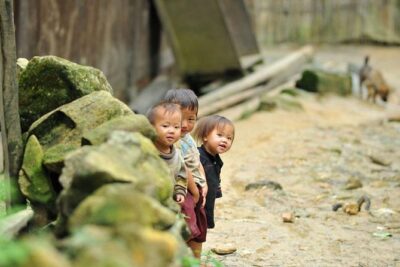
Hang Da is home to a Black Hmong community. A good guide makes this more than a quick walk past houses. You can ask about farming, house-building, family customs, and the work that keeps mountain households going. Guides from nearby communities, including Mao and Su, are especially good at turning a walk into a conversation about their own lives.
The route can be rough. Reviews of the walk describe rocky areas, fields, bamboo forest, and uneven paths. In dry weather, this makes the trek a moderate challenge. In rain, it becomes much harder, particularly where mud collects under bamboo or on steep descents.
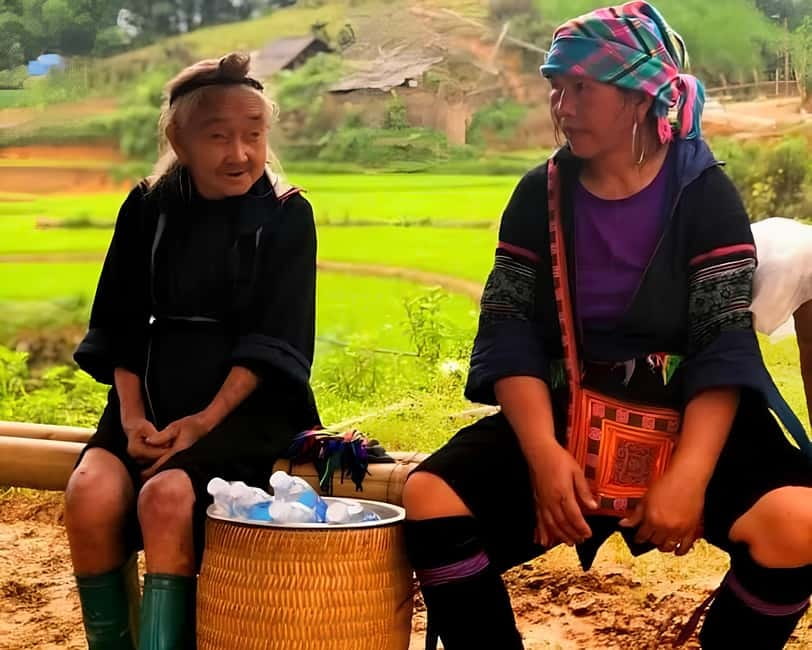
Some visitors are followed for part of the walk by local women selling scarves and other handmade goods. You may want to buy something, but you should also expect direct sales at the end of the trek. A friendly but firm no thank you is enough if you are not interested.
A generous local lunch around midday
Lunch comes at a family-run local restaurant around noon. The meal is home-style rather than polished, and that is part of the appeal. You get a proper break, a chance to sit with the group, and a taste of food prepared in the area where you are walking.
The portions have been described as generous, and the food is freshly cooked. Drinks may cost extra, so keep some cash handy. Bottled water is provided during the trek, but bringing a little additional water is sensible on a hot day.
This pause matters more than it might seem. By late morning, you have already climbed and descended mountain paths. Lunch gives your legs a rest before the second section, which continues through villages and farming areas.
The meal is also a useful social point. Small groups can get to know one another, and guides often explain local ingredients or customs while everyone eats. The group size varies, but small groups are available and are a good choice if you want easier conversation and more direct help on rough ground.
Hau Thao reveals the working countryside
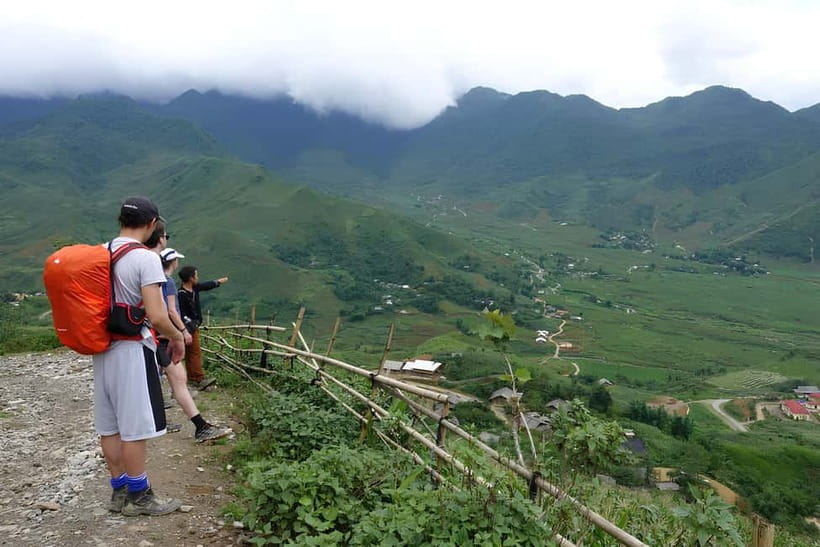
After lunch, you continue toward Hau Thao Village, another Black Hmong community in the mountains. The route passes through a mixture of fields, village paths, bamboo, and open hillside. It feels less like a sightseeing circuit and more like a day spent moving through a working rural area.
The season will shape what you see. Farmers may be planting rice, tending crops, or harvesting. If the fields are active, your guide can explain how rice is grown on steep ground and why the terraces are built in layers.
This is where the cultural side of the walk earns its place. The guide may discuss marriage rituals, house-building methods, farming, and everyday customs. The quality of the explanation depends on the individual guide, but the strongest guides are open, funny, and happy to talk about their own families and communities.
Chau, Vang, Zozo, Su, and Mama Mao have all been praised for being attentive and good company. That personal connection matters in Sapa. You are not simply looking at houses from a path. You are hearing how people use the land and how village life fits around the seasons.
The route also offers a more grounded view of Sapa than a short viewpoint visit. You see the work behind the scenery: steep paths maintained for access, animals moving between homes, fields shaped by hand, and houses built for mountain conditions.
A few more ways to spend a day in Sapa
- From Sapa: 1-Day Guided Trek to Lao Chai & Ta Van with Lunch
★ 4.9 · 416 reviews - Sapa Motorbike Tour With Local Guide 1 Day – Waterfalls, Villages
★ 5.0 · 254 reviews - Motorbike 1 Day Off The Beaten Track, Hidden Villages, rice field
★ 5.0 · 203 reviews - Sapa: Motorbike Tour 1 Day Visit Waterfalls & Local Villages
★ 5.0 · 112 reviews
The final walk and ride back from Giang Ta Chai
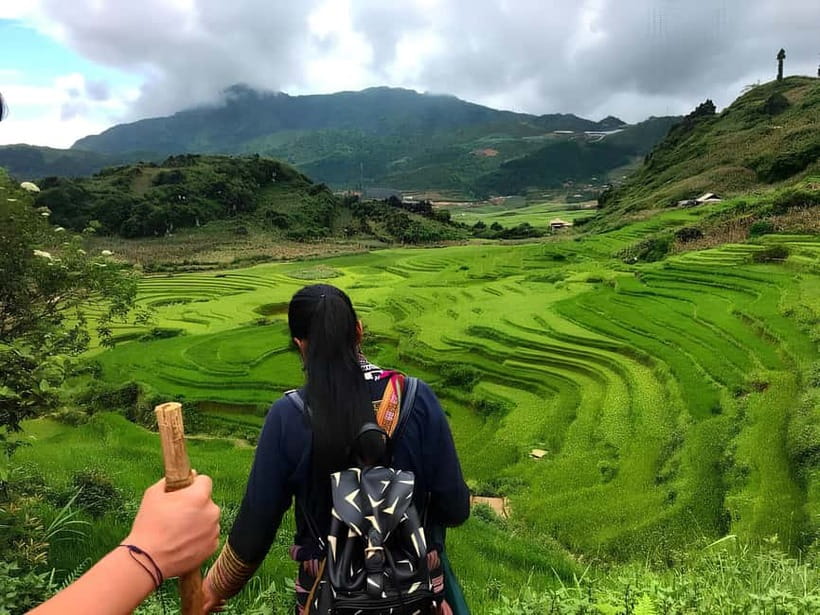
The trek finishes in Giang Ta Chai Village, with the vehicle waiting for the return to Sapa. The scheduled finish is around 3:30 PM, though the full activity can run from seven to ten hours depending on pace, stops, weather, and transport.
The final section may be easier in some conditions and tiring in others. One outing covered about 15.6 kilometers, with roughly 630 meters of ascent and 1,100 meters of descent. Those figures give you a better idea of the effort than the simple phrase full-day trek.
Downhill walking can be harder on tired knees than the first climb. Concrete roads near the end may also feel surprisingly tough after hours on mountain paths. If you have knee trouble or tire easily, use trekking poles if you have them and tell your guide early.
The return vehicle is a welcome finish. You do not have to walk all the way back to Sapa Town. Drop-off after the activity can be arranged, though locations outside town may involve an extra charge.
How difficult is this Sapa trek?
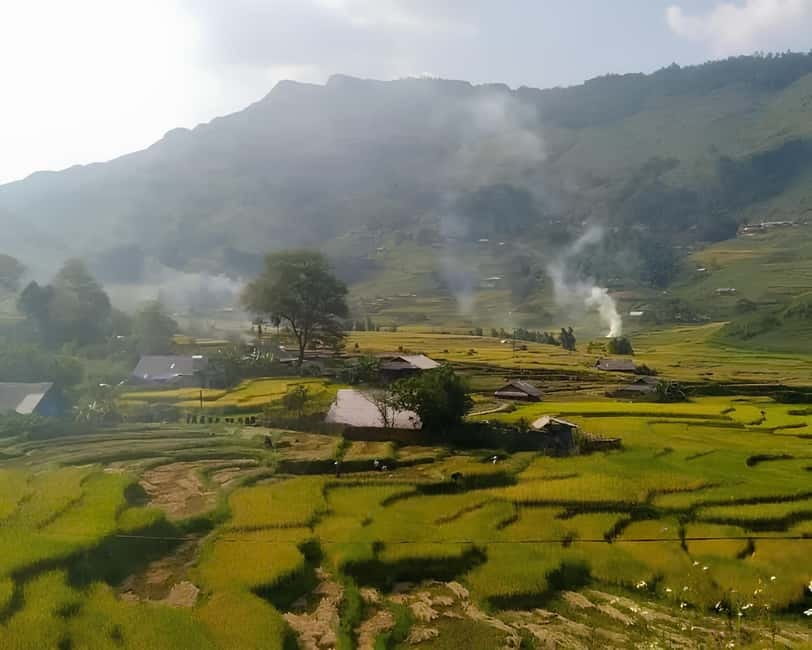
I would rate it moderate to challenging, with the weather making the biggest difference. The opening climb is steep, the path is uneven, and a long day can add up even if no single section looks extreme.
In dry conditions, you should manage it if you are reasonably active and comfortable walking for several hours. In wet conditions, the difficulty rises quickly. Mud, slippery bamboo trails, and steep descents demand careful footing. One guide provided gum boots during heavy rain, but proper hiking shoes are still the better plan.
This activity is not suitable for people with mobility impairments, heart problems, kidney problems, altitude sickness, or limited vision. It is also not designed for wheelchair users, very young children, babies, or people over the stated age and weight limits. The minimum age restrictions are listed broadly for children under four, so check the exact rule when booking if you are traveling with a child.
Bring sunglasses, a sun hat, another hat if useful, and cash. Add a light rain layer, sturdy shoes, and clothes that can get dirty. Bare feet, alcohol, drugs, weapons, sharp objects, fireworks, explosives, and baby strollers are not allowed.
What $24 includes, and where the value sits
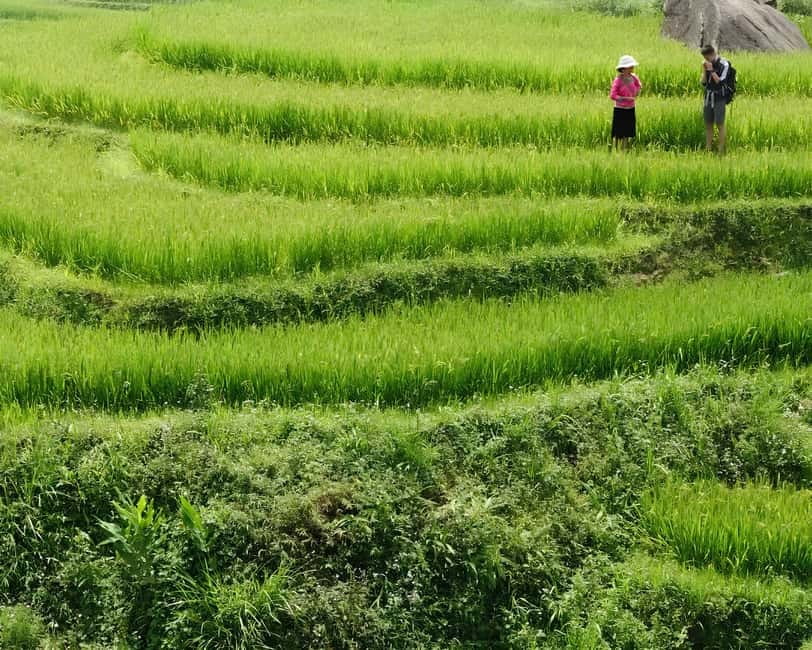
At $24 per person, this is strong value if you want a full day outdoors. The price includes pickup and drop-off in Sapa Town, a local English-speaking guide, the trek, village and route entrance fees, bottled water, lunch, and private transportation back to town.
The guide is the main reason the price works. Without local context, you would still see attractive valleys and terraces, but you would miss much of the meaning behind the houses, farming, customs, and animals. A good guide also helps on muddy or steep sections, which is a practical benefit rather than just an educational one.
The main extras are anything not listed, including some drinks at lunch and transport from outside Sapa Town. If your accommodation is in town, pickup is included. If you are staying farther out, you can request a paid transfer to a meeting point such as Sapa TT Homestay on Dien Bien Phu Street or July Hotel Central Sapa on To Vinh Diem Street.
You can cancel up to 24 hours ahead for a full refund, and reserve now while paying later. Leave a WhatsApp number when booking so the operator can confirm pickup and weather details.
Who should book this walk?
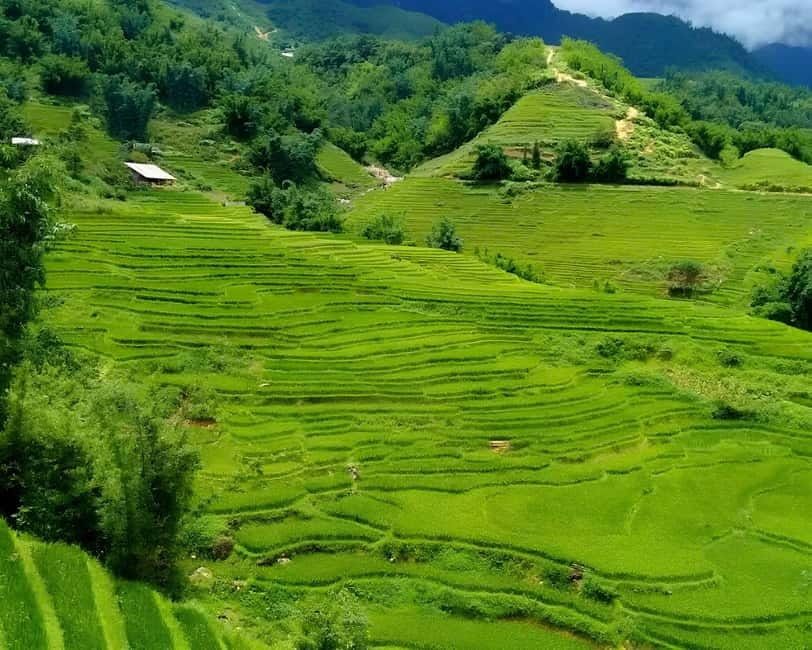
I would choose this trek if you have one full day in Sapa and want scenery plus contact with rural communities. It gives you more substance than a short photo stop and avoids spending the whole day in town.
It suits active couples, small groups, solo visitors who enjoy meeting people, and anyone curious about Black Hmong culture. It also works well if you want a local guide but do not have time for a one or two night homestay. Several people who enjoyed the day suggested adding a homestay when time allows, but the day trip still gives you a useful introduction.
I would think twice if your main goal is a guaranteed Fansipan view. Fog can hide the summit and valley for much of the day. I would also skip it if rain is forecast and you dislike slippery ground, or if you have not done a long walk before.
The guides are a major strength, but guide style can vary. Names such as Mao, Mama Mao, Su, Zozo, Vang, and La appear among the people leading these outings. The best guides make the day feel relaxed and personal, but you should still judge the activity by the route, not only by the guide’s personality.
Should you book the Sa Seng and Hau Thao trek?
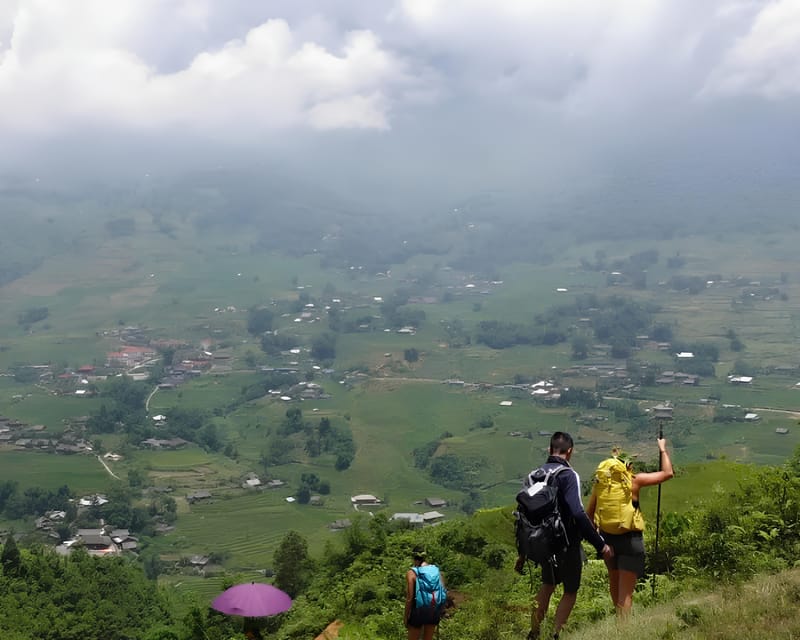
Book it if you want a demanding but rewarding day with mountain views, rice terraces, village paths, a local meal, and a guide who can explain Hmong life. At $24, the inclusion of transport, lunch, water, and entrance fees makes it a practical choice for a short stay in Sapa.
Skip it if you need an easy walk, a dry-weather guarantee, or a fixed panoramic view. For everyone else, bring proper shoes, accept that the weather may change the scenery, and expect your legs to remember the day.
FAQ
How long does the Sapa trek take?
The activity lasts about 7 to 10 hours. Pickup is scheduled around 9:00 AM, and the trek generally finishes around 3:30 PM in Giang Ta Chai before the vehicle returns you to Sapa.
Which villages does the trek visit?
The route goes through Sa Seng, Hang Da, and Hau Thao, with the trek finishing in Giang Ta Chai Village.
Is lunch included?
Yes. A traditional lunch at a family-run local restaurant is included. Drinks may need to be paid for separately, so bring cash.
Is pickup available from my hotel?
Pickup is included if your accommodation is in Sapa Town. If you are staying outside town, you can request a paid transfer to a meeting point.
What languages does the guide speak?
Guides are available in English and Vietnamese. Local guides such as Mao, Su, Zozo, and Vang lead different outings.
What should I bring?
Bring sunglasses, a sun hat or hat, and cash. You should also wear sturdy hiking shoes and be ready for mud or rain, especially during the wetter months.
Newly reviewed in Sapa
- 1-Day Sapa Long Trek – Rice Field Terrace, Ethnic Culture★ 4.9 · 62 reviews
- Sapa: Motorbike Tour 1 Day Visit Waterfalls & Local Villages★ 5.0 · 112 reviews
- Sapa Motorbike Tour With Local Guide 1 Day – Waterfalls, Villages★ 5.0 · 254 reviews
- Sapa Motorbike Experience: Local Life, Rice Fields & Waterfalls★ 5.0 · 70 reviews
- Motorbike 1 Day Off The Beaten Track, Hidden Villages, rice field★ 5.0 · 203 reviews
- From Sapa: 3-Day Ha Giang Loop with Safe Rider (max 8 pax)★ 4.9 · 285 reviews
- Sapa: Fansipan Cable, Cat Cat Village, Moana Instagram Tour★ 4.8 · 294 reviews
- Cat Cat Village, Moana, Fansipan Cable Car, Alpine Coaster – Sapa★ 5.0 · 420 reviews
Hiking & Trekking, compared.

Halong Bay Full Day with Kayaking, Hiking viewpoint, Cave – Deluxe To Luxury
Read our review →
Muong Hoa Valley Trek and Local Ethnic Villages
Read our review →
Sapa 3 Days 2 Nights Trekking Tour (1 Night In Ta Van Village, 1 Night In Hotel)
Read our review →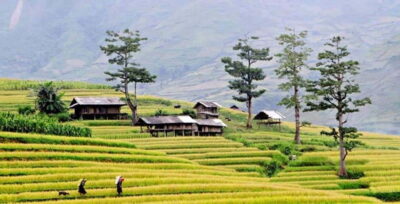
Eco Adventure Terrace Fields and Local Villages Trek
Read our review →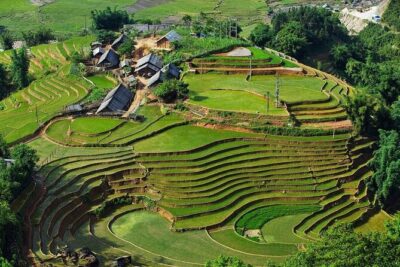
3-Day Trekking Adventure of Sapa from Hanoi – Stay Ta Van Village
Read our review →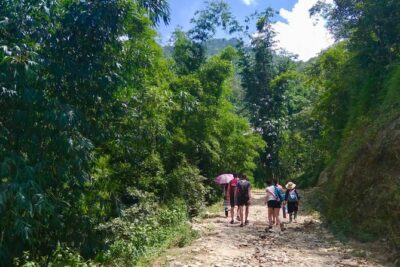
Number one top rated ethical cultural trekking and homestay by ETHOS
Read our review →
2-Day Sa Pa Ethnic Homestay Tour & Trek with Limousine Bus
Read our review →Browse the lists this tour appears in