
Reviewed · HIKING & TREKKING
1-Day Sapa Long Trek – Rice Field Terrace, Ethnic Culture
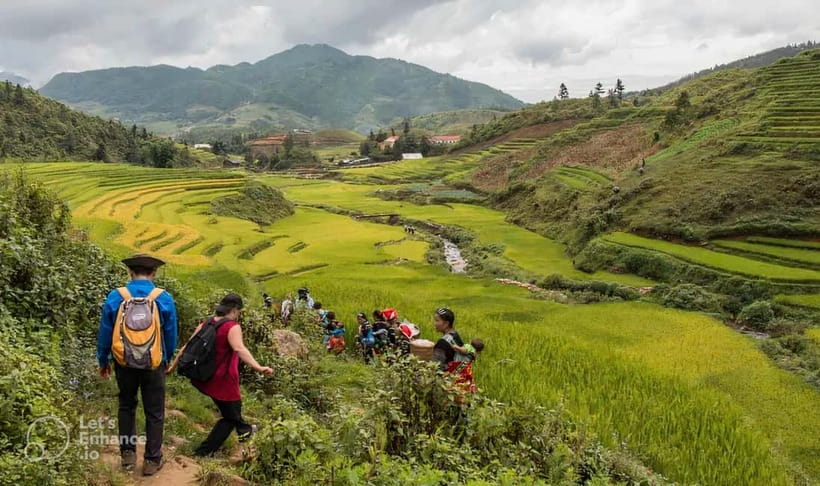
Sapa’s best day walks leave the town quickly and head into the Muong Hoa Valley, where rice terraces drop toward streams and mountain villages. This route links Y Linh Ho, Lao Chai, and Ta Van, giving you scenery, food, and a close look at Hmong and Giay life in one long day.
I like the small groups of up to 10 and the chance to walk with a local Hmong guide. I also like the home-cooked lunch and the textile work, especially the indigo dyeing and handwoven clothing. The catch is simple: this is a real mountain trek, not a gentle stroll. Mud, uneven ground, steep sections, and 12 to 15 kilometers can test tired knees.
Key points
- Muong Hoa Valley views: Rice terraces, streams, mountain ridges, and broad views toward Fansipan.
- Three village areas: Walk through Y Linh Ho and Lao Chai before finishing in Giay-run Ta Van.
- Local Hmong guides: Guides such as Mao, Sung, Giang, Soso, and Chai are known for patient pacing and clear English.
- Home-cooked lunch: Eat family-style food in a local home, with dietary needs accepted if arranged ahead.
- Mud is part of the deal: Good hiking shoes are essential, and rubber boots may be useful after rain.
- Strong value: At $24 for seven hours, lunch, guiding, village access, and return transport, the price is hard to beat.
Why this Sapa trek works so well
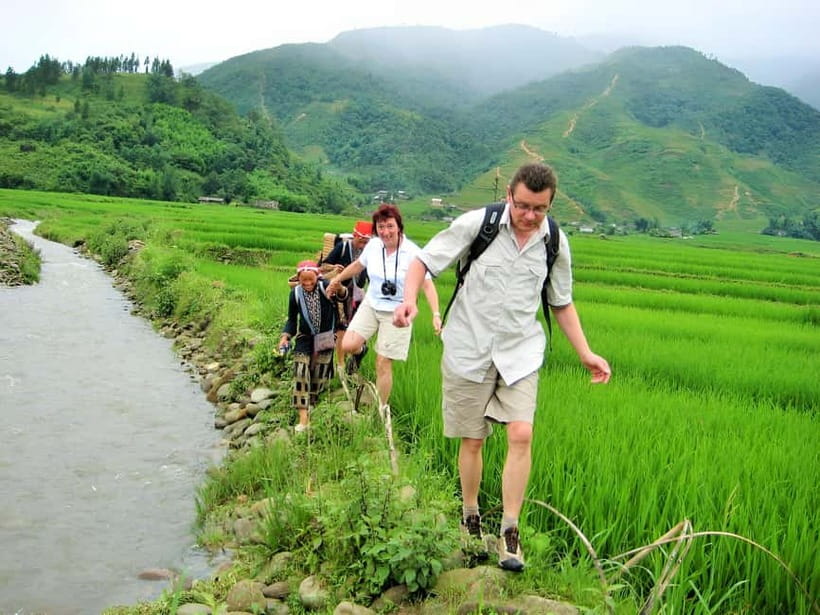
At $24 per person, this is one of the better-value ways to see rural Sapa in a single day. Your fee covers a local guide, hotel pickup in Sapa town, village entrance fees, lunch, a small bottle of water, rain protection, and transport back at the end.
The value comes from the combination. You are not paying only for a view from the roadside. You get a long walk through working farmland, time in several communities, a meal with a local family, and explanations of clothing, farming, and village life.
The tour has a 4.9 rating from 62 ratings, with repeated praise for the guides. Names change by departure, but Mao, Sung, Giang, Soso, Chai, Thao, Ly, and Ma Ma Je are among the guides who have led recent walks. The common thread is personal attention. Guides explain local customs, adjust the pace, answer questions, and help with tricky sections.
That said, the low price does not turn a mountain trail into a polished park path. You may walk on slippery mud, uneven stone, narrow tracks, and steep ground. The route can feel easy in dry weather and much harder after rain.
Other walking country around Sapa:
- Sa Pa: Muong Hoa Valley Trek and Local Ethnic Villages
★ 4.6 · 864 reviews - Sapa: Eco Adventure Terrace Fields and Local Villages Trek
★ 4.9 · 636 reviews - Number one top rated ethical cultural trekking and homestay by ETHOS
★ 5.0 · 456 reviews
9:00 AM: Leaving Sapa for the Fansipan view
The day begins at 9:00 AM in Sapa town. Pickup is available from hotels in town, or you can meet at Sapa TT Homestay on Dien Bien Phu Street or Sapa View Spring Garden Hotel on Muong Hoa Street.
If you are staying outside Sapa town, pickup may cost extra. Confirm this before booking. The same applies to your return drop-off if your accommodation is beyond the usual town area.
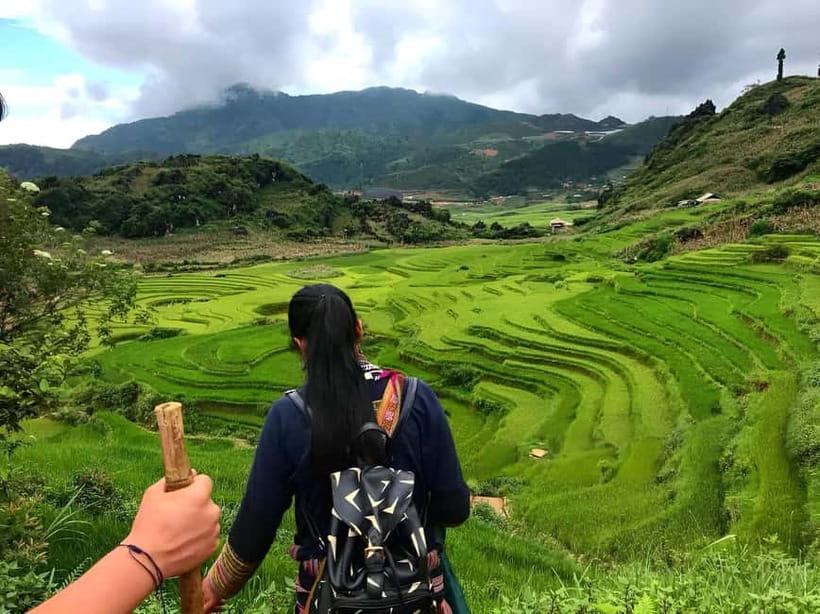
The opening climb takes you toward a quiet ridge with a view of Fansipan, known as the Roof of Indochina. Clouds often gather around the Hoang Lien Son range, so the mountain may appear clearly, partly, or not at all. Your guide can adjust the route in poor weather, as Mao did for one group that chose lower ground instead of climbing into mist.
This early section sets the tone. You gain a higher view, then begin dropping toward the valley. It is worth having your camera ready, but do not expect one fixed viewpoint or a long formal photo stop. The pleasure comes from the changing views as the trail bends and descends.
Walking down into Muong Hoa Valley
The route opens into the broad Muong Hoa Valley, where rice terraces follow the contours of the slopes. These fields are not decorative gardens. They are working farmland shaped by generations of careful water management and hand labor.
The best views come when the terraces hold water or when rice covers the slopes in green. During other parts of the growing cycle, the colors are quieter. Mist and cloud can also soften the mountain views, but they give the valley a moody, close-up feel.
You will pass streams and open fields, with high peaks around you. The route gives you time to notice ordinary details: people working in the fields, paths between terraces, homes set along the valley, and the way a village sits within its farmland.
The trail is not always obvious as a smooth walking path. After rain, mud can cover the surface, and downhill sections may be more tiring than the early climb. Bring water, pace yourself, and keep your hands free when possible. A walking pole is not listed as included, so you may want to bring one if you use it on uneven ground.
Y Linh Ho and the wooden bridge
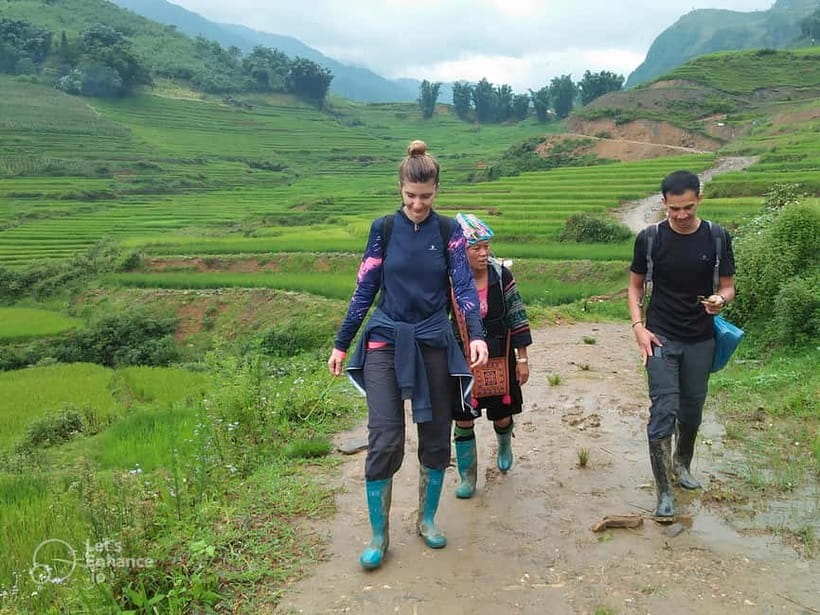
Around 11:00 AM, you reach Y Linh Ho, a quiet Hmong village beside a clear river. A wooden bridge marks one of the memorable crossings on the route, and the path continues through open rice fields.
This is a good place to slow down. The river, terraces, and surrounding peaks create a more peaceful setting than central Sapa. Your guide can explain the Hmong presence in the area and point out features of daily life that are easy to miss when you walk alone.
Do not expect a museum-style cultural presentation. The value is in seeing villages and farmland as part of normal life. You may see Hmong women working in the fields, local homes, and people moving between communities.
Some local women may walk alongside you and offer handmade goods for sale. This can be helpful on slippery ground, but it may also feel persistent when you want to enjoy the scenery quietly. A polite no is enough if you do not want to buy anything. If you do shop, carry Vietnamese cash, since the tour price does not cover personal purchases.
A few more ways to spend a day in Sapa
- From Sapa: 1-Day Guided Trek to Lao Chai & Ta Van with Lunch
★ 4.9 · 416 reviews - Sapa 1 Day Long Trek: Trek to Hau Thao and Sa Seng Villages
★ 4.6 · 344 reviews - Sapa Motorbike Tour With Local Guide 1 Day – Waterfalls, Villages
★ 5.0 · 254 reviews - Motorbike 1 Day Off The Beaten Track, Hidden Villages, rice field
★ 5.0 · 203 reviews
Lao Chai and lunch with a Hmong family
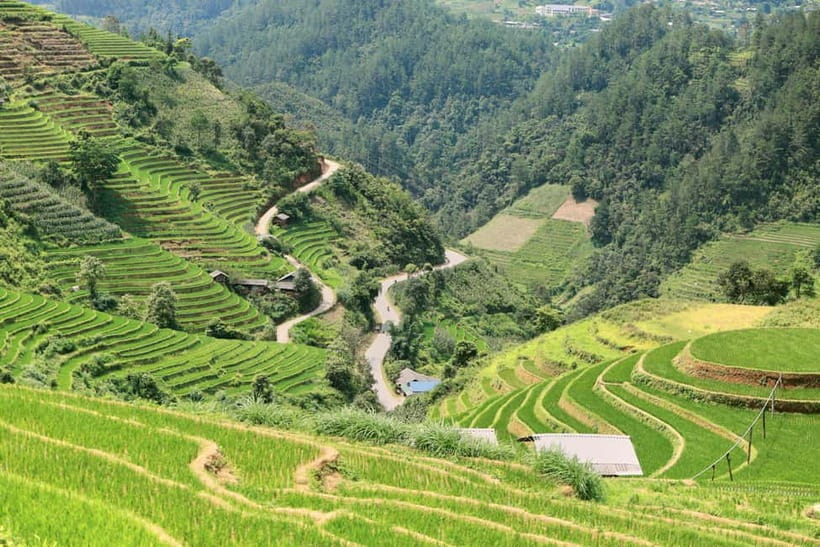
The route continues toward Lao Chai and Lao Chai Sang, with more terraces and valley views along the way. Around 12:30 PM, lunch is served with a Hmong family in a simple mountain home.
This is one of the day’s strongest features. A home-cooked meal gives the walk a human center. Rather than stopping only at a standard restaurant, you share food in a local setting and get a little time to talk, rest, and take in the surroundings.
The meal is served family-style, with several dishes and portions that can be replenished if needed. Exact dishes may change, so think of it as seasonal home cooking rather than a fixed menu. Dietary restrictions and allergies can be handled if you tell the operator in advance.
Lunch is also your main rest point. Seven hours on the trail is a long day, and the second half still includes walking. Eat enough, refill your water, and do not rush back onto the trail simply to keep to the clock.
One practical point: the schedule repeats the 12:30 PM arrival time in its description, so the exact lunch timing may shift with group pace and trail conditions. Guides generally allow time for photos and breaks, but a private group may have more flexibility than a full group of 10.
Hmong clothing, indigo, and local craft
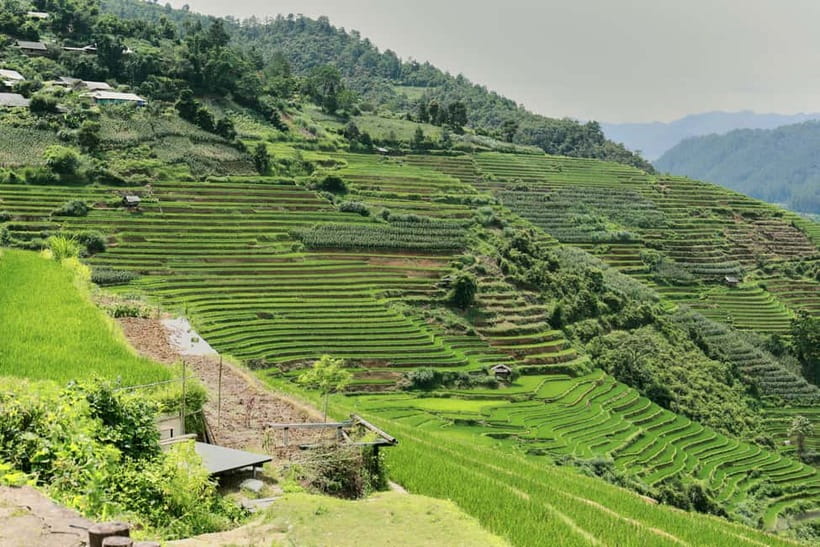
Around 2:00 PM, the tour visits a local stop where you learn how Hmong clothing is made. The process includes handwoven fabric and natural dyes, with special attention to indigo work.
Indigo dyeing helps explain why traditional clothing takes so much time and skill. The color is built through repeated work rather than simply painted onto cloth. The craft stop gives you something more useful than a quick photo: a way to understand the labor behind the clothing you see in the villages.
The advertised highlights also include learning traditional incense making in Ta Van. The day’s detailed route gives more attention to clothing and dyeing, so ask at booking if incense making is an active part of your departure. Activities can vary with local availability and route conditions.
You may also see handmade scarves and other goods for sale. Buy only what you want, and remember that purchases are separate from the tour cost. A small purchase can support local makers, but you should not feel obliged to buy in order to enjoy the cultural stop.
The final walk to Ta Van
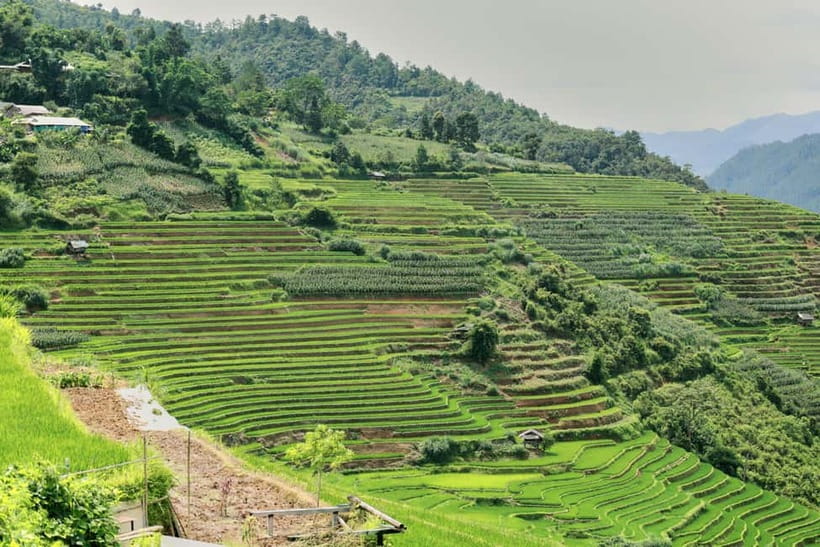
The final section leads toward Ta Van, a Giay village reached at about 3:00 PM. By this point, the route has moved from open valley views to a closer look at village life and mountain paths.
Ta Van gives the day a useful contrast. You have spent much of the route learning about Hmong communities, then finish in a Giay village. The visit is not a long lecture. Instead, the guide helps you connect the homes, fields, clothing, and local customs you have seen along the way.
Your driver waits in Ta Van and takes you back to Sapa. Return transport matters here. After 12 to 15 kilometers, you will be glad not to walk back or bargain for a ride.
Some descriptions call the walk a half-day experience, but the stated duration is seven hours, and several routes cover more than 13 kilometers. Plan on a full, active day. The exact distance depends on the route and conditions.
What the guides add to the day
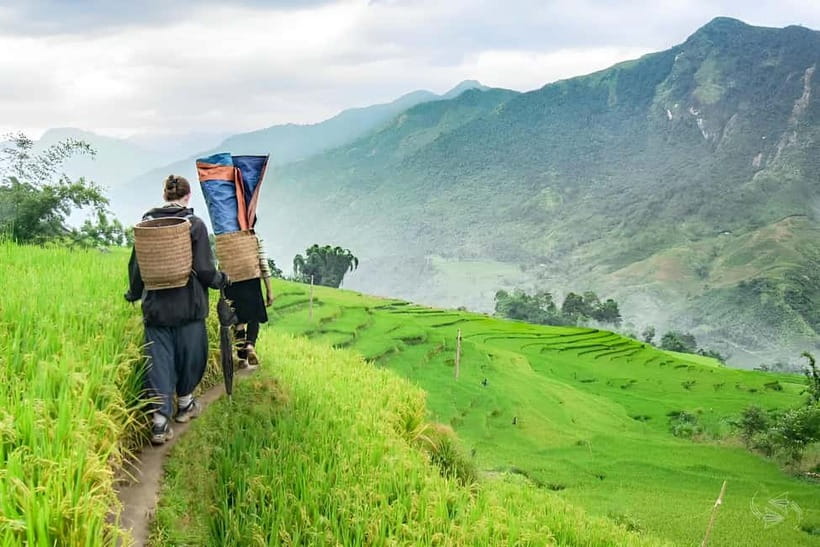
The local guide is the main reason this tour feels different from following a map. Guides come from the villages, speak English or Vietnamese, and explain the region through their own connection to it.
Mao is described as flexible with pace and route choice. Sung is praised for clear English, humor, and careful attention. Giang explains traditions in a way that makes the walk easy to follow. Soso has taken smaller groups along quieter paths, while Chai is known for keeping people comfortable on difficult sections.
Names are not guaranteed, so book the tour for the local guide format rather than for one particular person. If a specific guide matters to you, request that guide when you reserve, but understand that schedules can change.
The group limit is 10. Several departures have had only four people, which makes it easier to match walking speeds and ask questions. If you are slow on hills or worried about muddy ground, ask for a private or smaller arrangement if available.
How hard is the route?
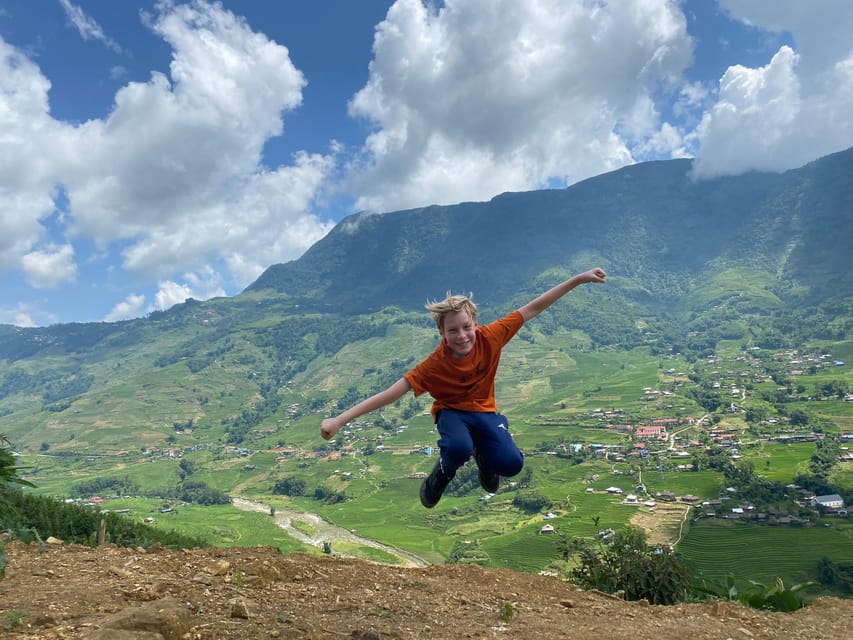
You should be comfortable with a long mountain walk. The route includes uphill and downhill sections, uneven trails, and slippery ground after rain. One departure covered more than 13 kilometers, and other accounts put the distance near 15 kilometers.
This tour is not suitable for people with mobility limitations, back or heart problems, visual impairments, wheelchair users, a fear of heights, or certain existing medical conditions. If you tire easily, ask about a shorter or gentler custom route before booking.
Wear hiking shoes with good grip. In wet weather, rubber boots can be rented locally, and several people found them useful. Running shoes may work in dry conditions, but they are a poor choice for deep mud or slick slopes.
Pack a hat, sunscreen, sunglasses, insect repellent, water, and a raincoat. Rain ponchos or raincoats are provided, but having your own layer is still sensible. Tours operate in rain or sun, and the valley can change quickly.
Who should book this day?
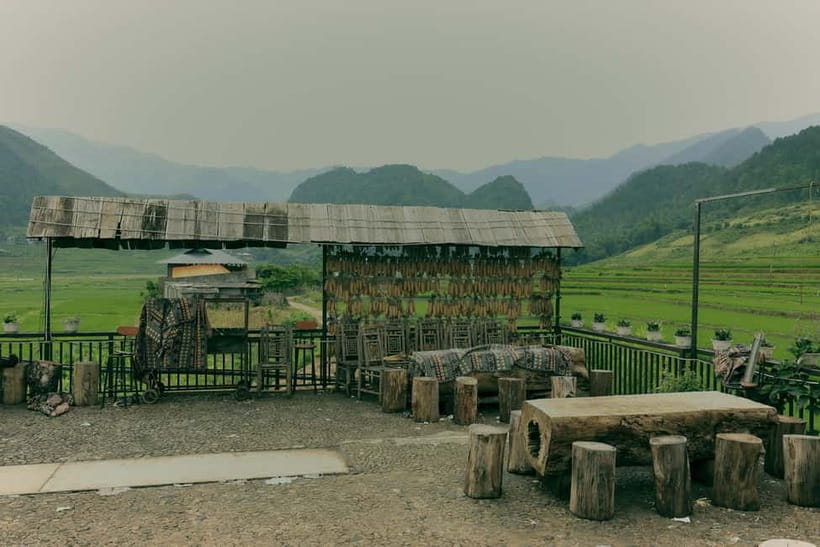
I would choose this trek if you have one free day in Sapa and want more than a viewpoint and a short village stop. It suits people who enjoy walking, local food, small groups, and direct contact with rural communities.
It is also a good fit if you want a first introduction to Hmong and Giay culture without committing to a multi-day homestay. The route gives you several village areas, a meal, craft learning, and a ride back to town before evening.
I would not choose it if your priority is comfort, a short walk, or a fixed luxury schedule. Mud and sales offers can be annoying, and mist may hide Fansipan. The tour is strongest when you accept changing weather and a working rural setting as part of the day.
Should you book the Sapa Long Trek?
At $24, I think this is a strong buy for an active day in Sapa. The price includes the parts that often add up elsewhere: a local guide, village access, lunch, pickup in town, rain gear, and transport back from Ta Van.
Book it if you want terraces, village life, a generous home meal, and a guide who can explain what you are seeing. Skip it if steep, muddy trails are a serious concern. For most reasonably fit walkers, the effort pays off, but bring proper shoes and enough patience for a day that follows mountain conditions rather than a city timetable.
FAQ
How long does the Sapa Long Trek take?
The activity lasts about seven hours, beginning around 9:00 AM and finishing with transport back to Sapa after reaching Ta Van at about 3:00 PM.
How far will I walk?
The distance varies by route and conditions. Several routes cover about 12 to 15 kilometers, with one reported route exceeding 13 kilometers.
Where does the trek start?
The trek starts in Sapa town. Pickup is available from hotels in Sapa town, or you can meet at Sapa TT Homestay or Sapa View Spring Garden Hotel.
Is lunch included?
Yes. A home-cooked lunch with a local family is included. The operator can cater to dietary restrictions if you provide details in advance.
What villages does the route visit?
The route includes Y Linh Ho, Lao Chai or Lao Chai Sang, and Ta Van. You will see Hmong communities and finish in a Giay village.
What language does the guide speak?
Guides speak English and Vietnamese. The trek is led by local Hmong guides from nearby villages.
Is the trek suitable after rain?
The tour runs in wet weather, but the trail can become muddy and slippery. Wear hiking shoes with good grip, or consider renting rubber boots locally.
Is hotel pickup included?
Pickup and drop-off are included for locations in Sapa town. Pickup from outside town may cost extra, and you should confirm the fee before the activity.
Can I cancel or pay later?
You can cancel up to 24 hours in advance for a full refund. Reserve now and pay later options are available.
Newly reviewed in Sapa
- Sapa: Motorbike Tour 1 Day Visit Waterfalls & Local Villages★ 5.0 · 112 reviews
- Sapa Motorbike Tour With Local Guide 1 Day – Waterfalls, Villages★ 5.0 · 254 reviews
- Sapa Motorbike Experience: Local Life, Rice Fields & Waterfalls★ 5.0 · 70 reviews
- Motorbike 1 Day Off The Beaten Track, Hidden Villages, rice field★ 5.0 · 203 reviews
- From Sapa: 3-Day Ha Giang Loop with Safe Rider (max 8 pax)★ 4.9 · 285 reviews
- Sapa: Fansipan Cable, Cat Cat Village, Moana Instagram Tour★ 4.8 · 294 reviews
- Sapa 1 Day Long Trek: Trek to Hau Thao and Sa Seng Villages★ 4.6 · 344 reviews
- Cat Cat Village, Moana, Fansipan Cable Car, Alpine Coaster – Sapa★ 5.0 · 420 reviews
Hiking & Trekking, compared.

Halong Bay Full Day with Kayaking, Hiking viewpoint, Cave – Deluxe To Luxury
Read our review →
Muong Hoa Valley Trek and Local Ethnic Villages
Read our review →

Sapa 3 Days 2 Nights Trekking Tour (1 Night In Ta Van Village, 1 Night In Hotel)
Read our review →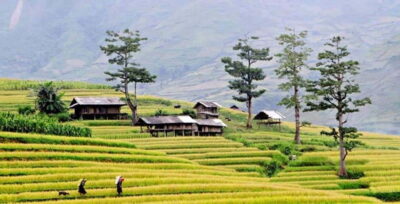
Eco Adventure Terrace Fields and Local Villages Trek
Read our review →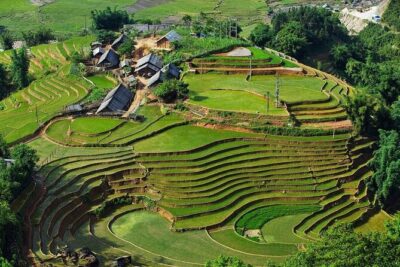
3-Day Trekking Adventure of Sapa from Hanoi – Stay Ta Van Village
Read our review →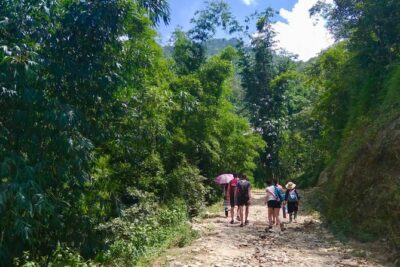
Number one top rated ethical cultural trekking and homestay by ETHOS
Read our review →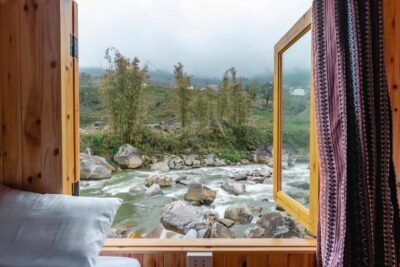
2-Day Sa Pa Ethnic Homestay Tour & Trek with Limousine Bus
Read our review →Browse the lists this tour appears in