
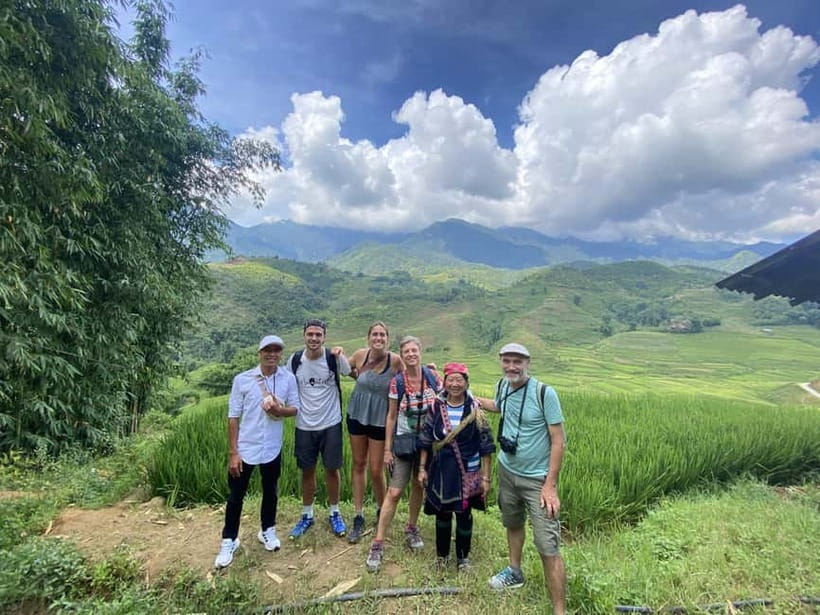
Reviewed · TREKKING & HOMESTAYS
From Sapa Homestay Hideaway 2-Day Local Life Adventure
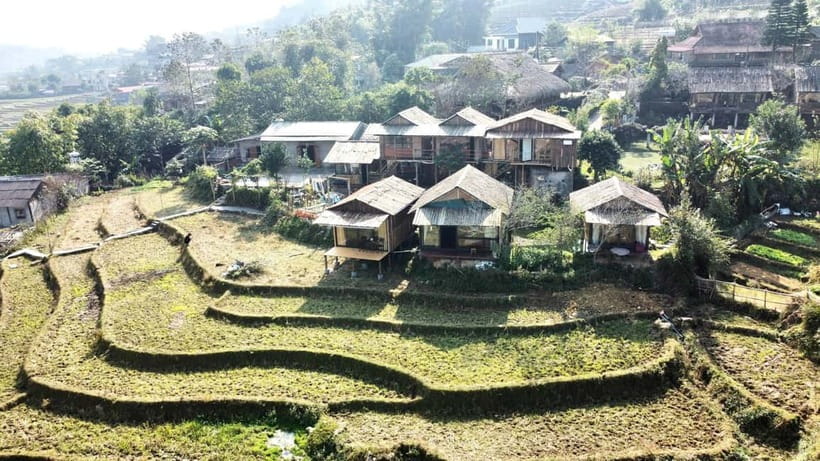
The best part of this two-day Sapa trek is the change in scenery as you leave town on foot. Rice terraces follow the Muong Hoa Stream, bamboo forests shade parts of the route, and villages linked to H’Mong, Dao, and Giay communities give the walk a human scale. You sleep in Ta Van rather than racing back to Sapa, which gives the trip a more relaxed rhythm.
I like the local cooking class and the sensible all-in price. You get two lunches, breakfast, dinner, a private homestay room, a guide, entrance fees, and a bus back to Sapa for $53 per person. The main drawback is the walking: about 10 kilometers on day one, with muddy and slippery sections in wet weather, followed by another village trek on day two.
Key points at a glance
- The first day is the big walking day: Expect about 10 kilometers from Sapa through Y Linh Ho and Lao Chai to Ta Van.
- Ta Van is your overnight base: You have a private room in a traditional homestay, plus dinner, free rice wine or happy tea, and a cooking lesson.
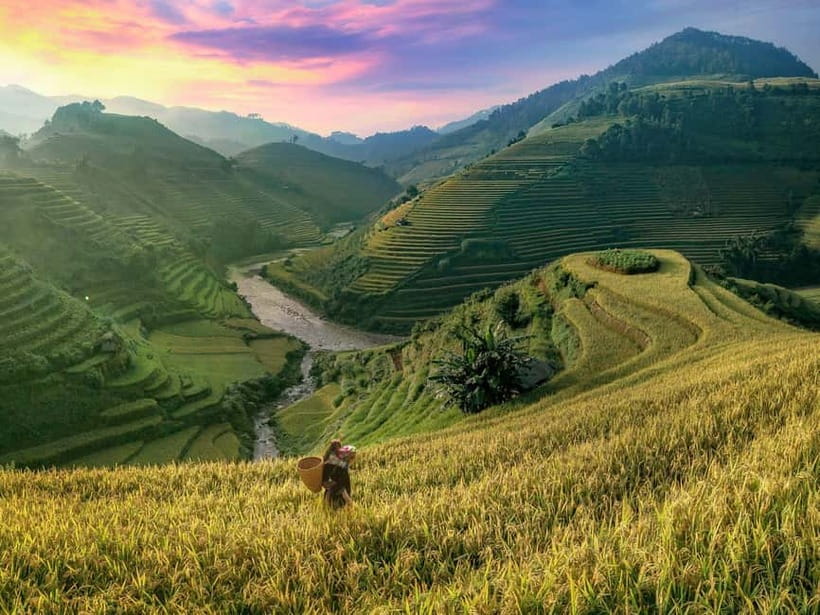
- The views are the main event: Rice terraces, Muong Hoa Stream, bamboo, and Hoang Lien Son mountain views shape the route.
- You meet several mountain communities: The itinerary includes Black H’Mong, Red Dao, and Giay villages.
- The return is easier: After the second morning trek and lunch, a bus takes you back to Sapa around 1:30 to 2:00 p.m.
- Pack light and wear proper shoes: Large bags are not allowed, and wet-season paths can be slippery.
Leaving Sapa for Y Linh Ho and Lao Chai
Your guide collects you between 8:15 and 8:30 a.m. from a hotel in Sapa town or from the meeting point at Sapa Delta Hotel. The walking begins soon after, with the route heading toward Y Linh Ho Village.
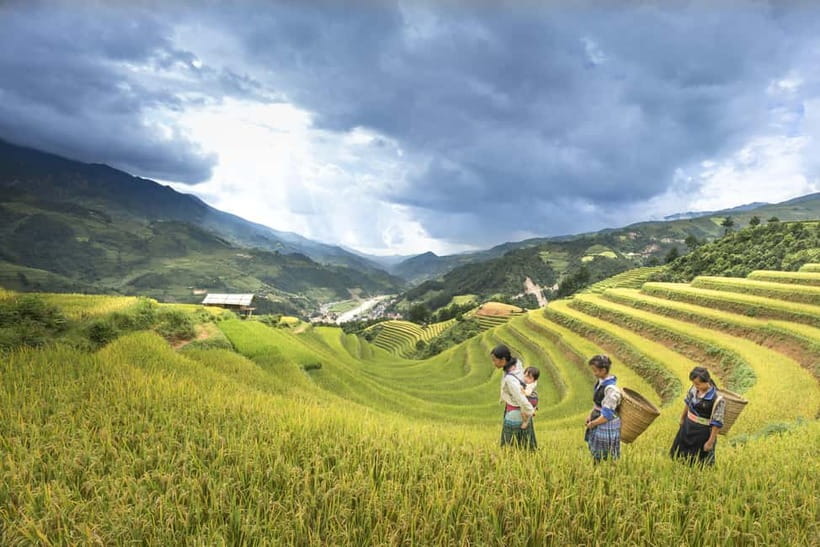
This opening section is a good reason to choose a trek instead of a short vehicle tour. You gradually leave Sapa behind and see the terrain change under your feet. The route passes through rice fields and along the Muong Hoa Stream, with broad views toward the Hoang Lien Son range. The scenery is especially striking in clear weather, though mist and cloud are common features of the area.
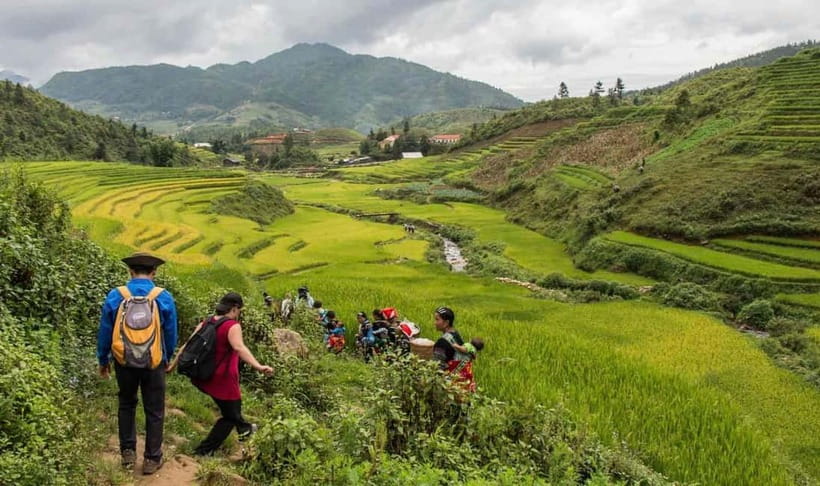
The path then continues toward Lao Chai, a village associated with the Black H’Mong community. The value here is not a single monument or formal attraction. It is the chance to see how homes, fields, animals, paths, and village life fit together in the valley. One past participant particularly enjoyed seeing buffalo, chickens, cats, dogs, ducks, and even a snake at a safe distance. Keep your eyes open as you walk, since the route is as much about everyday rural life as it is about mountain views.
Day one covers roughly 10 kilometers, so do not treat it as a gentle stroll. The distance is manageable for a reasonably fit person, but heat, steep ground, and wet paths can make it feel much longer. In summer, the heat may be harder than the walking itself. Bring water, and consider a small fan or spray bottle if you are sensitive to hot weather.
More Trekking Trips in Sapa
- Sa Pa: Muong Hoa Valley Trek and Local Ethnic Villages
★ 4.6 · 864 reviews - Sapa: Fansipan Cable, Cat Cat Village & Moana Instagram Tour
★ 5.0 · 777 reviews - Number one top rated ethical cultural trekking and homestay by ETHOS
★ 5.0 · 456 reviews
Lunch and a slower afternoon in Ta Van
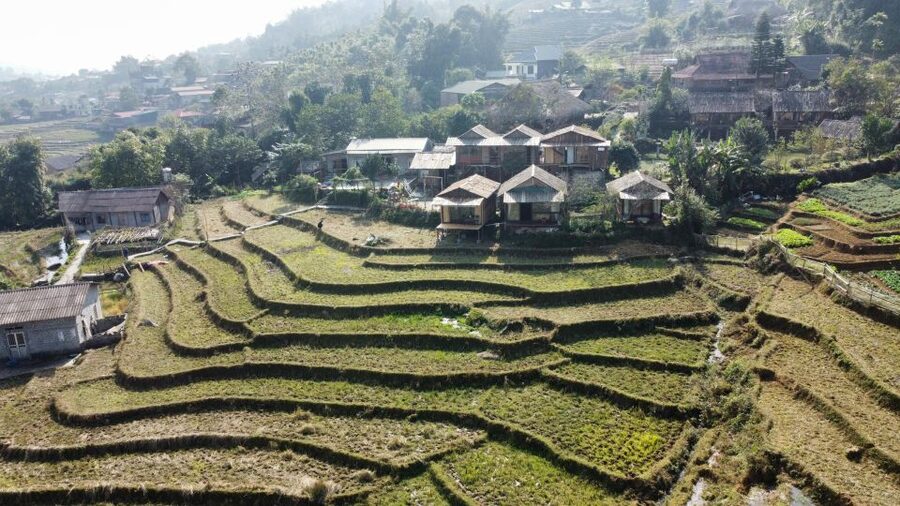
You reach Ta Van around 12:30 p.m. and have lunch at the homestay before checking in. This break matters. After a morning on the trail, a meal and time to rest make the overnight stay feel like part of the trip rather than just a place to sleep.
Ta Van is a useful base because you are not rushed out after taking photographs. The afternoon is free for exploring the village at your own pace. The schedule does not promise a separate guided walk during this period, so use it for a quiet look around, a rest in the homestay, or a short wander if your legs still have energy.
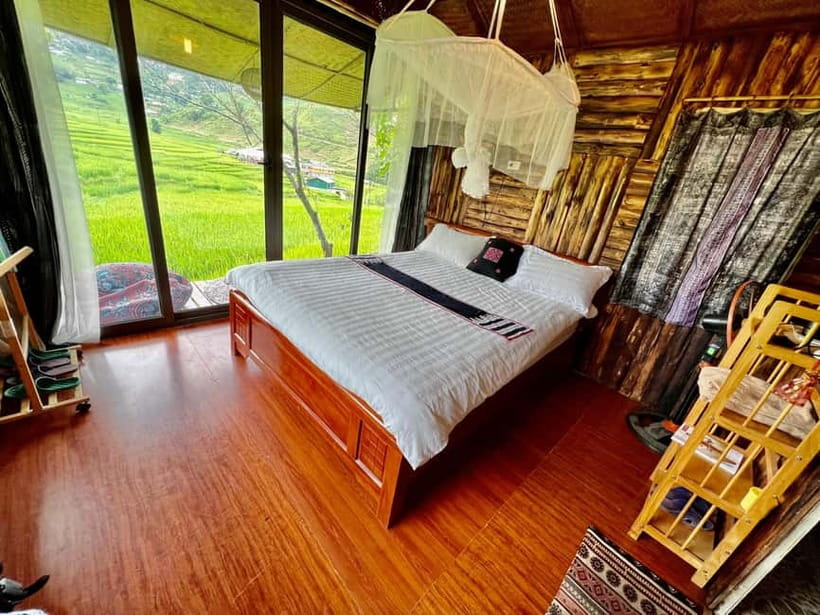
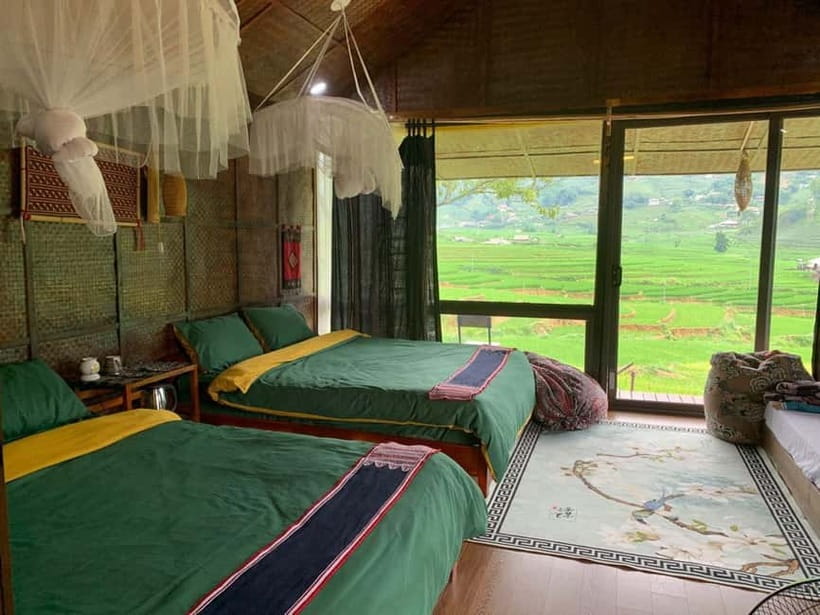
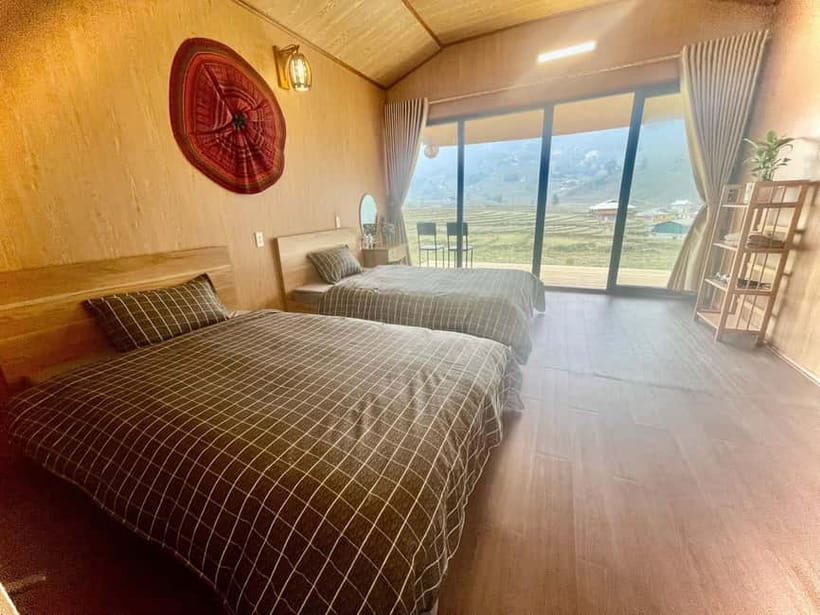
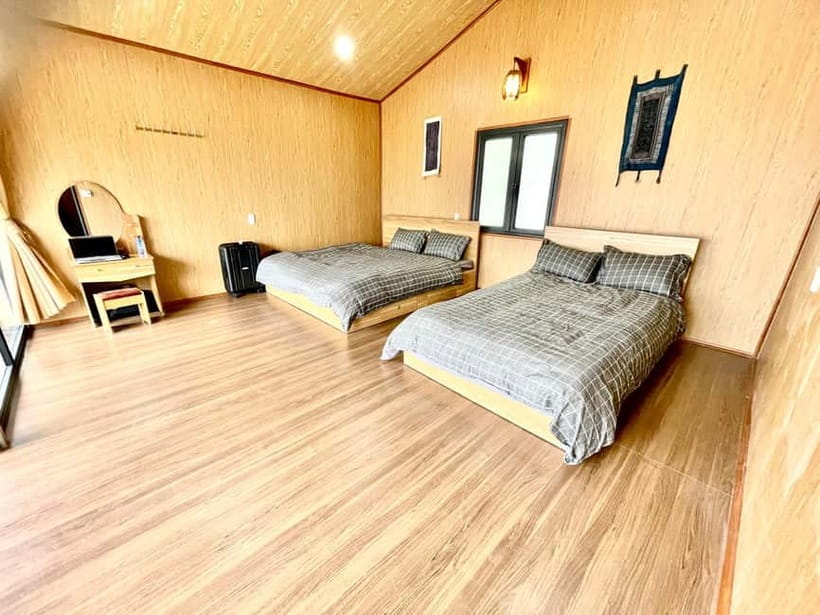
The private room is one of the more appealing features for the price. You get a traditional homestay setting with just-right comforts rather than a hotel stay in Sapa. One room option includes its own toilet, which is worth requesting if a private bathroom will make the night more comfortable. The exact room setup should be checked when booking, since the tour description identifies a private room but does not specify every bathroom arrangement.
The homestay also brings you closer to the setting than a standard town hotel would. A past guest enjoyed the views from the rooms and seeing the guide’s home and surrounding villages. That kind of contact is valuable, but it also means you should expect a simple, local place rather than polished hotel service.
Cooking, dinner, and the homestay night
At 5 p.m., the guide shows you how to prepare local dishes. This is a small but useful part of the trip because you are not only eating a meal, you are seeing how it comes together. The class gives the evening a clear focus after the day’s walking and lets you take part rather than simply sitting down at a restaurant.
Dinner is served around 6:30 p.m. Rice wine and happy tea are available at no extra charge, but drinks with meals are not included in the tour price. Bring or buy anything else you want to drink. Water, wine, and other personal purchases are your responsibility.
The social tone is one of the tour’s strengths. The experience is designed around a friendly small group, and the schedule leaves room for conversation at the homestay. One guide named Zem received especially warm praise for explaining local customs and treating the group well. Guides can vary by departure, but the inclusion of a local English-speaking guide is important here because cultural context makes the villages more meaningful.
Do not expect a late-night entertainment program. The appeal is a shared meal, a local cooking lesson, and a quieter evening in Ta Van. If you prefer nightlife, a full-service hotel, or complete privacy, this is not the right overnight style. If you like simple accommodation and a chance to talk with a local guide, it offers good value.
Giang Ta Chai and Supan on the second morning
Breakfast is served between 8 and 9 a.m. The second day starts around 9:30 a.m., with the route heading toward Giang Ta Chai and Supan. These villages are linked with Red Dao communities and provide another look at the cultural groups of the Sapa area.
The second morning is shorter than the first, but it is still a proper walk. The tour description gives the route as about 6 kilometers, while the general trip information describes day two as roughly 4 kilometers. Plan for the longer figure and confirm the exact route before setting out. Either way, you should expect uneven paths and possible mud rather than a paved village visit.
Giang Ta Chai is presented as a popular stop because of its traditions and customs. The point is not simply to collect another village name. Moving through several communities over two days helps you notice differences in local life, architecture, clothing, farming, and daily routines, although the tour information does not promise a formal cultural performance or museum visit.
After the morning walk, you have lunch at a local restaurant around 12:30 p.m. Lunch is included, while drinks are extra. At about 1:30 p.m., the bus takes you back to Sapa, with the tour ending around 1:30 to 2 p.m. This timing works well if you have a train or other onward plan later in the day, but leave a little margin rather than booking something immediately afterward.
Other treks and homestays from Sapa:
- Cat Cat Village, Moana, Fansipan Cable Car, Alpine Coaster – Sapa
★ 5.0 · 420 reviews - Sa Pa Full Day Trekking Tour
★ 5.0 · 414 reviews - Sapa: Fansipan Cable, Cat Cat Village, Moana Instagram Tour
★ 4.8 · 294 reviews - Sa Pa: 6-Hours Muong Hoa Valley Trek with Local Ethnic guide
★ 4.5 · 178 reviews
How difficult is the walking?
The tour is best for people who can comfortably walk for several hours on uneven ground. Day one is the test, with about 10 kilometers through terraces, village paths, and bamboo areas. Rain can turn the trail slippery, and the route may be dirty or muddy.
You do not need to be an experienced mountain hiker based on the information provided, but you do need sensible footwear and a fair level of fitness. Hiking boots or sturdy shoes are a better choice than sandals or smooth-soled trainers. Comfortable clothing is also important, since you will be outside for much of the day.
Sapa can be cool, but conditions vary. Wear warm clothes from October through March. In the summer months, prepare for heat and carry enough water. Sunscreen and insect repellent belong in your day bag.
The tour is not suitable for wheelchair users, people with mobility impairments, people with back problems, pregnant women, children under five, or people over 70. It is also not suitable for anyone who needs a very gentle walking program. These limits are practical rather than fussy: the path can be slippery, the days are active, and the route is not designed for easy vehicle access.
What to bring and what to leave behind
Large luggage and big bags are not allowed. Leave your main suitcase at your Sapa accommodation if possible and carry only a small overnight bag. You will need enough for one night, but not much more.
Pack:
- Sturdy walking shoes or hiking boots
- A change of clothes
- Comfortable walking clothes
- Warm layers from October to March
- Sunscreen
- Insect repellent
- Water for the walking sections
- A small personal bag rather than a large suitcase
A rain jacket would be sensible during wet periods, although it is not specifically listed among the required items. The key point is to keep your load light. A heavy bag becomes annoying quickly on a 10-kilometer route.
You may also meet local people selling handmade items along the trail. You are not required to buy anything. A polite no thank you is enough, and you should not feel that purchasing something is part of the tour cost.
Is $53 a fair price?
At $53 per person, this is a strong value if you want an active overnight experience. The price includes pickup in Sapa, the walk out to the villages, the return bus, one breakfast, two lunches, one dinner, a local English-speaking guide, one night in a private homestay room, and sightseeing tickets.
The package is especially good value because transportation and entrance fees are already handled. You also avoid paying separately for the cooking lesson or homestay dinner. The cost does not include drinks or personal purchases, so allow a little extra for water and anything else you choose to buy.
Value does not mean luxury here. The accommodation is traditional and simple, and the route may be muddy. You are paying for access to village areas, local guidance, meals, and a well-planned walking connection between Sapa and Ta Van. If you want a comfortable hotel, private vehicle throughout, or a short sightseeing loop, spend more on a different type of trip.
The all-inclusive structure also makes budgeting easier. You know most of your core costs before leaving town, which is useful in Sapa, where a short tour can otherwise grow more expensive through transport, meals, and entry charges.
The small-group feel and local guidance
The tour is designed to feel more like a walk with friends than a large coach outing. That matters on narrow village paths, where a huge group would slow down the route and make conversations with the guide harder.
Your guide is the bridge between the scenery and the people who live in the valley. Without explanations, rice terraces can become just another photograph. With local guidance, you can better understand the customs and communities connected with Y Linh Ho, Lao Chai, Ta Van, Giang Ta Chai, and Supan.
English is the tour language. Guide Zem is one named guide who has been praised for explaining local customs and creating a warm atmosphere. Since guides may vary, do not book solely on the expectation that Zem will lead your departure. Instead, choose the tour for its local guide format and small-group structure.
Should you book this Sapa trek?
Book it if you want active village travel, wide mountain views, a homestay night, and direct contact with local food and customs. It suits reasonably fit visitors who prefer walking to bus-based sightseeing and who are happy with simple accommodation.
Think twice if you dislike mud, heat, uneven ground, or shared social settings. The 10-kilometer first day is not a minor detail, and the homestay is not a replacement for a polished hotel. Ask for a room with a private toilet if that matters to you, pack light, and plan for changing weather.
For many people, this is a sensible way to see more of Sapa without paying much. The strongest reasons to choose it are the route through the terraces, the extra time in Ta Van, the cooking class, and the number of meals and fees included. If those features match your travel style, the $53 price makes this a very practical two-day choice.
FAQ
Where does the tour begin?
Pickup is available from hotels in Sapa town, or you can meet the guide at Sapa Delta Hotel. Pickup is scheduled between 8:15 and 8:30 a.m.
Where do I stay overnight?
You spend one night in a private room at a traditional homestay in Ta Van Village.
Which villages does the tour visit?
The route includes Y Linh Ho, Lao Chai, Ta Van, Giang Ta Chai, and Supan. The villages are connected with H’Mong, Dao, and Giay communities.
How far do I walk on the first day?
The first day is about 10 kilometers. It includes rice terraces, village paths, bamboo areas, and sections near the Muong Hoa Stream.
How long is the second day’s walk?
The general information describes day two as about 4 kilometers, while the itinerary describes the route to Giang Ta Chai and Supan as 6 kilometers. Confirm the exact distance before departure and prepare for the longer estimate.
Are meals included?
Yes. The package includes breakfast on day two, two lunches, and one dinner. Drinks with meals are not included.
Is the cooking class included?
Yes. At about 5 p.m. on day one, the guide shows you how to prepare local dishes before dinner.
How do I return to Sapa?
A bus takes you back to Sapa after lunch on day two. The tour ends at about 1:30 to 2 p.m.
What should I bring?
Bring comfortable clothing, a change of clothes, sturdy walking shoes or hiking boots, sunscreen, insect repellent, and warm layers from October through March. Large luggage and bags are not allowed.
Is the tour suitable for everyone?
No. It is not suitable for pregnant women, people with back problems, mobility impairments, or wheelchair users. It is also not suitable for children under five or people over 70, and you should be fit enough for muddy and uneven walking paths.
Newly reviewed in Sapa
- Sapa: Y Linh Ho – Lao Chai, and Ta Van Trekking Day Tour★ 5.0 · 25 reviews
- Sapa: Ta Phin Village Trek & Red Dao Herbal Bath★ 5.0 · 22 reviews
- Sapa3D2N TrekkingAdventures,Valleys,Bambooforest,Waterfall★ 4.8 · 24 reviews
- From Sapa: Guided Full-Day Trekking with Lunch and Drop-Off★ 4.2 · 86 reviews
- Sapa Trekking Bargains With Local Guide★ 4.9 · 91 reviews
- Sapa: Private Highlights Day Tour with Lunch★ 4.8 · 61 reviews
- Sapa: 3-Day Ha Giang Loop Motorbike Tour★ 4.9 · 34 reviews
- Sapa: Muong Hoa Mountain Views and Villages Trek with Lunch★ 4.3 · 28 reviews
Trekking & Homestays, compared.
Muong Hoa Valley Trek and Local Ethnic Villages
Read our review →
Fansipan Cable, Cat Cat Village & Moana Instagram Tour
Read our review →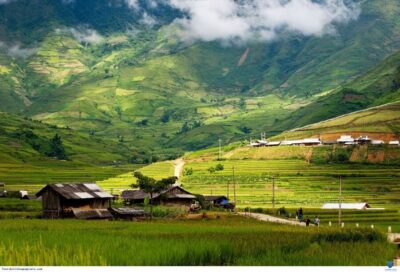

Sapa 3 Days 2 Nights Trekking Tour (1 Night In Ta Van Village, 1 Night In Hotel)
Read our review →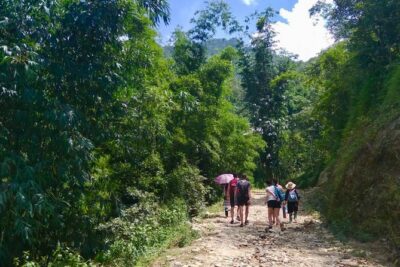
Number one top rated ethical cultural trekking and homestay by ETHOS
Read our review →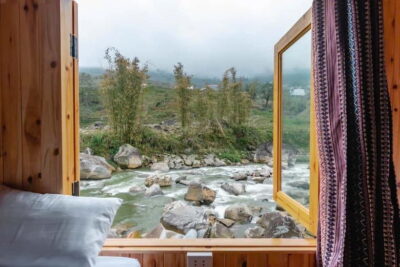
2-Day Sa Pa Ethnic Homestay Tour & Trek with Limousine Bus
Read our review →
Cat Cat Village, Moana, Fansipan Cable Car, Alpine Coaster – Sapa
Read our review →Browse the lists this tour appears in