
Reviewed · TREKKING & HOMESTAYS
Sa Pa: 6-Hours Muong Hoa Valley Trek with Local Ethnic guide
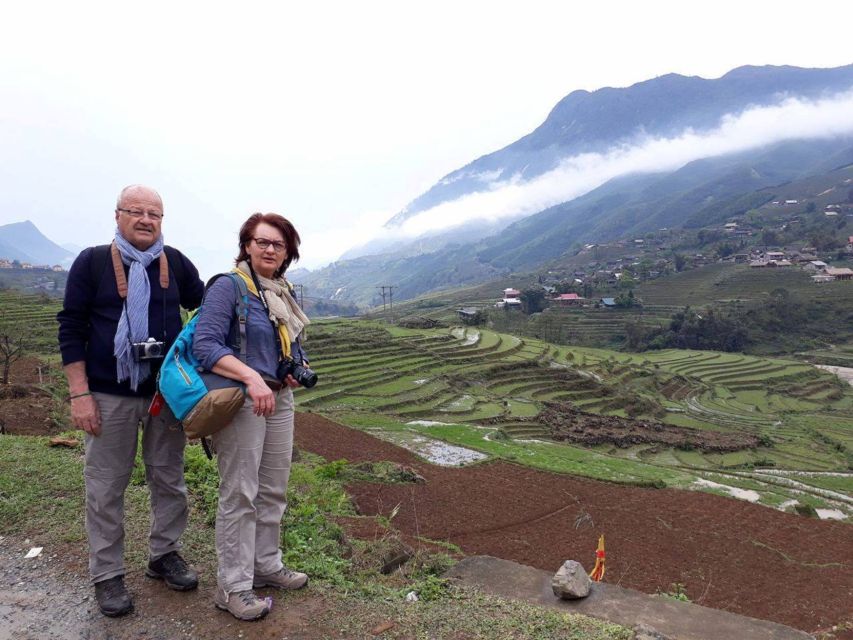
Muong Hoa Valley is best seen on foot, where the route drops from Sa Pa through terraced rice fields, bamboo forest, and village paths rather than simply passing by in a vehicle. The day links Y Linh Ho, Lao Chai, and Ta Van, giving you a close look at Black Hmong and Dzay life.
I like the small group, capped at 11 people, and the local English-speaking guides. Guides named Sang, Sai, Su, and Dong have been praised for their humor, care, and help on tricky ground. I also like the price: at $18, transport, entrance fees, a guide, and water make this a strong value.
The catch is the word trek. This is a 10-kilometer downhill walk, not a gentle village stroll. Mud, heat, steep slopes, slippery paths, and uneven roads can make it hard, especially in wet weather. The local women who help on difficult sections may also sell handmade goods afterward, which some people appreciate and others find uncomfortable.
Key Points to Know Before You Go
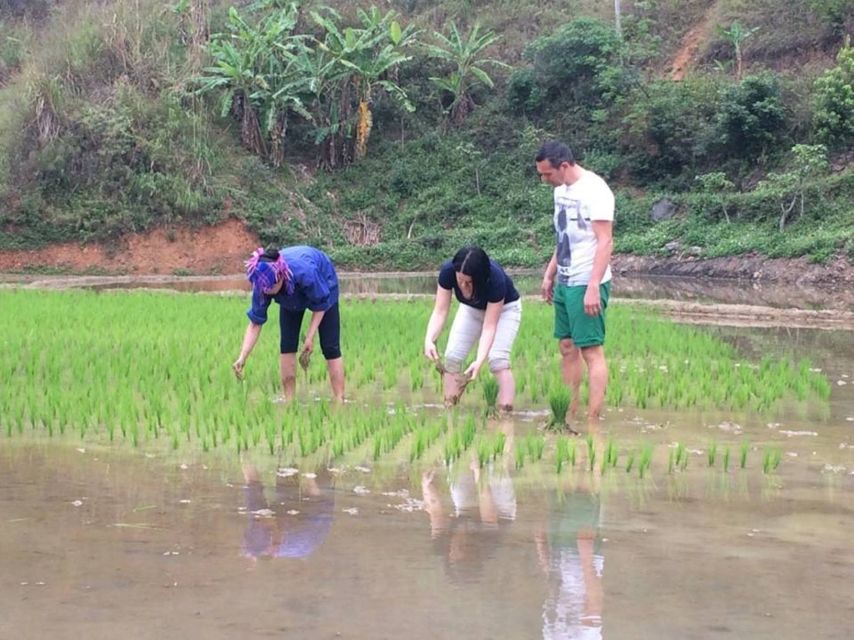
- A real 10-kilometer walk: Much of the route goes downhill over dirt paths, stone roads, rice-field edges, and forest trails.
- Three distinct villages: Y Linh Ho introduces Black Hmong life, Lao Chai opens onto the best rice-terrace views, and Ta Van adds Dzay culture.
- Local guides matter: Guides such as Sang, Sai, Su, and Dong have been praised for clear English, humor, patience, and practical help.
- Weather changes the trek: Dry conditions can make the route manageable, while rain turns slopes and rice-field paths into slippery ground.
- Lunch costs extra: You stop at a local restaurant, but food and soft drinks are not included.
- Good value for active visitors: The $18 price includes transport, entrance tickets, a guide, and one 500-milliliter bottle of water.
Why This Muong Hoa Valley Trek Is Worth Your Time
Sa Pa is surrounded by dramatic mountain scenery, but the best part of a valley walk is the change in pace. You leave the town behind and move through working villages, cultivated slopes, forest, and small paths where daily life is more visible.
This tour is especially useful if you have only one day in Sa Pa or want a guided route without paying for a private excursion. Six hours gives you enough time to see several villages and still return to town by bus. You are not being rushed from one photo stop to another.
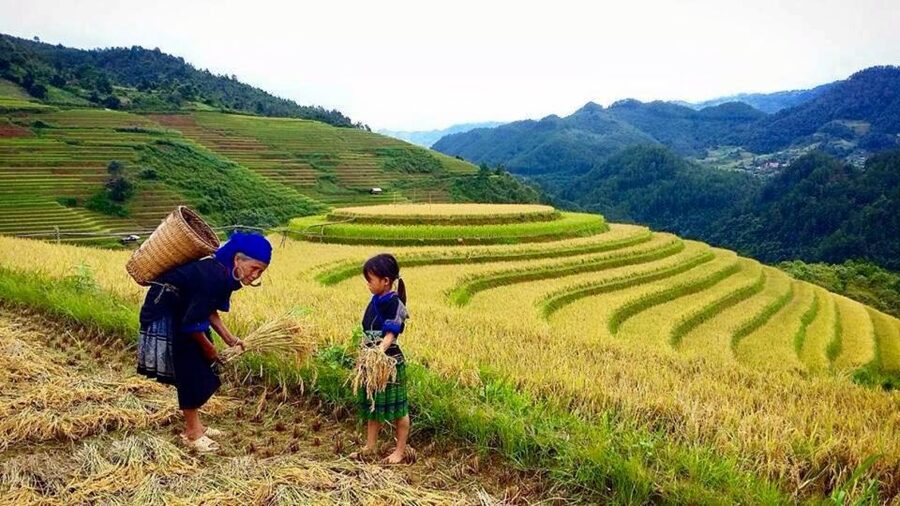
The cultural side is just as important as the views. You learn about Black Hmong and Dzay customs, clothing, farming, weaving, and village homes. The experience is not a museum visit. You are walking through places where people live and work, so respectful behavior matters.
At $18 per person, the value is hard to ignore. A guide, site fees, water, and return transport are included. Lunch, drinks, insurance, VAT, and personal purchases are not. You should also budget for the possibility of buying a small handmade item, but do so because you want it, not because you feel pressured.
More Trekking Trips in Sapa
- Sa Pa: Muong Hoa Valley Trek and Local Ethnic Villages
★ 4.6 · 864 reviews - Sapa: Fansipan Cable, Cat Cat Village & Moana Instagram Tour
★ 5.0 · 777 reviews - Number one top rated ethical cultural trekking and homestay by ETHOS
★ 5.0 · 456 reviews
From Sa Pa to Y Linh Ho
The day begins with pickup from hotels in Sa Pa town, although some hotels may be too far from the route. In that case, you may need to walk to the operator’s office or a designated meeting point. Confirm your hotel name and address in advance.
The first section is described as a scenic 20-minute walk toward Y Linh Ho. This is a gentle start compared with what follows, and it gives you time to meet the guide and settle into the group.
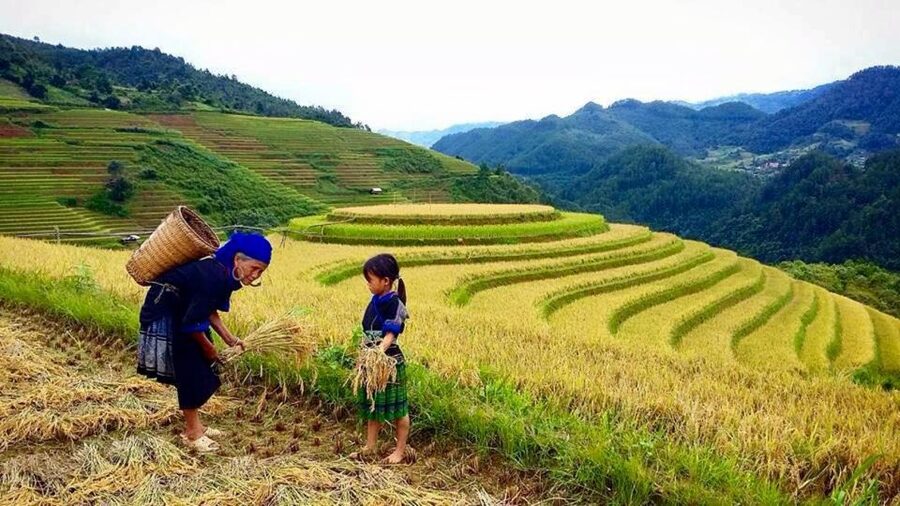
Y Linh Ho is associated with the Black Hmong people. Here, the focus is on ordinary village life and conversation. You may see local activity around the village center and hear about work, family life, farming, and traditional clothing.
This part of the visit is a good reminder that the valley is not just a viewpoint. The rice terraces are working farmland, and the communities you pass through are living communities. Ask questions, listen carefully, and avoid treating children as photo props.
The cultural guidance can vary with the individual guide, but several guides have been praised for strong English and a good sense of humor. Sang, Sai, Su, and Dong are names associated with particularly attentive guiding on this route.
Lao Chai and the Best Rice-Terrace Views
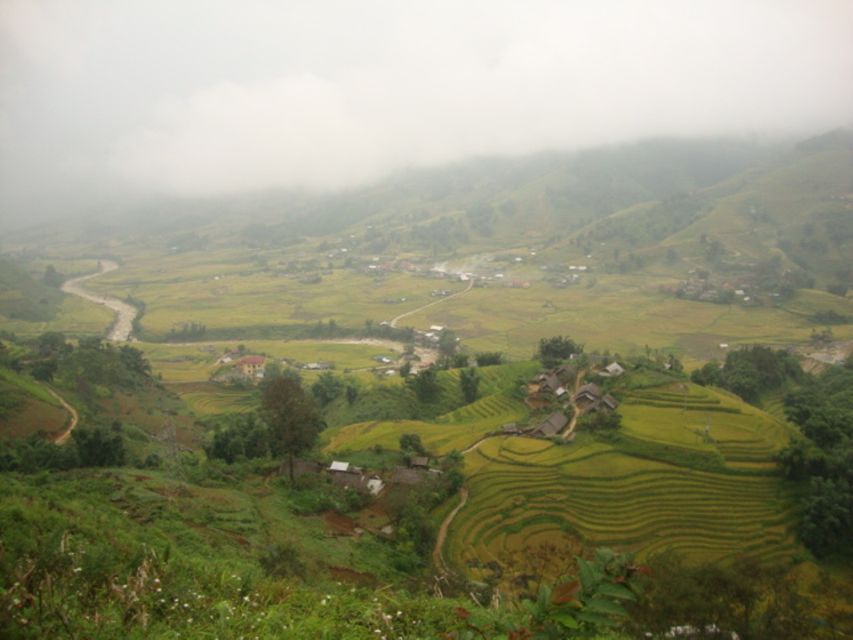
From Y Linh Ho, the route continues toward Lao Chai. This is where the scenery opens up, with wide views across some of the most striking rice terraces in northern Vietnam.
The terraces look different through the year. In wetter periods, muddy paths and heavy rain can make the walk difficult, but the fields may look lush. In cooler months, fog is possible, and between October and March you should bring warm clothing. Clear weather gives you the strongest mountain views, though no season guarantees perfect visibility.
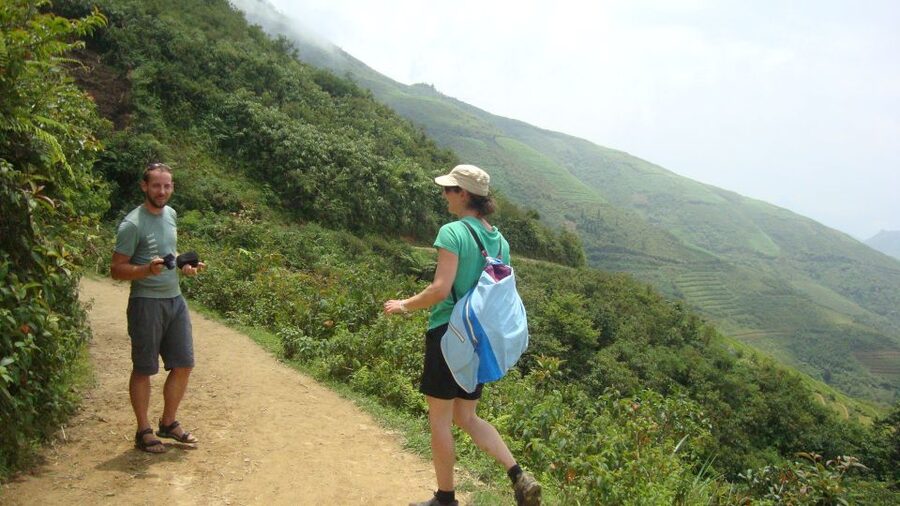
Expect a mixture of walking surfaces. Some sections use concrete or stone roads, while others follow dirt, uneven tracks, rice-field edges, or narrow paths through vegetation. Downhill walking is a major feature, and it can be harder on your knees than a level walk.
The route may also pass through bamboo forest and tropical plant life. This adds shade and variety, but wet ground under trees can be slick. Good trekking shoes are not optional decoration here. Shoes with grip are far more useful than casual sneakers.
Local women may accompany parts of the walk and help you cross muddy or steep sections. Their familiarity with the paths can be valuable, especially after rain. You should understand, though, that they may later offer handmade goods for sale. Some people are happy to support the craft workers; others dislike the sales pressure. A polite but clear answer is fine.
Hmong Crafts: Indigo, Batik, and Hemp
Lao Chai also gives you a chance to learn about traditional Hmong crafts. The activities and explanations can include indigo dyeing, batik, and hemp weaving.
These crafts help explain why local clothing looks so distinctive. Indigo dyeing creates dark blue fabric, while batik uses wax-resist designs to form patterns before dyeing. Hemp is processed and woven into cloth, linking clothing to farming and household work.
I find this part more meaningful when you treat it as a window into a working tradition rather than a shopping stop. You can look closely at the patterns, ask how the materials are made, and decide later if you want to purchase anything.
The tour does not require you to buy local products. If you do buy, check the price first and choose something you genuinely want. The support can be useful, but it should be a choice.
Other treks and homestays from Sapa:
- Cat Cat Village, Moana, Fansipan Cable Car, Alpine Coaster – Sapa
★ 5.0 · 420 reviews - Sa Pa Full Day Trekking Tour
★ 5.0 · 414 reviews - Sapa: Fansipan Cable, Cat Cat Village, Moana Instagram Tour
★ 4.8 · 294 reviews - Sa Pa: 2-Day Trekking Trip with Ethnic Minority Homestay
★ 4.7 · 145 reviews
Lunch at a Local Restaurant
Lunch takes place at a local restaurant, and the meal is at your own expense. The food has been described as plentiful and varied, though one account found it bland. That is a fair warning: local meals can be satisfying, but the exact dishes and seasoning may not suit everyone.
Soft drinks are also excluded. One 500-milliliter bottle of water is included, but that is not enough for a six-hour walk in hot weather. Bring extra water if possible, particularly in summer or if you tend to drink frequently during exercise.
The restaurant can also be a sales stop, with local women and children offering handmade goods. You may prefer to eat first and browse afterward, rather than feeling obliged to shop while your meal is being served.
Lunch is not the main reason to book this trip. Think of it as a practical break in the middle of an active day. If you have dietary needs, ask the operator before departure, since the information provided does not specify vegetarian, vegan, allergy, or other meal arrangements.
Ta Van and the Dzay Way of Life
After lunch, the trek continues to Ta Van village. This section adds a useful contrast to the Black Hmong communities earlier in the day because you meet members of the Dzay tribe.
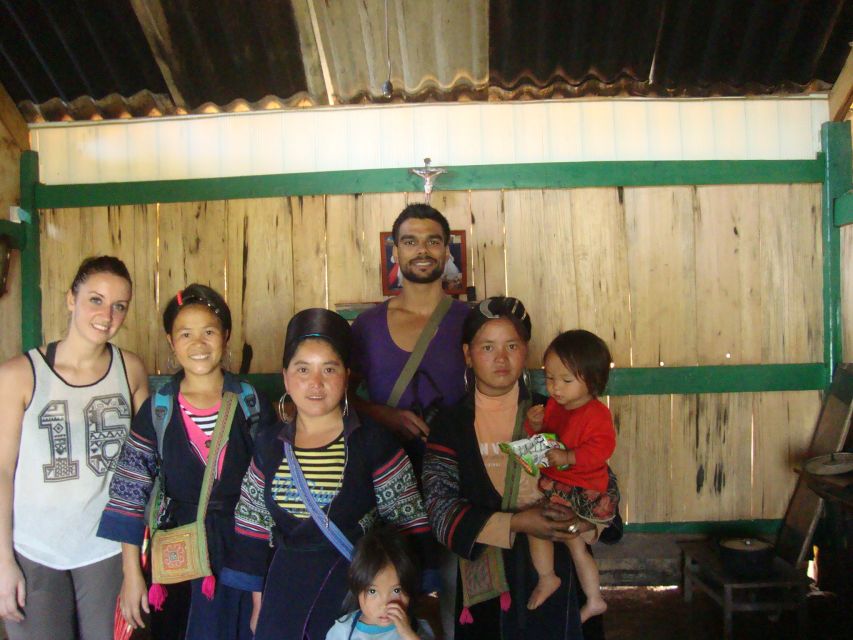
The value here is in noticing differences in customs, clothing, homes, and daily routines. You may visit traditional houses and learn about weaving and rice cultivation. These details make the valley feel less like one single culture and more like a collection of communities with their own identities.
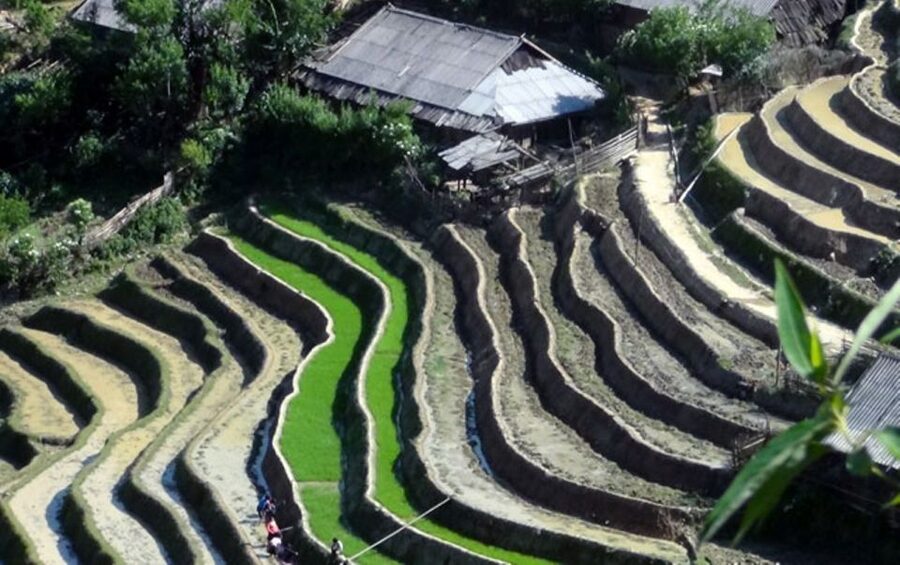
Ta Van is also a good place to connect farming with the scenery you have been admiring. The terraces are not just beautiful patterns cut into hillsides. They reflect years of work, water management, planting, harvesting, and family labor.
The route remains active at this stage. If your legs are tired after the earlier descent, the final section may feel longer than expected. The advantage is that the walk ends with a bus transfer, not another long hike back to Sa Pa.
How Hard Is the 10-Kilometer Route?
You should have a moderate level of fitness for this trip. Several people in their 50s managed it, and teenagers have enjoyed the cultural side, but age alone does not determine suitability. Balance, confidence on uneven ground, and comfort with downhill walking matter more.
Rain is the biggest factor. Mud can cover your shoes, and steep paths may become slippery enough that you need a helping hand. The local women who know the route often assist walkers, but you should not depend on that support as a substitute for proper footwear or fitness.
The tour is not suitable for pregnant women, wheelchair users, people with mobility impairments, or children under six. Senior citizens are specifically advised not to take the trek because the 10-kilometer route can be dangerous in wet weather.
Pack lightly, but bring the useful basics:
- Trekking shoes with good grip
- Sun cream and sunglasses
- Insect repellent
- Extra water
- Warm clothing from October through March
- A rain layer if the forecast looks uncertain
- A change of socks if wet conditions are likely
Avoid touching children’s heads, and ask a parent before taking photographs of children. These are simple gestures, but they show respect in a place where you are a visitor in someone else’s home.
Group Size, Guide Quality, and Transport
The group is limited to 11 participants, which is a sensible size for a narrow and sometimes awkward trail. A smaller group makes it easier to hear the guide and move at a reasonable pace.
The tour uses an English-speaking guide. English ability can vary, but the strongest guide experiences have involved clear explanations, good humor, and close attention to slower walkers. Guides have helped with photos, explained village customs, and adjusted their support when paths became difficult.
The return to Sa Pa is by bus, and the route is not a loop. You should not expect to finish where you started on foot. This is useful because you get a one-way valley walk without having to climb back toward town.
Pickup needs a little attention. Hotel pickup is available in Sa Pa town only, and the operator asks for your hotel details in advance. One poor experience involved a delayed pickup and an uncomfortable motorbike transfer, so confirm the meeting point and pickup time before the morning begins.
Best Time to Take the Trek
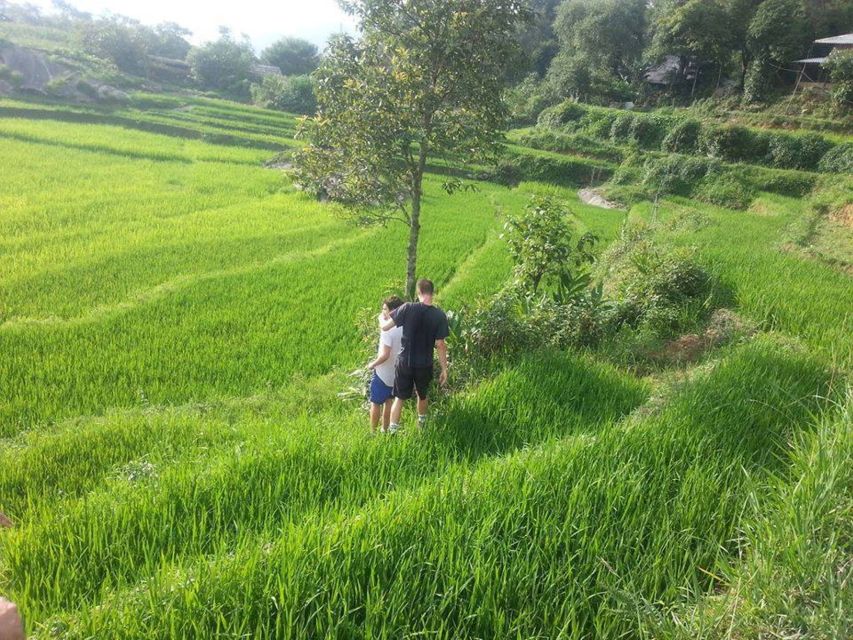
Weather has a direct effect on both safety and enjoyment. Dry conditions make the trail much easier, while rain can turn dirt slopes into mud and reduce your confidence on descents.
Winter can bring thick fog, particularly in the morning. That may hide distant mountain views, though the village and forest sections can still be worthwhile. Bring warm clothes from October through March.
Summer heat can make the uphill and downhill sections tiring, even when the trail is dry. Sun cream, a hat, sunglasses, and extra water will help. In wet months, add a waterproof layer and spare socks.
The rice terraces change with the farming calendar, so the view depends on when you visit. No single month guarantees every feature at its best. Pick your dates based on the kind of conditions you handle well, not only on photographs.
Who Should Book This Sa Pa Trek?
I would choose this tour if you want a reasonably priced, active introduction to the Muong Hoa Valley and prefer learning about local communities as you walk.
It suits:
- First-time visitors with limited time in Sa Pa
- Couples and families with older children
- People who enjoy village walks and mountain scenery
- Visitors interested in Hmong and Dzay crafts
- Anyone comfortable with a six-hour, 10-kilometer trek
- Budget-minded visitors who want guide service and transport included
I would look elsewhere if you need a flat route, guaranteed dry footing, a private pace, or a quiet lunch without sales activity. This is also not the right choice for anyone with mobility limitations or a serious concern about slippery ground.
Cancellation is free up to 24 hours before departure, and you can reserve now and pay later. A French-speaking guide costs an additional $20 per person. The supplied information also lists Lunar New Year surcharges, but the dates and amounts differ, so confirm the current charge before booking.
Should You Book the Muong Hoa Valley Trek?
Book it if you want the valley through your feet, not just through a vehicle window. The combination of rice terraces, village homes, Hmong crafts, Dzay culture, forest paths, and a small group gives you a lot for $18.
Go prepared for a real walk. Wear proper shoes, carry extra water, accept that weather may change the day, and decide in advance how you feel about buying handmade goods. If you do that, this is one of the more useful and affordable ways to spend six hours around Sa Pa.
FAQ
How long is the Muong Hoa Valley trek?
The trek lasts six hours and covers about 10 kilometers. It is primarily a downhill route with dirt paths, uneven roads, forest sections, and rice-field paths.
Which villages does the tour visit?
The route includes Y Linh Ho, Lao Chai, and Ta Van. Y Linh Ho is associated with the Black Hmong, while Ta Van includes members of the Dzay tribe.
Is lunch included in the price?
No. Lunch and soft drinks are not included, so you pay for your meal at the local restaurant. One 500-milliliter bottle of water per person is included.
Is hotel pickup available?
Pickup is available from hotels in Sa Pa town. You should provide your hotel name and address in advance so the operator can confirm pickup or give you a meeting point.
What should I bring?
Bring trekking shoes, sunglasses, sun cream, insect repellent, and extra water. Warm clothes are recommended from October through March.
Is this trek suitable for children and older people?
The trek is not suitable for children under six. Senior citizens are advised not to take it because the 10-kilometer route can be challenging and dangerous in wet weather.
What happens if the weather is rainy?
Rain can make the trail muddy and slippery, especially on steep slopes and rice-field paths. Local helpers may assist on difficult sections, but you should bring suitable footwear and take the weather seriously.
More walking country near Sapa
- Sapa: Eco Adventure Terrace Fields and Local Villages Trek
★ 4.9 · 636 reviews - From Sapa: 1-Day Guided Trek to Lao Chai & Ta Van with Lunch
★ 4.9 · 416 reviews - Sapa 1 Day Long Trek: Trek to Hau Thao and Sa Seng Villages
★ 4.6 · 344 reviews - EXPLORE SAPA: 2D1N TREKKING & HMONG CULTURE WITH DINH
★ 4.9 · 191 reviews
Newly reviewed in Sapa
- Sapa: Y Linh Ho – Lao Chai, and Ta Van Trekking Day Tour★ 5.0 · 25 reviews
- Sapa: Ta Phin Village Trek & Red Dao Herbal Bath★ 5.0 · 22 reviews
- Sapa3D2N TrekkingAdventures,Valleys,Bambooforest,Waterfall★ 4.8 · 24 reviews
- From Sapa: Guided Full-Day Trekking with Lunch and Drop-Off★ 4.2 · 86 reviews
- Sapa Trekking Bargains With Local Guide★ 4.9 · 91 reviews
- Sapa: Muong Hoa Mountain Views and Villages Trek with Lunch★ 4.3 · 28 reviews
- Sapa: Private Highlights Day Tour with Lunch★ 4.8 · 61 reviews
- Sapa: 3-Day Ha Giang Loop Motorbike Tour★ 4.9 · 34 reviews
Trekking & Homestays, compared.

Muong Hoa Valley Trek and Local Ethnic Villages
Read our review →
Fansipan Cable, Cat Cat Village & Moana Instagram Tour
Read our review →

Sapa 3 Days 2 Nights Trekking Tour (1 Night In Ta Van Village, 1 Night In Hotel)
Read our review →
Number one top rated ethical cultural trekking and homestay by ETHOS
Read our review →
2-Day Sa Pa Ethnic Homestay Tour & Trek with Limousine Bus
Read our review →
Cat Cat Village, Moana, Fansipan Cable Car, Alpine Coaster – Sapa
Read our review →Browse the lists this tour appears in