
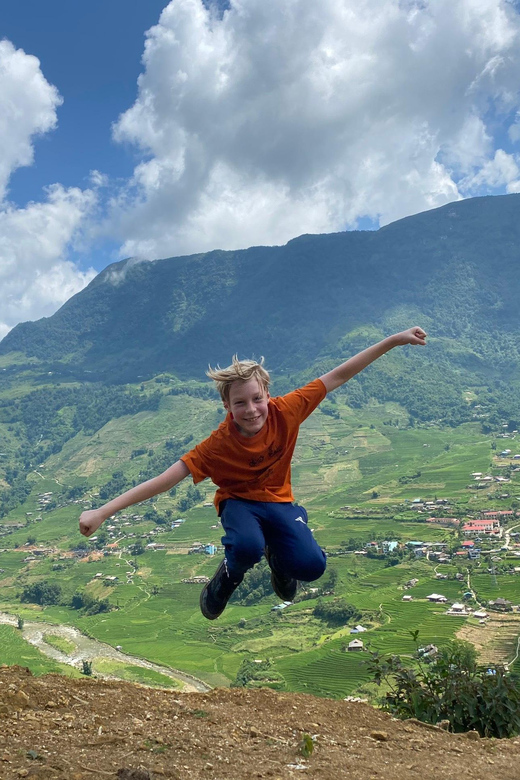
Reviewed · HIKING & TREKKING
In Sapa: 1 Day Mountain Trek, Visit beautiful villages
Sa Seng Mountain gives this Sapa trek its big opening moment. After an uphill climb, you look across Muong Hoa Valley, terraced rice fields, Sapa town, and Fansipan, Indochina’s highest mountain at 3,143 meters. The route then drops into Hang Da and Hau Thao, where village life matters more than souvenir stalls.
I like the small groups of up to 10 and the way guides such as Mao, Sung, Soso, and Moa add local context about farming, marriage customs, houses, and hemp clothing. I also like the family-run lunch, which turns a long hike into a proper day in the countryside. The catch is simple: this is not an easy stroll. Mud, steep slopes, uneven ground, and six hours of walking can make it a serious workout.
Key points to know before you book
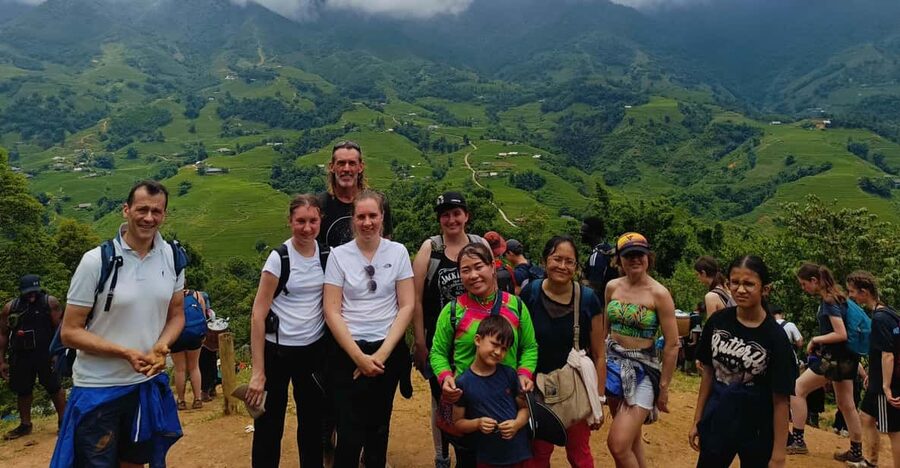
- Sa Seng viewpoint: Climb for wide views of Fansipan, Sapa town, Muong Hoa Valley, and its famous rice terraces.
- Black Hmong villages: Walk through Hang Da and Hau Thao and learn about farming, homes, marriage customs, and daily work.
- A real mountain trek: Expect steep and slippery sections, especially after rain, with roughly 12 to 14 kilometers of walking.
- Local family lunch: Stop at a small village restaurant for a traditional meal included in the $24 price.
- Small-group guiding: Groups are limited to 10, and guides often adjust the pace to keep people together.
- Return from Giang Ta Chai: Finish the walking portion around 3:30 p.m., then ride back to Sapa.
Why Sa Seng Mountain is the right start
The day begins around 9 a.m. with pickup from your accommodation, followed by a short introduction from your guide. The first section is a roughly 1-kilometer uphill climb on a narrow mountain trail. It is the part that tests your legs early, but it also gets you above the town quickly.
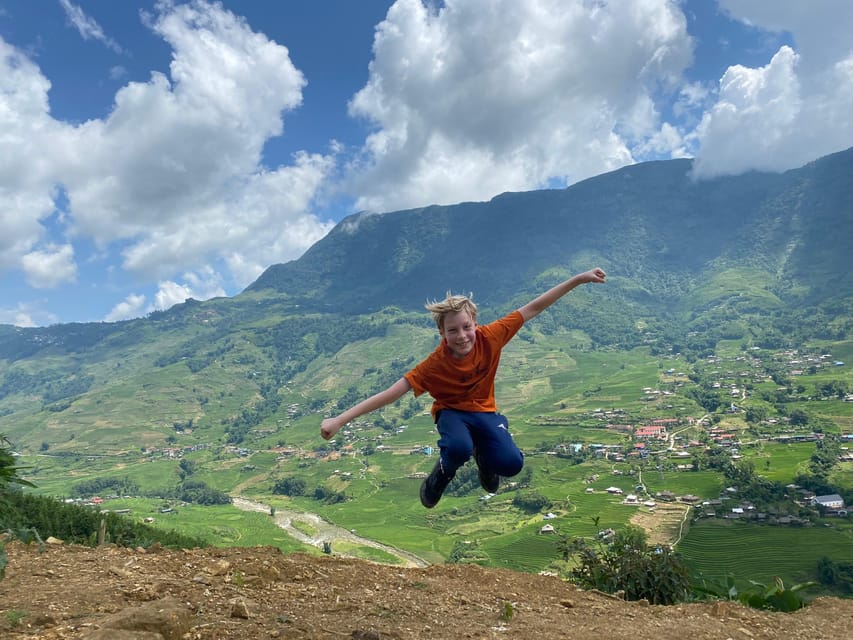
After about an hour of hard walking, you reach the top of Sa Seng Mountain. This is the visual payoff of the morning. From here, you can see Fansipan, Sapa town, the large river below, and the broad sweep of Muong Hoa Valley.
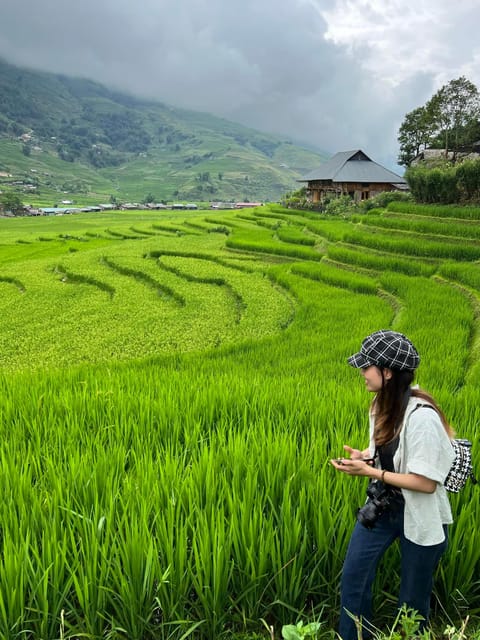
The rice terraces are the main attraction. Their appearance changes with the season. Around harvest time, they can glow gold. At other times, you may see planted fields, water reflecting the sky, or bare stepped plots waiting for the next crop. Cloud and rain are common in the Sapa mountains, so the view is not guaranteed to be clear. Even in poor weather, the walk still offers a close look at how steep mountain farming works.
I would not rush this viewpoint. The early climb is demanding, and you will want time to catch your breath, take photographs, and listen to the guide explain the area. If you have a bad knee or dislike downhill walking, consider carefully how the return sections will feel later in the day.
Other walking country around Sapa:
- Sa Pa: Muong Hoa Valley Trek and Local Ethnic Villages
★ 4.6 · 864 reviews - Sapa: Eco Adventure Terrace Fields and Local Villages Trek
★ 4.9 · 636 reviews - Number one top rated ethical cultural trekking and homestay by ETHOS
★ 5.0 · 456 reviews
Down to Hang Da and the working countryside
From Sa Seng, the route continues down the mountainside toward Hang Da, a village associated with the Black Hmong minority. The change from high viewpoint to village path is one of the best parts of the day. You leave the broad view behind and start noticing small details: animals, field paths, homes, and people going about their work.
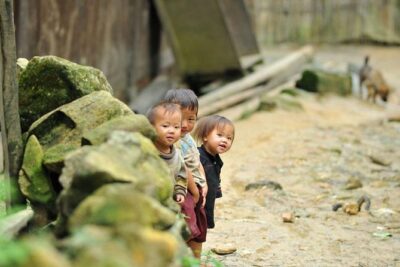
Buffalo, cattle, and pigs are part of the ordinary scene. These animals are not placed there for a show. They are important to local households, helping with farm work or providing food and income. A good guide explains that connection without turning daily life into a staged display.
The descent can be harder than the climb. Several sections are steep, and wet weather can make the trail slick. Some people have described the route as moderately easy, while others found it a proper hike with large steps and uneven ground. Both descriptions can be true, depending on your fitness, the weather, and the pace of your group.
Wear shoes with a firm sole and some grip. Trainers with smooth bottoms are a poor choice here. Bring cash as well, since it is the one specific personal item requested for the tour, and do not count on every small stop accepting cards.
A family lunch in the village
Lunch takes place at a small restaurant run by a local family. The meal is included, and it gives you a useful break before the second half of the route.
This is not a polished city restaurant, which is part of its appeal. You are eating in a village setting, with a menu centered on traditional local food rather than international choices. The supplied information does not specify the exact dishes, so do not book this expecting a particular meal. Instead, see it as a simple, filling stop during a long day outside.
The lunch break also matters physically. By this point, you have climbed Sa Seng and walked downhill into Hang Da. Give your legs time to recover, refill your water, and prepare for more walking. Only one small bottle of water is included, so carrying extra water is sensible, especially in warm weather.
Hau Thao and the Black Hmong way of life
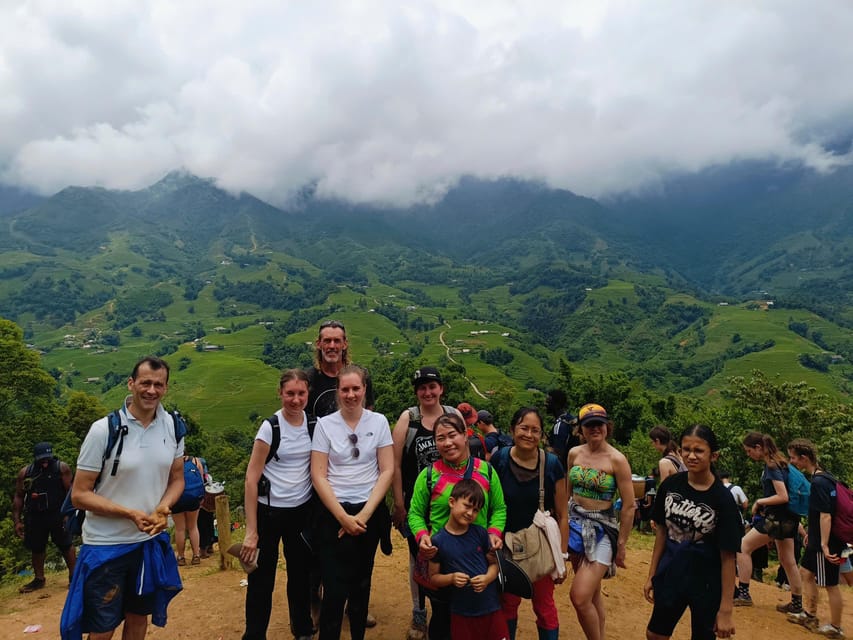
After lunch, the route follows a smaller road and trail toward Hau Thao, another village connected with the Black Hmong community. The walking here is less about reaching one grand viewpoint and more about seeing how the valley works as a lived-in place.
If the timing is right, you may see people planting or harvesting rice. Farming follows the seasons, so the activity changes during the year. Harvest time offers golden terraces and busy fields. Planting periods show a different side of the work, with people tending the wet, stepped plots.
Your guide explains Black Hmong marriage traditions, rice farming, and house-building methods. These details add meaning to what you see. A terrace is not just a pretty photograph. It represents careful water management and hard labor on difficult slopes. A house is not just a rustic backdrop. Its layout and construction reflect local materials, weather, family needs, and available skills.
Some tours in the Sapa area follow well-used routes lined with shops. This trek is designed to spend more time around Hang Da and Hau Thao, which can feel quieter. You may still encounter local women selling handmade goods. Some people enjoy meeting them and browsing; others find repeated sales approaches tiring. Carrying only what you want to spend and politely declining is the easiest way to handle it.
A few more ways to spend a day in Sapa
- From Sapa: 1-Day Guided Trek to Lao Chai & Ta Van with Lunch
★ 4.9 · 416 reviews - Sapa 1 Day Long Trek: Trek to Hau Thao and Sa Seng Villages
★ 4.6 · 344 reviews - Sapa Motorbike Tour With Local Guide 1 Day – Waterfalls, Villages
★ 5.0 · 254 reviews - Motorbike 1 Day Off The Beaten Track, Hidden Villages, rice field
★ 5.0 · 203 reviews
The final walk to Giang Ta Chai
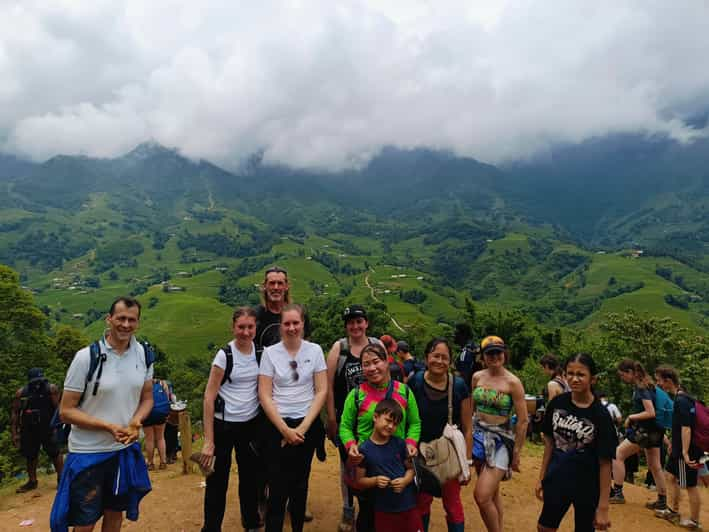
The walking section ends with a route toward Giang Ta Chai, where transport waits on the main road around 3:30 p.m. You then ride back to Sapa.
This finish is practical rather than theatrical. After a day of mountain paths, having a vehicle collect you saves a further walk into town. It also means the tour does not leave you to arrange your own return from a remote village.
The full experience lasts about 10 hours, though the actual walking time can feel substantial. One account described around six hours on foot, and other details put the distance at roughly 12 to 14 kilometers. Treat those figures as a useful guide, not a promise of an exact route. Mountain weather, trail conditions, and group pace can change the timing.
Transport arrangements have generally been smooth, but pickup details deserve attention. The activity information says pickup is from your accommodation, while the meeting information names Sapa TT Homestay, about 2.3 kilometers from central Sapa, as a meeting point. Confirm the exact pickup location before departure. If you are asked to meet at the homestay, allow time to reach it by taxi, motorbike, or on foot and arrive at least 30 minutes early.
The guides make the difference
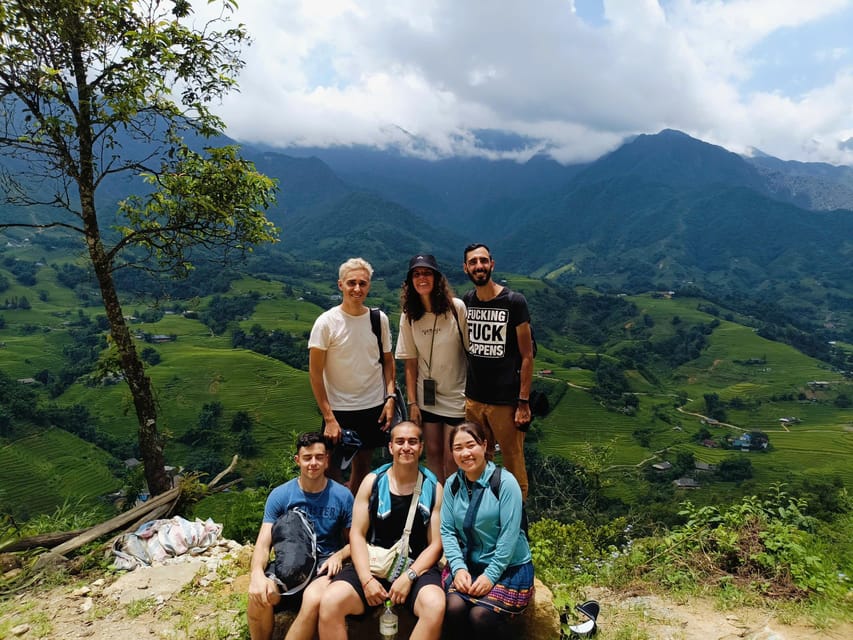
The tour uses English and Vietnamese-speaking guides, and the guide is central to the experience. Names connected with this route include Mao, Mama Mao, Sung, Soso, and Moa. The guide you receive will depend on the departure.
The best guides do more than point out rice fields. They explain what you are seeing, answer questions, keep an eye on the slowest person, and adjust the pace when the trail becomes rough. That personal attention is more likely in a group capped at 10, and some departures have had only four or six people.
The cultural explanations are especially useful. You can ask about farming, marriage traditions, houses, textiles, and village routines as you walk. One account also described seeing hemp clothing and plant-based dyes, though this may not be part of every departure. Treat such encounters as possible extras rather than fixed stops.
English ability can vary by guide, but the named guides have been praised for clear explanations, humor, and warmth. If cultural learning is your main reason for booking, tell the guide early in the day. A good conversation often begins with a simple question about the field or home in front of you.
How hard is this Sapa trek?
The tour description calls the route an easy long trek, but I would plan for moderate difficulty. The evidence in the route itself is clear: an uphill kilometer to Sa Seng, steep descents, uneven mountain paths, and a long day on foot.
Rain changes the experience. Mud can make downhill sections slippery, and some steps are large enough to require care. Cloudy weather can block Fansipan and valley views, but it may also give the mountains a moody, misty look. You cannot choose the weather, so choose your footwear carefully.
This tour is not suitable for wheelchair users or people with mobility impairments. It is also not considered suitable for people over 95 years old. Those limits do not tell you exactly how fit you must be, but they underline the need for steady walking ability and confidence on uneven ground.
Bring:
- Sturdy walking shoes with good grip
- Extra water beyond the included small bottle
- Cash
- Sun or rain protection suited to the day
- A small bag that leaves your hands free
Trekking poles are included, which help on muddy descents and uneven paths. Use them early rather than waiting until your legs are tired.
Is $24 good value?
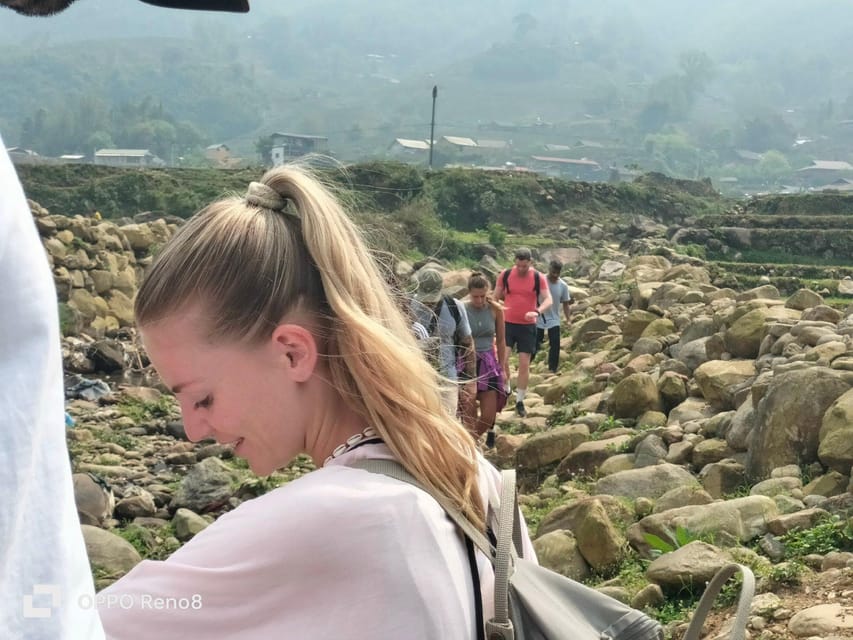
At $24 per person, this is strong value if you want a full day in the Sapa countryside. The price includes the guide, village entry fees, a traditional lunch, a trekking stick, one small bottle of water, and transport back to Sapa.
What you are really paying for is not only transport and food. You are paying for route planning, local interpretation, and a guide who can help you move safely through unfamiliar mountain paths. A self-guided walk might cost less, but it would be harder to understand the farming system and village customs, and you would need to solve your own return transport.
The price does not include anything not specifically listed. Plan to pay for personal purchases and bring cash. At this rate, do not expect a private guide, a luxury vehicle, or a carefully controlled pace just for you. The small group is a good middle ground: more personal than a large coach tour, but still a shared outing.
Free cancellation up to 24 hours before departure and the option to reserve now and pay later also reduce the risk if your Sapa plans are still shifting.
Who should book it?
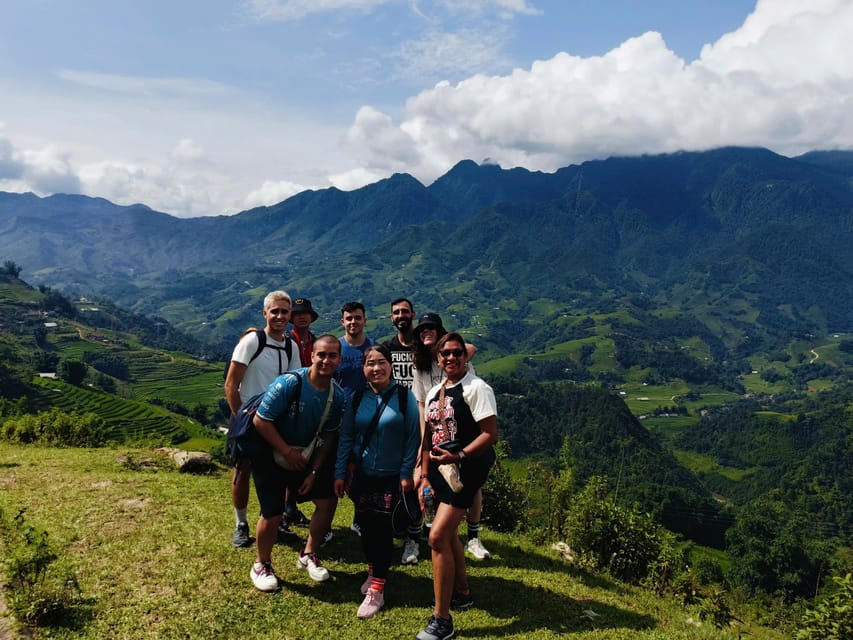
I would choose this trek if you want mountain scenery and direct contact with village life in one day. It suits active adults, couples, friends, and solo participants who are happy to share a small group.
It is a particularly good match if you have limited time in Sapa. The route combines a major viewpoint, two Black Hmong villages, rice terraces, animals, a family lunch, and a return ride without requiring an overnight stay.
I would choose another option if you want a gentle walk, guaranteed clear views, or a highly polished sightseeing day. This route has muddy paths and real climbs. It can also feel tiring if other group members move slowly or if rain makes the trail difficult.
Should you book this Hau Thao trek?
Book it if you want a hands-on day in the Sapa mountains, not just a quick photo stop. The Sa Seng viewpoint gives you the classic panorama, while Hang Da and Hau Thao provide the more valuable contact with farming life and Black Hmong customs.
Before paying, confirm the pickup point and ask about the expected walking distance. Then bring proper shoes, extra water, and a little patience for village sellers. For $24, the mix of scenery, guiding, lunch, and return transport is hard to beat, provided you are ready for a genuine mountain hike.
FAQ
How long does the Sapa mountain trek last?
The activity lasts about 10 hours, beginning around 9 a.m. and finishing after the return to Sapa. The walking portion ends around 3:30 p.m. at Giang Ta Chai, where transport collects you.
How far do you walk?
The route is described in the supplied information as roughly 12 to 14 kilometers. One account described about six hours of walking, but the exact distance and timing can change with weather, trail conditions, and group pace.
Which villages does the tour visit?
The route goes through Hang Da and Hau Thao, with the walking portion finishing at Giang Ta Chai before transport returns you to Sapa.
Will I see Fansipan?
The route reaches the top of Sa Seng Mountain, where you can see Fansipan, which is 3,143 meters high. Cloud and rain may affect visibility.
Is lunch included?
Yes. A traditional lunch at a small restaurant run by a local family is included.
Is transport included?
Pickup is provided according to the activity details, and transport back to Sapa is included from the end of the trek in the villages. Confirm the exact pickup point before departure, since Sapa TT Homestay is also specified as a meeting location.
What should I bring?
Bring cash. You should also bring sturdy walking shoes and extra water, since the tour includes only one small bottle per person.
Is the tour suitable for people with limited mobility?
No. It is not suitable for people with mobility impairments or wheelchair users. The route includes steep, muddy, and uneven sections.
How many people are in the group?
The tour is limited to 10 participants. Some departures may be smaller, with groups of four or six people.
Newly reviewed in Sapa
- Sapa: Y Linh Ho – Lao Chai, and Ta Van Trekking Day Tour★ 5.0 · 25 reviews
- Sapa: Ta Phin Village Trek & Red Dao Herbal Bath★ 5.0 · 22 reviews
- Sapa3D2N TrekkingAdventures,Valleys,Bambooforest,Waterfall★ 4.8 · 24 reviews
- From Sapa: Guided Full-Day Trekking with Lunch and Drop-Off★ 4.2 · 86 reviews
- Sapa Trekking Bargains With Local Guide★ 4.9 · 91 reviews
- Sapa: 3-Day Ha Giang Loop Motorbike Tour★ 4.9 · 34 reviews
- Sapa: Muong Hoa Mountain Views and Villages Trek with Lunch★ 4.3 · 28 reviews
- Sapa: Private Highlights Day Tour with Lunch★ 4.8 · 61 reviews
Hiking & Trekking, compared.

Halong Bay Full Day with Kayaking, Hiking viewpoint, Cave – Deluxe To Luxury
Read our review →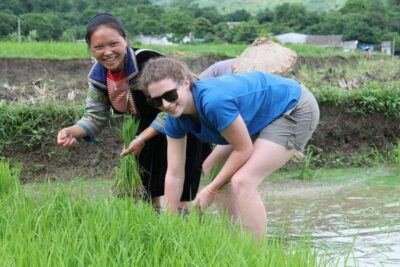
Muong Hoa Valley Trek and Local Ethnic Villages
Read our review →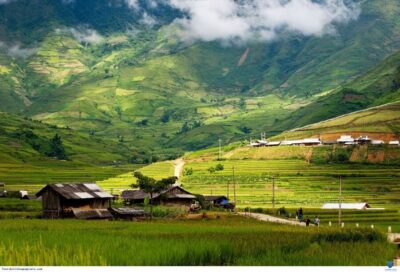
Sapa 3 Days 2 Nights Trekking Tour (1 Night In Ta Van Village, 1 Night In Hotel)
Read our review →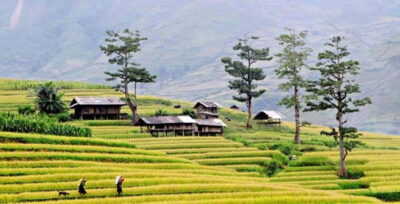
Eco Adventure Terrace Fields and Local Villages Trek
Read our review →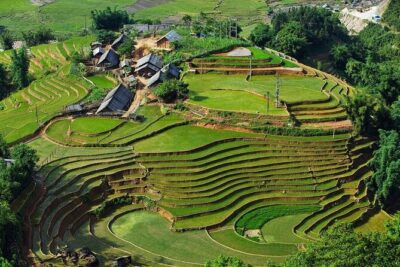
3-Day Trekking Adventure of Sapa from Hanoi – Stay Ta Van Village
Read our review →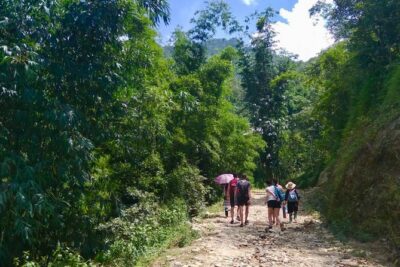
Number one top rated ethical cultural trekking and homestay by ETHOS
Read our review →
2-Day Sa Pa Ethnic Homestay Tour & Trek with Limousine Bus
Read our review →Browse the lists this tour appears in