
Reviewed · TREKKING & HOMESTAYS
SAPA : Climb up to Fansipan mountain with LOCAL GUIDE
Fansipan is not a gentle hill walk. Starting near Tram Ton Pass at 1,800 meters, you climb to the 3,143-meter summit, then face a long descent through rocks, steps, mud, and changing weather. The reward is a proper mountain day, not just a cable car ride to a crowded viewpoint.
I like two things right away: local Black Hmong guides such as Za, who add useful insight into the area and community, and the practical setup, with hotel pickup, transport, lunch, water, gloves, and a certificate included. The main caution is simple: this is a hard one-day effort, and cloud or rain can hide the summit view.
Key points at a glance
- Start before sunrise: Pickup is around 5:30 AM, with the climb beginning near 6 AM at Tram Ton Pass.
- Reach Indochina’s highest peak: Fansipan rises to 3,143 meters above sea level.
- Expect a real physical test: The full climb and descent usually take 7 to 9 hours, with some scrambling and muddy sections.
- Eat well on the mountain: A picnic lunch, snacks, tea, or coffee may be prepared during the day, depending on your guide.
- Learn from local guides: Za and his team share information about Black Hmong life, mountain plants, and the route.
- Keep an exit plan: If your legs give out, you can pay separately for the cable car down, but transport from the cable car station is also not included.
A serious climb from Tram Ton Pass
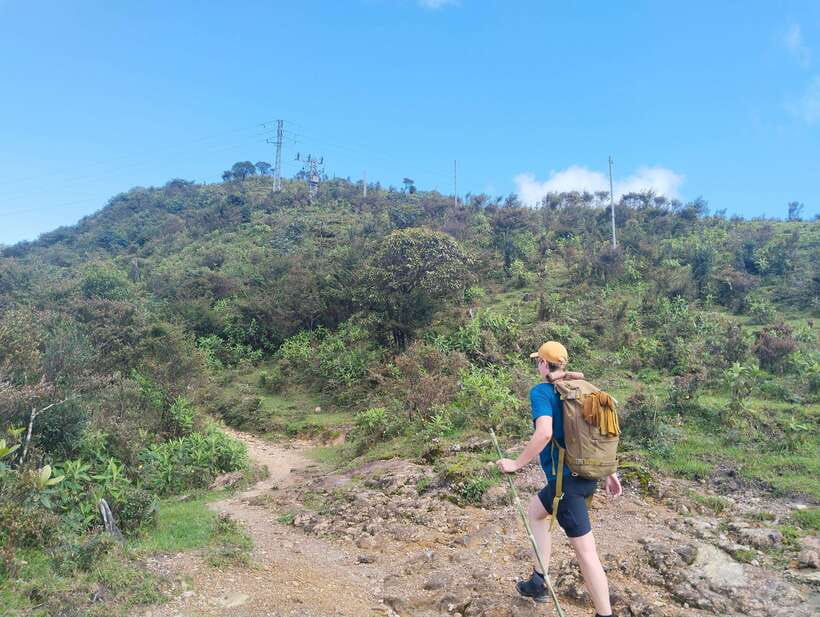
This experience takes you by car or motorbike from Sapa to Tram Ton Pass, then sends you uphill on foot. The starting point sits at about 1,800 meters, so you skip the lower slopes and focus on the steep section toward the summit.
The morning start matters. You leave Sapa around 5:30 AM and begin walking near 6 AM, giving you the best chance of finishing before the day gets late. The route is planned as an eight-hour activity, but the actual walk can stretch to 10 hours if rain, mud, slow progress, or long breaks enter the picture.
You should think of this as a moderate to challenging mountain hike, not a standard sightseeing excursion. The path includes stairs, rocks, and sections where you use your hands for light scrambling. It is not described as a technical climb, and there are no frightening cliff edges on the usual route, but your knees, ankles, and lungs still need to work hard.
More Trekking Trips in Sapa
- Sa Pa: Muong Hoa Valley Trek and Local Ethnic Villages
★ 4.6 · 864 reviews - Sapa: Fansipan Cable, Cat Cat Village & Moana Instagram Tour
★ 5.0 · 777 reviews - Number one top rated ethical cultural trekking and homestay by ETHOS
★ 5.0 · 456 reviews
What the changing forest adds to the walk
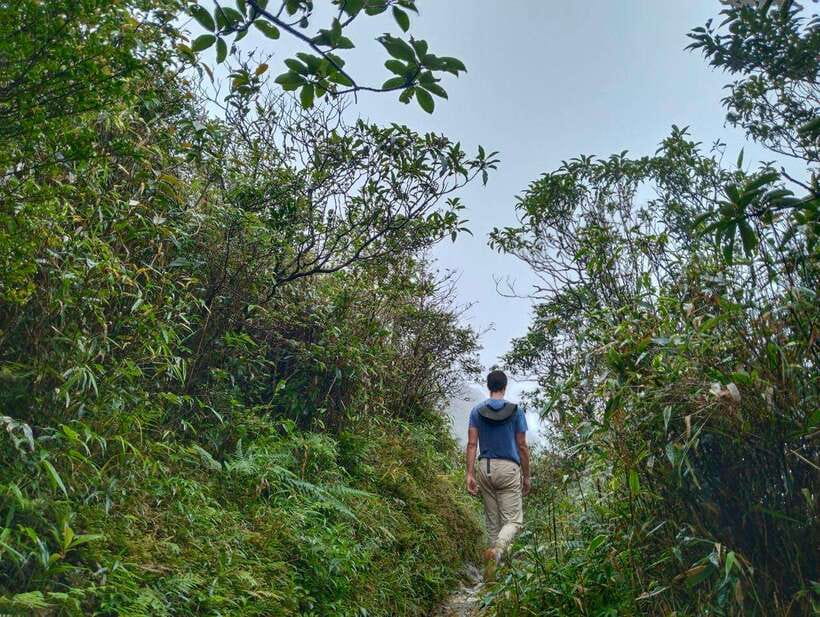
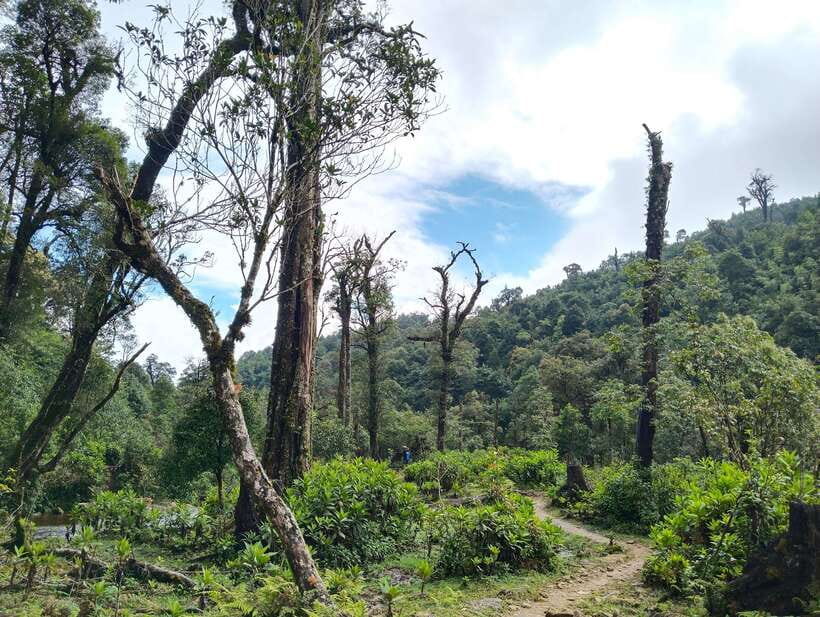
One of the best parts comes before the summit. As you gain height, the forest changes, giving the walk more variety than a simple uphill slog. Fansipan National Park is associated with 2,024 floral varieties and 327 faunal species, and your guide can point out parts of this mountain ecosystem along the way.
Cardamom is one especially interesting detail. The plant’s seeds are used as a spice, and seeing it growing in its natural setting helps connect the mountain to local food and farming.
The route also opens to views toward Muong Hoa Valley. Do not count on clear scenery all day. Fansipan weather changes quickly, and cloud can cover the upper mountain even when the lower trail is clear. Several people have reached the summit in thick fog, while others have had broad views and excellent photo stops on the way up.
That uncertainty is part of the deal. You are paying for the climb and the experience of reaching the summit, not a guaranteed panorama.
Za and the value of a local guide
Za is the main guide name connected with this experience, though the company also uses guides including Zo, Ke, Mai, Khu, and A Già. Names can vary depending on the date and group, so confirm your assigned guide before setting out.
Za is a Black Hmong guide from the Sapa area. His English is described as strong enough for steady conversation, route instructions, and cultural explanation. That matters on a long day. A guide who can adjust the pace, explain what you are seeing, and notice when you are fading makes the climb more manageable.
The personal care is a major part of the value. Guides have carried or prepared food, checked on tired walkers, offered encouragement, helped with photographs, and stayed with slower climbers. One person finished part of the descent in darkness and had a headlamp ready from the guide.
Do not read this as a promise that the hike will feel easy. A fit guide may naturally move faster than you. Tell your guide early if you need shorter steps, longer rests, or a different pace. The strongest experience comes when you treat the day as a shared effort rather than a race.
For groups of four or more, a porter is included. That can reduce the load, though you should still bring only what you need. Small groups may also be arranged with people of similar fitness, but the exact group setup can vary.
The early ride and the first hours on foot
Pickup is offered at the Stone Church in Sapa or at hotels along the route to Tram Ton Pass. Transport may be by car or motorbike. Za has used a motorbike for some individual bookings, while other groups have been driven.
The road transfer is more than a way to kill time. It moves you from Sapa’s town setting into the mountain zone where the trail begins. Have your water, rain layer, and phone ready before you leave, since you do not want to repack your bag beside the trail.
The first part of the walk sets the rhythm. You climb through forest, stop for views when the weather allows, and settle into a steady pace. The guide can point out plants, animals, local stories, and details about Black Hmong life around Sapa.
Some people find the ascent manageable at first, then feel the effort build during the final two or three hours. That pattern is worth expecting. Save energy early, eat before you are completely hungry, and do not try to match the guide’s natural speed.
Other treks and homestays from Sapa:
- Cat Cat Village, Moana, Fansipan Cable Car, Alpine Coaster – Sapa
★ 5.0 · 420 reviews - Sa Pa Full Day Trekking Tour
★ 5.0 · 414 reviews - Sapa: Fansipan Cable, Cat Cat Village, Moana Instagram Tour
★ 4.8 · 294 reviews - Sa Pa: 6-Hours Muong Hoa Valley Trek with Local Ethnic guide
★ 4.5 · 178 reviews
Lunch at altitude, with real practical value
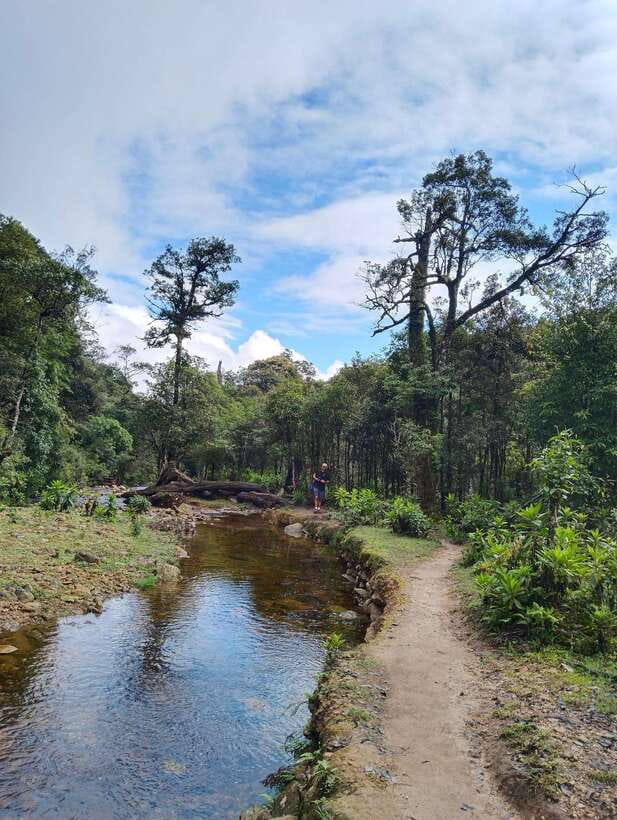
The included picnic lunch is one of the small features that makes this outing work. Banh mi has been served, and guides have also prepared hot soup, snacks, coffee, or tea at a mountain stop. Za has cooked meals for participants during the climb, sometimes around 2,800 meters.
Food is not just a pleasant extra here. A one-day ascent and descent can drain you quickly, especially in cold, wet weather. A filling lunch gives you a proper pause and helps you tackle the summit section with something in your stomach.
The exact menu can vary, so do not book this expecting a specific dish. If you have dietary needs, ask in advance. Bring a small personal snack as backup, even though lunch and some refreshments are included.
The stated inclusion is 1.5 liters of water. That is useful, but you should confirm whether you want to carry more for your own needs, particularly on a hot day. The route and weather can change the amount you drink.
The final push to 3,143 meters
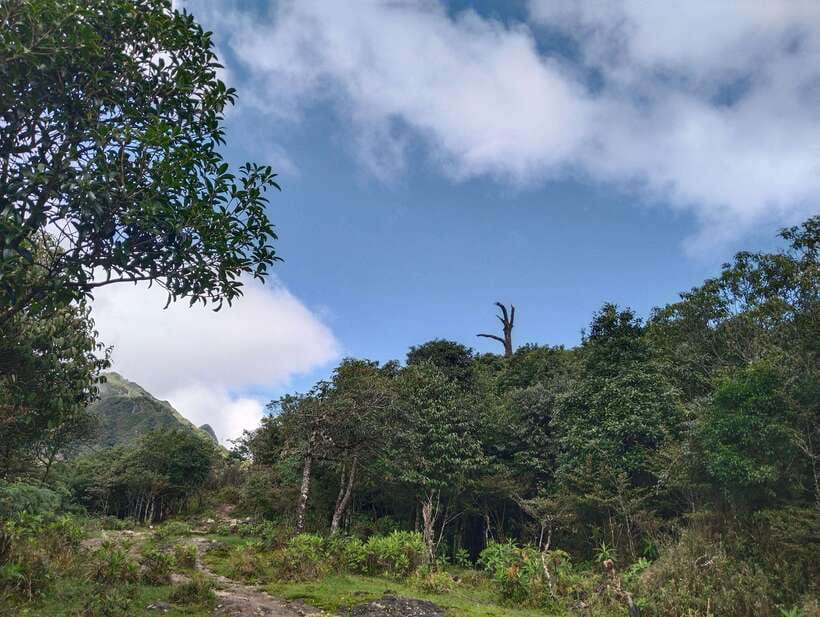
The upper section is where the outing earns its challenging label. The path may become steeper and rougher, with rocks, steps, wet ground, and light scrambling. You need closed-toe hiking shoes with reliable grip, not casual trainers with smooth soles.
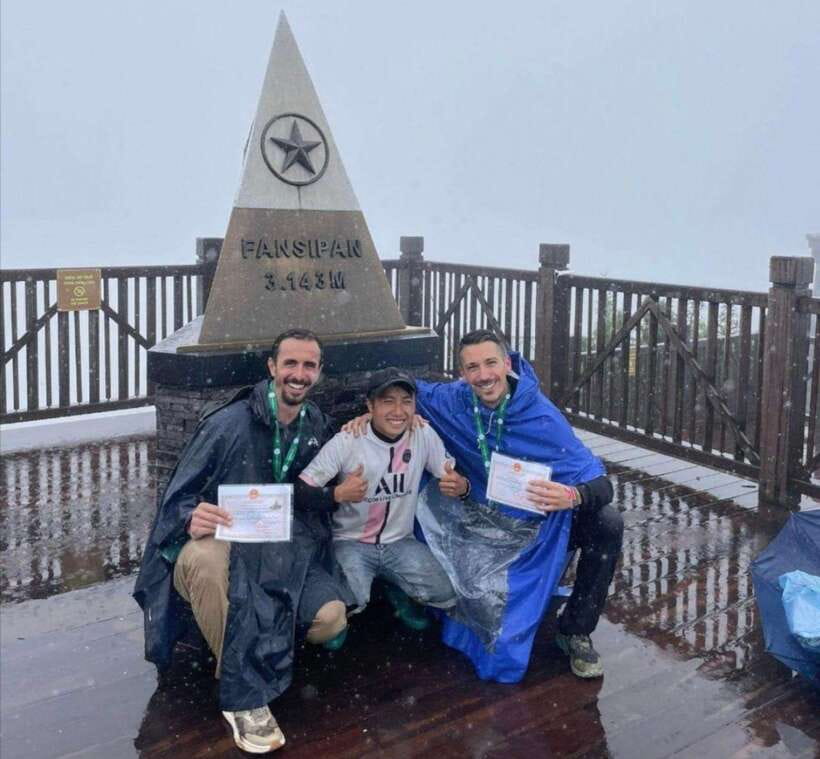
At the top, you reach Fansipan’s 3,143-meter summit, known as the roof of Indochina. The summit area can be busy because many people arrive by cable car, so the atmosphere may not feel remote once you get there.
Still, arriving under your own power is a different achievement. You can take pictures, celebrate with your guide, and receive a Fansipan climbing certificate. The certificate and medal have been meaningful finishing touches for people who put in the effort.
The summit view is never guaranteed. Fog can cover the roof of Indochina, and rain can make the final approach slower. Even on a cloudy day, the route itself offers photo opportunities, forest scenery, and the satisfaction of completing a demanding climb.
Descent on foot or cable car
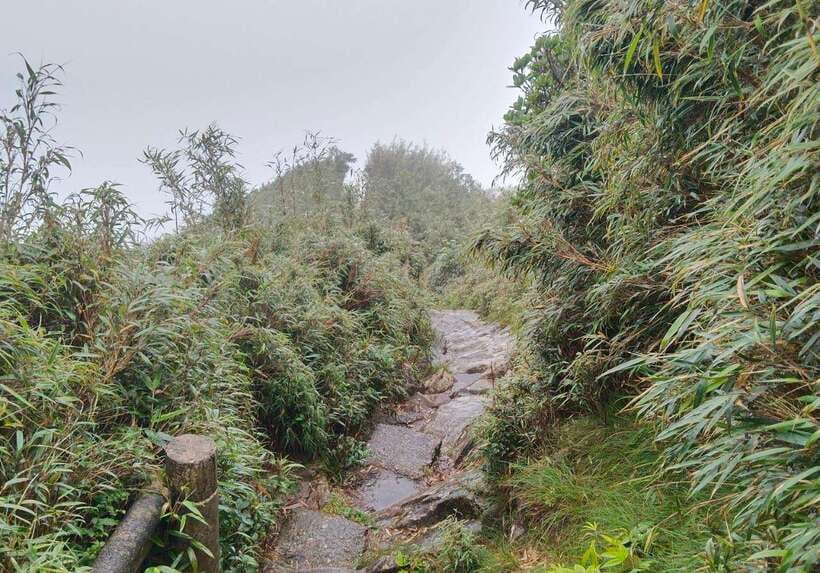
The stated plan has you begin descending in the afternoon, reach roughly 2,900 meters, and continue toward Tram Ton Pass. A full descent is not an easy add-on. Your muscles are already tired, and downhill walking can be harder on knees than the climb.
Several fit people still chose the cable car down after reaching the summit. The cable car is optional and not included. One recent booking cited a cost of about 800,000 Vietnamese dong per person, with cash needed, but prices can change.
The cable car does not automatically return you to your hotel. This service does not include the shuttle from the cable car station to your accommodation, so you need to arrange and pay for that separately.
If you want the full mountain achievement, descend on foot. If you are running late, dealing with sore joints, or saving energy for another Sapa hike, the cable car can be a sensible choice. Decide before exhaustion takes over, and ask the guide about timing and the best exit point.
Weather, clothing, and safety
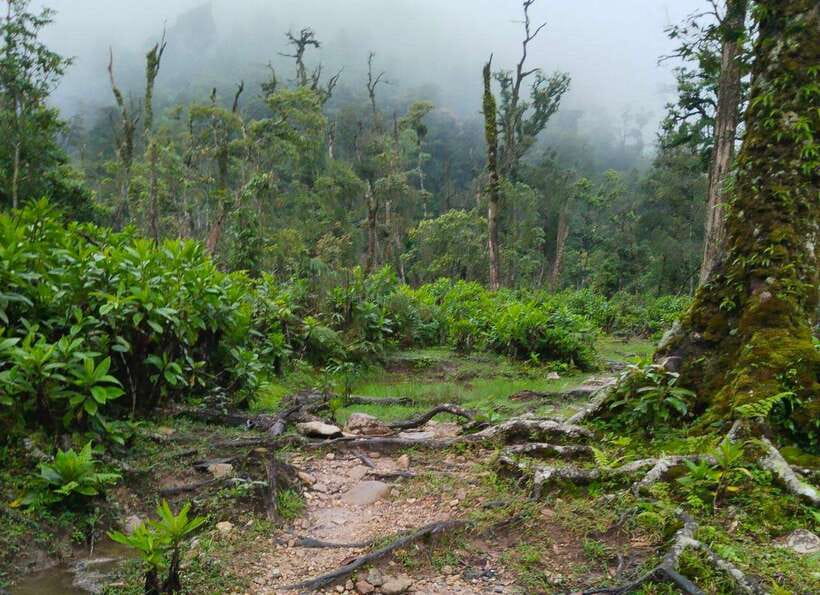
Fansipan weather is famously changeable at elevation. Rain can turn the trail muddy and extend the day. Cloud can remove the view, while wet rocks and steps can slow every person in the group.
Pack for movement and for a sudden shift in conditions:
- Hiking shoes with good grip
- Comfortable clothes and a long-sleeved layer
- A T-shirt for warmer periods
- Rain gear that you can reach quickly
- Closed-toe shoes
- A small bag for water and personal items
Gloves are included, which is helpful on damp rocks and rough sections. I would still bring a waterproof layer for your phone and spare clothing if rain is forecast.
This is not suitable for children under 15 or people over 70 under the stated conditions. You also need good physical condition and healthy joints. One person compared the effort to being manageable for someone who can run a 5K at a reasonable pace, but that is only a rough personal benchmark, not a formal requirement.
Altitude can affect you even if you are generally active. One person developed a headache and tiredness and wished they had prepared better. The tour information does not promise altitude medication or medical support, so speak to a medical professional before travel if altitude is a concern. Personal travel insurance is not included.
Is $72 a fair price?
At $72 per person, the cost is strong for a full-day guided climb. You get a local English-speaking guide, entrance fee, transport to and from Sapa, picnic lunch, 1.5 liters of water, gloves, a certificate, and a porter for groups of four or more.
The price matters because arranging these pieces separately would take time, and the guide is not simply there to point toward the summit. You are paying for route support, local interpretation, pacing, food, and a practical fallback if you need to change plans.
The price does not cover personal insurance or the optional cable car. It also does not cover the cable car station shuttle to your accommodation. Keep those costs in mind before deciding how much cash to carry.
Free cancellation is available up to 24 hours in advance, and you can reserve now and pay later when that option appears for your date. That flexibility is useful in Sapa, where bad weather can affect a mountain day.
Who should book this Fansipan climb?
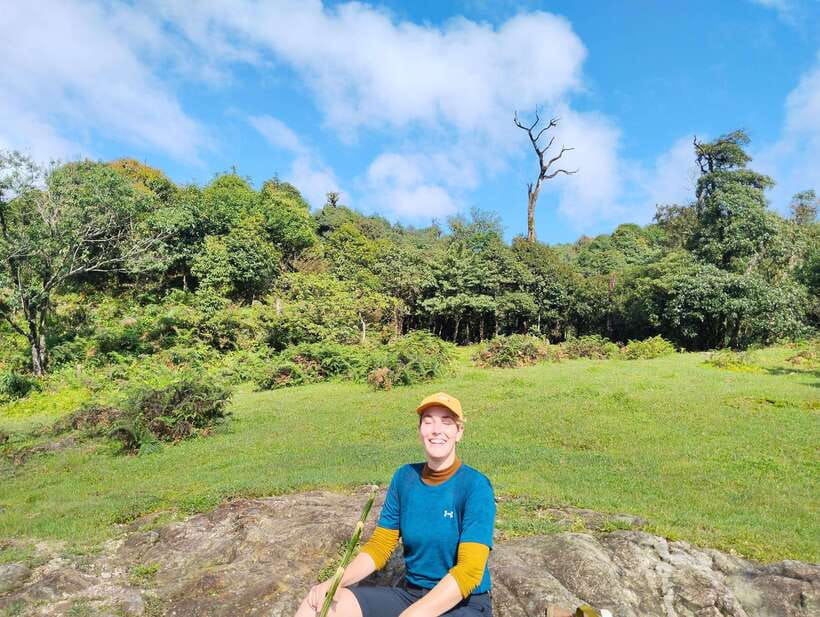
You should consider it if you want to earn the summit on foot, prefer a local guide to a large commercial group, and enjoy a day that mixes physical effort with food and cultural conversation.
It suits hikers with reasonable fitness who accept that the pace may be demanding. It also works well for people who want a guide familiar with the mountain and the Black Hmong community around Sapa.
Think twice if you want a relaxed day, guaranteed clear views, or a short walk with a scenic finish. The cable car is the better fit for that style, though this experience can still use the cable car for the descent if your legs are finished.
Should you book it?
Book this climb if the main attraction is the challenge itself. The strongest parts are the local guiding, the care given to tired hikers, the home-style lunch, and the chance to see Fansipan through the eyes of someone from the Sapa area.
Go prepared for mud, fog, steep ground, and a long descent. If you bring proper shoes, rain gear, realistic fitness expectations, and enough flexibility to use the cable car down, this offers very good value at $72. If you are mainly chasing a clear summit photograph, remember that the weather may give you only cloud, but the climb can still be worth the effort.
FAQ
How long does the Fansipan climb take?
The activity is listed as eight hours, while the climb and descent are expected to take about seven to nine hours. Rain, mud, fitness levels, and breaks can extend the day, with some outings lasting around 10 hours.
Where does the hike begin?
Your guide and driver take you from Sapa to Tram Ton Pass, about 1,800 meters above sea level. The walking section begins there.
What time does pickup start?
Pickup is scheduled for about 5:30 AM. The group usually reaches Tram Ton Pass and starts walking around 6 AM.
Is the cable car included?
No. The optional cable car down is not included, and the shuttle from the cable car station to your accommodation is also not included.
What is included in the $72 price?
The price includes a tour guide, entrance fee, picnic lunch, transportation, 1.5 liters of water, gloves, a Fansipan climbing certificate, and a porter for groups of four or more.
Is this hike suitable for children?
The activity is not suitable for children under 15. It also requires good physical condition because the route is moderate to challenging.
What should I bring?
Bring comfortable hiking shoes, closed-toe shoes, rain gear, a long-sleeved shirt, and a T-shirt. Good footwear and waterproof clothing are especially important if rain is possible.
Newly reviewed in Sapa
- Sapa: Y Linh Ho – Lao Chai, and Ta Van Trekking Day Tour★ 5.0 · 25 reviews
- Sapa: Ta Phin Village Trek & Red Dao Herbal Bath★ 5.0 · 22 reviews
- Sapa3D2N TrekkingAdventures,Valleys,Bambooforest,Waterfall★ 4.8 · 24 reviews
- From Sapa: Guided Full-Day Trekking with Lunch and Drop-Off★ 4.2 · 86 reviews
- Sapa Trekking Bargains With Local Guide★ 4.9 · 91 reviews
- Sapa: Muong Hoa Mountain Views and Villages Trek with Lunch★ 4.3 · 28 reviews
- Sapa: Private Highlights Day Tour with Lunch★ 4.8 · 61 reviews
- Sapa: 3-Day Ha Giang Loop Motorbike Tour★ 4.9 · 34 reviews
Trekking & Homestays, compared.


Muong Hoa Valley Trek and Local Ethnic Villages
Read our review →
Fansipan Cable, Cat Cat Village & Moana Instagram Tour
Read our review →

Sapa 3 Days 2 Nights Trekking Tour (1 Night In Ta Van Village, 1 Night In Hotel)
Read our review →
Number one top rated ethical cultural trekking and homestay by ETHOS
Read our review →
2-Day Sa Pa Ethnic Homestay Tour & Trek with Limousine Bus
Read our review →
Cat Cat Village, Moana, Fansipan Cable Car, Alpine Coaster – Sapa
Read our review →Browse the lists this tour appears in