
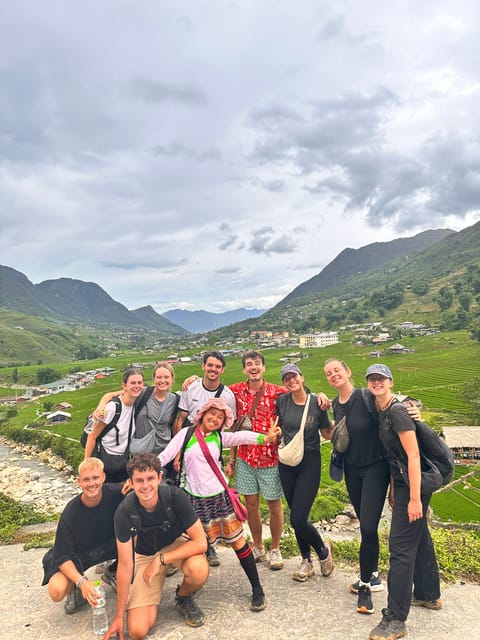
Reviewed · TOURS IN SAPA
Explore Sapa by TrekkingAdventures, Mountain,Rice fields
Sapa’s best scenery begins when you leave the town behind. This five-hour trek through Y Linh Ho, Lao Chai, and Ta Van takes you down into valleys shaped by rice terraces, with local Hmong women explaining village life along the way. I especially like the choice of an easier or harder route, and I like that your guide is part of the community rather than simply repeating a standard script.
The included lunch, village fees, water, and ride back to Sapa make the $23 price unusually good value. The main catch is the footing: steep downhill paths, mud, slippery stones, stream crossings, and narrow trails can make this a proper mountain walk, especially after rain. Some local women may also offer handmade goods repeatedly, so bring cash only if you want to buy.
Key points at a glance
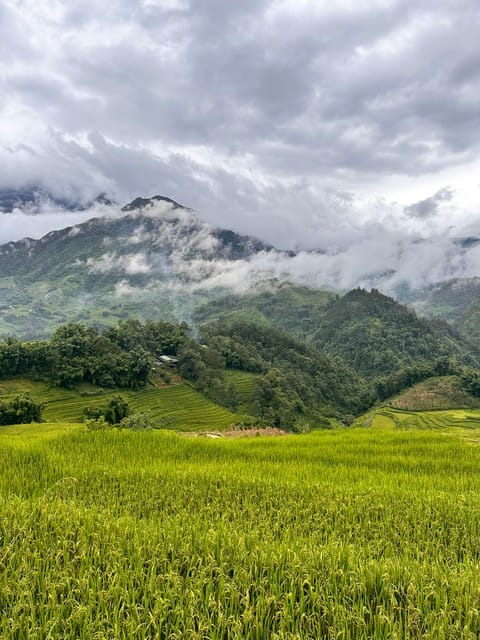
- Three villages in one walk: Follow the route from Sapa to Y Linh Ho, Lao Chai, and Ta Van, with the option of walking 5 to 11 kilometers.
- Guides from the local community: Guides such as Sun, Dinh, Khu, and Chuchu explain Hmong customs, family life, farming, and the differences between local ethnic groups.
- A flexible level of effort: Choose easy, hard, or a route that starts hard and becomes easier.
- Lunch in Lao Chai: Stop at a local restaurant for a generous meal, with vegetarian and vegan options reported.
- Rain does not automatically cancel the walk: Boots and trekking sticks are available, though wet weather can still make the trail demanding.
- Direct support for Hmong women: The three sisters who operate the experience say bookings help create work and support children’s schooling.
Why this Sapa walk feels different from a town excursion
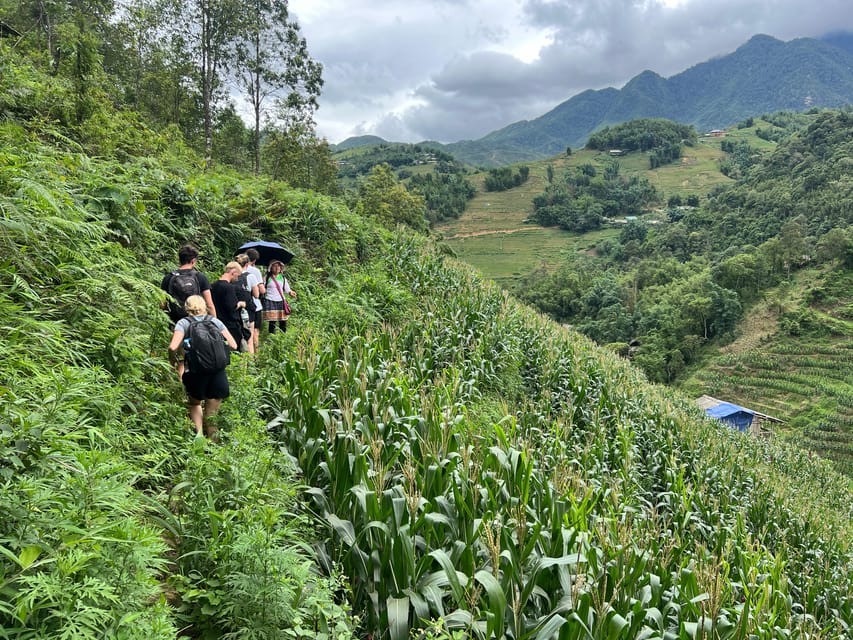
Sapa town is useful for hotels, restaurants, transport, and mountain views, but its streets do not show you much about daily life in the surrounding valleys. This tour gets you onto footpaths, past animals and homes, and into villages where farming still shapes the day.
The cultural side is the real point. Your guide may explain arranged marriage, traditional clothing, indigo dyeing, family responsibilities, farming, and the way Black Hmong and Dzay communities differ. The stories come from women who grew up in these mountains, including guides from the family behind the tour.
Guides vary, but Sun receives especially strong praise for her clear English, humor, and ability to keep a group together. Dinh, Khu, Chuchu, Mam, and other local guides are also named in the feedback. You should not book expecting one specific person unless the operator confirms it, but the local connection is a consistent part of the experience.
This is not a silent nature walk. You will talk, stop for explanations, pass through working villages, and sometimes meet other women selling handmade items. That can feel awkward if you want solitude, but it is also part of the economic reality of the area. The guide normally makes clear that buying is optional.
More days out you can book in Sapa:
- Sa Pa: Muong Hoa Valley Trek and Local Ethnic Villages
★ 4.6 · 864 reviews - Sapa: Fansipan Cable, Cat Cat Village & Moana Instagram Tour
★ 5.0 · 777 reviews - Sapa: Eco Adventure Terrace Fields and Local Villages Trek
★ 4.9 · 636 reviews
Starting in Sapa and heading down to Y Linh Ho
The usual meeting point is your hotel in Sapa Town or the area in front of the main church. The advertised start is 9:00 AM, though the operator can arrange another time if you ask in advance. Meeting near the church can be busy, particularly when several groups gather, so arrive ready to move and keep your phone available for messages.
From Sapa, the route heads downhill toward Y Linh Ho, a Black Hmong village. The first part is important because the setting changes quickly. Town streets give way to mountain paths, small roads, rice terraces, bamboo, and views into the valleys.
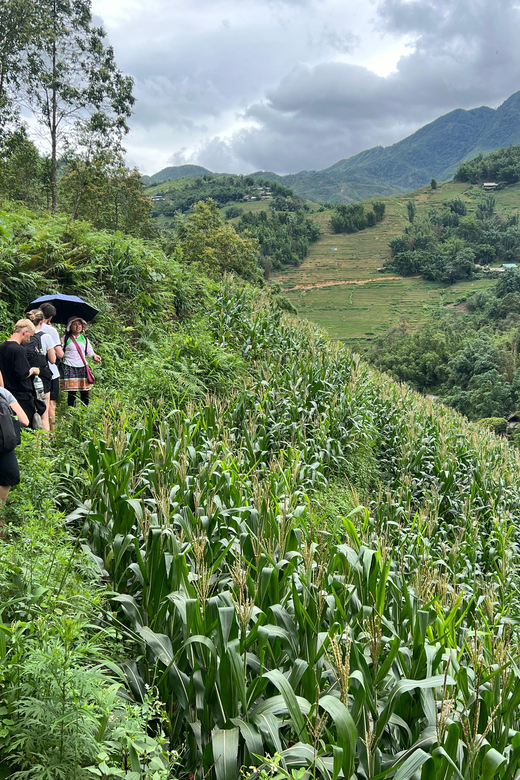
The downhill direction sounds easy, but it can be harder on your knees and balance than a steady climb. Mud and loose footing are the main problems. One useful detail from the walk is the presence of local women who sometimes accompany groups through rougher sections and help people cross tricky ground. That assistance can be welcome, but it may also lead to sales offers later.
In clear weather, this is the part where Sapa’s famous terraces begin to make sense. The fields are not just a photo backdrop. They show how families use steep slopes for rice farming, with buffalo, pigs, and chickens appearing along the route. In the planting or harvest season, you may see people working in the fields. Outside those periods, the terraces still show the careful shaping of the valley.
Winter needs a realistic warning. Fog can cover much of the view, and several January walks had cloudy or muddy conditions. That does not erase the village experience, but it can reduce the wide mountain scenery you may have pictured. Summer and clear days generally offer better visibility, while rain makes the paths more slippery.
Lao Chai, lunch, and a closer look at village life
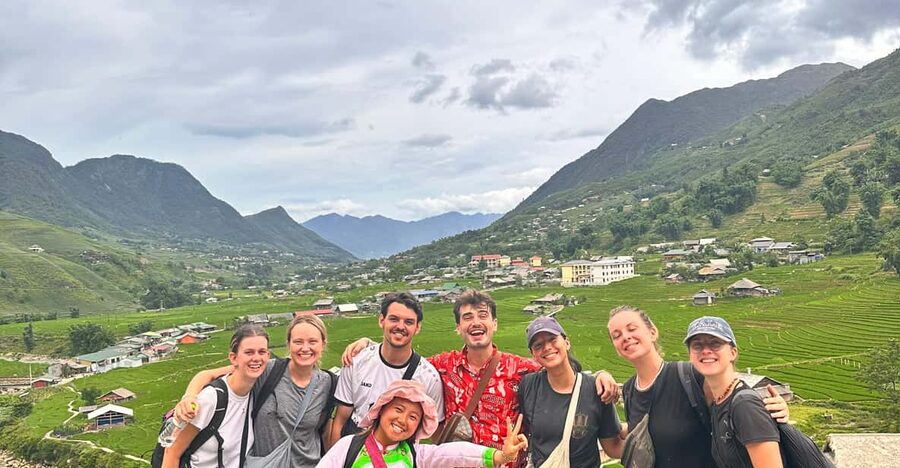
Lao Chai is one of the largest and oldest Hmong communities on the route. It is the natural midpoint for a break and lunch, and it gives you more time to see how village life differs from Sapa’s tourist center.
The meal is included and is served at a local restaurant. Expect a shared meal rather than a private fine-dining stop. The portions are described as generous, and vegetarian and vegan meals have been arranged. You should mention dietary needs when booking so the restaurant has time to prepare.
The lunch stop matters for another reason: it breaks up the walking. The tour may last about five hours on paper, but some groups have spent closer to six hours including breaks, lunch, and a longer route. A slower pace is useful on muddy ground, and the guides tend to stop regularly for photos, water, and explanations.
After lunch, you may visit a traditional Black Hmong house. This is one of the stronger cultural moments because it connects the views with ordinary routines. You can ask about cooking, family life, farming, and local customs instead of simply passing through a village for photographs.
One guide, Sun, has been praised for explaining the villages in clear English and answering questions without rushing. Other guides are described as warm, funny, and attentive. That personal exchange is what makes the tour more worthwhile than following a marked path alone.
Choosing the route from Lao Chai toward Ta Van
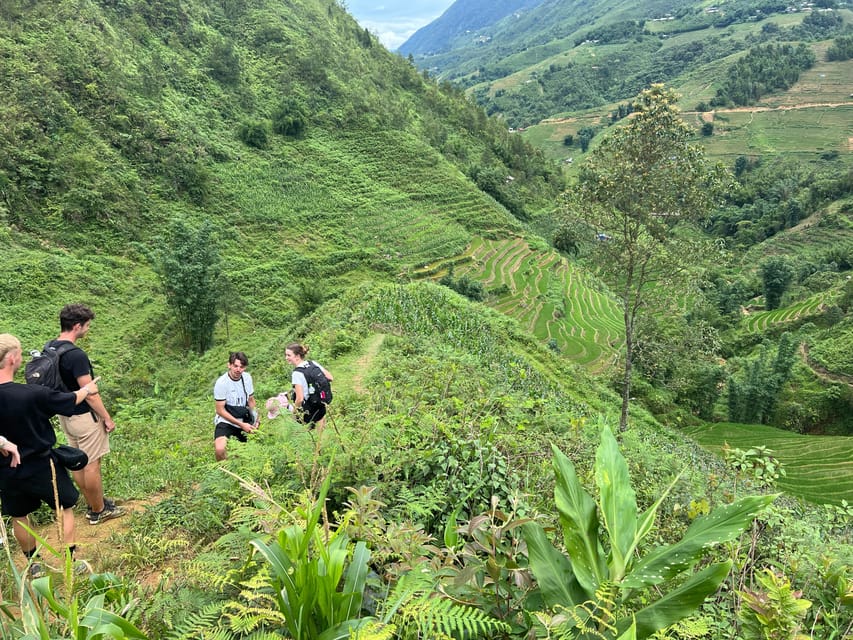
The activity gives you a choice of difficulty. The shorter option can be around 5 kilometers, while the harder route may reach 10 or 11 kilometers, with one account describing a 12 kilometer day. The exact route depends on conditions and the group.
The easy option generally uses more road or smoother paths. The hard option takes you closer to fields and rougher trails, with slippery sections, rocks, low fences, narrow paths, and occasional stream crossings. One practical advantage is that the tour can begin with the harder section and become easier later.
You do not need to be an athlete, but you do need full mobility and steady footing. One person who described being overweight and unfit managed the walk, while also noting the steep descents and awkward sections. That is a fair picture: the walk is not described as extreme, but the ground can demand concentration.
Wear shoes with a firm grip, not casual sneakers with smooth soles. Bring layers because Sapa can feel cool, especially in fog. A raincoat, sun protection, insect repellent, and cash are sensible. The operator can provide boots and trekking sticks in rainy conditions, but borrowed boots will not make a muddy trail dry or easy.
Ta Van is home to the Dzay people and gives the walk a useful point of comparison. Your guide can explain differences between the Black Hmong and Dzay communities, including local ways of life and village traditions. The final stretch lets you see how several ethnic communities live within the same mountain region without treating them as one culture.
Same base, a completely different day:
- Number one top rated ethical cultural trekking and homestay by ETHOS
★ 5.0 · 456 reviews - Cat Cat Village, Moana, Fansipan Cable Car, Alpine Coaster – Sapa
★ 5.0 · 420 reviews - From Sapa: 1-Day Guided Trek to Lao Chai & Ta Van with Lunch
★ 4.9 · 416 reviews - Sa Pa Full Day Trekking Tour
★ 5.0 · 414 reviews
The ride back to Sapa and the value of the timing
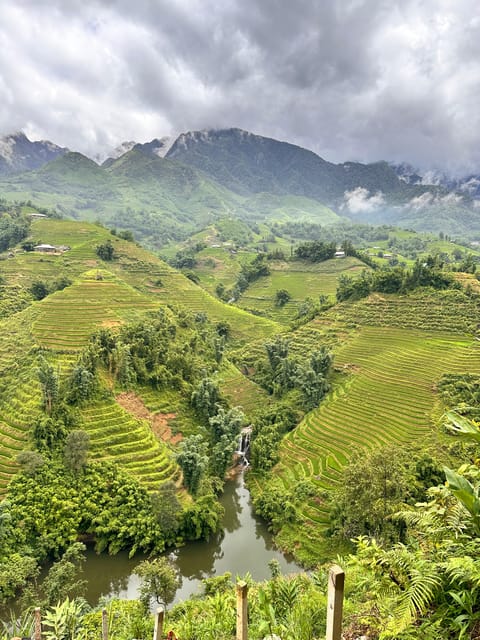
The trek finishes in Ta Van at around 3:00 PM, followed by private transport back to Sapa Town. The return trip is a practical feature, not a small detail. After several hours of downhill walking, you will appreciate not having to retrace the route on foot.
The route also works well for a short stay in Sapa. You get a full rural outing without committing to a two-day trek or homestay. If you have a night train, bus, or another fixed departure, tell the operator in advance and leave extra time. The exact walking pace and road conditions can change the finish time.
The group format keeps the cost low and lets you meet other people, but it means the pace is not entirely yours. A group may contain stronger walkers, cautious walkers, and people stopping often for photographs. Private tours are available for an extra charge if you want a slower rhythm, a more direct cultural conversation, or a route designed around your ability.
At $23 per person, the package includes the guide, lunch, water, village entry fees, and the ride back to Sapa. You still pay for extra drinks and should carry cash for personal purchases. Compared with arranging a guide, transport, entry fees, and lunch separately, this is strong value.
The low price does not mean the walk is polished like a large commercial attraction. Conditions are rural, paths can be rough, and the group may meet sellers along the way. That is part of the trade-off: you get local contact and a low-cost route, but not a controlled, private bubble.
The honest drawbacks: weather, mud, and souvenir pressure
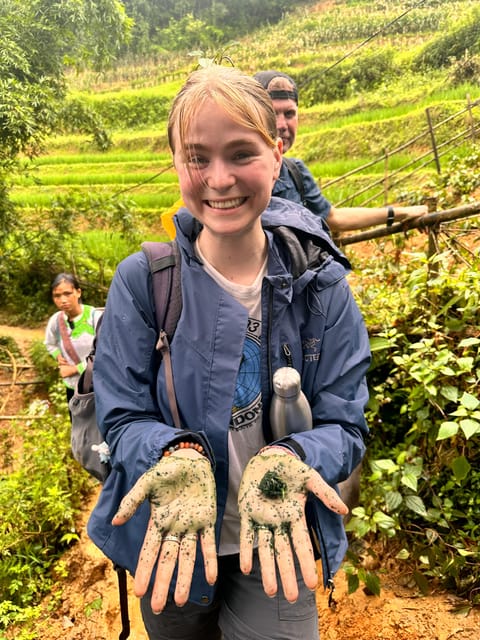
The biggest variable is the weather. Fog can hide the terraces, and rain can turn the trail into a balance exercise. Clear conditions produce the dramatic views shown in photographs, but you should still enjoy the walk for its villages and conversations if the clouds arrive.
Some sections become repetitive near the end, especially if you choose a longer route and take extended breaks. If you prefer a compact outing, choose the shorter distance and ask how much of the hard route you will cover.
The second issue is souvenir selling. Local women may walk with the group, offer help on difficult sections, and later ask you to buy crafts. Many people see this as a direct way to support families, while others find repeated offers uncomfortable. Decide your budget before starting, and feel free to say no politely. The guide can help set expectations.
The tour is not suitable for people over 95 according to the stated restrictions, but the more useful test is mobility. If steep downhill paths, muddy ground, stream crossings, or narrow trails are a concern, request the easy route or consider a less demanding activity.
Who should book this Sapa trek?
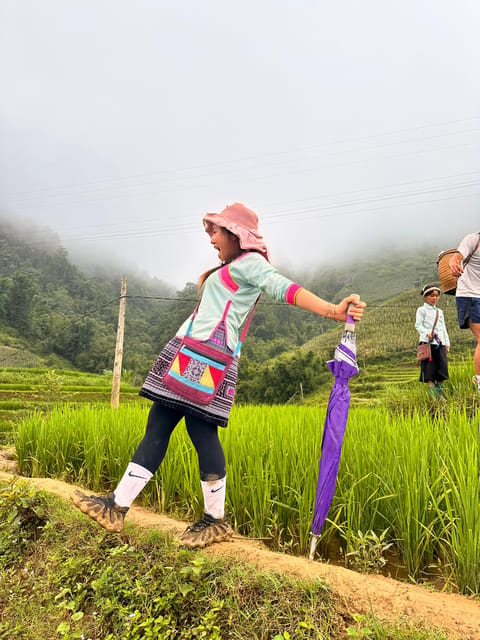
I would choose this for you if you want mountain scenery tied to real village life. It suits people who enjoy asking questions, walking at a moderate pace, and accepting a little mud in exchange for better access to the valleys.
It is also a good fit for solo visitors and couples who want a social group outing without paying private-tour prices. Families with young children should ask about the route first. Children under three can join free, but the terrain still matters more than the age rule.
You should think twice if you want guaranteed clear views, a quiet walk, or smooth paths. A private tour may be better if you have specific fitness needs or want to control every stop.
Should you book it?
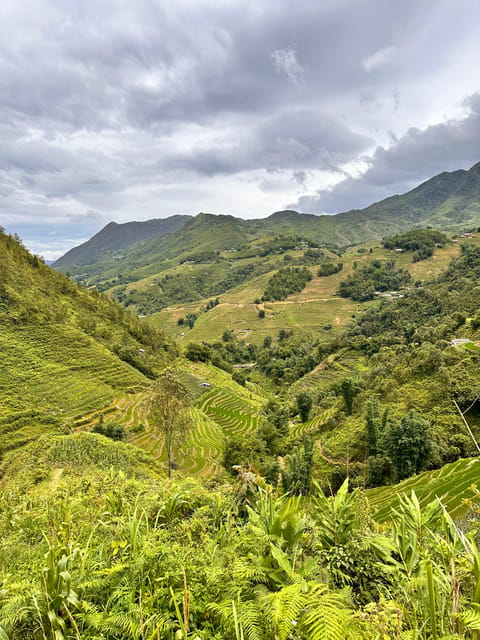
Book this tour if you want an affordable introduction to Sapa’s terraces, villages, and Hmong culture, and you are comfortable with unpredictable mountain footing. The strongest reasons are the local women guides, the flexible route, the included lunch, and the direct return transport.
Pick a clear-weather day if your schedule allows, but do not cancel your whole Sapa plan because of fog. You can still learn a great deal from the guide and see how people live in Y Linh Ho, Lao Chai, and Ta Van. Bring proper shoes, a rain layer, and a patient attitude, and this is one of the better-value half-day outings around Sapa.
FAQ
How long is the Sapa trekking tour?
The stated duration is five hours, with a usual start around 9:00 AM and an ending around 3:00 PM. Some routes and groups may take longer because of breaks, lunch, weather, and trail conditions.
Which villages does the trek visit?
The route goes from Sapa to Y Linh Ho, Lao Chai, and Ta Van. Y Linh Ho is a Black Hmong village, Lao Chai is a large Hmong community, and Ta Van is associated with the Dzay people.
How far do you walk?
You can choose a route of about 5 to 11 kilometers. The harder route may be around 10 kilometers, and some groups have walked farther depending on the exact path.
Is lunch included?
Yes. A local lunch in Lao Chai is included in the price. Vegetarian and vegan options have been provided, but you should mention dietary needs when booking.
What happens if it rains?
The operator says boots and trekking sticks are available in rainy weather. You should still bring a raincoat because wet conditions can make mud, stones, and downhill sections slippery.
Is this a private tour?
The standard experience is a group tour with other people. A private tour can be arranged for an extra charge.
What should I bring?
Bring comfortable walking shoes and clothes, sunglasses, a sun hat, sunscreen, a camera, insect repellent, rain protection, and cash. Extra drinks are not included.
Can I cancel or pay later?
You can reserve now and pay later. Cancellation up to 24 hours before the activity is available for a full refund.
Newly reviewed in Sapa
- Sapa: Y Linh Ho – Lao Chai, and Ta Van Trekking Day Tour★ 5.0 · 25 reviews
- Sapa: Ta Phin Village Trek & Red Dao Herbal Bath★ 5.0 · 22 reviews
- Sapa3D2N TrekkingAdventures,Valleys,Bambooforest,Waterfall★ 4.8 · 24 reviews
- From Sapa: Guided Full-Day Trekking with Lunch and Drop-Off★ 4.2 · 86 reviews
- Sapa Trekking Bargains With Local Guide★ 4.9 · 91 reviews
- Sapa: 3-Day Ha Giang Loop Motorbike Tour★ 4.9 · 34 reviews
- Sapa: Muong Hoa Mountain Views and Villages Trek with Lunch★ 4.3 · 28 reviews
- Sapa: Private Highlights Day Tour with Lunch★ 4.8 · 61 reviews
Tours in Sapa, compared.
Muong Hoa Valley Trek and Local Ethnic Villages
Read our review →
Fansipan Cable, Cat Cat Village & Moana Instagram Tour
Read our review →
Eco Adventure Terrace Fields and Local Villages Trek
Read our review →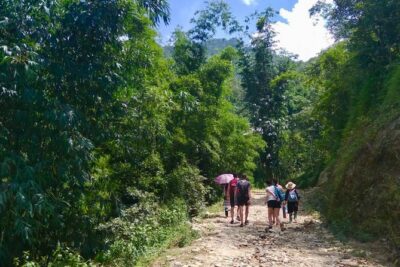
Number one top rated ethical cultural trekking and homestay by ETHOS
Read our review →
Cat Cat Village, Moana, Fansipan Cable Car, Alpine Coaster – Sapa
Read our review →
1-Day Guided Trek to Lao Chai & Ta Van with Lunch
Read our review →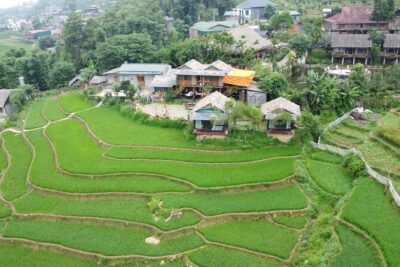
Sapa 1 Day Long Trek: Trek to Hau Thao and Sa Seng Villages
Read our review →Browse the lists this tour appears in