
Reviewed · TREKKING & HOMESTAYS
2-Day Fansipan Mountain Trek – Indochina’s Highest Peak
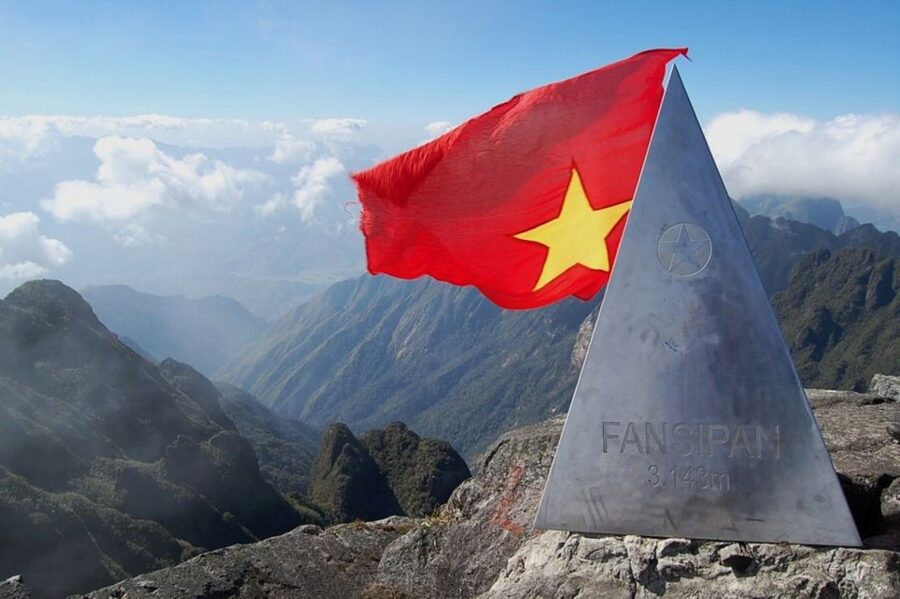
Fansipan is Vietnam’s highest mountain, and this two-day route gives you the real climb rather than a quick cable-car visit. You hike from Tram Ton through pine, bamboo, streams, boulders, steps, and ladders before reaching the 3,143-meter summit at about 7:30 AM.
I like the early summit arrival, when the valleys of Sa Pa and Lai Chau can sit below a blanket of cloud. I also like the local touch: a Black Hmong porter carries food and sleeping gear, while your guide explains the Black Hmong, Red Dao, and Dzay communities who live around Sa Pa. The drawback is clear: this is a long, steep 26-kilometer trek, and the sleeping arrangements are basic.
Key points
- Reach 3,143 meters: Stand on Vietnam’s highest peak after a serious two-day hike.
- Start in Tram Ton: Ride from Sa Pa to the trailhead and climb through pine, bamboo, and forest streams.
- Sleep at about 2,800 meters: Expect a hut or tent, sleeping bag, and very simple mountain conditions.
- Meet local mountain staff: A Black Hmong porter carries your food and sleeping gear.
- Catch the sunrise: Leave camp at 5:00 AM for a summit arrival around 7:30 AM.
- Pay attention to the descent: You can ask the guide about the cable car if your legs are spent.
Fansipan without the easy way up
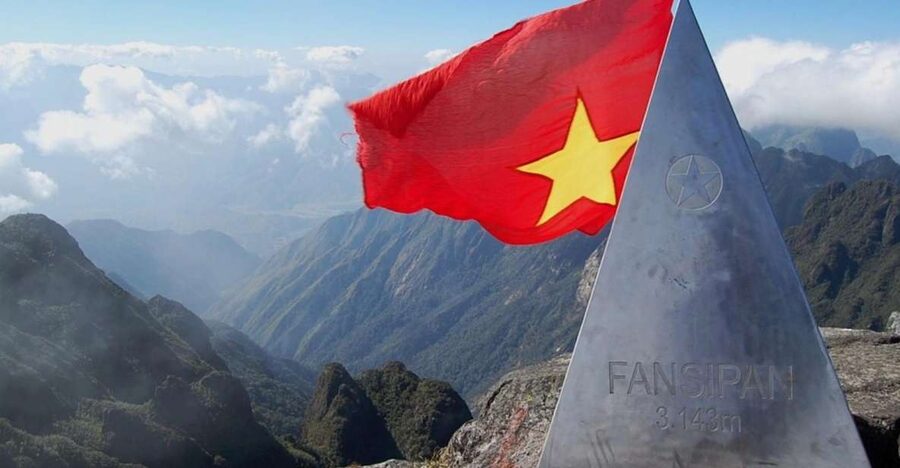
The cable car makes Fansipan accessible to almost anyone with a ticket, but this tour is for people who want to earn the summit. You spend two days on foot, climbing from Tram Ton to a sleeping point at roughly 2,800 meters, then continuing to the top at 3,143 meters.
That distinction matters. You are not simply visiting a viewpoint above Sa Pa. You are walking through changing forest, carrying a daypack, dealing with steep ground, and spending a night in basic mountain accommodation. The summit is the reward, but the route is the experience.
The total trek is about 26 kilometers. That makes this a poor choice if you dislike long uphill walks or if you have trouble with steep steps, uneven boulders, and ladders. The tour is not suitable for children under 17, people with disabilities, or older people who are not comfortable with a demanding hike.
At the same time, the route is not presented as a race. Guides stop for views, photos, water, and rest. Guides such as Sinh and Cha have been praised for checking on hikers, answering questions, and keeping a steady pace. Your guide’s care will matter more than fancy equipment here.
More Trekking Trips in Sapa
- Sa Pa: Muong Hoa Valley Trek and Local Ethnic Villages
★ 4.6 · 864 reviews - Sapa: Fansipan Cable, Cat Cat Village & Moana Instagram Tour
★ 5.0 · 777 reviews - Number one top rated ethical cultural trekking and homestay by ETHOS
★ 5.0 · 456 reviews
Starting in Sa Pa and sorting your luggage
You meet at the Vietnam Nomadtrails office at No. 013 Tue Tinh Street in Sa Pa. The information gives both 7:00 AM and 8:00 AM as possible meeting times, so confirm the exact start time when you book.
A hot shower is available before the trek, and you can leave large luggage at the office. This is a useful detail, since you do not want to carry a full travel bag up Fansipan. Bring only what you need for two days, and keep your valuables with you.
You have some time to relax or explore Sa Pa before the drive to Tram Ton. The listed schedule places the transfer around 9:00 AM, after the morning arrangements. Transport to and from the trekking trailhead is included, so you do not need to arrange a separate taxi to Tram Ton.
The tour ends back at the office in Sa Pa after the descent and another shower. Any bus or train from Sa Pa to Hanoi is your own responsibility. Plan that onward trip with breathing room, since the return from Tram Ton is expected between 3:30 and 4:30 PM on the second day.
Day one: Tram Ton to the 2,800-meter camp
The first day begins with the drive to Tram Ton Pass, the usual starting point for this ascent. Here you meet the guide and the Black Hmong porter who carries the food and sleeping bags. The porter is not carrying your main luggage, so you still need a comfortable daypack with personal essentials.
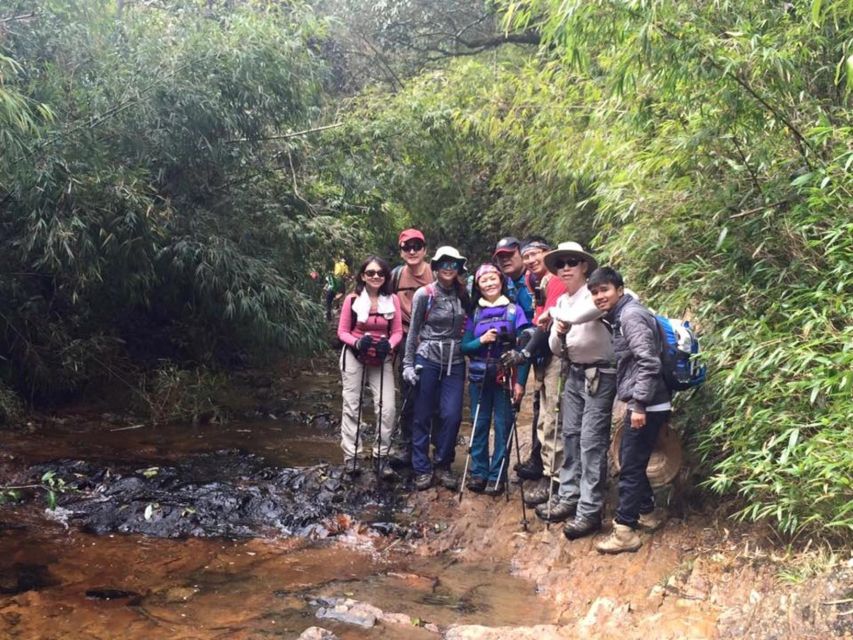
The path moves through pine and bamboo forest, with streams and cooler mountain air. This part of the hike gives you a sense of Fansipan as a living mountain, not just a summit marker. The forest also helps break up the climb, though the route remains physically demanding.
Your guide can explain the local communities connected to the Sa Pa area, including the Black Hmong, Red Dao, and Dzay. That cultural context is one of the tour’s better features. You are not only counting meters gained. You are learning how several indigenous groups live in the northern highlands.
Around noon, you reach about 2,200 meters for a picnic lunch. The guide and porter prepare the food, with two lunches, one dinner, and one breakfast included in the price. Food is a real strength of the tour, especially considering the basic setting. Meals have included several regional dishes rather than a single plain packed snack.
After lunch and a rest, you continue toward the sleeping point at about 2,800 meters. The schedule expects arrival around 4:00 PM, leaving time to rest or look around the camp before dinner at approximately 6:30 PM.
Do not treat that spare time as a promise of a comfortable evening. Mountain weather can change, and the camp facilities are rustic. The sleeping arrangement may be a hut or tent, with a sleeping bag supplied. One experience found temperatures falling to around zero degrees and the sleeping bag insufficient without extra blankets. Pack warm layers, socks, and a hat even if Sa Pa feels mild.
An early night is the sensible plan. Day two starts with breakfast at 5:00 AM, and the hardest climb is still ahead.
Day two: a 5:00 AM start for the summit
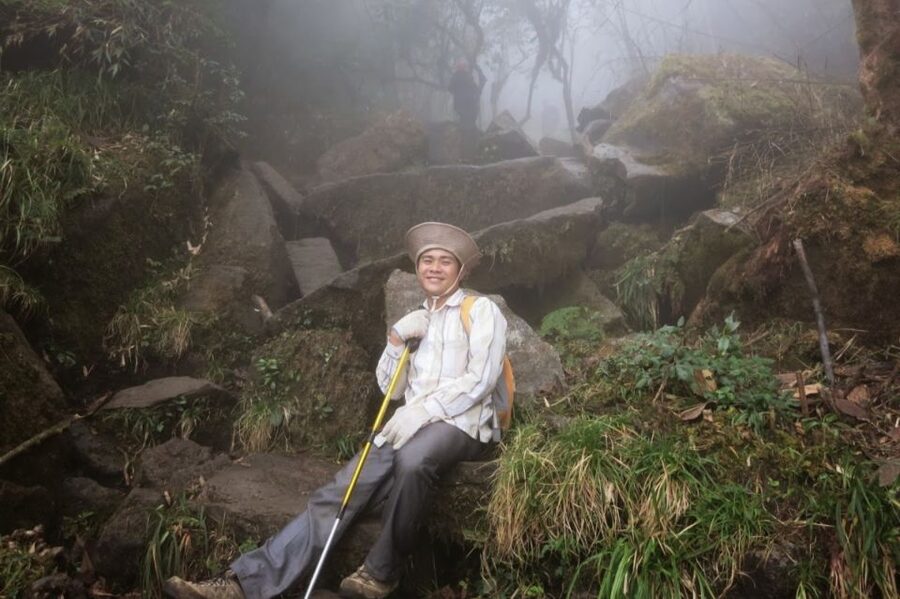
Breakfast comes with hot tea or coffee, then you leave camp for the final climb. The bamboo forest thins as you gain height, and vegetation becomes less common near the top. The route includes steep sections, rocks, steps, and ladders, so this is where tired legs begin to matter.
The schedule aims to put you on the summit around 7:30 AM. If the weather cooperates, you can watch the sunrise over valleys around Sa Pa and Lai Chau Province. On clear days, the view may extend toward the mountains of Yunnan in China.
The early arrival is a major reason to choose this tour instead of treating Fansipan as a quick cable-car stop. You get a quiet moment at the top before the busiest part of the day, though conditions and other mountain activity can vary.
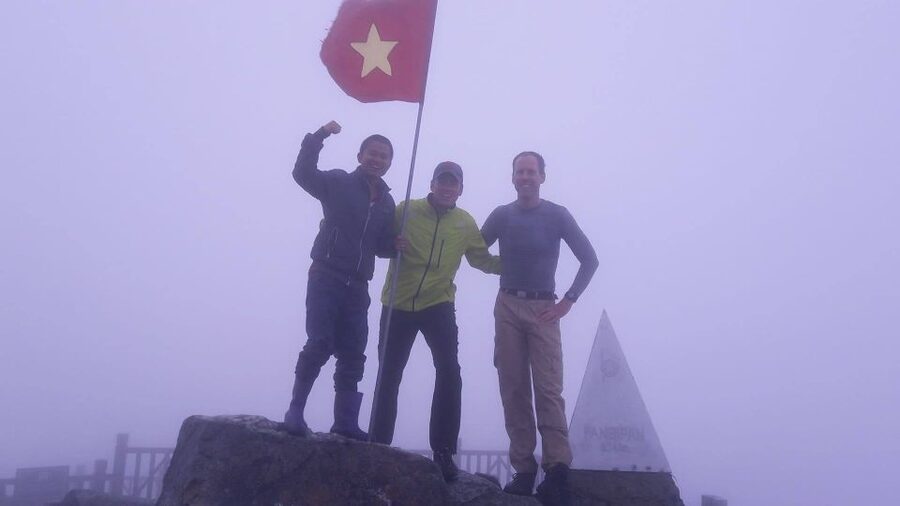
At the summit, take time to enjoy the result rather than rushing through photos. You have climbed from Tram Ton, slept high on the mountain, and reached the highest point in Vietnam under your own power.
The descent begins around 8:00 AM. Do not underestimate it. Going down steep steps and rocky sections can be hard on knees and thighs after the climb. A picnic lunch is served on the way back to Tram Ton, where the vehicle collects you for the return to Sa Pa.
If your legs are finished, you can ask the guide about buying a cable-car ticket for the descent. The supplied information gives different prices, listing 800,000 VND for a cable-car ticket and about 700,000 VND for a descent when arranged through the guide. Confirm the current amount before relying on this option.
Other treks and homestays from Sapa:
- Cat Cat Village, Moana, Fansipan Cable Car, Alpine Coaster – Sapa
★ 5.0 · 420 reviews - Sa Pa Full Day Trekking Tour
★ 5.0 · 414 reviews - Sapa: Fansipan Cable, Cat Cat Village, Moana Instagram Tour
★ 4.8 · 294 reviews - Sa Pa: 6-Hours Muong Hoa Valley Trek with Local Ethnic guide
★ 4.5 · 178 reviews
The guide and porter make the difference
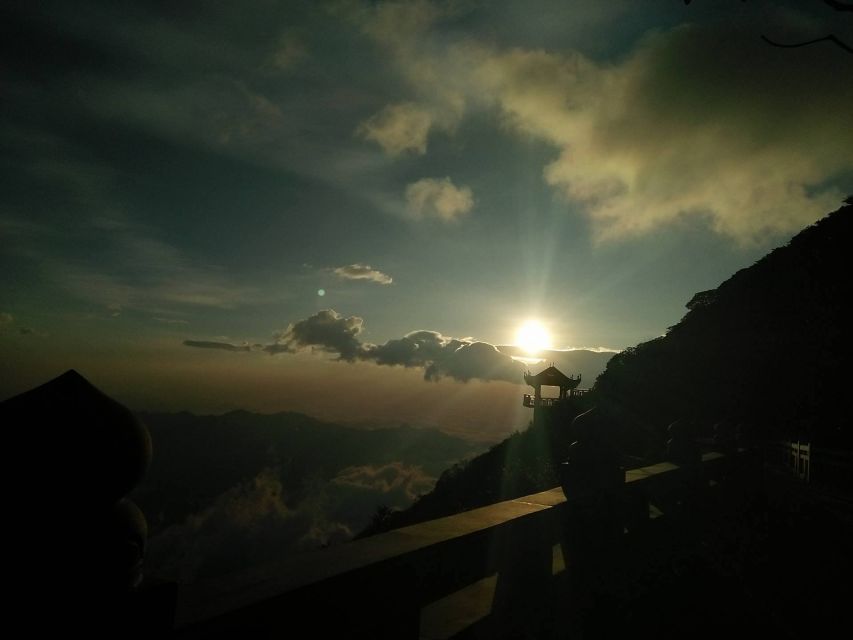
A Fansipan trek is only as good as the people managing it. Your English-speaking guide handles the pace, route, meals, cultural explanations, and basic mountain decisions. The porter carries the food and sleeping bags, which makes the climb more manageable for you.
Sinh has been singled out as a particularly strong guide, and Cha has also been praised for being friendly and able to answer questions while moving comfortably over steep ground. Those names may not be assigned to every departure, so treat them as examples rather than a guarantee.
The best guides on this route do more than lead from the front. They check whether you are coping, point out views, stop for photographs, and help you judge when to rest. That personal attention is valuable on a route where the pace can determine whether the final climb feels rewarding or miserable.
English ability may vary among the wider support team. A guide may offer good explanations, while the porter may speak little or no English. That does not reduce the porter’s practical value, but it can limit conversation.
Meals, water, and what the $120 covers
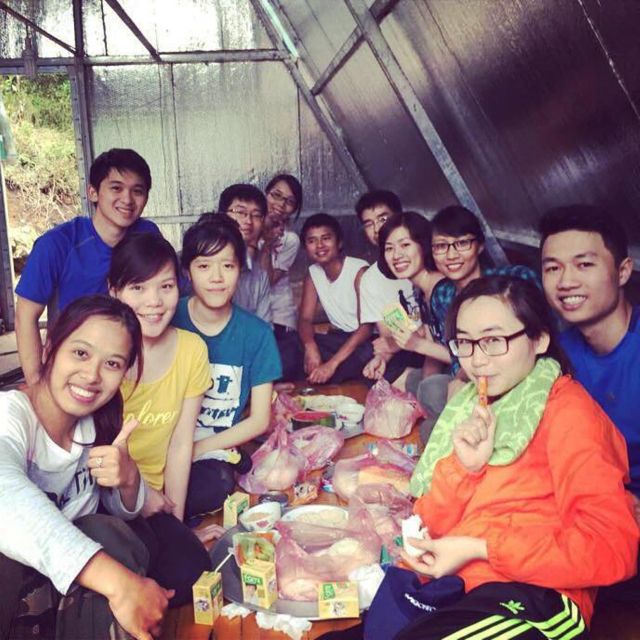
At $120 per person, the tour offers solid value if you want a guided climb with the main costs bundled together. The price includes the English-speaking guide, permit and entrance fee, transport to Tram Ton, porter support, two lunches, dinner, breakfast, accommodation, sleeping gear, and 1.5 liters of water per day.
Those inclusions matter. A permit and transport can be easy to overlook when comparing mountain tours, and porter support saves you from carrying shared food and sleeping equipment. The hot shower before and after the trek is also more useful than it sounds, especially after two days on a damp or dusty trail.
Drinks beyond the supplied water are not included. Dietary needs, allergies, and vegetarian requests should be given in advance. The food has been a high point, with regional dishes prepared in very simple mountain conditions.
The price does not include travel insurance, VAT, or your onward bus or train from Sa Pa to Hanoi. A solo traveler pays $230 for a private tour rather than the standard $120 per person. Lunar New Year travel also carries a $70 per-person surcharge for the stated holiday period, from January 26 to February 2, 2025.
Basic camp life at 2,800 meters
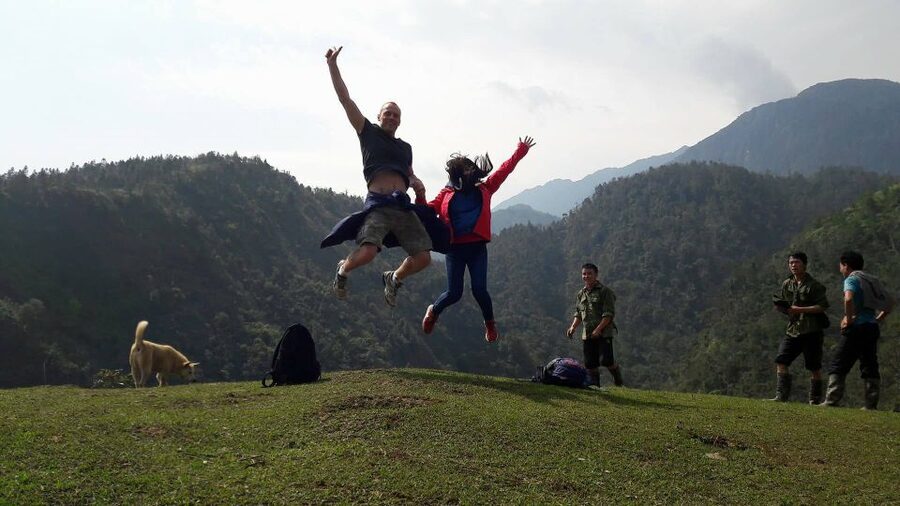
This is not a lodge-based mountain holiday. You may sleep in a hut or tent, and the sleeping bag is part of the supplied accommodation. Facilities at the camp are basic and can feel disorganized at busy times.
A father and 60-year-old son completed the route together, showing that age alone does not decide success. Fitness, uphill experience, and comfort with simple conditions matter more. Still, the tour itself advises elderly people against the long trek, so anyone older should assess the distance and steep sections honestly.
Night temperatures can be very low. The experience of cold conditions at camp is a useful warning, even though weather changes from one departure to the next. Bring thermal layers, a warm fleece or jacket, dry socks, and gloves. The tour supplies a sleeping bag, but you should not assume it will feel luxurious or fully warm in every condition.
You may also hear people arriving or moving around camp while you are trying to sleep. The operation can be rustic, and the night may not be silent. An early bedtime is still worth attempting because of the 5:00 AM breakfast.
Is the cable car a backup or a missed opportunity?
The cable car is not included, and this tour is designed around walking. Using it for the descent does not erase the climb, but it can spare your knees after reaching the summit.
I would view it as a practical safety option, not a failure. If you are in pain, badly exhausted, or worried about completing the steep return, ask the guide about the cable car. The descent is long enough that forcing yourself onward can turn a great achievement into a bad physical experience.
If you are fit and the trail conditions are good, walking back gives you more time in the forest and another set of views. The final choice depends on your energy, the weather, and the cost at the time of your visit.
Who should book this Fansipan trek?
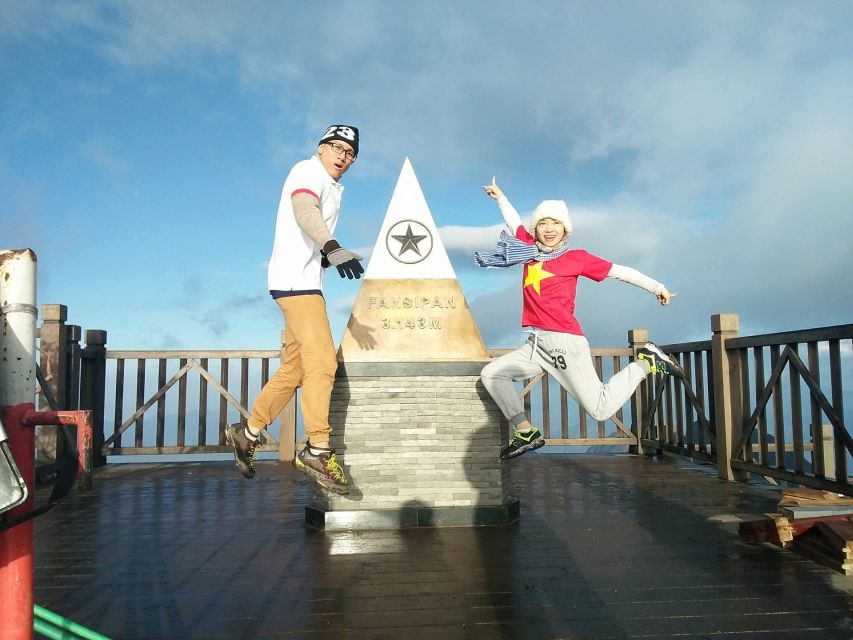
You should consider it if you want a demanding outdoor challenge, sunrise at Vietnam’s highest point, and a small taste of mountain life rather than a quick sightseeing stop. It also suits you if you value local guiding and are happy with basic accommodation.
You should think twice if you dislike steep hiking, need a private bathroom and comfortable bed, or want a flexible schedule. The 26-kilometer route is not a casual walk. The summit day begins before sunrise, and the descent can be as tiring as the climb.
This tour is also a good fit for hikers who want support without carrying every item themselves. The porter system, included meals, permit, and transport remove much of the planning work. You still need to bring fitness, patience, warm clothing, and a willingness to accept simple conditions.
Free cancellation is available up to 24 hours before departure, and you can reserve now and pay later. Those terms help if your Sa Pa plans are still moving, but they do not change the physical demands of the route.
Should you book the two-day climb?
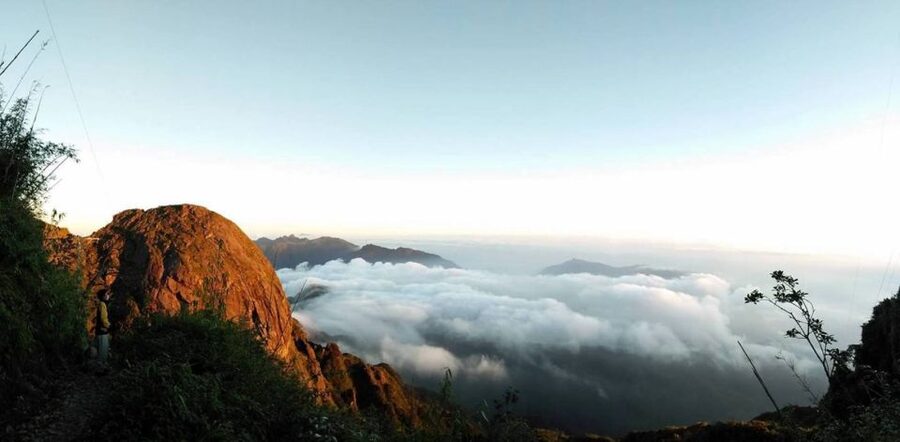
Book it if standing on Fansipan matters more to you than comfort. The combination of a local guide, porter support, cooked meals, cultural explanations, and a dawn summit makes the $120 price reasonable for a properly prepared hiker.
Skip it if you mainly want the view from the top. The cable car is the simpler choice, while this trek asks for two full days, a cold and basic night, and a serious 26-kilometer effort.
For the right person, this is a memorable way to meet Fansipan: slowly, on foot, through forest and cloud, with the summit earned at sunrise.
FAQ
How high is Fansipan?
Fansipan reaches 3,143 meters and is the highest mountain in Vietnam.
How long is the trek?
The route is about 26 kilometers in total over two days.
Where does the trek begin?
You meet at the Vietnam Nomadtrails office at No. 013 Tue Tinh Street in Sa Pa. Transport then takes you to Tram Ton Pass, where the ascent begins.
What time does the tour start?
The meeting information lists 8:00 AM at the office, while the schedule also mentions a 7:00 AM welcome. Confirm the exact meeting time when booking.
What meals are included?
The tour includes two lunches, one dinner, and one breakfast. You should provide allergy and vegetarian requests in advance.
Is accommodation included?
Yes. Accommodation includes a sleeping bag and a hut or tent near 2,800 meters.
Is a porter included?
Yes. A porter from the Black Hmong community carries the food and sleeping bags.
Can I take the cable car down?
Yes. If you feel too tired to descend on foot, you can ask the guide to arrange a cable-car ticket at an additional cost. The listed prices vary, so confirm the current amount.
Is the tour suitable for children or people with disabilities?
No. The trek is not suitable for children under 17 or people with disabilities. Elderly people are also advised not to attempt the long route.
More walking country near Sapa
- Sapa: Eco Adventure Terrace Fields and Local Villages Trek
★ 4.9 · 636 reviews - From Sapa: 1-Day Guided Trek to Lao Chai & Ta Van with Lunch
★ 4.9 · 416 reviews - Sapa 1 Day Long Trek: Trek to Hau Thao and Sa Seng Villages
★ 4.6 · 344 reviews - EXPLORE SAPA: 2D1N TREKKING & HMONG CULTURE WITH DINH
★ 4.9 · 191 reviews
Newly reviewed in Sapa
- Sapa: Y Linh Ho – Lao Chai, and Ta Van Trekking Day Tour★ 5.0 · 25 reviews
- Sapa: Ta Phin Village Trek & Red Dao Herbal Bath★ 5.0 · 22 reviews
- Sapa3D2N TrekkingAdventures,Valleys,Bambooforest,Waterfall★ 4.8 · 24 reviews
- From Sapa: Guided Full-Day Trekking with Lunch and Drop-Off★ 4.2 · 86 reviews
- Sapa Trekking Bargains With Local Guide★ 4.9 · 91 reviews
- Sapa: 3-Day Ha Giang Loop Motorbike Tour★ 4.9 · 34 reviews
- Sapa: Muong Hoa Mountain Views and Villages Trek with Lunch★ 4.3 · 28 reviews
- Sapa: Private Highlights Day Tour with Lunch★ 4.8 · 61 reviews
Trekking & Homestays, compared.
Muong Hoa Valley Trek and Local Ethnic Villages
Read our review →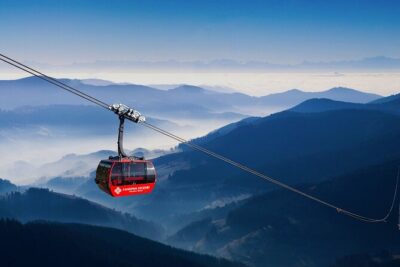
Fansipan Cable, Cat Cat Village & Moana Instagram Tour
Read our review →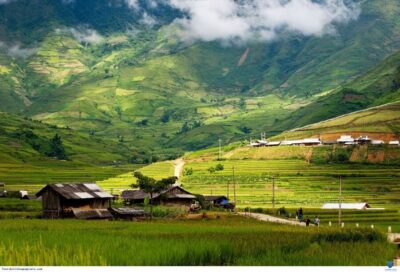

Sapa 3 Days 2 Nights Trekking Tour (1 Night In Ta Van Village, 1 Night In Hotel)
Read our review →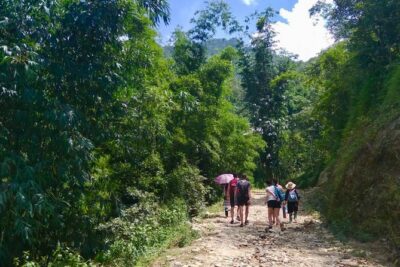
Number one top rated ethical cultural trekking and homestay by ETHOS
Read our review →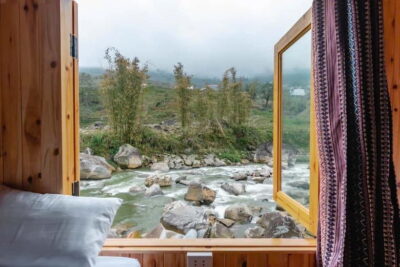
2-Day Sa Pa Ethnic Homestay Tour & Trek with Limousine Bus
Read our review →
Cat Cat Village, Moana, Fansipan Cable Car, Alpine Coaster – Sapa
Read our review →Browse the lists this tour appears in