
Reviewed · TREKKING & HOMESTAYS
Sa Pa: 2-Day Trekking Trip with Ethnic Minority Homestay
The best part of this Sa Pa trek is the overnight stay in Ta Van, where the walk becomes more than a day trip through rice terraces. You sleep in a Dzay family homestay, share dinner, and get a closer look at village life in the Muong Hoa Valley.
I like the two-day pace and the small groups, limited to 14 people. I also like that the route brings you through several communities rather than stopping at one viewpoint. The main caution is the trail itself: after rain, the descent can be slippery and muddy, and local women may walk alongside you offering help, then hope you will buy something.
Key points
- 11-kilometer first day: Walk from Sa Pa through Y Linh Ho and Lao Chai to Ta Van, with views toward Fansipan and the rice paddies.
- Dzay homestay overnight: Spend the night in a local home, with dinner and breakfast included.
- Hmong and Dzay culture: Learn about customs, homes, clothing, and village life from an English-speaking guide.
- 8-kilometer second day: Follow dirt trails through a bamboo forest to Giang Ta Chai, with a waterfall and a chance to swim in the Muong Hoa River.
- Good value at $55: The price includes guiding, entrance fees, three meals, accommodation, water, and the return transfer.
- Weather matters: October through March can be cold, while rain at any time can make the paths slick.
Why This Sa Pa Trek Works So Well
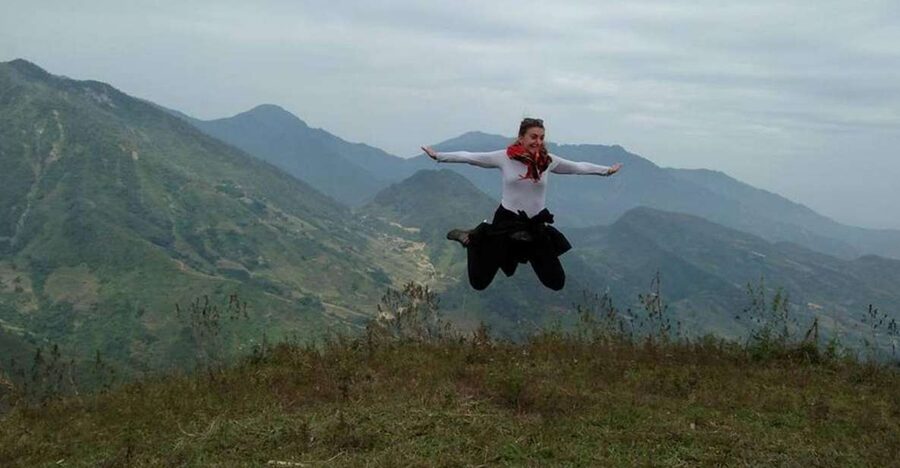
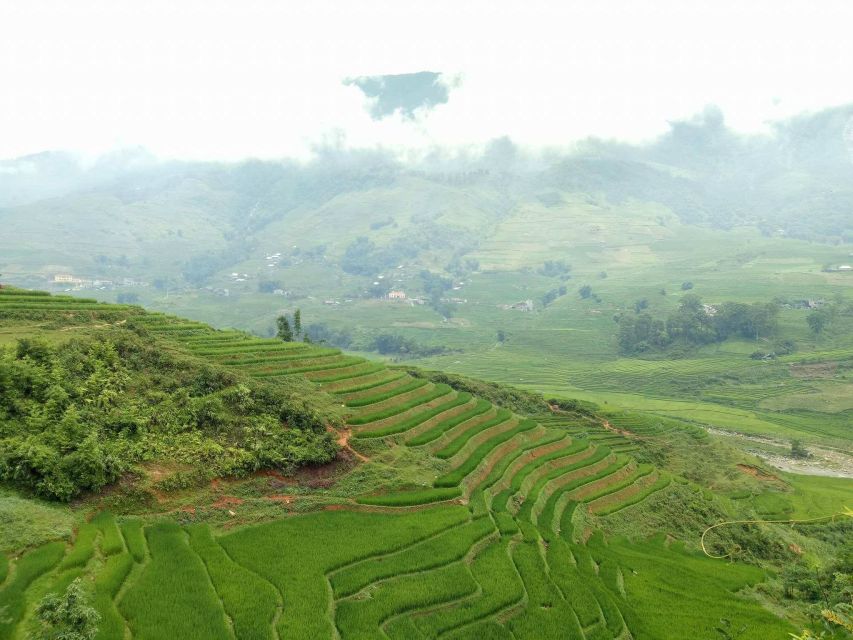
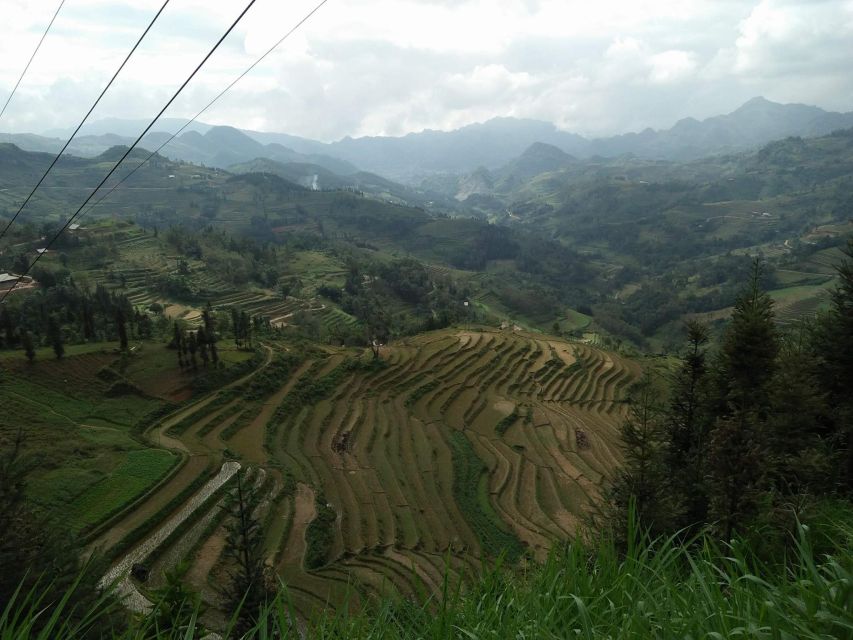
This is a walking trip first and a sightseeing tour second. You spend two days moving through the Muong Hoa Valley, passing farms, village paths, rice terraces, and small settlements instead of simply arriving at a viewpoint by car.
I like that the route has a clear sense of progress. Day one begins above the valley and works down toward Y Linh Ho, Lao Chai, and Ta Van. Day two follows a different section of trail toward Giang Ta Chai before the vehicle brings you back to Sa Pa.
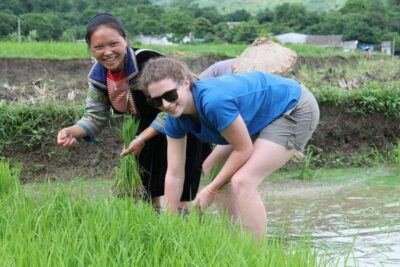
The experience also gives you time with local communities. The Black Hmong village of Y Linh Ho provides an early introduction to the area, while the Dzay homestay in Ta Van gives you a more personal evening. You are not just passing through with a camera. You have dinner there, sleep there, and start the next morning from the village.
The tour costs $55 per person. For two days, that is a strong package price because it covers the guide, entrance tickets, two lunches, dinner, breakfast, the homestay, mineral water, and return transport. Drinks are extra, and there is a $30 Lunar New Year surcharge from January 26 through February 2, 2025.
More Trekking Trips in Sapa
- Sa Pa: Muong Hoa Valley Trek and Local Ethnic Villages
★ 4.6 · 864 reviews - Sapa: Fansipan Cable, Cat Cat Village & Moana Instagram Tour
★ 5.0 · 777 reviews - Number one top rated ethical cultural trekking and homestay by ETHOS
★ 5.0 · 456 reviews
Day One: Y Linh Ho and the Walk Down to Ta Van
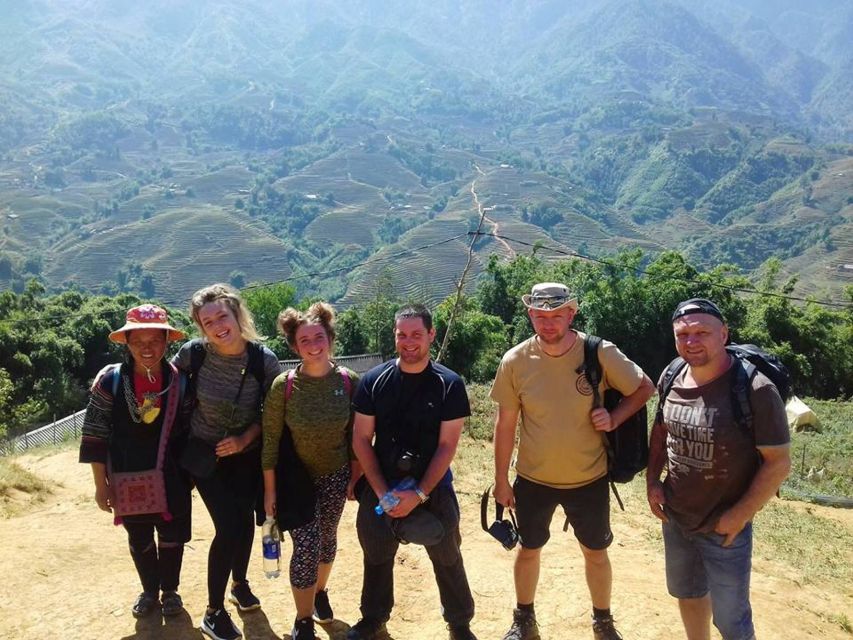
Pickup is available from hotels in central Sa Pa. The first day covers about 11 kilometers, so you should think of this as a proper countryside trek, not a gentle village stroll.
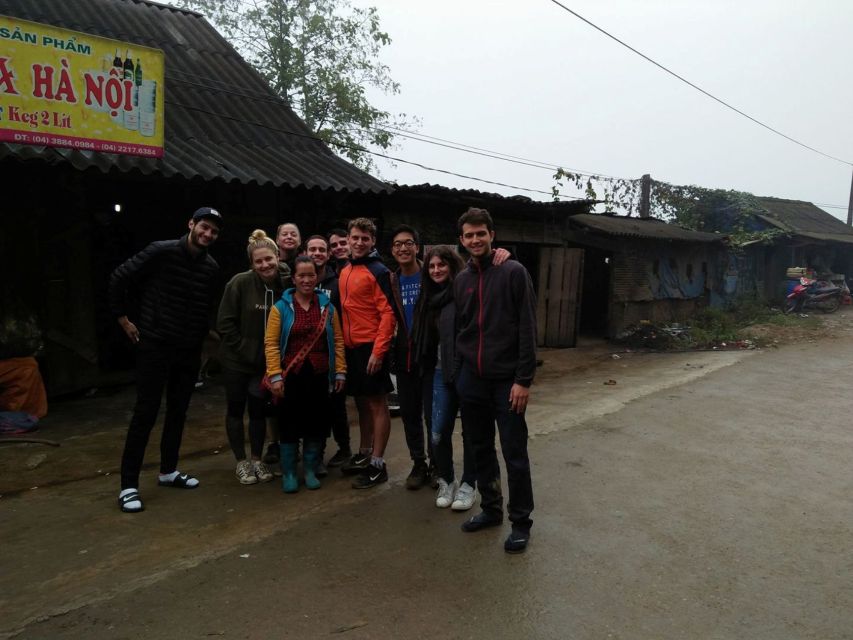
The first major stop is Y Linh Ho, home to Black Hmong families. This is where your guide begins explaining the different ethnic groups in the valley and how their customs vary. You may also look inside a typical wooden house, which helps put the villages into context.
The route offers views of Fansipan, Vietnam’s highest mountain, along with broad rice paddies and steep mountain slopes. Clear weather makes these views especially rewarding, but clouds and mist can quickly change what you see. Sa Pa’s weather is part of the experience, so do not book this trek only for a guaranteed panorama.
After Y Linh Ho, the path continues through other settlements, including Lao Chai. You pass homes, fields, and footpaths used by local residents. The scenery is the main attraction, but the walking also gives you time to notice how villages are arranged and how daily life fits around the steep terrain.
The route is not described as highly technical, but it does require healthy legs and steady footing. The first day includes a downhill section, and wet weather can make it hard going. A few people have found local women helpful on muddy sections. Keep in mind that this assistance is tied to an expectation that you may purchase handicrafts or other goods later.
By the time you reach Ta Van, the homestay should feel well earned. The accommodation is simple but generally described as comfortable, clean, and warm. It is not a private hotel room experience. You are choosing a local home for the evening, with shared meals and a chance to see village life at close range.
The Dzay Homestay in Ta Van
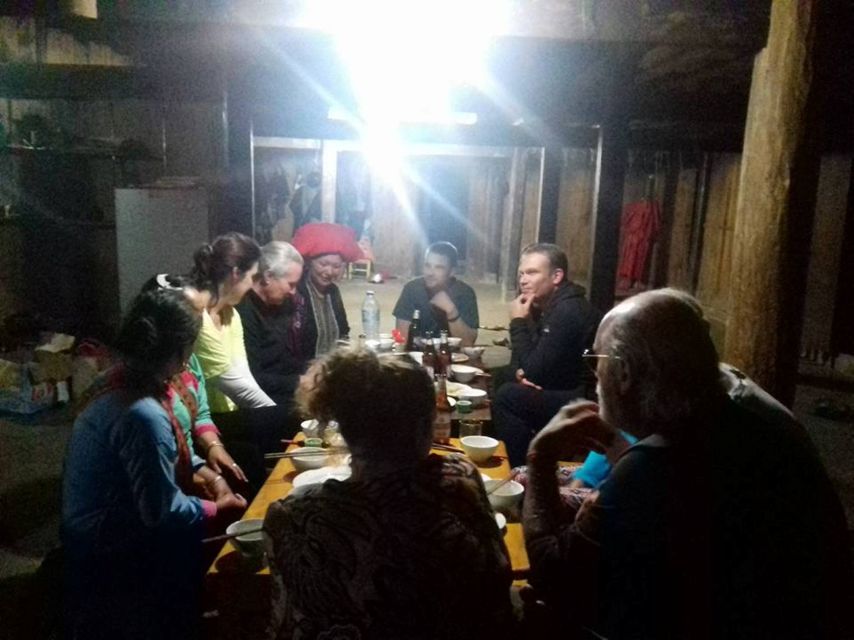
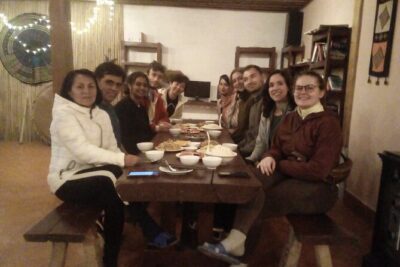
The homestay is the heart of the trip. You have dinner with the host family, then sleep in a Dzay village rather than returning to Sa Pa.
Meals are a strong part of the experience. The hosted dinner is home-cooked, and breakfast is served before the second day’s walk. Some groups have enjoyed trying locally made happy water, a traditional rice liquor, although drinks are not included in the price. You can choose whether to take part.
The rooms are basic, but the available feedback points to warm blankets, a pleasant atmosphere, and good views from some rooms. One practical note is worth taking seriously: a bedbug problem was reported in some beds. This does not mean every room has an issue, but it is reasonable to pack a small sleep sheet or insect precautions if you are sensitive.
The homestay may have internet and electrical outlets, but do not treat it as a full-service hotel. The evening is quiet, and after a full day on foot, you may be happy with dinner and rest. If you need nightlife, shopping, or a long list of evening activities, Ta Van is not the right setting.
Day Two: Bamboo Forest, Waterfall, and River
After breakfast, you walk about 8 kilometers on dirt trails. The second day is often described as manageable for a healthy person, though the ground can still be uneven and wet.
The route passes a small Hmong village before reaching a bamboo forest. This section feels different from the open rice terraces of day one. The trail becomes more enclosed, and the forest gives the walk a cooler, quieter character.
A waterfall provides a natural break. Depending on conditions, you may cool off with a swim in the Muong Hoa River. This is an appealing moment after walking in warm weather, but bring suitable clothing if you intend to get in. You should also remember that rain and mountain weather can affect the trail and water conditions.
Lunch is served at a local restaurant before the drive back to Sa Pa. The included meals are a useful part of the package because you do not need to arrange food along the route. Still, drinks are not covered, so carry money for anything beyond the included meals and water.
The return transfer is usually straightforward, but allow extra time if you have a bus or train connection. One person nearly missed a bus after waiting around 40 minutes in a van for another group. I would not schedule a tight onward departure on the afternoon of day two.
Other treks and homestays from Sapa:
- Cat Cat Village, Moana, Fansipan Cable Car, Alpine Coaster – Sapa
★ 5.0 · 420 reviews - Sa Pa Full Day Trekking Tour
★ 5.0 · 414 reviews - Sapa: Fansipan Cable, Cat Cat Village, Moana Instagram Tour
★ 4.8 · 294 reviews - Sa Pa: 6-Hours Muong Hoa Valley Trek with Local Ethnic guide
★ 4.5 · 178 reviews
Guides Make the Difference
The guide can shape this experience more than the route does. English-speaking guides named Lan, Khu, Khu L, Nhu, Coo, Lang, Son, Lam, and Dung have led different departures.
Lan is especially good at explaining Hmong customs and checking that everyone is managing the trail. Khu has been praised for answering questions, teaching about local communities, and helping make the walk feel personal. Nhu has also been described as kind and attentive.
That range of names tells you something practical: your exact guide is not guaranteed. What you can expect is a local English-speaking guide assigned to your group. The best guides adjust the walking pace, explain what you are seeing, and help with slippery sections.
One small criticism has also appeared: a guide occasionally seemed distracted by a mobile phone. That is not a reason to reject the tour, but it is a reminder to ask questions and take an active interest. The more you engage, the more you are likely to learn.
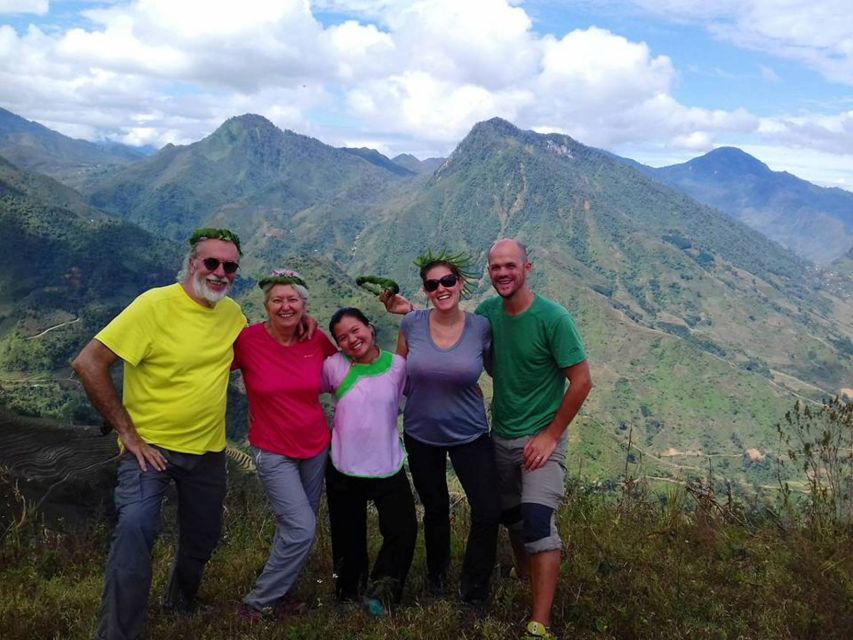
The small-group format helps. With no more than 14 people, the guide can usually respond to different walking speeds and preferences. Some groups have been much smaller, even around five people, which makes the homestay and meals more social.
What the $55 Price Really Covers
At $55, this is a good-value overnight trip if you want a guided route and do not want to arrange separate transport, food, and accommodation.
Included are:
- An English-speaking guide
- Entrance tickets for the listed sites
- Two lunches at local restaurants
- One hosted dinner
- One homestay breakfast
- One night in a Dzay village homestay
- Mineral water
- Return bus transport to Sa Pa
The value comes from combining several small costs. A separate guide, village transport, meals, and homestay would take more planning, and you would lose the group structure that makes the route simple to follow.
The tradeoff is comfort. This is not a luxury Sa Pa retreat. The homestay is basic, the trails can be muddy, and the schedule depends on the group. You pay for access to village life and mountain walking, not polished hotel service.
Rain, Shoes, and What to Pack
Good footwear matters more than fancy equipment. Bring trekking shoes with a firm sole, not smooth sneakers. After rain, the first descent can be slippery enough that you will want both hands free for balance.
Pack warm clothing from October through March. Sa Pa can feel cold, particularly in the evening and early morning. Sunglasses, sunscreen, insect repellent, and a small amount of drinking water are also sensible, though mineral water is included.
A useful packing list is:
- Comfortable trekking shoes
- Warm layers
- Sunglasses
- Sunscreen
- Insect repellent
- Clothing suitable for a possible river swim
- Money for drinks and personal purchases
- A small sleep sheet if you are concerned about bedding
Rain does not automatically ruin the trek. Mud can make the walk harder, but misty weather can also give the valley a dramatic mood. Still, take the conditions seriously. If the trail is slick, focus on safe footing rather than trying to keep a fast pace.
Who Should Book This Experience
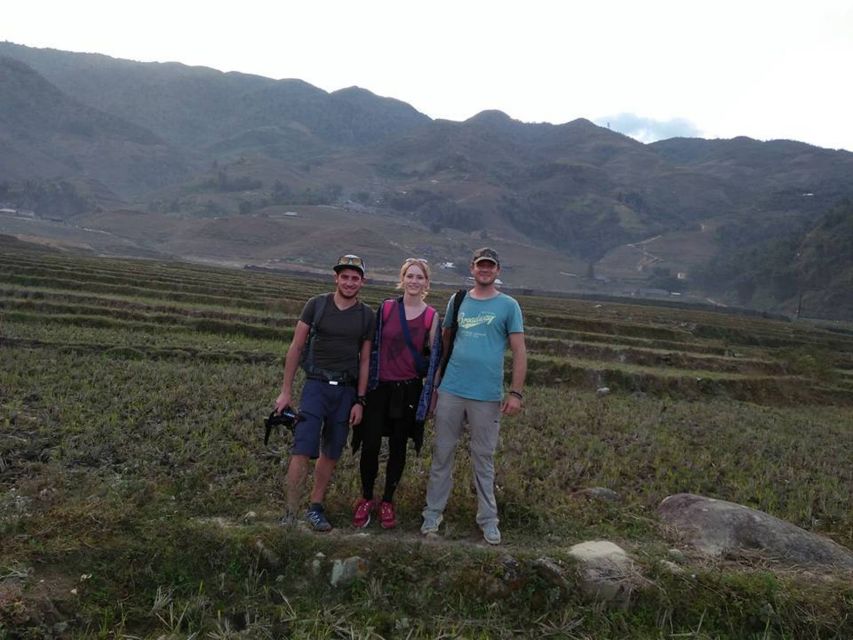
This trek suits you if you want mountain scenery, local food, village contact, and a night away from Sa Pa. It is especially good for people who prefer an active cultural experience to a coach tour.
You do not need to be an expert hiker, but you should be a healthy person who can walk 11 kilometers on the first day and 8 kilometers on the second. The trip is not suitable for children under six, pregnant women, people with back problems, people with mobility impairments, or people with disabilities.
It also suits solo visitors who want company without joining a huge group. The small group, shared meals, and homestay tend to create an easy social setting. Couples and friends will appreciate the same features, though anyone expecting private hotel comforts should choose a different style of trip.
Should You Book the Sa Pa Homestay Trek?

Book it if you want the best mix of rice-terrace scenery and village life in a short trip from Sa Pa. The homestay adds real value, and the second day’s bamboo forest, waterfall, and river give the route enough variety.
Skip it if muddy paths, shared accommodation, uncertain weather, or basic facilities will spoil your trip. Also leave plenty of time after the return to Sa Pa if you have a fixed bus or train departure.
For most reasonably fit visitors, this is a well-priced way to see the Muong Hoa Valley on foot. Bring proper shoes, expect a little mess, and arrive ready to ask questions. That is how you get the most from the guide, the villages, and the evening in Ta Van.
FAQ
How long is the Sa Pa trekking trip?
The activity lasts two days. Day one covers about 11 kilometers from Sa Pa through Y Linh Ho and Lao Chai to Ta Van. Day two covers about 8 kilometers before the return transfer to Sa Pa.
Where does the trek start?
Pickup is available from hotels in Sa Pa’s town center.
Where do I sleep overnight?
You stay at a homestay in a Dzay ethnic minority village in Ta Van.
Are meals included?
Yes. The package includes two lunches at local restaurants, one hosted dinner in the village, and breakfast at the homestay. Drinks are not included.
Is the return transport to Sa Pa included?
Yes. Return transfer by bus is included.
What should I bring?
Bring comfortable trekking shoes, warm clothing, sunglasses, sunscreen, and insect repellent. Warm clothes are especially recommended from October through March.
Is the trek suitable for everyone?
No. It is not suitable for children under six, pregnant women, people with back problems, people with mobility impairments, or people with disabilities.
More walking country near Sapa
- Sapa: Eco Adventure Terrace Fields and Local Villages Trek
★ 4.9 · 636 reviews - From Sapa: 1-Day Guided Trek to Lao Chai & Ta Van with Lunch
★ 4.9 · 416 reviews - Sapa 1 Day Long Trek: Trek to Hau Thao and Sa Seng Villages
★ 4.6 · 344 reviews - EXPLORE SAPA: 2D1N TREKKING & HMONG CULTURE WITH DINH
★ 4.9 · 191 reviews
Newly reviewed in Sapa
- Sapa: Y Linh Ho – Lao Chai, and Ta Van Trekking Day Tour★ 5.0 · 25 reviews
- Sapa: Ta Phin Village Trek & Red Dao Herbal Bath★ 5.0 · 22 reviews
- Sapa3D2N TrekkingAdventures,Valleys,Bambooforest,Waterfall★ 4.8 · 24 reviews
- From Sapa: Guided Full-Day Trekking with Lunch and Drop-Off★ 4.2 · 86 reviews
- Sapa Trekking Bargains With Local Guide★ 4.9 · 91 reviews
- Sapa: 3-Day Ha Giang Loop Motorbike Tour★ 4.9 · 34 reviews
- Sapa: Muong Hoa Mountain Views and Villages Trek with Lunch★ 4.3 · 28 reviews
- Sapa: Private Highlights Day Tour with Lunch★ 4.8 · 61 reviews
Trekking & Homestays, compared.
Muong Hoa Valley Trek and Local Ethnic Villages
Read our review →
Fansipan Cable, Cat Cat Village & Moana Instagram Tour
Read our review →

Sapa 3 Days 2 Nights Trekking Tour (1 Night In Ta Van Village, 1 Night In Hotel)
Read our review →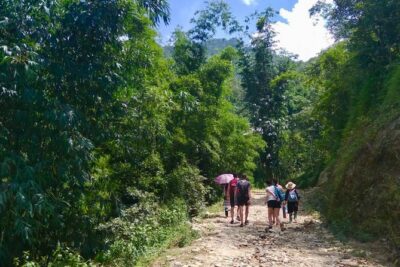
Number one top rated ethical cultural trekking and homestay by ETHOS
Read our review →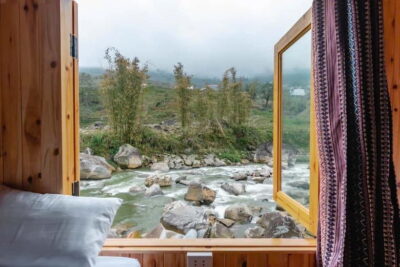
2-Day Sa Pa Ethnic Homestay Tour & Trek with Limousine Bus
Read our review →
Cat Cat Village, Moana, Fansipan Cable Car, Alpine Coaster – Sapa
Read our review →Browse the lists this tour appears in