
Reviewed · TREKKING & HOMESTAYS
Sa Pa: Muong Hoa Valley Trek and Local Ethnic Villages
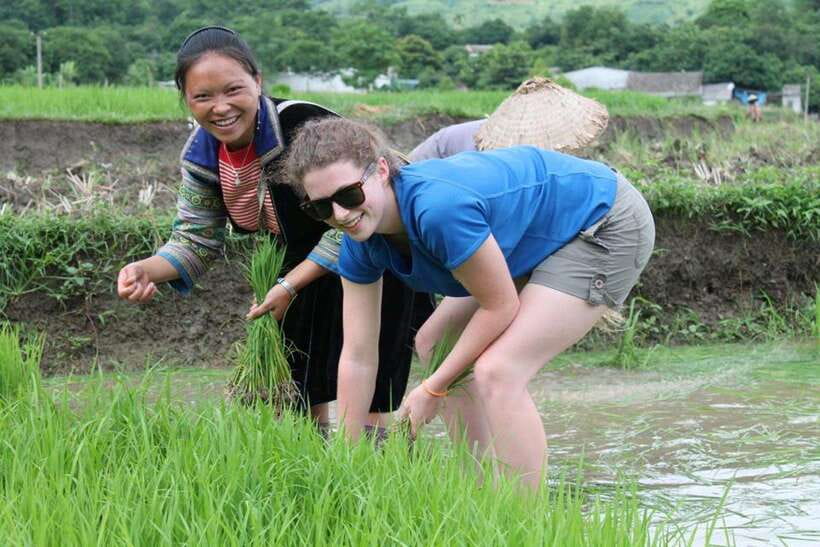
Muong Hoa Valley is best seen on foot, where the route moves from misty rice terraces to Black Hmong villages, a bamboo forest, and a Red Dao settlement. I like the way this trip links scenery with daily life rather than stopping at a viewpoint. I also like the local lunch, which gives the walk a useful break and a closer look at village homes.
The main catch is the trail. In dry weather it can be a pleasant half-day hike, but rain turns steep paths, stream crossings, and bamboo-forest slopes into a slippery test. Good hiking shoes are essential, and you should be comfortable walking 10 kilometers, with some sections possibly feeling longer.
Key points to know before booking
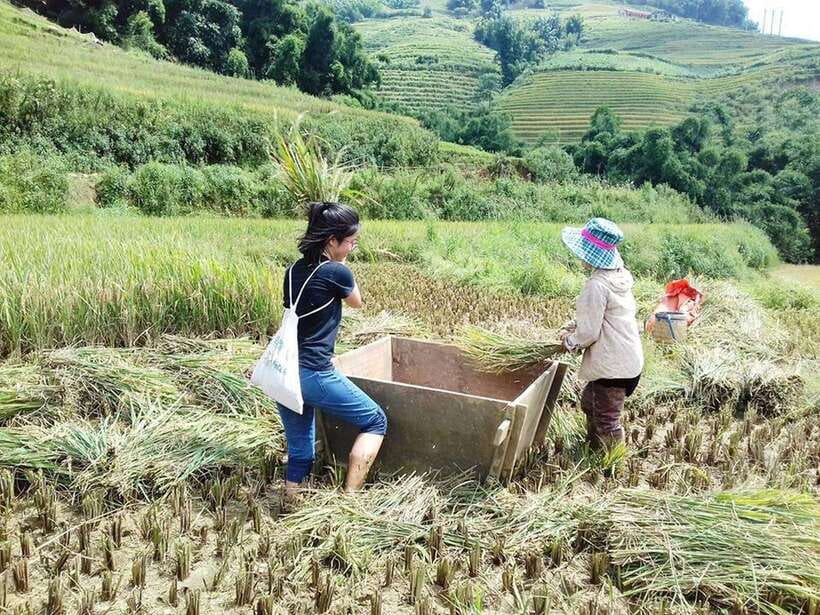
- Three ethnic villages in one walk: Visit Lao Chai, Ta Van Giay, and Giang Ta Chai, with time to see homes, farming, and village life.
- A proper valley trek: The advertised route is 10 kilometers, with uneven ground, hills, river crossings, and muddy sections after rain.
- Strong local guiding: Guides including Su, Khu, Chai, Sunny, Nhu, and Thao nNu are praised for explaining local customs and helping people over rough ground.
- Lunch in a local home: The meal is included and may include rice, vegetables, tofu, eggs, and spring rolls, with vegetarian diets accommodated.
- Extra cash is useful: Local women may help you through muddy sections and later invite you to buy handmade goods.
- Good value at $23: Hotel pickup in central Sa Pa, guide, entry fees, lunch, water, and return transport are included.
What the Muong Hoa Valley trek is really like
This is not a gentle stroll from one photo stop to another. It is a point-to-point walk through the Muong Hoa Valley, with a changing surface underfoot and a steady stream of village life around you.
The day begins with pickup from a hotel in central Sa Pa, or from the Vietnam Nomadtrails office. The group is limited to 11 people, which matters on a narrow path. A small group lets the guide stop to explain what you are seeing without turning the walk into a slow-moving crowd.
The exact pace depends on the group and the weather. The activity lasts about six hours and ends at roughly 3:30 PM. The package includes 500 milliliters of mineral water per person, but you should still bring any extra water you normally need for a six-hour hike.
More Trekking Trips in Sapa
- Sapa: Fansipan Cable, Cat Cat Village & Moana Instagram Tour
★ 5.0 · 777 reviews - Number one top rated ethical cultural trekking and homestay by ETHOS
★ 5.0 · 456 reviews - Cat Cat Village, Moana, Fansipan Cable Car, Alpine Coaster – Sapa
★ 5.0 · 420 reviews
Misty terraces and the route to Lao Chai
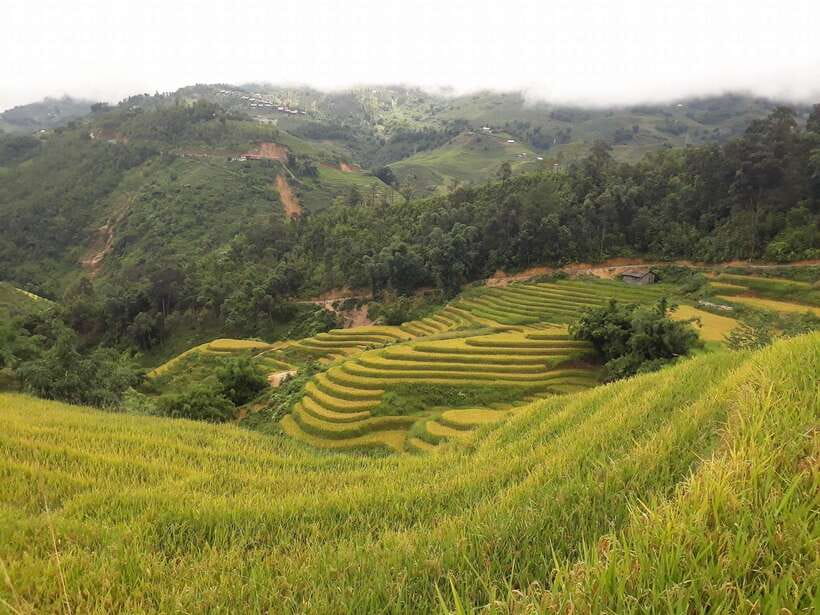
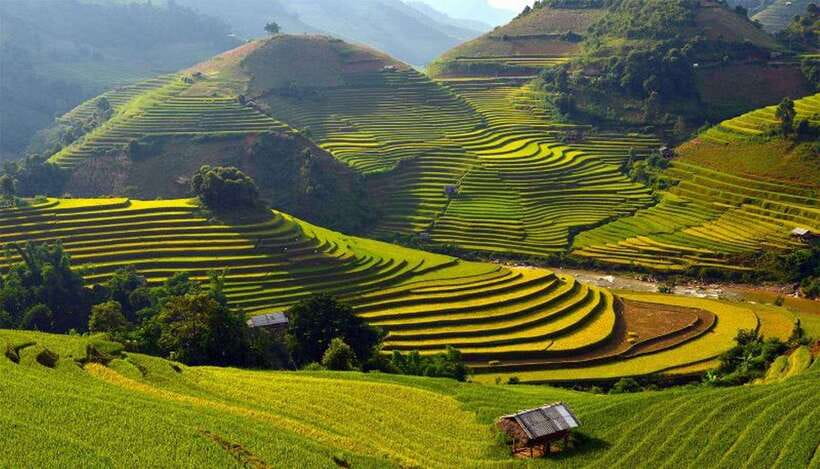
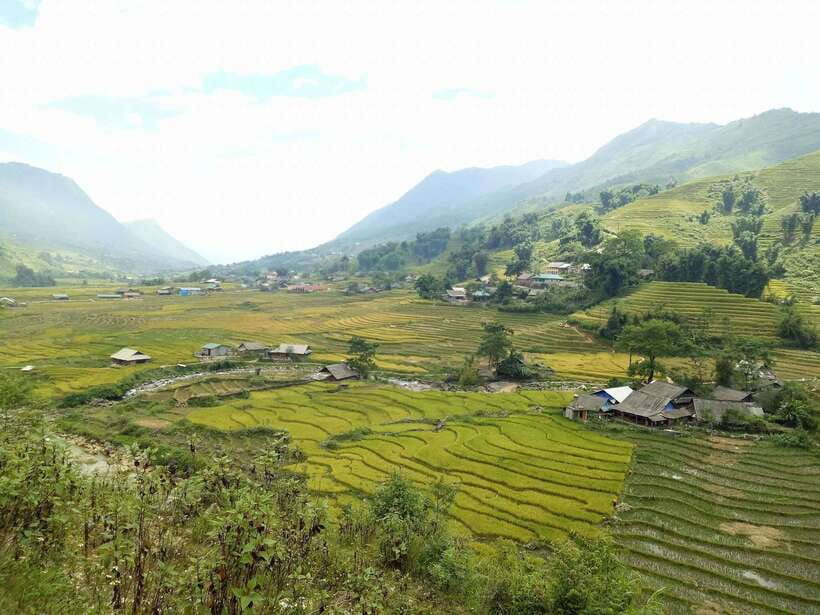
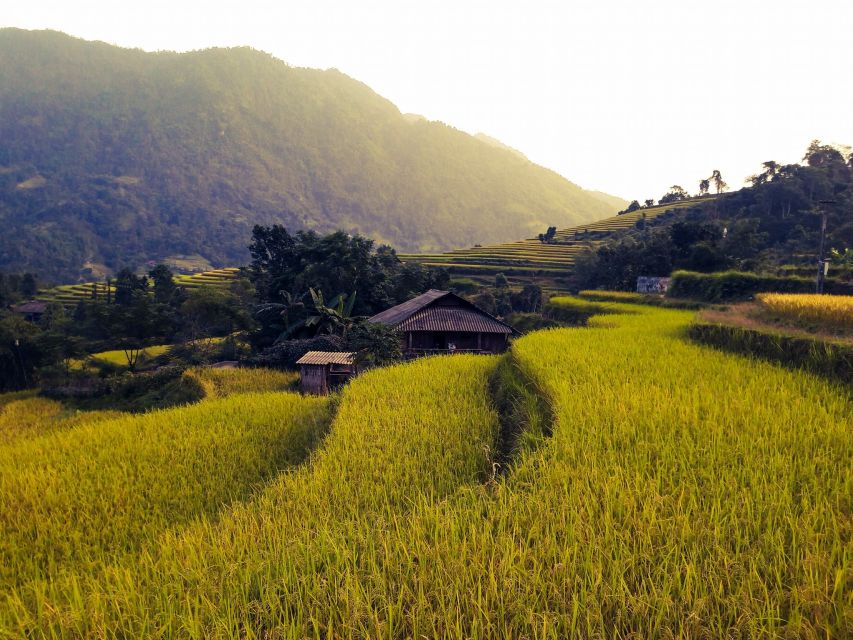
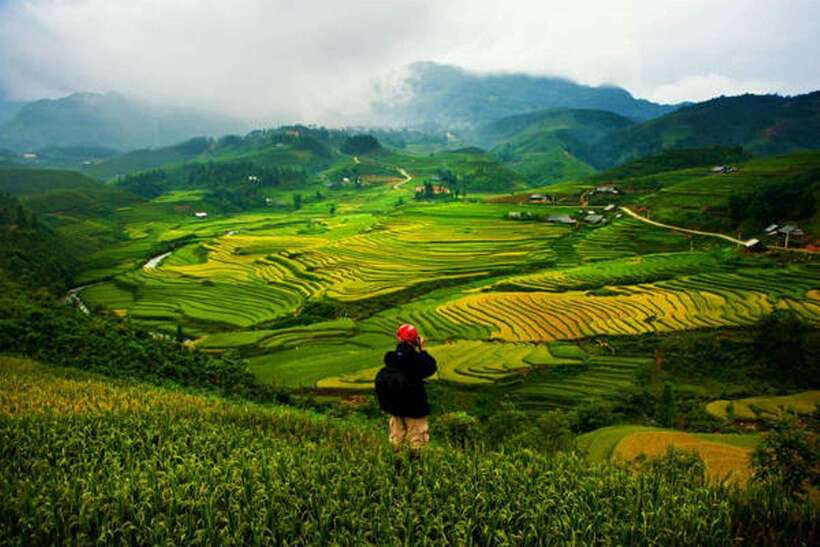
The first part takes you down into the valley, often with rice terraces appearing and disappearing behind morning mist. The terraces are the visual star of the trip, but the guide adds the detail that makes them more than a pretty backdrop: people still work these fields, and you may see farmers and water buffalo along the route.
You follow a small trail toward the Muong Hoa River and cross it before continuing past carefully tended fields. The route to Lao Chai gives you a quick lesson in Sa Pa’s terrain. Paths may be narrow, rocky, wet, or uneven, and the slope can feel quite different depending on recent rain.
Lao Chai is associated with the Black Hmong community. This is one of the best parts of the walk for anyone who wants more than valley photographs. Your English-speaking guide can explain local customs, clothing, homes, and ways of making a living. Guides such as Su, Khu, Chai, and Sunny have been especially effective at answering questions and keeping the group together.
Do not expect a museum-style visit with displays and signs. The value is in walking through a living village and seeing houses, paths, gardens, and working fields as part of ordinary life. That also means you should be polite about photographs and follow your guide’s lead around homes.
Ta Van Giay, the river path, and ancient carvings
From Lao Chai, the trek continues toward Ta Van Giay. The route follows the Muong Hoa River, with the water and steep valley walls helping define the walk. Roughly two kilometers from the settlement, you cross a small suspension bridge.
The bridge is one of the memorable moments, but it is not the main reason to book the tour. The more unusual stop is a collection of ancient rock carvings. The markings show human figures, stilt houses, and decorative patterns. They give the valley a layer of interest that you would miss by driving between villages.
The site is not presented as a polished archaeological attraction. You are seeing carvings in their natural setting, along a walking route. That makes the stop feel connected to the valley, though the experience depends on how clearly your guide explains what you are looking at.
The trail around here can be rough. Some people describe the walk as manageable for an average hiker, while others found the muddy and steep sections exhausting. Both descriptions can be true. Fitness, footwear, and weather make a large difference.
Lunch at a village home
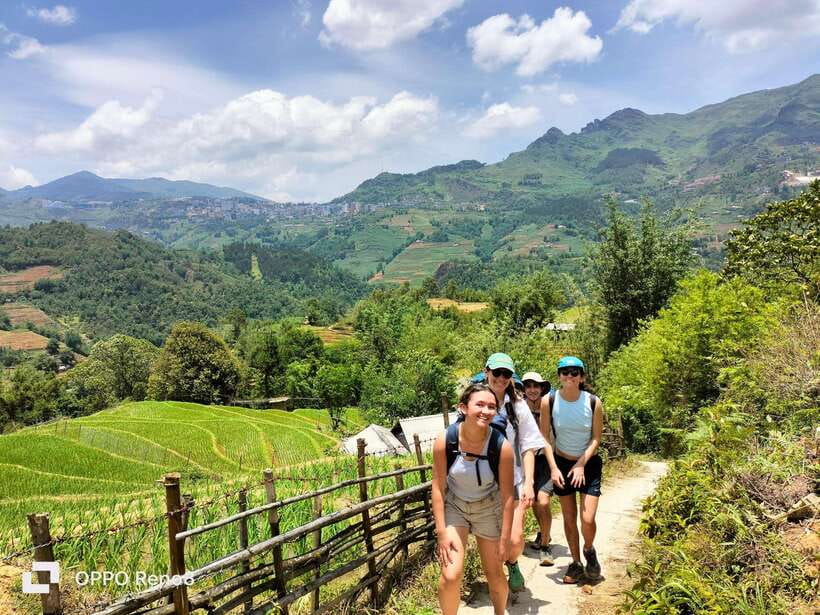
Lunch comes at a local house in one of the villages. This is more than a convenient meal break. After several hours of walking, you get a chance to sit down, eat, and see a little of how village hospitality works.
The included food may include rice, vegetables, tofu, eggs, and vegetarian spring rolls. Vegan meals have also been accommodated when arranged with the guide. Beverages are not included, so bring money if you want to buy a drink.
The meal is a strong part of the value. At $23, you are not paying only for a guide and a trail transfer. You also get an arranged meal, village access, entry fees, water, and transport back to Sa Pa. The setting is informal rather than restaurant-polished, which is exactly why it suits people who want a closer look at local life.
Lunch also breaks up the route. A 10-kilometer trek is easier to manage when you can divide it into sections instead of thinking about the full distance from the start.
Other treks and homestays from Sapa:
- Sa Pa Full Day Trekking Tour
★ 5.0 · 414 reviews - Sapa: Fansipan Cable, Cat Cat Village, Moana Instagram Tour
★ 4.8 · 294 reviews - Hanoi – Sapa 2 Days 1 Night Overnight At Homestay
★ 5.0 · 899 reviews - From Hanoi: 2-Day Sapa Trekking Trip with Homestay & Meals
★ 4.8 · 704 reviews
Bamboo forest, waterfall, and Giang Ta Chai
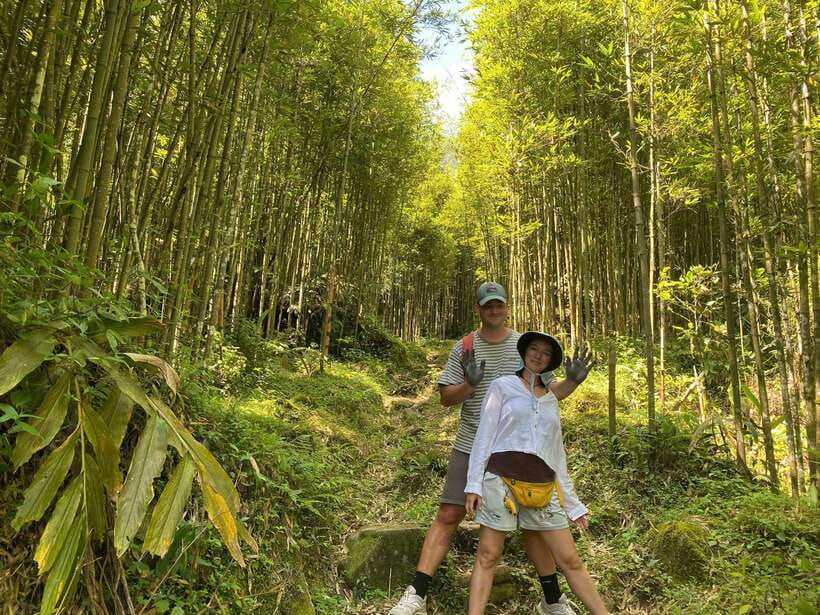
After lunch, the route heads through a bamboo forest toward Giang Ta Chai, a village associated with the Red Dao ethnic group. The bamboo section is scenic, but it is also one of the places where you most need to watch your footing.
After rain, the ground can become slick with mud. Several walkers needed support from local women on steep or slippery stretches, and some people using ordinary trainers slipped repeatedly. You may also cross small streams or walk over wet rocks. A pair of shoes with strong grip is far more useful than clean fashion sneakers.
The trek reaches a waterfall where you can take a short rest. This is a welcome pause before the final climb uphill to the main road. The driver waits there for the return ride to Sa Pa, so you do not need to retrace the full route.
The advertised distance is 10 kilometers, but one detailed account recorded about 12.5 kilometers and more than 21,000 steps. Treat 10 kilometers as a useful guide, not a precision promise. A long day on uneven ground can feel much harder than the same distance on a flat road.
Mud, helping hands, and the extra-cash question
The most important practical point is the role of local women who may accompany part of the trek. They often know the paths well and can offer a steady hand on muddy slopes. In wet conditions, this help can be genuinely useful, not just a sales tactic.
At the same time, you should know that these women may later encourage you to buy their goods. Several people felt that buying a small item was expected as a thank-you. This is worth planning for, especially if you prefer to make your own spending choices.
Bring Vietnamese currency or other usable cash if you want to buy something. Do not assume the $23 tour price covers these purchases. The tour includes the guide and arranged services, but personal shopping is separate.
This is one place where the experience is not perfectly tidy. You may appreciate the practical help and the personal contact, yet feel pressure when the walk turns into a sales opportunity. Go in aware of the custom, set your own budget, and keep the exchange friendly.
Choosing the right season and shoes
Weather controls the character of this trip. In dry conditions, the route can feel scenic and pleasantly active. After rain, the same route may include deep mud, slippery descents, wet rocks, and difficult bamboo-forest paths.
For the best chance of comfortable walking, bring:
- Hiking shoes or boots with firm grip
- Sunglasses and sunscreen
- Insect repellent
- Warm layers from October through March
- Cash for drinks or local goods
- A small bag rather than oversize luggage
Do not wear new white sneakers. They may become very dirty, and ordinary trainers can lack the grip needed for steep mud. Some people finished wet and muddy enough to need a long bath and a change of shoes.
The tour is not suitable for people with mobility impairments or children under six. You need enough stamina for a six-hour outing and enough balance to handle rough ground. If you are unsure, ask yourself whether you can walk 10 kilometers on uneven, sometimes steep paths without needing frequent support.
The guides make a real difference
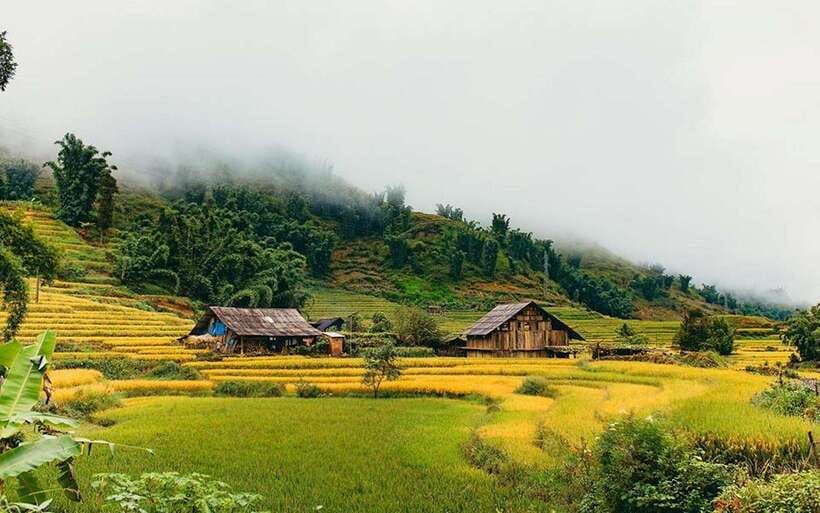
The route is much more rewarding with a guide who can explain what you are seeing. The strongest part of the guiding is not simply leading the way. It is the conversation about ethnic identity, village customs, farming, homes, and daily routines.
Named guides praised for their care and local insight include Su, Khu, Chai, Sunny, Nhu, Thao nNu, Minh, and Coo. The names may vary by departure, so you cannot book a particular guide based on the activity details alone. The English-language guiding is included.
Good guiding matters most when the weather turns bad. A guide who points out unstable rocks, chooses a safer line, and keeps the group moving can change a stressful walk into a memorable one. Guides have also helped arrange local support on muddy slopes and adjusted the pace for the group.
The tour has a strong overall rating of 4.6 from 864 reviews, with repeated praise for the guides, scenery, lunch, and small-group format. There are also useful cautions: some paths are not well preserved, litter has been noticed near parts of the river, and wet conditions can make the route hard.
Is $23 good value?
Yes, provided you want an active village trek rather than a relaxed sightseeing drive. The price includes central Sa Pa pickup, an English-speaking guide, entry tickets, lunch, 500 milliliters of water, and the transport listed for the route.
That is a lot for a six-hour outing. The small group, limited to 11 participants, adds value because the guide can give more direct help on narrow or difficult sections. The price also makes sense for people with only one free day in Sa Pa who want scenery and cultural contact together.
The add-ons are easy to overlook. Drinks, personal purchases, and soft drinks cost extra. A French-speaking guide costs $19 per person upon confirmation. A Lunar New Year surcharge of $30 per person applies from February 14 to February 21, 2026, payable at departure.
Free cancellation is available up to 24 hours before the tour for a full refund, and you can reserve now and pay later. Pickup is limited to central Sa Pa hotels or the provider’s office, not locations outside the Sa Pa area.
Who should book this trek?
I would choose this for an active visitor who wants rice terraces, village life, and a local meal in one half-day outing. It suits you if you enjoy walking on small paths, asking questions, and accepting a little mud in exchange for access to places a vehicle cannot reach.
It is also a good fit if you are short on time. You see three village areas, ancient carvings, a river, a bamboo forest, and a waterfall before returning to town in the afternoon.
I would not choose it for a person who wants an easy walk, spotless shoes, fixed trail conditions, or a fully private cultural visit. Wet-season mud can be serious, and the local sellers may make some people uncomfortable. If you book, take proper footwear, keep your bag light, bring cash, and accept that the rough parts are part of the experience.
FAQ
How long is the Muong Hoa Valley trek?
The advertised trek is 10 kilometers and lasts about six hours. One detailed account measured roughly 12.5 kilometers, so the actual walking distance may feel longer depending on the route and conditions.
What villages does the tour visit?
The route passes through Lao Chai, where Black Hmong people live, Ta Van Giay, and Giang Ta Chai, which is associated with the Red Dao community.
Is lunch included?
Yes. Lunch at a local home is included. Meals may include rice, vegetables, tofu, eggs, and spring rolls, and vegan diets have been accommodated.
Is the trek difficult?
It can be challenging, especially after rain. Expect uneven, steep, muddy, and slippery sections, along with a bamboo forest, river crossings, and an uphill finish. A suitable level of fitness is required.
What should I bring?
Bring hiking shoes with good grip, sunglasses, sunscreen, insect repellent, and warm clothes from October through March. Extra cash is useful for drinks and local purchases. Oversize luggage is not allowed.
Is hotel pickup included?
Pickup is included from hotels in central Sa Pa or from the Vietnam Nomadtrails office. Pickup from outside the Sa Pa area is not available.
Can children or people with mobility impairments join?
The activity is not suitable for children under six or people with mobility impairments. The rough, slippery trail requires steady walking and a suitable level of fitness.
More walking country near Sapa
- Sapa: Eco Adventure Terrace Fields and Local Villages Trek
★ 4.9 · 636 reviews - From Sapa: 1-Day Guided Trek to Lao Chai & Ta Van with Lunch
★ 4.9 · 416 reviews - Sapa 1 Day Long Trek: Trek to Hau Thao and Sa Seng Villages
★ 4.6 · 344 reviews - 1-Day Sapa Long Trek – Rice Field Terrace, Ethnic Culture
★ 4.9 · 62 reviews
Newly reviewed in Sapa
- 1-Day Sapa Long Trek – Rice Field Terrace, Ethnic Culture★ 4.9 · 62 reviews
- Sapa: Motorbike Tour 1 Day Visit Waterfalls & Local Villages★ 5.0 · 112 reviews
- Sapa Motorbike Tour With Local Guide 1 Day – Waterfalls, Villages★ 5.0 · 254 reviews
- Sapa Motorbike Experience: Local Life, Rice Fields & Waterfalls★ 5.0 · 70 reviews
- Motorbike 1 Day Off The Beaten Track, Hidden Villages, rice field★ 5.0 · 203 reviews
- From Sapa: 3-Day Ha Giang Loop with Safe Rider (max 8 pax)★ 4.9 · 285 reviews
- Sapa: Fansipan Cable, Cat Cat Village, Moana Instagram Tour★ 4.8 · 294 reviews
- Sapa 1 Day Long Trek: Trek to Hau Thao and Sa Seng Villages★ 4.6 · 344 reviews
Trekking & Homestays, compared.

Fansipan Cable, Cat Cat Village & Moana Instagram Tour
Read our review →

Sapa 3 Days 2 Nights Trekking Tour (1 Night In Ta Van Village, 1 Night In Hotel)
Read our review →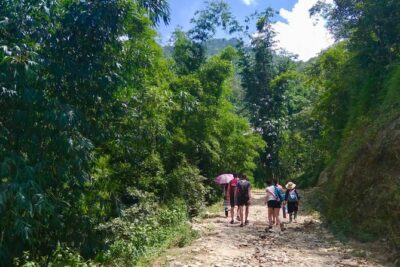
Number one top rated ethical cultural trekking and homestay by ETHOS
Read our review →
2-Day Sa Pa Ethnic Homestay Tour & Trek with Limousine Bus
Read our review →
Cat Cat Village, Moana, Fansipan Cable Car, Alpine Coaster – Sapa
Read our review →
Browse the lists this tour appears in