
Reviewed · TREKKING & HOMESTAYS
Number one top rated ethical cultural trekking and homestay by ETHOS
The best part of this Sapa trip happens after the mountain views: you spend the night with a village family, share meals, and see daily life beyond the usual scenic stops. I like the private format, which lets you set the pace, and the chance to learn directly from guides such as Cha, Ha, Ker, My, and Kae. The first day is a serious 14-kilometer hike, so this is not a gentle sightseeing outing.
I also like the way the route combines rice terraces, traditional villages, bamboo forest, and time with local families. You get two lunches, dinner, breakfast, transport, water, and a homestay for $93.34 per person. The main point to consider is fitness: the trail includes a steep two-kilometer climb, uneven ground, and about nine miles of walking on day one.
Key details before you book
- A private Sapa Valley trek: Only your own group takes part, with a minimum of two people required.
- A real village homestay: Your overnight stay takes place with a host family among rice paddies.
- A demanding first day: The opening hike covers about 14 kilometers, including a steep climb of roughly two kilometers.
- A flexible second morning: You can choose the distance and challenge before returning to Sapa by taxi.
- A community-focused operator: ETHOS, Spirit of the Community, works to connect visitors with local knowledge and village livelihoods.
- Meals are included: You receive two lunches, one dinner, breakfast, water, and refreshments.
Why this Sapa homestay feels different
Sapa is famous for rice terraces and mountain villages, but it is easy to see only the postcard version. This two-day trip gives you time to slow down. Instead of walking out to a viewpoint, taking a few photographs, and returning to town, you spend a night in the countryside and share food with a host family.
That extra night matters. You have time to ask questions, notice how village life works, and learn about Hmong and Dao culture through a local guide. Guides named in past experiences include Cha, Ha, Ker, My, and Kae, though your own guide will depend on availability. Some guides explain plants along the trail. Others focus on family life, village customs, or the background of the communities you pass.
The tour is also built around a private group. You are not tied to the pace of a large busload, and the second day can be adjusted to suit your group. That flexibility is useful after a long first day, especially if you want more walking or need a shorter route.
The tradeoff is clear. You should not book this mainly for a comfortable overnight stay or an easy stroll. The first day covers 14 kilometers, with undulating terrain followed by a steep climb of around two kilometers. A moderate fitness level is required, and wet weather can make rural paths harder.
More Trekking Trips in Sapa
- Sa Pa: Muong Hoa Valley Trek and Local Ethnic Villages
★ 4.6 · 864 reviews - Sapa: Fansipan Cable, Cat Cat Village & Moana Instagram Tour
★ 5.0 · 777 reviews - Cat Cat Village, Moana, Fansipan Cable Car, Alpine Coaster – Sapa
★ 5.0 · 420 reviews
Meeting ETHOS at 8:30 in Sapa
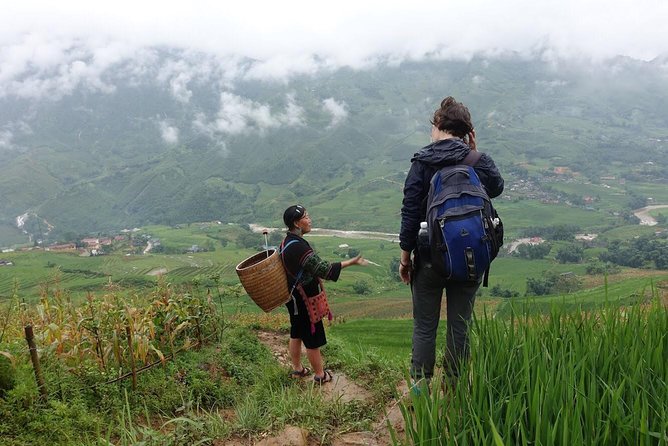
Your day begins at 8:30 a.m. at ETHOS, Spirit of the Community, located at 79 Nguyen Chi Thanh Street in Sapa. Starting at the organization’s center gives you a useful chance to get oriented before heading out. You can meet your guide, understand the plan, and prepare for a day that moves from town into the valley.
Because the experience is private, the guide can explain the route in a way that suits your interests. If you care most about food, plants, family life, or local culture, say so early. The available information specifically points to guides explaining village life, local plants, and the traditions of Hmong and Dao communities.
You should also think about what to carry. The package includes water and refreshments, but you will still want practical walking shoes and clothing suited to changing mountain weather. The operator requires good weather for the trip to run. If poor weather cancels the experience, you receive a different date or a full refund.
Day one: 14 kilometers through terraces and villages
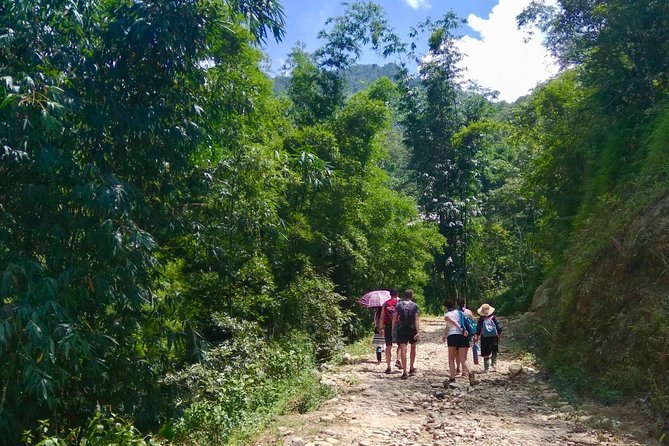
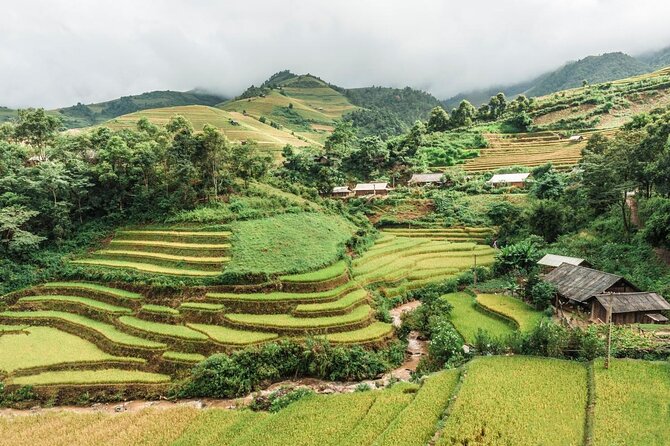
The opening six kilometers are described as relatively easy but undulating. That means you can settle into the rhythm of the walk, but the route is not flat. You will pass rice terraces and traditional villages, with changing views as the path moves through the Sapa Valley.
The terraces are more than scenery. They show how farming has shaped the hillsides and why the valley’s villages sit where they do. A local guide adds context that you would miss on an independent walk. Past experiences with guides such as Ha and Kae included explanations of family life, plants, and village customs rather than just directions along the path.
After the first six kilometers comes the harder section, a steep climb of around two kilometers before a stop. This is the point where the trip demands honest effort. You should be ready for a slower pace and uneven ground. The reward is not a single attraction with a formal entrance, but a closer look at the countryside and the chance to reach places that are difficult to find without local help.
The route continues through villages and bamboo forest. The change from open terraces to shaded woodland gives the walk variety, and the rural setting is a major reason to choose this experience over a short half-day tour from Sapa.
Lunch with the host family
One of the most meaningful parts of day one is stopping to cook and share lunch with your host family. Two lunches are included across the trip, with one connected to the first day and another during the second day.
This meal is where the tour’s community purpose becomes practical. You are not simply passing through a village for photographs. You have time to sit down, eat, and meet the people connected to your overnight stay. The experience can feel more personal than a standard trekking package because the family is part of the visit, not just a backdrop.
The exact food and cooking arrangements are not specified, so you should not expect a fixed restaurant-style menu. The value is in the shared setting and the contact with the family. If you have dietary needs, confirm them before booking, since the supplied details do not explain how special diets are handled.
The meal also gives your legs a break. After six kilometers of easier walking and the steep climb, this pause is welcome. Keep in mind that a long day remains ahead, so use the stop to rest rather than treating it as a quick snack break.
Other treks and homestays from Sapa:
- Sa Pa Full Day Trekking Tour
★ 5.0 · 414 reviews - Sapa: Fansipan Cable, Cat Cat Village, Moana Instagram Tour
★ 4.8 · 294 reviews - Hanoi – Sapa 2 Days 1 Night Overnight At Homestay
★ 5.0 · 899 reviews - From Hanoi: 2-Day Sapa Trekking Trip with Homestay & Meals
★ 4.8 · 704 reviews
The village homestay after sunset
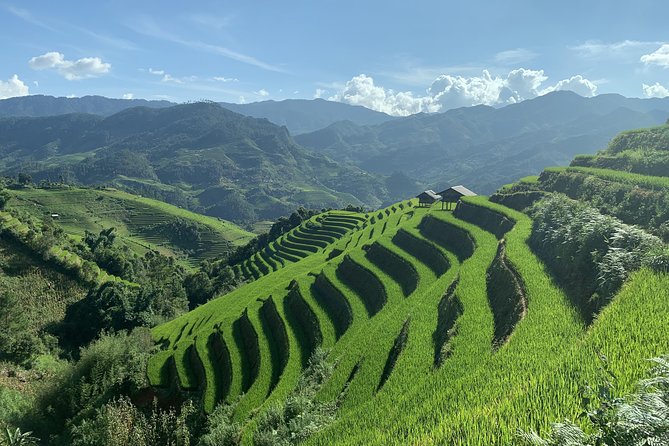
The overnight stay is in a village set among rice paddies. You receive homestay accommodation, dinner, and breakfast. The point is not luxury. It is the chance to spend the night in the same community you have been walking through.
A homestay can also change how you see the next morning. After meeting a family and staying in the village, terraces and paths feel less like scenery and more like part of a lived-in place. Past guides have introduced their families and helped visitors meet other people in the community, making the overnight stay a key part of the cultural exchange.
Facilities are not described in the available information, so you should keep your expectations practical. This is a village homestay rather than a hotel night in central Sapa. If you need a specific level of comfort, ask ETHOS before booking.
The atmosphere may suit you if you enjoy simple accommodation and conversation. It may not suit you if you need a private hotel room, polished facilities, or a tightly scheduled evening. The experience works best when you accept that village life sets the tone.
Day two: choose your own pace
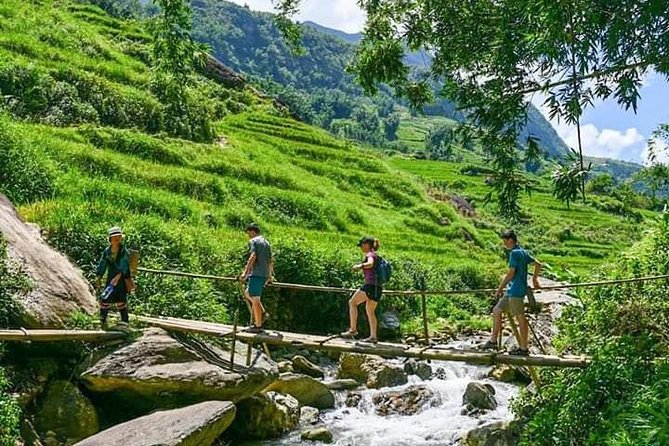
The second morning is intentionally flexible. You continue trekking, but the distance and challenge can be chosen by your group. This is a smart design after the long opening day. You might want a more ambitious walk, or you might prefer a shorter route that lets you enjoy the village and surrounding countryside without exhausting yourself.
Your guide helps shape the morning. Ask at breakfast what the possible route involves, particularly if your legs are tired or weather has changed. The supplied description does not give a fixed distance for day two, so the private format matters here.
You receive breakfast before setting out and another lunch during the day. In the afternoon, a taxi brings you back to Sapa. Private transportation is included, and the activity ends back at the ETHOS meeting point.
This return arrangement saves you from retracing the entire route on foot. It also means the trip does not finish with a long walk back to town. You can end the rural portion at a point that suits the day’s plan, then return by road.
What the guides add to the walk
The guide is central to this experience. The scenery is attractive, but without local explanation, it would be easy to reduce the day to a long walk through pretty surroundings.
Guides mentioned in the available experiences include Cha, Hoa, Ha, Ker, My, and Kae. Hoa is associated with the introductory background before the walk, while guides such as Ha and Kae are described as leading routes through forests, rice fields, villages, and less-used paths. My is associated with showing daily village life and introducing families.
These details point to a team with different strengths, but you should not assume you can select a particular guide unless ETHOS confirms it. What you can reasonably expect is a guide who helps interpret local life and manages the route rather than simply escorting you from point to point.
I would make your interests clear at the start. Tell the guide if you want more cultural explanation, more information about plants, or a stronger focus on walking. Since the experience is private, your questions can shape the day.
What the $93.34 price includes
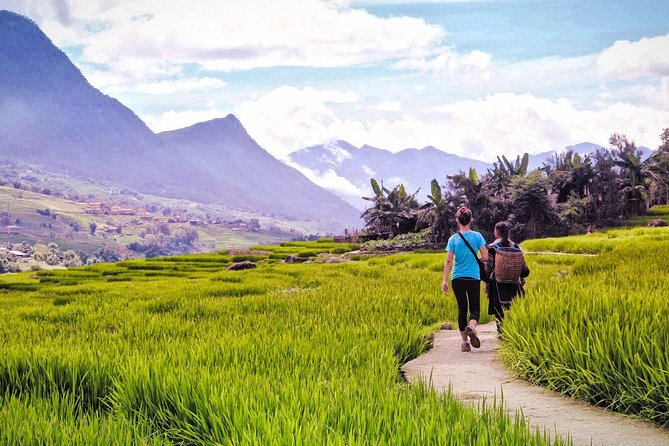
At $93.34 per person, this is not the cheapest way to see the Sapa Valley. It is also more than a basic guided walk because the fee covers two days, private transportation, a village homestay, four included meals, water, refreshments, and a private guide-led experience.
The price makes the most sense if you value time with local families and want the route arranged for you. You are paying for the overnight connection, the local guide, and the return taxi as well as the walking itself. A shorter sightseeing trip may cost less, but it will not offer the same overnight contact or flexible second day.
The minimum booking size is two people. Solo visitors cannot book this particular arrangement alone under the stated conditions. For two friends, a couple, or a small family group, the private format can be good value because you are not sharing the experience with a large crowd.
Travel insurance is not included. That is a small but important extra to arrange separately, particularly for a hike that depends on weather and includes a steep section.
Who should book this trek
I would recommend this experience to you if you want to:
- Walk through rice terraces, villages, and bamboo forest rather than stay near Sapa town.
- Meet a host family and spend the night in a village.
- Learn about Hmong and Dao communities through a local guide.
- Set the pace with a private group.
- Handle a demanding first day on foot.
- Trade hotel comfort for a more direct connection with village life.
You may want a different option if you dislike uneven trails, long walks, or simple homestay accommodation. The first day is approximately 14 kilometers, and the two-kilometer climb makes it more than a casual outing.
It also may not be right if you have only a few hours in Sapa. The experience starts in the morning, includes an overnight stay, and returns the following afternoon. Its value comes from giving the valley time, not from fitting in as many sights as possible.
Booking and cancellation points
You receive confirmation when you book, and the activity has a mobile ticket. It starts at 8:30 a.m. at the ETHOS center and ends at the same meeting point after the taxi ride back to Sapa.
You can cancel for a full refund if you do so at least three full days before the local start time. Changes or cancellations inside that window are not accepted for a refund. Since the trip requires good weather, check the forecast before departure and remember that a weather cancellation offers either another date or a full refund.
The activity is near public transportation, but the key practical requirement is fitness rather than transport. Plan to arrive ready for the trail, not as if you were heading to a standard city tour.
Should you book this ETHOS trek?
Book it if the idea of learning through a family meal, a village night, and a long walk appeals to you more than ticking off viewpoints. The strongest parts are the private guide, the community connection, the flexible second morning, and the chance to see Sapa beyond the main town.
Skip it if you want a short and easy outing or a hotel-style overnight stay. The first day is demanding, the homestay is simple by design, and weather can affect the plan.
For the right visitor, $93.34 buys more than transport and scenery. It buys time in the valley, direct contact with local families, and a route shaped around cultural exchange rather than quick sightseeing.
FAQ
Where does the trek start?
It starts at ETHOS, Spirit of the Community, at 79 Nguyen Chi Thanh Street in Sapa, Vietnam.
What time does the experience begin?
The start time is 8:30 a.m.
How long is the tour?
The experience lasts approximately two days and includes one overnight homestay.
How far is the first day’s trek?
The first day is approximately 14 kilometers, or about nine miles.
Is the first day difficult?
The first six kilometers follow relatively easy but undulating terrain. The route then includes a steep climb of around two kilometers, so a moderate fitness level is needed.
Where do I sleep?
You stay with a host family in a village set among rice paddies.
What meals are included?
The package includes two lunches, one dinner, and breakfast.
Is transportation included?
Yes. Private transportation is included, and a taxi returns you to Sapa in the afternoon of the second day.
Can I choose the second-day route?
Yes. The second morning offers flexibility in both distance and challenge, allowing your group to choose the level of walking.
What happens if bad weather cancels the trek?
You are offered a different date or a full refund if poor weather causes the experience to be canceled.
More walking country near Sapa
- Sapa: Eco Adventure Terrace Fields and Local Villages Trek
★ 4.9 · 636 reviews - From Sapa: 1-Day Guided Trek to Lao Chai & Ta Van with Lunch
★ 4.9 · 416 reviews - Sapa 1 Day Long Trek: Trek to Hau Thao and Sa Seng Villages
★ 4.6 · 344 reviews - 1-Day Sapa Long Trek – Rice Field Terrace, Ethnic Culture
★ 4.9 · 62 reviews
Newly reviewed in Sapa
- 1-Day Sapa Long Trek – Rice Field Terrace, Ethnic Culture★ 4.9 · 62 reviews
- Sapa: Motorbike Tour 1 Day Visit Waterfalls & Local Villages★ 5.0 · 112 reviews
- Sapa Motorbike Tour With Local Guide 1 Day – Waterfalls, Villages★ 5.0 · 254 reviews
- Sapa Motorbike Experience: Local Life, Rice Fields & Waterfalls★ 5.0 · 70 reviews
- Motorbike 1 Day Off The Beaten Track, Hidden Villages, rice field★ 5.0 · 203 reviews
- Sapa: Fansipan Cable, Cat Cat Village, Moana Instagram Tour★ 4.8 · 294 reviews
- From Sapa: 3-Day Ha Giang Loop with Safe Rider (max 8 pax)★ 4.9 · 285 reviews
- Sapa 1 Day Long Trek: Trek to Hau Thao and Sa Seng Villages★ 4.6 · 344 reviews
Trekking & Homestays, compared.
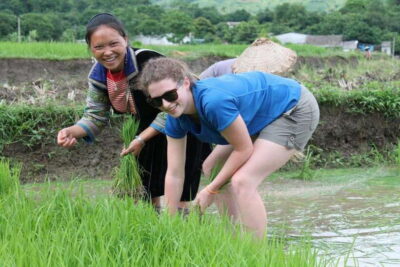
Muong Hoa Valley Trek and Local Ethnic Villages
Read our review →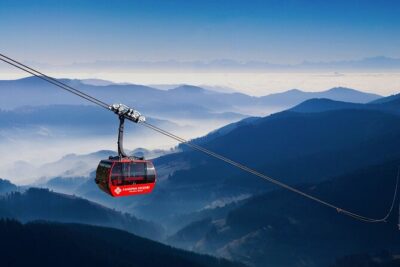
Fansipan Cable, Cat Cat Village & Moana Instagram Tour
Read our review →
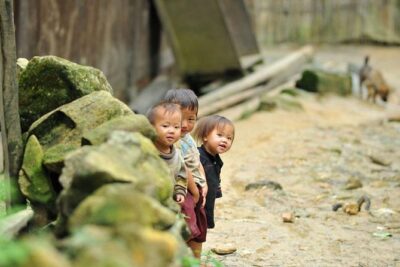
Sapa 3 Days 2 Nights Trekking Tour (1 Night In Ta Van Village, 1 Night In Hotel)
Read our review →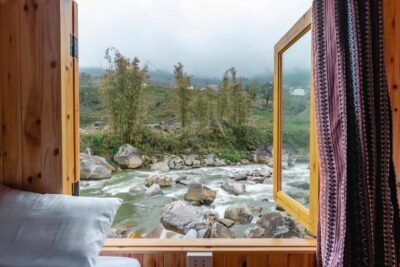
2-Day Sa Pa Ethnic Homestay Tour & Trek with Limousine Bus
Read our review →
Cat Cat Village, Moana, Fansipan Cable Car, Alpine Coaster – Sapa
Read our review →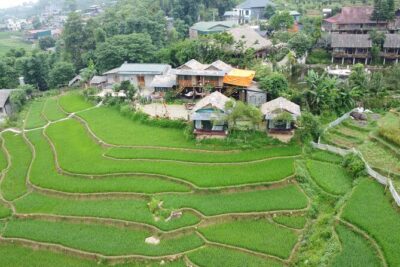
Browse the lists this tour appears in